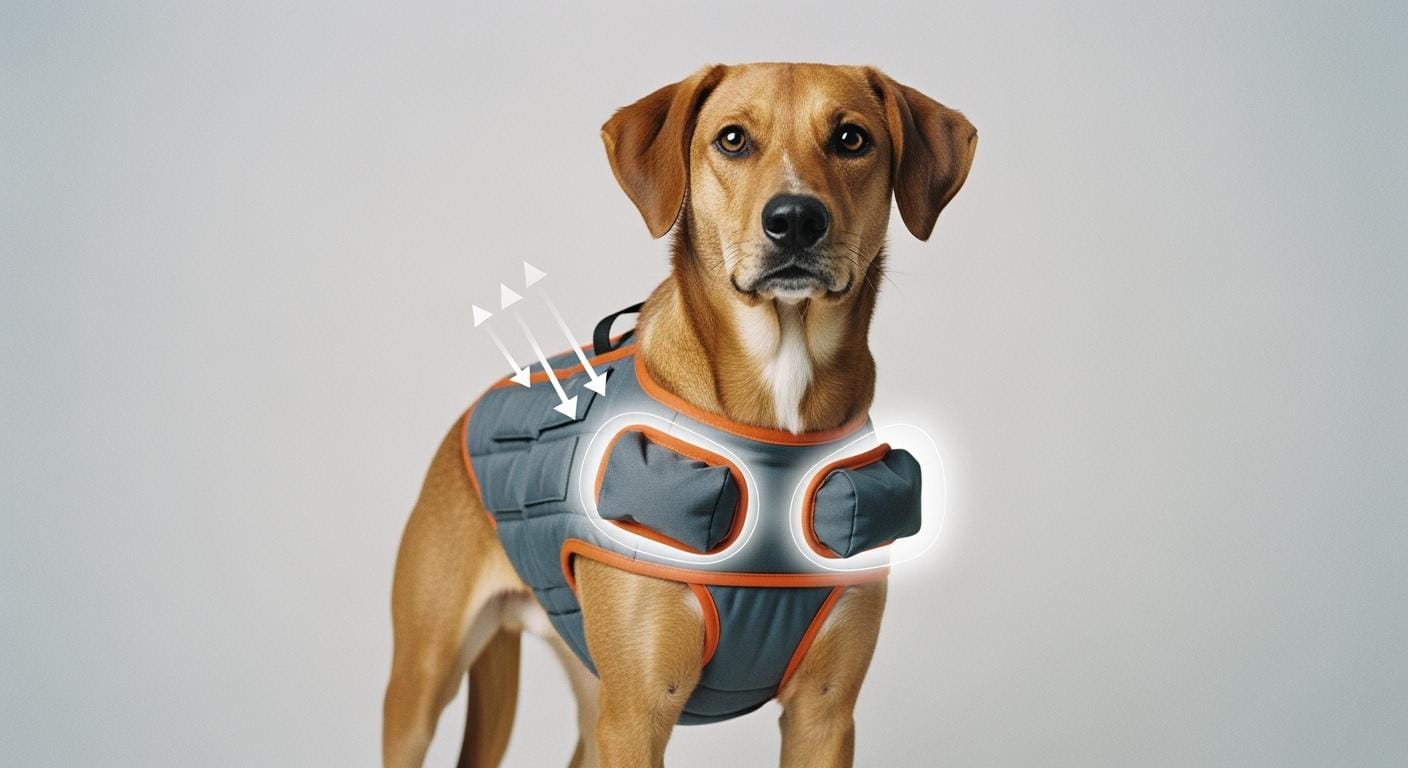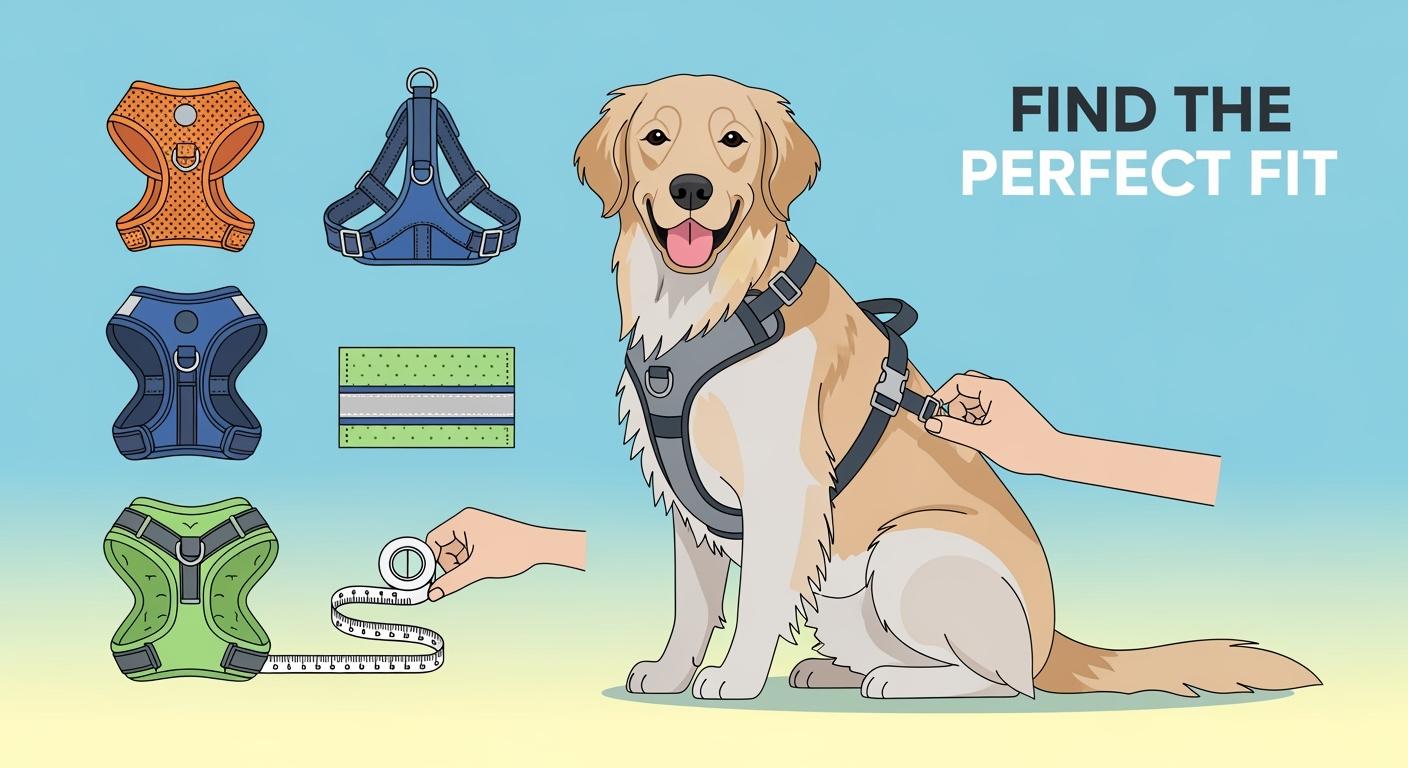
A top-rated dog harness can still fit poorly once the dog starts walking. Ratings and product photos do not always show throat pressure, shoulder restriction, underarm rubbing, strap shift, padding heat or hardware contact during real movement. Before judging a harness by reviews alone, the first walk should reveal whether the strap path stays stable, the chest area clears the throat, the shoulders move freely and the padding stays comfortable without rubbing or trapping heat.
Why High Ratings Do Not Prove Harness Fit
Ratings often reflect the wrong use case
A highly rated harness may be reviewed by people using it for calm neighborhood walks, short outings, small dogs, or dogs that do not pull strongly. That same product may perform differently for active outdoor use, stronger dogs, broad-chest breeds, narrow-waist dogs, short-coated dogs, or dogs that change direction suddenly under leash pressure.
This matters for sourcing because a product can appear safe on a listing page while still creating mismatch risk in the market you are targeting. A buyer should ask what type of walking problem the harness is solving. Is it mainly a soft daily-walk harness? Is it designed for better steering? Is it intended for stronger pulling? Is it built for outdoor use where dirt, moisture, and longer wear time matter? A rating alone cannot answer those questions.
Feature claims still need physical checks
Words like no-pull, escape resistant, heavy duty, reflective, breathable, and comfortable sound useful, but each one must be connected to a physical design detail. A no-pull claim is weak if the front clip twists the harness out of position. A heavy duty claim is less useful if thick material traps heat or sits too close to the underarm area. A breathable claim is not enough if the padding covers too much of the chest and belly.
| Claim buyers see | What to check in the product | Why the rating may still mislead |
|---|---|---|
| No-pull | Front clip position, chest centering, shoulder clearance | The steering point can twist the harness if the body shape is wrong |
| Escape resistant | Neck opening, belly strap position, adjustment range | A static try-on does not show what happens when a dog backs up |
| Heavy duty | D-ring reinforcement, stitching, buckle quality, strap width | Extra bulk can reduce comfort if the layout is not balanced |
| Soft and comfortable | Edge finish, padding placement, underarm clearance | Soft padding can hide rubbing points or increase heat buildup |
| Breathable | Panel coverage, mesh density, drying speed, lining feel | Breathable material does not help if the design covers too much skin |
A rating is a market signal, not a fit guarantee. For sourcing, the better question is whether the harness shape still works when the dog moves, pulls, turns, and wears it for normal daily use.
First-Walk Fit Checks Buyers Should Care About

Start with measurement, but do not stop there. A harness can match the size chart and still fail once the dog starts walking. The useful sourcing question is whether the design leaves enough room for different body shapes while still staying secure under leash tension. This step helps with finding the right size.
The neck opening should stay low and clear
The front edge should not climb toward the throat when the leash tightens. If the neck opening rides up, the problem may come from the cut of the harness, the strap angle, or the way the front section handles leash pressure. For B2B buyers, this is a product-shape issue, not just a user-adjustment issue.
The shoulders should move without being crowded
A harness that crosses too heavily over the shoulder path can make movement look shorter or stiff. This may not appear in a product photo. Buyers should look at whether the front panel, chest strap, or side straps allow natural forward motion. A harness meant for daily walking should not trade basic movement freedom for a bulky sense of control.
The chest and belly straps should stay centered
A stable harness should remain flat and balanced when the dog turns or when leash tension changes. If it rolls to one side, sags, or drifts after a few steps, the design may not match the body shape it claims to fit. This is especially important for products positioned across a wide size range, because the same structure may not behave equally on every dog size.
Contact points should stay quiet after movement
Check the underarm area, chest edge, buckle zones, seam ends, and the places where the strap changes direction. Rubbing, scratching, hair breakage, pink skin, or repeated adjustment needs are warning signs. A harness that needs constant correction does not feel reliable, even if reviews describe it as comfortable.
| Fit check | Good signal | Warning signal | Buyer takeaway |
|---|---|---|---|
| Neck position | Stays low and clear of the throat | Rides upward under leash tension | The front shape may need redesign or a different size range |
| Shoulder movement | Dog walks and turns naturally | Shortened stride or stiff front movement | The harness may be too restrictive for daily use |
| Chest stability | Harness stays centered and flat | Rolls, twists, or slides sideways | The adjustment range or strap path needs closer review |
| Underarm contact | No rubbing after a short walk | Scratching, hot spots, or hair wear | Padding and edge finish should be judged before bulk choice |
The most useful test is simple: does the harness stay calm on the dog after movement starts? If the fit only looks correct while the dog is standing still, the product has not yet proved enough for a buyer decision.
Materials and Hardware Only Matter After Fit Works
Many buyers compare dog harnesses by padding thickness, buckle type, webbing width, D-ring strength, or reflective details. Those details matter, but only after the basic fit is right. A top rated harness should be one that fits well and is easy to size, center, adjust, and explain for the intended use case.
Padding should protect, not hide problems
Padding can improve comfort when it is placed in the right zones with smooth edges and enough breathability. But thick padding can also make the harness hotter, heavier, and harder to judge. If padding hides a poor strap path or pushes material too close to the underarm, it becomes a risk rather than a benefit.
Hardware should support the use case
Metal hardware, larger buckles, and reinforced D-rings can make a harness feel more durable. The question is where those parts sit on the dog and how they behave under movement. Buckles near high-friction areas, crowded strap junctions, or D-rings that pull the harness off center can weaken the real user experience.
Edge finish is easy to overlook
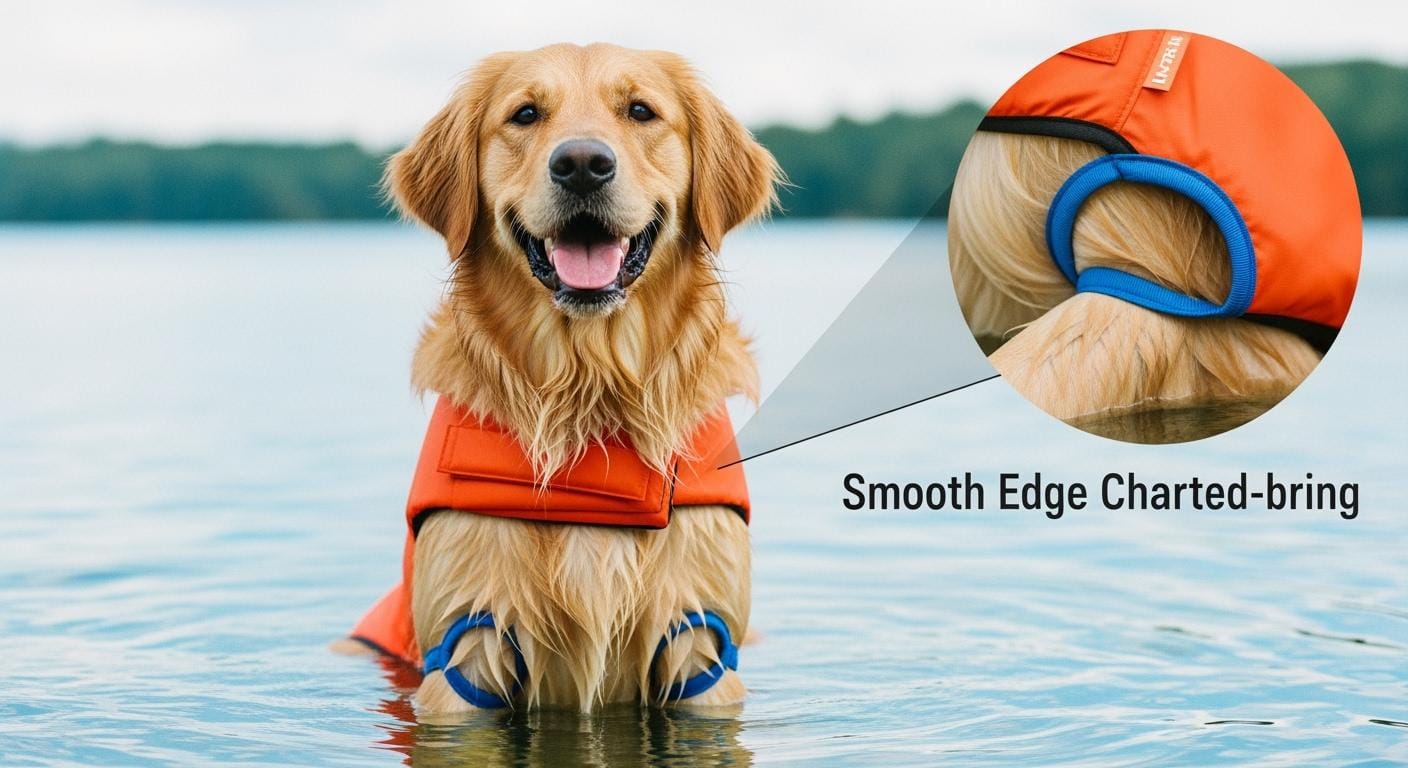
Rough binding, stiff cut edges, raised seam ends, or crowded stitching can create irritation during repeated use. For a B2B buyer, these details are worth checking because they affect how the product feels after the first impression. A clean edge finish often matters more than a long feature list.
| Part to inspect | Better sign | Risk to avoid |
|---|---|---|
| Webbing and edge finish | Dense feel, smooth edges, no scratchy seam ends | Stiff edges near the chest or legs |
| Padding placement | Cushions pressure zones without covering too much body area | Padding that traps heat or hides poor fit |
| Stitching at load points | Neat reinforcement around D-rings, buckles, and handles | Loose thread ends, crowded junctions, uneven lines |
| Buckles and adjustment points | Hold tension and sit away from rub zones | Bulky parts that land near the elbow or underarm area |
| Reflective details | Placed where they remain visible during motion | Used as a substitute for fit, control, or material quality |
Better build does not rescue a poor shape. If the harness rides up, shifts, or rubs, stronger materials alone will not fix the daily-use problem.
When a Top Rated Harness Is Still the Wrong Choice
The product promises comfort but does not match the walking problem
Some highly rated harnesses are soft, easy to put on, and comfortable for calm daily walks. That does not mean they are the right fit for strong pulling, crowded sidewalks, busy outdoor routes, or dogs that need clearer leash guidance. Buyers should match the harness layout to the walking problem, not only to the review score.
The size range is too broad for the structure
A wide size range can look efficient, but the harness shape must still make sense across body types. Broad-chest dogs, narrow-waist dogs, deep-chest dogs, and short-coated dogs may all react differently to the same structure. If a product tries to cover too many shapes without enough adjustment clarity, ratings can hide real fit mismatch.
The product adds bulk where the dog needs freedom
A harness can look protective while limiting movement or increasing heat. This is common when buyers overvalue thick padding, heavy panels, or large hardware. More structure is not automatically more secure. The right product balances support, movement, comfort, and control for the use case it claims to solve.
- Do not treat reviews as proof that the neck opening will stay clear.
- Do not treat soft padding as proof that the underarm area will stay comfortable.
- Do not treat no-pull language as proof that the front clip will remain centered.
- Do not treat heavy duty construction as proof that the harness is right for long wear.
- Do not treat broad compliance language as proof of real fit suitability.
A top rated dog harness earns buyer confidence only after the product details support the rating. It should stay low at the neck, allow clean shoulder movement, remain centered under leash tension, avoid repeated rub points, and use materials that match the intended walking scenario. If it fails those checks, the rating belongs to someone else’s use case.
FAQ
Can a top rated dog harness still be a poor sourcing choice?
Yes. A harness can have strong public ratings and still be a poor fit for a specific buyer’s market, size range, or use case. Ratings show general response. They do not replace checks on throat clearance, shoulder movement, strap path, hardware placement, and material comfort.
Should B2B buyers choose by reviews or by product structure?
Reviews can help identify interest, but product structure should decide whether the harness is suitable. Buyers should review sizing logic, adjustment range, load points, padding placement, buckle position, edge finish, and the walking scenarios the harness is meant to support.
What is the most important first-walk signal?
Stability in motion is the most important signal. If the harness stays centered, avoids throat pressure, allows natural front-leg movement, and does not create rubbing after a short walk, the design is more likely to support real daily use.
Do GPSR or REACH references prove that a harness fits well?
No. Product-safety and chemical-compliance language can matter for market readiness, especially when selling into regulated markets, but it does not prove that a harness shape fits a dog’s body cleanly or performs well during movement.
When should a buyer reject a highly rated harness design?
Reject or redesign the product direction if the harness repeatedly rides toward the throat, twists under leash tension, restricts the shoulders, rubs behind the front legs, traps heat, or needs constant adjustment during ordinary walking use.