
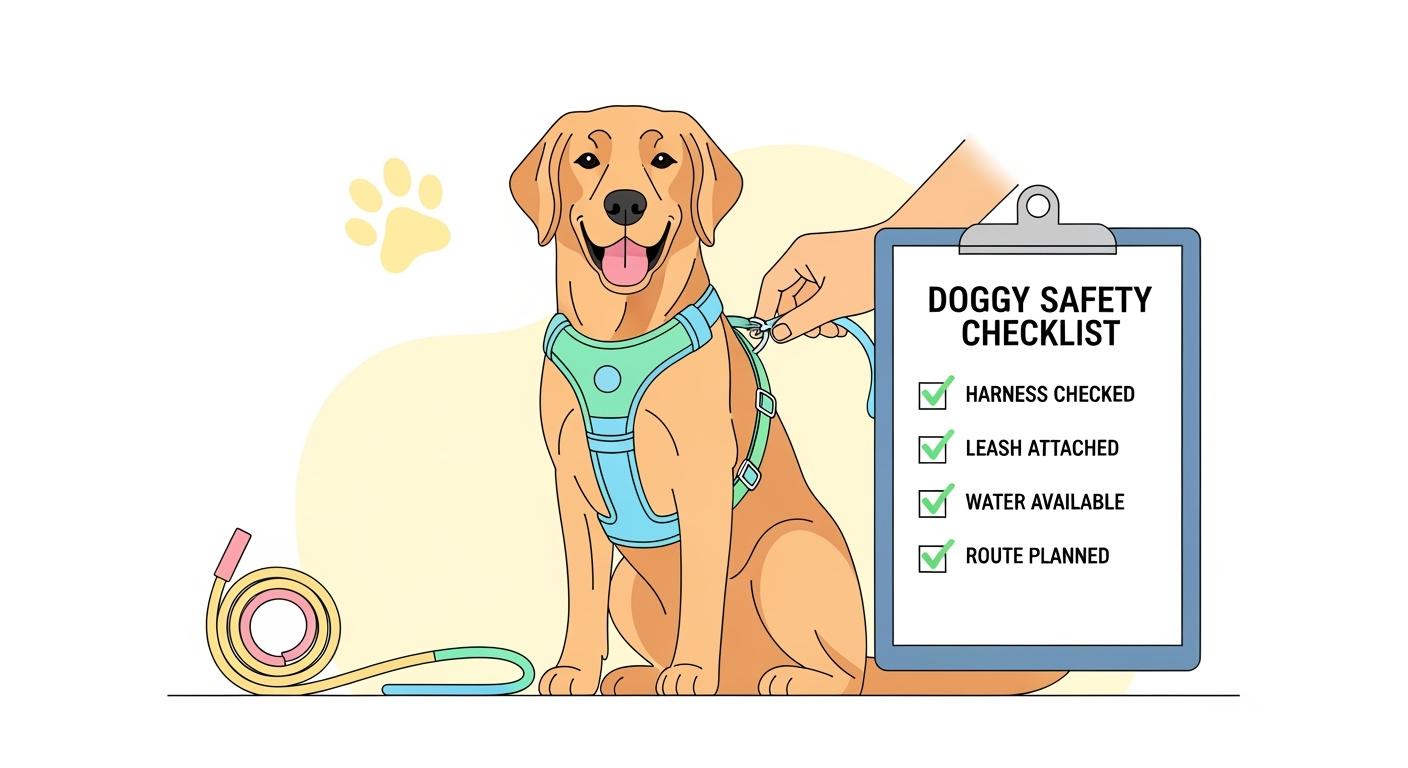
Many shoppers use the phrase balance dog harness to describe a harness that sits evenly, stays centered, and lets a dog move naturally. That is a useful goal. The mistake is thinking the fit is solved while the dog is standing still. A harness can look neat in the house and still twist, creep upward, or start rubbing once the walk actually begins.
This page focuses on what good fit looks like in motion. Instead of repeating a generic buying checklist, it shows what to watch when your dog starts walking, why static fit is only the first step, and which red flags mean the design or size is wrong for your dog.
This guide is not medical advice. If your dog shows distress, limping, coughing, or skin irritation, stop using the harness and speak with your veterinarian.
Key Takeaways
- A good balance-style harness should stay centered while your dog walks, turns, and pauses.
- Measure your dog’s neck and chest accurately before buying.
- Shoulder freedom, throat clearance, and underarm comfort matter more than a tidy first impression.
What good fit looks like in motion
It should stay centered without crowding the front end
A good balance-style harness does not rely on looks alone. Once the leash is attached, the harness should still sit in the middle of the chest, stay low enough at the neck, and avoid drifting toward one shoulder. If the front section starts riding upward or the whole harness rolls to one side, the fit is not as balanced as it first seemed.
Even pressure matters more than thick padding
Soft padding can feel reassuring, but it does not fix poor strap placement. The useful question is whether the harness spreads pressure across the chest and torso without making the dog shorten stride, hunch, or keep adjusting. A harness that feels padded but moves badly is still the wrong fit.
In-Motion Fit Table
| Check Point | Good Sign | Red Flag | Why It Matters |
|---|---|---|---|
| Chest position | Stays centered when the leash tightens lightly | Slides off center or rolls to one side | Off-center pressure usually gets worse on longer walks |
| Neck opening | Sits low at the base of the neck | Creeps upward toward the throat | Upward creep can make handling and comfort worse fast |
| Front movement | Dog takes a normal stride | Dog shortens stride or turns stiffly | Restricted movement is a fit problem, not a training issue |
| Underarm area | No rubbing during a short walk | Hair flattening, scratching, or red marks | Small rub points usually get worse with repeated use |
Fit it while standing, judge it while walking
Picking a balance dog harness is not just about style. The standing fit is only the start. A harness can pass a quick indoor check and still show the wrong shape once your dog moves at normal walking speed.
Measure the neck base and chest first
Start with a soft tape and measure the base of the neck and the widest part of the chest. These numbers give you a better starting point than guessing by breed or by a simple small/medium/large label. A balance-style harness still needs the right size before you can judge the layout.
Check throat room, shoulder freedom, and underarm clearance
After you fit the harness, look at three areas before you start walking: the throat should stay clear, the front of the shoulder should not feel crowded, and the side straps should not sit so close to the leg crease that one short walk becomes a rubbing problem. Then do the part that matters most: walk a few minutes and look again.
Standing Fit vs Walking Fit
| Stage | Pass Signal | Fail Signal | Next Move |
|---|---|---|---|
| First fitting | Harness lies flat and closes cleanly | Gapping, twisting, or obvious tightness | Reset straps before walking |
| Short walk | Dog moves naturally and the harness stays centered | Twisting, creeping, scratching, or shortened stride | Stop and reassess fit |
| Post-walk recheck | No hot spots or fresh rub marks | Redness, flattened fur, or repeated licking | Do not keep using the same fit unchanged |
Problems that show up after a few minutes
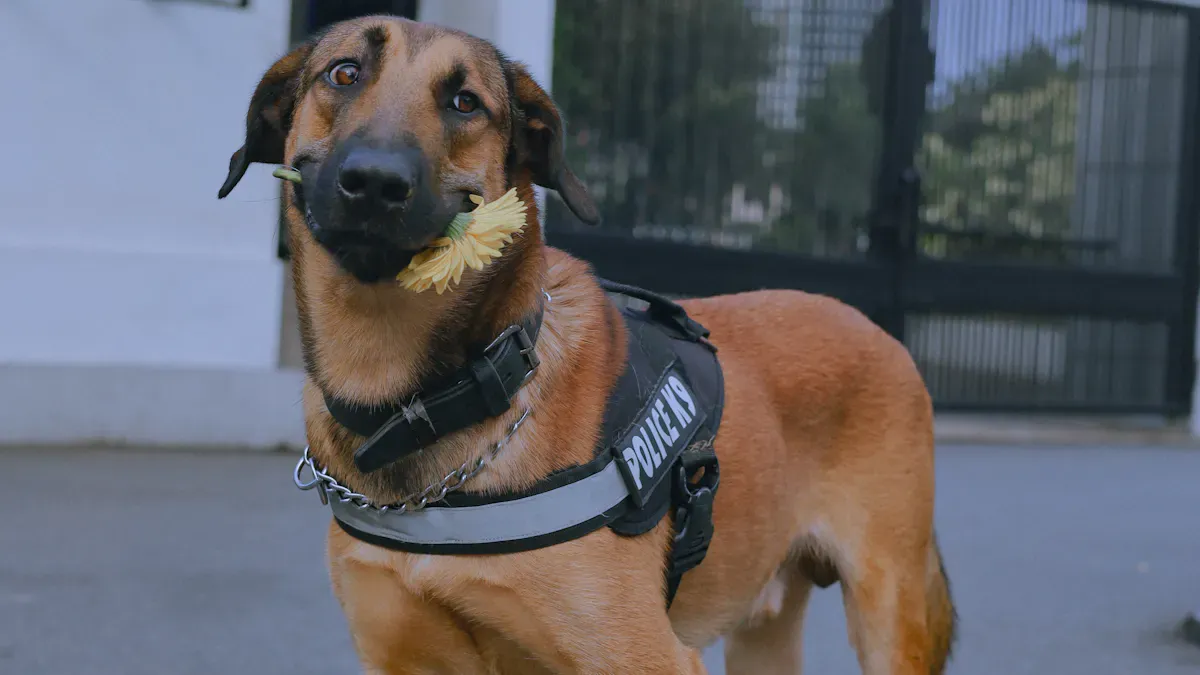
Twisting, throat creep, and backing out are fail signs
Some problems do not show up until your dog turns, pauses, or leans into the leash. If the harness twists during a normal turn, starts climbing toward the throat, or gives the dog room to back out under pressure, do not treat that as a small adjustment issue. Those are the signs that matter most.
Heat, bulk, and constant readjusting count too
A harness can also fail by becoming annoying rather than obviously unsafe. If it feels too bulky for the dog’s frame, traps too much heat, or needs constant strap correction on ordinary walks, it is not doing its job well. A balance-style harness should feel steady, not needy.
Short-Walk Red Flag Table
| What You Notice | Likely Problem | Fast Check | Better Response |
|---|---|---|---|
| Harness rolls to one side | Uneven fit or wrong shape for the body | Look at chest position after a turn | Refit once, then change design if it repeats |
| Dog shortens stride | Front layout is too restrictive | Compare movement before and after fitting | Use a freer-cut harness shape |
| Dog scratches or licks after the walk | Rubbing or pressure is building | Check underarms and chest contact points | Stop using that fit unchanged |
| Harness feels too warm or bulky | Too much coverage for that dog or route | Watch recovery and comfort after a short outing | Choose a lighter setup |
| Dog can back out under tension | Loose fit or poor geometry | Test carefully while parked or in a safe space | Do not trust it for daily walks |
Tip: The right harness should need less correction over time, not more.
When a simpler harness is the better choice
Calm walkers may not need extra structure
Not every dog needs a balance-style harness with more adjustment and coverage. If your dog walks calmly, does not pull much, and already moves well in a simpler setup, extra structure may add bulk without adding much value.
Repeated fit failures usually mean the design is wrong
If the same problems keep coming back after careful adjustment, the better answer is often a different harness style, not one more strap change. A harness that only works when everything is perfectly reset is usually not the best everyday choice.
When to Keep It Simple
| Situation | Balance-Style Harness a Good Match? | Better Direction |
|---|---|---|
| Dog needs careful fit tuning and stays comfortable once adjusted | Often yes | Keep the setup and recheck regularly |
| Dog walks calmly and does not need extra structure | Maybe not | Use a simpler harness if it already works well |
| Harness keeps twisting, rubbing, or creeping upward | Often no | Change the design instead of fighting the same fit problem |
If your dog coughs, limps, has red skin, seems upset, or walks strangely, talk to your veterinarian. This guide is not medical advice.
The right balance dog harness should look ordinary once it is on. It should stay centered, leave the throat clear, allow easy movement, and stop asking for constant correction. If the walk keeps exposing the same problem, that is the fit verdict.
FAQ
Is a Y-neck always the best choice?
Not automatically. A Y-shaped front can be a good starting point, but the real test is still how the harness sits and moves on your dog. A poor Y-front fit can still twist, rub, or crowd motion.
How snug should a balance harness feel?
It should feel secure without pinching. You want enough contact to stop shifting, but not so much that the dog braces, resists, or loses natural movement.
Why does the harness look fine at home but twist outside?
Because static fit and walking fit are not the same thing. Turning, leash tension, speed changes, and coat movement often reveal problems that a standing check misses.
When should I stop using the same harness?
Stop when the same red flags keep returning: throat creep, rubbing, twisting, backing out, or a dog that moves worse every time the harness goes on. At that point, a different shape is usually the better answer.






