
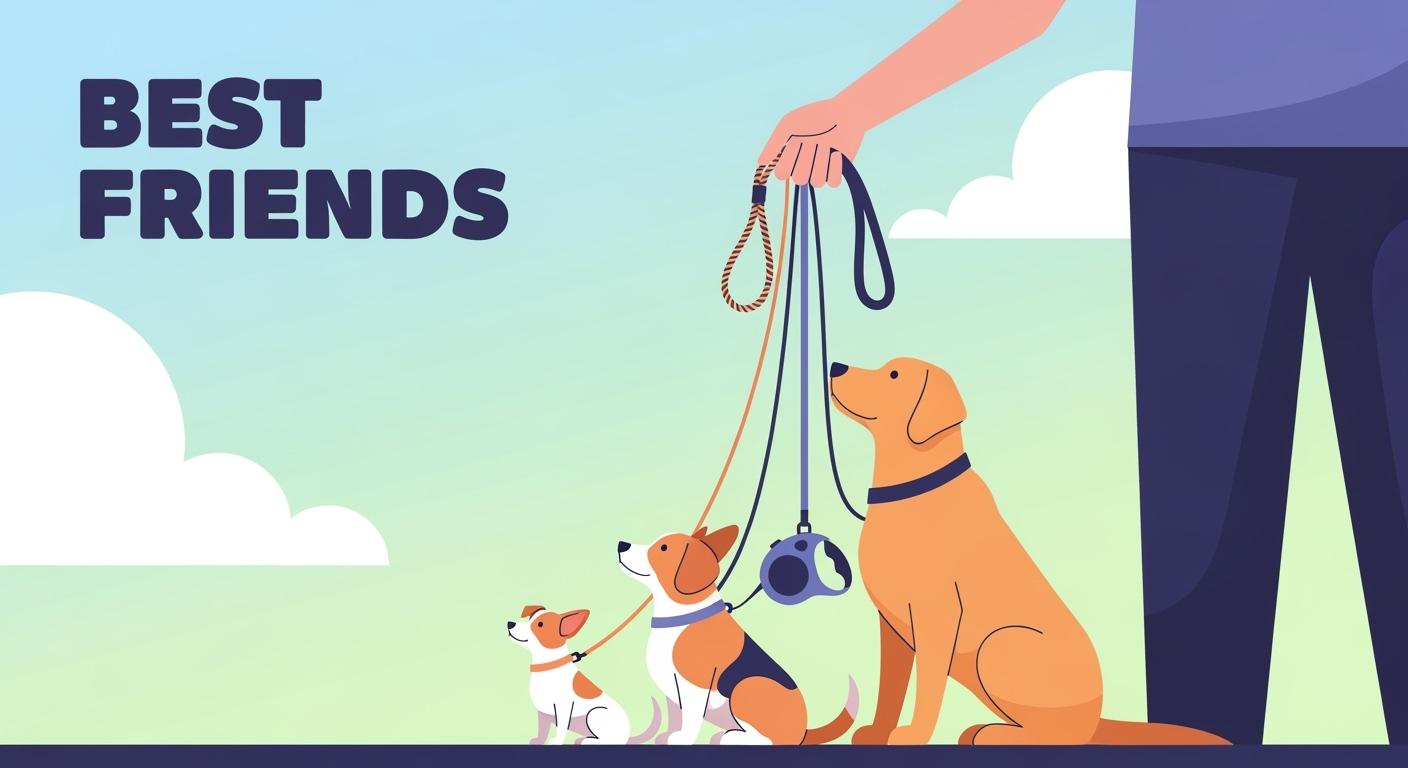
You can buy a sturdy-looking leash and still end up with a poor everyday walking setup. The problem is usually not just strength. It is mismatch. A leash can feel too heavy for a small dog, too bulky at the clip, awkward in your hand, or wrong for the route you walk most often. The best choice depends on how your dog moves, how much control you need, and how easy the leash is to handle and clean after regular use.
- Pick the right leash size for your dog’s weight and strength.
- Match leash type to your real walking route, not to appearance alone.
- Check clip closure, hand feel, and leash path before relying on a new setup for daily walks.
Start with the walk you actually do
Before you compare materials or colors, decide what kind of walk the leash needs to handle. A leash for short urban walks has different priorities than a leash for quiet neighborhood loops, wet routes, or hands-free use. Buying by looks alone is one of the easiest ways to end up with a setup that feels annoying in real use and gets returned quickly.
Choose by route, control, and dog behavior
| Leash type | Usually works best when | Check before buying |
|---|---|---|
| Standard hand leash | You want simple control for most daily walks | Handle comfort, clip size, easy cleanup |
| Hands-free waistband leash | You want both hands free for walking or light jogging | Belt stability, bounce, leash path, quick access to the dog |
| Traffic-handle leash | You often move through doors, curbs, parking lots, or crowded paths | Secondary handle placement and comfort when grabbing fast |
| Easy-clean coated or wipe-clean leash | You walk in mud, rain, or messy outdoor areas | Grip when wet, clip movement, wipe-clean surface |
A good everyday leash should help you guide your dog without feeling heavy, stiff, or awkward. If you mainly walk in crowded areas, choose a setup that keeps extra slack under control. If you walk in wetter or dirtier places, cleanup may matter just as much as hand feel.
Fit and size checks before you buy
Match leash weight and clip size to the dog in front of you
The leash should feel scaled to your dog and to the connection point on the collar or harness. A very large clip on a very small dog can bounce, tap the chest, or twist the front of the setup. A leash that feels fine in the hand can still be too much at the dog end if the clip is bulky or the webbing is overly heavy. On the other side, a very light setup may not feel stable enough for a stronger dog that leans or surges at the start of a walk.
Use this quick check before the first real walk:
- Clip the leash to the collar or harness you actually use most often.
- Let the dog stand, turn, and take a few steps indoors or on a driveway.
- Watch whether the clip bangs, twists, or pulls the front of the setup off center.
- Hold the leash as if you were on a real walk and notice whether the handle digs, slips, or feels hard to control.
- Do a short test walk and check again once the dog settles into a normal pace.
Choose length by leash path, not by a fixed rule
There is no single best length for every dog or every route. A leash should be short enough to keep the dog from drifting into doors, wheels, curbs, or passing feet, but long enough to let the dog walk naturally without constant tension. Instead of starting with a number, look at the leash path during a short test:
- Does the leash drag under the dog or wrap around the front legs?
- Does slack pool too close to wheels, curbs, or your own feet?
- Do you need to shorten your grip too often just to stay in control?
- If you are using a waistband setup, does the belt twist or ride up when the dog changes direction?
Tip: The best leash length is usually the shortest one that still lets your dog walk naturally and lets you react without rushing your grip.
Pass or fail checklist for first use
| Check item | Pass signal | Fail signal | What to change |
|---|---|---|---|
| Clip scale | Looks balanced at the collar or harness connection point | Bulky, bouncy, or twists the front of the setup | Use a lighter or smaller clip style |
| Leash path | Moves cleanly without wrapping under the dog or around your feet | Drags, tangles, or creates constant slack problems | Adjust leash length or choose a different type |
| Handle comfort | Easy to hold through a short walk | Digs into the hand or feels slippery when tension rises | Choose a different handle shape or surface |
| Control on turns | You can shorten or guide the dog without fumbling | You keep readjusting your grip or losing control at doorways | Try a shorter setup or add a traffic-handle option |
| Waistband stability | Belt stays stable and does not roll or slide | Belt twists, rides up, or bounces too much | Recheck fit or move back to a hand-held setup |
Material, clip, and handle checks
Pick the surface that matches your real cleanup routine
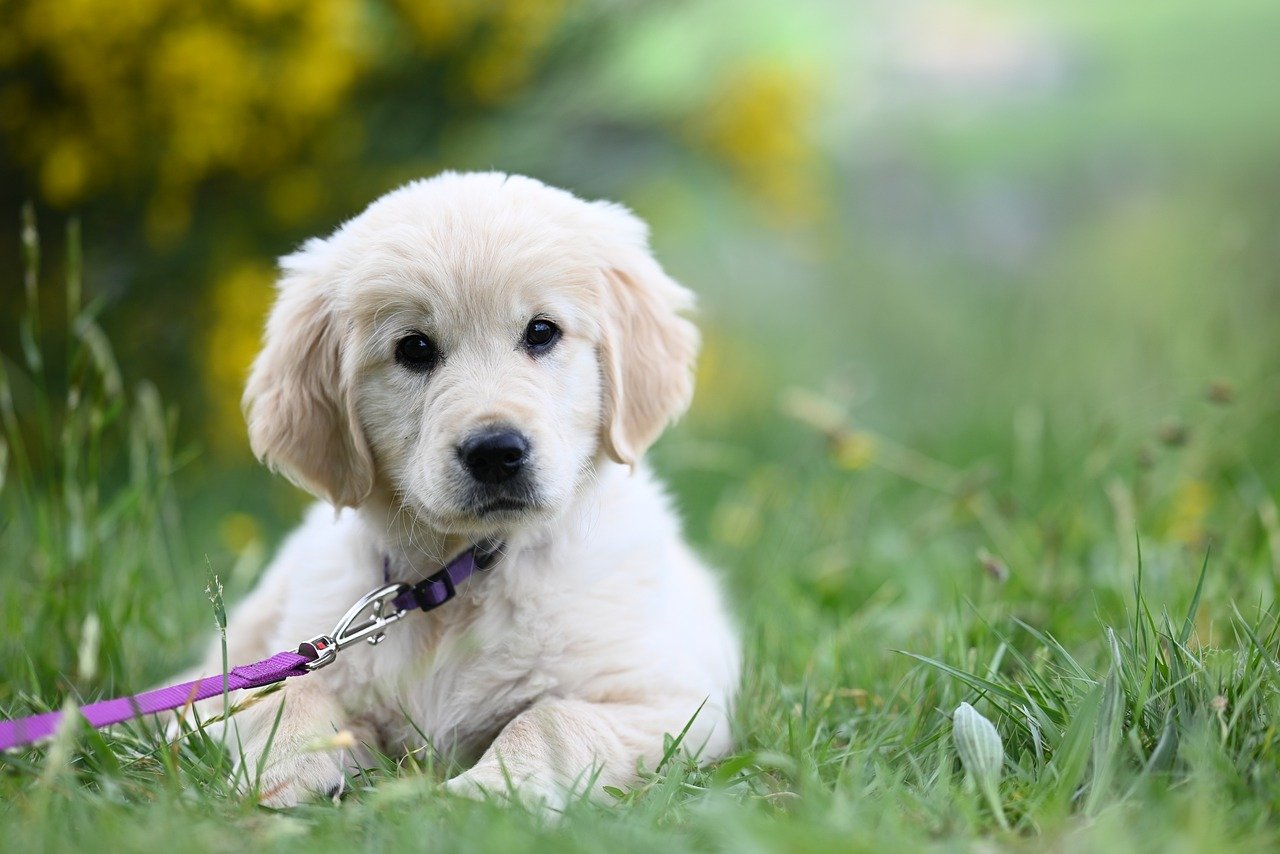
You need to pick the right lead for your dog. Material choice affects hand feel, cleanup, flexibility, and how the leash behaves when wet. Webbing styles are common for daily walks because they feel familiar and are easy to pack. Coated surfaces are often easier to wipe clean after wet or dirty routes. Leather can feel softer and less harsh in the hand over time, but it usually asks for more care if you want it to keep looking good. Rope-style leashes can feel comfortable to hold for some people, but they may also feel bulkier or slower to dry depending on the route you walk.
Instead of asking which material is universally best, ask which one fits your routine:
- If your leash often gets muddy, choose the one you can clean quickly and use again without fuss.
- If your hand gets sore on longer walks, pay more attention to surface feel and handle shape.
- If your dog pulls suddenly, check whether the material becomes hard to grip when tension rises or when the leash is wet.
Clip security matters more than decorative details
A clip should close fully, rotate freely, and stay closed when you tug and release it by hand. Before buying or before first use, open and close the clip several times. Look for rough movement, sticking, or a gate that does not spring back cleanly. Then connect it to the collar or harness and do a few controlled tugs. You are not trying to create a lab test. You are checking for obvious failure signals in normal handling.
Reflective trim can also help with low-light visibility, but it should be treated as a useful detail rather than a substitute for good route choice and attention. In the same way, padded or shaped handles can improve comfort, but only if they still let you shorten the leash quickly when you need to.
Common mistakes and quick troubleshooting
Buying mistakes that cause the most frustration
- Buying by appearance first and route second
- Choosing a bulky clip for a very small dog
- Picking a leash that feels fine in the store but uncomfortable after a few minutes of real walking
- Using a long or hands-free setup in places where you really need tighter control
- Ignoring cleanup and drying time until the leash becomes annoying to use day after day
What to check when something feels off
| Problem | Likely cause | Quick check | Practical fix |
|---|---|---|---|
| Clip taps the dog during walking | Clip is too large or too heavy for the setup | Watch the dog from the side during a short walk | Use a lighter clip or a less bulky leash |
| Leash keeps wrapping around legs or feet | Too much slack for the walking route | Check leash path at turns and doorways | Shorten the setup or switch to a different type |
| Handle hurts after a few minutes | Surface is harsh or grip shape is poor for your hand | Notice where pressure builds during a short walk | Choose a softer or better-shaped handle |
| Waistband shifts during walking | Fit or route choice is not working for the setup | Walk, turn, and stop a few times | Refit the belt or use a hand-held leash instead |
| Leash feels unpleasant after wet walks | Material is slow to dry or hard to clean | Rinse and dry it once before daily use | Choose an easier-clean surface for your route |
Disclaimer: This article is an everyday product-fit guide. It does not replace veterinary advice or one-to-one help from a qualified reward-based trainer if your dog shows pain, fear, or handling problems during walks.
FAQ
How do I know whether the leash is too heavy for my dog?
Clip it on and watch the first few minutes of movement. If the clip bounces, twists the front of the setup, or makes the dog move awkwardly, the hardware may be too bulky or too heavy for that dog.
Is a hands-free waistband leash always better?
No. It works best when the belt stays stable and the leash path stays clean during normal walking. If the belt twists, rides up, or slows your reaction time, a standard hand-held leash may suit your route better.
Which leash material is easiest to live with?
The easiest one is usually the one that fits your cleanup routine and still feels good in your hand. Wet, muddy routes often favor easier-clean surfaces. Longer dry walks may make hand feel the bigger deciding factor.
Should I choose by leash type or by the collar or harness first?
Start with the setup you already use most often, then match the leash to that connection point, your dog’s size, and your real walking route. The best leash is the one that works cleanly with the gear you actually use every day.






