
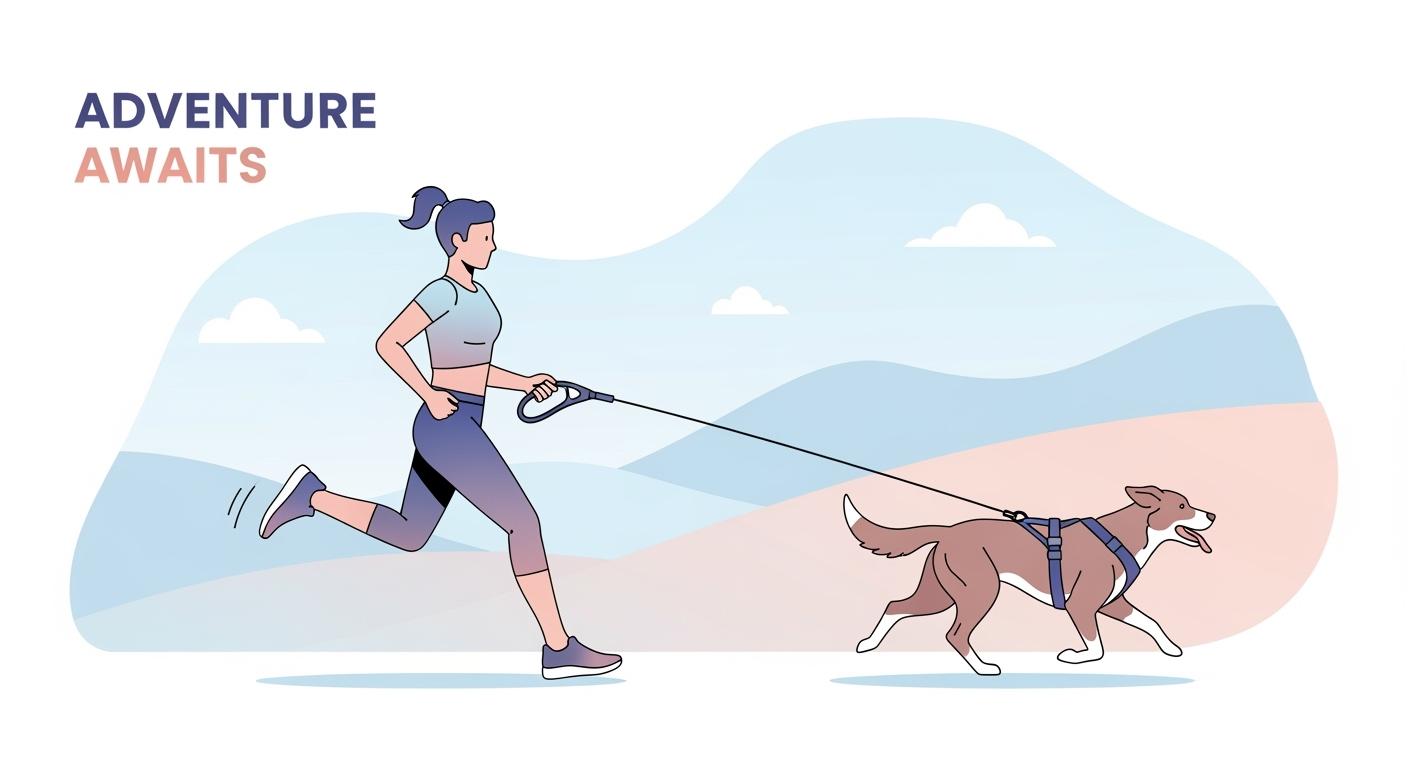
The best dog leash for running is the one that matches your route, your dog’s pace, and the way you want to control movement when things change fast. For most buyers, the real questions are not just “Is it strong?” but “Does it stay manageable at jogging speed?”, “Will the clip feel secure when my dog drifts sideways?”, and “Is it easy to clean after wet or dirty runs?”
This guide focuses on everyday running fit, control, and material checks. It is not a medical guide, and a running leash should not be treated as in-car restraint equipment.
What to check before you buy
- Choose leash length based on your route, not just the product label. Busier sidewalks usually need closer control, while open paths may allow a little more working room.
- Decide early whether you want a handheld setup or a waistband setup. Both can work, but they feel very different once you start jogging.
- Check handle comfort, clip size, leash weight, bounce, and cleanup. These details affect daily use more than feature lists do.
Choose a leash length between 4 to 6 feet for better control while running.
Fit and control during a run
Handheld or waistband
A handheld leash usually gives faster direct correction when you need to shorten space quickly at corners, crosswalks, or when passing other dogs. A waistband setup can feel smoother on steady routes because your arms move naturally, but only if the leash path stays tidy and your dog already runs in a predictable line.
Before you commit to either style, test it at walking pace first. Notice whether the leash swings into your legs, whether the clip rotates too much, and whether you can shorten the distance quickly without fumbling.
Hands-free leashes can work well for runners who want a more natural arm swing, but the setup should still feel easy to shorten and easy to stop.
Keep the leash path simple
The safest running setup usually feels boring in a good way: no constant tangling, no repeated leg crossing, and no sudden swing from one side of your body to the other. Pick one side for your dog and stay consistent. That makes it easier to read movement, avoid tangles, and keep your own stride balanced.
During your first test, jog for a short stretch, slow to a walk, then check three things: whether the leash stayed clear of your knees, whether the clip stayed aligned instead of twisting, and whether your dog could move forward without constant tension.
First-run checks
| Check | Pass | Fail sign |
|---|---|---|
| Leash path | Stays clear of your legs through walking and light jogging | Repeated tangling, knee contact, or leash dragging |
| Clip behavior | Closes fully and stays aligned while your dog changes pace | Twists, half-closes, or feels loose when pulled sideways |
| Control distance | You can shorten space quickly at crossings or distractions | Too much slack, delayed reaction, or hard jolts |
| Runner comfort | Grip or belt feels stable without rubbing | Handle burn, belt bounce, or side-to-side drag |
Tip: Do your first check on a quiet driveway, hallway, or empty path. Short tests make flaws easier to notice than a long run that hides several problems at once.
Materials and features that matter more in real use
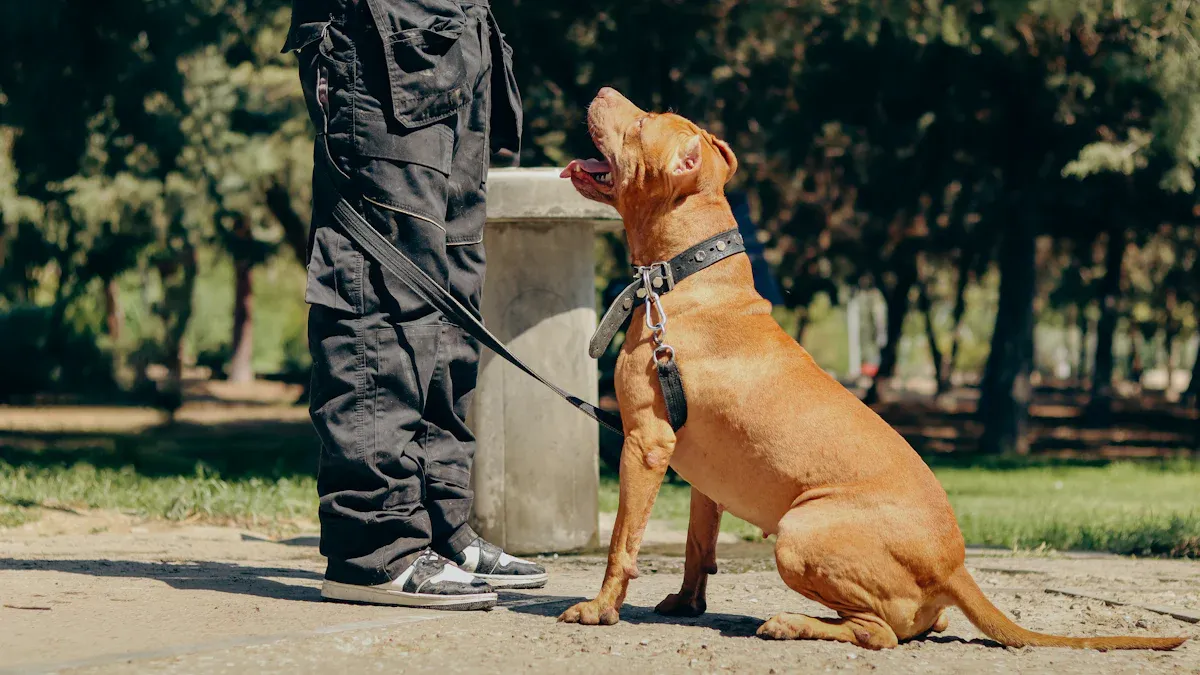
Material feel, cleanup, and weather handling
For running, the material should stay manageable when wet, wipe clean without much fuss, and avoid becoming stiff or unpleasant after repeated use. A soft webbing leash may feel familiar, but some runners prefer coated or smoother surfaces because they pick up less dirt and are easier to clean after muddy routes.
Instead of chasing a “best” material in the abstract, check what matters in use: does the leash get heavy after rain, does it stay comfortable when gripped with sweaty hands, and does dirt rinse off without leaving a gritty feel behind? Those answers tell you more than marketing labels.
Bungee, fixed webbing, and extra handles
A small amount of give can make running feel smoother, especially if your dog changes pace often. Too much stretch, though, can make the leash feel vague and delayed. A fixed leash often gives cleaner feedback and more direct control, which some runners prefer for dogs still learning how to run beside them.
Quick-grab handles can help in tighter spaces, but only if they sit flat and do not flap against your legs. Before buying, hold the leash the way you would use it on a real run. Check whether the extra hardware adds bulk, noise, or bounce.
Visibility and hardware checks
Low-light visibility can matter on early or late runs, so reflective stitching or trim is useful when it does not make the leash stiff. The clip should close cleanly, rotate without sticking, and feel proportionate to your dog’s size and movement. A very heavy clip can feel awkward on a smaller dog, while a flimsy clip may not inspire confidence on stronger pullers.
| Feature | What to check | Why it matters on a run |
|---|---|---|
| Handle or belt contact | No rubbing, pinching, or hot spots after a short jog | Small comfort issues turn into bigger distractions over distance |
| Clip size and closure | Feels secure, easy to attach, and not oversized for the dog | Better day-to-day handling and fewer awkward swings |
| Surface cleanup | Dirt and moisture wipe off without much residue | Easier maintenance after rain, grass, or dusty paths |
| Reflective details | Visible without making the leash overly stiff | Supports visibility on dim routes |
Common mistakes before you make it your regular running leash
Common buying mistakes
- Picking a leash that sounds feature-rich but feels awkward once you actually jog with it.
- Using a leash that is comfortable in the hand but difficult to shorten quickly.
- Choosing a clip that is too bulky for the dog or too light for the way the dog moves.
- Assuming a running leash also covers car-travel safety needs.
- Ignoring cleanup and dry-out time until the leash starts to smell or feel rough.
Quick troubleshooting
| Symptom | Likely cause | Fast check | What to do next |
|---|---|---|---|
| Leash keeps brushing your legs | Path is too loose or setup sits off-center | Walk and jog a short straight line | Shorten the working distance or reset belt position |
| Handle or belt rubs | Poor contact point or too much bounce | Check for hot spots after a few minutes | Try a softer grip, flatter belt, or simpler hardware layout |
| Clip feels awkward and swings heavily | Clip is oversized for the dog or route | Watch it during turns and pace changes | Choose a lighter, better-balanced clip setup |
| Leash stays damp and dirty | Material is harder to wipe clean or slower to dry | Clean and hang it after one wet run | Switch to an easier-clean material for your usual route |
Note: If your dog shows limping, panic, repeated coughing, or obvious discomfort during a run, stop and check your gear setup before trying again. For health concerns, speak with your vet.
The best running leash is usually the one that lets you forget about it once the run starts. If the leash path stays tidy, the clip feels secure, and cleanup does not become a chore, you are much closer to a setup you will actually keep using.






