
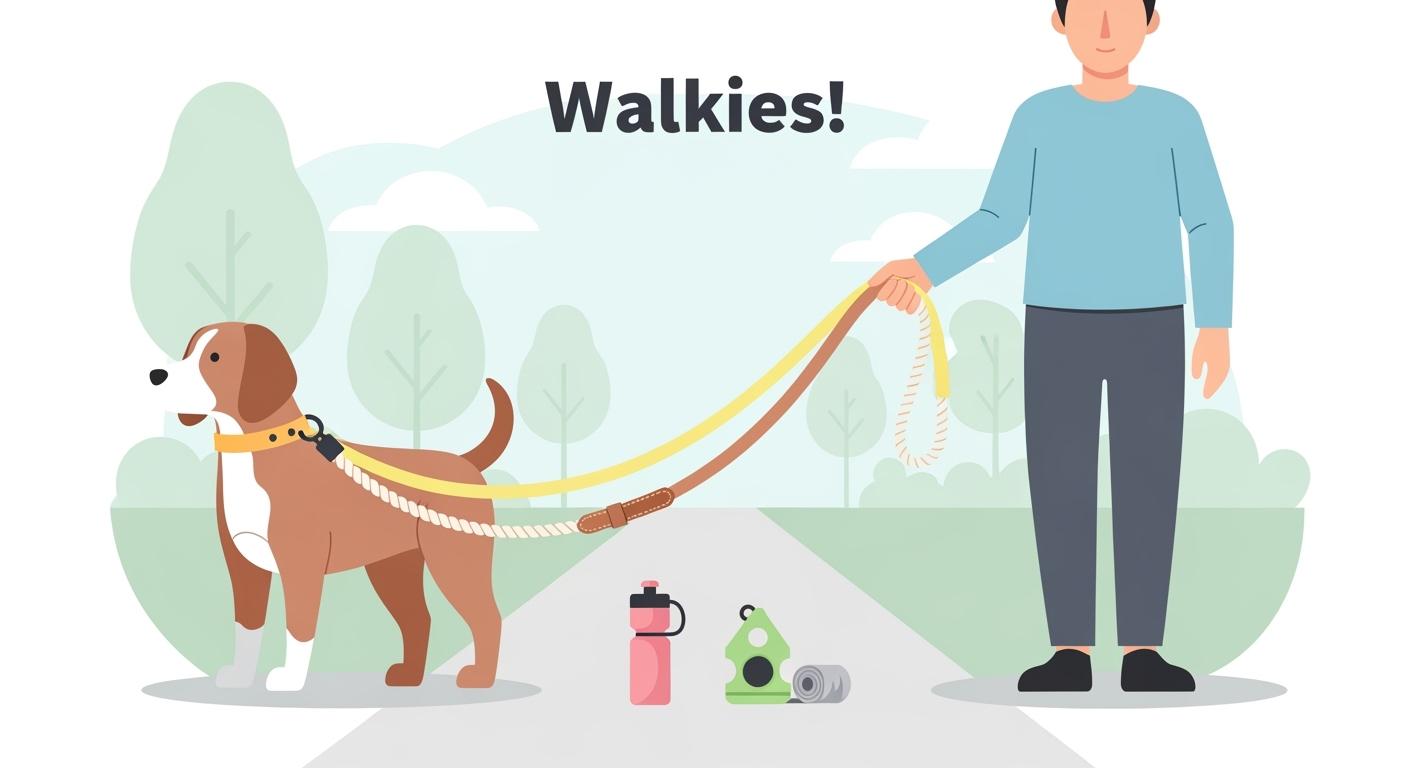
A custom dog leash works best when it matches your dog’s size, your walking route, and the way the leash feels in your hand. For everyday walks, the goal is simple: the leash should feel easy to hold, stay easy to manage around corners and doorways, and clean up without becoming a daily hassle. That is what prevents many common mismatch problems, including heavy clips on small dogs, handles that hurt during longer walks, and materials that stay damp or slippery after use.
This guide focuses on everyday fit and material checks. It does not treat one leash style as right for every dog or every route. Instead, it helps you narrow the choice by looking at leash path, clip size, handle comfort, surface feel, and quick before-you-buy checks.
Key Takeaways
- Pick leash length by walking environment first, not by looks alone.
- Match leash weight, width, and clip size to your dog’s size and pull style.
- Choose material by cleanup routine, weather, and how the handle feels during a real walk.
- Use a short at-home walk test before making a leash part of your daily routine.
How to Match a Custom Dog Leash to Everyday Use
Route fit matters more than appearance
Pick a leash length that fits your dog’s needs. A leash that feels fine in a product photo can become awkward when you step through doors, pass parked cars, or shorten up near traffic. For crowded sidewalks, apartment hallways, and quick neighborhood walks, a shorter working range usually feels easier to manage. For quieter open paths, you may want a little more room, but not so much that the leash drags, wraps around legs, or stays under tension all the time.
A simple route check helps: stand at a doorway, step through, turn once, and shorten the leash the way you would near a curb. If you need two hands just to keep the leash tidy, it is probably longer or bulkier than your daily route really needs.
Match weight, width, and clip size to your dog
You need to match the leash to your dog’s size and pull strength. The strap should feel substantial enough for control, but the whole leash should not feel oversized for the dog wearing it. Small dogs usually do better with lighter clips and less bulk near the attachment point. Bigger dogs, or dogs that lunge or lean into the leash, often need more stable hardware and a handle that stays comfortable when tension increases.
Check how the clip sits when attached. A good match lies flat, does not knock against the chest on every step, and does not twist the leash into a rope-like coil. If the clip looks disproportionately large, or the dog keeps noticing the hardware, the leash may be heavier than it needs to be.
Handle comfort changes daily usability
The handle is the part you feel on every walk, so comfort matters more than many buyers expect. A handle that digs into your hand, turns slippery when wet, or feels hard to shorten quickly can make an otherwise decent leash annoying to use. Before you commit, grip the handle with dry hands, then again with slightly damp hands. Try shortening the leash, turning your wrist, and stopping suddenly. You want a secure grip without sharp edges, bunching webbing, or uncomfortable pressure points.
Tip: A leash can look durable and still feel wrong in real use. A quick hallway test and a short outdoor walk will tell you more than product photos alone.
Material and Hardware Features That Matter
You want a leash that feels nice and lasts long. For everyday walks, that usually comes down to surface feel, cleanup, flexibility, and hardware stability rather than marketing terms. The best material is not always the most premium-looking one. It is the one that fits your route, weather, and maintenance habits.
How common leash materials behave in daily use
| Material type | Works well when | Watch for |
|---|---|---|
| Nylon webbing | You want a light, flexible leash for everyday neighborhood walks. | It can stay damp longer after wet walks and may feel rougher if heavily worn. |
| Coated strap | You need fast wipe-clean cleanup after rain, dirt, or messy outings. | Some versions feel stiffer in the hand and can be less forgiving if you wrap them too tightly. |
| Rope-style leash | You prefer a round hand feel and a leash that moves easily on longer walks. | Heavier knots or bulky clips can feel oversized on smaller dogs. |
| Leather | You want a more traditional hand feel and do not mind extra care. | It usually needs more maintenance and is less convenient for frequent wet or muddy use. |
Material choice should match your real routine. If your walks often end with mud, puddles, or damp grass, an easy-wipe surface may feel more practical than a material that needs longer drying time. If your route is mostly dry and you care more about hand feel than cleanup speed, a softer webbing or leather feel may suit you better.
Check hardware, stitching, and visibility details
Good hardware should open and close cleanly, sit straight on the collar or harness ring, and stay free of sharp edges. The spring action should feel smooth, not sticky or loose. Stitching should look even and flat, with no early separation around the handle, clip attachment point, or any extra traffic handle.
Reflective details can help low-light visibility, but they are not a substitute for route awareness and good leash handling. If you walk early or late in the day, reflective stitching or trim can be a useful extra, especially on darker straps.
Common Mistakes That Cause Poor Everyday Performance
Most leash problems come from mismatch, not from one material being universally bad. Buyers often choose by color, personalization, or a feature list before checking whether the leash fits their actual route and dog. These are the most common mistakes:
- Choosing a leash that is longer than your everyday route can comfortably handle.
- Using oversized clips or thick hardware on a smaller dog.
- Picking a handle that looks padded but still twists or rubs during use.
- Choosing material by appearance instead of cleanup needs and weather.
- Assuming a heavier leash is always safer, even when it adds unnecessary bulk.
| Quick check | Pass | Fail |
|---|---|---|
| Leash path | Moves cleanly through turns and doorways without dragging or wrapping. | Constantly catches, twists, or needs frequent hand-over-hand shortening. |
| Clip fit | Sits flat and stable on the collar or harness ring. | Looks bulky, flips often, or taps the dog with each step. |
| Handle feel | Feels secure in dry and damp hands and stays easy to grip. | Slips, bunches, or digs into the hand when you shorten up. |
| Cleanup | Wipes or washes without becoming a daily chore. | Stays damp, holds dirt, or feels unpleasant after normal use. |
Quick Checks Before Daily Use
Before making a custom leash part of your daily setup, run through a few simple checks at home and on one short walk:
- Clip test: open and close the clip a few times and check for smooth spring action.
- Doorway test: walk through a narrow doorway and make one turn to see if the leash feels easy to shorten.
- Short-walk test: take a brief walk on your usual route and notice drag, twist, wrist strain, or clip noise.
- Post-walk recheck: look for early fraying, stitching lift, or hardware that already feels sticky.
- Cleanup test: wipe or wash the leash the way you normally would and see how quickly it feels ready for the next use.
This guide covers everyday walking use. If your dog coughs, shows pain, panics on leash, or seems physically uncomfortable during walks, pause and ask a veterinarian or a qualified trainer for individual guidance.
FAQ
What matters most in a custom dog leash?
The most important parts are route fit, clip size, handle comfort, and material cleanup. Personalization can be useful, but it should not distract from everyday usability.
What leash material is easiest to live with in wet or messy conditions?
An easy-wipe coated strap is often the most practical when your walks include rain, mud, or frequent cleanup. Nylon can also work well, but it may need more drying time depending on the finish and thickness.
How do I know if a clip is too heavy?
Watch how it hangs on the collar or harness. If it looks oversized, flips constantly, or taps the dog while walking, the hardware may be heavier than necessary for that dog and setup.
When should I replace a leash?
Replace it when you see meaningful fraying, opening stitches, deep surface cracking, or a clip that no longer closes cleanly. Do not wait for a visible problem to become a failure point during a walk.






