
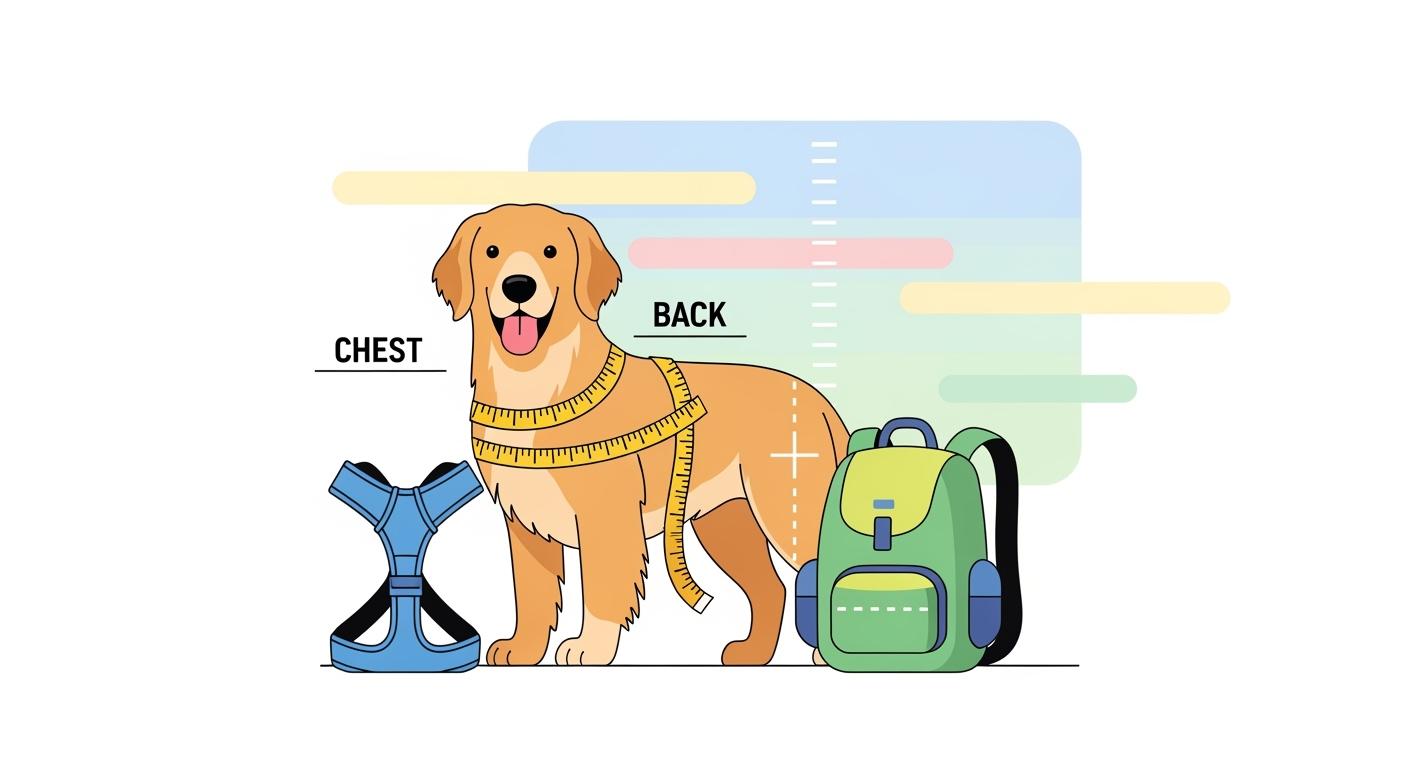
Choosing a dog harness and backpack is not just about storage. You need a harness that fits well. Your dog should move its shoulders easily. The load should be balanced for safety. A bad fit can hurt your dog. It can cause chafing or let your dog escape. It can also cause injuries like:
Herniated discs
Rotator cuff tears
Lower back strain
Loss of balance
This guide is easy to follow. Measure your dog with care. Think about your dog’s size, shape, and how active it is. Use this guide for fun trips only. Do not use it for car safety or medical help.
Key Takeaways
Always measure your dog before you buy a harness or backpack. Getting the right size helps your dog feel good and stops any pain.
Try the 1-2 finger rule to see if the harness fits. This makes sure the harness is tight enough but not too tight. Your dog can move and feel comfy.
Pick harnesses that use materials that let air pass through. This helps your dog stay cool and happy on walks and trips.
How to Fit a Dog Harness and Backpack
A good fit keeps your dog safe and happy on every adventure. This guide helps you measure your dog, choose the right size, and check the fit for comfort and safety. Always focus on chest-first sizing, centered pack placement, low sway, shoulder clearance, underarm comfort, and a stable layout. These steps work for most breeds and sizes, including when you need a harness for large dogs.
Measuring Chest, Neck, and Back
Start by measuring your dog before you look at any size chart. Each brand may use different sizes, so actual measurements matter more than labels. Measuring your dog the right way helps you find the best dog harness for your dog’s breed and body shape.
Follow these steps to measure your dog:
Ask your dog to stand on all four legs. Make sure your dog stands straight and relaxed.
Take a soft measuring tape and wrap it around the widest part of the chest, just behind the front legs. This is the chest girth.
Hold the tape level and snug. You should be able to slip two fingers under the tape for comfort.
Write down the chest measurement. Repeat this step to make sure you get the same number.
Place the tape around the base of your dog’s neck, where the neck meets the shoulders. This is important for some harness styles.
Keep the tape snug but not tight. You want the tape to touch the skin without squeezing.
Record the neck measurement. Double-check your result.
If the size chart asks for back length, measure from the base of the neck to the start of the tail.
Tip: Always measure your dog before each new harness or backpack purchase. Dogs can change shape as they grow, gain, or lose weight. Even a 10% change in weight can affect the fit.
Check the manufacturer’s size chart after measuring your dog. Look for chest, neck, and sometimes back length. Choose the size harness that matches your dog’s measurements, not just the breed or weight. This helps you avoid common sizing mistakes and ensures the best fit for your dog.
Fit Check: 1-2 Finger Rule and Movement
After you pick the right size, fit the harness or backpack on your dog while it is empty. Adjust all straps so the pack sits centered over the back. The harness should not hang too far forward into the shoulders or too far back into the loin area. The best dog harness will allow free movement and keep the load stable.
Use the 1-2 finger rule for every strap:
Slide one or two fingers under each strap. The harness should feel snug but not tight.
Avoid straps that are too loose. Loose straps can let your dog back out or cause the pack to rotate.
Avoid straps that are too tight. Tight straps can cause chafing, redness, or limit movement.
Here is a quick table to help you spot common fit problems:
Symptom | Likely Cause | Fast Check | Fix |
|---|---|---|---|
Backing out | Loose belly/chest strap | Two-finger rule fails | Tighten straps |
Rotation | Uneven side straps | Harness off-center | Adjust side straps evenly |
Chafing | Strap in armpit | Redness or licking | Move strap, loosen fit |
Pulling | Chest strap too low | Strap below breastbone | Raise and center strap |
Resistance | Harness too tight/loose | Dog freezes or balks | Refit using two-finger rule |
After you adjust the harness, check the leash clip and all closures. Make sure nothing is damaged or twisted. Add a light, balanced load to the backpack. Keep the left and right sides even. Place heavier items low and close to the body. Take your dog for a short, supervised walk. Watch for signs of discomfort, like scratching, whining, or resistance. If you see any of these, stop and adjust the fit.
Note: This section is for recreational pack harnesses only. Do not use this guide for car restraints or medical harnesses.
Measuring your dog and checking the fit often helps you keep your dog comfortable and safe. For puppies, check the fit every 2–3 months. For adult dogs, re-measure at least once a year or after any weight change. Always use this guide to make sure your harness or backpack fits well and supports your dog’s comfort and movement.
Materials and Construction Essentials
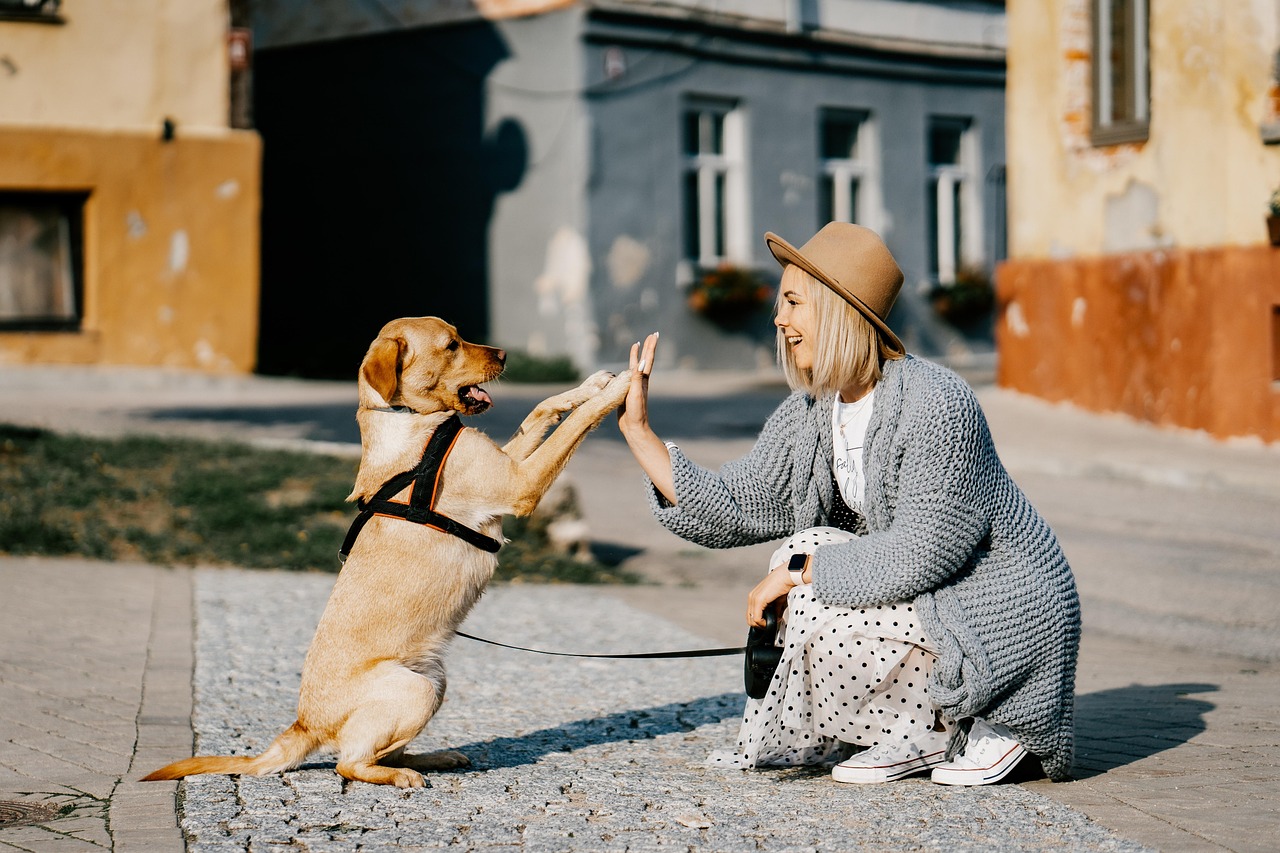
Breathable Fabrics and Quick-Dry Linings
You want your dog to feel cool and comfy on walks. The best dog harness uses fabric that lets air in. It also has quick-dry linings. These things stop heat from building up. They also help prevent your dog’s skin from getting sore. Mesh panels and special linings let air move around your dog’s body. This is important for all breeds. It matters even more on hot days or long hikes. A strong harness with these features dries fast after rain or washing. You can clean most harnesses with cold or warm water. Always let the harness air-dry in a place with good airflow. This keeps it fresh and ready for your next trip.
Tip: Wash your harness every 3–5 uses or when dirty. Use pet-safe soap. Do not use bleach or fabric softener.
Strap Design, Closures, and Visibility
Strap design helps keep your dog safe and comfy. Multi-point adjustment lets you fit the harness for any size dog. Symmetrical panniers keep the weight even. Low-sway points stop the pack from moving around. Smooth edges stop rubbing and chafing.
Strong closures are important for every harness. Buckles and clips should snap tight and stay closed. Surfaces that are easy to clean help you get rid of dirt fast. Reflective strips or bright colors make your dog easier to see outside.
Here is a quick look at how different features affect safety and comfort:
Features | Backpack Harness (Structured) | Sling Carrier (Soft) |
|---|---|---|
Safety | Safer, structured design | Less safe, may collapse |
Weight Distribution | Even across shoulders and hips | Load on one side |
Support | Good postural support | Lacks structure |
Ventilation | Mesh windows for airflow | Often poor ventilation |
Escape Risk | Harness points prevent escape | Easier to escape |
You should always keep the pack in the middle of your dog’s back. Do not let it hang into the shoulders or loin area. This helps your dog move well and keeps the pack steady. The best dog harness for your dog will have these features for comfort and safety.
Dog Harness and Backpack Feature Checklist & Troubleshooting
Feature Checklist for Day Hikes
You want your dog to be safe and happy on walks. Use this list before you buy or use a harness or backpack:
You can adjust it in many places for a better fit.
The panniers keep weight even on both sides.
Closures stay shut and do not pop open.
Materials let air in and dry fast for comfort.
Edges are smooth so they do not rub your dog.
Surfaces are easy to clean and keep germs away.
Bright colors or reflective strips help others see your dog.
This checklist helps you pick the best harness for your dog and what you plan to do. Always check the size chart and pick the right size for your dog.
Common Fit Mistakes to Avoid
Many people make the same mistakes. Watch out for these problems:
Only using breed or weight to choose size
Not checking for support or airflow
Packing the backpack unevenly or with too much stuff
Picking harnesses with stiff edges that hurt
Thinking a calm dog at home will like a harness outside
Clipping the leash to the collar, not the harness
Not noticing if your dog gets too hot or uncomfortable
Pass/Fail Fit Assessment Table
Check Item | Pass Signal | Fail Signal | Fix |
|---|---|---|---|
Chest Girth | Snug, 1-2 fingers | Loose or tight | Adjust straps |
Pack Centered | Even on back | Twists or sags | Reposition, rebalance |
Movement | Free, natural | Stiff, awkward | Loosen or refit harness |
Closures | Secure, flat | Gaps, pops open | Reseat, replace if needed |
Comparison Table: Harness vs. Backpack
Option | Best For | Watch-outs | Fit Note |
|---|---|---|---|
Harness | Daily walks, all sizes | May lack storage | Allows full movement |
Backpack | Day hikes, gear carry | Needs balanced loading | Best for conditioned, healthy dogs |
Harness for large dogs | Strong breeds, control | Needs proper adjustment | Check fit often, avoid chafing |
Troubleshooting Table: Fit and Comfort Issues
Symptom | Likely Cause | Fast Check | Fix |
|---|---|---|---|
Heavy panting | Heat buildup | Check ventilation | Use breathable materials |
Freezing | Poor fit or overload | Try lighter load | Adjust or reduce weight |
Twisting | Uneven straps | Check pack balance | Adjust straps evenly |
Refusing to settle | Discomfort or pain | Watch for limping | Remove, refit, consult vet |
Note: This is just general advice. If your dog seems hurt or limps, talk to your vet.
FAQs About Dog Harness and Backpack
1. How do I use a size guide to find the right harness for my dog?
You should measure your dog’s chest, neck, and back. Compare these numbers to the size chart from the manufacturer. Always check actual sizes, not just breed or weight.
2. What is the best dog harness for comfort and fit?
Look for a harness with multi-point adjustment, breathable materials, and smooth edges. The best dog harness keeps the pack centered and allows your dog to move freely.
3. How can I check if the fit is correct?
Use the 1-2 finger rule. Slide your fingers under each strap. The harness should feel snug but not tight. Watch your dog walk and run. If you see resistance or rubbing, adjust the fit.
4. What should I do if my dog has a unique body shape or breed?
Some breeds need special care.
Dachshunds and similar dogs need less jumping and careful weight management.
Small dogs or those with mobility issues benefit from ramps or gates at home.
Senior dogs do best when kept lean and have regular veterinary checks.
5. Can I use the same harness for all sizes and breeds?
No. Dogs come in many shapes and sizes. You must use the guide and check fit for each dog. Adjust the harness for your dog’s unique needs.
6. What signs show poor fit or discomfort?
Look for chafing, backing out, twisting, or heavy panting. If your dog refuses to walk or shows pain, remove the harness and check the fit.
Tip: Always start with an empty pack. Add weight slowly and keep loads balanced.
Problem | Quick Check | Solution |
|---|---|---|
Chafing | Redness, licking | Loosen or reposition |
Twisting | Pack off-center | Adjust straps |
Refusal to walk | Stiff movement | Remove, refit, consult vet |
This FAQ section helps you use the size guide, check fit, and keep your dog safe and comfortable.
Measuring your dog helps keep it safe and comfortable. Use the harness sizing guide to find the right fit. The best harness lets your dog move easily and feel good. Look at the size guide and fit tables before you buy anything. Try the harness at home first. If you are not sure, ask a pet expert for help. Always watch your dog when it wears a harness.
Leashes you can adjust and roomy designs make your dog comfy.
Non-slip bottoms and balanced harnesses help with fit and safety.
Measurement | Importance |
|---|---|
Chest Girth | Makes sure the harness fits and moves well |
Neck Circumference | Stops pain when your dog wears the harness |
Back Length | Keeps the harness from twisting or moving up |
This guide is for fun walks and trips. If your dog seems uncomfortable, talk to your vet.
FAQ
How do you know if your dog’s harness fits correctly?
You should fit one or two fingers under each strap. Your dog should move easily. Watch for rubbing, twisting, or signs of discomfort.
Can you use a backpack harness for puppies or senior dogs?
No. Puppies and many senior dogs should not carry weight. Their bodies need extra care. Always ask your vet before using a backpack harness.
What should you do if your dog resists wearing the harness?
Try a short session indoors. Offer treats and praise. If your dog still resists, check the fit or ask a pet professional for help.






