
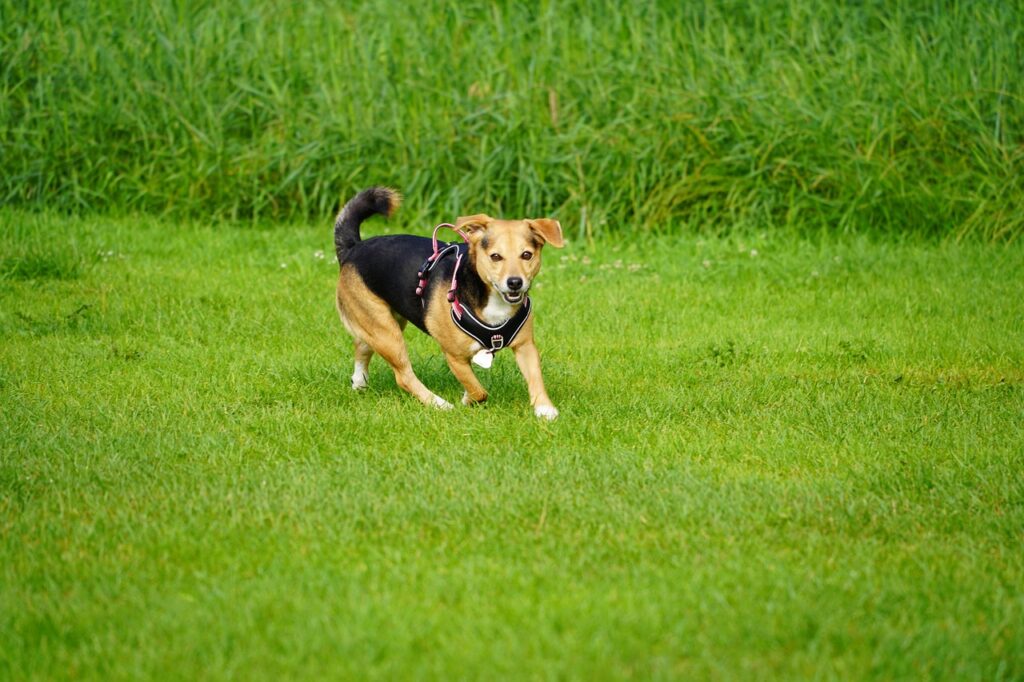
Many harness problems happen because of poor fit or the wrong layout, not just the order of the buckles. Before you put a harness on your dog, identify the style, open all straps, and make sure you can tell the chest, back, and girth sections apart. A correct fit should keep pressure low on the throat, stay clear of the elbow area, and allow normal shoulder movement.
Use a size and material guide before you choose a daily-walk harness.
Common mistakes include choosing by weight alone, misidentifying the front and back sections, and skipping a short walk test after fitting.
A poor fit can rub, shift, or sit too close to the throat. It can also make your dog shorten stride, hesitate, or keep scratching at the harness.
Key Takeaways
- Identify the harness style before fitting. Overhead, step-in, and dual-buckle designs go on differently.
- Adjust the straps so they lie flat and you can work one to two fingers underneath with light resistance.
- Always check the dog harness after a short walk. Look for shifting, rubbing, or restricted shoulder motion before the next outing.
Identify Harness Type and Layout
Before you learn how to put on a dog harness, check which style you have. Step-in and overhead describe how the harness goes on. Front-clip and back-clip describe where the leash attaches. Those are not the same thing.
Overhead, Step-In, Dual-Buckle Styles
You can usually identify the main styles by how the dog enters the harness:
| Some harnesses combine these features. A step-in harness can still be back-clip or front-clip. Always confirm the leash ring and the chest piece before you start. | How It Works | Best For |
|---|---|---|
| Overhead | Head goes through the neck opening first, then the girth strap buckles behind the front legs. | Dogs comfortable with overhead handling |
| Step-In | Both front paws step into left and right loops, then the back section buckles on top. | Dogs who dislike overhead handling |
| Dual-Buckle | Opens more fully at the neck or body with two side buckles before you close it around the dog. | Dogs who need easier entry or more adjustment |
Some harnesses, like vest-style or no-pull, may combine these features. Always check the instructions that come with your harness.
Front, Back, Chest, and Belly Sections
Look over the harness and identify the chest piece, the back panel, and the girth strap before you put it on your dog:
- Measure your dog’s chest girth, neck, and back length only if the size chart asks for it. Use a soft tape and keep it snug without compressing the coat. Chest girth, just behind the front legs, is usually the most important number for fit.
- Back section: usually carries the leash ring and lies between the shoulders or farther back depending on design.
- Girth strap: wraps around the ribcage just behind the front legs.
Use a soft tape and keep it snug but not tight. You should fit one or two fingers under the strap.
Lay the harness flat, open all buckles, and confirm the chest and back sections before you start. Keep your dog standing calmly if possible and reward each step instead of rushing the process.
How to Put on Dog Harness and Adjust Fit
Step-by-Step Fitting Guide
How you put the harness on depends on the style. Use the correct sequence for your layout instead of guessing from where the leash ring sits.
Overhead Harness
- Hold the neck opening wide and guide your dog’s head through it.
- Check that the chest piece sits on the front of the chest, not twisted toward one shoulder.
- Bring the girth strap behind the front legs and fasten the buckle on the side or underneath, depending on design.
- Center the harness, then adjust the neck and girth straps so they lie flat.
Step-In Harness
- Lay the harness flat on the floor with the left and right leg loops open and the leash ring facing upward.
- Guide one front paw into each loop.
- Lift the side straps up around the body and buckle them across the back.
- Check that the chest section stays centered and the girth area sits behind the front legs.
- Adjust the straps, then let your dog take a few slow steps before clipping the leash.
30-second walk test: go through one doorway, one turn, and one stop. If the harness shifts, rubs, or makes your dog shorten stride, refit it before a full walk.
Dual-Buckle Harness
- Open both buckles before you place the harness on the dog.
- Set the chest section low on the chest and wrap the girth section behind the front legs.
- Close both buckles, then tighten evenly from side to side so the harness stays centered.
Strap Adjustment and Walk Test
After you buckle the harness, adjust the straps gradually. A good fit feels snug without deep indentation, twisting, or shoulder crowding.
- After adjusting, clip the leash on and do a short walk test. The harness should stay centered, the leash ring should sit where the design intends, and your dog should move normally without hopping, freezing, or scratching at the straps.
- Keep the chest piece low on the chest and clear of the throat.
- Make sure the girth strap sits behind the elbow and does not rub the underarm area.
- Watch the shoulders when the dog walks forward and turns. The harness should not block motion or rotate off center.
After you finish adjusting the straps, perform a short walk test. Clip the leash to the harness and let your dog walk around. Watch for signs of discomfort, hopping, or restricted movement. The harness should stay centered and not shift excessively.
| Fit Check | What to Look For |
|---|---|
| Two-Finger Rule | One to two fingers fit with light resistance |
| Chest Placement | Chest piece sits low, not on throat |
| Shoulder Clearance | Straps stay clear of shoulder motion |
| Elbow Clearance | No rubbing behind elbow or in armpit |
| Movement Freedom | Dog walks, turns, and sits naturally |
How you put on a dog harness matters less than the final fit. Recheck the harness after the first few walks and any time your dog’s body shape changes.
Knowing how to put on dog harness and adjust fit helps you avoid common mistakes. Always check the harness after each walk and adjust as needed. Your dog’s comfort and safety depend on proper fit and regular checks.
Common Mistakes and Quick Checks
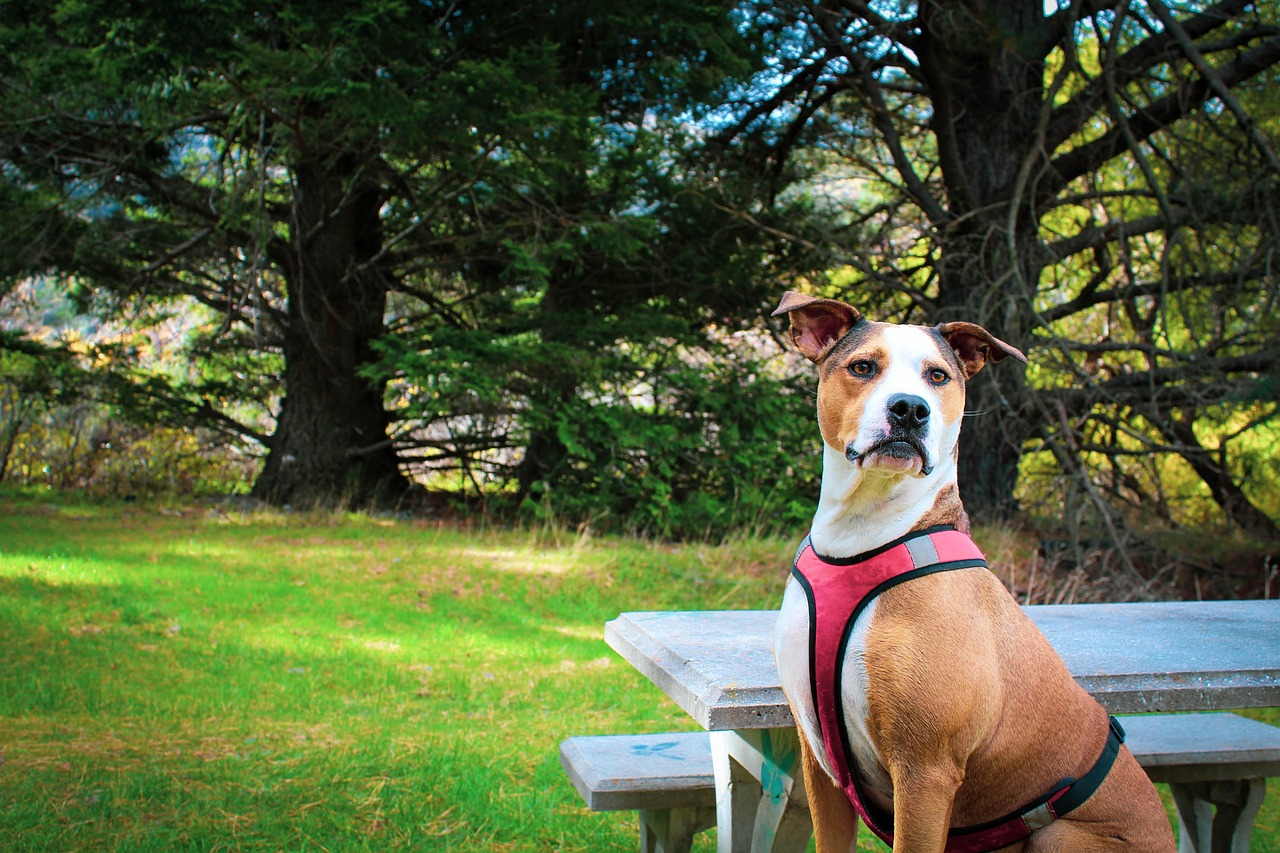
Frequent Fitting Errors
The most common mistakes are choosing by label instead of measurement, confusing harness layout, overtightening one side, and skipping a real walk test. A harness can look fine while the dog stands still and still fail once the dog turns or accelerates.
Here are common errors and what to do instead:
| Mistake | How to Avoid |
|---|---|
| Choosing oversized harnesses | Measure chest girth and choose adjustment range, not breed name |
| Restrictive shoulder straps | Check motion from the side during a short walk |
| Chafing and rubbing | Recenter chest and girth straps, then inspect skin after walking |
| Using squeeze-style designs without checking armpit clearance | Watch for crowding, rubbing, and shortened stride |
Tip: check fit before every walk, but judge the harness after movement, not just while your dog is standing still.
Pass/Fail Checklist Table
Check these points before you go outside:
| Check Item | Pass Signal | Fail Signal | Fix |
|---|---|---|---|
| Pressure on chest, not throat | Breathing stays easy and chest piece stays low | Coughing or strap rides up toward throat | Reposition chest section |
| No rubbing behind legs | Skin stays clear after a short walk | Redness, hair loss | Adjust straps, check fit |
| Moves naturally | Walks, turns, and sits without hesitation | Hesitation, limping | Loosen or reposition |
| Harness stays secure | Harness stays centered during movement | Slides or rotates | Tighten and center straps |
| Fit is snug, not tight | One to two fingers fit with light resistance | Too loose or tight | Adjust for comfort |
Harness Feature Comparison Table
Use this table to compare common harness layouts:
| Layout or Feature | Best For | Watch-outs | Fit Note |
|---|---|---|---|
| Standard walking harness | Calm daily walks | May shift if chest or girth fit is loose | Watch chest placement and shoulder clearance |
| Escape-resistant harness | Dogs who back out or slip gear | Needs very careful sizing and underarm clearance | Stability matters more than tightness |
Troubleshooting Table
If your dog seems uncomfortable, use this table to narrow down the problem:
| Symptom | Likely Cause | Fast Check | Fix |
|---|---|---|---|
| Harness slips | Fitting too loose | Check girth snugness and chest position | Tighten straps |
| Rubbing | Poor strap placement | Check armpits, elbows, and chest after walking | Adjust fitting |
| Harness rotates | Uneven fitting | Watch during turns and short pulls | Center and retighten |
| Restricted movement | Fitting too tight | Watch walking, sitting, and shoulder motion | Loosen fitting |
Do not assume a regular walking harness is crash protection. This guide is about daily walking fit and comfort.
FAQ About How to Put on Dog Harness
Sizing and Adjustment
Choosing the right size harness starts with careful measurement:
- A good fit usually means one to two fingers fit under the straps with light resistance. Recheck the harness whenever your dog grows, gains or loses weight, or starts moving differently.
- Measure the neck at the base near the shoulders, not high at the throat.
- Use weight only as a secondary check after measurements and the size chart.
A good fit means you can slide two fingers under each strap. Adjustable straps help you fine-tune the fit as your dog grows or changes weight. For puppies, check the fit every two weeks and adjust as needed. If the harness reaches its maximum size or shows wear, replace it.
Slipping Out and Comfort
If your dog slips out of the harness, the fit may be too loose or the layout may not suit your dog’s body shape. Look for:
- Signs of discomfort include redness behind the front legs, reluctance to walk, short stepping, or repeated scratching at the straps.
- A chest piece that stays centered instead of riding into the throat.
- Clearance behind the front legs so rubbing does not make your dog resist the harness.
Signs of discomfort include redness behind the front legs, reluctance to walk, or stopping often. Always check for rubbing or irritation after walks.
If your dog shows persistent pain, limping, coughing, or skin injury even after refitting, ask your veterinarian for guidance.
Pulling and Clip Types
Front-clip harnesses can make redirection easier because they give you more steering at the chest. Back-clip harnesses work well for calmer walkers. No clip position eliminates pulling on its own, so training and leash handling still matter.
Signs of Incorrect Fit
Watch for these signs that the harness does not fit right:
| If you see restricted movement, heavy panting during mild activity, or repeated attempts to chew the harness off, check the fit right away. | What It Means | What to Do |
|---|---|---|
| Harness slips or rotates | Too loose or uneven fit | Tighten and recenter straps |
| Redness or hair loss | Rubbing or chafing | Adjust or try a different layout |
| Dog resists walks | Discomfort or pain | Check fit during movement, not just at rest |
| Gaps or loose straps | Escape risk | Adjust for snug chest and girth fit |
If you see restricted movement, heavy breathing, or your dog tries to chew the harness, check the fit right away.
Always look at how the harness behaves during real movement. A still photo will not show every fit problem.






