
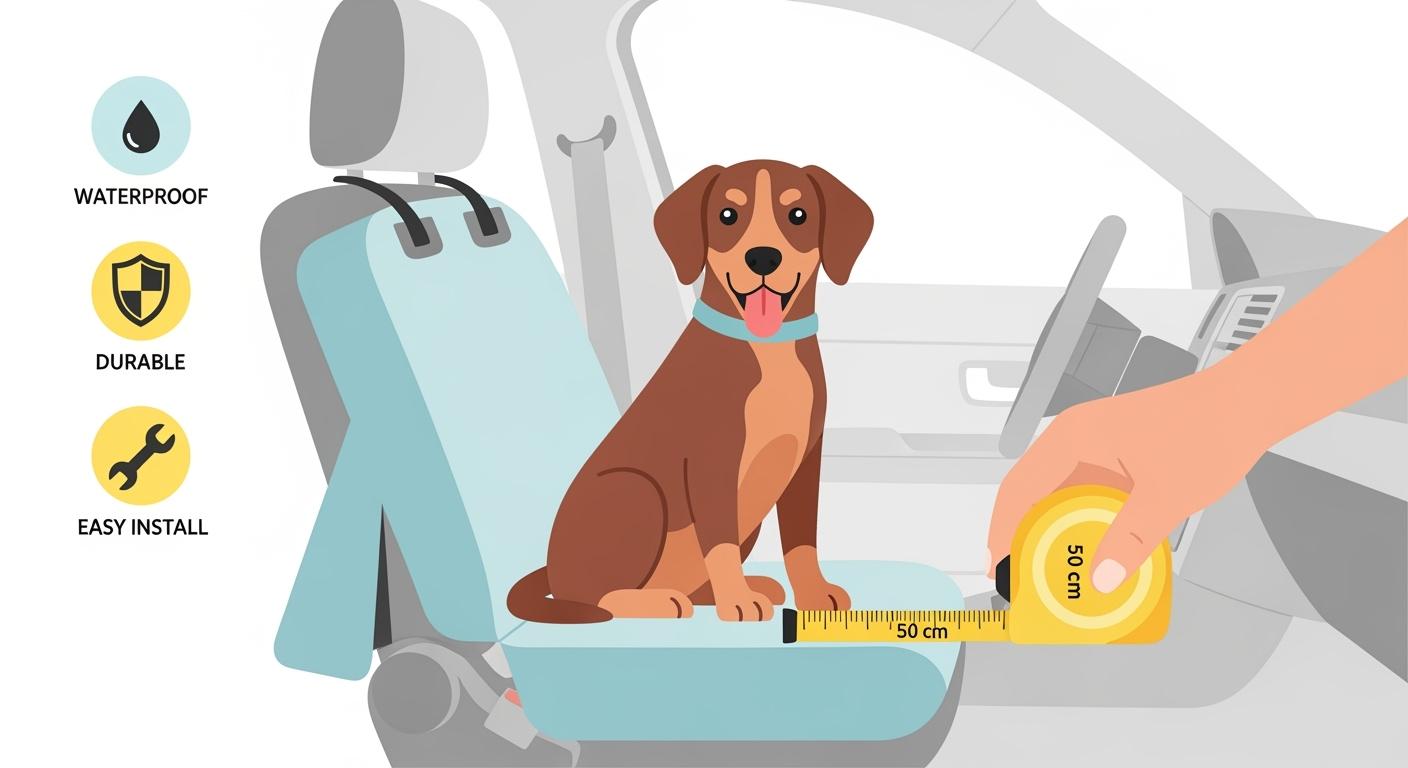
You need a front seat dog cover that matches both your seat and your dog. The cover helps protect upholstery and can make the riding surface feel steadier, but it is not a restraint system or crash-protection device. Use it as seat protection first, and build the rest of the travel setup around real restraint and installation checks.
You need a front seat dog cover that matches both your seat and your pet. The cover protects your seat and may help your dog settle, but it is not a restraint system or crash protection device. Use a dog carrier size guide for safer travel. Always put safety first.
Key Takeaways
- Measure the seat base, backrest, and buckle/controls area before you buy so the cover lies flat and stays out of the way.
- Treat the cover as seat protection, not restraint. Build the setup around proper restraint or a well-secured carrier first.
- Check traction, heat buildup, and cleaning speed with your actual dog and your actual car before longer trips.
What a front seat dog cover does and safety limits
Protection vs restraint: what the cover offers for your pet
A front seat dog cover protects upholstery from dirt, drool, and moisture, and a grippier surface can help some dogs feel steadier during rides. That benefit stops at seat protection and traction. The cover does not restrain your dog in a sudden stop or collision, so it should never be treated as crash protection.
Airbag and distraction risks in front seat travel
Front-seat travel adds extra risk because the passenger seat places the dog closer to airbags and closer to the driver’s working space. A loose dog can also shift toward the console, pedals, or gear area and turn a routine drive into a distraction problem.
When to use back seat covers or pet carriers
If you must use the front passenger seat, leave controls and buckle access clear, keep the dog out of the airbag zone, and confirm the setup against your owner’s manual before travel. When you have a choice, the rear seat or a well-secured carrier is usually easier to manage with fewer front-seat risks.
| Feature | Front Seat Dog Cover | Back Seat Cover | Secured carrier / crate |
|---|---|---|---|
| Comfort | Good for one dog | Good for one or more dogs | Best for contained, lower-distraction travel |
| Protection | Protects one seat | Protects full back seat | Contains the dog and limits roaming |
| Cleanliness | Easy to remove/clean | Easy to remove/clean | Contains messes, easy to clean |
| Safety | Limited, not a restraint | Better, but needs restraint | Better when secured and sized correctly |
Tip: before a longer trip, do a one-minute install check: pull the cover tight, push down on the seat base, move the passenger seat controls, and confirm nothing bunches into the buckle or console area.
Fit guide: how to choose the right cover for your seat and dog
Choosing the right front seat dog cover starts with fit. You want full seat coverage without blocking controls, buckles, or front-passenger working space. This section shows the checks that matter most before your dog rides on it.
Seat base and backrest fit checks
Measure the seat base and backrest before you buy. If the cover is too wide, too short, or cut awkwardly around bolsters, it can bunch, slide, or expose the seat edge.
Quick install check: after fastening the straps, flatten the cover with your hand and push down where your dog will sit. If the cover shifts, folds, or lifts at the front edge, the fit is too loose for that seat.
- Measure the seat width from one side bolster to the other.
- Check the seat depth from the back to the front edge.
- Measure the seat height from the base to the top of the backrest.
A good fit keeps the cover flat and secure. Your dog will feel more stable, and the cover will last longer.
Headrest and edge coverage for easy entry
The cover should anchor around the headrest without twisting and should reach the front and side edges of the seat without leaving exposed gaps. A flatter entry path helps the dog step in without catching paws on loose fabric.
Check that the cover’s straps fit around your headrest. Make sure the edges reach the sides and front of the seat. Your dog should step in and out easily, without tripping or catching paws.
Console and control clearance
A front seat cover must leave the seat controls, buckle area, and console space usable. No part of the cover should ride up into the side-airbag area, cover control switches, or create a loose flap beside the console.
Test the setup by moving the passenger seat, reaching the buckle, and checking the side of the seat with the cover installed. If anything catches or blocks access, adjust the cover or move to a different seat setup.
Measuring your seat and pet for best fit
Measure both the seat and your dog. The useful question is simple: can your dog sit or lie on the cover without crowding the console, sliding off the front edge, or curling into a tight brace?
- Measure seat width, usable seat depth, and backrest height.
- Measure your dog’s shoulder height, body length, and how much space they use when sitting or lying down.
- Check whether the buckle and controls stay reachable after the cover is installed.
- If the dog crowds the console or front edge, move the setup to the rear seat or choose a more contained travel option.
A good fit means your pet can settle calmly, and the cover stays in place.
Pass/fail checklist for fit and coverage
Use this checklist to test your cover before you travel. Each item includes what to check, why it matters, a quick test, and what to do if it fails.
| Checklist Item | What to Check | Why It Matters | Quick Test | Fix/Replace Advice |
|---|---|---|---|---|
| Seat-fit coverage | Cover lies flat on seat base and backrest, no gaps or bunching | Prevents slipping, protects seat, supports pet | Press cover flat, check for exposed seat | Try adjusting straps or choose a different size |
| Clearance and control boundary | No interference with seat controls, buckles, or passenger space | Keeps driving safe, allows seat use | Move seat, use controls, buckle seat belt | Adjust cover or select a better fit |
| Grip and stability | Base resists sliding, creeping, or folding | Keeps pet steady, prevents distraction | Push on cover, watch for movement | Add non-slip mat or change cover |
| Comfort surface and heat boundary | Surface stays comfortable, does not trap heat | Supports calm settling, prevents overheating | Touch surface after sun exposure | Choose breathable material or adjust placement |
| Cleanability and drying | Easy to clean after wet or muddy use, dries quickly | Maintains hygiene, ready for next trip | Wipe or wash, check drying time | Use quick-dry cover or clean more often |
| Safety boundary | Cover is treated as surface protection, not restraint | Prevents a false sense of crash protection | Review the setup before every trip | Pair it with appropriate restraint or use a secured carrier |
If your cover passes all checks, you have the right fit for your seat and your pet. If it fails any test, adjust or replace the cover before your next trip.
Tip: take three quick photos during the first install—front edge, buckle side, and console side. Those photos make it easier to spot bunching, blocked controls, or exposed seat edges before the next trip.
Feature checklist for front seat dog cover use
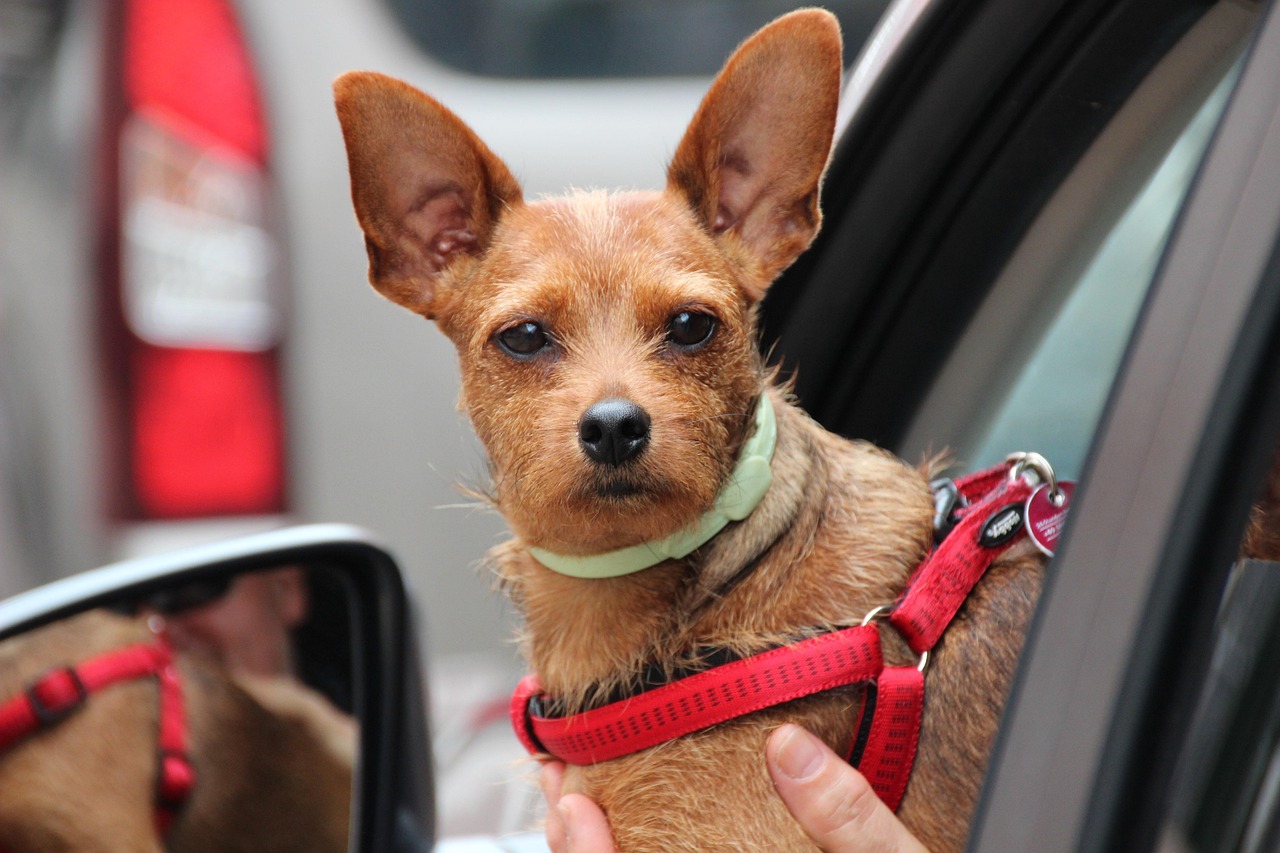
Grip and anti-slide features for stability
A useful front seat cover needs grip under the cover and a surface your dog does not skate across. Push down with one hand and pull forward with the other; if the cover creeps or folds easily, expect movement during real turns and braking.
Surface comfort and heat management for your pet
Choose a surface your dog can settle on without overheating. Front seats heat up fast in sun, so check the cover with your hand after the car warms up. If it feels hot or sticky, the dog will feel it sooner than you expect.
Cleanability and drying for travel routines
Fast cleaning matters because front-seat messes tend to be localized and obvious. Look for a cover you can wipe quickly after drool, mud, or damp fur, and one that dries fast enough to reuse without trapping odor.
Airbag compatibility and installation
Installation should leave the passenger-seat airbag area, seat controls, and buckle access clear. The goal is simple: the cover must sit on the seat, not wrap so far around it that it interferes with the seat’s designed functions.
Warranty and durability signals
Do not rely on long-warranty claims alone. Better signals are straightforward care instructions, stitching that stays flat under tension, straps that do not twist easily, and edges that do not fray after repeated removal and washing.
Feature comparison chart: budget to premium covers
| Features | Budget Cover | Mid-Range Cover | Premium Cover |
|---|---|---|---|
| Grip & Stability | Basic | Improved | Advanced |
| Surface Comfort | Standard | Padded | Breathable |
| Cleanability | Wipe-clean | Machine-wash | Quick-dry |
| Airbag Compatibility | Check seat shape and airbag area | Better cutouts / less wraparound bulk | Cleaner fit around controls and seat edges |
| Warranty & Durability | Basic care info | Reinforced seams | Stronger edging and easier repeated washing |
| Installation | Basic straps | More adjustment | More stable fit across seat shapes |
Tip: test the cover with your actual dog, not just your hand. A cover that feels stable empty may still slide or wrinkle once the dog shifts during a turn.
Common mistakes and troubleshooting guide
Fit and safety mistakes to avoid
Common mistakes include treating the cover like a restraint, choosing a size that bunches beside the console, ignoring seat-control clearance, and skipping a quick install check before longer drives. Another common problem is leaving a dog loose in the front seat when the cover makes the seat look safe enough. The cover is still just the surface layer.
Troubleshooting table: symptoms, causes, fixes
If you notice problems during travel, use this table to find quick solutions:
| Symptom | Cause | Fix |
|---|---|---|
| Cover slides or bunches | Loose straps or wrong fit | Tighten straps, check fit, adjust cover |
| Blocked seat controls | Cover too large or misplaced | Reposition cover, choose correct size |
| Console crowding | Dog or cover exceeds the usable seat area | Move the setup to the rear seat or use a more contained travel option |
| Overheating | Non-breathable material | Switch to breathable cover, improve airflow |
| Wet fur stays damp | Slow-drying cover | Use quick-dry cover, towel off pet |
| Odor after travel | Skipped cleaning | Wash cover, air out between trips |
| Chewed edges | Pet anxiety or boredom | Provide chew toy, check comfort |
| Refusal to settle | Poor traction, heat, or cramped position | Recheck fit, grip, and surface temperature before the next trip |
FAQ for practical buyer questions
Q: How do I know if the cover fits my seat and dog?
A: The cover should lie flat, leave controls and buckles clear, and give your dog enough space to sit or lie without crowding the console.
Q: Can I use the front seat for every dog?
A: No. Larger or restless dogs often do better in the rear seat or in a secured carrier.
Q: What is the best way to clean the cover after travel?
A: Wipe or wash it as soon as possible, then let it dry fully before reinstalling it.
Q: How do I keep my dog comfortable during rides?
A: Check grip, surface temperature, and whether the dog can settle without bracing against the console or seat edge.
Q: What should I check before each trip?
A: Straps, seat-control clearance, buckle access, console-side bunching, and surface heat.
Tip: use the same pre-trip routine every time: install check, buckle/controls check, surface-heat check, then dog on seat.
FAQ
How do you check if your dog cover fits your seat?
Lay the cover flat, tighten the straps, and check for bunching at the front edge, buckle side, and console side.
Quick test: press down where your dog sits and watch for sliding or lifting at the front edge.
What is the best way to clean your dog cover after travel?
Wipe or wash it after muddy, wet, or drool-heavy trips, then dry it fully before putting it back on the seat.
- Fast-drying covers are easier to reuse without odor buildup.
How can you keep your pet comfortable during car rides?
Choose a cover with grip, a surface that does not overheat, and enough usable seat area that your dog can settle without leaning into the console.
| Comfort Tip | Action |
|---|---|
| Grip | Reduces sliding on turns |
| Cooler surface | Helps prevent heat-related restlessness |






