
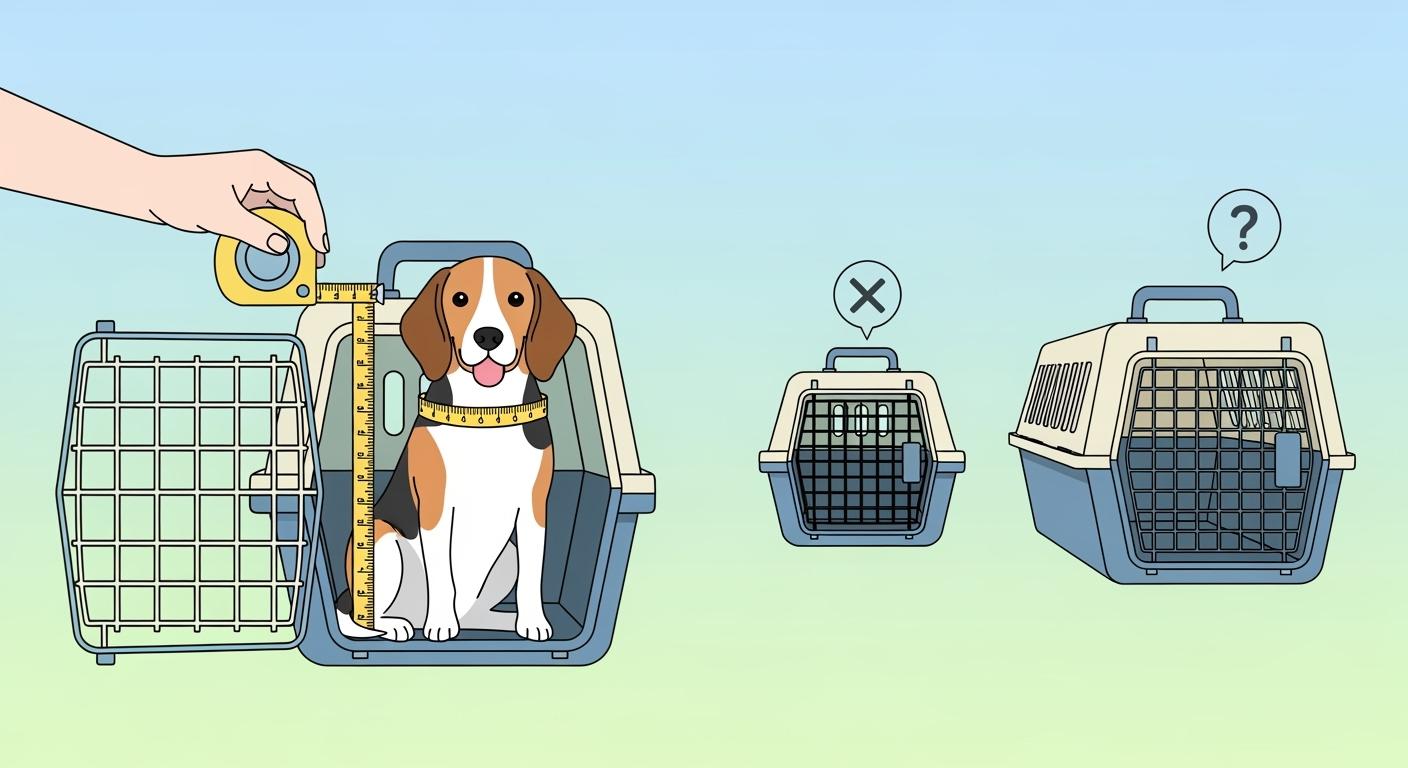
Pet carriers for dogs often fail in simple, visible ways. The carrier may look roomy from the outside, but the inside base may sag. The dog may have enough length on paper, but not enough usable height to stand naturally. Mesh panels may look breathable, but airflow can disappear once thick pads, pockets, or packed items block the sides.
A better dog carrier starts with the real use problem: the dog needs stable posture, enough interior room, usable ventilation, secure closures, and materials that stay clean after repeated trips. When one of these details fails, the carrier feels uncomfortable, unstable, hot, or hard to maintain.
The main checks are not complicated: match the carrier to the dog’s standing length and height, choose a structure that supports the base, and think about the travel setup before deciding whether a handheld, backpack, sling, or structured soft-sided carrier fits the job.
Why Dog Carriers Fail in Real Use
A dog carrier can fail even when the size chart looks correct. Most problems come from the gap between external product size and usable interior space. Soft walls, thick padding, rounded corners, deep seams, and a flexible base can all reduce the room the dog actually has inside the carrier.
The most common failure points are fit, support, ventilation, closure strength, and cleaning. A carrier that fails in one area often creates problems in another. For example, a sagging base can make the dog lean, which increases pressure at the shoulders and makes the carrier swing more during carrying.
| Real-use problem | Why it happens | Better product direction |
|---|---|---|
| Dog curls, slumps, or twists inside | Interior height or base support is not enough | Use standing height, body length, and stable floor support as fit checks |
| Carrier bottom sags when lifted | Flexible base bends under weight | Choose a firm insert, reinforced floor, and balanced carry points |
| Dog pants heavily or resists staying inside | Airflow is blocked or material traps heat | Use multiple open ventilation panels and avoid overbuilt padding |
| Hair and odor stay after cleaning | Textured liner, deep seams, or slow-drying fabric hold moisture | Use removable liners, smooth surfaces, and fast-drying interior materials |
| Zipper opens, catches, or feels weak | Closure path is stressed by pet movement or poor alignment | Use stronger zipper tracks, zipper locks, reinforced seams, and clear closure checks |
Fit Should Start With Usable Interior Space
The outside dimensions of a carrier do not always show how much room the dog can use. A thick wall, soft roof, or sloping side can make the usable interior smaller than expected. This is why carrier fit should start with the dog standing naturally, not sitting, curled, or measured only by weight.
A good fit lets the dog stand, turn, and lie down without being squeezed, while still limiting excessive sliding during movement. Too small creates pressure and stress. Too large can let the dog shift side to side, especially in a car, on stairs, or when the carrier is lifted.
The fit process is close to other travel carrier sizing checks: measure the pet while it stands naturally, then compare that measurement with the usable inside height and length rather than relying on the outside product label only.
| Fit area | Pass sign | Fail sign |
|---|---|---|
| Interior height | Dog can hold a natural standing posture | Back rounds, head presses up, or dog crouches |
| Interior length | Dog can turn and lie down without curling tightly | Dog must twist, fold, or stay in one posture |
| Width | Dog can rest without shoulders being compressed | Body presses hard against both sides |
| Base support | Floor stays flat when carried | Base bends into a hammock shape |
| Movement control | Dog stays stable when the carrier is lifted | Dog slides, leans, or causes the carrier to tilt |
For short errands, a soft-sided handheld carrier can work well when the base is firm and the dog does not exceed the support limit. For longer trips or heavier dogs, structure matters more. A carrier that looks lighter and softer may feel convenient at first, but it can fail quickly if the base, straps, and seams do not hold shape under real weight.
Materials, Ventilation, and Cleaning Decide Daily Comfort
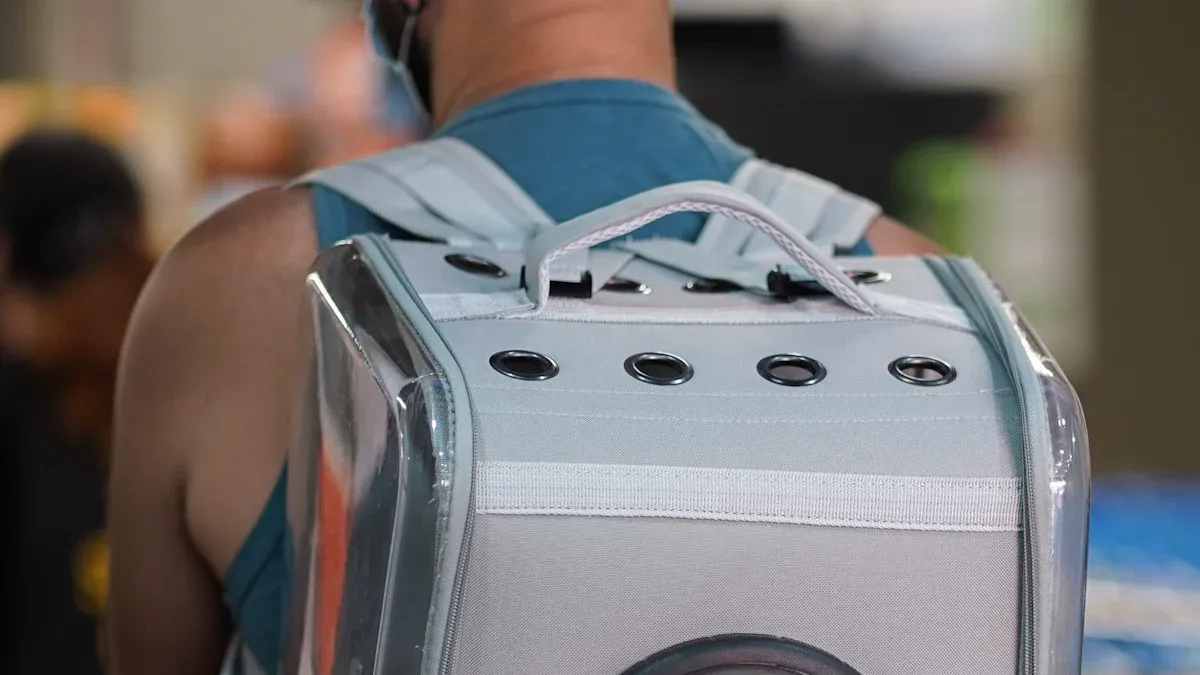
Carrier material should do more than look soft. It needs to support airflow, resist odor buildup, clean easily, and stay stable after repeated handling. Rough liners can trap hair. Deep seams can hold dirt and moisture. Heavy padding can make the carrier feel premium but may also reduce interior space and slow drying.
Ventilation is another detail that is often misunderstood. Mesh panels help air move through the carrier, but they do not cool the inside below the surrounding temperature. If the carrier has mesh on only one side, or if pockets and pads block the openings, the dog may still become hot and stressed.
| Material detail | What can go wrong | More suitable design |
|---|---|---|
| Mesh panels | Single-side airflow, tearing at seam junctions, blocked openings | Multi-side ventilation with reinforced mesh edges |
| Interior liner | Hair sticks, odor remains, drying takes too long | Smooth removable liner that can be wiped or washed |
| Base layer | Absorbs spills or bends under weight | Firm, water-resistant base insert with washable cover |
| Outer fabric | Looks soft but collapses during use | Structured fabric with enough stiffness to hold shape |
| Seams and corners | Dirt collects, odor builds, stress points tear | Cleaner seam layout with reinforced pressure points |
The better carrier is not always the thickest one. A balanced structure should keep the dog supported without trapping heat or making the interior hard to clean.
Stability, Closures, and Travel Setup Matter as Much as Size
Fit is only one part of carrier performance. The product also needs to stay stable when lifted, placed down, moved through crowded areas, or secured in a car. If the carrier swings too much, tips forward, or shifts sideways, the dog may brace against the walls, scratch at the panels, or try to escape.
Closure design is part of that stability. A zipper should not open from pet pressure, catch at corners, or separate when the carrier bends. Reinforced zipper ends, secure pulls, strong stitching, and well-aligned openings make the carrier easier to trust in daily movement.
| Carrier type | Best use | Watch point |
|---|---|---|
| Soft-sided handheld | Short trips, errands, vet visits | Base sag, zipper stress, shoulder strap balance |
| Structured soft-sided | Longer travel, public transport, under-seat style use | Ventilation, actual interior height, cleanable liner |
| Backpack carrier | Hands-free walking and light outdoor movement | Dog posture, back support, heat buildup, shoulder load |
| Sling or crossbody carrier | Short carry for very small dogs | Limited structure, spine curve, escape opening |
| Hard-sided crate | Stationary travel, crate-style use, easier cleaning | Weight, storage space, comfort padding, tie-down setup |
For car use, a pet carrier should not be treated as the same thing as a crash restraint. Most everyday carriers are made for transport and containment, not crash protection. If the carrier is used in a vehicle, it should be placed and secured so it does not slide, tip, or become unstable during braking.
The most reliable product direction is simple: a carrier should hold its shape, keep the dog in a stable posture, keep airflow open, close securely, and clean without leaving odor behind. Those details matter more than a large size label or a soft appearance.
FAQ
How should a dog carrier fit?
A dog carrier should allow the dog to stand naturally, turn, and lie down without being compressed. It should also limit excessive sliding when the carrier is lifted or moved.
Is a bigger dog carrier always better?
No. Extra space can make the dog slide or lean during movement. A good carrier should balance room with stability.
What causes a carrier base to sag?
Sagging usually comes from a weak floor insert, soft materials, or too much weight. A firm base and balanced carry straps help the carrier keep its shape.
What materials are easier to clean?
Smooth removable liners, wipeable interiors, and fast-drying fabrics are easier to maintain than rough liners or deep seam structures that trap hair and odor.
Why is ventilation still a problem when a carrier has mesh?
Mesh only helps when air can move through it. Thick pads, packed pockets, one-sided mesh, or hot surroundings can still make the carrier feel warm inside.
Can a dog carrier replace a car safety restraint?
Not usually. Most pet carriers are for carrying and containment. For vehicle travel, the carrier should be secured so it cannot slide or tip, and crash protection should only be expected from products designed and tested for that purpose.






