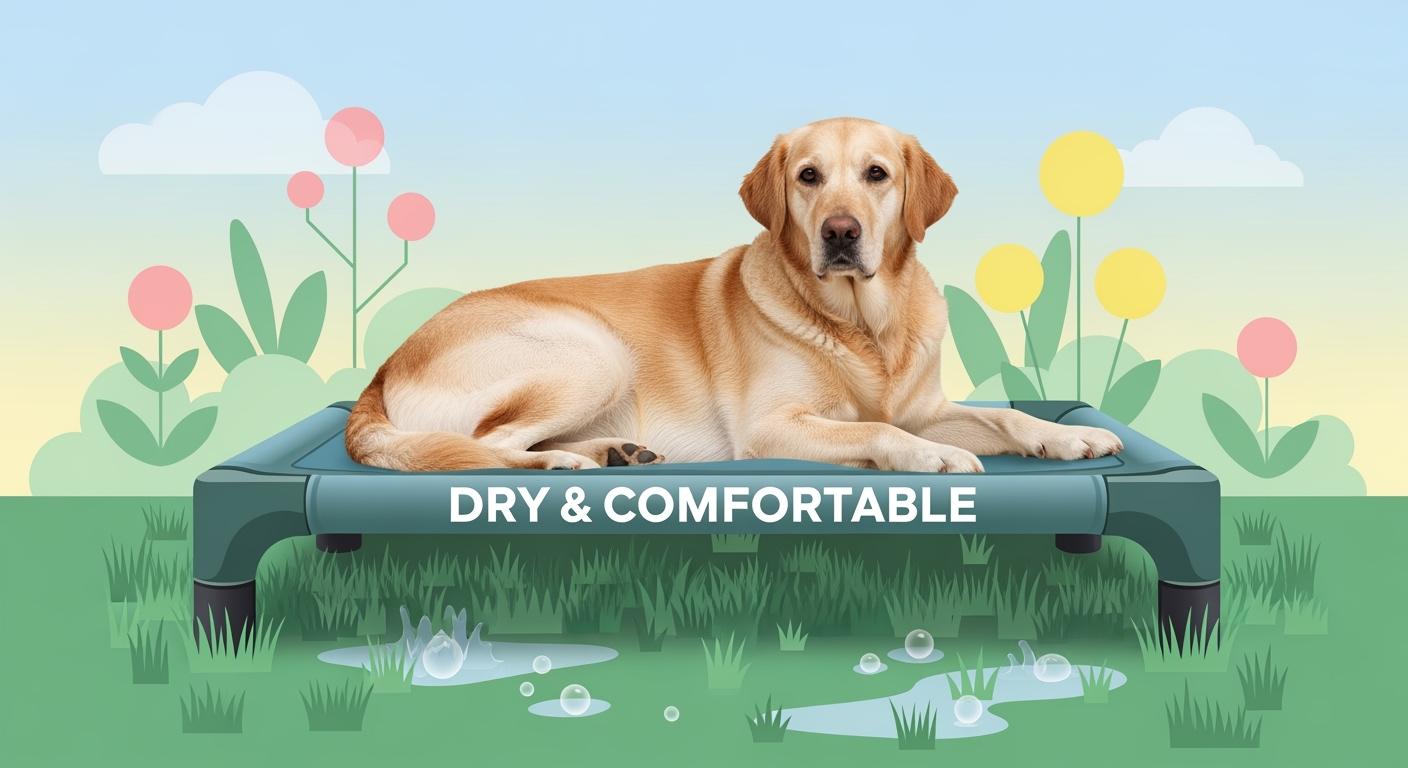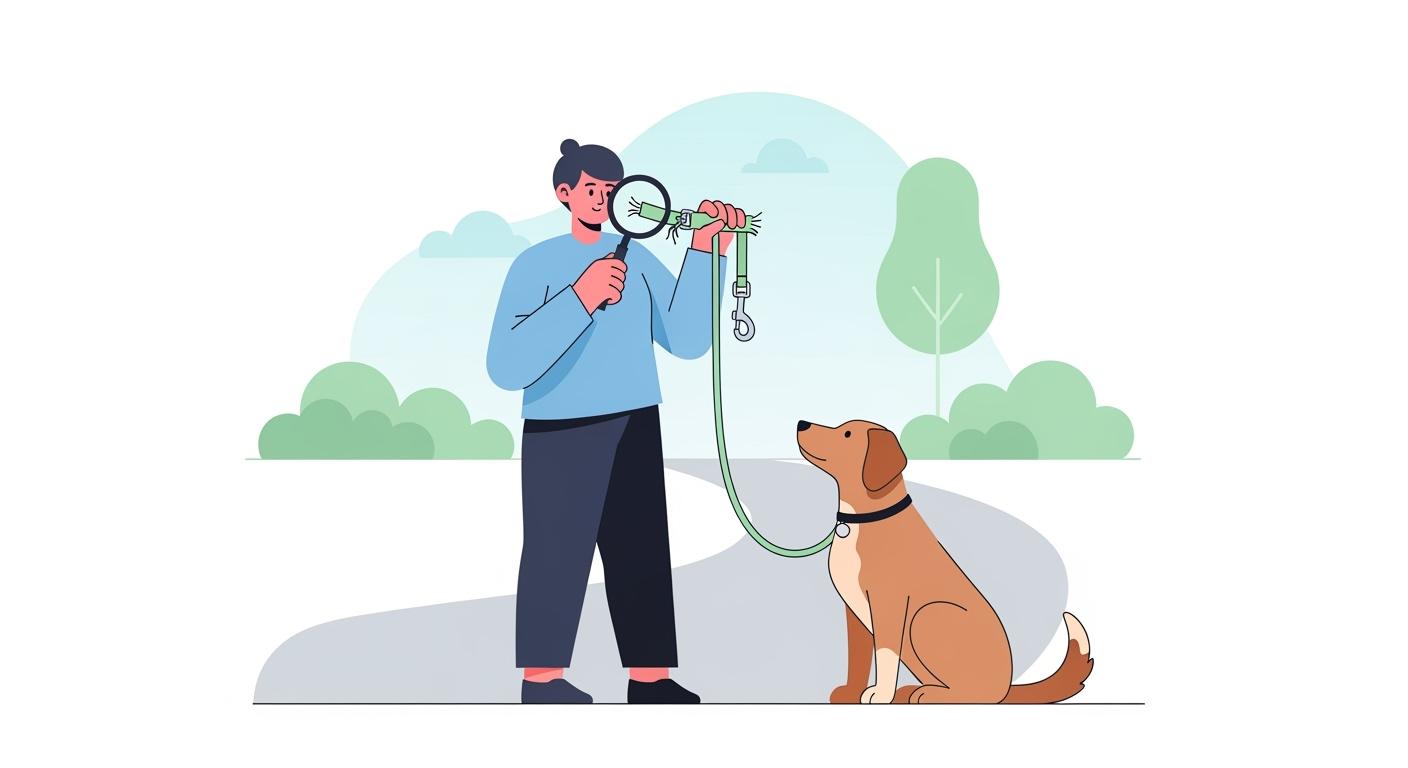
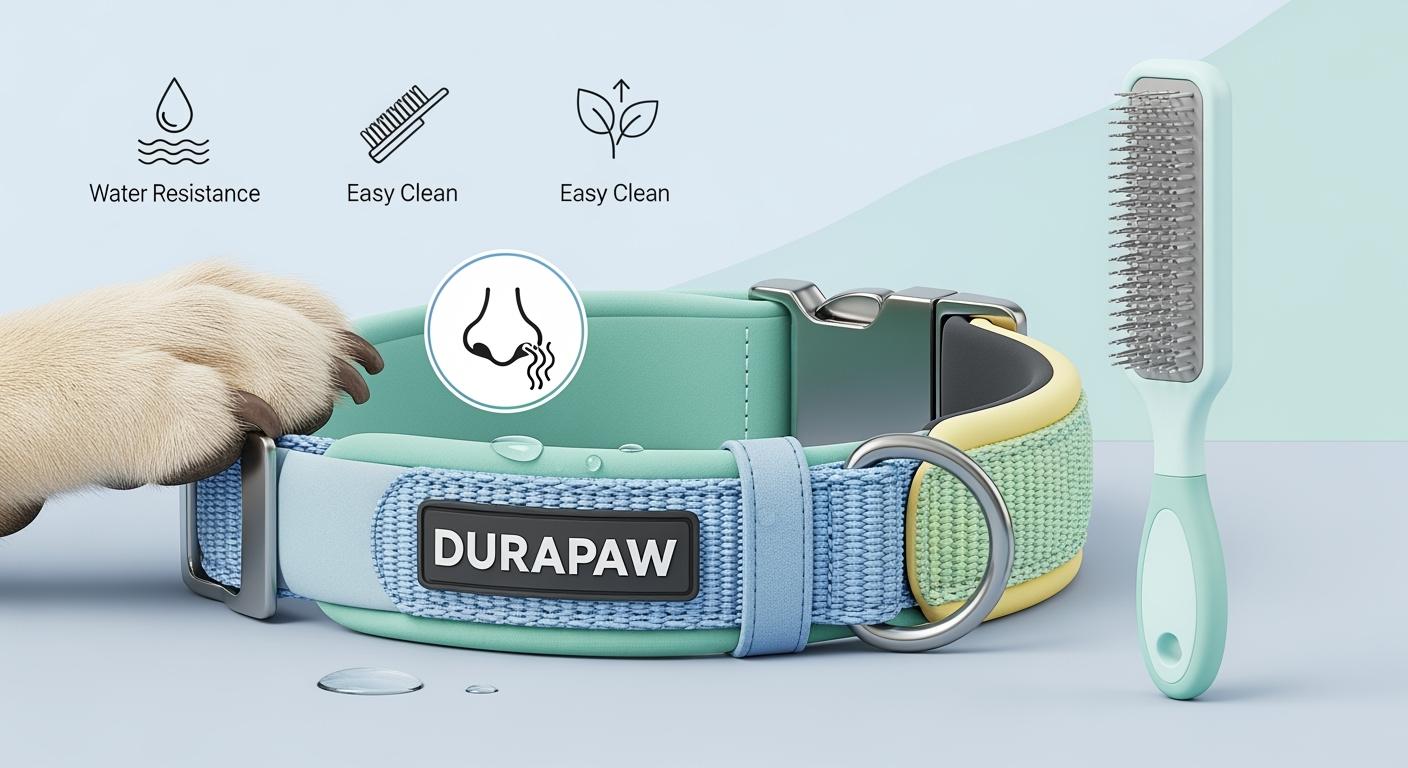
You might think a waterproof dog collar always stays clean. But many people complain about dirt and water getting stuck. Moisture can build up around the metal parts. Tiny holes in the material can trap grime too. If you want a collar that fights smells and is easy to clean, pick coated webbing or rubber. These collars do not soak up water. You can wipe them clean with little work. After your dog gets dirty, rinse the collar well. Dry it all the way to help it last longer. Your pet’s safety is important. Stop using the collar if your dog’s skin looks red or if your dog scratches a lot. Waterproof collars lower the chance of bad smells. But they are not perfect. How well they work depends on how you clean and dry them.
Key Takeaways:
Pick coated webbing or rubber for best odor control.
Rinse and air dry after wet or muddy use.
Check for skin issues and consult your vet or trainer if needed.
Choose the right collar for your dog’s habits.
Key Takeaways
Pick coated webbing or rubber collars for less smell and easy cleaning.
Wash your dog’s collar after it gets wet or dirty to stop smells and dirt from building up.
Check the collar often for skin problems or broken parts; ask a vet if you see anything wrong.
Choose a collar that fits what your dog does so it is comfy and lasts long.
Always let the collar dry all the way before putting it away to keep it nice.
What Waterproof Dog Collar Really Means
Water Shedding vs Absorption
When you see a collar labeled as waterproof, you might think it never gets wet. In reality, this means the collar sheds water and absorbs less than regular collars. Water rolls off the surface instead of soaking in. This helps the collar dry faster after rain or swimming. You still need to check the collar after use. Some water can stay in small holes or seams. If you want the best results, rinse off dirt and let the collar air dry fully before storing it.
Tip: Always let your dog’s collar dry completely before putting it away. This helps prevent smells and keeps the collar in good shape.
Odor and Grime Traps
Odor resistance does not mean odor-proof. A waterproof collar lowers the risk of bad smells because it dries faster and you can wipe it clean more easily. Smells often come from grime that gets stuck in tiny spaces. You should pay attention to the buckle area, adjustment holes, and the edges of the collar. These spots can trap dirt and moisture. If you notice a smell or see grime, rinse the collar right away. If the odor stays, use a deeper cleaning method.
Common odor and grime traps:
Buckle area
Adjustment holes
Edges where grime builds up
Hardware and Moisture Zones
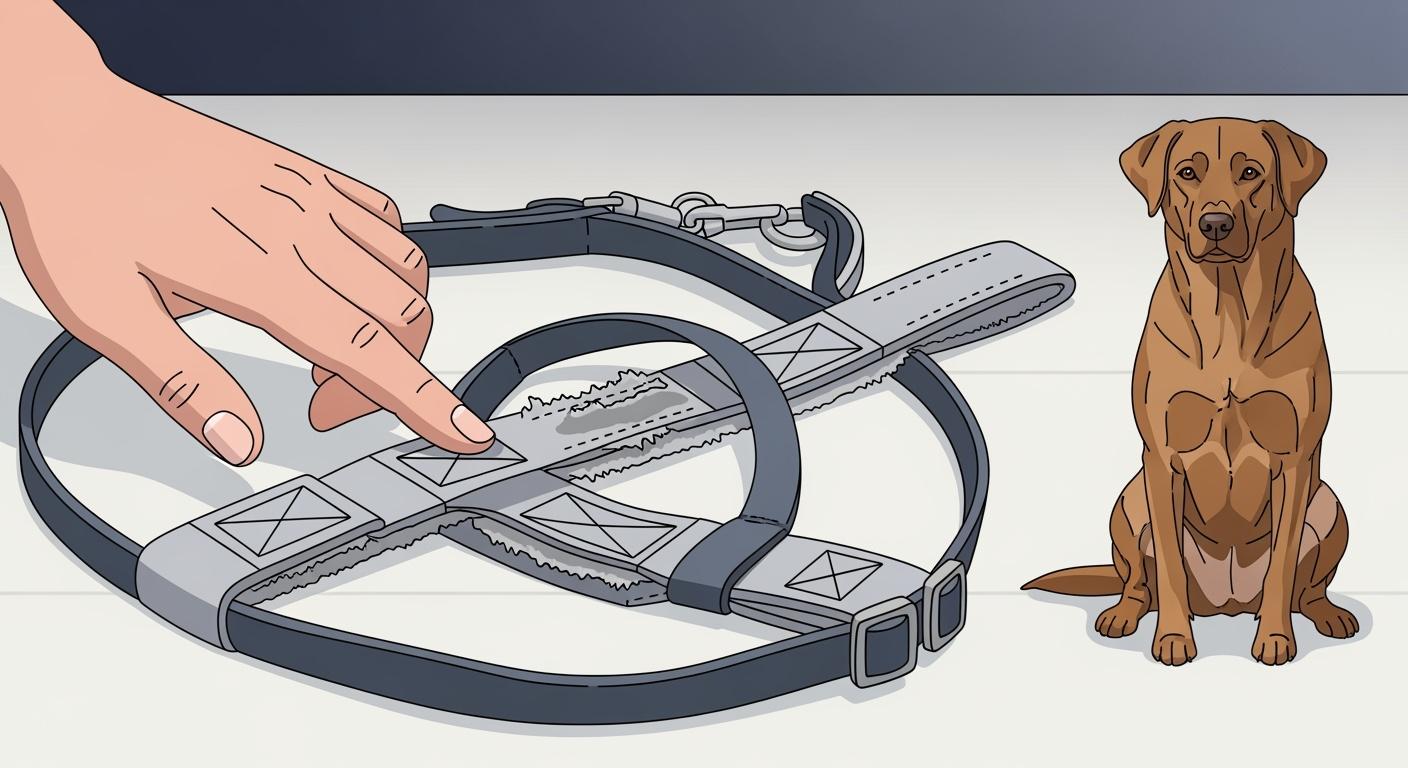
Hardware includes the metal parts like buckles and D-rings. These areas can hold moisture even if the rest of the collar dries quickly. Check for rough spots, rust, or squeaking after your dog gets wet. If you see these signs, consider choosing a collar with smoother, more durable hardware next time. Always stop using the collar if you notice skin irritation, hair loss, sores, or your dog scratches the neck often. Ask your veterinarian about any skin problems. For dogs that pull hard, talk to a qualified trainer about safe collar use.
Hot Spot Zone | What to Check For | What to Do |
|---|---|---|
Buckle area | Dirt, moisture, rust | Rinse and dry thoroughly |
Adjustment holes | Grime, odor, dampness | Wipe and air dry |
Edges | Build-up, roughness | Clean and inspect |
Remember, a waterproof collar helps reduce odor and cleaning effort, but results depend on your cleaning and drying habits.
Waterproof Collar Materials and Weatherproof Durability
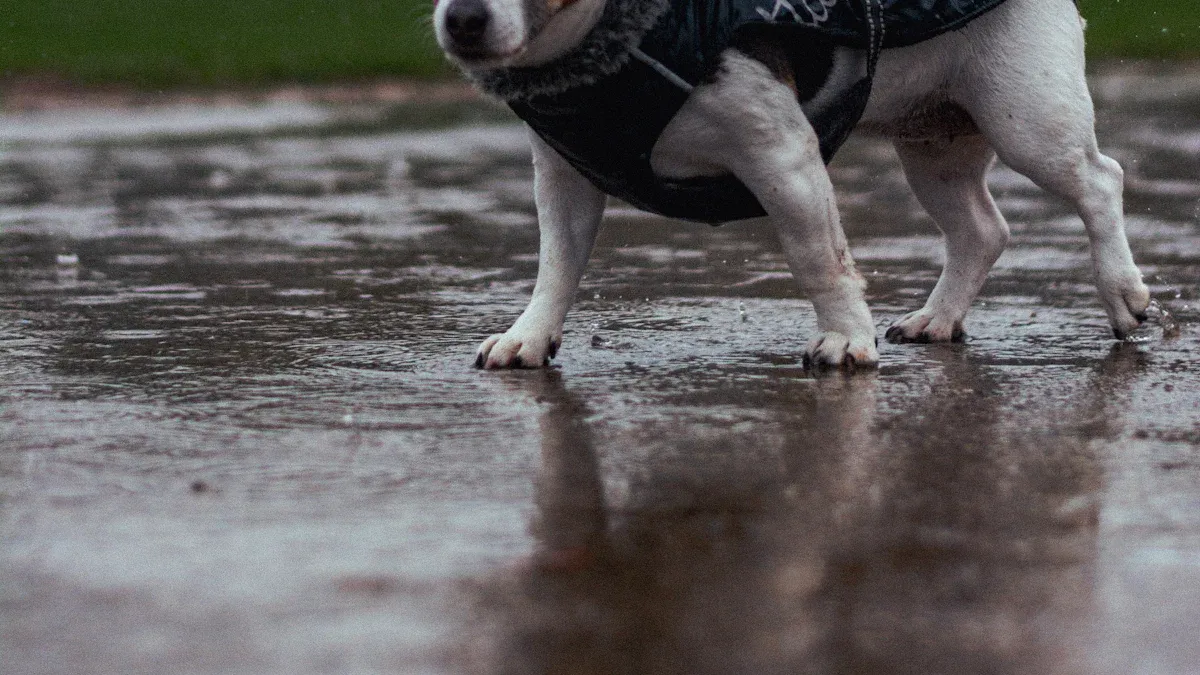
Picking a waterproof dog collar starts with knowing the materials. Each one works differently for water, smell, and cleaning. You want a collar that fits your dog’s life and how you clean. Some materials keep water out better. Others stop smells or last longer. Here are the most common choices.
Coated Webbing and Biothane Dog Collar
Coated webbing is great for keeping water out. It has a strong inside and a smooth outside. The biothane dog collar is a good example. Biothane is strong and bends easily. It dries fast and does not soak up water. You can wipe it with a wet cloth. This makes it simple to clean after muddy walks or swims. Biothane dog collars do not smell much because they dry fast. They also last a long time. Many people pick biothane for all kinds of weather. If you want a collar that lasts, try biothane. You can get a biothane dog leash to match.
Note: Waterproof does not mean it will never smell. How you clean and dry matters.
Rubber, Silicone, and TPU Options
Rubber, silicone, and TPU collars are another waterproof choice. These materials are soft and smooth. They do not soak up water. They do not smell as much as fabric collars. You can rinse them and wipe them dry. This makes them easy to clean after messy play. TPU collars feel soft and bend well. Silicone collars are gentle on your dog’s neck. Rubber collars are tough for rough play and rain. These collars are good for dogs who swim or play in water. You can use a biothane dog leash for more strength.
Tip: Always look at the metal parts after your dog gets wet. If you see rust or rough spots, get a new collar.
Sealed Fabric and Nylon Builds
Some waterproof collars use sealed fabric or nylon. These have a special cover to keep water out. They dry faster than normal fabric collars. But seams, holes, and metal parts can still hold water. Nylon collars are strong and comfy. They are good for daily walks and light rain. You may need to clean them more to stop smells. Sealed fabric collars are easy to clean, but check them for damage. If you want a light collar, nylon is a good pick. For less smell, choose coated webbing or biothane.
Material Comparison Table
The table below helps you compare the main waterproof collar materials. It shows how each one handles water, smell, cleaning, and wear.
Material Family | Water Behavior | Odor Risk Cues | Cleaning Effort | Wear Cues | Best For | Watch-Outs |
|---|---|---|---|---|---|---|
Biothane (Coated Webbing) | Sheds water, non-porous | Low, dries fast | Easy to clean | Lasts 3-5 years or more | All-weather durability, odor resistance | Check hardware for rust, avoid sharp edges |
Rubber/Silicone/TPU | Sheds water, flexible | Low, smooth surface | Easy to clean | May stretch or crack | Swimming, rain, wet play | Inspect for cracks, check hardware |
Sealed Fabric/Nylon | Repels water, dries fast | Medium, seams trap moisture | Wipe often, deep clean if odor | Fraying, seam wear | Light rain, daily walks | Watch seams and holes for grime |
Leather | Absorbs water unless treated | High if wet, needs care | Needs regular cleaning | Softens, cracks if wet | Comfort, style | Not for wet use, needs care |
PU | Sheds some water, less durable | High, prone to odor | Needs frequent cleaning | Shows wear quickly | Short-term use | Not for heavy wear or wet use |
You can see biothane and coated webbing are best for water and smell. Rubber, silicone, and TPU are also good if you want something soft. Sealed fabric and nylon are strong and comfy but need more cleaning. Leather and PU do not last as long in all weather.
Safety Reminder: Stop using any collar if you see red skin, hair loss, sores, or lots of scratching. Ask your vet if you see skin problems. Talk to a trainer if your dog pulls hard.
A waterproof dog collar makes life easier. You get less smell, less cleaning, and more fun. Pick the material that fits your dog and how you clean. For best results, rinse and dry the collar after it gets wet or dirty. Use a biothane dog leash for more strength and all-weather use.
Odor Resistance in Waterproof Collars
Non-Porous vs Porous Surfaces
You want a collar that stays fresh and does not hold bad smells. Non-porous surfaces, like those found in Biothane, help stop bacteria from growing. These collars dry quickly and do not soak up water. This makes them a smart choice for dogs with skin sensitivities. Waterproof collars with non-porous surfaces give you better odor resistance because they do not let water or grime sink in. Porous collars, such as untreated fabric or leather, can trap moisture and dirt. This leads to more odor and harder cleaning.
Hot Spots: Buckles, Holes, Edges
Even the best waterproof collars can smell if you do not clean them well. Odor resistant collars fight off most smells, but you still need to check certain spots. Look at the buckle area, the adjustment holes, and the edges. These places can trap grime, dirt, and moisture. You should rinse these hot spots after your dog swims or plays in mud. Use a cloth to wipe away any build-up. If you see rust or roughness on the hardware, think about getting a collar with smoother, more durable parts.
Common odor and grime traps:
Buckle area
Adjustment holes
Edges where grime builds up
Storage and Drying Habits
Proper storage and drying play a big role in preventing odor and mildew. After you rinse the collar, let it air dry fully before you put it away. Do not store damp gear in closed spaces. This simple habit helps keep your collar odor resistant and safe for your dog’s skin.
Safety Reminder: Waterproof does not mean odor-proof. Results depend on your cleaning and drying habits. Stop using the collar if you see skin irritation, hair loss, sores, or repeated scratching at the neck. Ask your veterinarian about any skin problems. Talk to a trainer if your dog pulls hard.
Scenario: Collar Smells After Swimming
You notice your dog’s waterproof collar smells after a swim. First, check the buckle, holes, and edges for grime or dampness. Rinse the collar under clean water, paying attention to these hot spots. Wipe it down and let it air dry completely. Non-porous materials like Biothane or rubber reduce odor risk because they do not trap water. If the smell stays, do a deeper clean or consider a new collar with better odor resistance.
Odor Source Table
Odor Source | What It Looks Like | What to Do | What to Avoid |
|---|---|---|---|
Buckle area | Rust, grime, dampness | Rinse, wipe, air dry | Storing damp, ignoring rust |
Adjustment holes | Dark spots, sticky residue | Clean with cloth, dry | Leaving grime to build up |
Edges | Dirt build-up, roughness | Scrub gently, inspect | Skipping regular checks |
Hardware | Discoloration, squeaking | Replace if worn, dry well | Using damaged hardware |
You can keep your waterproof collars odor resistant by choosing non-porous materials, cleaning hot spots, and drying them well. This routine helps your collar last longer and keeps your dog comfortable.
Water Performance and Wear Signs
Coating Thickness and Scratches
You want your dog’s collar to last through rain, mud, and play. The thickness of the coating on a waterproof collar helps protect it from water and dirt. A thick, even coating keeps water out and adds durability. If you see scratches or thin spots, water can get in and cause smells or wear. Scratches often happen when your dog plays rough or rubs against hard surfaces. Check the collar after each adventure. If you spot deep scratches, clean the area and let it dry. Replace the collar if the coating wears down too much. A strong coating means better durability and less cleaning work for you.
Stretch, Cracking, and Hardware Corrosion
Sometimes, a collar looks fine at first. After a few wet walks, you might notice cracks or stretching near the adjustment holes. This happens when the material gets stiff or the holes are too close together. Hardware rubbing against the strap can also cause wear. If you see cracks, the collar may lose strength and not fit well. Stretching can make the collar slip or break. Always check for rough or rusty hardware. If you see these signs, pick a collar with smoother hardware and stronger material next time. Look for collars that keep their shape and resist stretching for better durability.
Safety Reminder: Waterproof does not mean odor-proof. Results depend on your cleaning and drying habits. Stop use if you see skin irritation, hair loss, sores, or repeated scratching at the neck. Ask your veterinarian about skin problems. Talk to a trainer if your dog pulls hard.
Performance Table
Performance Point | Pass Signs | Fail Signs | What to Check Next |
|---|---|---|---|
Coating thickness | Smooth, even surface | Scratches, thin spots, peeling | Clean, dry, replace if worn |
Stretch at holes | Holds shape, no gaps | Cracks, stretching, loose fit | Try stronger material, adjust fit |
Hardware condition | Smooth, no rust or squeaks | Rust, rough edges, squeaking | Upgrade hardware, inspect often |
Overall durability | Lasts through wet and dry use | Fraying, cracking, weak spots | Choose thicker, stronger build |
A collar with good water performance keeps its strength and durability longer. Always check for these signs after wet or muddy use. Choose materials and hardware that match your dog’s activity for the best results.
Cleaning Effort for Waterproof Dog Collars
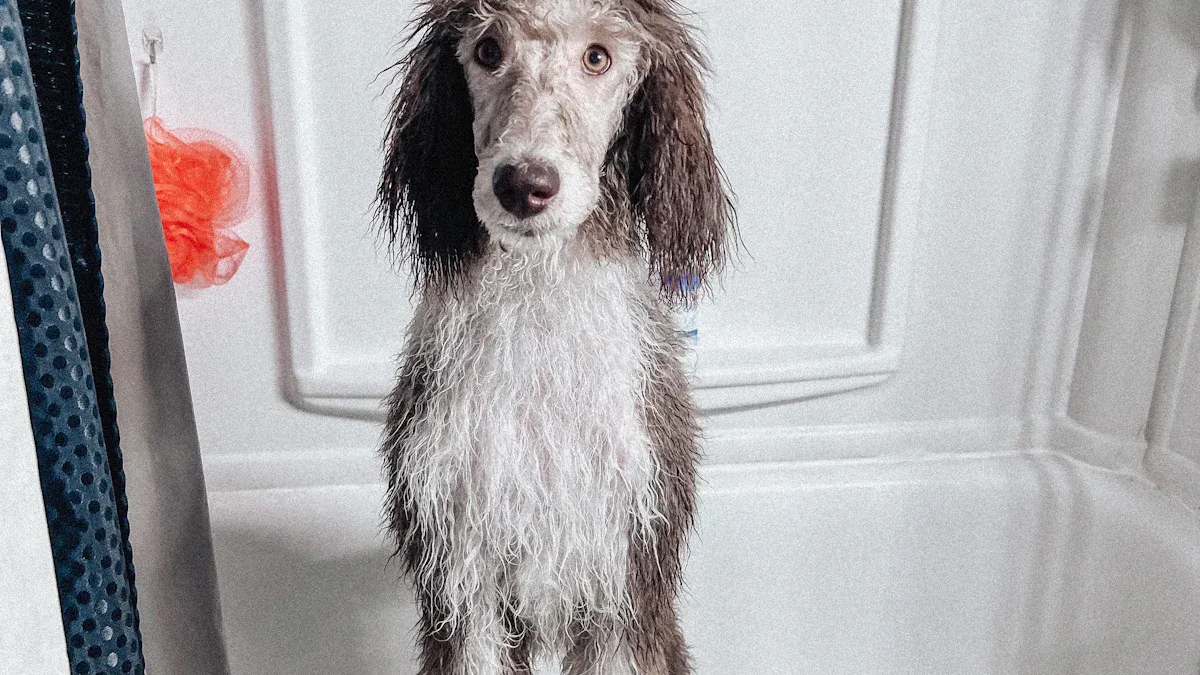
Quick Rinse Routine
You want your dog’s gear to stay fresh and last longer. Waterproof collars make this job much easier. After a walk in the rain or a swim, rinse the collar under clean water. Focus on the buckle, holes, and edges. These spots collect dirt and moisture. Use your fingers or a soft cloth to wipe away any grime. Most waterproof collars are easy to clean with just water. This quick rinse helps stop odors before they start.
Tip: Rinse the collar right after muddy or wet adventures. This keeps it looking new and smelling fresh.
Deep Clean Triggers
Sometimes, a quick rinse is not enough. If you notice a smell that will not go away or see grime stuck around the hardware, it is time for a deeper clean. Use mild soap and a soft brush to scrub the collar, paying close attention to the hot spots. Rinse well to remove all soap. If the odor stays or the collar looks worn, consider replacing it. Remember, waterproof does not mean odor-proof. Results depend on your cleaning and drying habits.
Drying and Storage Rules
Proper drying and storage help your collar last longer. Always let the collar air dry fully before you put it away. Do not store damp gear in a closed space. Hang the collar in a spot with good airflow. This simple habit prevents mildew and keeps the collar safe for your dog’s skin.
Safety Reminder: Stop using the collar if you see skin irritation, hair loss, sores, or repeated scratching at the neck. Ask your veterinarian about skin problems. Talk to a trainer if your dog pulls hard.
Cleaning Routine Table
Situation | Quick Clean | Deep Clean Trigger | Drying and Storage Rule |
|---|---|---|---|
Muddy walk or swim | Rinse with water, wipe | Odor remains after rinse | Air dry fully before storage |
Daily use, no dirt | Wipe with damp cloth | Grime builds up around hardware | Hang in open air, avoid closed spaces |
Sand or trail debris | Shake off, rinse spots | Sticky residue or visible dirt | Dry flat, check for trapped moisture |
After deep clean | Rinse off soap, wipe dry | Odor or grime does not go away | Store only when completely dry |
Waterproof collars are easy to clean and maintain. Regular care keeps them odor resistant and comfortable for your dog.
Decision Guide: Choosing the Best Waterproof Dog Collar Material
Choosing the right waterproof collars for your dog can feel confusing. You want a collar that fits your dog’s life and is easy for you to clean. You also want to avoid smells and keep your dog comfortable. This guide will help you match the best materials and hardware to your dog’s favorite activities. You will also learn what to avoid and how to keep your gear in top shape.
Rain Walks and Wet Grass
If your dog loves walks in the rain or rolling in wet grass, you need a collar that dries quickly and does not hold water. Coated webbing and biothane dog collar options work well for these conditions. These materials shed water and do not soak up moisture. You can wipe them clean after every walk. Smooth hardware helps stop grime from building up. Avoid collars with lots of seams or fabric edges. These can trap water and start to smell.
Tip: After a rainy walk, rinse the collar and let it air dry. This keeps it fresh and ready for the next adventure.
Swimming and Water Play
Many dogs love to swim or splash in puddles. For these dogs, waterproof collars made from rubber, silicone, or TPU are a smart choice. These materials bend easily and do not soak up water. They also feel soft on your dog’s neck. A biothane dog collar is another strong pick for swimming because it dries fast and resists odor. Always check the hardware after water play. Pick smooth, rust-resistant metal parts. Avoid collars with rough or rusty hardware. These can cause skin problems.
Safety Reminder: Waterproof does not mean odor-proof. Results depend on your cleaning and drying habits. Stop use if you see skin irritation, hair loss, sores, or repeated scratching at the neck. Consult your veterinarian for skin issues and a qualified trainer for handling safety if your dog pulls hard.
Mud, Sand, and Trails
Dogs who run through mud, sand, or trails need tough waterproof collars. Coated webbing and biothane dog collar materials are best for these messy adventures. These collars do not let dirt sink in. You can rinse them off and wipe them clean. For extra strength, use a biothane dog leash. Choose hardware with smooth edges to avoid snags. Stay away from collars with open seams or fabric layers. These can trap grit and make cleaning harder.
Tip: After muddy or sandy play, rinse the collar right away. Let it dry fully before storing.
Decision Table and Parameter Values
You can use the table below to match your dog’s favorite activities with the best collar materials and hardware. This table also shows what to avoid for each use case.
Use Case | Best Material Cues | Best Hardware Cues | What to Avoid |
|---|---|---|---|
Rain walks, wet grass | Coated webbing, biothane dog collar, fast drying | Smooth, durable metal, rust-resistant | Fabric seams, open edges, rough hardware |
Swimming, water play | Rubber, silicone, TPU, biothane dog collar | Rounded, non-rusting metal | Leather, untreated fabric, rusty parts |
Mud, sand, trails | Coated webbing, biothane dog collar, easy wipe-down | Smooth edges, strong D-ring | Open seams, layered fabric, weak hardware |
Step-by-Step: How to Choose and Maintain a Waterproof Dog Collar
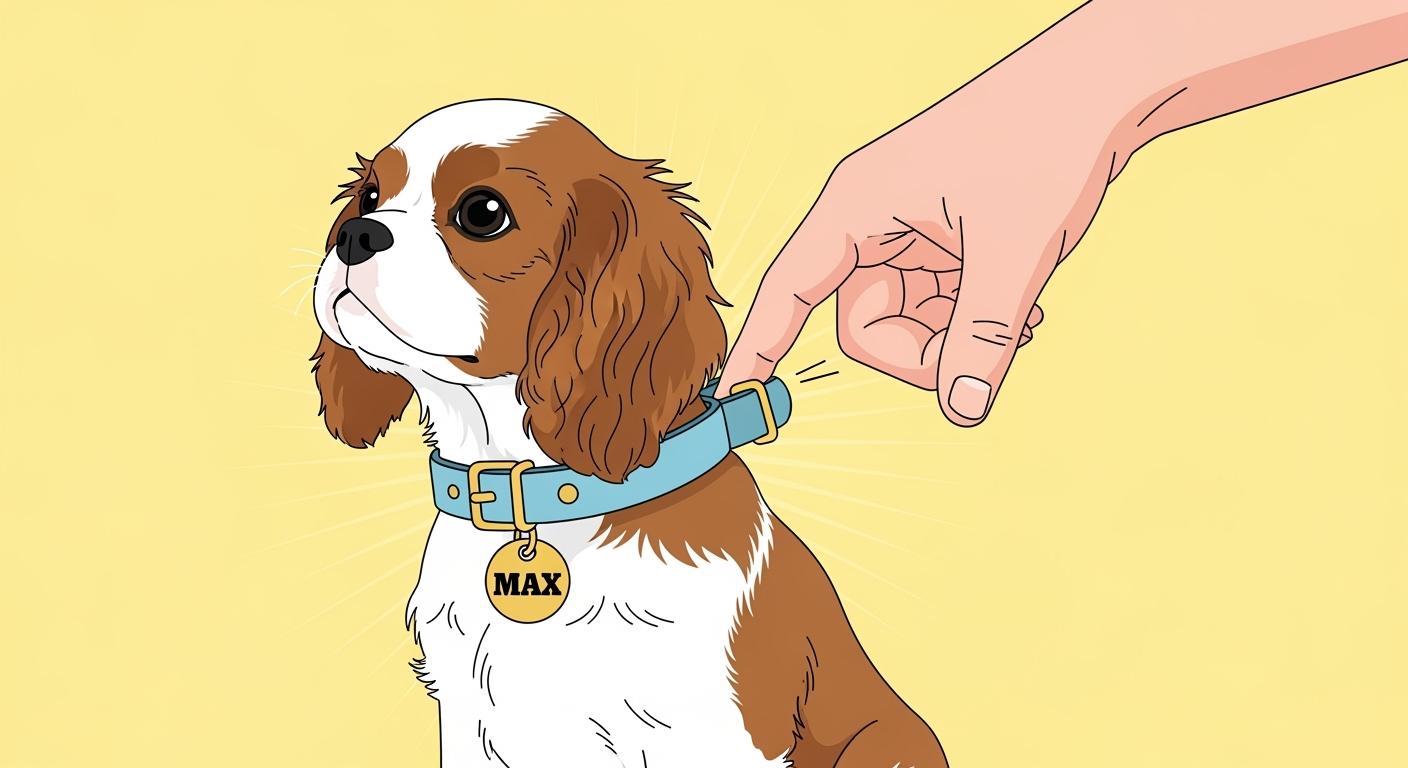
Measure your dog’s neck where the collar sits. Use the two finger rule for comfort.
Pick the width that matches your dog’s size:
Small: 0.5-0.75 in (1.3-1.9 cm)
Medium: 0.75-1.0 in (1.9-2.5 cm)
Large: 1.0-1.5 in (2.5-3.8 cm)
Choose materials that match your dog’s activities. For wet or muddy play, pick coated webbing or biothane dog collar. For swimming, try rubber, silicone, or TPU.
Select hardware with smooth edges and durable metal.
After each use, rinse the collar and biothane dog leash if dirty. Let them air dry fully before storing.
Deep clean if odor or grime stays after rinsing.
Replace the collar if you see cracks, stretching, or rough hardware.
Note: Waterproof collars lower odor risk through faster drying and easier cleaning. They are not odor-proof. Your cleaning and drying habits matter most.
Parameter and Value Table
Parameter | Target Range or Option | Why it Matters |
|---|---|---|
Primary use case | rain walks, swimming, mud, sand | Predicts odor and wear stressors |
Material family | coated webbing, rubber or silicone style, sealed fabric build | Changes water absorption and cleaning effort |
Odor resistance cue | faster drying, easier wipe-down | Reduces odor risk without promises |
Water traps | holes, seams, hardware zones | Explains why smell and wear start there |
Cleaning trigger | rinse after dirty use, deep clean when odor persists | Keeps maintenance realistic |
Drying and storage | full air dry before storage | Prevents odor re-growth |
Neck measurement | where collar sits | Sizing accuracy |
Fit rule | two finger rule | Reduces tight spots and rubbing |
Width cues | 0.5-1.5 in (1.3-3.8 cm) | Comfort feel and durability cue |
Hardware cue | smooth edges, durable metal | Reduces snagging and wear |
You can keep your dog’s waterproof collars and biothane dog leash in great shape by following these steps. Pick the right material for your dog’s favorite activities. Clean and dry the gear after each use. Check for signs of wear. This helps your dog stay comfortable and odor-free.
Retail and OEM/ODM Notes for Waterproof Collars
Describing Odor Resistance and Waterproof Claims
When you shop for dog collars, you see many claims about odor resistance and waterproof features. You want clear facts, not just buzzwords. Look for terms like “sheds water,” “fast drying,” and “easy to wipe clean.” These phrases help you understand what the collar can do. Odor resistance means the collar dries quickly and you can clean it with little effort. It does not mean the collar will never smell. Always check the product details for how the collar handles water and odor.
Here is a table that shows how retailers describe the benefits of different materials:
Material | Benefits |
|---|---|
Full-grain leather | Extremely durable, ages beautifully, naturally water-resistant when treated, less likely to cause odor buildup. |
Biothane | Resists mold, mildew, and UV degradation; excellent for hiking, training, or water-loving dogs; available in vibrant colors. |
Safety Reminder: Waterproof does not mean odor-proof. Results depend on your cleaning and drying habits. Stop use if you see skin irritation, hair loss, sores, or repeated scratching at the neck. Consult your veterinarian for skin issues and a qualified trainer for handling safety if your dog pulls hard.
Supplier Specs: Coating, Edges, Hardware
You want to check the collar’s coating, edges, and hardware before you buy. A smooth, even coating helps the collar shed water and last longer. Rounded edges feel better on your dog’s neck and reduce rubbing. Durable metal hardware with smooth edges lowers the risk of snags and rust. If you see rough spots or discoloration on the hardware, pick a different collar next time. Always ask for details about the coating and hardware when you shop.
Sizing and Care to Reduce Returns
You can avoid returns by measuring your dog’s neck where the collar sits. Use the two finger rule: you should fit two fingers between the collar and your dog’s neck without digging in. If your measurement falls between sizes, choose the larger size and adjust down. Pick the right width for your dog’s size. Small dogs often need 0.5-0.75 in (1.3-1.9 cm), medium dogs use 0.75-1.0 in (1.9-2.5 cm), and large dogs need 1.0-1.5 in (2.5-3.8 cm). Always let the collar air dry before storing it. This keeps the collar fresh and helps it last longer.
OEM and ODM Explained
You may see the terms OEM and ODM when you look at collar suppliers. OEM stands for Original Equipment Manufacturer. This means the supplier makes products based on your design or brand. ODM stands for Original Design Manufacturer. This means the supplier creates their own designs and you can sell them under your brand. Both options help you get quality collars with the features you want.
You want a waterproof dog collar that fights odor, dries fast, and is easy to clean. Choose waterproof collars made from coated webbing or rubber for the best results. Match the outstanding waterproof collar to your dog’s habits and your cleaning routine. Always rinse and air dry the collar after wet or muddy use. Check product details and sizing before you buy. Remember, waterproof does not mean odor-proof. Results depend on your cleaning and drying habits. Stop use if you see skin irritation or repeated scratching.
FAQ
What is the best way to clean a waterproof dog collar?
You should rinse the collar with clean water after each dirty walk or swim. Wipe the buckle, holes, and edges. Let the collar air dry fully before storing it. This helps prevent odor and keeps your dog comfortable.
How do I know if my dog’s collar needs replacing?
Check for cracks, stretching, or rough hardware. If you see rust, peeling, or the collar does not fit well, replace it. Stop using the collar if your dog shows skin irritation or scratches the neck often.
Can a waterproof collar still smell bad?
Yes. Waterproof means the collar sheds water and dries fast. Odor can still happen if you do not clean and dry the collar well. Results depend on your cleaning and drying habits.
Safety Reminder: Waterproof does not mean odor-proof. Stop use if you see skin irritation, hair loss, sores, or repeated scratching at the neck. Consult a veterinarian for skin issues and a qualified trainer for handling safety if your dog pulls hard.
What mistakes do people make with waterproof collars?
Here is a table of common mistakes and how to fix them:
Mistake | What It Leads To | What to Do Next |
|---|---|---|
Storing collar while damp | Odor, mildew, skin irritation | Air dry fully before storage |
Ignoring hardware rust | Weak spots, skin problems | Replace hardware or collar |
Not rinsing after muddy use | Grime build-up, bad smell | Rinse and wipe after each use |
How do I pick the right collar material for my dog?
Think about your dog’s favorite activities. For swimming, choose rubber, silicone, or biothane. For muddy trails, pick coated webbing. Always check for smooth hardware and easy cleaning. Measure your dog’s neck and use the two finger rule for comfort.