You want your dog to feel safe and calm on each trip. Picking the right travel dog bed means thinking about your dog’s habits. You should also look at your dog’s size and comfort needs. Features like easy cleaning help a lot. Temperature control is important too. Always follow local safety rules. Ask your veterinarian if you worry about your dog’s health.
Key Takeaways
- Choose a travel dog bed that fits your dog’s size and habits. This helps your dog feel calm and secure during trips.
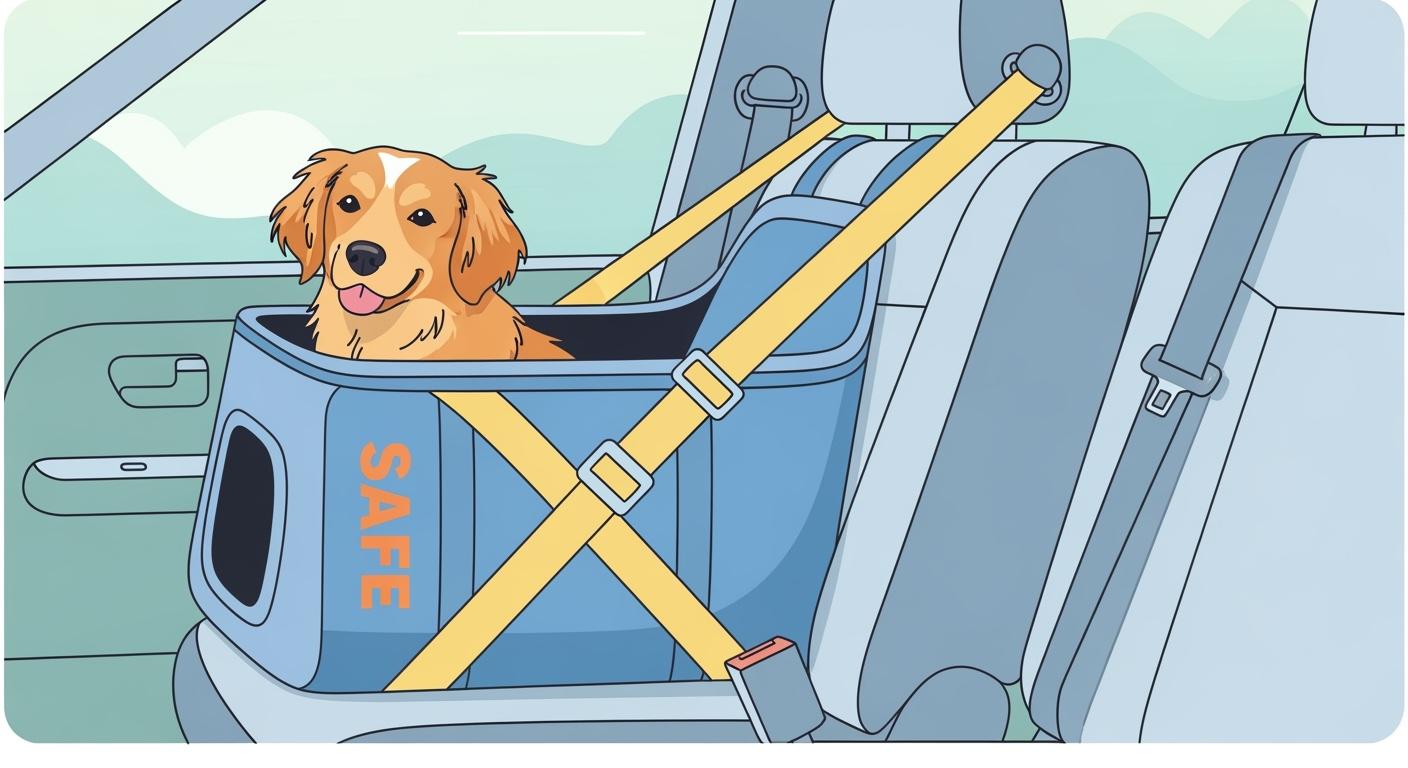
- Always use a seatbelt harness, crate, or barrier for safety. A travel dog bed does not protect your dog in a crash.
- Look for beds with removable covers and waterproof liners. This makes cleaning easy and keeps the bed fresh for your dog.
Travel Dog Bed Comfort and Safety Limits
Comfort vs Restraint
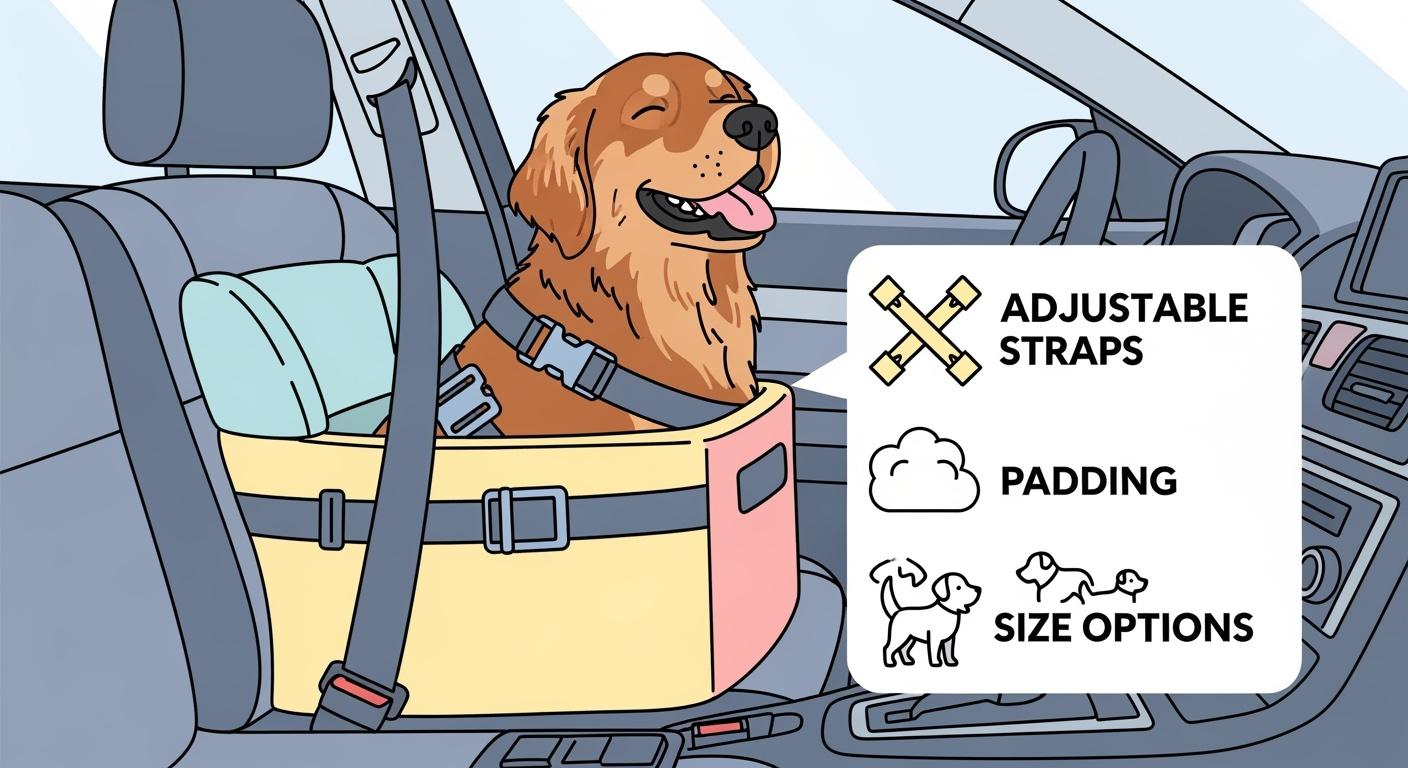
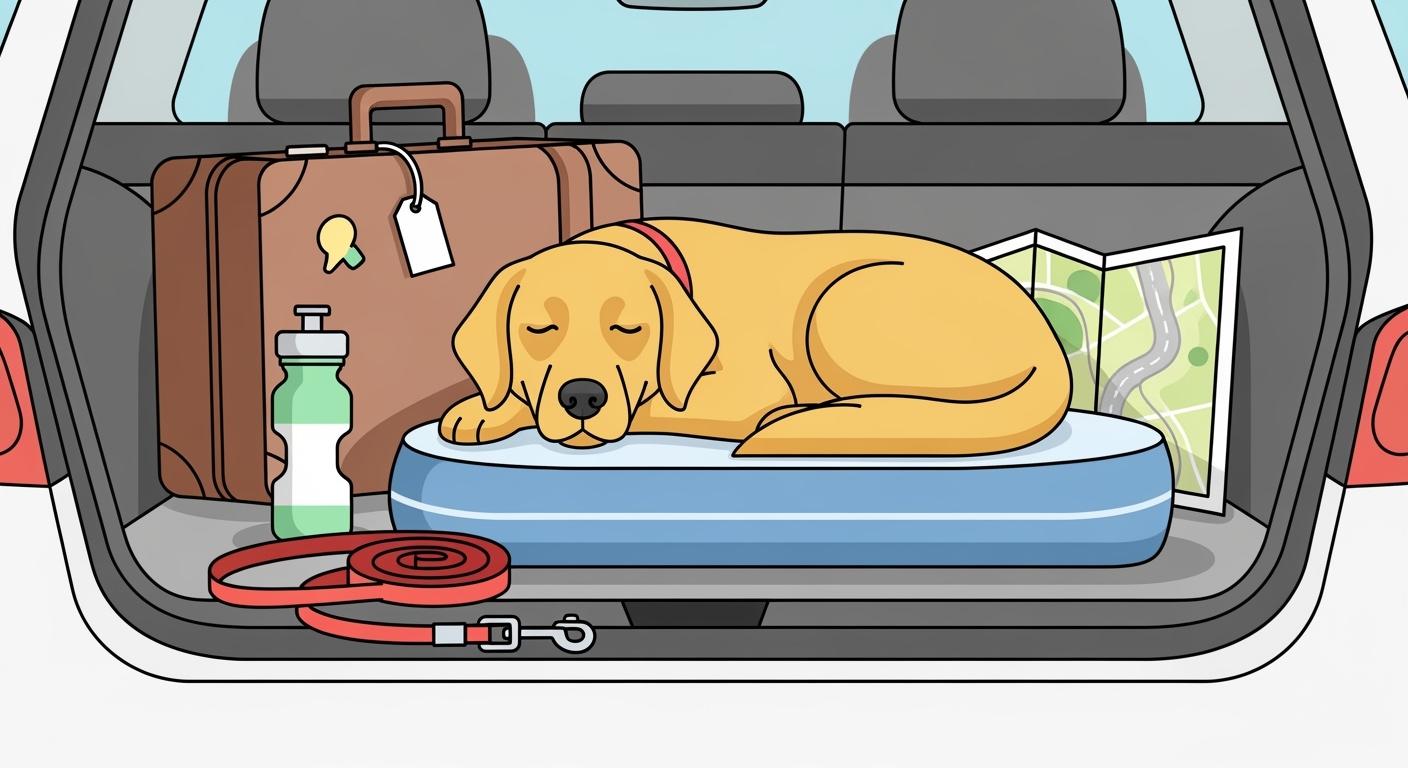
A travel dog bed gives your dog a soft, familiar place to rest during trips. You help your dog feel calm and secure by using a bed that matches their size and habits. The bed also helps contain fur, dirt, and spills, making cleanup easier for you. However, a travel dog bed does not act as a restraint system. It does not protect your dog in a crash or sudden stop. You should never rely on a bed alone to keep your dog safe in the car.
Veterinarians often recommend calming beds, therapy, or calming supplements like chamomile or valerian root to reduce travel stress. These options can help your dog relax, but you must still use proper safety gear. Always use a seatbelt harness, crate, or barrier to keep your dog secure. This approach protects both your dog and everyone else in the vehicle.
Note: A travel dog bed improves comfort and helps contain mess, but it is not a crash protection device. Always follow local travel safety rules and consult your veterinarian if you have health concerns about your dog.
Best Use Cases and Limits
You have several options for keeping your dog comfortable and safe during travel. Each option has its best use, limits, and possible risks. The table below compares common choices:
| Product Type | Best Use | Comfort Level | Stability | Risk/Failure Mode | When to Switch |
|---|---|---|---|---|---|
| Travel Dog Bed | Calm dogs, short to medium trips | High | Moderate (can slide) | Not a restraint, may shift | If dog is restless or anxious |
| Travel Mat | Quick stops, outdoor breaks | Moderate | Low (may bunch up) | Slides easily, little support | For longer trips or older dogs |
| Carrier (Enclosed) | Small dogs, anxious travelers | Moderate-High | High (if secured) | Overheating, limited space | If dog outgrows carrier |
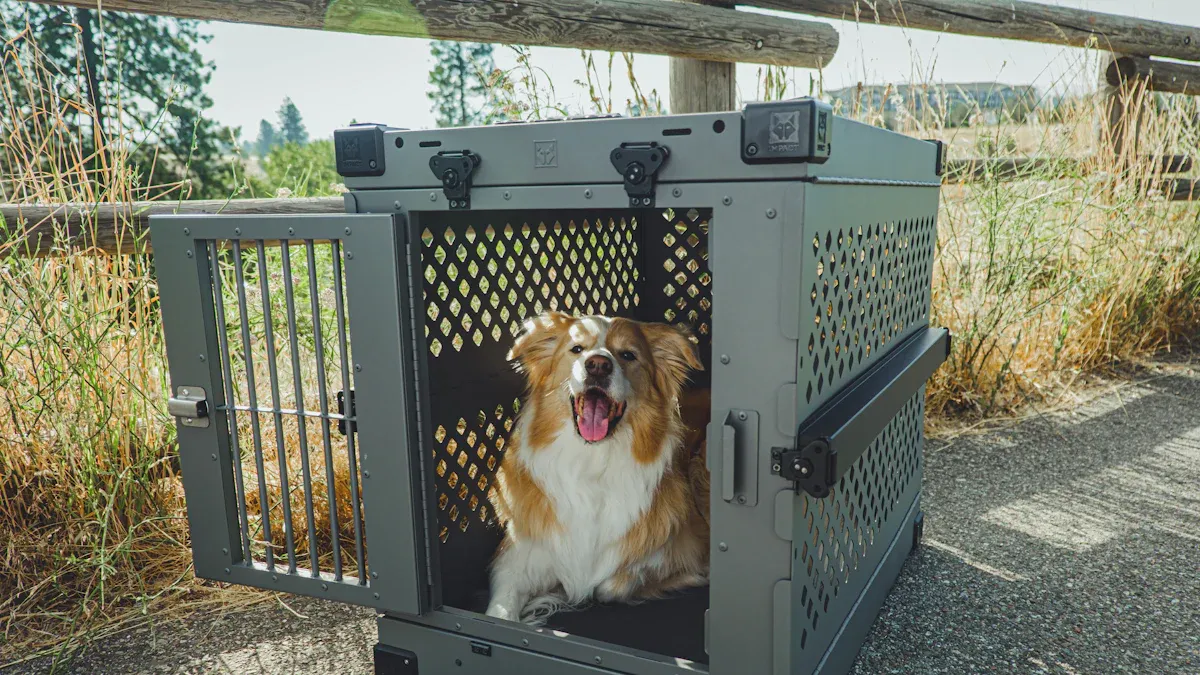
| Travel Crate | All sizes, long trips, high safety | Moderate | Very High (if strapped) | Heavy, needs space | If crate is too large for car |
A travel dog bed works best for dogs who stay calm and enjoy lying down. If your dog moves around a lot or gets anxious, you may need a crate or carrier for extra security. For quick outdoor breaks, a travel mat offers a lightweight option, but it does not provide much support or stability.
Travel Safety Basics
You want to keep your dog safe every time you travel. Follow these basic safety cues to reduce risks:
- Place your dog in the back seat, away from airbags.
- Use a seatbelt harness to secure your dog. This prevents sudden movement during stops.
- Choose a crate if your dog prefers a safe, enclosed space. Strap the crate down so it does not slide.
- Use a mesh or metal barrier for large or active dogs. This keeps them from moving into the front seat.
- Never let your dog ride with their head out the window. This can cause injury from debris or sudden stops.
Tip: Always check that your travel dog bed does not block seat belt buckles or interfere with seat functions. Make sure the bed stays stable and does not slide on the seat or floor.
You can help your dog feel more relaxed by using calming beds, dog-appeasing pheromones, or gentle aromatherapy. These tools work best when combined with proper restraint and safe placement in your vehicle.
Remember, your dog’s comfort matters, but safety comes first. Always follow local travel laws and ask your veterinarian if you have questions about your dog’s health or travel needs.
Travel Dog Bed Features and Materials
When you pick a travel dog bed, think about comfort and safety. The bed should fit your dog’s habits and your travel plans. Each feature can help your dog feel better during trips.
Cleanable Surfaces
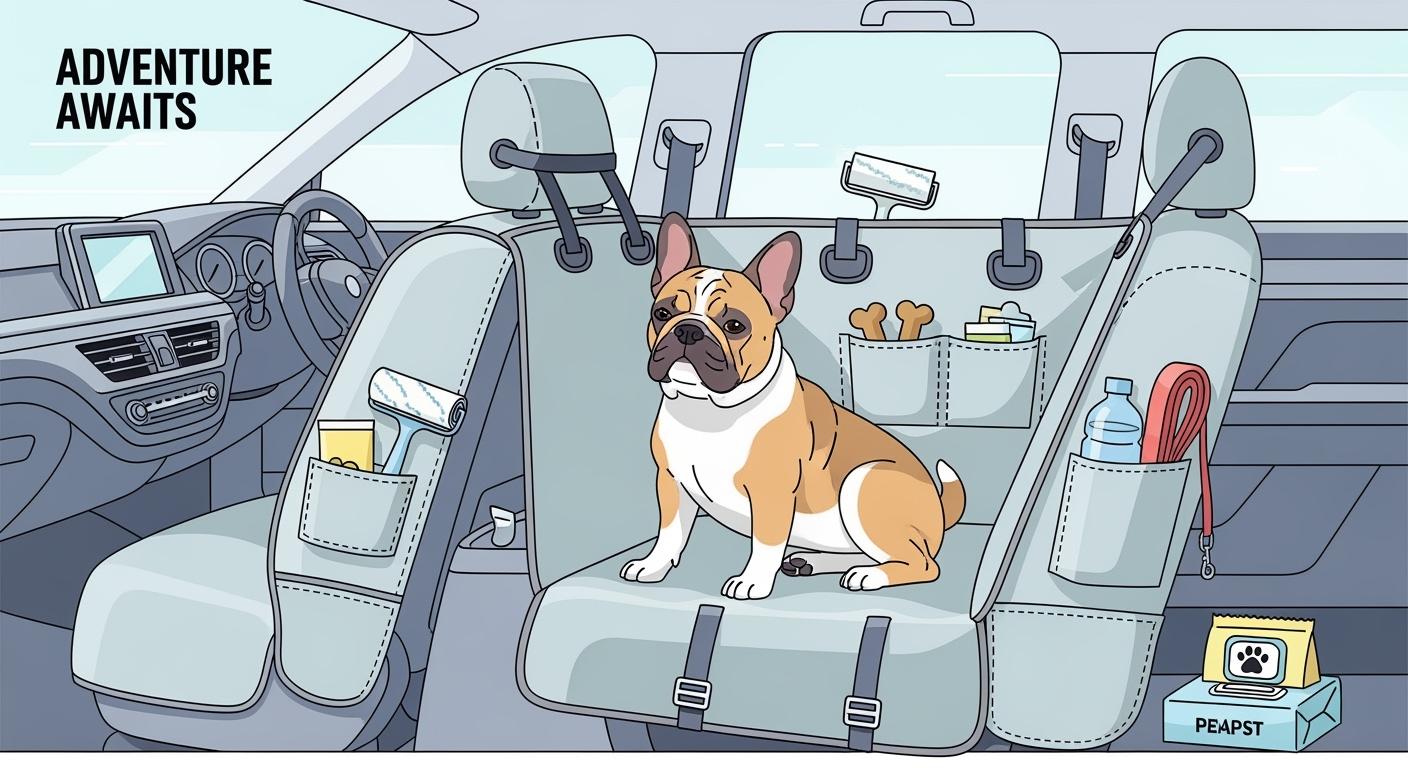
A clean travel dog bed is important after outdoor trips or rainy days. Removable covers make it easy to wash away dirt, fur, and spills. Fabrics that dry fast help you clean up after wet walks or muddy paws. Waterproof liners keep the inside foam safe from accidents. This stops bad smells and stains from sticking around.
Here is a table with common materials in top travel dog beds:
| Material Type | Description |
|---|---|
| Memory Foam | Provides high resilience and comfort, ideal for joint support. |
| Polyester Cover | Durable and easy to clean, resistant to tearing and scratching. |
| Waterproof Liner | Protects the foam from accidents and simplifies cleaning. |
If you travel a lot or your dog likes the outdoors, get a bed with a waterproof liner and strong polyester cover. For city trips, a light, machine-washable cover is a good choice. Always check for certifications if your dog has allergies or sensitive skin.
Tip: Wash your dog’s travel bed before every trip. This removes old smells and makes the bed more welcoming.
Support and Shape
Support is important for all dogs, but it matters most for older dogs or those with joint pain. Orthopedic travel dog beds use memory foam or similar stuff to cushion joints and support the body. These beds lower pressure on hips, knees, and shoulders. They also help blood flow and improve sleep, which is great for older dogs.
Here is how orthopedic beds help during travel:
| Benefit | Description |
|---|---|
| Reduces pressure on joints | Orthopedic beds help alleviate stress on aging joints such as hips, knees, and shoulders. |
| Improves circulation | They distribute body weight evenly, preventing sore spots and enhancing blood flow. |
| Enhances sleep quality | A supportive surface aids older dogs in resting better, which is essential for their overall health. |
| Supports pain management | These beds are crucial for managing pain associated with conditions like osteoarthritis. |
For long car rides, pick a bed with thick, strong foam. For short city trips, a lighter bed with soft sides may be enough. If your dog moves a lot, look for beds with raised edges. Raised edges help your dog feel safe and stop rolling during sharp turns.
Non-Slip and Stability
Stability helps your dog stay safe and calm. A travel dog bed with a non-slip bottom stays put, even when the car moves or stops fast. Raised edges add safety by keeping your dog in the middle of the bed. This is good for active dogs or those who have trouble moving.
Non-slip bottoms work on car seats and hotel floors. Raised edges keep your dog inside and lower the chance of falling. For outdoor trips, pick a bed with a strong bottom that does not slide on grass or dirt.
Checklist for Choosing a Safe and Comfortable Travel Dog Bed:
- Base stability: Bed does not slide or bunch up on seats or floors.
- Access: Bed does not block seat belt buckles or car seat functions.
- Comfort and support: Bed allows your dog to lie naturally and reduces pressure points.
- Cleanability: Bed has removable, washable, or wipe-clean surfaces.
- Durability: No loose threads, exposed hard edges, or small parts that invite chewing.
Scenario Guidance and Caution
- For short city trips, use a light, washable bed with a non-slip bottom.
- For long car rides, pick an orthopedic bed with memory foam and raised edges.
- For wet or outdoor days, choose a bed with a waterproof liner and tough cover.
- For older dogs, always use an orthopedic bed to help joints and improve rest.
- For dogs that move a lot, get a bed with high sides or bolsters for extra safety.
Caution: No travel dog bed keeps your dog safe in a crash. Always use a harness, crate, or barrier. Follow local travel rules and ask your veterinarian if you worry about your dog’s health.
Travel Dog Bed Setup Tips
Car Placement
You want your dog to ride safely and comfortably. Place the travel dog bed on the back seat. Push the bed against the seat back. Use seat anchors if your bed has them. These anchors slide into the seat crack and keep the bed from moving forward. Check the bottom of the bed. A non-slip base should grip the seat. If you pull the bed sideways and it slides, it may move during turns. Press down in the center. The bed should feel firm, not saggy. Make sure you can reach the seat belt buckles without moving the bed out of place.
Quick Car Setup Checklist:
- Place bed on back seat, away from airbags.
- Insert seat anchors if available.
- Check non-slip base for grip.
- Press center for support.
- Confirm buckle access.
Hotel and Outdoor Placement
You can use your travel dog bed in hotels or at campsites. Look for a flat, clean spot. Unfold or roll out the bed. Beds with removable covers make cleaning easy after outdoor use. A unique pattern helps you spot your bed in busy places. Keeping the same bed for every trip helps your dog sleep better in new spots.
| Feature | Description |
|---|---|
| Portable Design | Folds or rolls for easy storage |
| Removable Covers | Allows quick cleaning between trips |
| Distinctive Pattern | Easy to identify in shared spaces |
| Consistent Sleep Space | Helps your dog adjust to new locations |
Pre-Use Comfort Check
Before you let your dog settle in, check the setup. Use this table to spot problems and fix them fast:
| Check Item | Pass Signal | Fail Signal | Fix |
|---|---|---|---|
| Sliding | Bed stays in place | Bed moves on seat/floor | Adjust anchors or add non-slip mat |
| Bunching Ridges | Surface is flat | Ridges or lumps under cover | Smooth out cover, reposition bed |
| Tipping | Bed feels stable | Bed tips when dog enters | Move to flatter spot, check anchors |
| Blocked Buckles | Buckles easy to reach | Buckles hidden or blocked | Shift bed, check placement |
| Chew Risk | No loose threads/parts | Loose threads or hard edges | Trim threads, remove small parts |
| Escape Attempts | Dog stays in bed | Dog tries to jump out | Use harness, try crate if needed |
Tip: Always follow local travel rules. Ask your veterinarian if you have health concerns about your dog.
Common Mistakes and Troubleshooting
Mistakes and Quick Fixes
You may run into a few common problems when using a travel dog bed. Sliding, tipping, and blocked seat buckles often happen if you skip setup steps. Dogs may show stress if the bed smells strange or feels unstable. Chewing and escape attempts can occur if your dog feels anxious or bored. Quick fixes include adjusting the bed’s position, smoothing out the cover, or adding a favorite blanket for comfort.
Tip: Always check the bed before each trip. Make sure it sits flat and does not block seat belt buckles.
Troubleshooting Guide
Use this table to solve common travel dog bed issues:
| Symptom | Likely Cause | Fast Check | Fix |
|---|---|---|---|
| Bed slides | No grip or anchors | Push bed sideways | Add non-slip mat or use anchors |
| Bed bunches up | Loose cover/fabric | Feel for lumps | Smooth cover, reposition bed |
| Dog refuses to settle | New smell/texture | Watch dog’s behavior | Wash bed, add familiar blanket |
| Carsickness signs | Anxiety/motion | Look for drooling/pacing | Use calming aids, consult vet |
| Chewing | Loose threads/edges | Inspect bed edges | Trim threads, remove small parts |
| Wet-fur odor stays | Damp bed after use | Smell bed after cleaning | Dry bed fully before next use |
| Escape attempts | Unstable bed | Watch for jumping out | Secure bed, try harness or crate |
To keep your pets safe, always select pet-friendly cleaning products and avoid those that leave behind a chemical film or powder. After cleaning, dry the bed completely. Damp bedding can lead to mold and mildew, which may cause health issues for sensitive pets.
Travel Dog Bed FAQs
Q: How do I help my dog with carsickness or anxiety?
A: Use calming aids, keep the car cool, and offer breaks. Ask your veterinarian for advice if symptoms continue.
Q: What is the best way to clean a travel dog bed after a wet or muddy trip?
A: Use pet-safe cleaners and rinse well. Dry the bed fully before using it again to prevent odors and mold.
Q: How do I handle wet trips or rainy days?
A: Choose a bed with a waterproof liner. Always dry the bed before storing or using it again.
Q: Can I use one bed for two dogs?
A: Only if both dogs fit comfortably and do not fight over space. Watch for signs of stress or crowding.
Disclaimer: Always follow local travel rules and consult your veterinarian for health concerns.
You can find the best travel dog bed by doing these things:
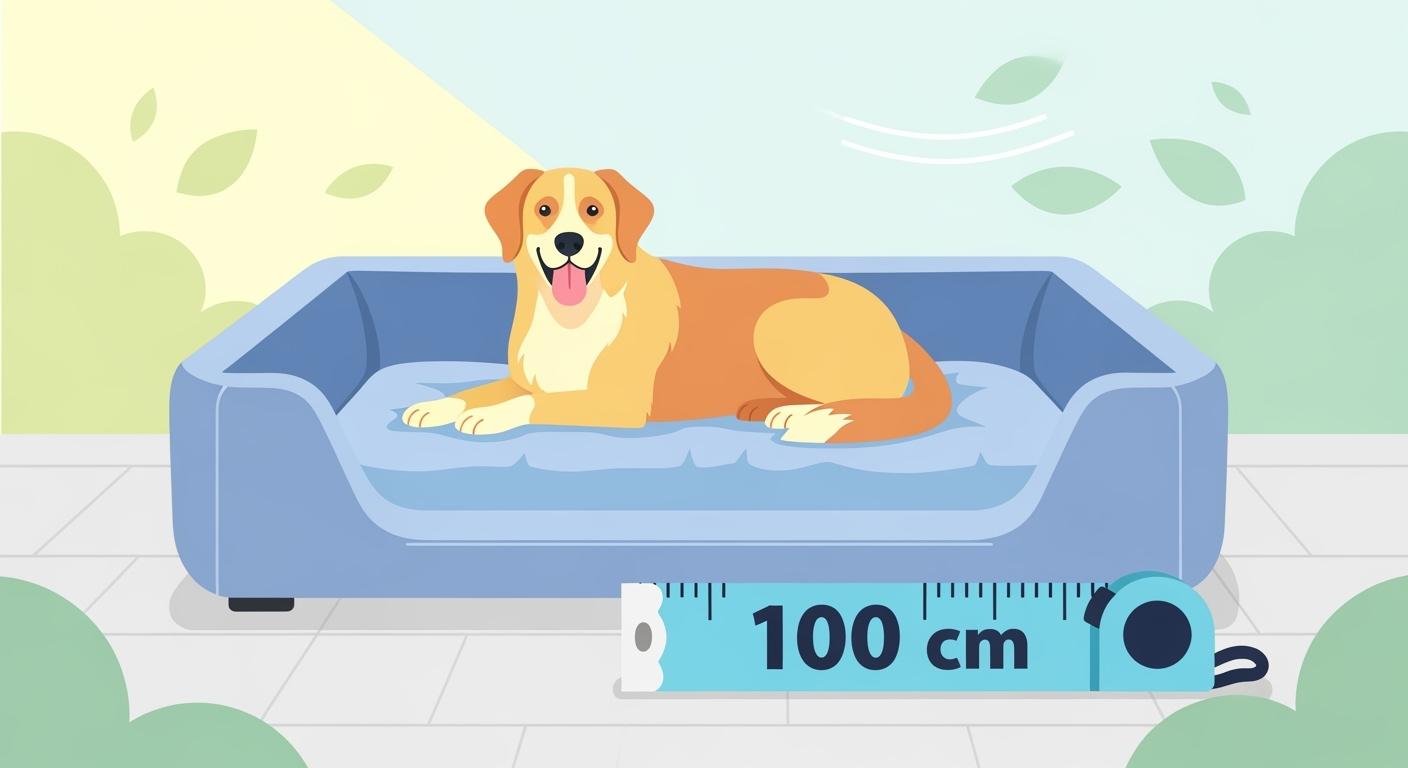
- Measure your dog to get the right size.
- Choose strong and safe materials for the bed.
- Pick insulation or orthopedic support if your dog needs it.
- Get covers you can wash to keep the bed clean.
| Benefit | Why It Matters |
|---|---|
| Stability | Helps keep your dog safe |
| Familiarity | Makes your dog less stressed |
| Comfort | Lets your dog rest better |
Always follow local rules. Ask your veterinarian if you worry about your dog’s health. Have a safe trip!
FAQ
Is a travel dog bed safer than a regular bed?
A travel dog bed offers more stability and comfort for car rides. You still need to use a harness, crate, or barrier for safety.
Can I use a travel bed as a restraint?
No. You must use a seatbelt harness, crate, or barrier to keep your dog secure. A travel bed does not prevent movement during sudden stops.
How do I stop the bed from sliding or bunching in the car?
Place the bed on a flat surface. Use seat anchors or a non-slip mat. Smooth out the cover before each trip for best results.
Disclaimer: Always follow local travel laws and ask your veterinarian for health advice.