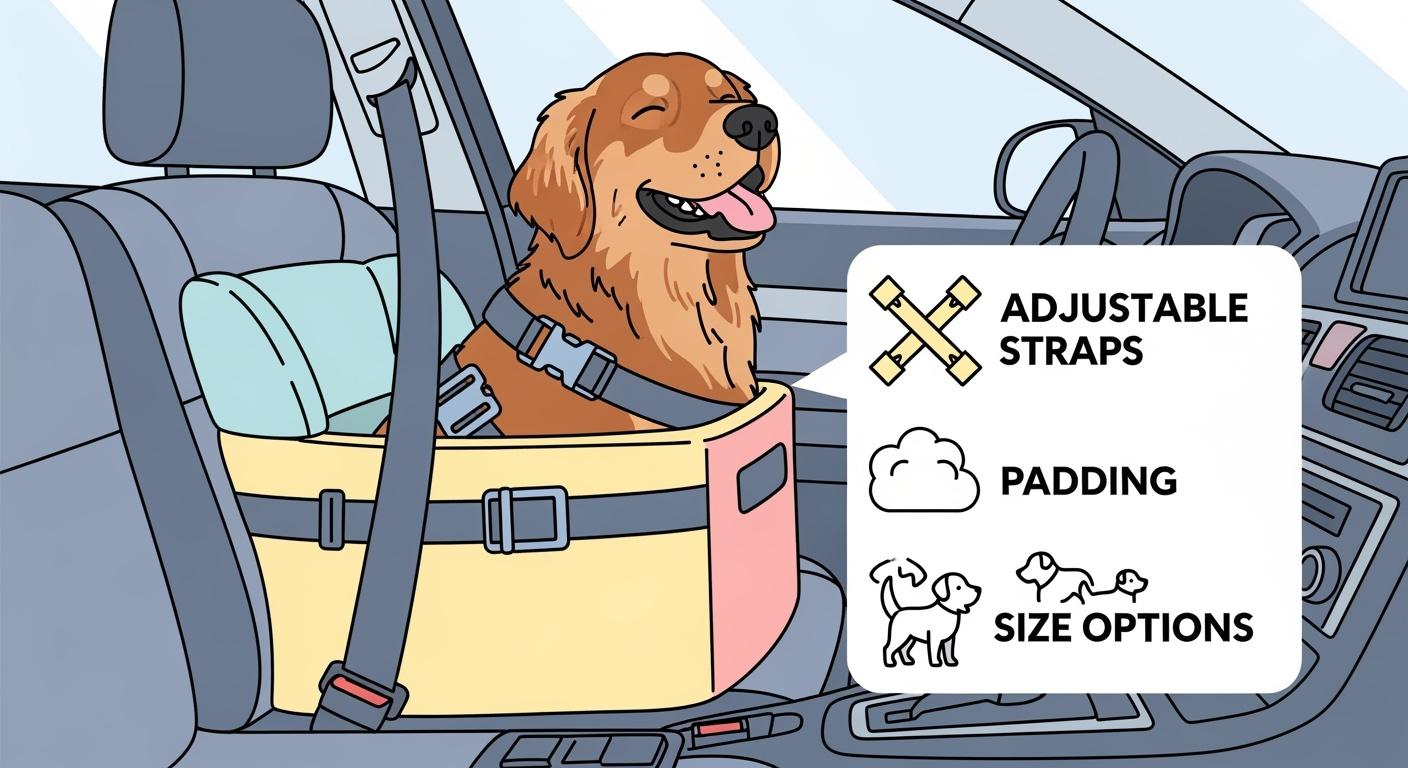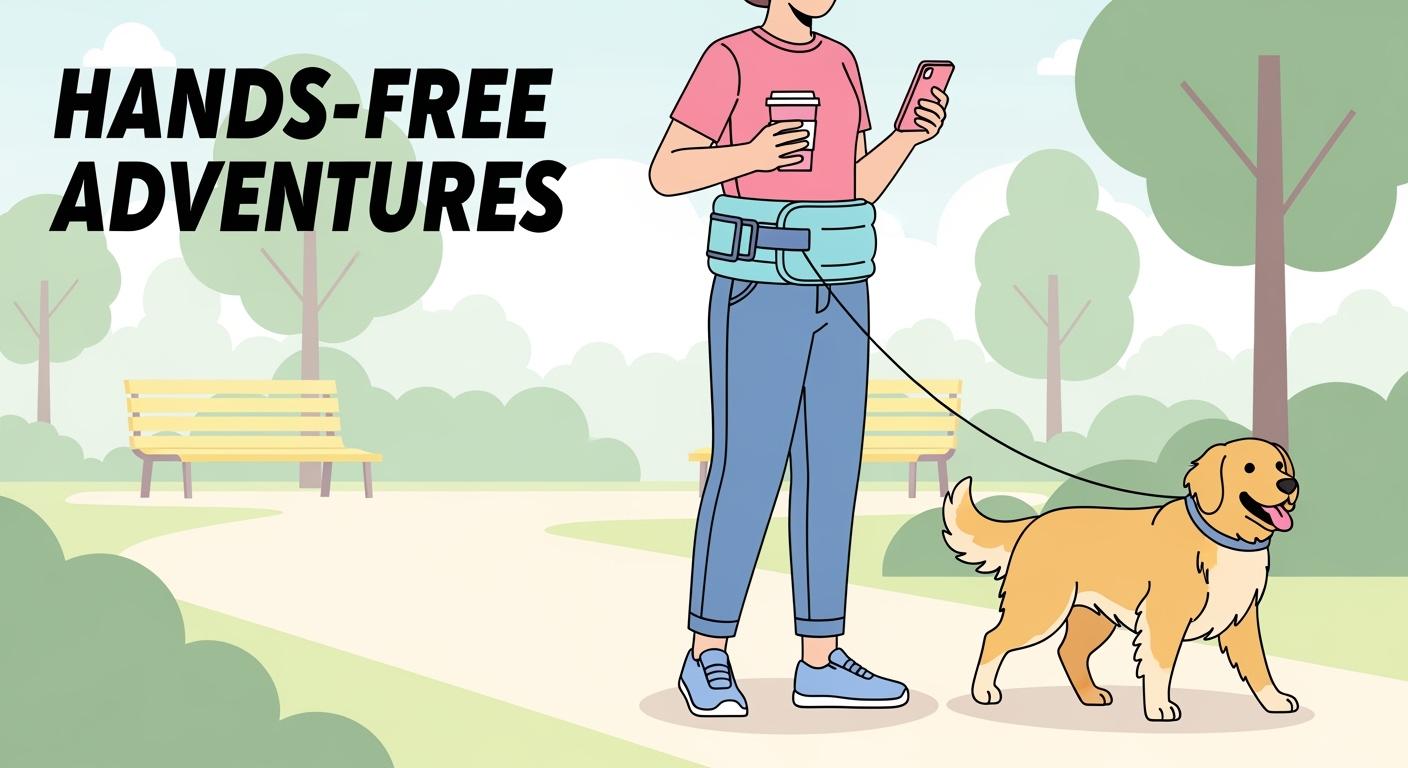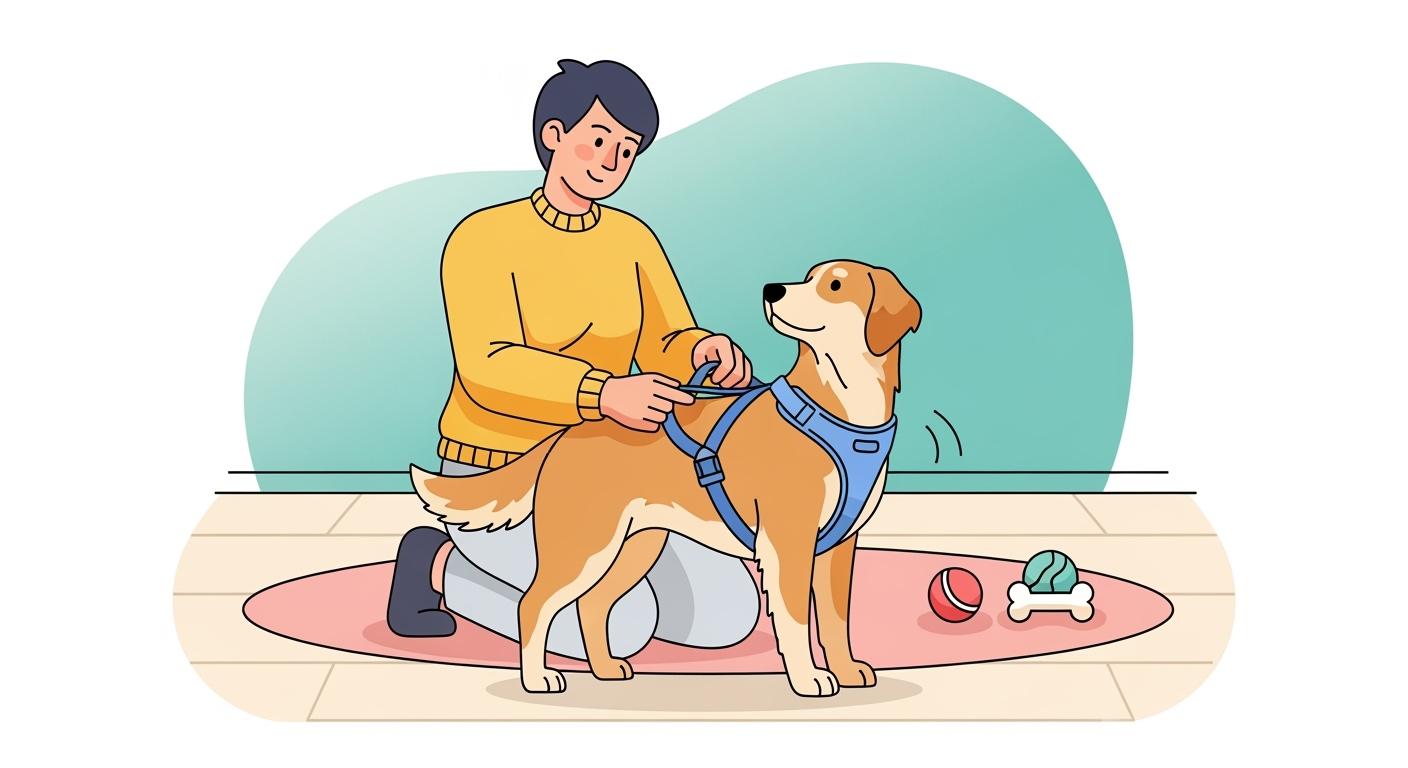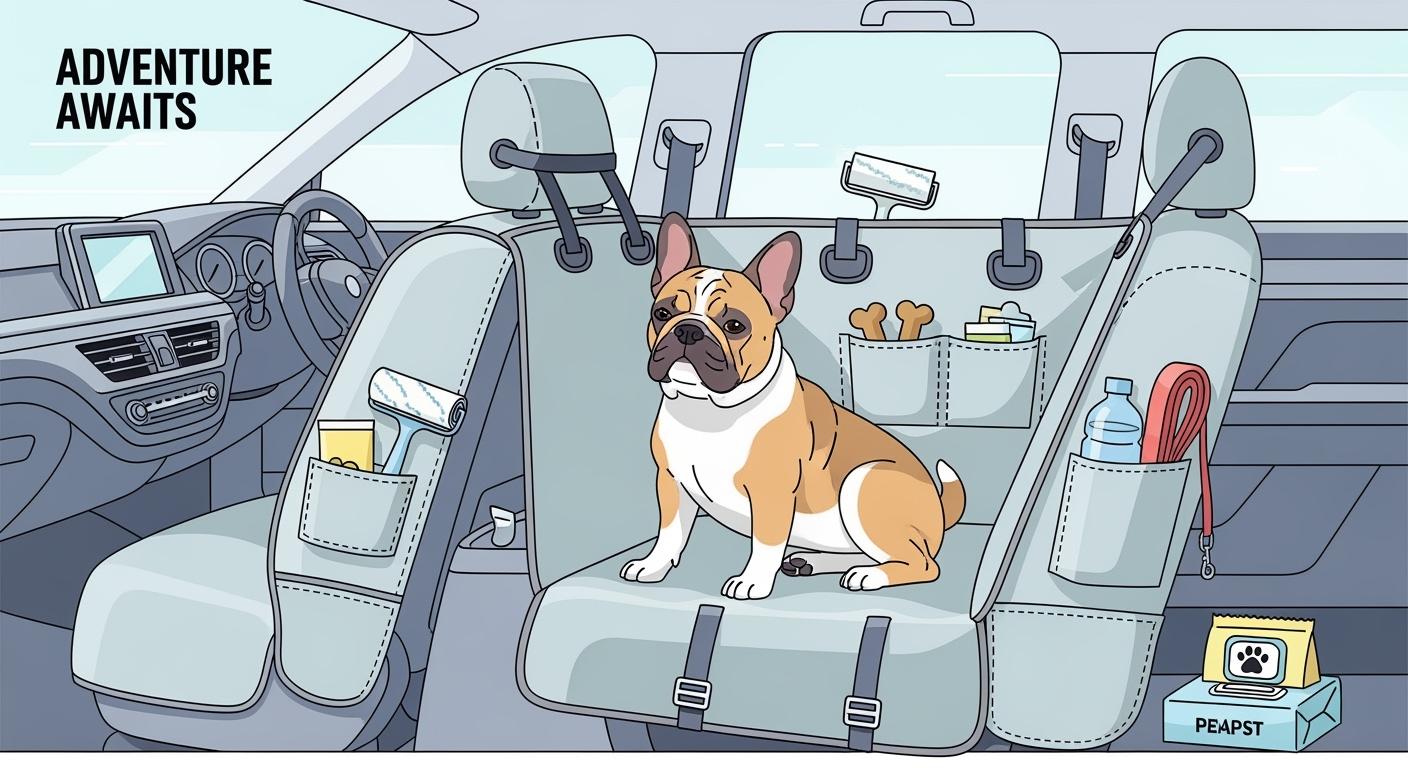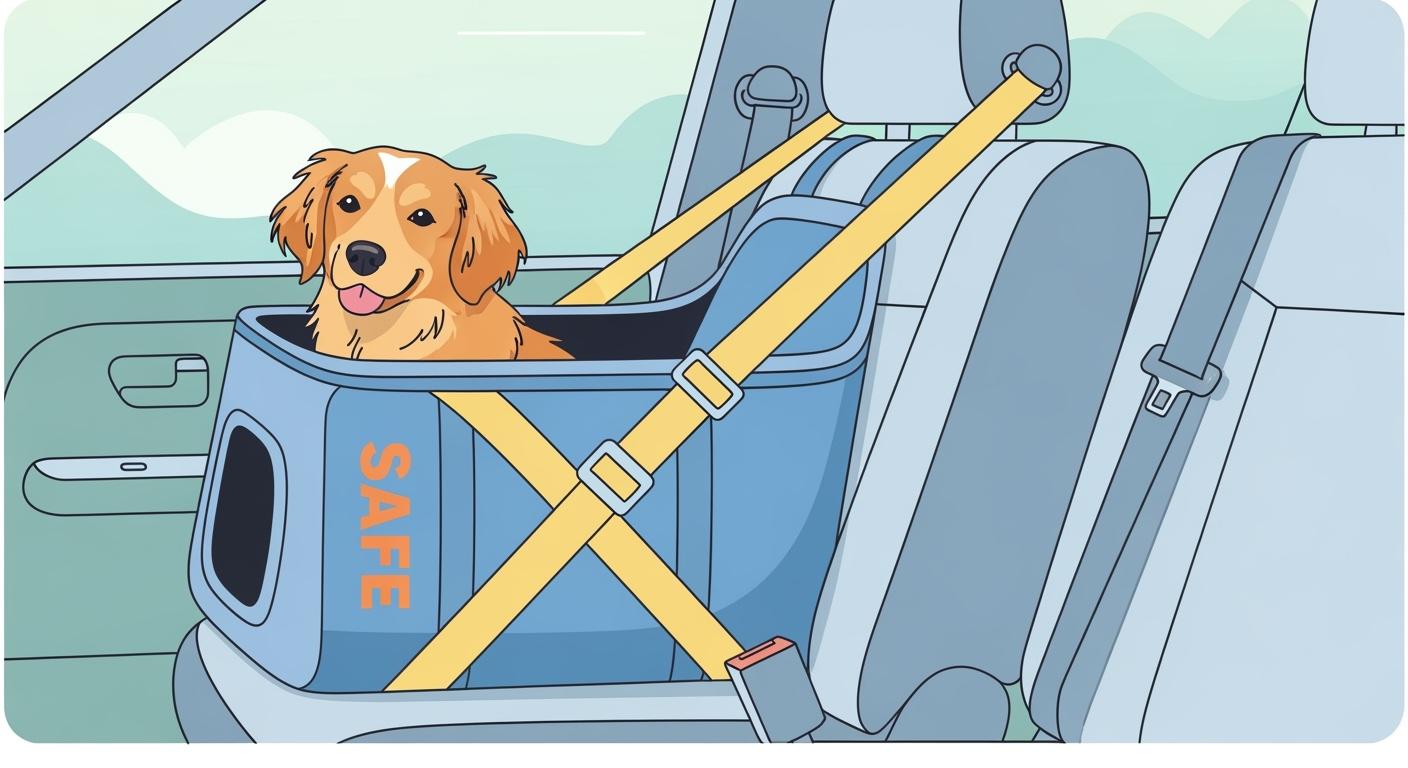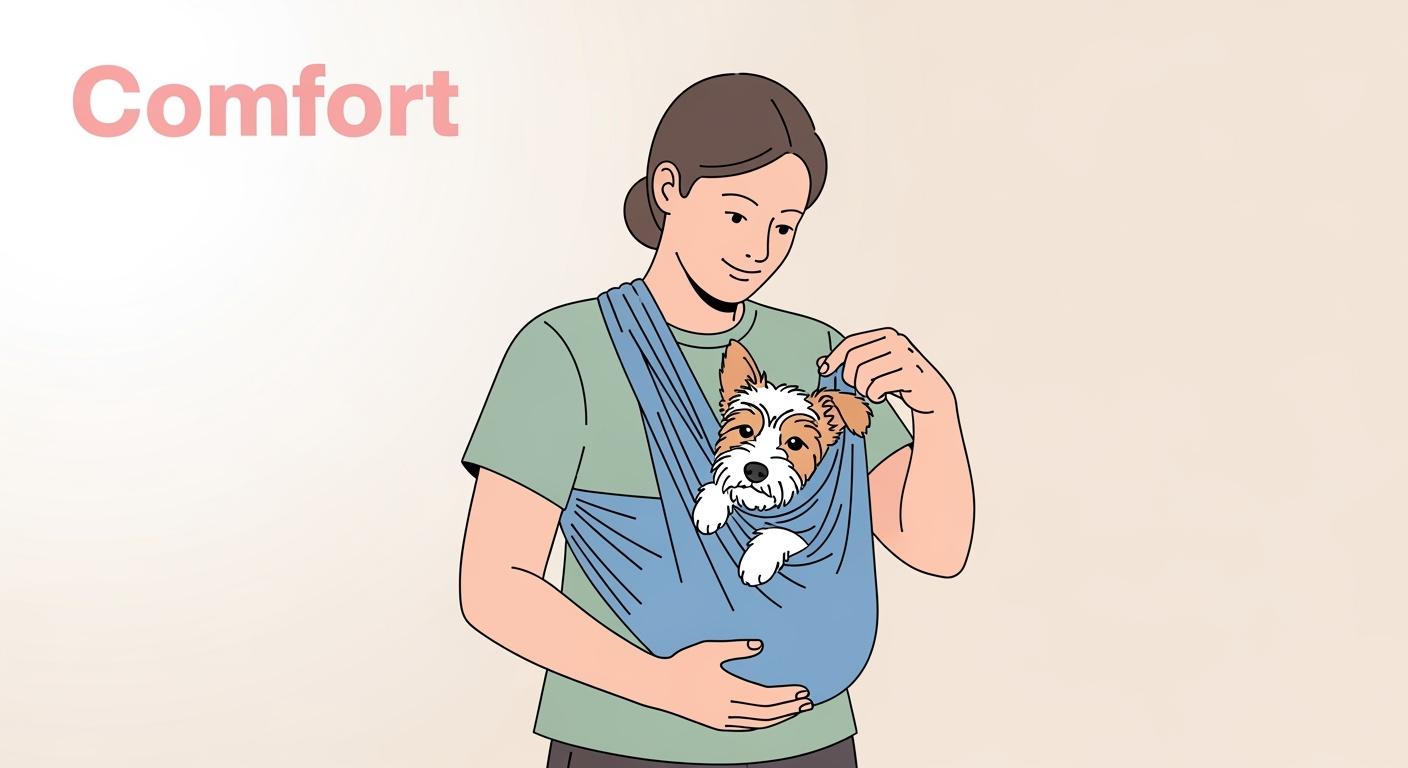
You want the best dog carrier for your small dog. Make sure a small dog carrier sling holds your dog well. Find a stable base so your dog does not slump. Choose easy-clean liners to reduce odor. Look for storage and extra pockets for your things. Think about your dog’s size and weight for airline trips.
Key Takeaways
- Choose a small dog carrier sling that fits your dog snugly to prevent slumping and ensure comfort.
- Look for slings with easy-clean materials to maintain freshness and avoid bad odors.
- Use the sling for short trips only; avoid long walks to keep both you and your dog comfortable.
Small Dog Carrier Sling Use Cases & Comfort
Short vs Long Carry Segments
It is important to know when to use a small dog carrier sling. Use the sling for short trips or quick outings. Slings help you carry your small dog in busy places. They are also good for travel changes. If you use a sling for a long time, it can get uncomfortable. Both you and your dog may feel tired or sore. Some dogs move a lot and may try to get out of the sling. Pick a dog carrier sling for short walks or travel stops. Do not use slings for long walks or for dogs that do not like to stay still.
Comfort for You and Your Dog: What to Expect
Comfort depends on how the sling fits and supports your dog. The sling should keep your dog steady and safe. If your dog slumps or swings, they may feel nervous. Air holes help air move but do not make it cooler than the room. Always check your dog’s size and weight before you buy a sling. Some wearable dog carriers, like front-facing or backpack styles, give different support. Wearable dog carriers let you move with your hands free. They also make it easy to switch places. Watch your dog for signs they are not happy, like scratching at the sling or not wanting to sit still.
Use-Case Table: Scenarios, Sling Direction, Trade-Offs, Buyer Notes
| Scenario | Best Sling Direction | Trade-Offs | Buyer Notes |
|---|---|---|---|
| Quick outings/short carries | Side or front | Limited support, easy access | Use for errands or brief walks |
| Crowded sidewalks/frequent stops | Front-facing | Less privacy, more control | Keep dog close in busy areas |
| Warm indoor environments (airflow risks) | Side | Overheating risk | Choose breathable material |
| Travel transitions (car to hotel/sidewalk) | Side or front | Frequent handling | Useful for pet travel carrier, airline travel |
| Anxious dogs pawing at openings | Front-facing | Escape risk | Check fit and openings, monitor behavior |
| Easy cleaning/fewer returns | Side | Cleaning effort | Choosing a wearable dog carrier with easy-clean liners |
Tip: Always make sure your dog sits steady and the sling is easy to clean before you buy.
Fit, Stability & Safety Features in a Wearable Dog Carrier
Supported Posture, Not Extra Room
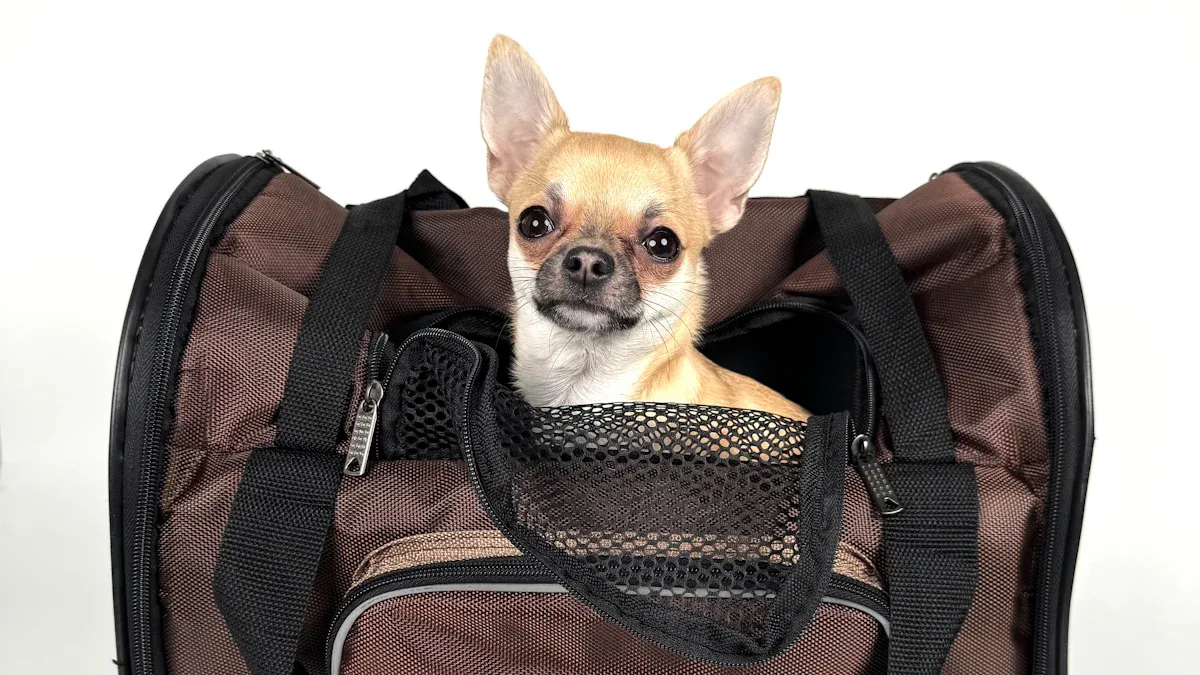
When you pick a wearable dog carrier, check how it holds your dog. Your dog should sit up straight and not lean or curl. If there is too much space, your dog might slide around. This can make your dog feel bad or even hurt their back or chest. A good fit keeps your dog in a normal pose with support under them. Make sure the bottom is strong and does not droop. This stops your dog from slumping and helps them stay calm. Always remember, a small dog carrier sling works best when it fits your dog tightly, not loosely.
Dog Checks: Posture, Pressure, Openings
You should watch your dog’s body and comfort every time you use a wearable dog carrier. Look for these signs that your dog is not happy or safe:
- Your dog curls into a C-shape, which can hurt their lower back.
- You see pressure on the chest or sternum, which can make breathing hard.
- Your dog whines or does not want to lie down after using the carrier.
- Your dog tries to get out, scratches at the openings, or will not settle.
Openings should be just big enough for your dog’s head or paws, but not so wide that your dog can jump out. Always use the built-in tether and clip it to a harness, not a collar. This keeps your dog safe without hurting their neck. If your dog shows any of these signs, change the carrier or try a new style.
Handler Checks: Strap, Balance, Swing
You also need to check if the carrier feels good for you. The strap should lay flat on your shoulder and not dig in. Change the length so the wearable dog carrier sits at your hip or chest. Make sure the weight feels even and does not pull you to one side. If the carrier swings or moves as you walk, your dog might get scared or feel shaky. Stop swinging by keeping the base close to your body. Do not put too much in the pockets, as this can make the carrier tip and be hard to carry. Good balance and less swing help you and your dog enjoy short trips, travel changes, or even airline travel with less worry.
Buyer Checklist Table: Fit, Safety, Comfort, Return Prevention
Use this checklist before you buy a wearable dog carrier. It helps you find problems early and avoid reasons for returns.
| Check Area | What to Verify | Why It Matters | How to Check It |
|---|---|---|---|
| Supported posture (no slumping) | Dog sits upright, base does not sag | Prevents discomfort, keeps dog secure | “Ensures your dog stays supported and comfortable.” |
| Sling comfort and swing control | Strap fits well, carrier stays close to body | Reduces handler fatigue, prevents swinging | “Designed for stable, hands-free carrying.” |
| Opening control and ejection risk | Openings fit dog’s size, tether used with harness | Stops escapes, keeps dog safe | “Keeps your dog secure with adjustable openings.” |
| Ventilation layout and clogging risk | Mesh panels or air holes are clear, not blocked | Maintains airflow, prevents overheating | “Breathable design for your dog’s comfort.” |
| Residue-collecting linings/seams | Linings are smooth, seams do not trap dirt | Eases cleaning, prevents odor build-up | “Easy-clean interior for everyday use.” |
| Cleaning/drying practicality | Materials wipe clean, dry quickly | Saves time, reduces odor risk | “Quick-clean and fast-dry for busy lifestyles.” |
| Edge binding and snagging risk | Edges are smooth, no loose threads or rough spots | Prevents snags, protects dog’s skin | “Gentle, snag-free edges for sensitive dogs.” |
| Oversized pocket and balance risk | Pockets do not overload or unbalance carrier | Maintains comfort, prevents tipping | “Smart storage without tipping or shifting.” |
| Warnings for poor fit/pressure | Watch for slumping, whining, or refusal to settle | Identifies discomfort early, avoids injury | “Check for signs your dog is not comfortable.” |
| Instructions for built-in tethers | Tether attaches to harness, not collar | Prevents choking, keeps dog secure | “Always use the safety tether with a harness.” |
Tip: When you pick a wearable dog carrier, always check for strong support, safe openings, and easy-to-clean parts. These safety features help you avoid common problems and keep your small dogs happy every time you go out. Good planning means fewer returns and more fun trips, whether you use your carrier for errands, as a pet travel carrier, or for airline travel.
Essential Features in a Wearable Dog Carrier: Materials & Cleaning
Material Choices: Breathability, Structure, Easy Clean
When you pick a wearable dog carrier, look at the materials. Cotton lets air move and feels soft for small dogs. Fleece blends are warm and soft to touch. Polyester is tough and lasts a long time. Each material changes how the dog carrier feels and how you clean it. Cotton lets air in but can hold water. Fleece blends are cozy, but thick padding can stop air from moving. Polyester does not stain easily and dries fast, so cleaning is simple. Check if the sling holds your dog up and keeps them steady. Good carriers have strong seams, smooth linings, and surfaces that are easy to wipe.
Where Mess Collects & Odor Risks
Mess builds up in seams, corners, and under padding. Carriers with deep seams or rough edges can catch dirt and hair. Wet spots and leftover mess can make these places smell bad. Air holes help air move, but they do not make it cooler than the room. Clean these spots often to stop bad smells. Materials that dry fast and do not stain help keep smells away. Pick features that make cleaning easy and keep your pet travel carrier fresh for airline trips.
Listing Lines for Realistic Cleaning Expectations
Cleaning and drying a wearable dog carrier takes time. You will need to wipe the inside, check seams, and let it air dry after each use.
- Pick the right size for your dog’s body shape and how they sit.
- A good fit means your dog sits up and does not slump.
- A steady carrier stops swinging and makes trips smoother.
- Air holes help air move but do not cool your dog.
- Cleaning means looking in seams and corners for hidden mess.
- How fast it dries depends on the material and how thick it is.
- Do not pick thick padding that blocks air and dries slowly.
- Choose materials that do not stain or smell.
- Smooth linings make cleaning quick and easy.
- If your dog cannot relax in the carrier, stop and check.
- Strong seams and easy-clean surfaces help you avoid returns.
- Knowing how to clean your carrier helps you not get upset later.
Troubleshooting, Common Mistakes & FAQs
Common Mistakes & Quick Fixes
Many people overlook fit, stability, and easy-clean features when choosing a small dog carrier sling. These mistakes often lead to discomfort for both you and your dog. Here are quick corrections for common errors:
- Do not choose size by weight only; check your dog’s shape and posture.
- Avoid oversizing; extra space causes slumping and swinging.
- Skip thick padding; it traps heat and dries slowly.
- Watch for discomfort or swing; adjust the sling or try a different style.
- Practice with your dog before long outings.
- Test cleaning and drying before regular use.
Tip: Always check for a snug fit and stable base to keep your dog secure.
Troubleshooting Table: Issues, Causes, Fixes, Prevention
| Problem | Possible Cause | Immediate Fix | Prevention |
|---|---|---|---|
| Dog slumping/twisting | Oversized sling, weak base | Adjust fit, add support | Choose correct size, firm base |
| Sling swinging/colliding | Loose strap, heavy pockets | Tighten strap, lighten load | Keep carrier close, limit items |
| Dog pawing at opening | Opening too wide, anxiety | Adjust opening, reassure dog | Use adjustable openings, practice |
| Discomfort in warm spaces | Thick fabric, poor airflow | Move to cooler area, check fabric | Pick breathable materials |
| Rapid odor buildup | Trapped residue, slow drying | Clean seams, air dry fully | Wipe after use, choose easy-clean |
| Size/weight mismatch | Wrong size, ignored posture | Stop use, reassess fit | Measure dog, check posture |
| Cleaning difficulty | Deep seams, thick padding | Spot clean, air dry | Choose smooth, quick-dry lining |
FAQ Block for Buyers
| Question | Answer |
|---|---|
| How do I check if the sling fits my dog? | Your dog should sit upright with support under the chest and hind legs. No slumping or twisting. |
| What is the best posture for my dog in the sling? | Keep your dog’s back straight and limbs tucked in, not dangling. |
| How can I reduce swinging or slumping? | Adjust the strap, keep the base close to your body, and avoid extra space. |
| Does ventilation keep my dog cool? | Ventilation helps airflow but does not lower the temperature below room level. |
| What should I expect for cleaning? | Spot clean after each use, machine wash only when needed, and always air dry. |
| How do I introduce my dog to the sling? | Start with short sessions at home and reward calm behavior. |
| When is a sling not suitable? | Avoid slings for long walks, active dogs, or if your dog cannot settle. |
| What should I ask before buying? | Check fit, support, cleaning needs, and your dog’s comfort in similar carriers. |
| What if my dog cannot settle in the sling? | Stop use, check fit, and try gentle practice or another style. |
| When should I choose a different sling type? | If your dog needs more structure or support, look for other dog carriers. |
Before you buy, make sure the base is strong and does not bend. Look for mesh panels so air can move through the carrier. Check if there is a place to attach your dog’s harness inside. Use the tables and checklists to find problems before you buy. Pick a sling with features that fit what you need. This helps you return fewer carriers.
| Comfort and Safety Checks | Description |
|---|---|
| Rigid or semi-rigid base for support | Keeps the carrier stable and safe |
| Mesh ventilation on at least two sides | Lets air flow for comfort |
| Internal harness attachment point | Secures your dog inside the carrier |
Tip: Pick a sling that fits your dog and works for your daily life. Shop without worry.