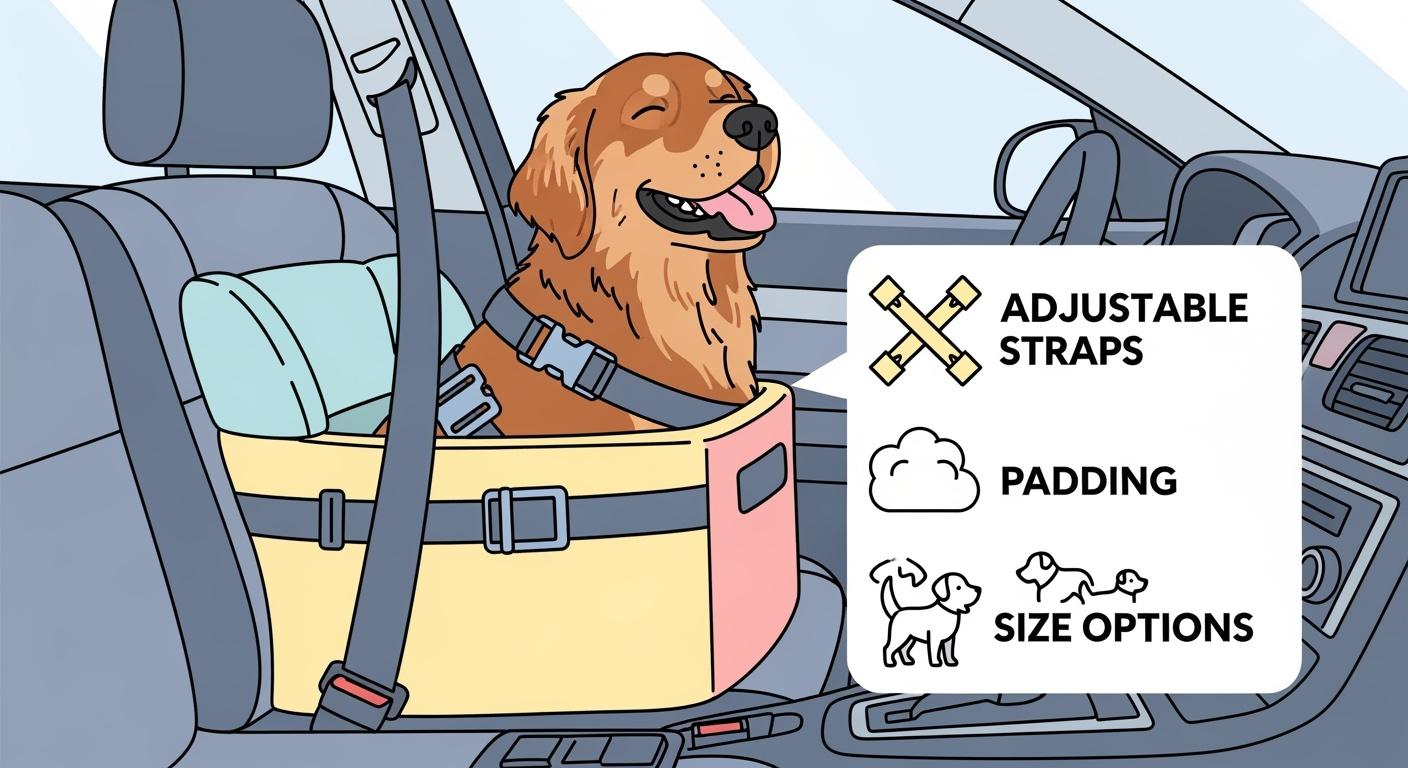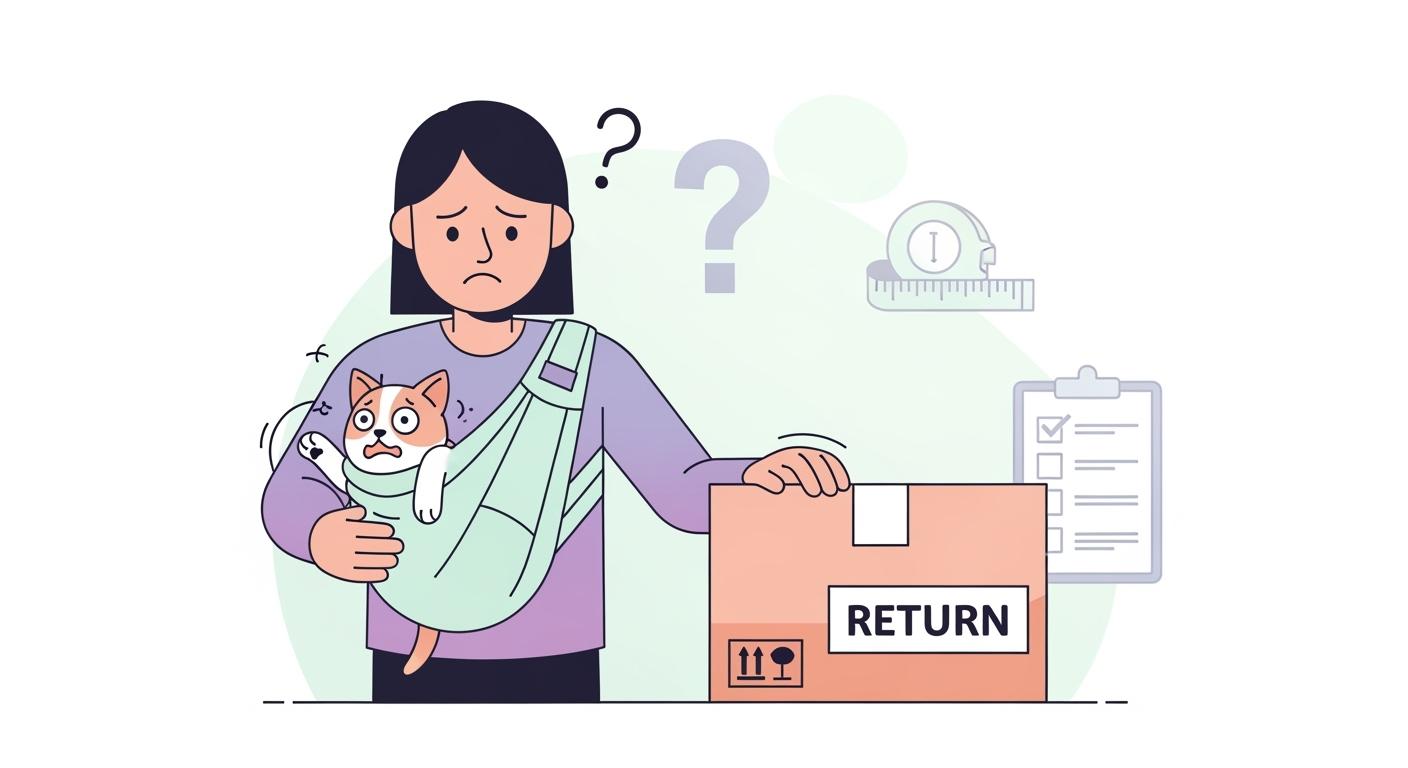
You want your sling pet carrier to feel comfortable and secure. Many people feel let down when their new carrier sags, swings, or seems hard to clean. These issues often come from myths about what a good fit looks like. Use the checklist and tables to make a smarter choice.
Key Takeaways
- Choose a sling pet carrier based on your pet’s posture and body shape, not just weight. This ensures comfort and support.
- Always test the carrier at home with your pet inside. This helps identify fit issues before going out.
- Use the provided checklist to spot potential problems early. This can prevent returns and keep your pet happy.
Sling Pet Uses and Common Complaints
Short Carry and Transitions
You use a sling pet carrier for comfort and convenience during outings. This carrier helps you when your dog feels tired after a walk or when you move through crowded spaces. You can carry your pet without using your hands, making daily errands easier. The sling pet carrier works best for short carry segments and quick transitions. It feels like a large purse and fits smaller dogs, especially those smaller dogs. You avoid hassle and keep your pet close.
Not for All Pets or Long Durations
You should know that sling pet carriers do not suit every pet or every situation. Larger dogs or pets with health concerns may not get enough support. Some breeds, like Dachshunds and Corgis, need proper spinal alignment to prevent back issues. Sling pet carriers do not work well for long-duration carry or in hot environments. Anxious pets need time to acclimate before you use a sling pet carrier. Weight alone does not decide fit; you must check posture and comfort.
Top Complaint Drivers
You want to avoid common complaints. Most buyers report issues like slumping, swinging, odor, and cleaning disappointment. Other frequent complaints include broken zippers, poor airflow, and pets chewing through mesh. Some carriers sag because they lack support at the bottom. Too small a carrier causes discomfort even if your pet fits the listed weight. You set realistic expectations by knowing these drivers and checking your pet’s needs before buying.
Sling Pet Fit Checklist
Fit Checklist Table
You need a simple checklist to pick the right sling pet carrier. The table shows what to check, how to see a good fit, and what to avoid. Use this before you buy or when you try your carrier for the first time.
| Check Item | Pass Sign | Fail Sign | Buyer Note |
|---|---|---|---|
| Supported posture (no slumping/twisting) | Pet sits up straight, back is not bent | Pet slumps, twists, or leans | Upright posture stops discomfort and keeps your pet safe. |
| Stable and comfortable shoulder strap | Strap stays put, does not swing | Strap moves, carrier swings | Stable straps stop extra movement and keep your pet safe. |
| Opening control and ejection risk | Opening fits tight, pet stays inside | Opening is loose, pet tries to get out | Adjust opening to stop your pet from escaping or falling. |
| Ventilation layout and clogging risk | Mesh or panels let air in | Fabric blocks air, pet pants | Ventilation helps comfort but does not cool below room temperature. |
| Ease of cleaning (lining, seams, drying) | Liner wipes clean, dries fast | Seams trap dirt, dries slowly | Pick easy-clean liners and check seams for dirt buildup. |
| Pocket volume and shape deformation risk | Pockets hold items, carrier keeps shape | Pockets bulge, carrier loses shape | Do not overload pockets to keep carrier steady and comfy. |
| Stop signs for poor fit or pressure | Pet settles, shows no discomfort | Escape tries, refusal to settle | Watch for slumping, twisting, or clear discomfort signs. |
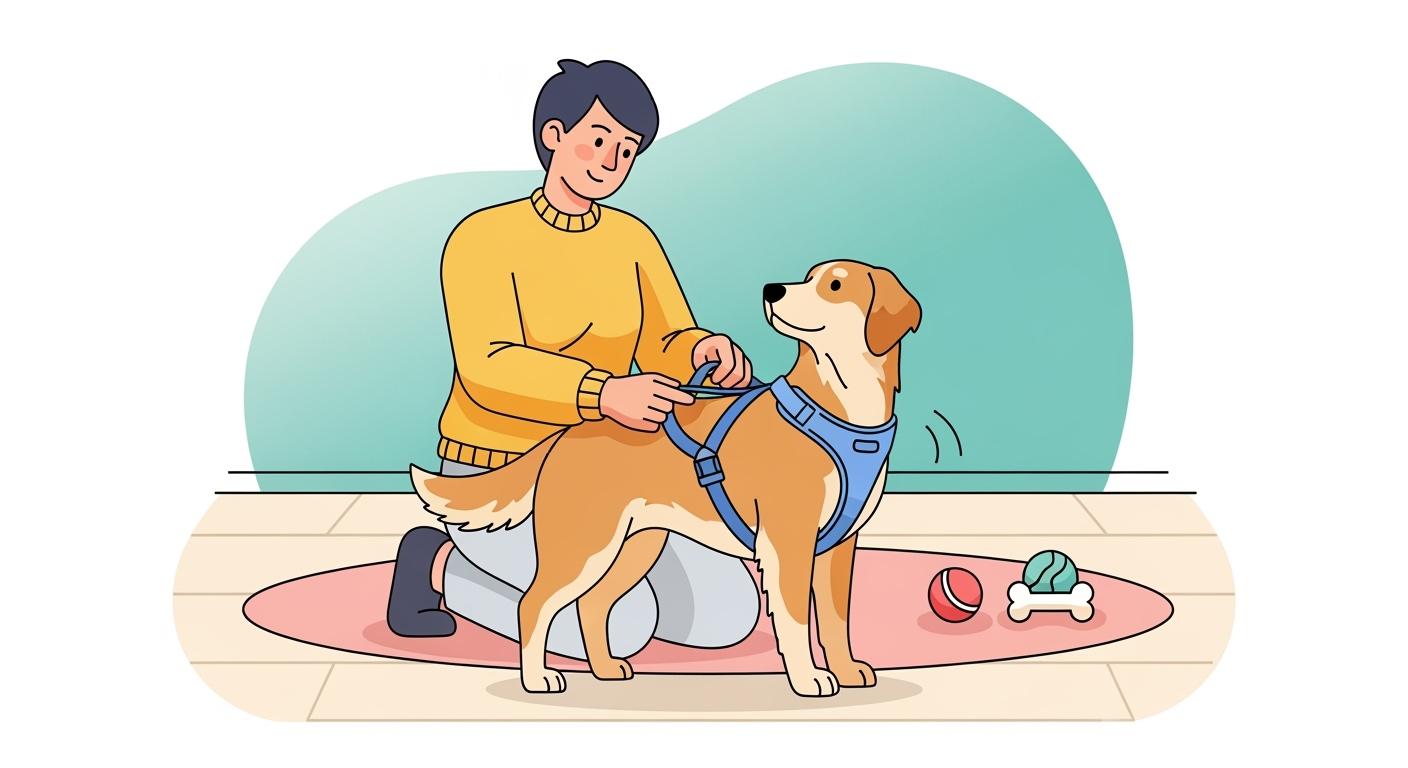
| Usage instructions for built-in tethers | Tether clips to harness | Tether clips to collar | Always use a harness to stop choking or injury. |
Fit Defined: Supported and Stable
You want your sling pet carrier to help your pet sit upright and stay steady. Fit means your pet sits up with a straight back. The carrier should not let your pet slump or twist. The base must stay flat so your pet does not tip or slide. Padded straps stop rubbing and make carrying easier for you. Breathable fabrics help your pet feel cool and calm. Adjustable sizes let you change the fit and stop shifting. The opening should let your pet breathe well, with chest and neck open. Internal safety tethers must clip to a harness, not a collar, to stop choking. Your pet’s legs should not hang down. They should sit or lie down in a natural way.
Setting Expectations with the Checklist
You use the checklist to set clear goals and avoid being upset. The checklist helps you find problems before they cause returns. If your pet tries to escape, will not settle, slumps, twists, or looks uncomfortable, these are warning signs. You should not ignore these signs. The checklist also reminds you to check cleaning features. Easy-clean liners and steady bases stop most complaints. Ventilation panels let air in but do not cool below room temperature. You must clip internal tethers to a harness for safety. Using this checklist lowers the chance of returns and keeps your pet happy. You make a smarter choice by checking each item and watching for warning signs.
Tip: Always test the carrier with your pet inside your home before using it outside. This helps you spot fit problems early and keeps your pet safe.
Common Sling Pet Fit Mistakes
Mistakes Table
You can stop many problems if you know the usual mistakes buyers make. The table below shows what goes wrong, why it happens, what it causes, and how you can make a better choice.
| Mistake | Why It Happens | What It Causes | Better Buyer Guidance |
|---|---|---|---|
| Choosing size by weight only | Weight seems easiest to check | Poor posture, discomfort | Check posture and body shape, not just weight |
| Oversizing carrier | Bigger feels safer | Slumping, twisting, escape risk | Pick a snug fit for supported posture |
| Thick padding blocks airflow | Padding looks comfy | Overheating, panting | Choose breathable fabrics and mesh panels |
| Overstuffed pockets | Carrying extras feels handy | Carrier loses shape, pet slides | Keep pockets light to maintain stability |
| Expecting easy cleaning | Ads promise quick cleaning | Slow drying, trapped dirt | Check liner and seams for real cleaning ease |
| Forcing anxious pets | Wanting quick use | Refusal to settle, escape attempts | Acclimate pets slowly before outings |
| Using collar for tether | Collar seems convenient | Choking, injury risk | Always attach tether to harness |
Note: Ventilation lets air move but does not cool below room temperature. Cleaning claims may not work if seams trap dirt or drying takes too long.
Listing Lines for Buyers
- Pick carrier size by your pet’s posture and body shape, not just weight.
- Find a snug fit that keeps your pet’s back straight and upright.
- Do not use oversized carriers because they cause slumping or twisting.
- Choose fabrics and mesh panels that let air in for comfort.
- Ventilation will not make the carrier cooler than the room.
- Keep pockets light so the carrier stays steady and your pet does not slide.
- Check liners and seams to see if they are easy to clean and dry fast.
- Watch for warning signs: if your pet cannot settle or tries to escape, check the fit again.
- Let anxious pets get used to the carrier inside before going outside.
- Always clip internal tethers to a harness, never a collar.
- Supported posture and stable carry are more important than extra space.
- Try your sling pet carrier at home first to find fit problems early.
Troubleshooting and Sling Pet FAQs
Troubleshooting Table
You can fix most sling pet carrier problems with easy checks and quick fixes. The table below helps you find issues and stop returns.
| Issue | Likely Cause | Fix Now | Prevent Next Time |
|---|---|---|---|
| Pet slumping or twisting | Oversized carrier, poor posture | Change size, support base, check posture | Pick snug fit, test posture at home |
| Strap swings or collides | Loose strap, heavy pockets | Tighten strap, lighten pockets | Use adjustable straps, avoid heavy pockets |
| Pet reaches for opening | Loose opening, escape risk | Adjust opening, watch your pet | Choose secure opening, let pet get used |
| Discomfort in warm spaces | Thick padding, poor airflow | Move to cooler spot, check ventilation | Use breathable fabrics, avoid hot places |
| Rapid odor buildup | Dirty liner, trapped moisture | Clean liner, air out carrier | Clean after each trip, use fast-dry liner |
| Fit complaints despite weight | Weight-only sizing | Check body shape, check posture | Use shape and posture for sizing |
| Cleaning difficulties | Trapped dirt, slow drying | Wipe seams, air dry well | Pick easy-clean liners, check seams |
Tip: Watch for signs like escape tries, not settling, slumping, or discomfort. These signs mean you should check fit and carrier choice again.
Buyer FAQ Block
- How do I know if the carrier fits my pet? Look for straight posture and a steady base.
- What does supported posture mean? Your pet sits straight, with no slumping or twisting.
- How can I stop swing or slump? Use snug sizing and adjust straps to keep stable.
- Does ventilation keep my pet cool in summer? Ventilation lets air move but does not make it cooler than the room.
- What should I expect for cleaning? Clean after each trip. Use fast-dry liners and wipes to control odor.
- How do I help my pet get used to the carrier? Start indoors, let your pet explore the sling pet carrier, and reward calm behavior.
- When is a sling pet carrier not a good idea? Do not use with anxious pets, in hot weather, or for pets needing extra support.
- What should I check before buying to avoid returns? Test fit, posture, and cleaning features at home.
- What if my pet cannot settle in the carrier? Stop using it, check fit, and try acclimating again.
- When should I pick another sling type? If your pet needs more support, has special health needs, or does not like the carrier, try other options.
Note: Cleaning depends on liner material and seam design. Always check for easy-clean features before you buy.
You need your sling pet carrier to help your pet’s back. It should let air move and keep your pet safe. Look at the table below to see fit features:
| Feature | Sling Carrier |
|---|---|
| Back & Spine Support | Low – spine might bend in a bad way |
| Ventilation | Fair – air moves if fabric allows |
| Security Level | Moderate – pet could escape |
Check the checklist and tables before you buy. This helps you make smart choices and lowers returns. Write your thoughts or questions in the comments.