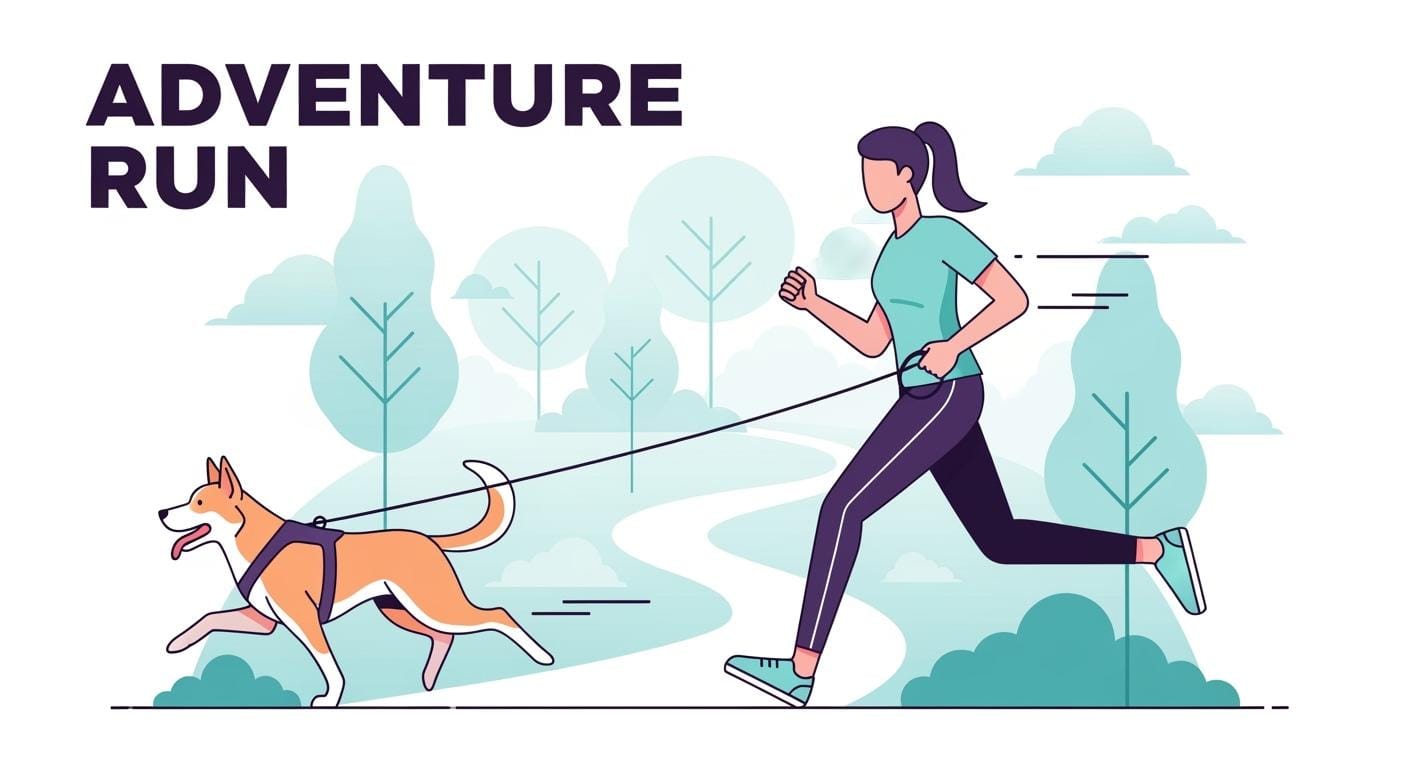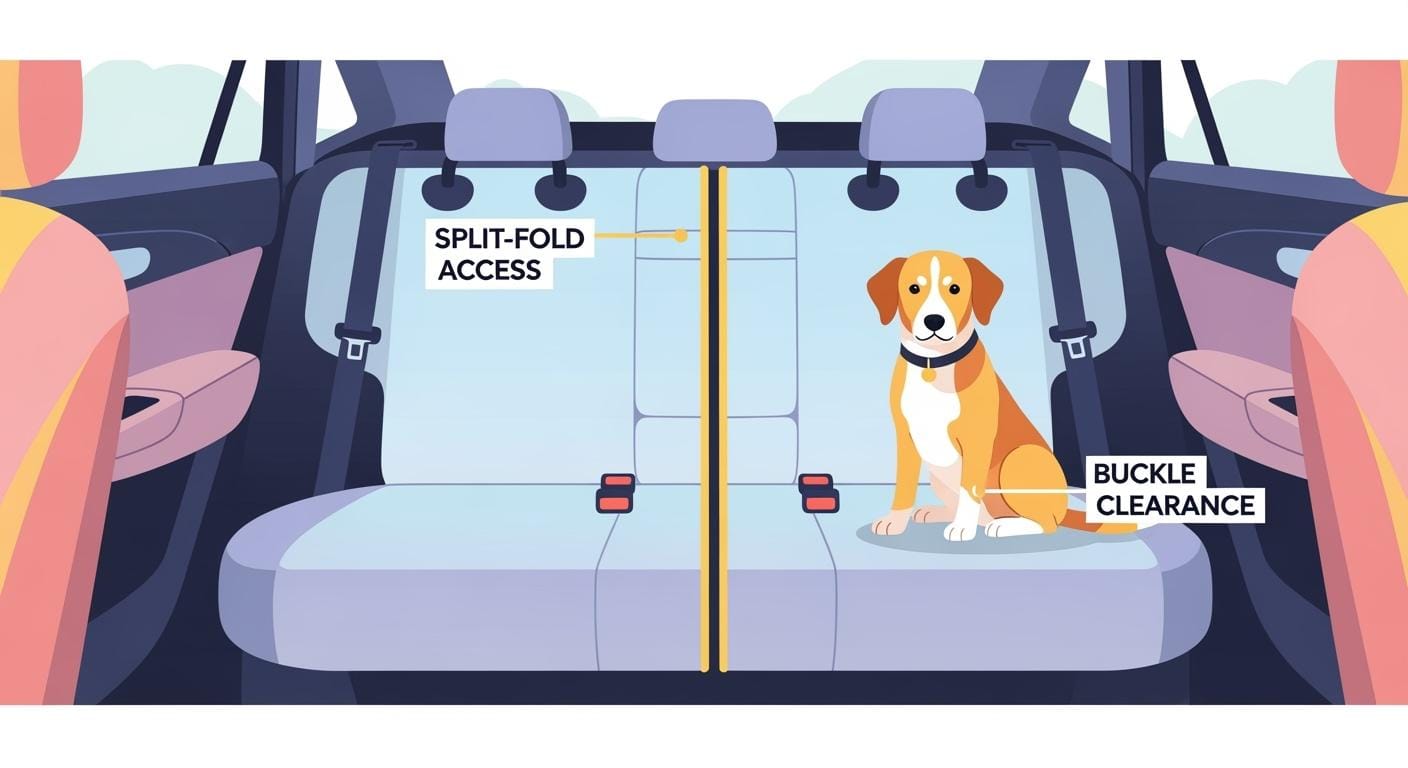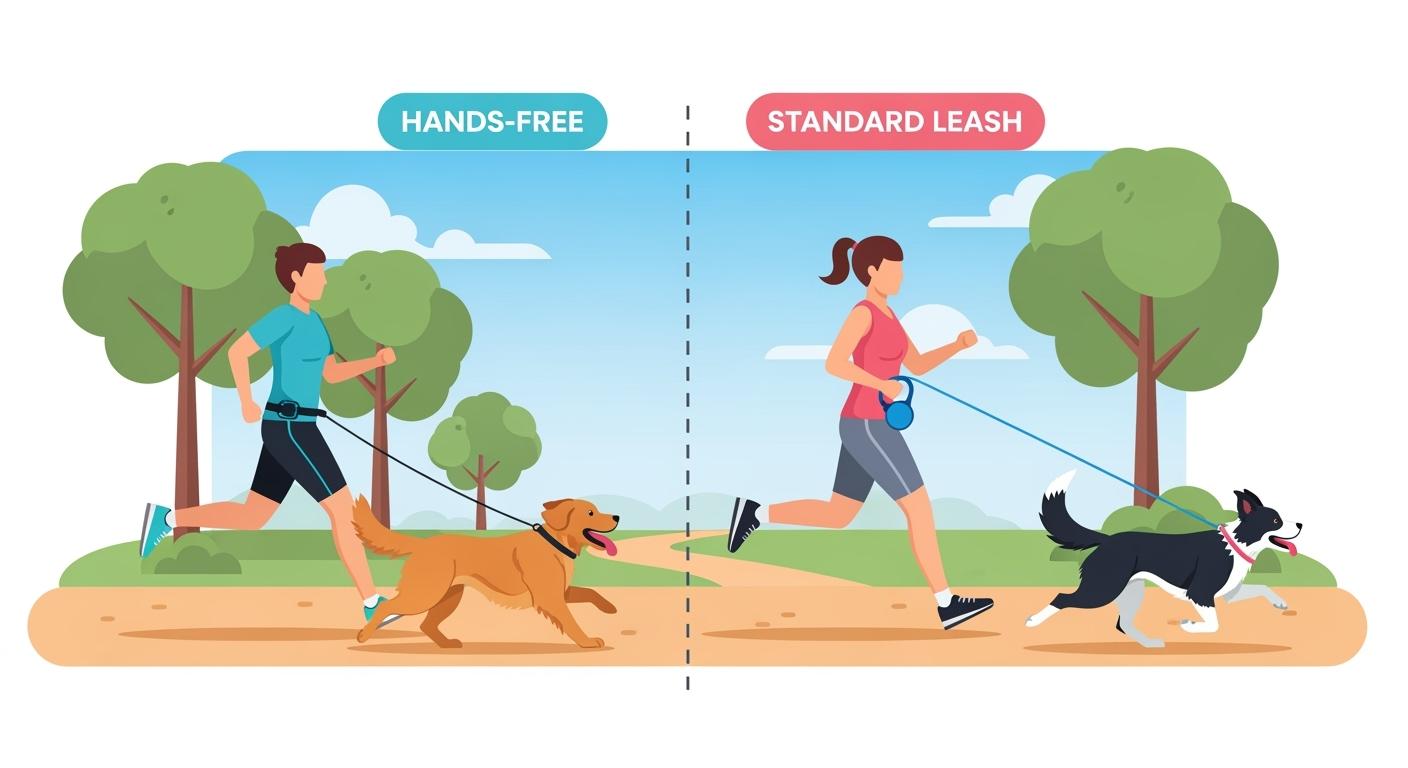
The best run leash for dogs fits your life and your dog’s pulling. Before picking, think about your dog’s training and what you need. Many pet owners care about comfort, safety, multitasking, convenience, durability, and style when choosing a leash. Hands-free leashes can help if you are busy. Standard leashes are good for slow walks. Leash style helps you control your dog but does not promise good behavior. Always use a harness when running. Stop if your dog looks upset.
Key Takeaways
Choose a leash based on your dog’s pulling habits and your activity level. Hands-free leashes suit steady runners, while standard leashes offer better control for pullers.
Always use a well-fitted harness instead of a collar when running. This reduces the risk of neck injuries and improves your dog’s comfort.
Monitor your dog for signs of fatigue or distress during runs. Stop immediately if your dog shows discomfort, and consult a vet if needed.
Practice basic leash skills in quiet areas before using a hands-free leash. This helps your dog learn to walk or run beside you safely.
Avoid retractable leashes for running. They can lead to loss of control and increase the risk of accidents.
What a run leash for dogs can and cannot do
Hand fatigue relief vs pulling control
You may notice less hand fatigue when you use a hands-free run leash. This style lets you move your arms naturally and keeps your rhythm steady. If your dog likes to pull whilst walking, you might find that a hands-free leash does not give you as much instant control as a standard leash. Standard leashes allow you to brake and guide your dog quickly. Hands-free leashes can help with comfort, but they do not stop pulling on their own. You still need to teach your dog how to walk or run beside you. Many trainers say that dogs can learn to pull more if they get used to the leash stretching. This can make loose leash walking harder later.
Tip: Use a harness with a front-clip if your dog pulls. This can help redirect movement and is good for training.
Harness fit and training cues
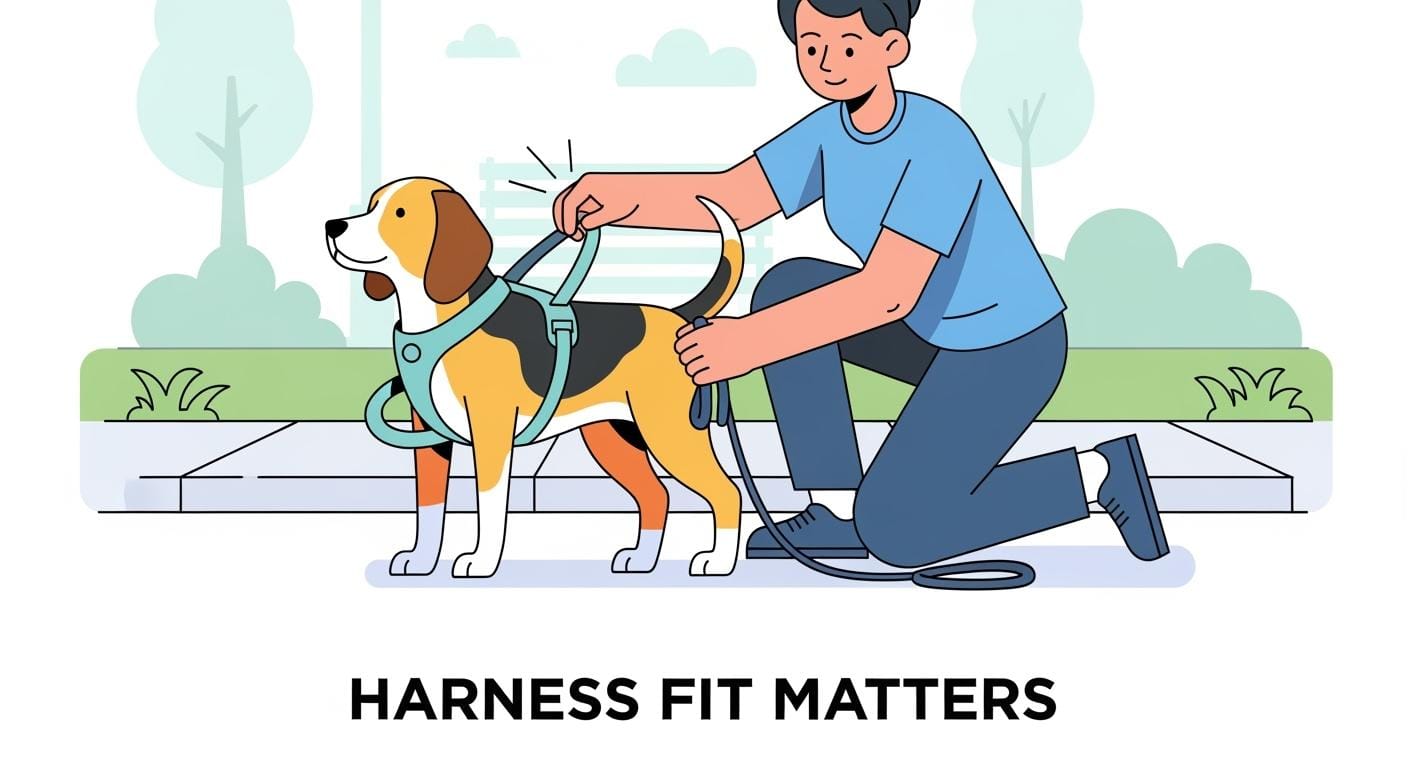
A well-fitted harness makes a big difference. You want a harness that does not rub or pinch. ‘Y’ shaped harnesses let your dog move freely and respond better to your cues. Step-in harnesses with back buckles are easy to use and comfortable for most dogs. When the harness fits right, your dog can walk or run with a natural gait. This helps your dog listen to your signals and keeps them safe. Always attach the leash to a harness, not a collar, when running. This reduces the risk of neck injury.
A good harness fit:
Prevents chafing
Allows free movement
Improves response to training
When not to run with your dog
You should always think about safety before you run. Watch your dog for signs of discomfort, like limping or heavy panting. Avoid running during very hot or cold weather. Change your schedule if the weather is extreme. Ask your veterinarian if your dog is healthy enough to run. Stop right away if your dog seems tired or upset. Never run with a leash attached to a collar. This can cause injury if your dog pulls or stops suddenly.
Check before running:
Look for signs of fatigue or distress
Avoid the hottest or coldest parts of the day
Talk to your vet before starting a new routine
Run leashes can make running more comfortable for you, but they do not replace training or careful attention to your dog’s needs. Always put safety first.
Hands-free dog leash vs standard leash: key differences
Standard leash: control and braking
You get predictable control with a regular dog leash. This style lets you react fast if your dog pulls or tries to dart away. You can shorten the leash quickly in busy areas or when passing people and dogs. Many people choose a classic leather leash for its strong grip and comfortable feel. The classic leather leash works well for dogs that stop and sniff often. You can guide your dog with small hand movements. Traditional dog leashes also help you train your dog because you can give instant feedback. If your dog is still learning or tends to pull, a regular dog leash gives you more control and helps keep both of you safe.
Note: Always attach the leash to a harness, not a collar, when running. This reduces the risk of neck injury.
Hands-free dog leash: waist attachment and movement
A hands free leash attaches around your waist. This setup lets you move your arms freely and keeps your running rhythm smooth. Many runners like the hands-free dog leash because it reduces hand fatigue and allows multitasking. You can hold your phone, water, or keys without worrying about dropping the leash. The hands free leash works best for steady runners and well-trained dogs. The leash usually measures 3-5 ft (0.9-1.5 m), which gives your dog enough room to move but keeps them close. The belt should sit above your hips to prevent sliding and bounce. Make sure the buckle sits off-center to avoid pressure on your stomach. If you use a hands free leash, keep your dog on the same side to avoid tangles.
Tip: Practice with your dog before running in busy areas. This helps both of you get used to the hands free leash.
Strong pullers: risks and drawbacks
If your dog pulls hard or changes direction suddenly, a hands free leash may not give you enough control. The pulling force goes straight to your waist and lower back. This can cause discomfort or even strain. You may find it harder to stop your dog quickly if they lunge. Traditional dog leashes let you brake and redirect your dog with your hands. The hands free leash works best for dogs that already walk or run calmly beside you. If your dog zig zags or surges, you may want to use a regular dog leash or classic leather leash until your dog learns better leash manners.
Safety reminder: Stop running if your dog limps, pants heavily, or seems upset. Check with your veterinarian if you notice any signs of distress.
Comparison table: style, pros, cons, best for
Here is a quick guide to help you compare the main leash styles:
Style | Pros | Cons | Best For |
|---|---|---|---|
Hands free leash | -Reduces hand fatigue | -Less control with strong pullers | -Runners with well-trained dogs |
Hands-free dog leash | -Keeps hands open | -Bulkier than regular dog leash | -Active lifestyles |
Classic leather leash | -Strong and durable | -Less suited for running | -Everyday walks |
Traditional dog leashes | -Quick control | -Can cause hand fatigue | -Stop and sniff routines |
When you compare hands free versus classic leather leash, think about your daily routine. If you run often and your dog stays by your side, a hands free leash or hands-free dog leash may suit you. If you need more control or your dog pulls, a regular dog leash or traditional dog leashes work better. The classic leather leash gives you a strong grip and looks stylish, but it may not fit running routines.
Choose the leash that matches your activity and your dog’s habits. Try both styles if you are not sure which works best.
Walking style and pulling pattern: choosing your leash
Choosing the right run leash for dogs starts with your daily routine and your dog’s habits. You want a leash that matches your pace, your dog’s pulling style, and the places you go. This section helps you decide between hands-free and standard leashes for running or hiking, urban walks, or rugged hikes.
Steady pace vs stop and sniff
Your dog’s walking style shapes your leash choice. If your dog likes to keep a steady pace, you may find a hands-free leash better for active lifestyles. This style lets you move freely and keeps your rhythm smooth during jogging or running. If your dog prefers to stop and sniff often, a standard leash gives you more predictable control. You can shorten the leash quickly and guide your dog away from distractions.
Scenario A: You have a dog that stops and sniffs every few steps. Start with a standard leash for safety and control. Once your dog learns to walk calmly, you can try a hands-free leash for more comfort.
A longer leash, such as 6-10 ft (1.8-3 m), works well for dogs that explore. Avoid retractable leashes, as they can cause friction burns and reduce control. For running or hiking, a leash that balances control and freedom helps both you and your dog enjoy the outing.
Key Consideration | Recommendation |
|---|---|
Walking Style | Choose a leash that accommodates both steady pace and exploratory styles like stop-and-sniff. |
Leash Length | A leash of 6–10 feet (1.8 m to 3 m) is recommended for control and comfort. |
Leash Type | Avoid retractable leashes to prevent friction burns; consider a long line for exploration. |
Zig zag vs straight line pulling
Dogs pull in different ways. Some surge forward in a straight line. Others zig zag from side to side. If your dog pulls in a straight line, a hands-free leash can work if your dog is trained and you use a harness. For zig zag pullers, a standard leash with a no-slip grip gives you more control. Pair it with a front-clip harness to help guide your dog and reduce pulling.
Scenario B: You run with a dog that keeps a steady pace but your arms get tired. A hands-free leash helps reduce hand fatigue. Make sure you use a harness and adjust the belt above your hips for comfort.
Dog Type | Recommended Leash Type | Key Considerations |
|---|---|---|
Pullers | Leashes with no-slip grip material; avoid retractable types | Consider pairing with a front-clip harness |
Passing people and dogs safely
Passing others safely is important for running or hiking in busy areas. You want to keep your dog close and avoid tangles. Practice these steps:
Master basic leash skills in quiet areas.
Practice at the edge of moderate crowds before entering busy places.
Use high-value treats to keep your dog’s focus in crowded spots.
Keep first exposures brief.
Gradually increase time and crowd density.
When passing, keep your dog on your side away from foot traffic. Use a shorter leash or traffic lead for maximum control. Keep treats handy to reward calm behavior. Take breaks in quieter spots if needed. If your dog becomes overwhelmed, leave the area and try again another day.
Safety tip: Always attach the leash to a harness, not a collar, for running or hiking. Stop if your dog limps, overheats, or shows distress. Consult your veterinarian if you notice any problems.
Pattern table: routine, leash style, handling habit
You can use these tables and decision blocks to match your routine to the best leash setup.
Pulling Pattern or Routine | Recommended Leash Style | Handling Habit |
|---|---|---|
Steady running or hiking | Hands-free leash | Keep dog on one side, use harness, adjust belt above hips |
Stop and sniff walks | Standard leash | Shorten leash in crowds, guide with hand, reward calm stops |
Zig zag pulling | Standard leash with no-slip grip | Pair with front-clip harness, redirect gently |
Urban walks | Standard leash | Keep leash short, pass with space, avoid tangles |
Rugged hikes | Hands-free leash or long line | Use harness, check for tangles, practice turns |
Dog Profile or Context | Recommended Leash Style | Recommended Harness Setup | What to Avoid |
|---|---|---|---|
Strong puller | Standard leash | Front-clip harness | Retractable leash, collar attachment |
Active, steady runner | Hands-free leash | Y-shaped harness | Loose belt, collar attachment |
Stop and sniff dog | Standard leash | Step-in or Y-shaped harness | Long, loose leash in crowds |
Sensitive or small dog | Lightweight standard leash | Soft, padded harness | Heavy or bulky leashes |
Step-by-step decision blocks
Identify your routine (steady running, stop and sniff, urban walks, rugged hikes).
Pick the leash style that matches your routine and your dog’s pulling pattern.
Choose a harness that fits well and does not restrict movement.
Practice with your dog in quiet areas before running or hiking in busy places.
Build distance and adjust your setup as your dog learns and your confidence grows.
Remember: The best leash for running or hiking depends on your dog’s habits and your own comfort. Try different setups and adjust as needed for a safe, active experience.
Hands-free dog leash setup: prevent bounce and tangles
Belt fit and buckle placement
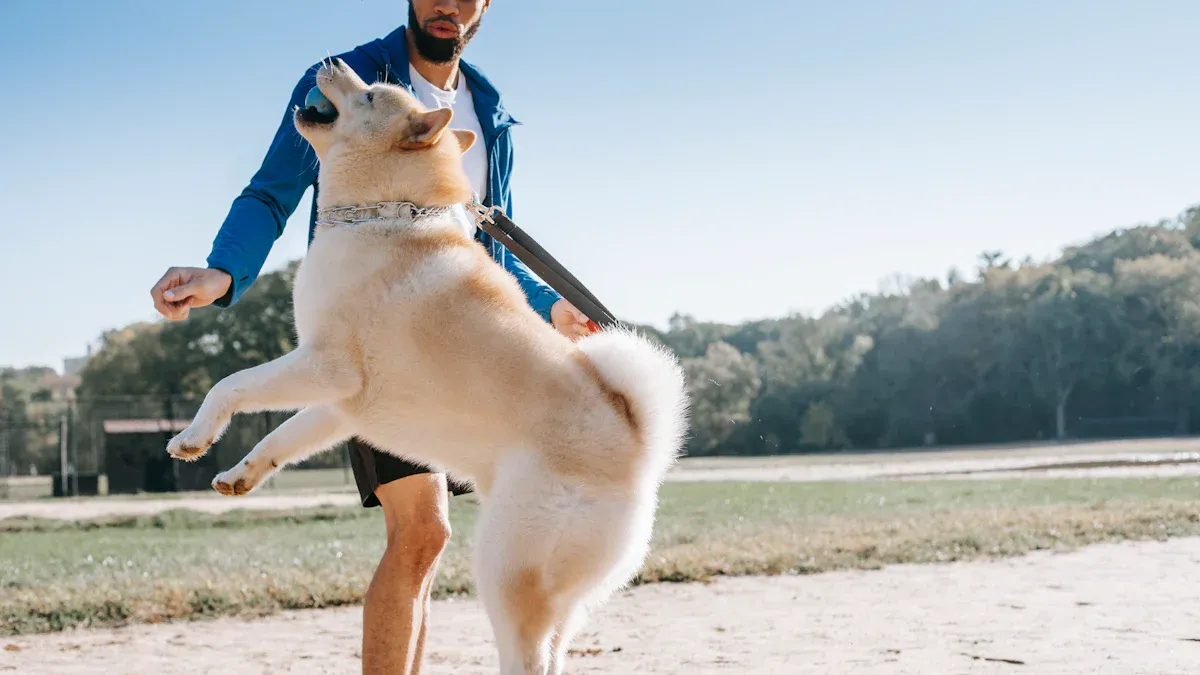
You want your hands-free leash belt to sit above your hips. This position helps reduce sliding and bounce while you move. Adjust the belt so it feels snug but does not restrict your breathing. Offset the buckle from the center front to avoid pressure on your stomach. Look for belts with padding and adjustable straps. Padding adds comfort, especially during long runs. Adjustable straps let you change the fit as needed. Secure clips and buckles are important for safety. Bungee sections in the leash can absorb shock and reduce strain on both you and your dog.
Key points for belt fit and buckle placement:
Place the belt above your hips for stability.
Tighten enough to prevent bounce, but not too tight.
Offset the buckle to avoid pressure points.
Choose padded and adjustable belts for comfort.
Use secure hardware and consider bungee elements for shock absorption.
Tip: Always check the belt fit before each run. A loose belt can slide and cause discomfort.
Harness attachment rules
Attach the leash to a well-fitted harness, not a collar. This setup protects your dog’s neck and gives you better control. Make sure the harness fits snugly but does not rub or pinch. Adjustable straps help you get the right fit for your dog’s shape. Padded areas on the harness prevent chafing during longer outings. Durable materials like nylon work well for energetic dogs.
Safety reminder: Stop running if your dog limps, pants heavily, or seems distressed. Consult your veterinarian if you notice any problems.
Anti-tangle habits and turn cues
Keep your dog on the same side of your body every time you run. This habit helps prevent the leash from crossing under your legs. Slow down before making turns and cue your dog to move with you. If the leash starts to tangle, stop and reset early. Use swivels if your leash has them to reduce twist points. Practice short test loops to spot tangles before they become a problem.
Anti-tangle tips:
Keep your dog on one consistent side.
Slow down and cue your dog before turns.
Stop and reset if the leash crosses under legs.
Use swivels to reduce twisting.
Practice short runs to find and fix tangles early.
Parameter and Value table: fit, attachment, anti-tangle tips
Here is a quick guide to help you set up your hands-free leash for safety and comfort:
Parameter | Target range or option | Why it matters |
|---|---|---|
Routine type | steady run, stop and sniff, mixed | Predicts control needs |
Pulling pattern | steady line, zig zag, surge and brake | Predicts tangling and safety risk |
Leash style | standard, hands free | Changes handling and fatigue |
Attachment point | harness, not collar | Reduces neck risk |
Standard length cue | 4-6 ft (1.2-1.8 m) | Control and stride room |
Hands free tether cue | 3-5 ft (0.9-1.5 m) | Reduces reach and tangles |
Belt placement | above hips | Reduces bounce and sliding |
Buckle placement | offset | Reduces pressure points |
Side consistency | same side habit | Prevents crossing and trips |
Practice loop | short test | Finds tangles early |
Remember: The right setup keeps you and your dog comfortable and safe. Always use a harness for running, and stop if your dog shows signs of distress.
Standard leash running: improve control
Grip positions and quick shorten
You can improve your control by holding the leash properly. Place your thumb through the loop and let the leash drape down from your fist. This grip helps you react quickly if your dog pulls or changes direction. Keep your focus on your dog during the run. If you need to shorten the leash fast, gather the leash in your hand to bring your dog closer. This technique works well in crowded areas or when passing other dogs and people.
Tip: Start leash training in quiet places. Practice short sessions to keep your dog engaged. Stop walking if your dog pulls. Wait until your dog relaxes, then continue. Reward calm behavior with treats or praise.
Leash length choices
Choosing the right leash length matters for safety and comfort. Standard leashes usually measure 4 to 6 feet (1.2 to 1.8 meters). This length gives you a balance between freedom and control. Shorter leashes, such as 2 to 4 feet (0.6 to 1.2 meters), offer maximum control in busy places. Longer leashes, like 10 to 30 feet (3 to 9 meters), work best in open spaces but can lead to tripping or tangling. Adjustable leashes let you change the distance based on your surroundings. Look for leashes with features like durability, comfort, and reflective elements for added safety.
Safety reminder: Avoid attaching the leash to a collar when running. Always use a harness to protect your dog’s neck.
Switching between jog and walk
You may need to switch between jogging and walking during your outing. Use your grip to adjust the leash length quickly. When you slow down, shorten the leash to keep your dog close. When you pick up the pace, let out a bit more leash for comfort. Allow your dog to set the pace during sniffing breaks. Play in the yard before your walk to help your dog use up extra energy. Use high-value treats to keep your dog’s attention when you change speeds.
Checklist: step, pass sign, adjust
Use this checklist to stay safe and in control during your run:
Step | Pass Sign | What to Adjust |
|---|---|---|
Start with proper grip | Look for people or dogs ahead | Shorten leash, bring dog close |
Watch your dog’s focus | Notice distractions | Use treats, keep leash short |
Change pace as needed | See narrow paths | Adjust leash length, slow down |
Prepare for turns | Spot obstacles | Cue dog, gather leash |
End session safely | Dog shows fatigue | Stop, check harness, offer water |
Note: Stop your run if your dog limps, overheats, or seems distressed. Consult your veterinarian if you notice any problems.
Common mistakes and quick fixes for run leash for dogs
Hands-free before training basics
You might want to try a hands-free leash right away, but skipping training can cause problems. Dogs need to learn how to walk or run beside you before you switch to hands-free. If you let your dog lead, they may think they are in charge. This can make walks stressful and less safe. Always start with basic leash skills in quiet areas. Use a harness that fits well. Avoid attaching the leash to a collar when running. Stop your run if your dog limps, overheats, or seems upset. Ask your veterinarian if you notice any problems.
Tip: Practice short walks with a standard leash before moving to hands-free. Reward calm walking with treats.
Common mistakes include:
Letting your dog lead the way
Using a leash with poor control
Skipping basic training
Choosing a harness that does not fit
Dog drifting and tripping risk
Dogs sometimes drift from side to side or lag behind. This can cause you to trip or lose balance. You can fix this by keeping your dog on one side every time you run. Hold the leash with a loose grip to help your dog focus. Adjust your pace to match your dog’s speed. Watch for signs of fatigue and stop if needed.
Quick fixes for drifting and tripping:
Keep your dog on the same side
Maintain a loose lead for focus
Adjust your speed to your dog’s pace
Understand your dog’s limits
Safety note: Always use a harness for running. Stop if your dog shows distress.
Too much stretch, too little control
A leash that stretches too much can make it hard to control your dog. Sudden movements may pull you off balance or cause falls. Bungee leashes help absorb shock, but you still need to watch for too much slack. Keep the leash at a safe length for your routine. Shorten the leash in busy areas for better control.
Problems with excessive stretch:
Harder to manage sudden movements
Risk of losing balance
Possible falls or injuries
Tip: Use a leash with shock-absorbing features for active runs.
Common cause table: cause, result, fix
Common Cause | What It Leads To | What To Do Next |
|---|---|---|
Hands-free before training | Dog pulls or leads, less control | Start with standard leash, train first |
Dog drifting | Tripping, tangled leash | Keep dog on one side, reset early |
Excessive leash stretch | Loss of balance, falls | Use bungee leash, shorten in crowds |
Ill-fitting harness | Discomfort, injury | Adjust fit, choose padded harness |
Not maintaining control | Safety issues, stress | Practice grip, adjust leash length |
Same route every day | Boredom, lack of stimulation | Change walking routes often |
No identification | Risk if dog wanders off | Attach ID tag to harness |
Remember: The right leash and setup depend on your dog’s habits and your routine. Always put safety first.
Hands-free dog leashes: retail and wholesale notes
Product page language and safety tips
When you shop for hands-free dog leashes, you need clear information. Look for details about how you can adjust the leash. Check if it is comfortable and strong. Product pages usually show features to help you pick the right leash. Always read the safety tips before you buy. Here are some common safety reminders you might see:
Watch your dog and pay attention to where you are.
Use hands-free dog leashes only if your dog has good training.
Make sure the leash is clipped tightly to your harness.
Know that hands-free dog leashes may give you less control.
Think about your dog’s size and strength before using hands-free dog leashes.
If your dog limps, gets too hot, or looks upset, stop right away and call your veterinarian. Always use a harness, not a collar, with hands-free dog leashes to keep your dog safe.
Spec checklist: padding, hardware, swivel, stitching
You want hands-free dog leashes made from tough materials and strong parts. Padding makes long runs more comfortable. Hardware like quick-release clips and swivels make it easy to use and help stop tangles. Good stitching keeps the leash strong for a long time. Here is a table to help you check important features:
Feature | Description |
|---|---|
Materials | Strong, water-resistant Biothane or nylon for durability and safety |
Padding | Multiple padded handles for comfort during use |
Hardware | Quick-release clips and sturdy collar clips for secure attachment |
Swivel | Swivel points to reduce twisting and tangling |
Stitching | Reinforced stitching for long-lasting use |
Adjustability | Belt, crossbody, or standard leash styles for different routines |
Sizing script and setup card for buyers
You need to pick the right size for hands-free dog leashes. Measure your waist and your dog’s chest before you buy. Choose a belt that sits above your hips and make it snug but not too tight. Always check how long the leash is. For most walks or runs, a leash that is 3-5 feet (0.9-1.5 meters) works well. Attach the leash to a harness, not a collar, to protect your dog’s neck. Before your first run, test the leash in a quiet place. Try short loops to see if it bounces or tangles. If you find problems, change the fit or try another style.
OEM and ODM explainer paragraph
When you see OEM or ODM on hands-free dog leashes, you might wonder what these words mean. OEM means Original Equipment Manufacturer. This is when one company makes the leash and another company sells it with their name. ODM means Original Design Manufacturer. This is when one company designs and makes the leash, and another company puts their brand on it. Both ways let stores sell leashes with special features or their own logo while keeping good quality and safety.
Choosing the best run leash for dogs depends on your daily routine and your dog’s pulling habits. You want to match the run leash for dogs to your comfort and your dog’s needs. Remember these tips:
For everyday walks, focus on comfort and control with your run leash for dogs.
Runners often prefer a hands-free run leash for dogs for more freedom.
Strong pullers do best with a short, no-slip run leash for dogs.
Avoid retractable leashes for safety.
Training and fit matter most for safety. Always use a harness, not a collar, and stop if your dog shows distress. Try both leash setups and adjust for happy, safe runs.
FAQ
How do you know if a hands-free leash is right for your dog?
You should choose a hands-free leash if your dog walks calmly by your side. If your dog pulls or zig zags, start with a standard leash. Always use a harness for running.
Can you use a hands-free leash for training a puppy?
You should not use a hands-free leash for puppy training. Puppies need to learn basic leash skills first. Start with a standard leash and a harness for better control.
What should you do if your dog starts limping during a run?
Stop running right away. Check your dog’s paws and legs for injury. If limping continues, contact your veterinarian. Always use a harness, not a collar, for running.
How do you prevent tangles with a hands-free leash?
Keep your dog on the same side every time you run. Slow down before turns and cue your dog to follow. If the leash crosses under your legs, stop and reset early.
Is it safe to attach a run leash to a collar?
No, you should not attach a run leash to a collar. Always use a well-fitted harness for running. This helps protect your dog’s neck and keeps both of you safer.