A pulling harness options can make walks feel easier quickly by changing where leash pressure is applied. But equipment does not teach loose-leash walking by itself. The fastest, safest progress usually comes from a well-fitted harness plus short, reward-based practice sessions.
About this guide
This article explains what a no-pull harness can change immediately (handling and pressure points) versus what still requires training (attention, impulse control, and choosing to walk on a loose leash). It is general educational information, not medical advice. If your dog coughs, limps, pants unusually, or seems painful, consult a veterinarian.
Safety limits
- Stop and re-fit if you see rubbing, redness, hair loss, or a change in gait.
- Do not leave a harness on an unattended dog. Snag risks increase during crate time and rough play.
- Prioritize shoulder freedom: straps should not cross the front of the shoulder joint or dig into the armpits.
Quick verdict: what improves fast vs what needs training
A no-pull harness may reduce pulling strength quickly by redirecting your dog’s body when the leash tightens. Training is still required for calm walking, reliable attention, and impulse control around triggers.
| Often improves fast | Still needs training |
|---|---|
| Leverage and control, less neck pressure, easier redirection | Loose-leash walking skills, calm greetings, focus in distractions |
Key Takeaways
- A no-pull harness can help stop pulling fast. It changes how the force spreads on your dog. This makes walks easier and safer for both of you.
- Training is needed to teach your dog to walk calmly. A harness alone will not fix pulling. You must still train your dog.
- Always check if the harness fits before each walk. A good fit stops discomfort and keeps your dog safe.
- Use rewards to teach good leash manners. Keep training short and positive. This helps your dog learn better.
- Get help from a certified trainer if your dog keeps pulling. Ask for help if your dog acts aggressive. A trainer can really help you.
Does a No-Pull Dog Harness Stop Pulling Fast
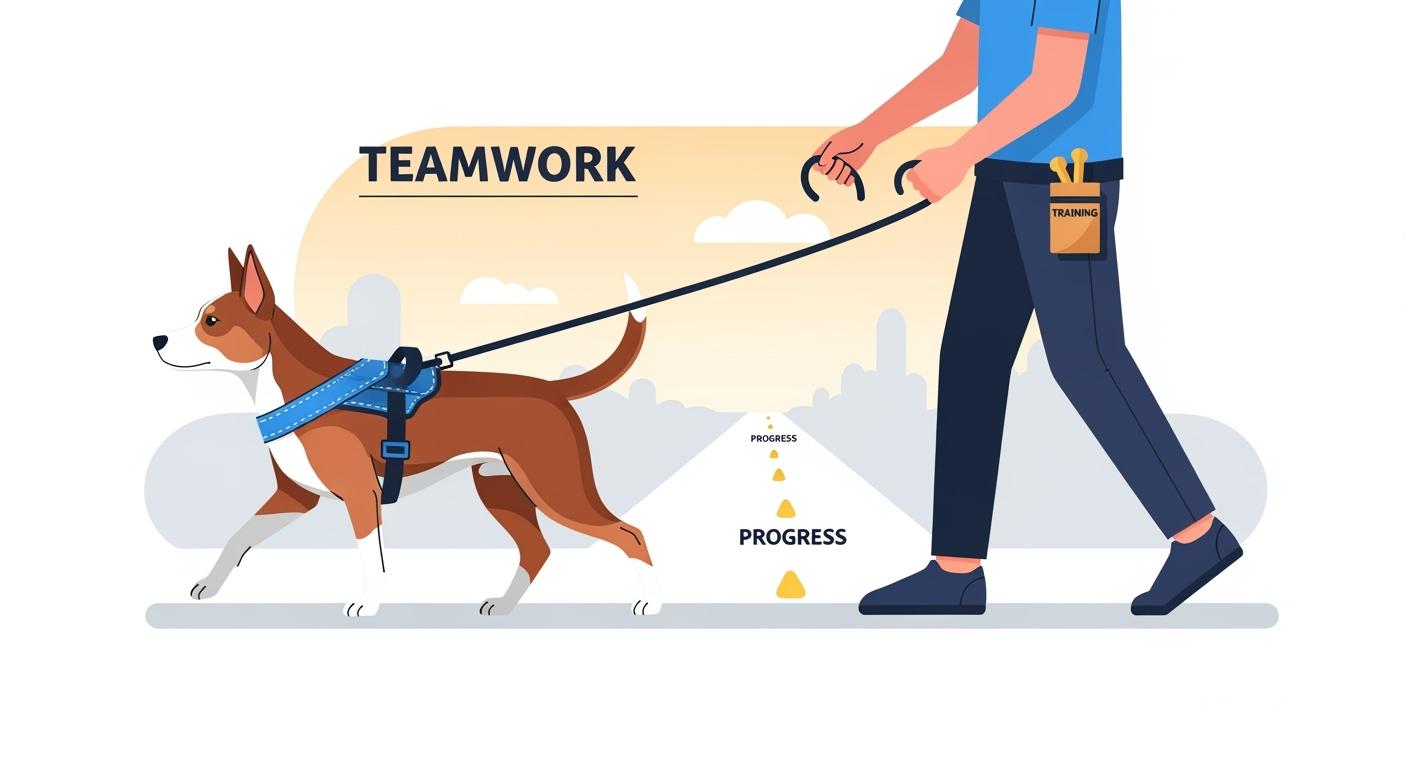
A no-pull harness can improve handling quickly because it changes leverage and the direction of pull. Many people notice less strain on the neck right away. However, the harness does not teach your dog what you want them to do. Training builds the habit of walking with a loose leash.
Tip: Always check if your pulling harness for dogs fits before every walk. Make sure the straps do not rub or block your dog’s shoulders.
Quick improvements for some dogs
When you use a no-pull dog harness, you might see your dog change fast. Many dogs feel the new harness and pull less. You get more control, and your dog feels less pressure on the neck. The harness helps you guide your dog better.
Here is a table that shows how the harness works:
| Evidence Type | Description |
|---|---|
| Front-Clip Harnesses | These harnesses turn your dog back toward you when they pull. |
| Practical observation | Front-clip designs often reduce pulling leverage because they redirect the dog when the leash tightens. |
| Handler takeaway | Use the harness as a training aid: reward loose leash, stop when the leash is tight, and keep sessions short. |
You might see these quick changes:
- Walks are easier to handle
- Your dog pulls forward less
- You get clearer feedback as the handler
What stays the same without training
Even with a pulling harness guidance, you still need training for attention, calm passing, and impulse control. The harness changes handling, but training changes habits.
- Getting your dog’s attention
- Calmly passing people or other dogs
- Controlling impulses in busy places
- Choosing to walk with a loose leash
Here is a table that shows what traits mean your dog needs more training:
| Behavioral Trait | Description | Implication for Training |
|---|---|---|
| Distraction sensitivity | Your dog gets stuck on sights/smells and surges forward. | Train check-ins and increase distractions gradually. |
| Impulse control | Your dog lunges to greet dogs/people or jumps at the end of the leash. | Reward calm behavior and add distance from triggers. |
| Reinforcement history | Your dog learned that pulling makes the walk continue. | Use stop-and-go: tight leash stops, loose leash moves. |
Safety note: If you see rubbing, redness, coughing, or a change in gait, pause harness use and check the fit. If symptoms persist, consult a veterinarian.
Realistic expectations for owners
You might think a no-pull dog harness will fix pulling right away. The harness helps you control pulling, but it does not solve the problem. Training takes time, patience, and practice. Reward-based training is the safest way to teach leash skills. The harness must fit well and let your dog’s shoulders move for safety.
Here is a table of common myths and facts about harnesses:
| Myth | Clarification |
|---|---|
| Harnesses make dogs pull more | This only happens with back-clip harnesses; front-clip harnesses help stop pulling. |
| Harnesses are just for small dogs | Big dogs also get better control and back safety. |
| All harnesses are safe | Badly fitting harnesses can hurt your dog or stop movement. |
Consensus: Harnesses do not fix everything. You need training for real change. Progress takes time, patience, and practice. Reward-based training works best. Always check the fit and shoulder movement for safety.
Pulling Harness for Dogs: How Designs Work

When you choose a dog no-pull harness, you want to know how the design affects your dog’s movement and safety. Each pulling harness for dogs works in a unique way. You need to understand how the leash attachment changes your dog’s body angle and walking style. Harnesses help you manage pulling, but you still need training for lasting results. Reward-based training is the best way to teach leash manners. Fit and shoulder freedom matter for safety and comfort.
Front-clip and redirection
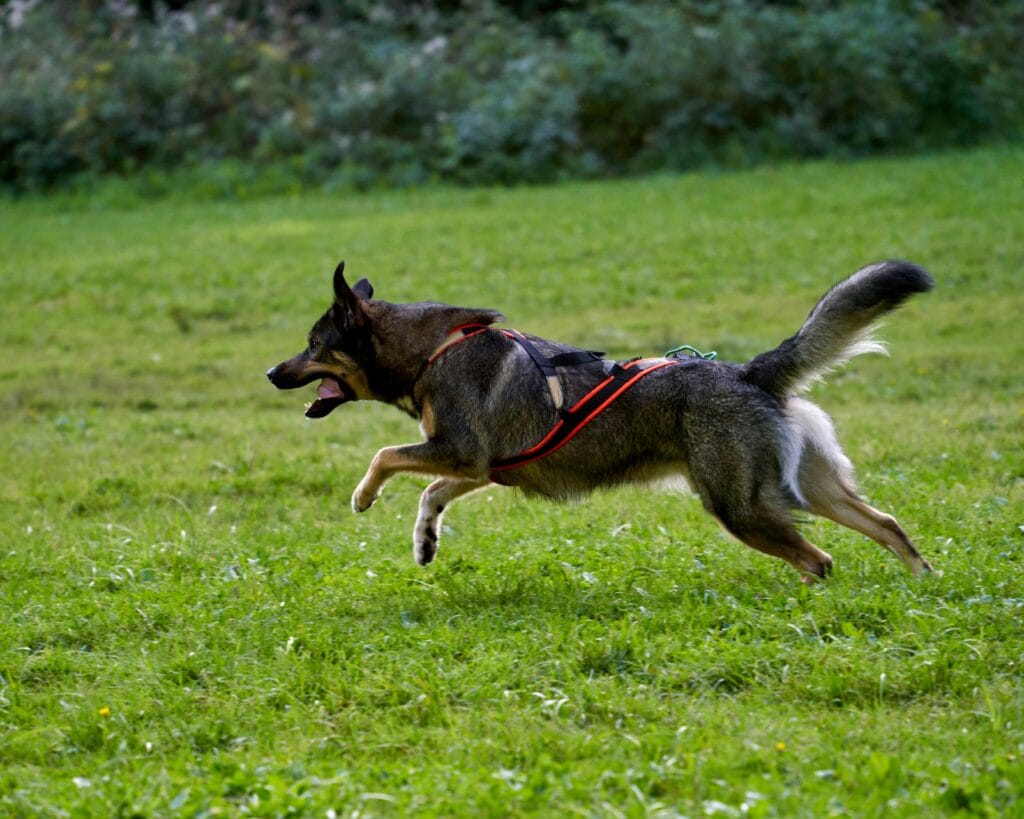
A front-clip pulling harness for dogs attaches the leash to a ring on the chest. When your dog lunges or pulls, the harness redirects their momentum inward. This changes your dog’s body angle and helps you guide them back toward you. Many owners say, “Finally stopped my dog from pulling!” after switching to a front-clip design. You get less neck strain and more control, especially during training.
| Feature | Description |
|---|---|
| Design | Attaches leash to a ring on the front of the chest, redirecting momentum inward when pulling. |
| Pros | Discourages pulling, reduces neck strain, ideal for training. |
| User Feedback | Common praises include comments like ‘Finally stopped my dog from pulling!’ indicating effectiveness in managing pulling behavior. |
Tip: If your dog keeps lunging or gets tangled, pause and practice short, reward-based sessions. Training helps your dog learn what to do instead of pulling.
Back-clip and pulling risk
A back-clip pulling harness for dogs attaches the leash to the dog’s back. This design feels comfortable and is easy to put on. Calm walkers do well with back-clip harnesses. Strong or excitable dogs may lean forward and pull harder. You get less control than with a front-clip harness.
| Feature | Description |
|---|---|
| Best for | Calm walkers, medium to large dogs with good leash manners |
| Pros | Comfortable, easy to put on, provides natural pulling alignment |
| Cons | Encourages pulling in strong or excitable dogs; less control than front-clip designs |
Fit and shoulder freedom
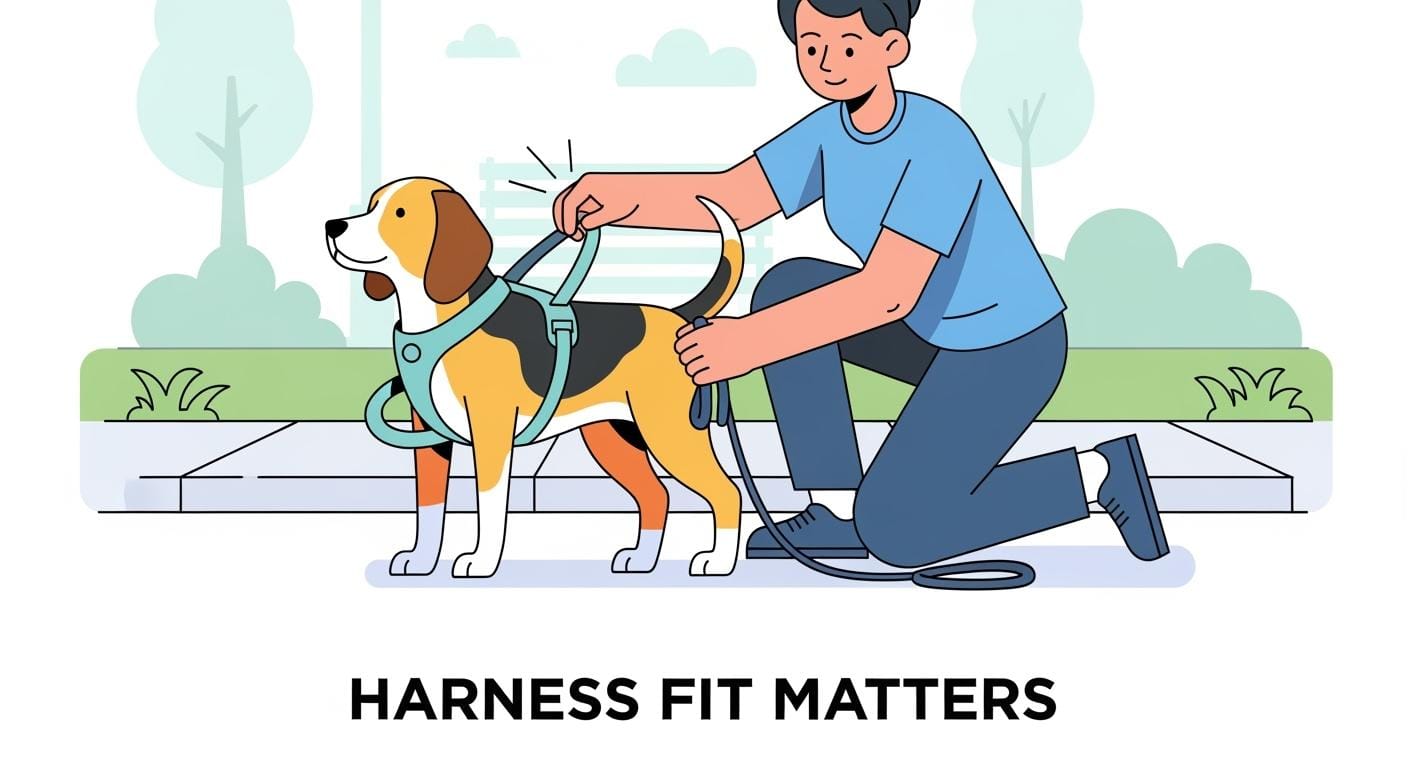
Fit is critical for every pulling harness for dogs. A well-fitted harness keeps your dog safe and comfortable. Straps should not rub or block the shoulders. The harness must stay centered and not twist or ride up. Your dog should not be able to back out of the harness. Hardware should close smoothly and not pinch.
| Safety Risk | Description |
|---|---|
| Discomfort | An ill-fitting harness can rub or chafe the dog’s skin. |
| Potential for Escape | A harness that does not fit properly may allow the dog to escape. |
| Injury | Restriction of movement can lead to injuries or increased pulling. |
| Evidence Description | Key Point |
|---|---|
| A well-fitted harness is safer and more effective for daily walks. | Proper fit enhances safety. |
| Harnesses focus on stress points to prevent discomfort or injury. | Fit prevents injury. |
| A harness that fits well lowers the chance of injury. | Fit is crucial for safety. |
Note: If you see redness, hair loss, or your dog acts reluctant to move, stop and check the fit. Ask a pet expert if you need help.
When to switch or pause use
You may need to switch or pause using a pulling harness for dogs if you notice rubbing, coughing, or gait changes. If the harness twists or rides up, reassess the fit. Training is always required for lasting leash manners. Progress takes time, patience, and consistency. Reward-based training is the default approach. Fit and shoulder freedom are critical for safety and comfort.
No-pull harness consensus
Harnesses are not a cure-all. You need training for real change. Progress takes time, patience, and consistency. Reward-based training works best. Always check fit and shoulder movement for safety and comfort.
Training for Lasting Leash Manners

Teaching your dog to walk calmly beside you takes time and patience. You need a clear plan and a reward-based approach. Loose-leash walking is a skill that helps both you and your dog enjoy walks safely. Harnesses like the dog no-pull harness help manage pulling, but only consistent training creates lasting change.
Reward-based session setup
Start your training in a quiet area. Use treats and praise to reward your dog for staying close and keeping the leash relaxed. Here is a simple session template you can follow:
- Begin with a calm start. Reward your dog for standing or sitting quietly.
- Walk in a straight line. Give a treat every time the leash stays loose.
- If your dog pulls, stop walking. Wait for the leash to relax, then reward and continue.
- Change direction if your dog gets distracted or pulls ahead.
- End the session early if your dog does well. Short, positive sessions work best.
Tip: Keep sessions short and frequent. This helps your dog learn faster and stay motivated.
The loose leash loop
Loose-leash walking means your dog walks beside you with a relaxed leash. You want to avoid tension. Follow these steps to teach the loose leash loop:
- Introduce the skill in a low-distraction environment.
- Maintain loose tension. Do not let the leash get tight.
- Pair calm walking with treats and praise.
- Use a shorter leash only for busy areas or training.
Handling distractions
Dogs often get excited by other animals, people, or noises. You can handle distractions by using treats to redirect your dog’s attention. Create space between your dog and the distraction. Praise and reward your dog for staying calm and focused.
- Use treats to anticipate triggers.
- Move away from distractions if needed.
- Reward calm behavior every time.
Note: If your dog barks or lunges, pause and let them settle before continuing.
Progression and patience
Progress takes time. You need to stay patient and consistent. Keep a routine for walks and rewards. Introduce new distractions slowly. Avoid long sessions to prevent frustration. Always monitor your dog’s health and comfort.
- Create a safe space for your dog to relax after walks.
- Stick to regular feeding and walking times.
- Use praise and treats instead of punishment.
- Increase distractions only after several successful sessions.
Consensus: Harnesses are not a cure-all. Training is required for lasting results. Progress takes time, patience, and consistency. Reward-based training is the default approach. Fit and shoulder freedom are critical for safety and comfort.
Mistakes, Safety, and FAQs
Common harness mistakes
You might see fast changes with a dog no-pull harness. But some mistakes can keep pulling strong or make things unsafe. Here are mistakes you should avoid:
- If you let your dog pull and keep walking, your dog learns pulling works.
- If you skip training and only use the harness, your dog will not learn leash manners.
- Using elastic leashes instead of training lowers control and does not teach your dog.
- Loose harnesses can rub or let your dog slip out.
- Straps across the front can block shoulder movement.
- If you move forward when the leash is tight, you reward pulling.
- Walks with too many distractions can make your dog pull more.
- Harsh corrections or punishment tools can hurt your dog.
- If your family uses different training methods, your dog gets confused.
- Ignoring pain or injury signs can make problems worse.
- Leaving your dog alone in a harness is not safe.
- Damaged harnesses can break or hurt your dog.
Safety and fit do-nots
Safety starts with a good fit and careful use. Follow these tips to keep your dog safe:
- Check that the harness fits snug but does not rub or block movement.
- Do not use harnesses that sag or twist.
- Never use collars that can hurt your dog’s neck.
- Use the size chart and measure your dog before buying.
- Do not use harnesses that block shoulders or press under armpits.
- Stop using the harness if you see redness, hair loss, coughing, or your dog does not want to move.
- Make sure hardware closes well and does not pinch.
- Never leave your dog alone in a harness.
- Replace broken or old harnesses right away.
- Let your dog get used to new harnesses slowly.
- Do not use punishment. Use rewards for training.
- Remember, a harness does not fix everything. Training is always needed.
Note: If gear rubs under the armpits or restricts stride, irritation can develop. Adjust fit, reduce session length, or switch equipment.
When to seek help
Sometimes you need expert help. Use this table to know when to ask for support:
| Condition for Seeking Help | Description |
|---|---|
| Aggression | Growling or snapping means you need help now. |
| Reactivity | Lunging or barking at dogs or people is a serious problem. |
| Severe Fear | Extreme fear needs quick help from a professional. |
You can make walks easier fast with a no-pull dog harness. Training helps your dog learn for the long term. Use the harness and reward-based training together for best results. Always check if the harness fits well and feels good. Be patient and keep the same routine. Here is a table that shows how tools and training work together:
| Technique/Tool | Description |
|---|---|
| Front-clip harness | Turns your dog when they pull, so pulling is harder. |
| Red Light/Green Light | Shows dogs that tight leashes mean stop, loose leashes mean go. |
| Reward marker (yes/click) | Marks the exact moment your dog walks with a loose leash so rewards teach the right habit. |
Try these tips:
- Check the harness fit after a few uses or if your dog’s weight changes.
- Adjust the straps so your dog is safe and comfortable.
- Make sure your dog can move without anything blocking them.
- Keep a routine so your dog gets used to the harness.
Progress takes time. Good training and a proper fit keep your dog safe and comfortable.
FAQ
How do I know if my dog’s harness fits correctly?
Check that the harness stays centered and does not rub or block your dog’s shoulders. You should fit two flat fingers under the straps. If you see redness or your dog acts uncomfortable, stop and adjust the fit.
Tip: Always check the fit before every walk for safety.
Can a dog no-pull harness stop pulling without training?
No. The harness helps you manage pulling, but only training teaches your dog to walk calmly. You need patience and consistency. Reward-based training works best for lasting results.
What should I do if my dog still pulls hard?
Try shorter, reward-based training sessions. Use treats and praise for loose leash walking. If your dog keeps pulling, ask a certified trainer for help. Training takes time and patience.
Are elastic leashes a good substitute for training?
Elastic leashes reduce shock from sudden pulls. They do not teach leash manners or improve control. You still need reward-based training for real progress.
Note: Use elastic leashes for comfort, but focus on training for better results.
When should I seek expert help?
Seek help if your dog shows aggression, severe fear, or intense reactivity. A qualified professional can keep everyone safer. Explore our training resources for step-by-step fit and walking tips.