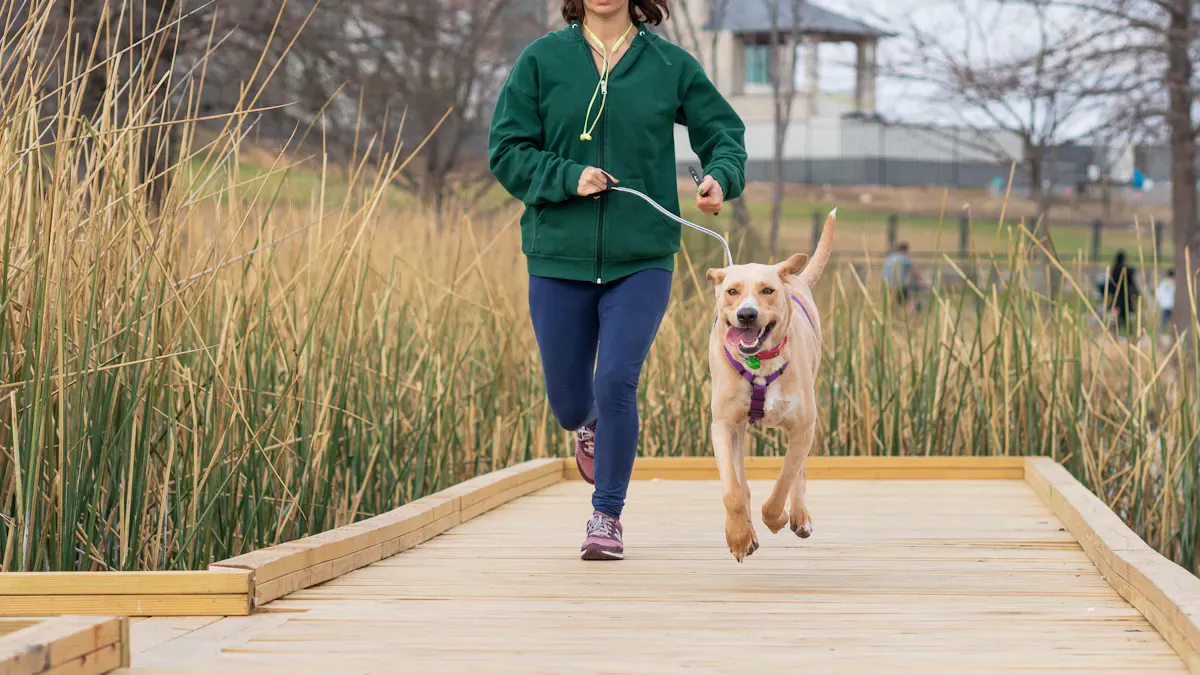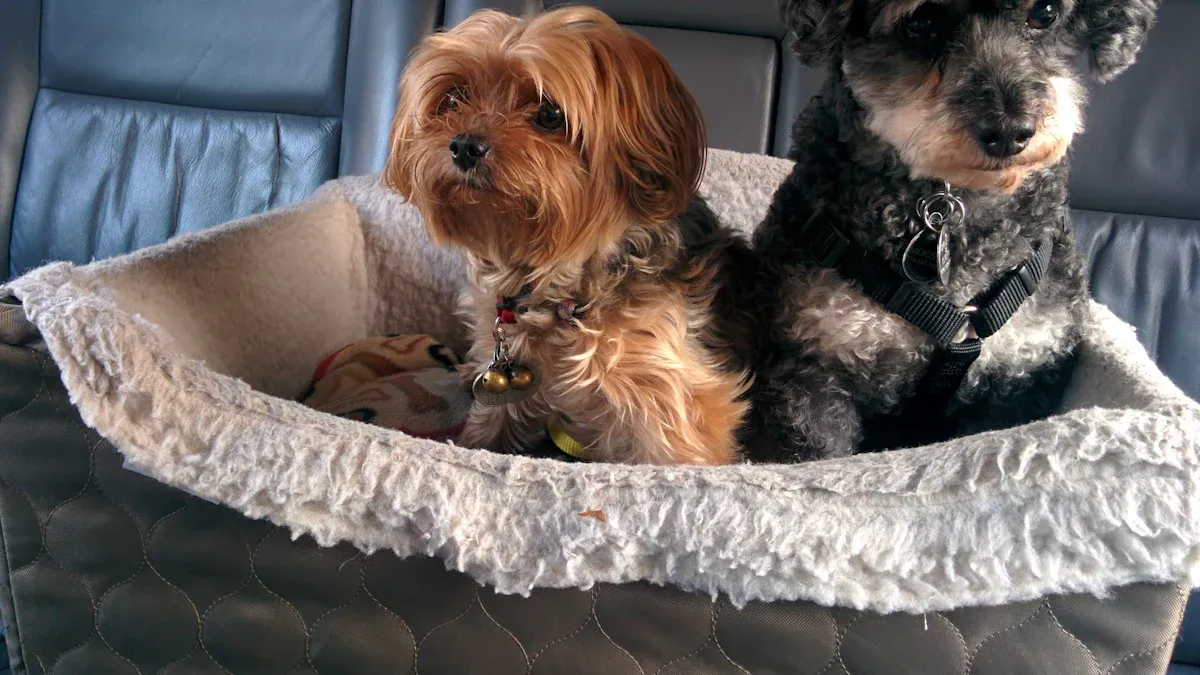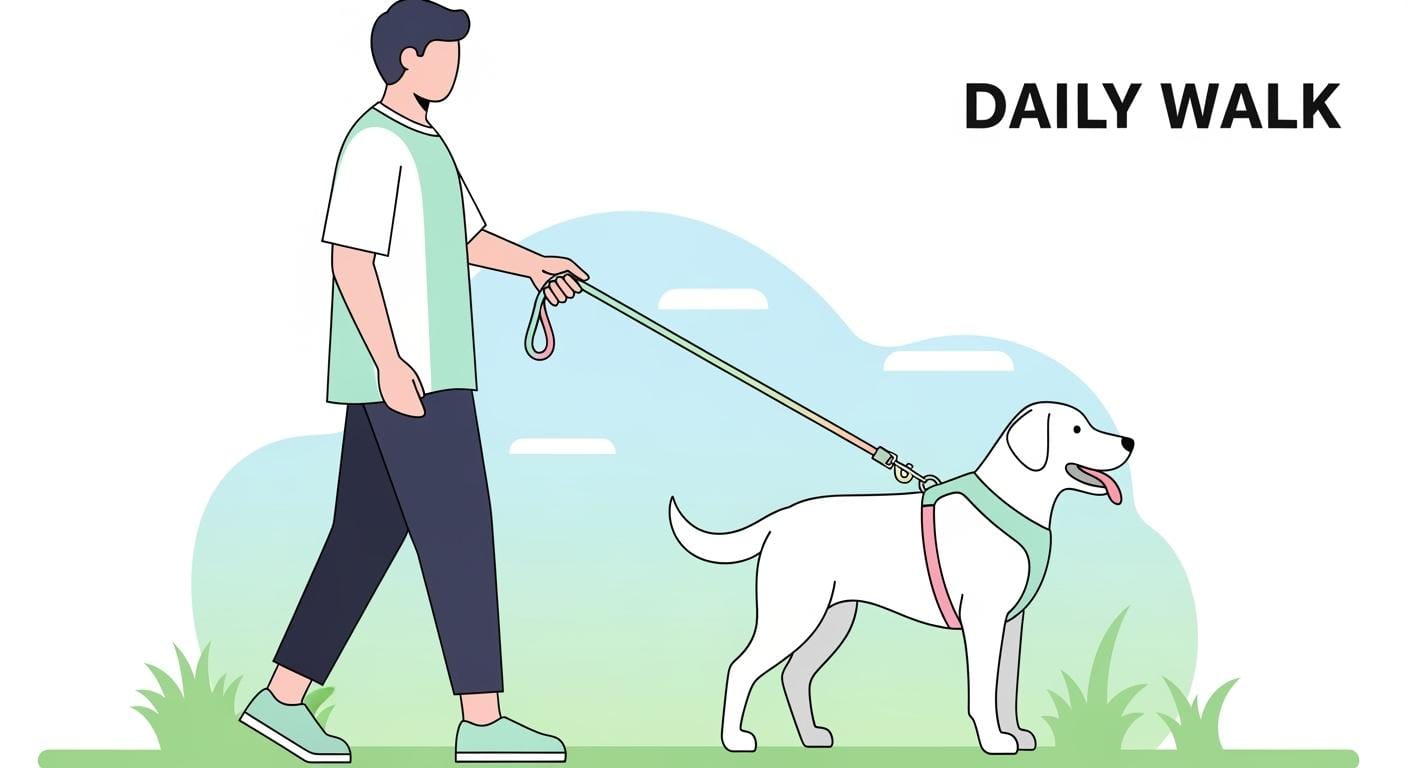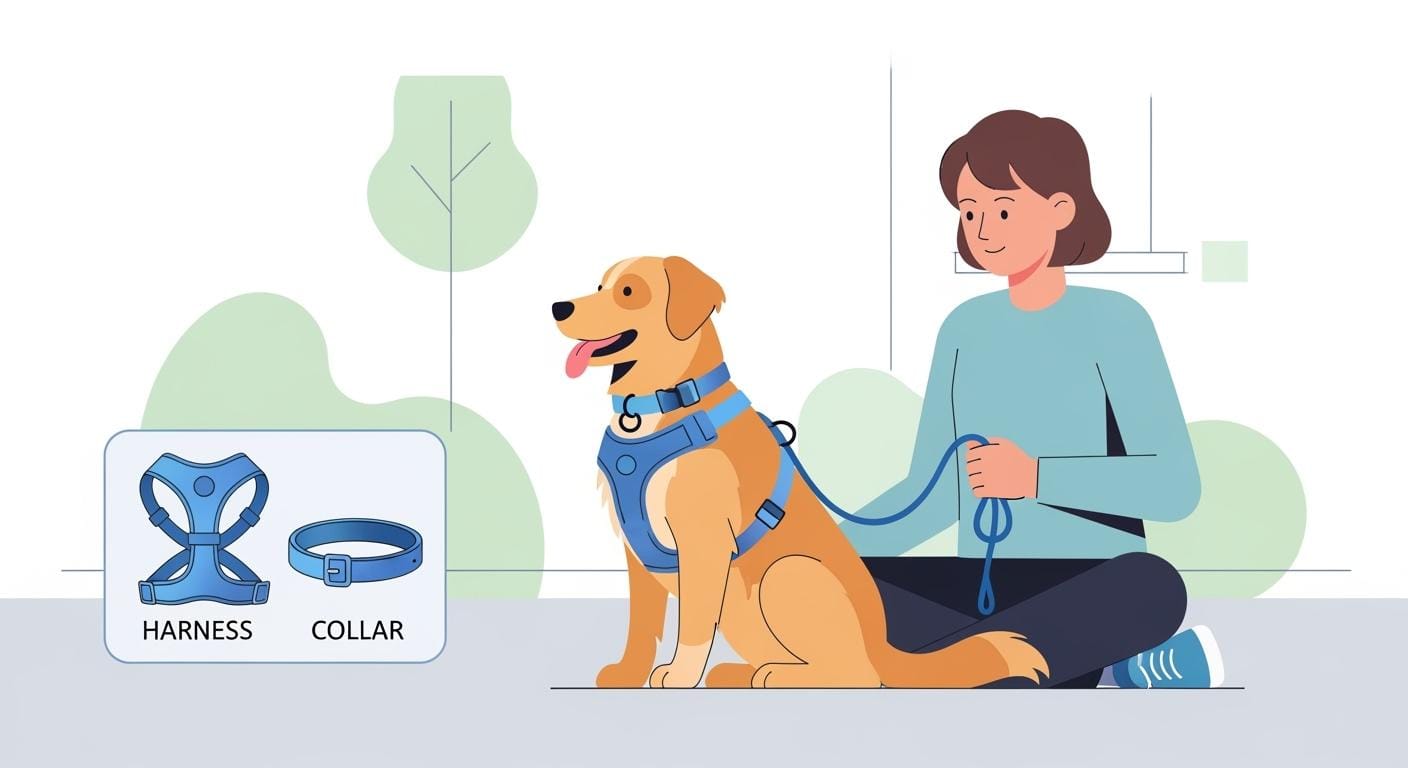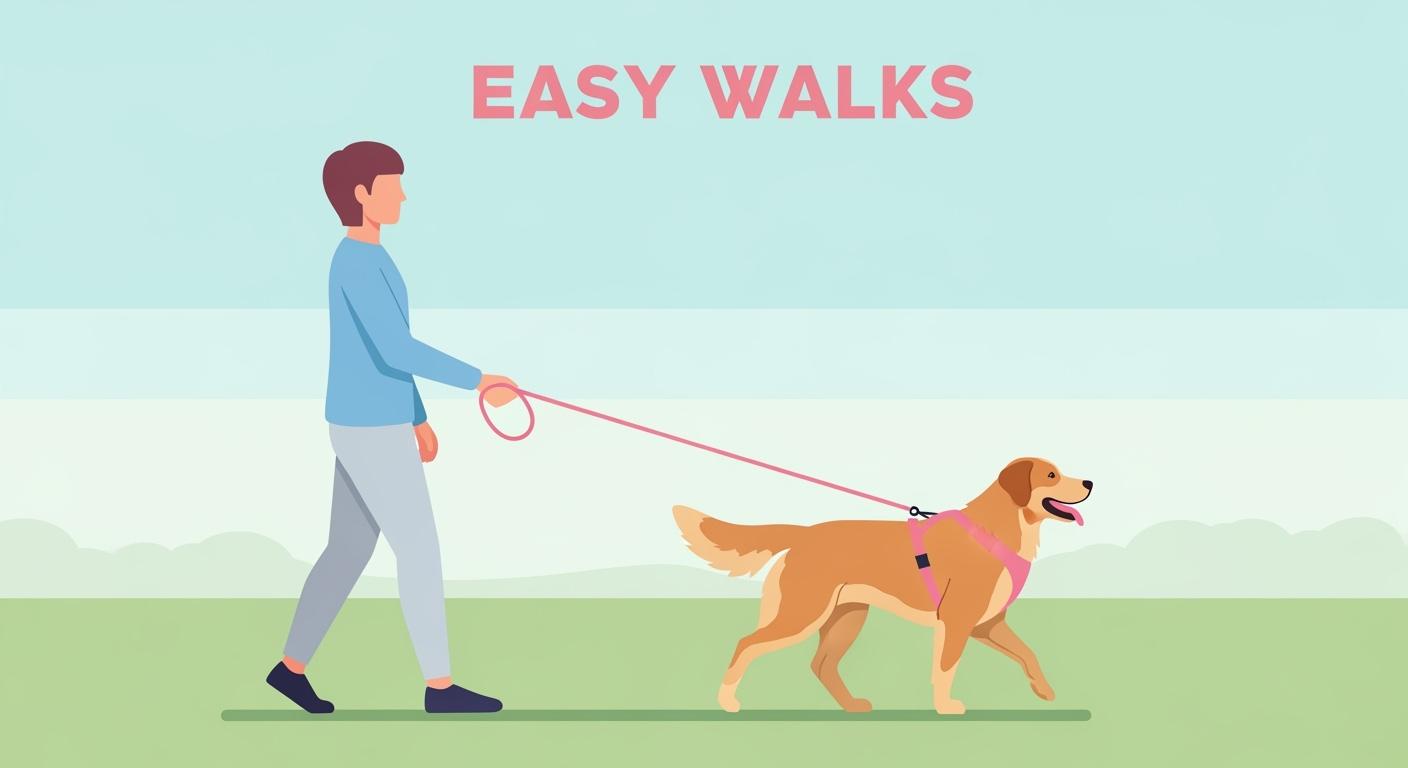
A matching dog harness and leash can make everyday walks feel simpler, but a coordinated set is only useful when the parts work together in motion. That is what really matters. If the leash clip feels too heavy for the harness, the handle fights your grip, or the harness shifts once the dog starts walking, the set is not “matching” in any way that actually helps. For daily use, the best setup is the one that clips together cleanly, stays balanced, and lets your dog move normally without rubbing, twisting, or getting harder to guide after a few minutes.
Key Takeaways
- Pick a matching dog harness and leash set when you want a simple, repeatable everyday setup and the clip, weight, and fit all feel balanced together.
- Mixing harnesses and leashes can work better when your dog has a harder body shape to fit, your walking routes vary, or one part works well while the other does not.
- Always test the full setup before a longer walk. Good-looking gear still has to feel secure, move cleanly, and stay comfortable on the dog.
Matching Dog Harness and Leash Set vs Mixed Combo
When to Choose a Matching Set
You may want a matching dog harness and leash set if you value both style and function. A matching set makes the most sense when your walks are predictable and you want a clean grab-and-go routine. The hardware is usually sized to work together, the handle feel is familiar from walk to walk, and you are less likely to end up with a leash clip that feels oversized or awkward on the harness ring.
This can be especially helpful for daily city walks, repeated neighborhood routes, or dogs that do best when nothing about the setup changes much. Matching also makes more sense when the set already fits your dog well and does not require special fixes to make it usable.
Tip: A matching set is worth it when it removes decisions before the walk, not when it forces you to accept a leash or harness that only matches in color.
Dogs and walking environments that often benefit most from a matching set include:
- dogs that already walk well and just need a dependable everyday setup
- owners who want one repeatable leash-and-harness combination
- regular neighborhood or city walks where control and convenience matter more than feature swapping
- dogs whose body shape fits standard harness cuts without a lot of adjustment trouble
When Mixing Works Better
Mixing your harness and leash can give you more flexibility. Sometimes the harness from one setup fits the dog well, but the leash is too heavy, too short, too stiff, or simply not comfortable in your hand. In that case, forcing a matching set just for appearances usually makes daily walking worse, not easier.
Mixing also works better when your dog has a unique chest shape, when you use different walking setups for different routes, or when you have more than one dog and one leash style clearly works better across all of them. Matching looks neat, but fit and handling should still decide the final choice.
Note: Matching colors do not prove compatibility. The real test is how the clip, leash weight, harness cut, and your dog’s movement work together during an actual walk.
Common challenges when shopping for a matching dog harness and leash set include:
- finding the right harness shape for your dog’s chest, shoulders, and neck
- making sure the leash clip does not feel oversized or off-balance on the harness ring
- checking that the leash length and handle feel match your normal walking style
- separating useful features from purely decorative matching details
- making sure the full setup still feels easy to use after the first few minutes of walking
Comparison Table: Set vs Combo vs Lightweight Option
You can use this table to compare your options before you buy:
| Option | Best Use Case | Main Benefit | Main Watchout | Who Should Skip It |
|---|---|---|---|---|
| Matching Dog Harness and Leash Set | Everyday walks, simple grab-and-go use | Consistent feel and coordinated hardware | May not solve special fit or handling problems | Dogs with unusual body shapes or owners who need more customization |
| Mixed Combo | Custom daily setups, fit problems, multi-route walking | Lets you keep the best part of each setup | Clip size, weight, or style may not feel balanced together | Owners who want one simple set with no testing or adjustment |
| Lightweight Everyday Combo | Quick walks, smaller dogs, low-bulk handling | Less bulk and easier everyday comfort | May feel too light for stronger dogs or rougher handling | Large pullers or dogs needing more support |
You should always test your gear before a longer walk. Clip the leash to the harness and check whether it moves smoothly, stays centered, and still feels balanced when your dog starts turning, pausing, and pulling slightly against it.
Disclaimer: If you see repeated skin irritation, neck strain, or changes in your dog’s movement, stop using the gear and talk with your veterinarian.
A matching dog harness and leash can make walks easier, but only when the set truly works for your dog’s size, shape, and daily walking pattern.
What Needs to Match for Everyday Walks
Leash Weight and Clip Size
Leash weight and clip size matter more than many owners expect. A leash that feels fine in your hand can still be too heavy for the harness ring on a smaller dog, or too light and narrow to feel secure with a larger dog. The better match is the one that feels proportionate in motion. The leash clip should not thump against the dog’s chest, pull the harness off-center, or make the front of the setup feel heavier than it needs to be.
As a general rule, smaller dogs do better with lighter, narrower leashes and less bulky clips. Medium dogs often do best somewhere in the middle. Larger dogs usually need a wider, stronger leash and a clip that feels solid enough without becoming oversized hardware.
| Dog Size | Leash Feel That Usually Works | What Usually Goes Wrong |
|---|---|---|
| Small dogs | Lighter leash with a smaller, cleaner clip | Heavy hardware pulls the setup forward or bumps the dog |
| Medium dogs | Balanced mid-weight leash and secure clip | Either too light for control or too clunky for comfort |
| Large dogs | Wider, stronger leash with comfortable handle control | Light leash feels flimsy or harder to control when the dog pulls |
| Puppies | Very light leash that does not overwhelm the body | Oversized clips or leash weight make early walking feel awkward |
Tip: Always test the clip and leash together before your walk. The connection should feel secure without pulling the harness off balance.
Harness Type and Walking Style
Different harness types change how your dog moves and how you handle the leash. Some dogs do better in a front-attachment setup because it helps with pulling. Others move better in a back-clip harness because the leash stays out of the front leg area and the overall feel is simpler for routine walks. You should measure your dog’s chest and check for padded, breathable materials. Reflective features help keep your dog safe at night.
The right walking setup depends on whether your dog walks calmly, pulls, zigzags, or needs more guidance in higher-distraction areas. “Matching” only helps when the harness style and leash behavior fit the dog you are actually walking.
Note: Matching dog harness and leash sets can look great, but you still need to check that the harness leaves the shoulders free enough for normal movement and does not rub once the dog is in motion.
Pass/Fail Checklist Table
Use this checklist to test your setup before every walk.
| Check Item | Pass Signal | Fail Signal | Fix |
|---|---|---|---|
| Leash and clip connect | Smooth, secure, and balanced | Loose, twisting, or too heavy for the harness point | Try a better-matched leash or lighter clip |
| Harness fit | Snug without pinching, shifting, or easy slip-out | Too tight, too loose, or riding up in the wrong place | Adjust straps or change size or shape |
| Dog moves freely | Normal stride and easy shoulder movement | Short stride, stiffness, or obvious gait change | Recheck harness cut and strap placement |
| No skin irritation | Skin stays clean and comfortable after the walk | Red marks, rubbing, or repeated scratching | Adjust, pad, or switch gear before the next walk |
| Night visibility | Reflective or visible details stay easy to see | Hard to see once the dog moves or turns | Add reflective or visible accessories if needed |
Troubleshooting Table: Common Issues
If you run into problems, use this table to spot the likely cause faster.
| Symptom | Likely Cause | Fast Check | Fix |
|---|---|---|---|
| Chafing or red marks | Harness is rough, too tight, or sitting in the wrong place | Check elbows, chest, and behind the front legs | Loosen, refit, or switch the harness cut |
| Dog escapes backward | Loose fit or poor shape match | Test the harness with a controlled backward pull at home | Tighten or change the harness style |
| Dog slips out forward | Neck opening is too large or the harness sits too low | Watch whether the front shifts during forward movement | Adjust the neck area or try a smaller or different cut |
| Restricted movement | Shoulder area is crowded or straps are too tight | Observe walking and turning, not just standing still | Loosen or replace the harness before the next longer walk |
Reminder: If you see ongoing neck strain, heat, or skin irritation, pause your walk and get veterinary advice. This is not medical advice.
You should always focus on how your matching dog harness and leash work together during real walks. Matching appearance does not guarantee comfort or control.
Signs Your Harness and Leash Aren’t Working
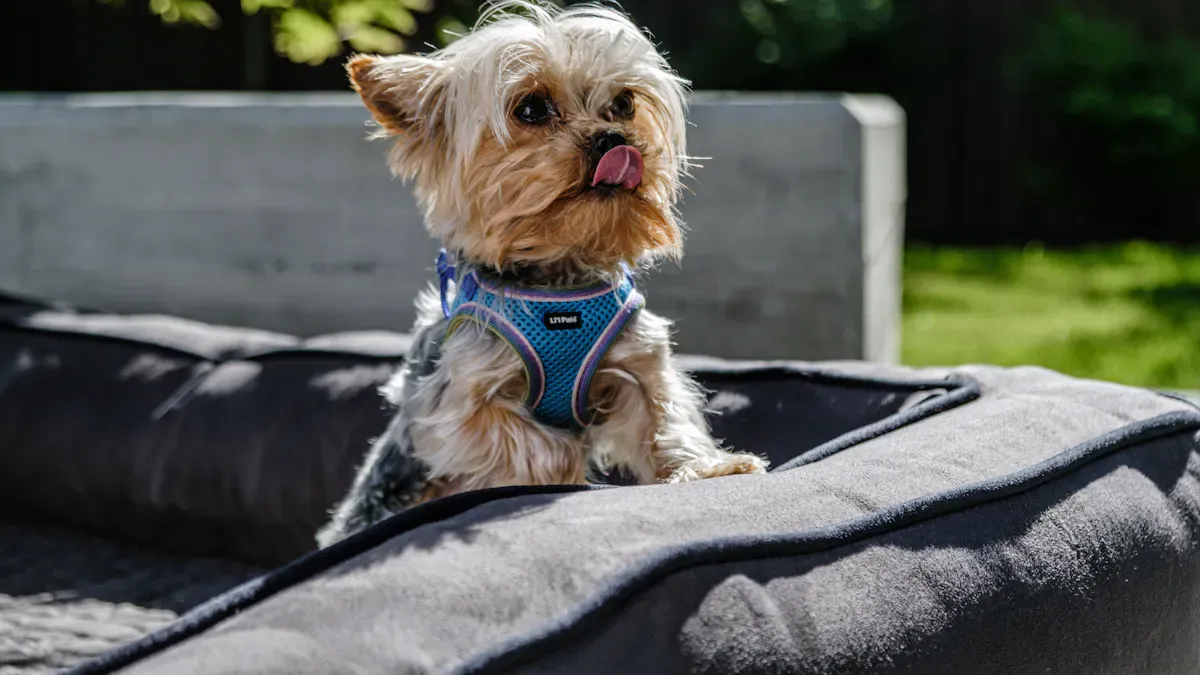
Heavy Clip Pull and Off-Center Fit
You may notice your dog pulling to one side or the harness twisting during walks. These are common signs that the leash and harness do not feel balanced together. A heavy clip on a smaller dog, or a leash that keeps weighting one side of the harness, can change how the setup sits on the body and how your dog moves inside it.
Look for these signs:
- The harness rides up toward the throat when the leash tightens.
- Straps dig in near the elbows or chest during normal walking.
- Your dog shortens stride or starts moving stiffly.
| Feature | Benefit |
|---|---|
| Force spreads across the chest and shoulders | Helps reduce neck and throat strain |
| Harness allows natural movement | Supports a cleaner, more comfortable gait |
| Leash and clip feel proportionate | Keeps the whole setup more stable and predictable |
If you see limping, skin redness, or repeated gait change, pause and check the fit. This is not medical advice.
Tangled Leash and “Fake Matching”
A leash that tangles easily or only looks like it matches can create problems fast. “Fake matching” means the set looks coordinated, but the leash weight, clip size, or handling feel do not really suit the harness. This usually shows up in small but annoying ways before it turns into a larger control problem.
- The leash wraps around your hand or your dog’s front legs.
- The harness looks neat when standing still but twists once the walk begins.
- You get sudden jerks or awkward clip angles even on an ordinary route.
| Risk Type | Description |
|---|---|
| Tangling | Leash wraps or twists because the setup is awkward in motion |
| Sudden jerks | Mismatched hardware can make control feel less smooth |
| Control loss | A coordinated look does not help if the handling feels worse once the dog moves |
Tangles can create avoidable confusion for both you and your dog. Always check how the leash and harness behave together once the walk is underway.
Common Mistakes and Real Consequences
Many owners think a harness alone will fix pulling, or that a matching set must work better because it was sold together. Those assumptions can lead to frustrating and less safe walks.
- Using gear that matches visually but not functionally
- Choosing hardware that does not suit the dog’s size or strength
- Ignoring your own handling comfort and grip
- Focusing on style before movement, balance, and fit
These mistakes can make the dog harder to guide, more reactive to discomfort, or less willing to walk well in the setup. Always test the harness and leash together before relying on the set for everyday use.
You should choose a matching dog harness and leash set when your dog’s size, walking style, and daily routes all fit a simple, repeatable setup. Look for balanced clip weight, smooth handling, adjustable fit, and a harness that lets your dog move naturally. The best everyday set is not the one that looks most coordinated. It is the one that still feels right after the first few minutes of a real walk.
FAQ
How do you check if your harness and leash set works well together?
Clip them together, take a short walk, and watch for twisting, rubbing, awkward clip weight, or any change in your dog’s stride. A good match should feel balanced, secure, and easy to guide with.
What should you do if your dog shows signs of neck strain or skin irritation?
Pause the walk, check fit and strap placement, and stop using the setup if the problem keeps returning. Then talk with your veterinarian if needed.
This is not medical advice.
Does matching color mean your harness and leash are compatible?
No. Matching color does not guarantee the clip size, leash weight, harness shape, or walking feel are actually compatible. You still need to test the full setup in motion.