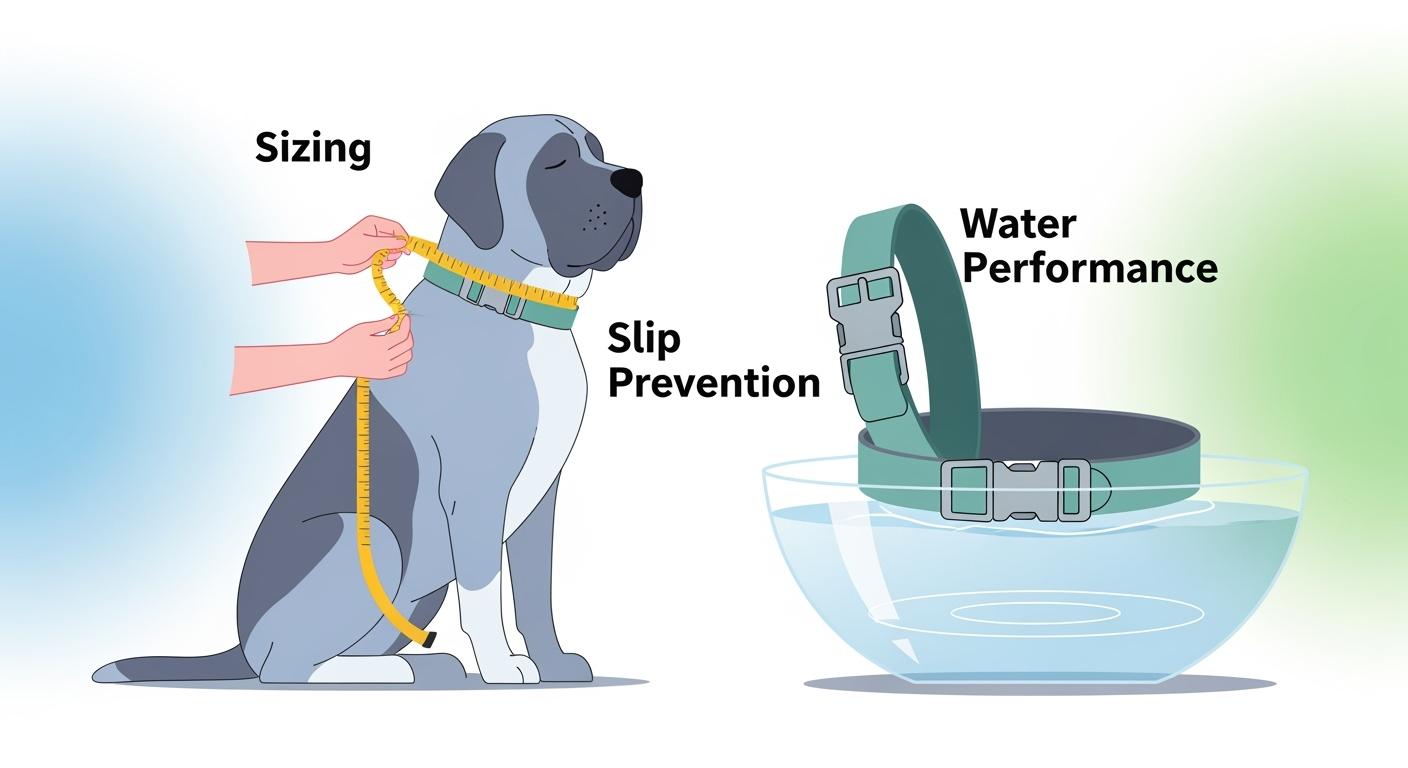
Large dogs need collars that stay secure, resist slipping, and stay comfortable during daily wear and wet walks. Start with a neck measurement in inches and centimeters, then confirm fit with a simple two-finger check. This guide explains sizing, slip prevention, material choices for water exposure, and a practical checklist to reduce returns. Browse large dog collars with durable hardware and easy-clean materials, and stop use if you notice rubbing or irritation.
Key Takeaways
- Use a soft tape measure to check your dog’s neck size. This helps you pick a collar that fits well and keeps your dog safe.
- Try the two-finger fit check to make sure the collar is not too tight. This stops the collar from hurting or rubbing your dog.
- Pick collars made from strong materials like Coated webbing or nylon if your dog is very active. Waterproof collars work best when your dog gets wet.
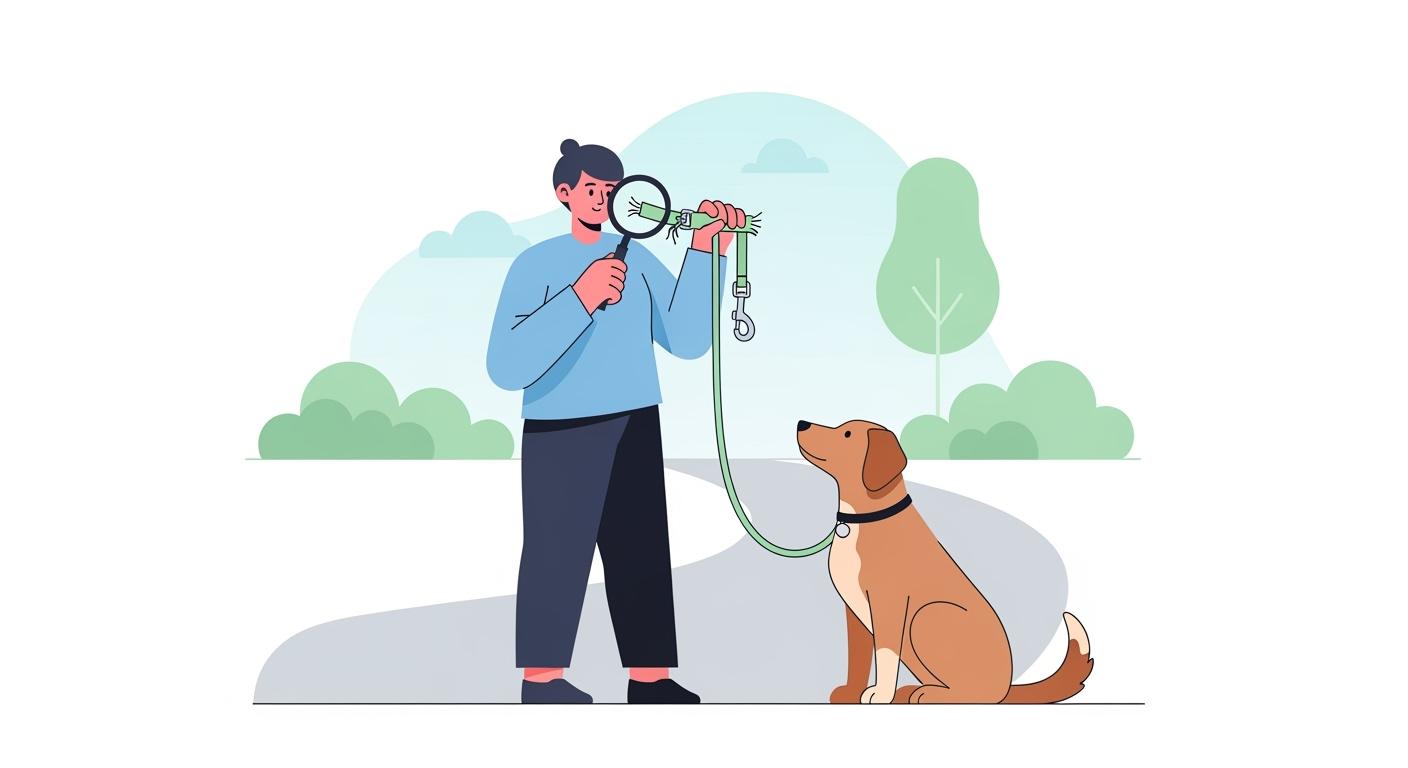
- Look at the collar often to see if it is worn out or broken. Get a new collar if you notice fraying or damage so your dog stays safe.
- Pick the collar style that matches what your dog needs. Martingale collars help keep your dog from escaping. Flat buckle collars are good for everyday use.
Large dog collars key points
Accurate sizing for big dogs
Start by measuring your dog’s neck with a soft tape. Make sure the tape is snug but not too tight. Large dog collars fit necks from 16-26 in (41-66 cm). Extra large collars fit necks from 24-30 in (61-76 cm). Always use the two-finger check at contact spots. If your dog is between sizes, pick the bigger collar. You can adjust it smaller for comfort. This helps you avoid mistakes and keeps the collar secure.
Choosing the right collar width and style
Look at both the width and style when picking a collar. Wide collars, about 1-1.5 in (25-38 mm), spread out pressure. This makes your dog’s neck feel less strain. Dogs like Rottweilers or Great Pyrenees need wider collars for support. Flat buckle collars are good for daily use. Martingale collars help stop escapes for dogs with narrow heads. Pick a design that fits your dog’s activity and where they go.
Tip: Match the collar width to your dog’s neck and breed. Wider collars help keep your dog safe and comfy.
Material impact on comfort and durability
The material changes how the collar feels and lasts. Coated webbing is strong and easy to clean. Leather looks nice and feels good but needs care. Nylon is cheap and comes in many styles but wears out faster. Waterproof coated collars do not soak up water or smell. They are great for active dogs.
- Coated webbing: Waterproof, strong, easy to clean
- Leather: Comfortable, stylish, needs care
- Nylon: Affordable, many designs, less durable
Preventing slip and rub issues
A good collar should not slip or rub your dog. Always check the fit before walks. If the collar slips off, tighten it and use the two-finger rule. Dogs with thick necks or narrow heads need extra care. If slipping keeps happening, try a martingale collar or a harness. Check the collar often to stop discomfort or escapes.
Water performance and cleaning tips
Waterproof collars work best in wet places. Coated webbing and neoprene collars do not soak up water and stay soft. Nylon collars get heavy when wet. Leather collars get stiff. To clean, rinse waterproof collars after muddy walks and let them dry. This keeps collars fresh and stops bad smells.
| Material | Water Resistance | Durability |
|---|---|---|
| Coated webbing | Highly water resistant | Very tough |
| Nylon | Absorbs water | Strong, wears out |
| Leather | Poor | Needs care |
Common sizing mistakes to avoid
Many people make mistakes when picking a collar. Do not choose by outside size only. Always measure your dog’s neck and check the fit. Collars that are too narrow can hurt your dog. Make sure the collar base is steady and the hardware is strong. These steps help you get a good collar that lasts.
Safety Note: This guide is not medical advice. Always watch your dog’s comfort. Stop using the collar if you see irritation. Ask a vet for help if you need it.
Large dog collars sizing guide
Choosing the right dog collar size for your big canine starts with careful measuring and fit checks. You want a proper fit that keeps your dog safe and comfortable. Follow this step-by-step guide to get the best results.
Measuring neck circumference
Accurate measuring is the foundation of good sizing. You need a flexible sewing tape measure. Avoid using rigid rulers or metal tapes because they do not follow the curve of your dog’s neck.
- Gather your tools. Use a soft tape measure.
- Stand your dog in a natural position. Make sure your dog’s head is level and relaxed.
- Find the spot where the collar will sit. Most collars rest 1-2 inches (2.5-5 cm) below the base of the skull.
- Wrap the tape around your dog’s neck at the chosen spot. Keep the tape flat and parallel to the ground.
- Let your dog breathe normally. Do not pull the tape tight. It should touch the skin without pressing in.
- Check that the tape is straight and not twisted.
- Record the measurement in both inches and centimeters. For example, you might get 18 in (46 cm). Repeat this process two more times to confirm accuracy. If the numbers differ by more than 0.25 in (0.6 cm), measure again.
Tip: Always use neck circumference as the primary sizing input. Use these neck size bands as a starting point: Large (16-26 in (41-66 cm)), Extra large (24-30 in (61-76 cm)).
Two-finger fit check
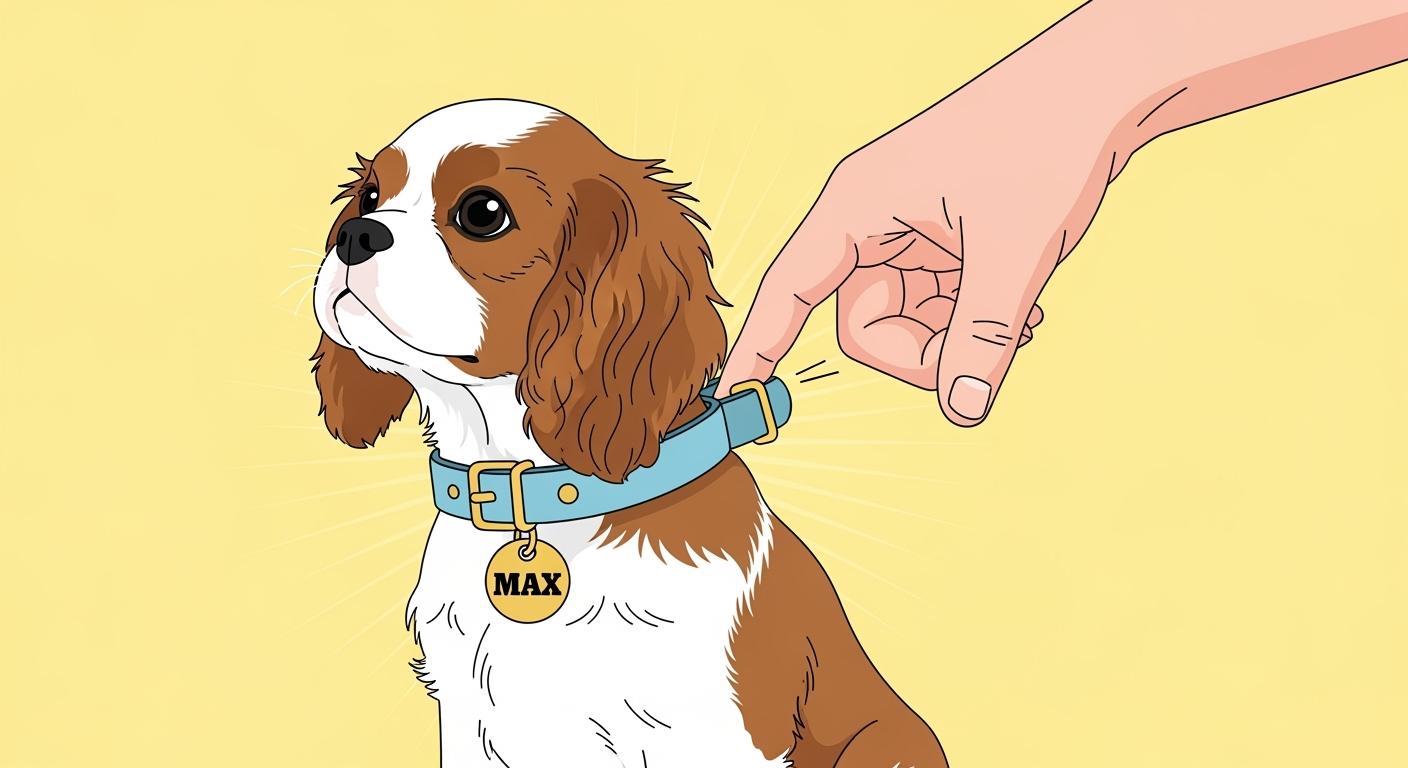
After you select a collar based on neck measurement, you need to check the collar fit. The two-finger rule helps you confirm a proper fit.
- Place the collar on your dog.
- Slide two fingers between the collar and your dog’s neck at the contact points.
- If you can fit two fingers easily, the collar is not too tight or too loose.
- This check prevents discomfort, escape, and breathing problems.
Note: Always perform the two-finger fit check after adjusting the collar. This simple test helps you avoid common sizing mistakes.
Slip prevention test
You want to make sure the collar does not slip off your dog’s head. The slip prevention test is easy to do.
- Try to gently pull the collar over your dog’s head.
- If the collar slips off, it is too loose. Tighten the collar and repeat the two-finger check.
- If the collar stays on but does not pinch, you have a secure fit.
Safety Alert: If your dog has a thick neck or narrow head, consider a martingale collar for extra security.
When to recheck sizing
Collar fit can change over time. You need to recheck the dog collar size regularly.
- For adult dogs, check collar size once a month.
- For puppies or dogs with weight changes, inspect collar size every week.
- Seasonal changes in temperature and activity may require you to check in spring and fall.
Tip: Always monitor your dog’s comfort. Pause use if you see irritation. Consult a veterinary professional if needed.
Step-by-step sizing storyline
Follow these steps for large dog collars sizing:
- Confirm the job of the collar. Decide if you need it for daily wear, training, or water activities.
- Select the size band, width class, and style using these size bands:
- Large neck band: 16-26 in (41-66 cm)
- Extra large neck band: 24-30 in (61-76 cm)
- Large width class: 1 in (25 mm)
- Extra large width class: 1.5 in (38 mm)
- If your dog’s neck measurement falls between bands, use the boundary rule: size up and adjust down for comfort.
- Fit test, movement test, and maintenance plan:
- Use the two-finger fit check.
- Perform the slip prevention test.
- Set a schedule for regular sizing checks and cleaning.
Safety Disclaimer: This guide is not medical advice. Always monitor your dog’s comfort. Pause use if irritation appears. Consult a veterinary professional if needed.
Common mistakes in choosing dog collars
Picking the right collar for your dog can be hard. Many people make the same mistakes with large dog collars. You can reduce returns and keep your dog safer by knowing what to avoid.
Sizing errors and fit issues
Sizing mistakes can make your dog uncomfortable or let them escape. If you guess your dog’s neck size or only use weight, you might get the wrong collar. Always measure your dog’s neck and do the two-finger fit check. If your dog’s neck is between sizes, pick the bigger collar and make it smaller if needed. Tight collars can rub your dog’s skin. Loose collars might fall off. You want the collar to fit well for safety and comfort.
| Reason | Result | Solution |
|---|---|---|
| Not measuring neck size | Collar too tight or loose | Measure neck circumference in inches and centimeters |
| Ignoring two-finger check | Discomfort or escape | Always use two-finger fit check at contact points |
| Choosing by weight only | Wrong size band | Use neck measurement as primary input, weight as a hint |
| Between size bands | Edge pressure or slipping | Size up and adjust down for best fit |
Material and hardware problems
The material and hardware change how long the collar lasts. Nylon and polyester are tough and dry fast. Leather feels soft but needs care and does not like water. Strong hardware and good stitching help collars last longer. Always look for fraying, bent hardware, or loose stitches. Clean your collar often to stop damage from water.
| Aspect | Impact on Longevity |
|---|---|
| Material | Affects resistance to wear and tear; nylon and polyester are more durable than leather. |
| Construction Quality | Reinforced stitching and strong hardware enhance durability. |
| Maintenance | Regular checks for damage and cleaning prolong collar life. |
| Environmental Factors | Exposure to moisture can weaken materials like leather. |
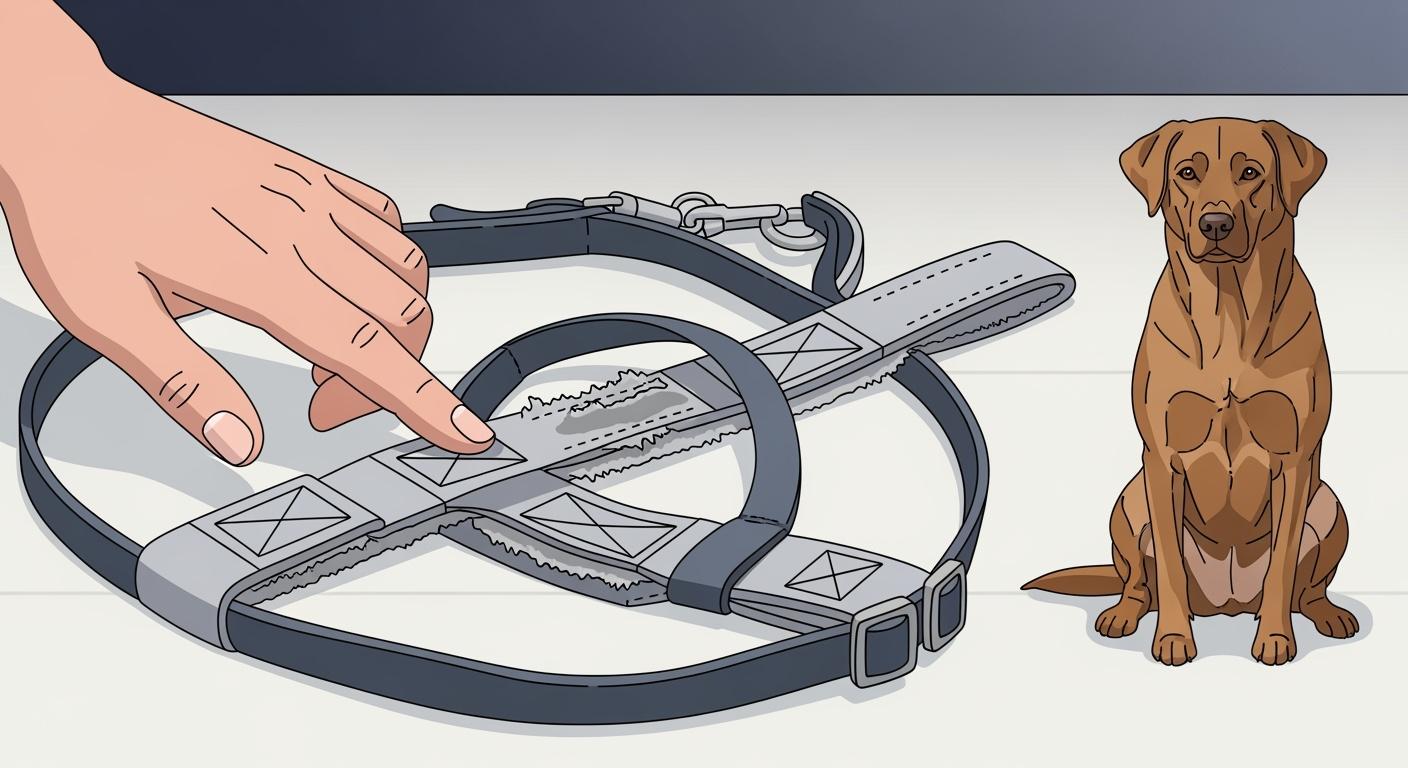
- Look for fraying or loose stitches.
- Replace collars with bent or broken hardware.
- Clean collars after walks, especially if they get wet or muddy.
Activity and environment mismatches
You need to match the collar to your dog’s daily life. If your dog swims or plays in mud, pick waterproof materials like coated webbing or neoprene. Leather collars do not work well with water. For strong pullers, use a wider collar for more support. Always think about where and how your dog spends time.
Tip: Pick a collar style and material that fits your dog’s activities and where they go. This helps stop returns and keeps your dog happy.
Safety Disclaimer: This guide is not medical advice. Always watch your dog’s comfort. Stop using the collar if you see irritation. Ask a vet for help if you need it.
Choosing the right collar style
Flat buckle collars for daily use
Flat buckle collars are good for big dogs. You can use them every day for walks or ID tags. These collars feel comfortable and keep your dog safe. The buckle holds the collar in place. There are many styles and colors to pick from. Flat buckle collars work with most leashes, so you can match them easily.
- Good for daily use and ID tags
- Comfortable for big dogs
- Buckle keeps collar secure
- Many styles for your dog’s look
Tip: Pick a flat buckle collar with strong parts and a width of 1-1.5 in (25-38 mm) for the best support.
Martingale collars for escape prevention
Martingale collars help stop dogs from slipping out. They are best for dogs with narrow heads. These collars get tighter if your dog pulls, but not too tight. You can use them for walks or training. The table below shows how martingale collars compare to other types:
| Feature | Martingale Collar | Y Harness |
|---|---|---|
| Escape Prevention | Great for narrow heads | Best for active dogs |
| Pulling Management | Tightens a little | Changes pulling direction |
| Veterinary Recommendation | Use with care | Good for most breeds |
Note: Always check the fit to keep your dog safe. Use the two-finger rule for comfort.
Slip collars and training tools
Slip collars and limited-slip collars help with training. These collars get a bit tighter when your dog pulls. This gives you more control and helps stop escapes. They are safer than choke chains. You can use them for walks or basic training. Match a slip collar with a strong leash for better control.
- Stops slipping for big dogs
- Tightens gently for control
- Safer than choke chains
- Good for training and walks
Safety Alert: Watch your dog during training. Stop using the collar if you see any irritation.
Extra features for large dog collars
Some large dog collars include extra features such as reflective details, quick-release hardware, or remote training functions. Water resistance varies by construction and materials, so check product specifications for wet and muddy use. If you use any remote training tool, focus on low-stress guidance and consider professional help to avoid causing fear or discomfort.
| Feature | Description |
|---|---|
| Waterproofing | Water resistance varies; check product specs |
| Long Range | Works for training from far away |
| Multiple Training Modes | Tone and vibration options |
| Safety Precautions | Good fit keeps skin safe |
Tip: Choose features that fit your dog’s needs and activities. This helps you find the best collar and leash combo for any time.
Safety Disclaimer: This guide is not medical advice. Always watch your dog’s comfort. Stop using the collar if you see irritation. Ask a vet for help if you need it.
Dog collars material selection
Nylon and polyester for durability
You want a strong collar for your big dog. Nylon and polyester collars are tough at first. Over time, sun and water can make them weak. The stitching near the buckle or D-ring can break. Dogs that chew may ruin these collars fast. You should check the collar often for damage. Nylon and polyester collars are easy to adjust for a good fit. They are good for daily use, but replace them if you see fraying or tears.
- Nylon and polyester are strong but get weak with sun and water.
- Stitching can break at stress spots.
- Chewing dogs can ruin fabric collars fast.
- Adjustable collars help you get the right fit.
Leather for comfort and care
Leather collars feel soft and look nice. You need to care for leather to keep it strong. Use conditioner every few weeks to keep it flexible. Keep leather dry so it does not get ruined. Do not let leather get too hot or cold. Leather collars can be adjusted, but check the fit often. If your dog swims or plays in mud, leather is not the best choice. Pick a collar that fits your dog’s activities and keeps them comfy.
- Use conditioner on leather every few weeks.
- Keep leather dry for best results.
- Do not use leather in very hot or cold places.
- Check and adjust the fit as needed.
Neoprene and coated webbing for water resistance
Dogs that love water need special collars. Neoprene and coated webbing are good for wet places. These collars do not soak up water and dry fast. You can rinse them after muddy walks and let them dry. The table below shows how different materials handle water:
| Material Type | Water Resistance Feature |
|---|---|
| Coated webbing | Resists moisture absorption |
| Reinforced Polyester Webbing | Resists moisture absorption |
Neoprene collars feel soft and do not get heavy when wet. Coated webbing stays bendy and does not smell bad. These collars are easy to adjust and last a long time. They help keep your dog’s collar clean and safe.
Hardware strength and rust prevention
Strong hardware keeps your dog safe. Look for metal buckles and D-rings that do not rust. Stainless steel and coated metals last longer in wet places. Check the hardware for bends or cracks. Replace the collar if you see any damage. Good hardware keeps the collar tight and easy to adjust. These things help stop escapes and keep your dog safe.
Safety Disclaimer: This guide is not medical advice. Always watch your dog’s comfort. Stop using the collar if you see irritation. Ask a vet for help if you need it.
Parameter / Value table
When you look at large dog collars, focus on the most important things. These things help you pick a collar that fits right, lasts long, and keeps your dog safe. You can use this table to see the main points for big-dog collars.
| Parameter | Value |
|---|---|
| Primary sizing input | Neck circumference measurement |
| Large neck band | 16-26 in (41-66 cm) |
| Extra large neck band | 24-30 in (61-76 cm) |
| Secondary hint only | Weight band, not a substitute for measuring |
| Large weight hint | Up to 75 lb (34.0 kg) |
| Extra large weight hint | 75+ lb (34.0+ kg) |
| Width class reference for big-dog walking gear | 1 in (25 mm) to 1.5 in (38 mm) |
| Fit check | Two-finger check at contact points |
| Boundary rule | If between sizes, choose the larger size and adjust down |
You should also think about these important things when picking a collar:
- Material quality is important. Pick full-grain leather or tough nylon for strength.
- Hardware type matters. Choose metals that do not rust, like solid brass or stainless steel.
- Adjustability helps you get a good fit. Find collars with more than one size hole.
- Ergonomics make collars comfy. Curved handles and smooth edges protect your dog’s neck.
- Safety features help your dog stay seen and safe. Reflective stitching and quick-release buckles are good for dark places or emergencies.
- Good craftsmanship makes collars last longer. Lots of stitches mean the collar is strong.
Tip: Always measure your dog’s neck before you buy a collar. Use the two-finger fit check so the collar is not too tight or too loose.
Safety Disclaimer: This guide does not give medical advice. Watch your dog’s comfort. Stop using the collar if you see irritation. Ask a vet for help if you need it.
Decision table for choosing the right collar
Choosing the best option for dogs starts with matching the collar to your dog’s features, daily activities, and your priorities. You want a collar that fits well, feels comfortable, and stands up to your dog’s lifestyle. Use the decision table below to help you select the right style and material for large dog collars.
Matching collar to dog features
You need to look at your dog’s neck size, head shape, and pulling strength. These features help you pick the right collar width and style. Use the size bands below for sizing.
| Dog Feature | Recommended Collar Type | Neck Band (in/cm) | Width (in/mm) | Material Suggestion |
|---|---|---|---|---|
| Thick neck, strong pull | Wide flat buckle or martingale | 24-30 in (61-76 cm) | 1.5 in (38 mm) | Coated webbing, coated webbing |
| Narrow head, escape risk | Martingale | 16-26 in (41-66 cm) | 1 in (25 mm) | Nylon, polyester |
| Sensitive skin | Padded flat buckle | 16-26 in (41-66 cm) | 1 in (25 mm) | Neoprene, leather |
Tip: Always measure your dog’s neck for the right size. Use the two-finger fit check to confirm comfort.
Collar choice by activity and environment
Your dog’s daily routine affects which collar works best. Think about where your dog spends time and what activities they enjoy.
| Activity / Environment | Collar Style | Material | Key Feature |
|---|---|---|---|
| Wet, muddy outings | Flat buckle | Coated webbing, coated webbing | Waterproof, easy cleaning |
| High-traffic walks | Wide flat buckle | Nylon, polyester | More control in high-traffic areas |
| Training, escape prevention | Martingale | Nylon, polyester | Gentle tightening, secure fit |
| Swimming, odor control | Flat buckle | Coated webbing, neoprene | Dries fast, resists odor |
Note: Pick a collar that matches your dog’s main activities. This helps you get the most out of your collar and keeps your dog safe.
Scenario A: Extra large dog, frequent wet/muddy outings
You have an extra large dog with a neck band of 24-30 in (61-76 cm). Your dog loves water and mud. You want easy cleaning and less odor.
- Choose a flat buckle collar with a width of 1.5 in (38 mm).
- Pick biothane or coated webbing for waterproof performance.
- Rinse the collar after each outing and let it dry.
- This setup helps you avoid bad smells and keeps your dog comfortable.
Scenario B: Large dog, strong pull moments
You have a large dog with a neck band of 16-26 in (41-66 cm). Your dog pulls hard during walks. You want safer handling and fewer rubbing complaints.
- Select a wide flat buckle or martingale collar with a width of 1 in (25 mm).
- Use nylon or polyester for strength and adjustability.
- Check the fit with the two-finger rule to prevent rubbing.
- This choice gives you more control in high-traffic areas and helps your dog stay safe.
Preventing returns with accurate sizing
You can prevent returns and keep your dog happy by following these steps:
- Measure your dog’s neck at the collar spot using a soft tape.
- Use these neck size bands: Large (16-26 in (41-66 cm)), Extra large (24-30 in (61-76 cm)).
- If your dog’s neck falls between bands, size up and adjust down for comfort.
- Always perform the two-finger fit check at contact points.
- Test for slip prevention by gently pulling the collar over your dog’s head.
- Recheck sizing monthly for adults, weekly for growing dogs.
Safety Disclaimer: This guide does not give medical advice. Monitor your dog’s comfort. Pause use if irritation appears. Consult a veterinary professional if needed.
Decision Table
| Dog Size & Features | Activity / Environment | Collar Style | Material | Width (in/mm) | Key Benefit |
|---|---|---|---|---|---|
| Extra large, 24-30 in (61-76 cm), loves water | Wet, muddy outings | Flat buckle | Coated webbing, coated webbing | 1.5 in (38 mm) | Waterproof, easy cleaning, less odor |
| Large, 16-26 in (41-66 cm), strong pull | High-traffic walks | Wide flat buckle, martingale | Nylon, polyester | 1 in (25 mm) | More control in high-traffic areas |
| Narrow head, escape risk | Training, escapes | Martingale | Nylon, polyester | 1 in (25 mm) | Secure fit, gentle tightening |
| Sensitive skin | Daily walks | Padded flat buckle | Neoprene, leather | 1 in (25 mm) | Comfort, less rubbing |
Tip: Use this table to match your dog’s features and activities to the best option for dogs. This helps you choose a quality collar that fits well and lasts longer.
Dog collars type comparison
Flat buckle vs martingale collars
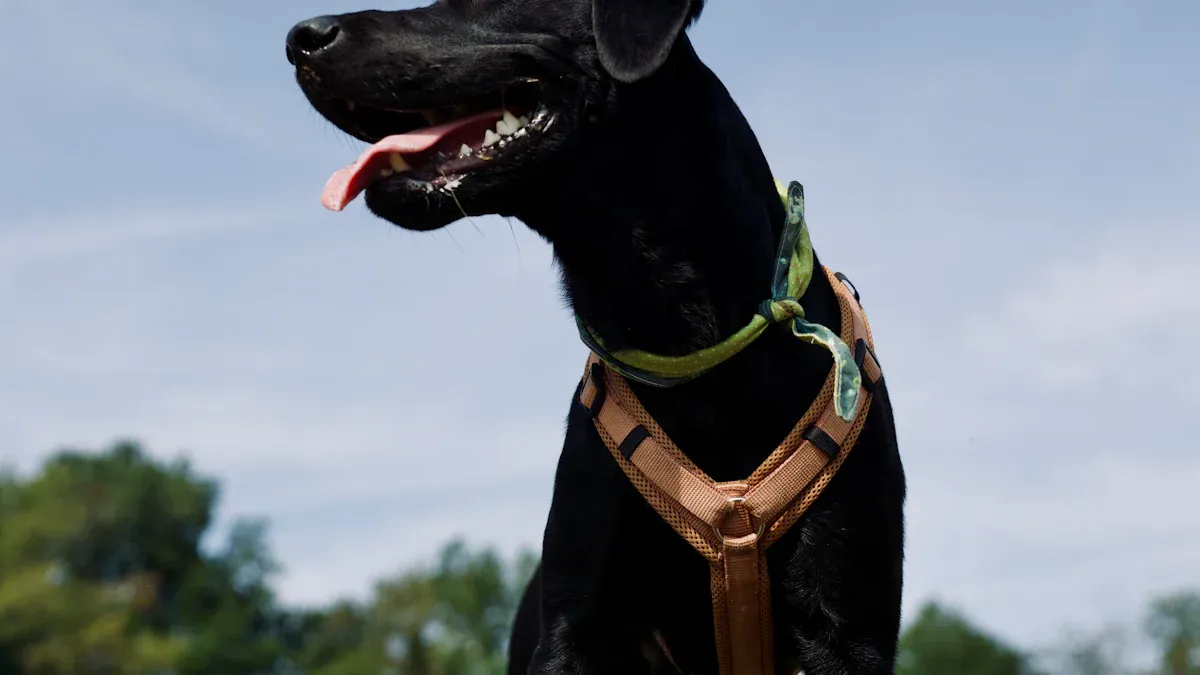
You might want to know how flat buckle and martingale collars are different for big dogs. Each collar type is good for certain needs. Flat buckle collars are best for dogs with wide heads. Martingale collars help stop escapes, especially for dogs with narrow heads.
| Factor | Metal Buckle Collar | Martingale Collar |
|---|---|---|
| Escape Risk | Easier to slip off for narrow heads if not sized right | Very low; tightens a bit to stop escapes |
| Tracheal Pressure | Puts more force on one spot if dog pulls | Spreads pressure out because it only tightens a little |
| Fit Consistency | Stays the same size; can get loose over time | Changes fit as your dog moves |
| Suitable Breeds | Good for dogs with wide heads like Labradors | Good for narrow heads like Greyhounds |
| Daily Wear Comfort | Feels good if it fits right | Feels good but don’t leave it on when alone |
Note: Martingale collars can help reduce escape risk for narrow-headed dogs when fitted correctly. As with any collar, supervise your dog and check fit regularly.
Slip collars vs harnesses
You may wonder how slip collars and harnesses are different for safety and control. Harnesses spread out pressure on your dog’s chest and shoulders. This helps lower neck strain and makes pulling easier to handle. Slip collars give you more control for training, but you must use them with care.
- Harnesses spread pressure on the chest and shoulders. This lowers neck strain and is safer for big dogs.
- They work well for dogs that pull. Harnesses help you manage pulling.
- If a harness does not fit right, your dog might escape. It also may not work well for training, so fit is important.
- Pulling depends on training, attachment point, and fit. Test your setup in a low-distraction area and adjust for comfort and control.
Comfort, cleaning, and safety
You want your dog’s collar to feel good and stay clean. Wide collars, like 1-1.5 in (25-38 mm), spread out pressure and stop rubbing. Materials like neoprene and coated webbing do not soak up water or smell bad. Rinse waterproof collars after muddy walks and let them dry. Always look for fraying or bent parts. Get a new collar if you see damage.
Tip: Always check your dog’s comfort. Stop using the collar if you see irritation. This guide is not medical advice. Ask a vet for help if you need it.
Large dog collars checklist
Sizing and fit steps
You want your dog to be comfy and safe. Start by using a soft tape to measure your dog’s neck. Write down the number in inches and centimeters. Use these neck size bands as a starting point. Large is 16-26 in (41-66 cm). Extra large is 24-30 in (61-76 cm). If your dog’s neck is between sizes, pick the bigger one. Make it smaller if needed. Put the collar on and do the two-finger check. Try to pull the collar over your dog’s head. If it comes off, make it tighter and check again.
Tip: Measuring and checking the fit helps you avoid mistakes and makes the collar work better.
Style and material checks
Pick a collar style that fits your dog’s needs. Wide flat buckle collars are good for daily walks and strong dogs. Martingale collars help stop escapes for dogs with narrow heads. Look at the material for strength and comfort. Nylon and polyester are strong for active dogs. Coated webbing and coated webbing keep water out and are easy to clean. Leather feels nice but needs care.
| Collar Style | Neck Band (in/cm) | Width (in/mm) | Material | Performance Feature |
|---|---|---|---|---|
| Flat buckle | 16-26 / 41-66 | 1 / 25 | Nylon, Coated webbing | Daily use, water resistance |
| Martingale | 24-30 / 61-76 | 1.5 / 38 | Polyester, Leather | Escape prevention, comfort |
Cleaning and maintenance routine
Keep your dog’s collar clean with easy steps:
- Rinse the collar with clean water after wet walks or swims. Pay attention to the buckle, holes, and edges.
- Use mild soap and a soft brush if the collar smells or looks dirty. Rinse well after cleaning.
- Let the collar air dry before putting it away. Do not store it in damp places to stop mildew.
Note: Cleaning often helps the collar last longer and work better.
Regular inspection tips
Check your dog’s collar often for damage. Look for fraying, bent metal, or loose stitches. Check the fit every month for adult dogs. For growing dogs, check every week. Get a new collar if you see damage or if it does not fit right.
Safety Disclaimer: This guide is not medical advice. Watch your dog’s comfort. Stop using the collar if you see irritation. Ask a vet for help if you need it.
You want your dog to be safe and feel good. Getting the right size for large dog collars is important. Measure your dog’s neck and check the fit a lot. Clean the collar after walks so it does not smell or get ruined. Use the checklist and tables to help you choose the best collar. Always look at your dog’s comfort. This guide does not give medical advice. Stop using the collar if your dog gets irritated. Ask a vet for help if you need it.
FAQ
How do I measure my large dog’s neck for a collar?
Use a soft tape measure. Wrap it around your dog’s neck where the collar sits. Record the number in inches and centimeters. Large neck bands fit 16-26 in (41-66 cm). Extra large bands fit 24-30 in (61-76 cm).
What is the two-finger fit check?
Place the collar on your dog. Slide two fingers between the collar and your dog’s neck at contact points. You should feel a snug fit. This check helps prevent rubbing and slipping.
Which collar material works best for wet conditions?
Pick biothane or coated webbing. These materials resist water and dry quickly. They help keep your dog’s collar clean and odor-free after muddy walks or swims.
How often should I check my dog’s collar fit?
Check the collar fit every month for adult dogs. For growing dogs, check weekly. Adjust the collar if you notice changes in neck size or comfort.
What should I do if my dog shows irritation from the collar?
Pause use right away. Monitor your dog’s skin for redness or discomfort. Consult a veterinary professional if irritation appears. This guide does not give medical advice.