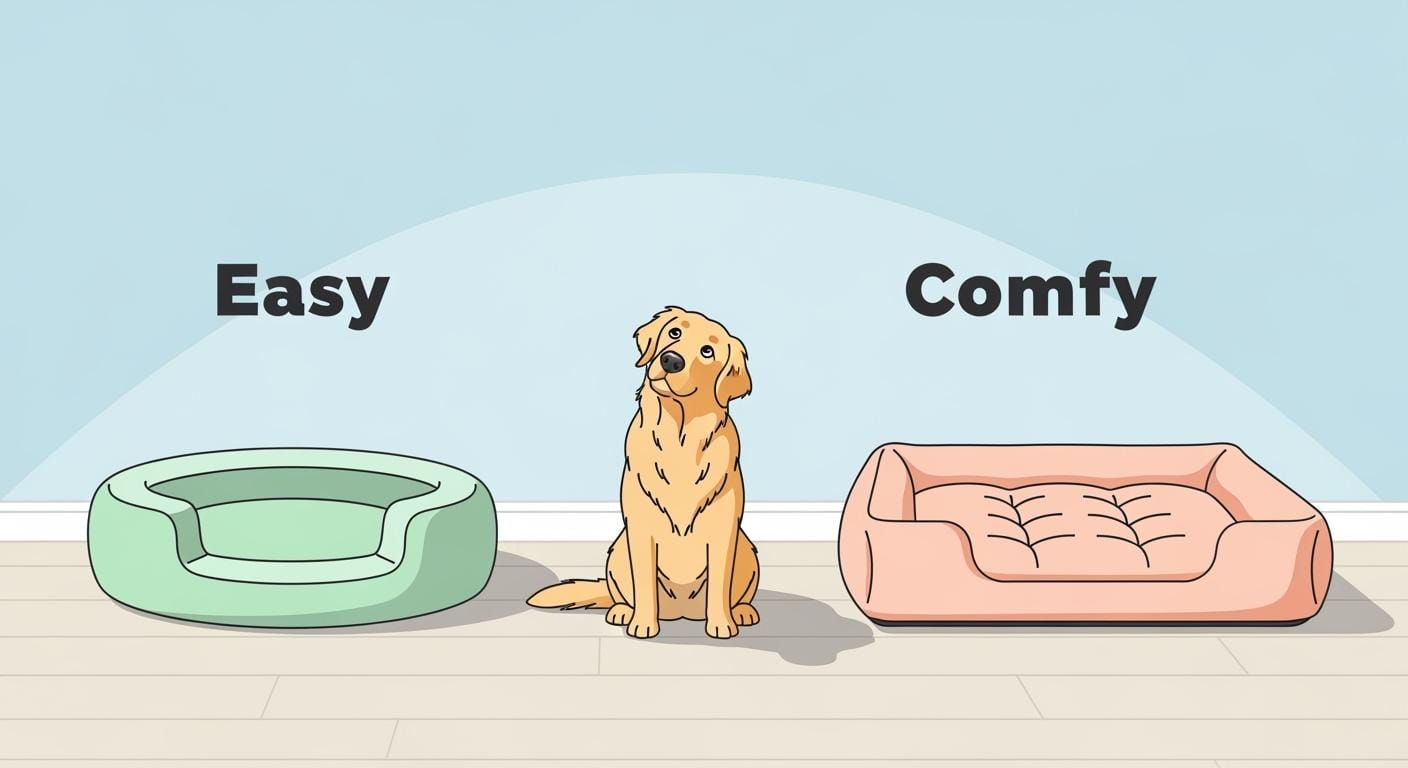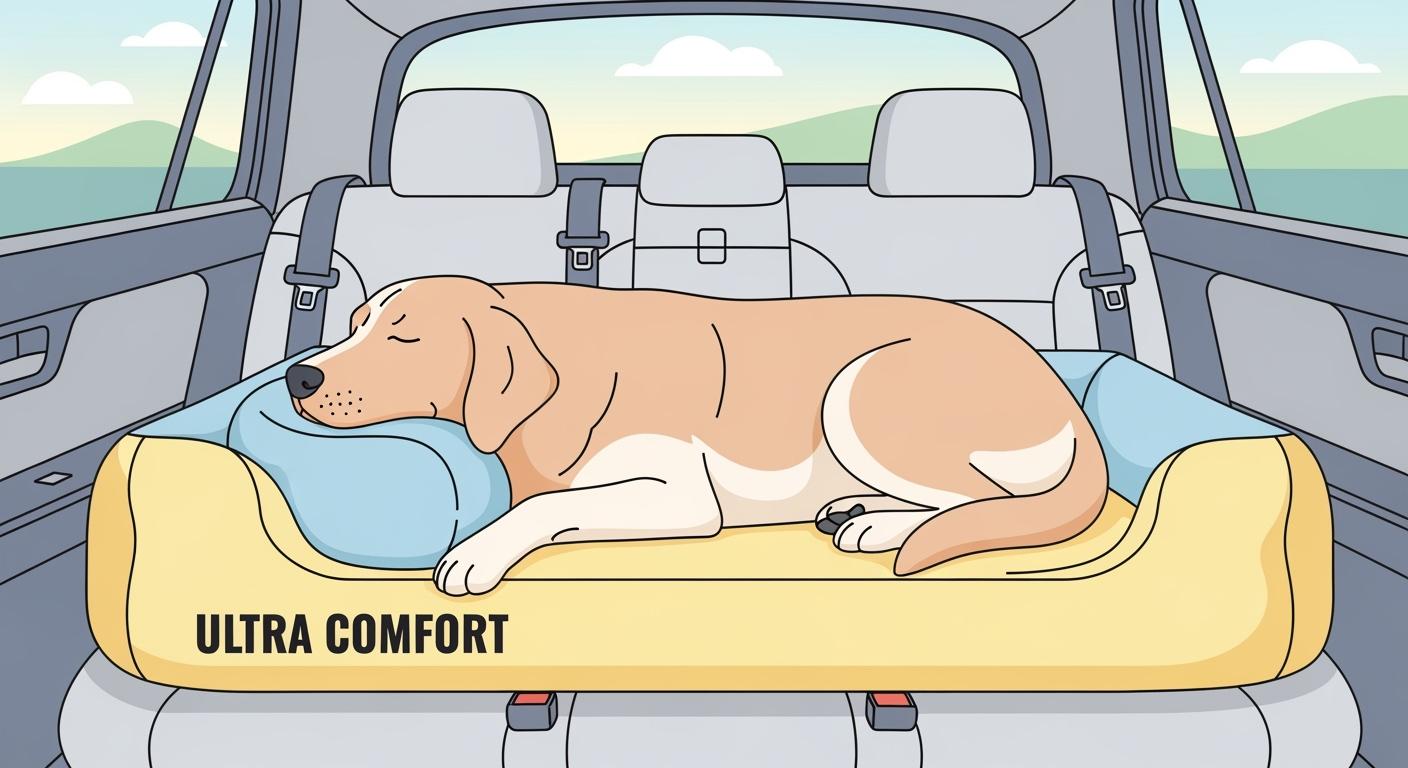
Picking a large dog car bed usually comes down to one quiet question: does your dog need more room to turn around, or more support along the sides to lean into on long drives? A restless dog who circles before settling answers very differently than a senior who slides on every gentle curve. The right bed is the one that matches how your dog actually rides, not the one with the tallest walls or the softest top layer.
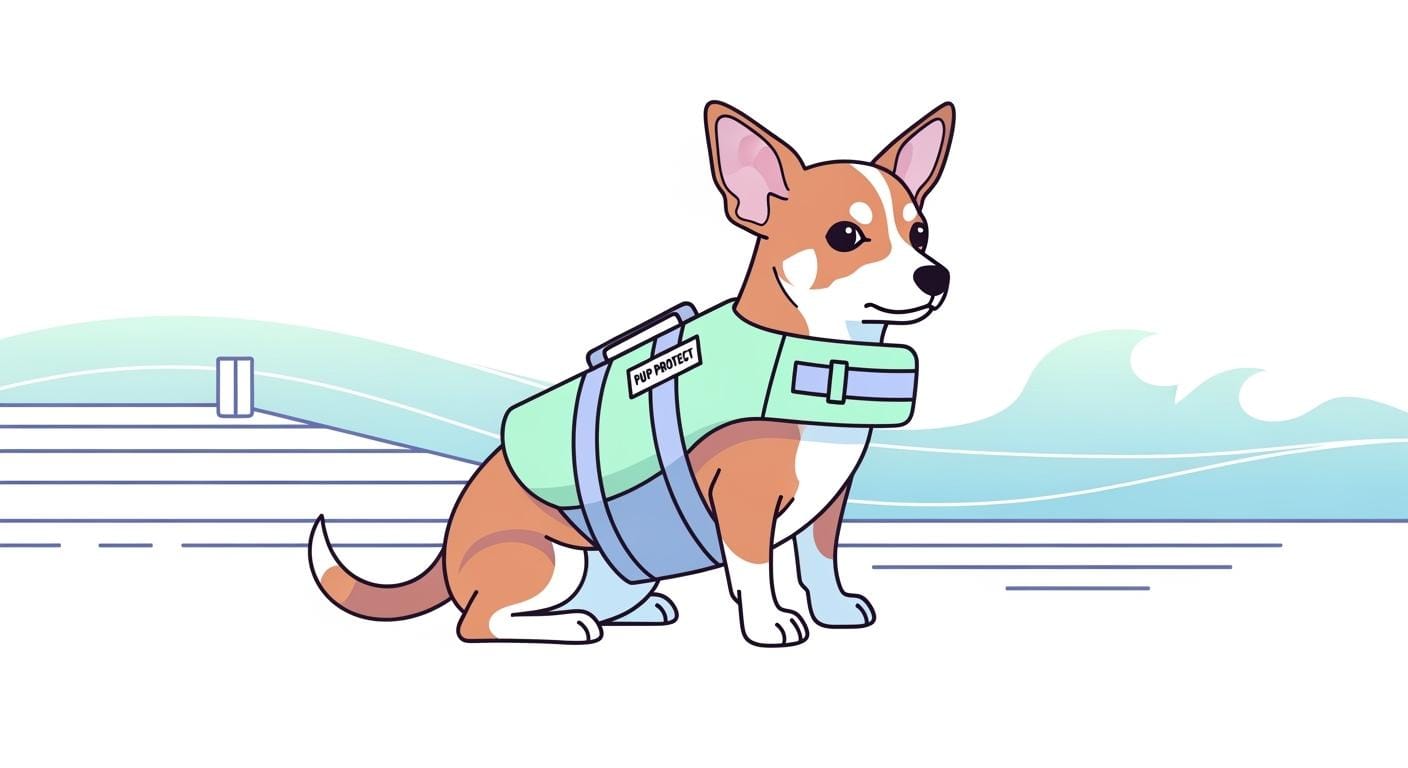
Note: A car bed shapes comfort and stability during the ride. It does not replace a properly fitted, crash-tested restraint system. Treat the bed and the restraint as two separate decisions that have to work together.
Key Takeaways
Match the bed to how your dog rides, not to how plush it looks. Turn space usually matters more for dogs that pace and re-settle, while side support usually matters more for dogs that lean, slide, or curl. For a fuller picture of how a car bed sits inside a broader travel setup, see the pet car travel seat options and pair the bed with a restraint that fits your vehicle.
How to Think About This Choice Before You Compare
Before looking at any specific bed, watch your dog on a normal ride for a few minutes. The way they settle is usually the clearest signal about which feature actually matters for them.
| What Your Dog Does on a Ride | Feature That Usually Fits | Why It Helps |
|---|---|---|
| Circles, re-settles, sprawls flat | More turn space, flatter base | A flat surface lets large breeds stretch without hitting walls |
| Leans into the door, slides on curves | Stronger side support | Raised edges give something to brace against |
| Curls tightly, prefers a den feel | Bolstered shape | Walls reduce visual stimulation and feel enclosing |
| Older, joint-sensitive, settles slowly | Flat orthopedic base | Even weight spread is usually kinder to joints than a rim |
For most large dogs, the deciding factor is usable space, not how the bed looks empty. A bed with thick bolsters can advertise generous outer dimensions and still leave a stretched-out Lab hanging off the edge.
Turn Space: What It Actually Buys You
Turn space matters because large breeds rarely lie down on the first try. They circle, reposition, and stretch before settling. A flat, generous surface lets that whole sequence happen inside the bed instead of half-on, half-off the seat.
| Signal During the Ride | What It Usually Means |
|---|---|
| Repeated yawning while standing | Mild stress, often from feeling crowded |
| Pacing or shifting after every turn | The footing or surface area is too tight |
| Lying with head or hips off the edge | Usable space is smaller than the dog’s resting footprint |
For large breeds that sprawl, flatter usually wins. The bed should let the dog turn fully without bumping a wall and lie flat without tucking limbs to fit.
Side Support: What It Actually Buys You
Side support matters because cars move in ways a living room never does. Curves, braking, and lane changes push a dog sideways, and a raised rim gives them something to brace against instead of sliding into a door.
The honest tradeoff is that every inch of bolster is an inch the dog can no longer lie across. Side support is most useful for dogs that actively lean, curl, or feel calmer with walls around them. It is least useful for dogs that sprawl flat and treat any wall as a wasted edge.
Tip: Side support helps with comfort and a sense of containment, not crash protection. Even the deepest bolster is no substitute for a crash-tested harness or carrier anchored to the vehicle.
Usable Space vs. Padding
Plush padding feels reassuring in the store and quietly steals usable area in the car. A bed can look generous from the outside and still crowd a large dog once the bolsters take their cut. The number that matters is the inside flat area, not the outside footprint.
| Material or Feature | Why It Matters |
|---|---|
| High-density foam base | Holds shape under weight so the dog does not bottom out |
| Non-slip backing | Keeps the bed from drifting on smooth seats |
| Removable washable cover | Keeps long trips manageable when mess happens |
| Even orthopedic support | Spreads weight for senior or joint-sensitive dogs |
For senior dogs and dogs with joint sensitivity, an even, supportive base usually matters more than tall walls. An orthopedic, washable, waterproof setup built for daily home use often translates well into the car when the dimensions fit the seat.
Side-by-Side: Flat, Bolstered, and Level-Surface Beds
Use this comparison as a starting point for matching your dog’s habits, not as a verdict on which style is best in general.
| Feature | Flat Mattress | Bolstered Bed | Level-Surface Bed | What to Watch |
|---|---|---|---|---|
| Turn Space | Most generous | Reduced by bolsters | Generous, slightly framed | Inside flat area is what counts |
| Side Support | Minimal | Strongest sense of containment | Light edge framing | Bolster height eats usable space |
| Joint Comfort | Strong if base is firm | Depends on base under bolsters | Strong with even base | Soft top over weak base bottoms out |
| Stability on Curves | Good with non-slip base | Dog braces against rim | Good with non-slip base | Drift increases on smooth seats |
| Best Use Case | Sprawlers, large seniors | Curlers, anxious riders | Most large dogs, mixed habits | A wrong fit looks like constant resettling |
| Main Limitation | Less containment | Crowds large dogs at the edges | Less wall feel for curlers | No style replaces a restraint |
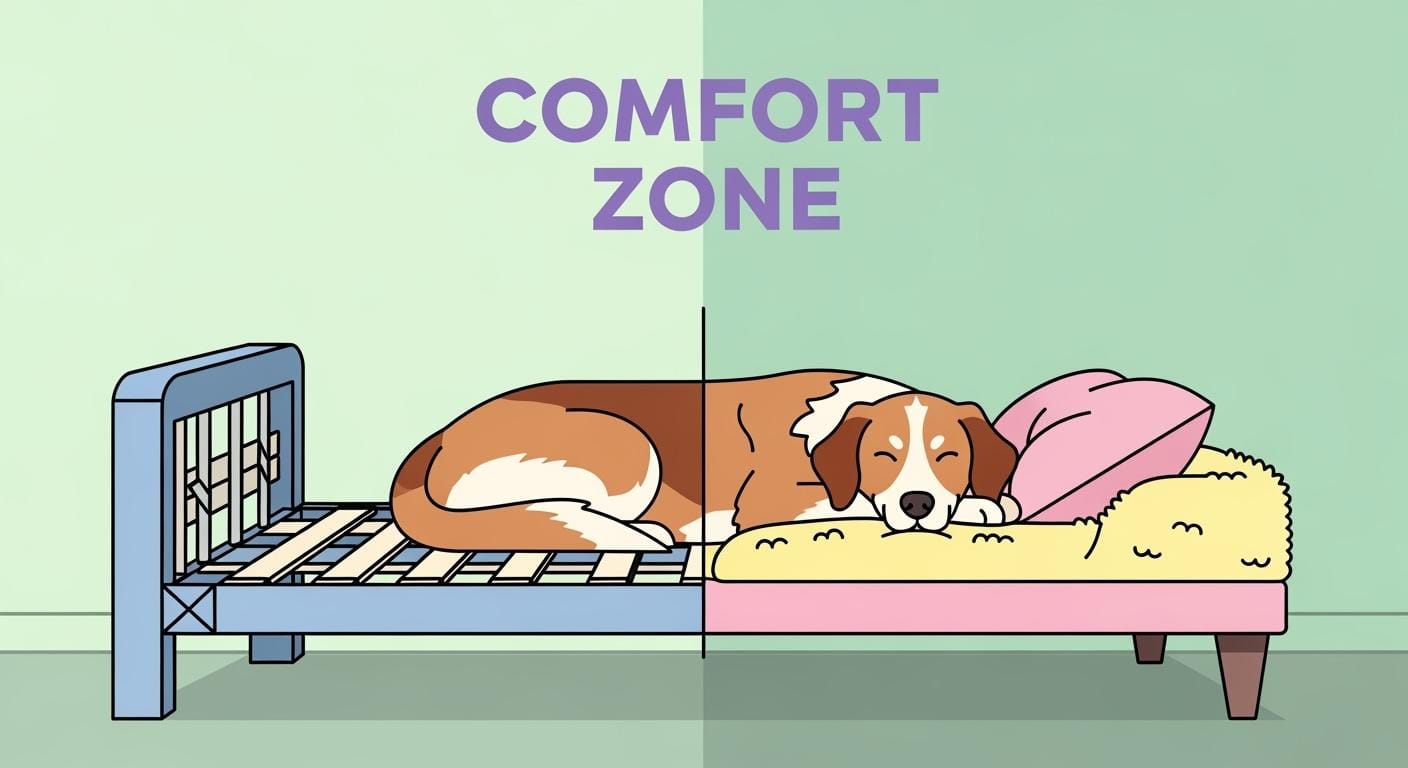
For most large dogs that mostly stretch out, a flat or level-surface bed usually fits better. For dogs that lean, curl, or seem calmer in enclosed spaces, a bolstered bed usually fits better. The best test is your own dog’s posture after the first few minutes of a ride.
Matching the Bed to Dog and Vehicle
| Situation | Style That Usually Fits | Why It Helps |
|---|---|---|
| Large sprawler in a roomy backseat | Flat or level-surface bed | Maximum usable area, easy restraint access |
| Anxious curler on long highway drives | Bolstered bed | Walls give a sense of containment |
| Senior dog with joint sensitivity | Flat orthopedic base | Even support is usually kinder than a rim |
| Footwell-to-seat gap on the rear bench | Level-surface bed with rigid base | Reduces footwell drop and sliding |
Vehicle shape matters as much as dog shape. A bed that fits a flat SUV cargo area can sag on a sloped sedan bench, and a bed that hugs a sedan bench can leave dead space in a wagon. Measure the seat before measuring the dog.
Common Mistakes That Make a Good Bed Feel Wrong
- Choosing by outside dimensions and ignoring how much of that space is actual flat area.
- Picking a tall-bolster bed for a sprawler and watching them lie half off the edge.
- Putting the bed in without checking that the seat-belt buckle for the harness is still reachable.
- Skipping a parked-car fit check and discovering footwell sag on the first highway exit.
- Treating side walls as a substitute for a crash-tested restraint.
Tip: The most common mistake is buying for how cozy the bed looks empty. The only fit that matters is how your dog lies in it after the second or third ride, once the novelty has worn off.
Pass / Fail Fit Check
| Check | Pass Signal | Fail Signal | Improvement Plan |
|---|---|---|---|
| Dog can turn and lie flat inside the bed | Settles within a minute or two | Hangs off the edge or keeps shifting | Try a flatter design or larger inside area |
| Bed stays put when nudged | Holds position with firm push | Slides on the seat fabric | Add non-slip layer or anchor straps |
| Restraint buckle is reachable | Easy to clip in and out | Bolster blocks the buckle | Reposition or move to a slimmer style |
| No footwell drop at the front edge | Front edge stays level | Bed sags into the footwell | Use a rigid base or fill the gap |
| Dog re-settles calmly after a curve | Settles back without standing | Stands and circles after each curve | Reassess turn space and side support balance |
Troubleshooting Comfort and Stability
| Symptom | Likely Cause | Fast Check | Fix |
|---|---|---|---|
| Whining or restless shifting | Bed too tight or unstable | Watch how the dog tries to settle | Increase usable area or stabilize the base |
| Sliding on curves | Bed drifting on smooth fabric | Push the bed sideways with your hand | Add non-slip backing or anchors |
| Refuses to step onto the bed | Anxiety or poor first impression | Offer a familiar blanket or treat | Short, low-stress practice rides first |
| Drooling or messes on short trips | Likely motion sensitivity | Note when symptoms start | Use a washable cover, ask a vet if it persists |
Record Before You Decide
Record for 5 rides before choosing turn space or side support: how the dog settles in the first minute, posture during curves, and whether they end the ride on or off the bed.
FAQ
How do you know a large dog car bed is too small?
If the dog cannot turn fully and lie flat without parts of their body hanging off the edge, the usable area is too small.
Is a flat or bolstered bed better for long drives?
A flat bed usually fits sprawlers and seniors better, while a bolstered bed usually suits curlers and dogs that feel calmer with walls.
Can a car bed replace a harness or crate?
No, a car bed shapes comfort and stability but does not provide crash protection on its own.
How can a nervous large dog be helped to settle?
Short, low-stress practice rides with a familiar blanket usually help more than any single bed feature.
Note: This FAQ is about car bed fit and travel comfort. It does not replace veterinary advice when motion sickness, anxiety, or pain shows up on every ride.
Bringing It Together
For most large dogs, turn space matters slightly more than side support, because pacing and re-settling are the most common signs of a poor fit. For dogs that lean, curl, or feel calmer in enclosed spaces, side support earns its place. Whichever style you pick, the bed is one half of the decision and the restraint is the other.
| Dog Type | Recommended Setup | Key Consideration |
|---|---|---|
| Large sprawler | Flat or level-surface bed plus harness | Maximize inside flat area |
| Anxious curler | Bolstered bed plus harness | Confirm the dog still fits inside the rim |
| Senior or joint-sensitive dog | Flat orthopedic base plus harness | Even support over tall walls |
For a wider view of which materials and shapes hold up to daily use and clean quickly between trips, the indestructible dog bed guide covers the durability and cleanup side of the same decision.
Disclaimer: A car bed supports comfort and stability, not crash safety. Always pair the bed with a properly fitted, crash-tested restraint, and consult a veterinarian if your dog shows ongoing signs of pain, anxiety, or motion sickness during travel.