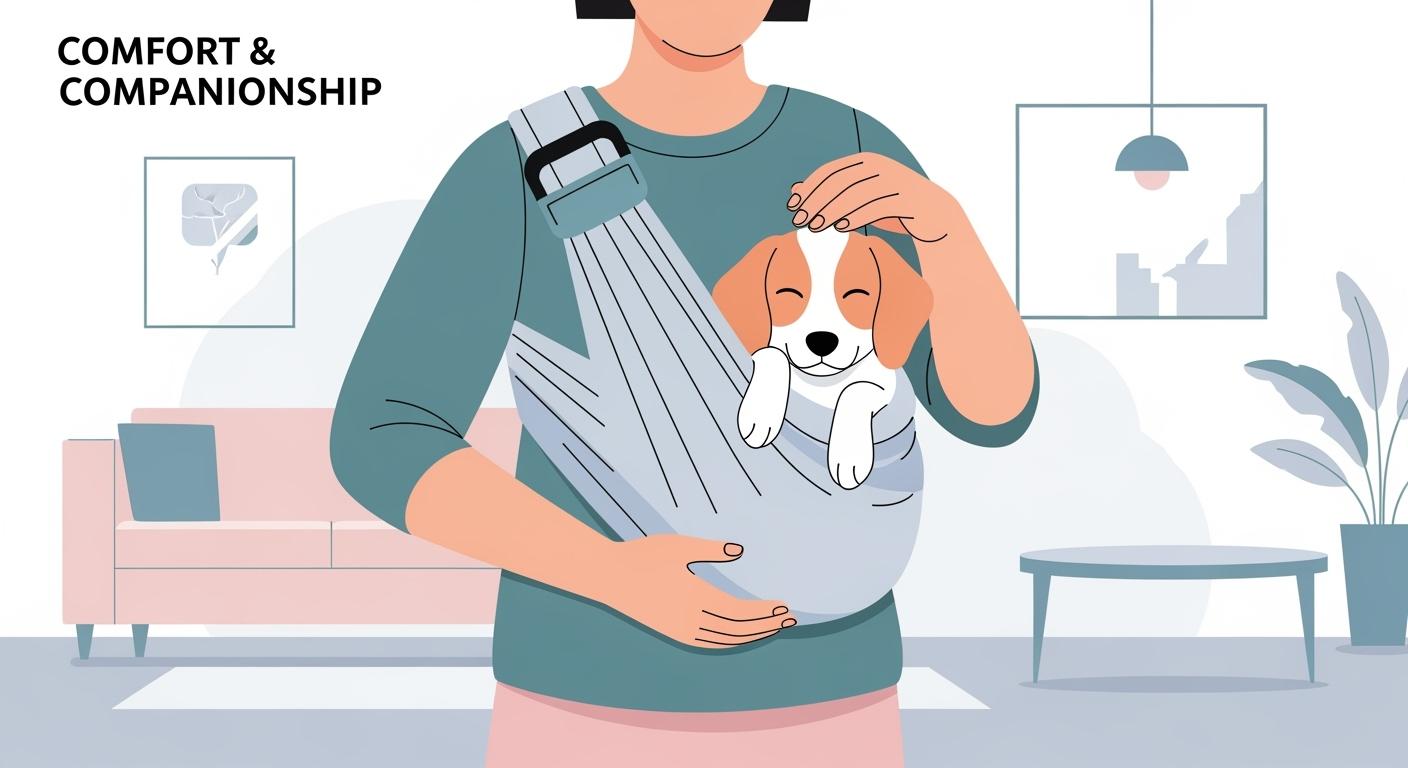
A dog sling can work well for short, calm outings when it fits correctly and supports your dog’s body from chest to hips. Most problems come from guessing size, using a collar instead of a harness, or missing early heat and stress signs. Use the measurement steps, fit checks, and a short test carry to improve comfort and reduce escapes and returns.
Key Takeaways
- Always measure your dog’s chest girth and back length before choosing a sling. This ensures a proper fit and keeps your dog safe.
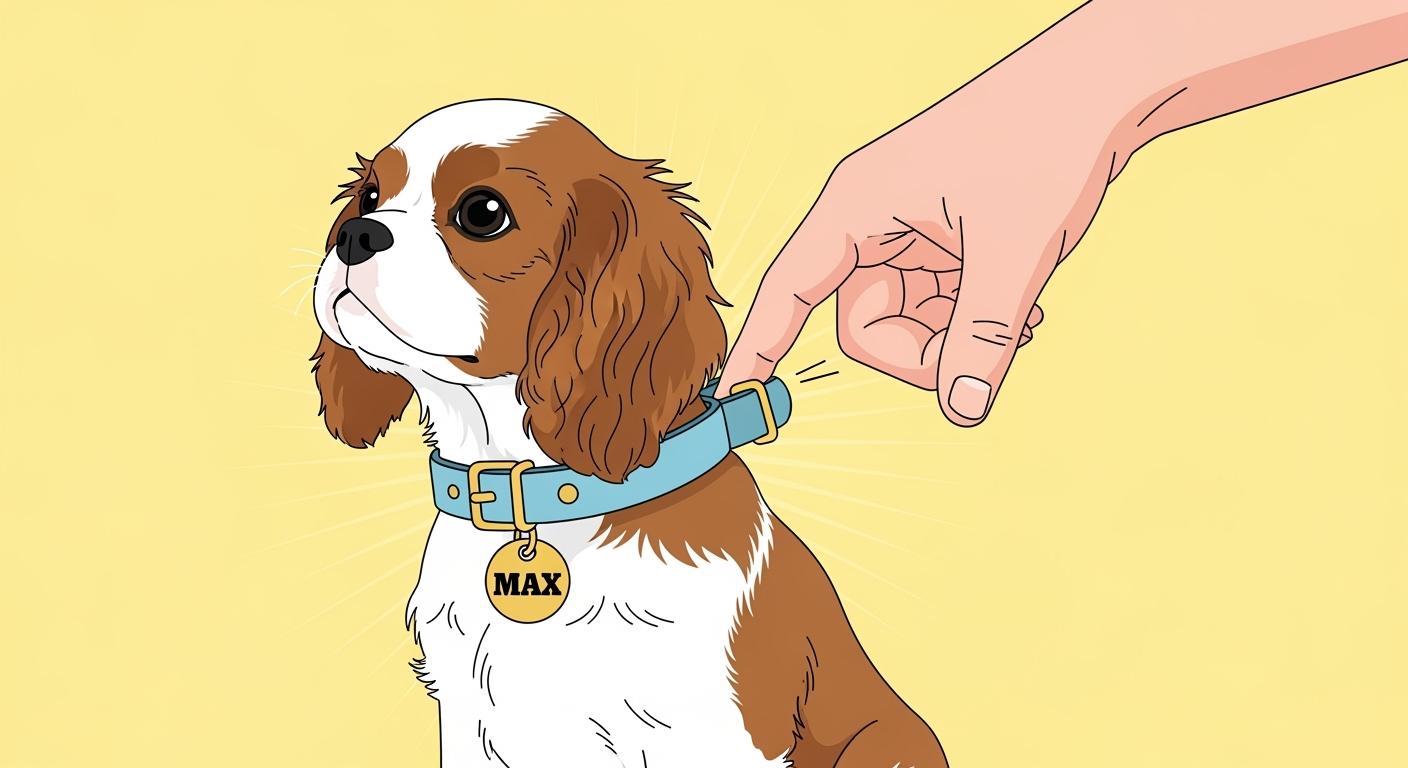
- Use a harness instead of a collar when using a sling. This provides better support and reduces the risk of escape.
- Check for signs of stress or overheating during use. If your dog pants heavily or drools, stop and let them cool down.
- Choose a sling that supports your dog from chest to hips. This helps maintain comfort and prevents pressure points.
- Perform a short test carry of 5-10 minutes before longer trips. This helps you assess the fit and your dog’s comfort.
Dog sling uses and alternatives
Sling vs. structured carrier
You might wonder when to use a dog sling versus a structured carrier. Slings tend to work best for short trips with calm small dogs, when you can keep the carry time brief and monitor comfort. For longer trips, crowded environments, or dogs that wiggle and push, a structured carrier usually provides steadier support and more secure closures.
Here is a table to help you compare:
| Feature | Dog Sling | Dog Carrier |
|---|---|---|
| Primary Use | Short, low-stress outings | Extended travel, active environments |
| Suitable For | Quick errands, calm dogs | Longer trips, larger or active dogs |
| Weight Limit | Under 12 lb (5.4 kg) | Larger dogs |
| Safety | Minimal crash protection | Padded, secure, better protection |
| Ideal Environment | Calm, quiet settings | Busy, unpredictable places |
Dogs not suited for slings
Some dogs do not fit well in a dog sling. Dogs over 12 pounds need other travel gear. Dogs with health problems or anxiety may need more support. Dogs that move a lot do better with structured carriers or backpacks. These choices spread out the weight. They help lower the chance of injury. Dogs with posture problems or stress during travel may like a dog travel mat or a safe carrier.
When to choose other carriers
Pick a structured carrier or backpack if:
- Your dog has health problems or feels anxious.
- You plan a long trip or want extra comfort.
- You want better airflow and safety.
- You need dog harnesses for more protection.
- You want to help your dog’s back and posture.
Structured carriers and backpacks give more support for your dog. They work well with dog harnesses and travel mats. These travel items make trips safer and more comfortable for your dog.
Measuring and fitting your dog sling
Getting the proper fit for your adjustable dog sling keeps your dog safe and comfortable. You need to measure your dog and check the fit before every trip. Many people make mistakes by guessing the size or using only weight. You can avoid these problems by following a step-by-step guide and using a checklist.
Key measurements for fit
You need three main measurements for a proper fit. Use a soft tape measure for each step.
Step 1: Measure chest girth
- Wrap the tape around the widest part of your dog’s chest, just behind the front legs.
- Write down the number in inches and centimeters.
Step 2: Measure back length
- Place one end of the tape at the base of your dog’s neck.
- Stretch the tape to the base of the tail.
- Record the length in both inches and centimeters.
Step 3: Check recent weight
- Use a scale to find your dog’s current weight.
- Match this number to the sling’s weight label.
Tip: Always use the two-finger rule when adjusting the harness. You should fit two fingers between the strap and your dog’s body. This helps prevent chafing and lets your dog move easily.
Weight and sizing labels
You must check the weight and sizing labels on every adjustable dog sling. Most brands show a maximum weight, such as 8.8 lb (4.0 kg). Some show chest girth and back length ranges. Never choose a sling by weight alone. Dogs with the same weight can have very different shapes.
Here is a table showing a common mistake and how to fix it:
| Mistake | Consequence | Solution |
|---|---|---|
| Using weight instead of measurements | Poor fit due to breed variation (e.g., a slim 50lb Greyhound vs. stocky 50lb Bulldog) | Always measure girth and neck-size charts are based on dimensions, not pounds |
Checklist for sizing:
- Check the maximum weight label.
- Compare your dog’s chest girth and back length to the sling’s size chart.
- Look for adjustable straps and openings.
- Make sure the sling supports your dog from chest to hips.
Buffer and support rules
You need to add a buffer for posture comfort. This means you add 2-4 inches (5-10 cm) to your dog’s back length when you compare it to the sling’s usable space. This extra room lets your dog move and rest in a natural way. The adjustable dog sling should support your dog’s body from the chest through the hips, not just the belly.
Support rule: The sling must support your dog’s chest, belly, and hips. This reduces sagging and pressure points. Head and neck rule: The opening should let your dog hold its head in a natural position. Avoid pressure on the throat.
Parameter and Value Table for Measurement and Fit Guidance
| Parameter | Target range or option | Why it matters |
|---|---|---|
| Chest girth | widest part behind front legs | Core sizing input for sling fit |
| Back length cue | base of neck to base of tail | Helps estimate usable space needs |
| Dog weight baseline | recent weight used for labels | Prevents guess sizing |
| Buffer rule | add 2-4 in (5-10 cm) | Reduces cramped posture |
| Support rule | support chest through hips | Reduces sagging and pressure points |
| Head and neck rule | avoid throat pressure | Helps maintain natural posture |
| Short test carry | 5-10 minutes | Quick check before longer use |
| Re-check rhythm | every 10-15 minutes | Helps catch discomfort early |
| Tether setup | tether to harness point | Helps reduce escape risk |
| StridePaw example size | 13.8 in x 10.2 in x 5.9 in (35.1 cm x 25.9 cm x 15.0 cm) | Concrete example for listings |
| StridePaw capacity label | up to 8.8 lb (4.0 kg) | Concrete example for listings |
| Ventilation | mesh panels and zip openings | Comfort cue during short carry time |
| Base support | reinforced padded base | Helps reduce slumping and instability |
| Care | wipe clean, air dry | Improves long-term usability |
Seller tip: Use this guide to help buyers measure chest girth and back length before ordering. Clear measurement steps reduce sizing returns.
Dog sling design and safety
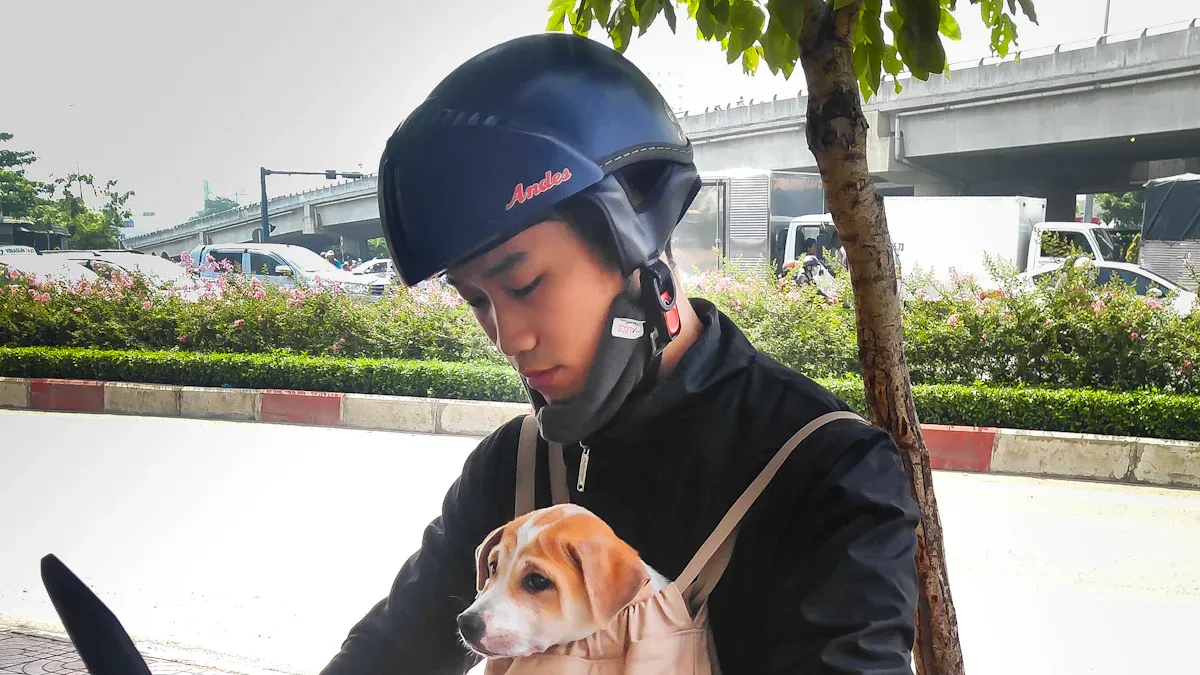
You want your dog sling to keep your dog safe and comfy. Good design helps you control your dog and keeps them secure. Check the sling before every trip to avoid mistakes. Use the checklist and tips below to make things better.
Body support and base
A good dog sling supports your dog’s body from chest to hips and sits close to your body to reduce swinging. Look for a deeper pocket, a base that resists sagging, and a position that keeps the head opening clear of the throat.
Tip: Always check if the base is padded and steady. This helps your dog feel safe and stops slumping.
Openings and ventilation
Openings and air flow are important for your dog’s comfort and safety. Mesh panels and zip openings let air move and help keep your dog cool. Dogs need to see around them and feel safe. Carriers that block their view or stop movement can make dogs nervous.
Tip: Your dog should have stable footing and a clear view. If your dog paws at seams, pants heavily, or tries to twist out, stop and adjust before continuing.
Ventilation can change how quickly your dog warms up. Choose mesh panels and adjustable openings, and keep sessions short in warm weather.
| Feature | Dog Backpack | Dog Sling |
|---|---|---|
| Ventilation | High (mesh panels) | Low to moderate |
Note: Always look for signs of overheating. If your dog pants a lot or drools, stop and let them rest.
Closures and anchor points
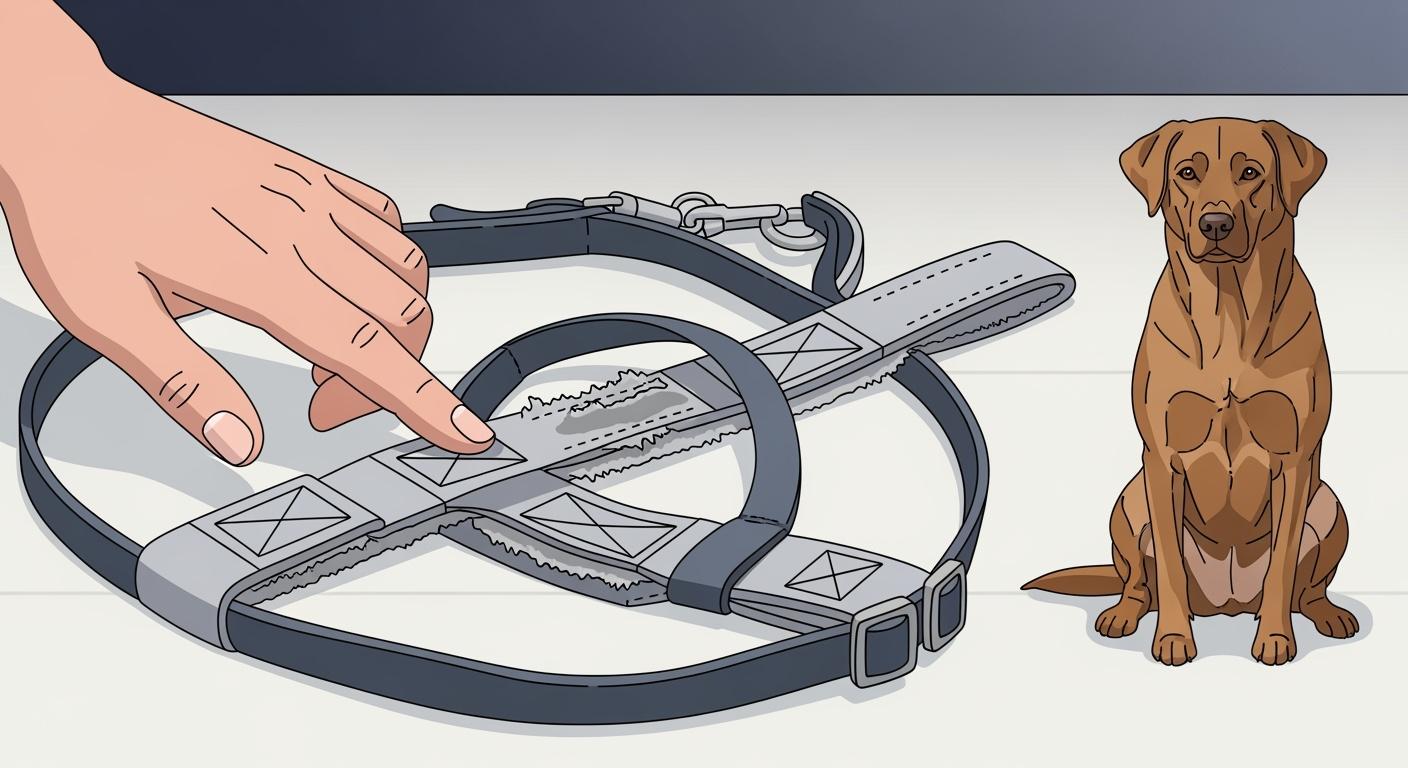
Closures and anchor points are very important for safety. You need closures that do not open by accident and keep your dog inside. Tether setup helps you stay in control. Attach the tether to a harness, not a collar. This lowers the chance your dog will escape and keeps them safer.
| Feature | Dog Carrier with Harness Clip | Regular Dog Carrier |
|---|---|---|
| Escape Prevention | High – tethered to harness | Moderate |
| Stress Reduction | Higher – dog feels stable | Lower |
You can keep your dog safe by using harnesses with a strong tether. Always check the closures before every trip.
Safety checklist
Use this checklist to keep your dog safe and comfy every time you use your sling:
| Design Feature | Safety and Comfort Cue | Action Step |
|---|---|---|
| Body support/base | Supports chest through hips | Check for deep, padded base |
| Openings/ventilation | Mesh panels, zip openings | Test airflow and visibility |
| Closures | Secure, resists self-opening | Fasten and test before walking |
| Anchor/tether | Tether to harness point | Attach to dog harnesses |
| Adjustable straps | Fits snug, allows movement | Adjust for two-finger space |
| Sightlines | Dog can see surroundings | Position sling for clear view |
| Escape check | No pawing or pushing at seams | Observe during short test carry |
Quick test: Carry your dog for 5-10 minutes. Check again every 10-15 minutes. Stop early if you see heavy panting, drooling, or weakness.
StridePaw small dog sling example
The StridePaw Small Dog Carrier Sling shows how features help keep your dog safe and comfy. The outside uses 420D nylon that keeps water out. The inside is 210D polyester, which is easy to clean. Mesh panels and zip openings let air in. The base has extra padding and a strong frame for comfort and balance. Inside, there is a 0.2 in (5 mm) sponge layer. Two side pockets hold treats or waste bags. The inside tether clips to a harness for better control. You can wipe the sling clean and let it air dry.
| Parameter | Target range or option | Why it matters |
|---|---|---|
| Chest girth | widest part behind front legs | Core sizing input for sling fit |
| Back length cue | base of neck to base of tail | Helps estimate usable space needs |
| Dog weight baseline | recent weight used for labels | Prevents guess sizing |
| Buffer rule | add 2-4 in (5-10 cm) | Reduces cramped posture |
| Support rule | support chest through hips | Reduces sagging and pressure points |
| Head and neck rule | avoid throat pressure | Helps maintain natural posture |
| Short test carry | 5-10 minutes | Quick check before longer use |
| Re-check rhythm | every 10-15 minutes | Helps catch discomfort early |
| Tether setup | tether to harness point | Helps reduce escape risk |
| StridePaw example size | 13.8 in x 10.2 in x 5.9 in (35.1 cm x 25.9 cm x 15.0 cm) | Concrete example for listings |
| StridePaw capacity label | up to 8.8 lb (4.0 kg) | Concrete example for listings |
| Ventilation | mesh panels and zip openings | Comfort cue during short carry time |
| Base support | reinforced padded base | Helps reduce slumping and instability |
| Care | wipe clean, air dry | Improves long-term usability |
Safety disclaimer: Dog slings are for short trips and calm dogs. If your dog looks stressed, too hot, or tries to get out, stop using the sling and talk to a vet or trainer. Always use harnesses for better control and safety.
Comfort and safety tests
Posture and pressure points
You want your dog to feel secure in the dog sling. Start by checking how your dog sits. Make sure the sling supports the chest, belly, and hips. The head and neck should rest in a natural position. Avoid pressure on the throat. Use your hands to feel for any tight spots or lumps under the sling. If you notice your dog shifting or pawing, adjust the sling. Use a harness for better support.
Step-by-step posture check:
- Place your dog in the sling.
- Check that the body rests from chest through hips.
- Make sure the head sits above the opening without pressure.
- Feel for any hard seams or tight areas.
- Adjust straps for a snug but gentle fit.
Tip: Add 2-4 in (5-10 cm) of buffer space beyond your dog’s back length for comfort.
Overheating and stress signs
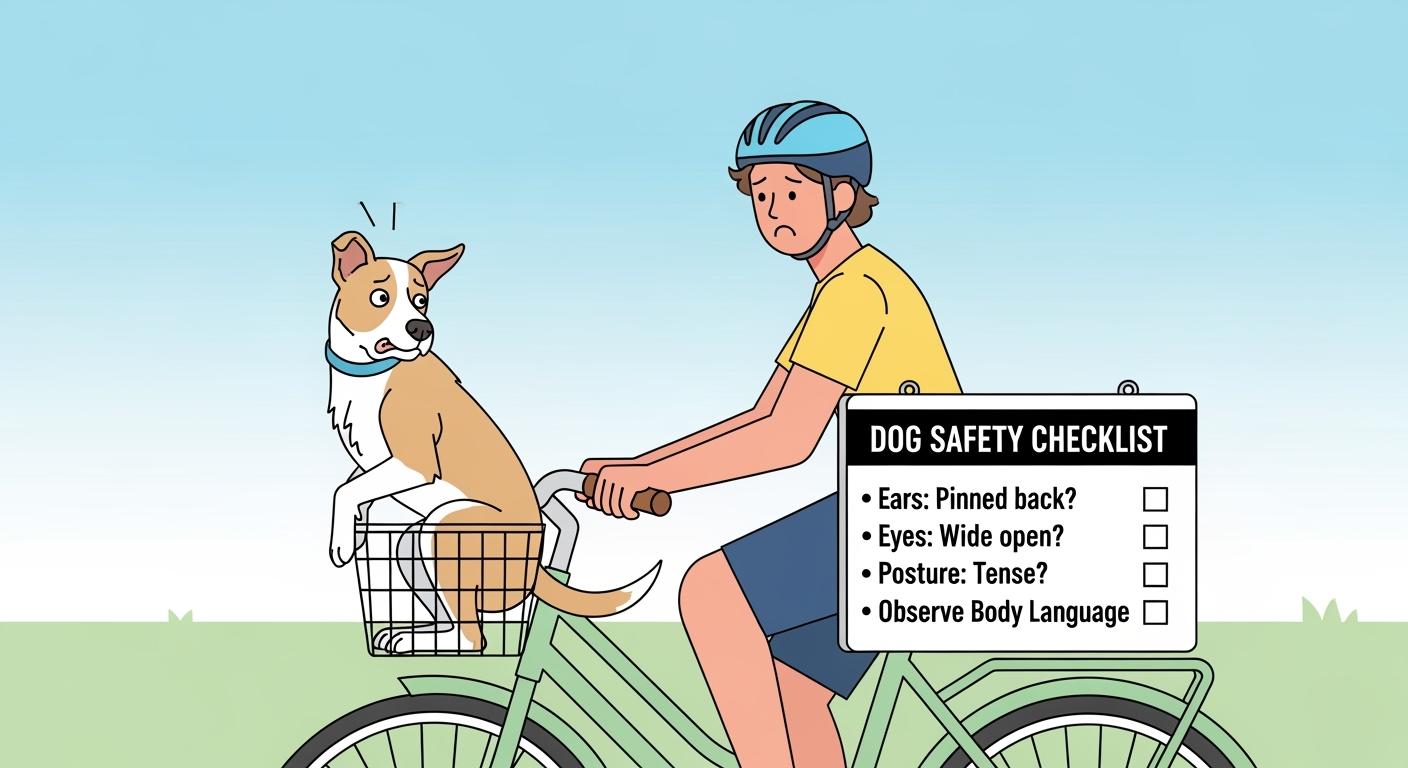
Watch for early stress or overheating signs during use. Dogs can warm up quickly in a sling. Look for these signs:
- Breathing difficulties
- Increased heart rate
- General lethargy
If you see heavy panting, drooling, or weakness, stop the test carry. Let your dog rest and cool down. Always check your dog’s health before and after each trip.
Slip and escape check
Safety matters every time you use a sling. You need to prevent escapes and slips. Use these methods to check for risks:
| Method | Description |
|---|---|
| Fit Check | Make sure the harness fits snugly and does not shift toward the ears during movement. |
| Slip Test | Apply gentle backward pressure to see if the harness moves toward the ears, which means it may be too loose. |
| Walk Test | Watch your dog while walking to spot any slipping or discomfort that may not show when standing still. |
Always attach the tether to a harness point, not a collar. Dog harnesses help keep your dog safe and lower escape risks.
Common causes and actions table
Check this table for common health and safety problems and what you can do:
| Cause | Result | Action Step |
|---|---|---|
| Sling too tight | Pressure points, discomfort | Loosen straps, add buffer space |
| Poor ventilation | Overheating, stress | Use mesh panels, stop early |
| Loose harness | Escape risk | Adjust fit, use harness tether |
| Long carry time | Fatigue, health issues | Limit to short test carry |
| Wrong size sling | Poor support, posture issues | Measure again, check sizing |
Adjustable dog sling style and care
Fabric and strap comfort
You want your dog sling to feel good for both you and your pet. The right fabric and strap design help you avoid rubbing and shoulder pain. Look for smooth linings that reduce friction and wide padded straps that spread weight. Breathable mesh panels help keep your dog cool during short trips. You can check the comfort and durability ratings in the table below.
| Check | What to look for | Why it matters |
|---|---|---|
| Strap width | Wide, padded strap with stable stitching | Reduces shoulder pressure and sling swing |
| Inner lining | Smooth fabric that resists snagging | Helps reduce rubbing on fur and skin |
| Base support | Padded base that does not sag | Helps maintain posture and comfort |
| Ventilation | Mesh zones and adjustable openings | Supports airflow during short carries |
| Closures | Secure buckles or zippers that resist self-opening | Helps prevent escapes in crowded areas |
Tip: Always test the sling with your dog harnesses before a longer walk. Adjust the straps so they do not dig into your shoulder.
Pockets and hands-free design
You need pockets for treats, waste bags, or your phone. Many adjustable dog slings include side pockets for easy access. Hands-free design lets you carry your dog and still use your hands for other tasks. Choose a sling with secure closures and deep pockets. This helps you stay organized and keeps your dog safe. You can use dog harnesses with slings for extra control.
Note: Check that pockets do not press against your dog or change the sling’s shape. Test the hands-free fit before going out.
Cleaning and odor control
Keeping your sling clean helps your dog stay healthy and comfortable. You can follow these steps to control odor and stains:
- Use enzymatic cleaners for fresh stains. Blot with paper towels and spray the cleaner. Wait 10-15 minutes for the enzymes to work.
- Wash pet bedding and toys every week with gentle, fragrance-free detergent. This reduces odor-causing bacteria.
- Sprinkle baking soda on the sling between washes. Let it sit, then shake off. Sunlight also helps deodorize items naturally.
Quick cleaning tip: Wipe the sling with a damp cloth after each use. Air dry it to keep the fabric fresh.
You can keep your sling looking good and smelling fresh with these simple steps. Choose a style that matches your needs and makes carrying your dog easy.
Choosing a dog sling for daily use
Calm dogs and short trips
You want a simple solution for short outings with a calm dog. Start by checking the fit and comfort. Use a dog sling that supports your pet from chest to hips. Make sure the sling allows your dog to rest in a natural position. Always use dog harnesses for extra safety. Try a short test carry for 5-10 minutes. Watch for signs of stress or discomfort. Adjust the straps if needed.
Checklist for calm dog/short trip:
- Measure chest girth and back length.
- Add buffer space for posture.
- Use a harness with the sling.
- Check for padded base and smooth lining.
- Test ventilation with mesh panels.
Scenario Table: Calm Dog, Short Trip
| Situation | Recommended Features | Common Mistake | Quick Test Step |
|---|---|---|---|
| Calm dog, short trip | Padded base, mesh panels, adjustable straps | Sling too tight or loose | 5-10 minute carry, re-check fit |
Crowded places and active dogs
Active dogs need more support in busy areas. You should use dog harnesses with a secure sling. Look for adjustable straps and a deep base. Make sure the sling has a tether that attaches to the harness point. This helps prevent escapes. Choose a sling with mesh panels for airflow. In crowded places, keep your dog close and check for pawing or pushing at seams.
Scenario Table: Active Dog, Crowded Place
| Situation | Recommended Features | Common Mistake | Quick Test Step |
|---|---|---|---|
| Active dog, crowded place | Deep base, harness tether, mesh panels | No tether or loose fit | Stationary escape check, adjust straps |
Tip: Always attach the tether to the harness, not the collar. This lowers escape risk and keeps your dog safe.
Hot weather and panting dogs
Dogs can overheat quickly in warm weather. You need a sling with special features to help your dog stay cool. Look for mesh panels and moisture-wicking lining. Adjustable fit prevents rubbing and slippage. Front-clip design keeps the trachea clear. Reflective elements help with safety during early morning or evening walks.
| Feature | Description |
|---|---|
| Mesh Panels | Mesh zones maximize airflow and keep your dog cool. |
| Moisture-Wicking Lining | Quick-dry fabrics reduce sweat and odor. |
| Adjustable Fit | Multiple adjustment points prevent rubbing and slipping. |
| Front-Clip Design | Leash attaches at the front to keep the airway open. |
| Reflective Elements | Improves visibility for safety in low light. |
Scenario and feature tables
You can learn from other pet owners. Some people prefer ventilated backpacks for ease in crowded areas. Others use strollers for comfort on longer outings. Scenario-based tables help you compare features and avoid common mistakes.
- Sophia uses a ventilated backpack for her small pet in busy places. She likes the airflow and easy transport.
- Mark and Diane choose a dual-chamber stroller for their older dogs. They value comfort and support for longer walks.
Comparison Table: Sling Types and Features
| Sling Type | Best For | Key Features | Safety Cue |
|---|---|---|---|
| Basic Sling | Calm dogs, short trips | Padded base, mesh panels | Use with harness |
| Structured Sling | Active dogs, busy areas | Deep base, harness tether | Escape prevention |
| Hot Weather Sling | Panting dogs, summer | Mesh, moisture-wicking | Airflow, adjustable fit |
Note: Always match the sling type to your dog’s needs and your daily routine.
Retail and brand tips
Sizing chart fields
You can reduce returns and help customers choose the right sling by using clear sizing charts. Always include chest girth (widest part behind the front legs), back length (base of neck to base of tail), and recent weight. Add a buffer of 2-4 in (5-10 cm) to the back length for posture comfort. Show these fields in both inches and centimeters.
Seller Tip: Remind buyers to measure their dog before ordering. This simple step lowers the chance of returns and unhappy customers.
Checklist for sizing chart fields:
- Chest girth (in/cm)
- Back length (in/cm)
- Weight (lb/kg)
- Buffer rule for posture
Product description tips
You set clear expectations when you describe your product with detail. List the sling’s support area, ventilation features, and base padding. Mention if the sling works best with dog harnesses. Explain how to use the tether and closures for safety. Use simple language and avoid technical terms.
Seller Tip: Add a quick fit test in your product description. Suggest a 5-10 minute test carry and a re-check every 10-15 minutes.
Supplier specs for quality
You should ask suppliers for detailed specs. Look for information about fabric type, strap width, mesh panels, and base support. Request details on maximum weight (lb/kg) and recommended dog size (in/cm). Confirm if the sling includes a tether for a harness. Reliable specs help you select pet travel essentials that meet your standards.
Seller Tip: Use supplier specs to update your sizing chart and product page. This helps set clear expectations for buyers.
OEM/ODM definitions
OEM means you provide the product design while the factory manufactures it to your specifications. ODM means the factory provides an existing design that you can customize with your brand. Both models can work for dog slings depending on how much control you need over materials, fit, and features.
- OEM (Original Equipment Manufacturer): You own the design and intellectual property. You invest in design and tooling. Minimum order quantities usually start at 3,000 to 5,000 units.
- ODM (Original Design Manufacturer): The manufacturer owns the design. You choose from existing designs and add your branding. Minimum order quantities are lower, often from 500 to 2,000 units.
Note: Clarify key specs in writing (dimensions, capacity label, base support, ventilation, tether hardware, and care instructions) before production.
For daily use, keep carry sessions short, confirm harness tethering, and do a quick fit check before you leave. If your dog shows heavy panting, drooling, weakness, or repeated escape attempts, stop and switch to a more structured carrier.
FAQ
How do you check if your dog sling fits correctly?
- Measure your dog’s chest girth and back length.
- Add 2-4 in (5-10 cm) buffer space.
- Test with a short 5-10 minute carry.
- Adjust straps for a snug fit.
- Use a harness, not a collar.
What signs show your dog feels stressed in a sling?
Watch for heavy panting, drooling, weakness, or pawing at seams. Stop early if you see these signs. Let your dog rest and cool down before trying again.
Can you use a dog sling for long walks?
You should use a dog sling for short trips only. Carry your dog for 5-10 minutes at first. Re-check every 10-15 minutes. For longer walks, choose a structured carrier.
How do you clean and care for your dog sling?
- Wipe the sling with a damp cloth after each use.
- Air dry to keep the fabric fresh.
- Sprinkle baking soda between washes.
- Use enzymatic cleaner for stains.
What is the safest way to secure your dog in a sling?
Attach the tether to a harness point, not a collar. Check closures before each trip. Make sure the sling supports your dog’s chest through hips. Test for escape attempts during a short stationary check.