A hands free running dog leash can make a run feel cleaner and less cluttered, but it only works well when the dog, route, and leash setup all match the job. The smoother run comes from fewer hand adjustments and steadier body position. The sudden stop usually comes from something else: the dog crosses in front, the belt shifts, the bungee delays your timing, or the route gets tighter than the setup can handle.
Key Takeaways
- A hands free running dog leash can free your arm swing and reduce the feeling of carrying the leash in one hand. That matters most on steady runs where your dog already knows how to stay beside you.
- Make sure your dog already has loose-leash basics before you run hands free. Sudden side pulls, stop-and-sniff habits, and front crossing become more risky once you speed up.
- Use checklists to test belt fit, leash path, restart control, and your dog’s response before you commit to longer runs. A quiet short practice run tells you more than any feature list.
When to Use a Hands Free Running Dog Leash
Benefits for running form
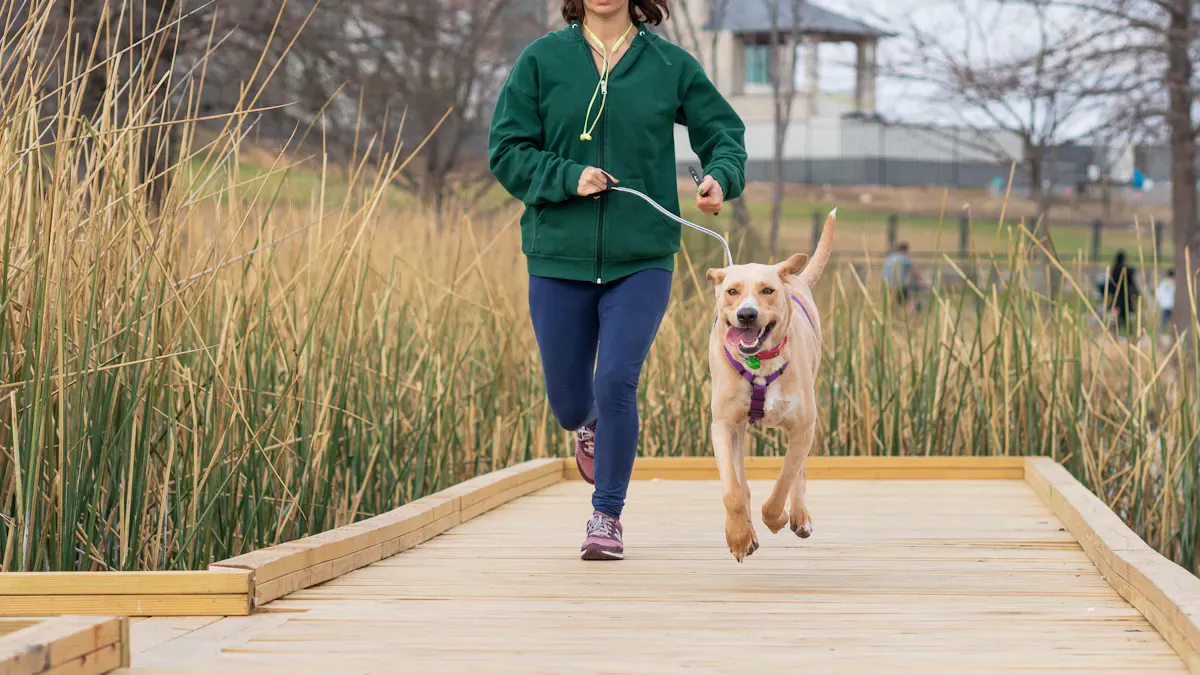
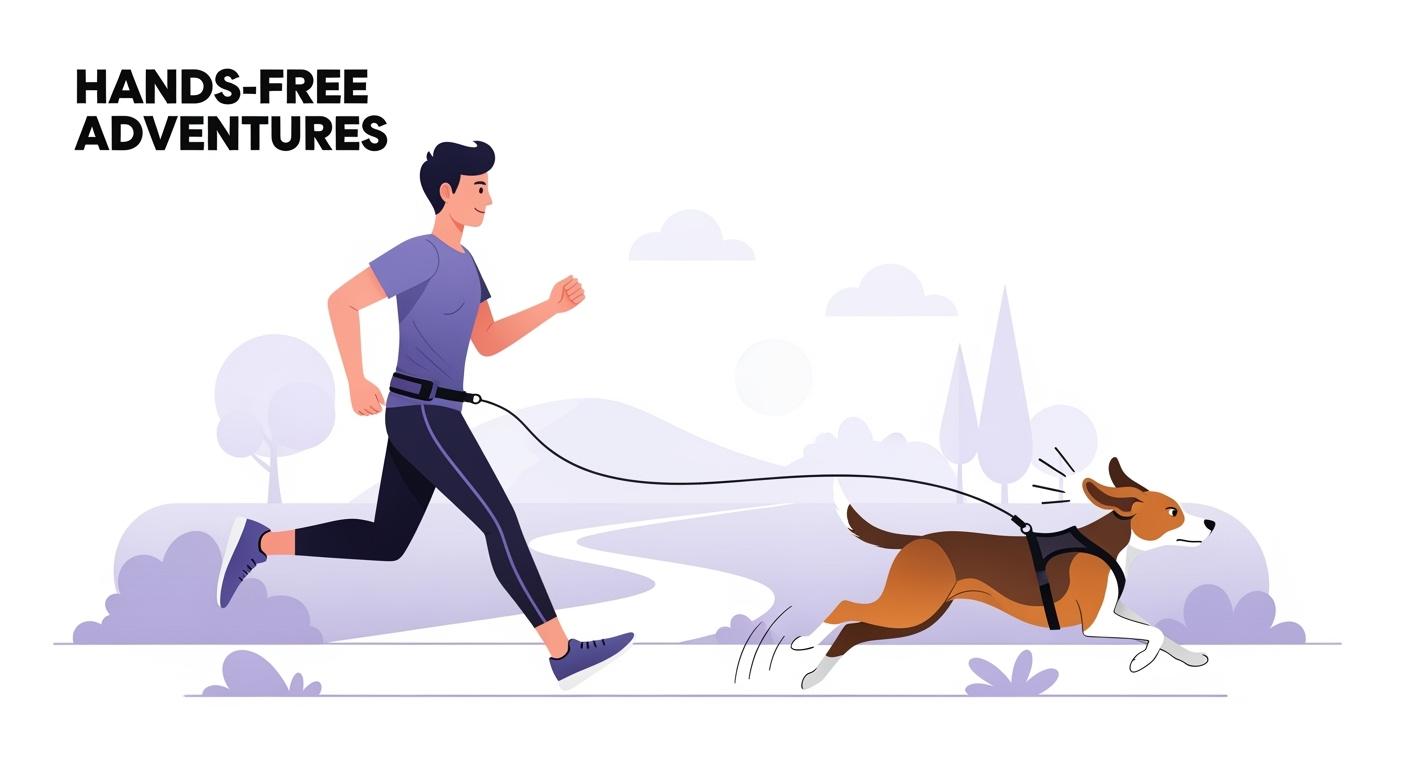
You want your run to feel steady, not like one arm is always bracing against a leash. A hands free running dog leash can help because it removes the constant grip-and-correct rhythm that often comes with handheld running. When the setup works, your torso stays calmer, your arms swing more naturally, and you spend less time changing hands or tightening your shoulder.
This is where hands free setups usually feel best:
- Your dog already runs beside you instead of weaving in front.
- The route is open enough that you do not need close control every few seconds.
- The belt sits securely and does not bounce or rotate.
- Your dog responds to pace cues and can restart smoothly after a stop.
The bungee section in many running leashes can also soften small pace changes, but only if the dog is not using it like a slingshot. If the dog constantly hits the end of the line, the same feature that feels smooth on a good run can feel late and awkward on a bad one.
When handheld or short leashes are better
Sometimes, a hands free running dog leash is simply the wrong tool for that route or that dog. If your dog pulls hard, reacts fast to birds or other dogs, or still treats every outing like a sniff walk, more direct control is usually the safer choice. A handheld running leash or a short close-control leash gives you faster response in tighter spaces and makes it easier to shorten immediately when something changes.
Not every dog is ready for running hands free yet. If your dog crosses in front, stops suddenly, circles after pauses, or surges when excited, the waist-belt setup can magnify those mistakes because your body becomes part of the leverage. In that case, it is better to fix the running pattern first rather than assuming the leash style will solve it.
Comparison Table: Leash Types and Use Cases
| Leash Type | Best Use Case | Main Benefit | Main Watchout | Who Should Skip It |
|---|---|---|---|---|
| Hands free running dog leash | Steady runs, open routes, dogs that hold position | Freer arm swing and less hand fatigue | Harder to correct sudden stops or side cuts instantly | Dogs without loose-leash basics or dogs that weave |
| Handheld running leash | Crowded paths, mixed control, quicker response | More direct shortening and clearer leash feedback | Can tighten one side of your upper body over time | Runners who want completely free arm swing |
| Short close-control leash | High-traffic transitions, training walks, start zones | Maximum control when space is tight | Feels too restrictive for longer relaxed running | Distance runners and dogs that run best with rhythm |
Tip: Choose the route first, then choose the leash style. A good running setup for a quiet park loop may be the wrong one for street crossings, narrow sidewalks, or crowded trail starts.
Note: This blog does not provide medical advice. If you or your dog show pain, breathing strain, lameness, or overheating, stop and reassess before continuing.
Running vs. Quick Stops: What Changes?
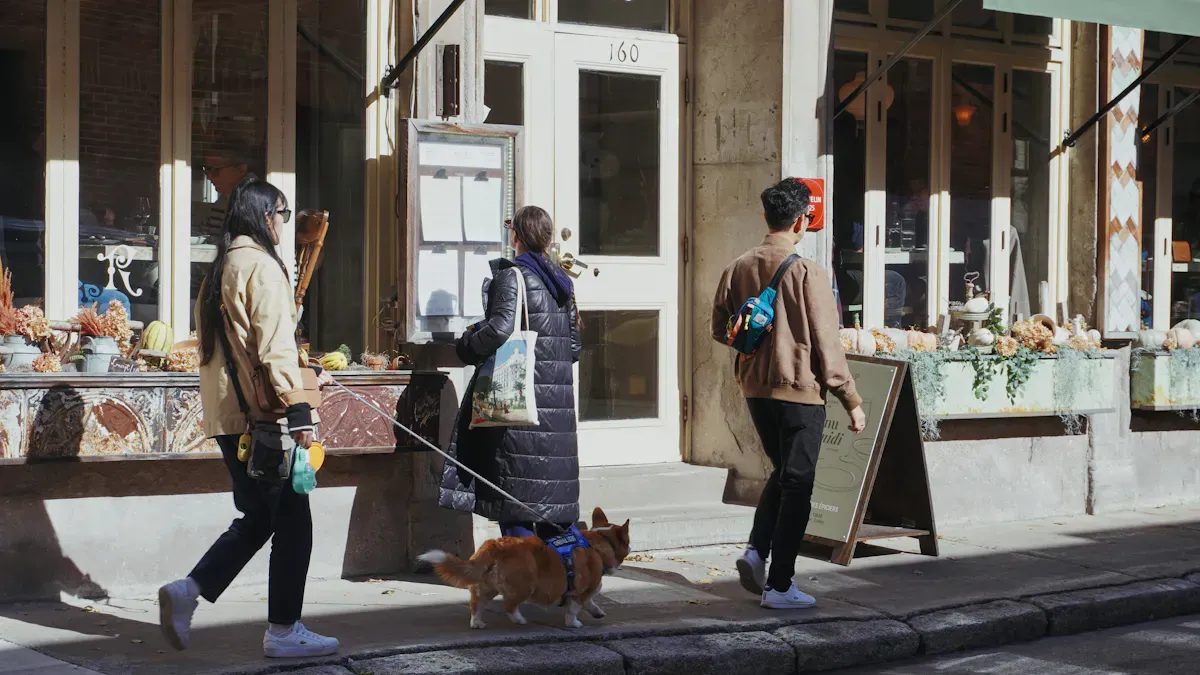
Arm swing and stride with hands free leash
When you run with a hands free running dog leash, the main difference is where the tension goes. With a handheld leash, your hand and shoulder absorb every small correction. With a waist-belt setup, that contact shifts lower, so the leash affects your centerline more than your arm. That can feel smoother when the dog holds position well. It can feel much worse when the dog drifts, cuts across you, or keeps stretching the bungee.
- You keep your arms free for balance and natural rhythm.
- You avoid repeated wrist and hand adjustments.
- You still need a clean leash path so the line stays away from your knees.
- The run feels better only when your dog keeps a predictable side position.
A hands free setup does not remove handling. It just changes the kind of handling you need. Instead of constantly gripping the leash, you need to read belt position, line angle, and your dog’s lane beside you.
Managing sudden stops and jolts
Quick stops are where the setup gets tested for real. Your dog may want to sniff a post, hesitate at a curb, or dart toward a distraction. With a hands free running dog leash, you need to notice these changes before the line loads hard. The jolt often feels worse when the dog stops late and the runner notices even later.
- Keep the belt stable and low enough that it does not ride up during pace changes.
- Teach one side and keep it consistent, so your dog is not swapping lanes in front of you.
- Use voice cues for slow, stop, and restart instead of waiting for the leash to do the correction.
- Practice short run-walk transitions so sudden stops are not the first time your dog hears them.
If the dog frequently brakes, veers sideways, or circles after stops, the problem is usually not “hands free vs handheld” by itself. It is that the dog and runner are not yet synchronized enough for this setup.
Pass/Fail Checklist Table: Smooth vs. Risky Runs
Use this table to check if your hands free running dog leash setup is ready for a safe and smooth run:
| Check Item | Pass Signal | Fail Signal | Fix |
|---|---|---|---|
| Leash style | Bungee softens small pace changes without slingshot feeling | Line feels harsh, late, or too stretchy to read | Match leash stretch and length to your dog’s running pattern |
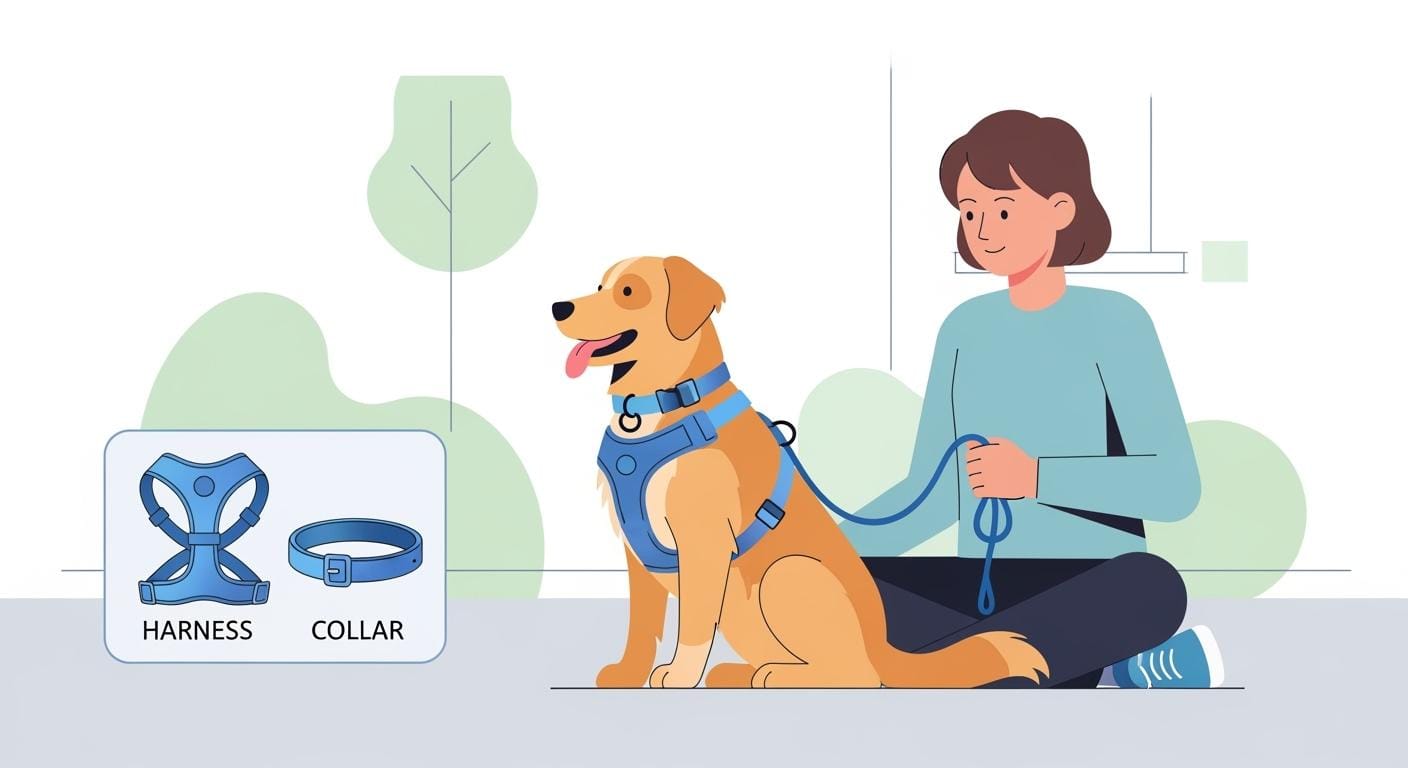
| Harness attachment | Leash clips to a stable, well-fitted harness | Harness shifts, gaps, or loads awkwardly | Refit the harness before testing the leash again |
| Waist belt fit | Belt stays secure and does not bounce or rotate | Belt slides, rides up, or twists under tension | Adjust belt position and tighten before longer runs |
| Practice runs | Short runs feel calm, readable, and repeatable | Dog pulls, crosses, or start-stop chaos keeps happening | Return to short drills in a quiet area |
| Dog’s response | Dog matches pace and responds to cues quickly | Dog lunges, brakes hard, or ignores side position | Practice speed cues, side cues, and restart cues before distance |
Tip: Start with short practice runs. If the first ten minutes are messy, a longer route will usually make the same problem bigger, not smaller.
Note: This blog does not provide medical advice. If you feel pain, breathing strain, or overheating, stop and seek help.
Common Failures and Fixes
Mistakes and real consequences
You may run into problems when using a hands free running dog leash, and most of them start as small annoyances before they turn into real interruptions. Belt bounce seems minor until it throws off timing on every stride. Knee-level leash swing seems minor until you clip the line with your leg. Restart tangles seem minor until you and your dog launch in different directions after a stop.
Another common mistake is trying to solve training gaps with running gear. If the dog still sniffs hard, cuts across you, or surges toward moving things, the belt system can make that feel stronger because you cannot instantly gather the line the way you can with a handheld leash.
You also need to watch wear. A bungee section that has lost its recovery, a clip that sticks, or stitching that looks tired changes the feel of the whole run even before anything fully breaks.
Troubleshooting Table: Symptoms and Solutions
| Symptom | Likely Cause | Fast Check | Fix |
|---|---|---|---|
| Belt shifts or bounces | Loose fit, wrong placement, or too much line tension | Jog a few seconds and feel whether the belt walks upward | Reposition and tighten before increasing pace |
| Knee leash swing | Leash too long, too low, or dog drifting inward | Watch the leash path while jogging beside a mirror or window | Shorten the setup and re-teach side position |
| Delayed shortening | Too much slack or a setup that is slow to gather | Practice bringing the dog in quickly from an easy jog | Use simpler handling and rehearse quick-stop transitions |
| Restart tangles | Dog circles, changes sides, or launches before cue | Watch what happens in the first two seconds after a stop | Train a clear restart cue and reward staying on one side |
| Worn elastic | Overuse, weathering, or repeated heavy loading | Stretch the leash and check whether it returns cleanly | Replace the leash if recovery feels weak or inconsistent |
How to prevent frequent issues
You can prevent most problems with a few simple habits:
- Make sure the dog is ready for running, not just for walking fast.
- Start with short run-walk intervals and build distance gradually.
- Teach one running side and keep it consistent.
- Do a short potty and sniff break before the run so your dog is less likely to slam on the brakes early.
- Carry water, use cooler times of day, and check paws after hotter or rougher surfaces.
- Watch for fatigue signals such as lagging, repeated heavy panting, or loss of focus.
Note: If you or your dog feel pain, breathing strain, or show signs of overheating, stop and rest. This blog does not provide medical advice.
You get smoother runs with a hands free running dog leash when the dog can hold position, the belt stays stable, and the line stays readable. You get sudden stops when the route is too tight, the dog is not ready, or the setup delays your control instead of helping it. Test the setup on short quiet runs first, then scale up only when the basics stay clean.
Note: Stop if you feel pain, stress, or overheating. This blog does not give medical advice.
FAQ
Can you use a hands free running dog leash with any dog?
No. It works best when your dog already understands loose-leash basics, stays on one side, and does not lunge or weave when excited. Dogs that still stop suddenly, cross in front, or react strongly usually need more training before running hands free.
How do you avoid tangles during your run?
Keep your dog on one consistent side, practice stop and restart cues, and shorten the setup before you enter tighter spaces. Most tangles start when the dog changes lanes or circles right after a stop.
What should you do if you feel pain or stress while running?
- Stop your run right away.
- Check your own balance, the belt position, and your dog’s breathing and movement.
- Rest, cool down, and do not continue if the problem keeps returning.
Note: This blog does not provide medical advice.