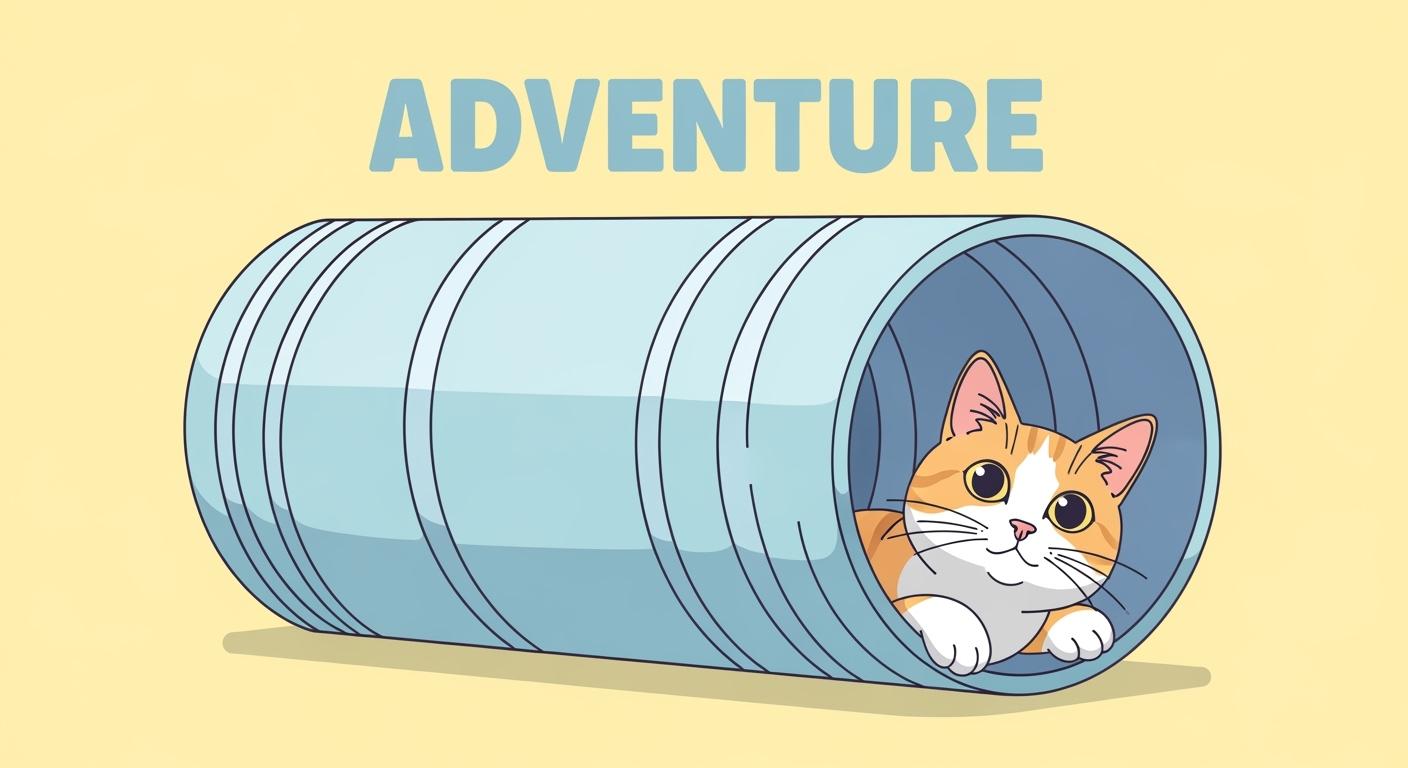
You face a decision for cat house tunnel selection. The cutest option may not fit your cat. You need a tunnel that matches your cat’s body, supports hiding, holds shape, and cleans easily. Each cat has unique needs. Always watch for comfort and safety. This is not medical advice.
Key Takeaways
Check how long your cat is and how wide it is when curled up before you pick a tunnel. This makes sure your cat can rest and play comfortably.
Pick a tunnel that has more than one exit. This helps your cat feel brave when coming out. It also makes them feel safe and not stuck.
Get tunnels made from strong materials that you can clean easily. A tunnel that is sturdy and washable keeps your cat safe and cheerful.
Fit and Comfort for Cat House Tunnel
Entry, Turning, and Curling Space
You want your cat to feel comfortable and safe inside a tunnel. Start by checking your cat’s relaxed body length. Measure from nose to base of tail while your cat stretches out. Next, observe your cat’s curled resting width. Cats often curl up when they sleep or hide, so measure the space they need in this position. Finally, look at the usable tunnel opening space. The tunnel should allow your cat to enter without squeezing or bumping their head or shoulders.
When you select a tunnel, make sure your cat can turn around inside. If the tunnel is too narrow or short, your cat may feel trapped or avoid using it. For cat house tunnel selection, always check if the tunnel supports both entry and curling. Some tunnels include a bed zone. If your cat likes to stretch, choose a tunnel with extra length. If your cat prefers to curl, focus on width and shape.
Tip: Test the tunnel with your cat before final placement. Place treats or toys inside and watch how your cat enters, turns, and curls. If your cat hesitates or struggles, the tunnel may not fit well.
Older cats or cats with mobility issues need easier entry. Look for tunnels with low entrances and stable walls. Avoid tunnels that collapse or shift when your cat steps inside. For cat tunnel for indoors, stability matters more than style. You want your cat to feel secure every time they use the tunnel.
Hiding, Coverage, and Exit Confidence
Cats love hiding spaces. The best cat tunnel offers enough coverage to help your cat feel safe. Some cats prefer tunnels with strong cover, while others like open beds or see-through features. You need to match the tunnel to your cat’s habits. If your cat likes to hide, choose a tunnel with thicker walls and fewer openings. If your cat enjoys watching the room, select a tunnel with windows or mesh panels.
Exit confidence is important. Your cat should always feel they can leave the tunnel quickly. Check that the tunnel has at least one wide opening. Some cat play tunnels have multiple exits, which can help your cat feel less trapped. For cat house tunnel use, avoid tunnels with only one small exit. Your cat may avoid tunnels that feel too enclosed.
Stable shape retention is a key feature. The tunnel should hold its form during play and rest. If the tunnel collapses, your cat may lose interest. Durable materials improve tunnel durability and keep the tunnel safe for daily use. Review seams and trims for safety. Loose threads or rough edges can bother your cat or cause injury.
Here is a step-by-step sequence to check fit and comfort for cat house tunnel:
Measure your cat’s relaxed body length and curled resting width.
Compare tunnel layouts and check if your cat can enter, turn, and curl comfortably.
Review material and seam details for softness and safety.
Check structure stability by pressing on tunnel walls and base.
Test entrance usability with your cat and observe their confidence.
Decide if the tunnel suits your intended use, such as rest, play, or hiding.
Fit Parameter | What to Check | Why It Matters |
|---|---|---|
Relaxed Body Length | Tunnel length | Supports stretching |
Curled Resting Width | Tunnel width | Allows curling |
Usable Tunnel Opening | Entry size | Easy access |
Shape Retention | Wall and base stability | Safe play and rest |
Coverage | Wall thickness/openings | Hiding and security |
Exit Confidence | Number and size of exits | Quick escape |
You need to balance features, size, and budget. Some tunnels offer extra features like attached toys or removable beds. Make sure these features do not block entry or reduce comfort. For cat play tunnels, check if the tunnel supports both play and rest. If your cat ignores the tunnel, review fit and hiding options.
Note: This guidance helps you choose the right tunnel for your cat’s comfort and safety. It does not replace medical advice. If your cat shows signs of pain, injury, or stress, consult a veterinarian.
Materials and Structure Choices
Shape Retention and Surface Feel
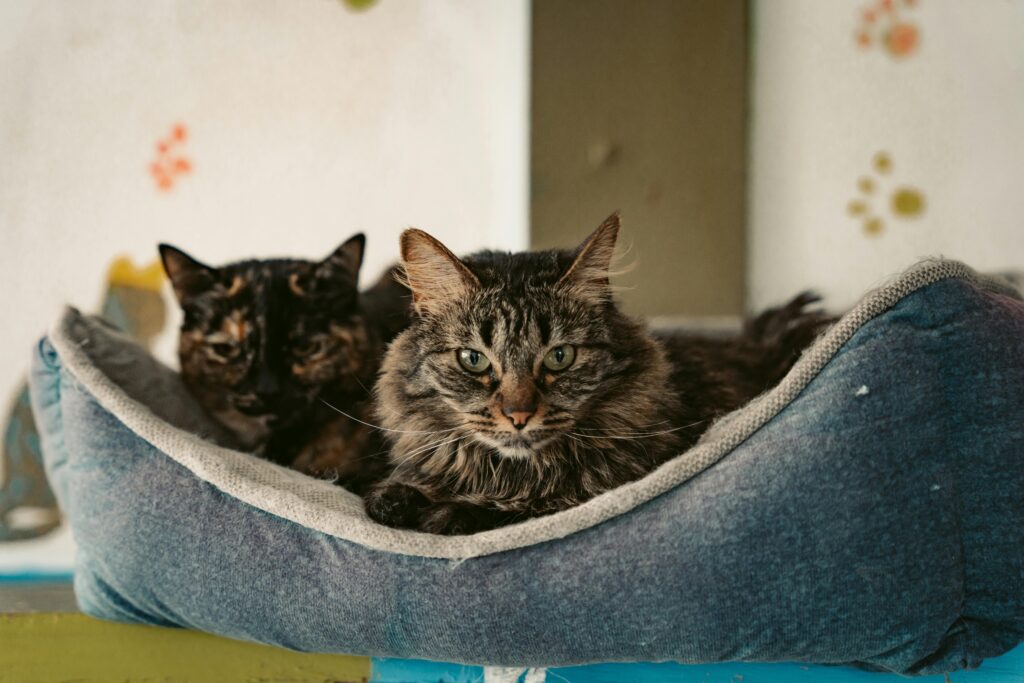
You want a tunnel that stays in shape after play. Shape retention helps your cat feel safe. If the tunnel falls down, your cat may not use it. Look for strong walls and a flat base. Some tunnels use plush or felt materials. Plush feels soft and warm, so cats like it for resting. Felt is firmer and keeps its shape well. Woven tunnels let air flow and feel different. Smooth surfaces are easy to clean and stop hair from sticking.
When you compare cat tunnel features, check for rough seams or loose trims. These can bother your cat or cause injury. The best tunnels have strong stitching and hidden edges. You want your cat to feel good every time they go inside.
Washability, Noise, and Stability
Easy cleaning is important for cat play tunnels. Washable materials help keep the tunnel clean. Some tunnels have covers you can remove or wipe. Low-noise fabrics make play less stressful for cats who dislike noise. Avoid tunnels that make loud sounds if your cat does not like noise.
Stability is important for cat safety. The tunnel should not slide or tip over during play. A stable base keeps the tunnel in place when your cat runs or jumps. Durability helps your budget. A strong tunnel lasts longer and saves money.
Material Type | Comfort | Cleaning | Noise | Shape Retention |
|---|---|---|---|---|
Plush | Soft | Moderate | Low | Good |
Felt | Firm | Easy | Low | Excellent |
Woven | Textured | Easy | Low | Good |
Smooth | Cool | Easiest | Low | Moderate |
You should match the tunnel to your cat’s habits and the average size of a cat tunnel. Check features and set a budget before you buy. For cat house tunnel selection, the right materials help your cat play and rest.
Note: This content is general guidance. For health concerns, consult a veterinarian.
Troubleshooting and Mistakes for Cat House Tunnel
Common Sizing and Shape Mistakes
You might see a tunnel that looks nice, but check if it fits your cat. Many people pick tunnels just because they look good or cost less. You could buy a cat tunnel that is too small or not steady. Some tunnels are hard to clean and trap hair or smells. If you forget your cat is careful, you might pick a tunnel that feels unsafe. Not every cat likes closed spaces. Kittens need smaller tunnels, but grown cats need more space. Match the tunnel size and features to your cat’s habits and your budget.
Tip: Always ask yourself, “Which cat tunnel should I get?” before buying. Watch how your cat plays and hides. For cat house tunnel selection, focus on fit, comfort, and how easy it is to clean.
Quick Pass/Fail Checklist Table
Check Item | Pass Signal | Fail Signal | Fix |
|---|---|---|---|
Entry fits cat | ✅ | ❌ | Choose larger tunnel |
Cat can turn/curl | ✅ | ❌ | Pick wider tunnel |
Tunnel stays stable | ✅ | ❌ | Select firmer base |
Easy to clean | ✅ | ❌ | Find washable materials |
No rough seams | ✅ | ❌ | Inspect for soft edges |
Multiple exits | ✅ | ❌ | Add or choose more exits |
Comparison Table: Tunnel Types and Sizes
Option | Best for | Watch-outs | Comfort Note |
|---|---|---|---|
Cat play tunnels | Active play | May collapse | Good for play |
Multiple connected tunnels | Multi-cat homes | Needs space, budget | Fun for hiding |
Cat tunnel for indoors | Quiet rest | Check breathability | Cozy for sleeping |
Small tunnel | Kitten | Outgrown quickly | Easy entry |
Large tunnel | Adult cat | Needs room, budget | Room to stretch |
Troubleshooting Table: If Your Cat Ignores the Tunnel
Symptom | Likely Cause | Fast Check | Fix |
|---|---|---|---|
Cat avoids tunnel | Too small or unstable | Measure size | Buy larger tunnel |
Cat sniffs, leaves | Odor or rough seams | Inspect material | Clean or replace tunnel |
Cat plays outside only | Not enough exits | Count openings | Add more exits |
Cat hides elsewhere | Tunnel lacks coverage | Check wall thickness | Choose thicker tunnel |
Note: For cat house tunnel selection, watch your cat’s behavior. Ask, “Why does my cat like tunnels?” Some cats love to play, others like to hide. Always match tunnel features to your cat’s needs and your budget. This advice is not medical advice. If your cat seems hurt or stressed, call a veterinarian.
FAQ About For Cat House Tunnel
Q1: How do you know if a cat tunnel is too small for your cat?
You should watch your cat try to enter and turn inside the tunnel. If your cat cannot walk in without crouching or cannot curl up, the tunnel is too small. Measure your cat’s body length and width before you buy.
Q2: What is the best way to clean a cat tunnel?
Check the label for washing instructions. Most cat tunnels with removable covers can go in the washing machine. For others, use a vacuum or lint roller to remove hair. Wipe smooth surfaces with a damp cloth.
Q3: Can a cat tunnel help a shy cat feel safer?
A tunnel with thick walls and enough coverage can give a shy cat a safe place to hide. Place the tunnel in a quiet spot. Watch your cat’s behavior to see if they use it for rest or hiding.
Q4: How often should you check a cat tunnel for damage?
Inspect the tunnel every week. Look for loose seams, sharp edges, or collapsed walls. Fix or replace the tunnel if you see damage. This keeps your cat safe during play and rest.
Q5: Is a cat tunnel safe for kittens and older cats?
Most tunnels work for kittens if the entry is low and the material is soft. For older cats, pick a tunnel with a stable base and easy entry. Always supervise the first use.
Note: This FAQ gives general guidance for cat comfort and safety. For health concerns, talk to a veterinarian.
FAQ Topic | Key Point |
|---|---|
Sizing | Measure your cat first |
Cleaning | Follow care instructions |
Hiding Value | Choose thick walls |
Safety Checks | Inspect weekly |
Age Suitability | Match to cat’s needs |
You want every cat to feel safe and comfortable. Size and shape help your cat rest, play, and hide. Use checklists to avoid mistakes. Watch how your cat enters and exits. Each cat has unique needs. No single tunnel fits every cat. Always check your cat for comfort. This is general guidance, not medical advice.
FAQ
How do you choose the right cat tunnel bed for a large cat?
You should measure your cat’s length and width. Pick a cat tunnel bed that lets your cat stretch, curl, and turn without feeling squeezed or trapped.
Can you use a cat tunnel bed for multiple cats?
Yes, you can use a cat tunnel bed for more than one cat. Choose a cat tunnel bed with extra width and multiple exits. This helps cats share space and feel safe.
What if your cat ignores the new cat tunnel bed?
Try moving the cat tunnel bed to a quiet spot. Add familiar bedding or toys. Some cats need time to explore a cat tunnel bed before using it.
Note: This FAQ gives general guidance for cat tunnel bed selection and use. For health concerns, consult a veterinarian.