You want your flat collar dog to feel comfortable and safe. Collar width changes how pressure spreads across the neck and can affect how you handle your dog. A wider collar may help if your dog has sensitive skin or pulls sometimes, but it will not fix pulling or behavior problems. Always match the collar to your dog’s size, coat, and walking style. For strong pullers or ongoing issues, talk to a veterinarian or trainer and consider a harness. Key checklists can help you make a quick, safe choice.
Key Takeaways
Choose a collar width based on your dog’s size and coat type. Wider collars spread pressure and reduce rubbing, especially for dogs with sensitive skin.
A wide collar does not stop pulling behavior. For strong pullers, consider using a harness for better control and comfort.
Always check the collar fit using the two-finger method. A snug fit prevents slipping and discomfort during walks.
Monitor your dog for signs of discomfort, like scratching or red spots. Adjust the collar or switch styles if needed.
Regularly clean and inspect the collar for wear. Replace it if you see fraying or damage to ensure your dog’s safety.
What Collar Width Changes and Limits
Pressure Spread vs Control Feel
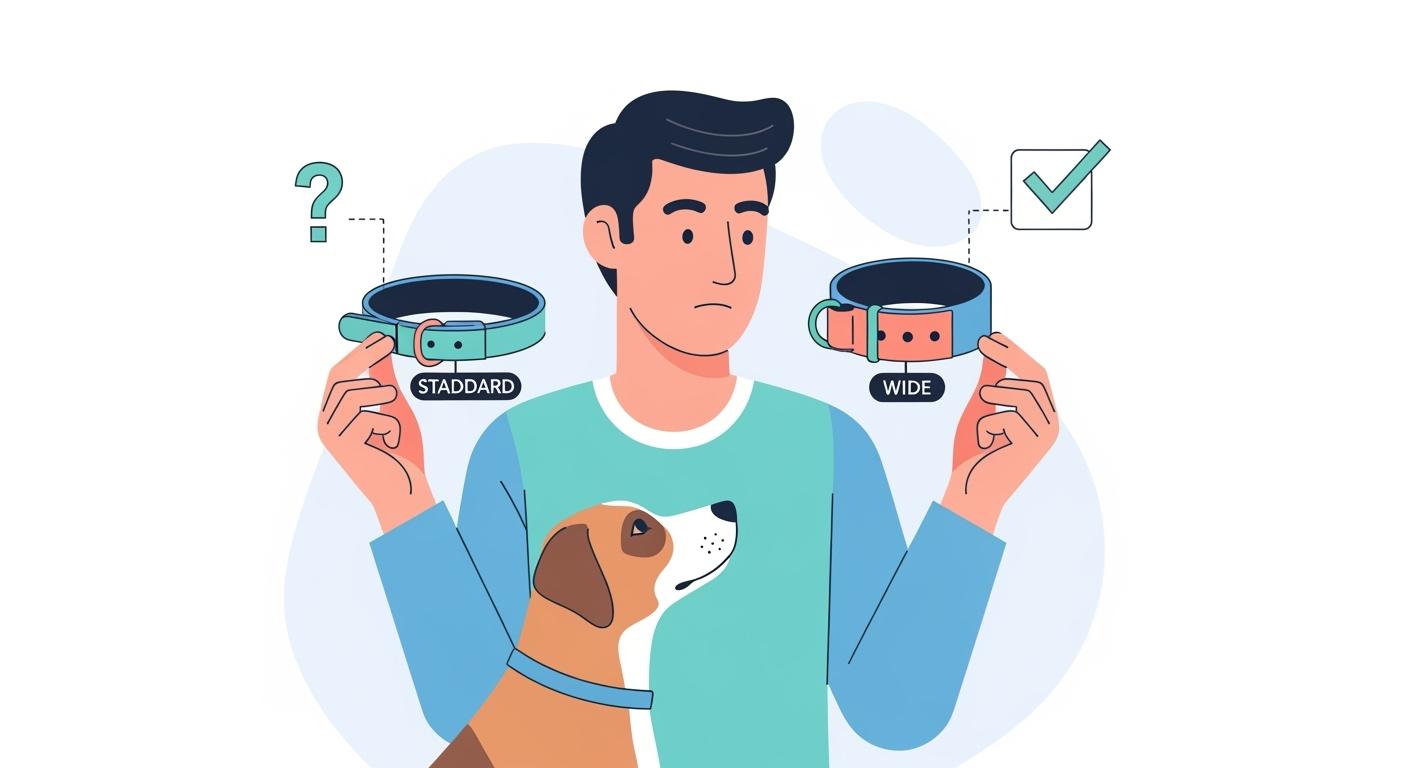
When you choose a collar for your dog, you might wonder if a wide collar will make walks easier or more comfortable. Wide collars distribute pressure over a larger area of your dog’s neck. This can help reduce rubbing and pressure hotspots, especially if your dog has sensitive skin or a short coat. You may notice that a wide collar feels more stable during turns or stops. This is called control feel. It means you can predict how your dog will respond to gentle leash signals. However, a wide collar does not change your dog’s behavior. It only changes how the pressure spreads. You still need to use good leash habits and check the fit for neck comfort.
Why Width Alone Cannot Fix Pulling
You might think that a wide collar will stop your dog from pulling. In reality, wide collars cannot fix pulling on their own. They can make pulling feel less sharp, but they do not teach your dog to walk calmly. If your dog pulls hard, a wide collar may still cause discomfort or even slip off if it is not fitted well. Narrow collars can feel more precise, but they can also create pressure points if your dog pulls. Always check the fit and placement of any collar. Use the two-finger check and make sure the collar sits at the base of the neck. For strong pullers, a harness is often a safer choice. Collar width supports comfort, but it cannot guarantee control.
When to Use a Harness Instead
Some situations call for more than a wide collar. You should consider a harness if your dog:
pulls on the leash often
has a flat face or breathing problems
has spinal or neck issues
is a puppy or reacts quickly to distractions
A harness spreads pressure across the chest and shoulders. This reduces the risk of choking or injury. You can use a wide collar for ID tags or short walks, but a harness gives you better control and comfort for many dogs. Always talk to a veterinarian or trainer if you have concerns about your dog’s walking style or health. Remember, no collar or harness can guarantee perfect behavior. Your handling and your dog’s needs matter most.
Wide vs Narrow Flat Collar Dog Options
Wider Collars and Comfort Points
You want your flat collar dog to feel good on walks. Wider collars spread pressure over more of the neck. This helps stop rubbing and sore spots. If your dog has thick or long fur, a wide collar can stop hair from getting pulled or broken. Dogs with sensitive skin or those hurt by normal collars may like this extra support. You might see less tangled fur and fewer red spots if you use a collar with soft, round edges. Always make sure the collar fits right and sits at the bottom of the neck. A good fit keeps the collar snug but not too tight.
Tip: Pick a collar with smooth, finished edges. This helps lower friction and keeps your dog’s coat healthy.
Narrow Collars and Daily Use
Narrow collars work well for many flat collar dogs, especially if they do not pull or have small necks. These collars are lighter and not as bulky. You may find them easier for daily walks or quick trips. They are also good for holding tags. Narrow collars let you give more exact control signals, which helps with training. If your dog is active and does not get sore spots, a narrow collar can be a good choice. Always check for twisting or sharp spots, especially if your dog moves fast or turns a lot.
Tradeoffs: Bulk, Heat, Matting
Every collar width has pros and cons. Wider collars can feel big, especially for small or very active dogs. They might trap heat or cause fur to tangle if the material is stiff or the collar sits too low. Narrow collars can twist more and may cause sore spots under the hardware or at the edges. You need to balance comfort, control, and your dog’s daily life. For dogs that walk calmly but get sore spots or fur loss, try changing the width, edge style, and fit. A collar with round edges and a good fit can help. Always look for signs of discomfort like scratching, hair loss, or red skin.
Safety Note: Collar width helps with comfort and handling, but it cannot fix behavior. For strong pullers, use a harness and talk to a veterinarian or trainer if problems keep happening.
Comparison Table: Width, Control, Comfort, Best Use, Watch-Outs
Collar Width Type | Control Feel Cue | Comfort Cue | Best For | Watch-Outs |
|---|---|---|---|---|
Wide | Feels more stable, less twist | Spreads pressure, less rubbing | Sensitive skin, thick coats, short sessions | Bulk, heat, possible matting, stiff edges |
Narrow | Feels more precise, lighter | Less bulk, easy for tags | Small dogs, daily use, active dogs, training | Can twist, sharp under load, hardware hotspots |
Regular Width | Balanced, predictable | Moderate comfort, easy to fit | Most flat collar dogs, calm routines | May not solve rubbing for sensitive dogs |
Scenario B Example:
If your dog walks calmly but gets sore spots or fur loss at the neck, try a wider collar with round edges and adjust the fit. This can help stop sore spots and keep your dog comfy. Always check the collar’s spot and make sure it does not sit too low or twist.
Note: Always match collar width to your dog’s comfort and needs. Watch for signs of discomfort and change things if needed.
Measuring and Fitting for Daily Comfort
Neck Measurement Steps
You want your pet’s neck to stay comfortable and safe. Start by using a soft tape measure. Place it around the base of your pet’s neck, where the collar usually sits. Make sure the tape stays flat against the skin. Do not press down on the fur. Leave enough space for two fingers between the tape and your pet’s neck. This helps you get a proper fit. Avoid measuring too close to the ears or too far down near the shoulders. Write down the size in both inches and centimeters. This step helps you pick the right collar width and size for your dog.
Fit Rules and Two-Finger Check
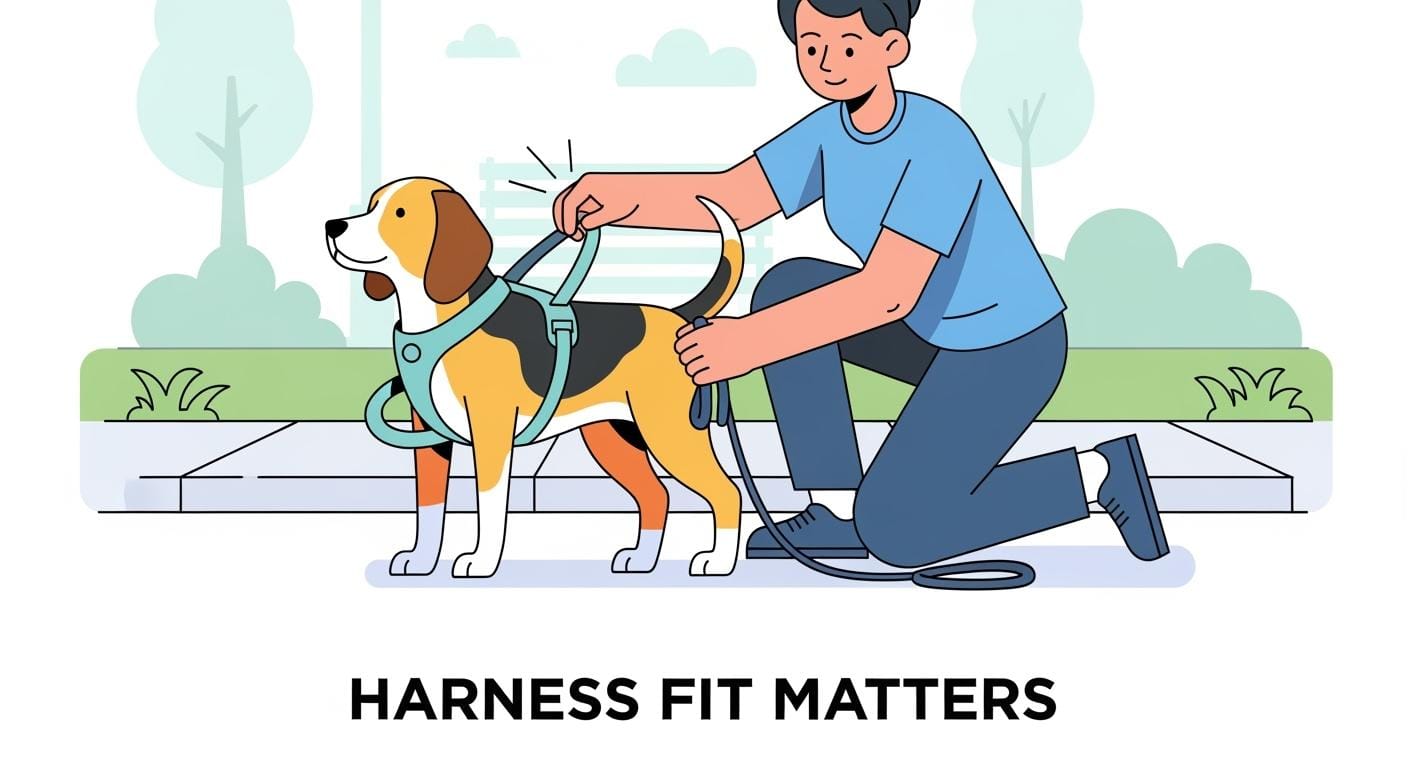
A good collar fit means your dog cannot slip out, but also does not feel squeezed. After you put the collar on, slide two fingers under it. If your fingers fit easily, the collar is snug but not tight. If you cannot fit two fingers, the collar is too tight. If you can fit more than two fingers, the collar is too loose. For active dogs or those in training, check the fit often. Dogs can back out of a loose collar, especially during distractions. If this happens, try adjusting the width or switch to a harness for safety.
Safety Tip: Collar choice supports handling, but it cannot guarantee behavior. For strong pullers, use a harness and ask a veterinarian or trainer for help if needed.
Hardware Placement for Comfort
You should check where the buckle and D-ring sit on your pet’s neck. Keep the buckle away from the main pressure zone under the chin. Place the D-ring in the center. This helps the collar stay straight and reduces twisting. Rounded or soft edges lower the risk of rubbing. Regular width collars work well for most dogs, but always check for hot spots, especially if your dog is active.
Fit Table: Check, Pass, Adjust
Fit Check | Pass Sign | What to Adjust |
|---|---|---|
Two-finger check | Fingers fit snug | Tighten or loosen for proper fit |
Slip check (gentle pull) | Collar stays on | Try wider collar or harness if slips |
Hardware placement | No rubbing | Move buckle, check edge finishing |
Note: Always watch your dog for signs of discomfort. Adjust the collar or try a different width if you see red spots, hair loss, or slipping.
Choosing Collar Width by Dog Profile

Calm, Puller, or Sniffer Routines
You need to match your flat collar dog’s routine to the right collar width. Start by watching how your dog acts on walks. Calm dogs often walk beside you and do not pull. Pullers move ahead and put pressure on the leash. Sniffers stop often and turn their heads to explore. Each routine needs a different approach.
Calm dogs do well with regular width collars. These collars balance comfort and control.
Pullers need more support. A wider collar can spread pressure, but a harness is safer for strong pullers.
Sniffers twist and turn. A collar with smooth edges and a centered D-ring helps reduce rubbing and twisting.
Safety tip: Collar choice supports handling, but it cannot guarantee perfect behavior. For strong pullers, use a harness and talk to a veterinarian or trainer if pulling continues.
Coat Type and Comfort
Your dog’s coat changes how a collar feels. Short coats show rubbing and red spots more easily. Long or double coats can mat or tangle under a wide collar. Skinny dog collars work well for small breeds with little fur. For thick coats, check for matting and adjust the collar often. Always pick a collar with rounded edges for less friction.
Short coats: Use a wider collar for comfort and less rubbing.
Long coats: Try a regular width collar or a narrow collar to avoid matting.
Double coats: Check under the collar for tangles and skin changes.
Tip: Move the collar often and check for hot spots, especially on active dogs.
Neck Shape and Slip Risk
Dogs have different neck shapes. Some have thick necks, while others have slim or tapered necks. Slip risk goes up if the collar is too loose or the dog has a narrow head. Use the two-finger fit check to keep the collar snug but not tight. For skinny dog collars, always check that the collar cannot slip over the head. Martingale style collars help with high slip risk, especially for breeds with slim necks.
Thick necks: Regular width collars give a good balance.
Narrow necks: Use a collar with a secure buckle or martingale style.
Puppies: Check fit often as they grow.
Decision Table: Profile, Width, Fit, Avoid
Dog Profile or Context | Recommended Collar Width Cue | Recommended Fit Focus | What to Avoid |
|---|---|---|---|
Calm walker | Regular width collars | Two-finger check, adjust as needed | Too loose or stiff edges |
Strong puller | Wide collar or harness | Snug fit, check slip risk | Relying on width for control |
Sniffer/active | Regular or narrow collar | Centered D-ring, smooth edges | Bulky or heavy collars |
Small breed/thin neck | Skinny dog collars | Martingale or buckle style | Wide, heavy collars |
Long/double coat | Regular width collars | Move collar, check matting | Stiff, wide collars |
Parameter and Value Table
Parameter | Target Range or Option | Why it Matters |
|---|---|---|
Routine type | calm walk, pulling, stop-and-sniff | Predicts control needs |
Slip risk | low, medium, high | Predicts fit and design focus |
Coat type | short, long, double coat | Predicts rubbing and matting risk |
Width type | wide, narrow | Tradeoff between comfort and bulk |
Fit rule | snug without constant pressure | Reduces slip and choking risk |
Finger check | two-finger starting point | Fast fit check |
Hardware placement | buckle away from pressure zone | Reduces hotspots |
D-ring position | centered if possible | Reduces twisting |
Hotspot zones | under buckle, edges, under chin | Explains where rubbing starts |
Neck measurement | where collar sits | Prevents wrong sizing |
Adjustability | 2-4 in (5-10 cm) buffer | Fit tuning and seasonal changes |
Collar width | 0.4-1.0 in (1.0-2.5 cm) | Comfort and stability |
Collar style | buckle collar or martingale style | Slip risk control for narrow necks |
Primary leash length | 4-6 ft (1.2-1.8 m) | Everyday control and safer handling |
Short control | about 4 ft (1.2 m) or traffic handle | Quick control in busy moments |
Leash width | 0.4-1.0 in (1.0-2.5 cm) | Grip comfort and strength feel |
Hardware | sturdy clip, smooth swivel optional | Attachment reliability and less twisting |
Step-by-Step Guide: Matching Collar Width and Fit
Identify Your Dog’s Routine and Risk
Watch your dog on walks. Is your dog calm, a puller, or a sniffer?
Check your dog’s coat type and neck shape.
Notice if your dog slips out of collars or gets red spots.
Choose Collar Width and Style
For calm or average dogs, use regular width collars.
For strong pullers, try a wide collar or harness.
For small breeds or skinny necks, use skinny dog collars or martingale style.
For long or double coats, avoid stiff, wide collars.
Make Fit Decisions
Measure at the base of the neck.
Use the two-finger check for fit.
Adjust the collar for growth or coat changes.
Place the buckle away from the pressure zone and center the D-ring.
Note: Collar width and style support comfort and handling. They do not guarantee behavior change. For ongoing pulling or fit problems, use a harness and consult a veterinarian or trainer.
Real-World Control and Comfort Tips
Handling Habits That Matter
You shape your dog’s experience every time you pick up the leash. Hold the leash with a relaxed grip and keep your arm loose. This helps your dog feel calm and reduces sudden pressure on the collar. Change direction gently during walks. Give your dog time to adjust instead of pulling. If your dog is active or in training, check the collar fit before each walk. A good fit means your dog cannot slip out, but the collar does not press into the neck. For strong pullers, switch to a harness for safety. Remember, collar choice supports handling but does not guarantee perfect behavior.
Reducing Pressure Hotspots
Pressure hotspots can make your dog uncomfortable. These often happen when the collar sits in one spot for too long or the width does not match your dog’s neck. Move the collar a little each day to prevent rubbing. Choose a collar with smooth, rounded edges. Check for redness under the buckle, at the edges, and under the chin. If you see any signs, adjust the collar or try a different style. The table below shows common mistakes and how to fix them:
Common Cause | What It Leads To | What to Do Next |
|---|---|---|
Collar too tight | Red spots, coughing | Loosen collar, check two-finger fit |
Collar rides too low | Rubbing, matting | Raise collar, adjust width or style |
Hardware sits on pressure zone | Hotspots, discomfort | Move buckle, center D-ring, check edges |
Tip: Check your dog’s neck after walks. Early signs of discomfort help you prevent bigger problems.
Tag and Accessory Placement
Tags and accessories can add weight or cause rubbing if placed wrong. Attach tags to the D-ring, not near the buckle. Keep the D-ring centered to avoid twisting. Use lightweight tags for small dogs. For active dogs, check that tags do not hit the neck or cause noise. If you use a light, tracker, or charm, spread them out to avoid pressure in one spot. Always check for signs of discomfort after adding new accessories.
Mistakes Table: What to Fix
Mistake | What It Leads To | What to Do Next |
|---|---|---|
Collar too loose | Dog slips out, lost control | Tighten, use two-finger check |
Collar too wide for small dog | Bulk, tripping, matting | Switch to narrow collar, check fit |
Tags near buckle | Noise, rubbing, hotspots | Move tags to D-ring, check placement |
Note: Collar width and fit support daily comfort and control. For ongoing problems, use a harness and talk to a veterinarian or trainer.
Collar Care for Lasting Comfort
Cleaning and Odor Tips
You want your dog’s collar to stay clean and comfortable. Dirt, sweat, and rain can build up and cause odor or skin problems. You can keep the collar fresh with a few simple steps:
Wipe the collar every month with a slightly damp microfiber cloth. This removes dust and oils.
Use a pet-safe cleaner or mild soap for deeper cleaning. Rinse well and let the collar air dry.
Reapply conditioner to leather collars every 4–6 weeks. This keeps the material soft and prevents cracking.
Rotate between two collars. This gives each collar time to dry and reduces wear.
Inspect the stitching and hardware every few months. Look for loose threads or rust.
If you notice a strong smell, wash the collar right away. Do not use bleach or harsh chemicals. These can damage the material and irritate your dog’s skin.
Tip: A clean collar helps prevent itching and keeps your dog happy on walks.
When to Replace a Collar
You should check the collar often for signs of wear. Replace the collar if you see:
Fraying edges or stretched material
Cracked leather or faded colors
Rusty or bent hardware
Broken buckles or loose D-rings
A worn collar can break or cause discomfort. If you see any of these problems, get a new collar before your next walk. For strong pullers, check the collar more often. Switch to a harness if you see repeated damage.
Safety note: Collar choice supports handling but does not guarantee behavior. For ongoing pulling, use a harness and talk to a veterinarian or trainer.
Storage and Drying Habits
Proper storage keeps your collar in good shape. After cleaning, let the collar air dry completely. Store spare collars in a dry, ventilated drawer. Avoid damp places like basements or bathrooms. Rotate collars to let each one air out between uses. Wipe mud or rain off the collar after every walk. Check the fit often. A collar that is too tight traps moisture and can cause odor.
Here is a quick guide for cleaning and storing different collar materials:
Material | Recommended Cleaning Method | Avoid |
|---|---|---|
Nylon/Polyester | Mild dish soap + warm water soak; hand scrub; air dry | Bleach, hot water, dryer |
Leather | Damp cloth with leather-safe cleaner; condition monthly | Submerging, alcohol wipes, silicone sprays |
Biothane | Soap and water; disinfect with diluted vinegar (1:3) | Harsh solvents, abrasive pads |
Fabric/Decorative | Hand wash with gentle detergent; lay flat to dry | Wringing, ironing, direct sun drying |
Reflective | Wipe with damp cloth; spot clean only | Scrubbing, soaking, chemical cleaners |
Note: Good collar care helps your dog stay comfortable and safe. Always check for signs of wear and adjust as needed.
Retail and Wholesale Notes for Flat Collar Dog Products
Listing Copy for Width Choices
You want your listing to help buyers pick the right collar for their dog. Use clear words that show the benefits of each width. For example, say “Wider collars spread pressure for comfort on sensitive necks” or “Narrow collars feel light and work well for small breeds.” Give the width in both inches and centimeters. Add a short note about which dogs each width fits best. This helps buyers match the collar to their flat collar dog’s needs.
Tip: Add a reminder that collar width supports comfort and handling. Suggest a harness for strong pullers or if buyers have questions about fit.
Spec Checklist: Webbing, Edges, Buckle, D-Ring
You can use a checklist to make sure every collar meets quality standards. This also helps reduce returns.
Webbing: Check for strong, smooth material. Look for even stitching.
Edges: Make sure edges are rounded or finished to prevent rubbing.
Buckle: Test that the buckle closes securely and sits away from the main pressure zone.
D-Ring: Place the D-ring in the center for even pull and easy tag attachment.
Feature | What to Check For | Why It Matters |
|---|---|---|
Webbing | Smooth, strong, no fraying | Comfort and durability |
Edges | Rounded, soft, no sharp corners | Reduces rubbing and hotspots |
Buckle | Secure, easy to use, good spot | Safe fit, less pressure |
D-Ring | Centered, strong, smooth finish | Predictable control, easy tags |
Note: Always inspect collars before shipping. This lowers the chance of returns and keeps buyers happy.
Sizing Script and Fit Checklist
You can guide buyers to measure their dog’s neck at the base, where the collar sits. Tell them to use a soft tape and leave space for two fingers. Remind them to check the fit after the first walk. Suggest they adjust the collar for coat changes or growth.
Fit Checklist:
Measure at the base of the neck (in/cm).
Use the two-finger check for fit.
Place the buckle away from the pressure zone.
Center the D-ring.
Check for rubbing or slipping after walks.
Safety tip: Collar fit supports comfort and control. For ongoing pulling or fit problems, recommend a harness and suggest consulting a veterinarian or trainer.
OEM and ODM Explained
You may see the terms OEM and ODM when you order collars in bulk. OEM means Original Equipment Manufacturer. You give your design, and the factory makes it for you. ODM means Original Design Manufacturer. The factory offers its own designs, and you can add your brand. Both options help you get quality flat collar dog products for your store.
You want your flat collar dog to feel safe and comfy. Pick the collar width that fits your dog’s size and daily life. Use this table to help you choose the right width for comfort and control:
Collar Width | Recommended Size | Importance |
|---|---|---|
0.4-0.6 in | Small Dogs | Keeps your dog comfy and stops rubbing |
0.6-0.8 in | Medium Dogs | Makes the collar steady and stops it from turning |
0.8-1.0 in | Large Dogs | Helps your dog feel safe and comfy when wearing it |
Checklists and tables in this guide help you pick smart. Watch your dog for any signs of being uncomfortable. Change the fit if you need to. The collar helps you handle your dog, but it does not fix behavior. If your dog pulls hard, use a harness and ask a veterinarian or trainer for help.
FAQ
How do I know if my dog’s collar is too wide?
You can check if the collar looks bulky or causes your dog to trip. If your dog scratches at the collar or the fur mats under it, the collar may be too wide. Try a narrower option for better comfort.
What is the best collar width for a puppy?
Start with a narrow or regular width collar. Puppies grow fast, so check the fit often. Use the two-finger check. If your puppy pulls, use a harness for safety. Always adjust the collar as your puppy grows.
Can a wide collar stop my dog from pulling?
A wide collar spreads pressure but does not stop pulling. You need to train your dog to walk calmly. For strong pullers, use a harness and ask a veterinarian or trainer for help. Collar choice supports handling, not behavior change.
How often should I check my dog’s collar fit?
Check the collar fit every week. Dogs gain or lose weight, and their fur changes with seasons. Use the two-finger check. Adjust the collar if you see red spots or hair loss. A good fit keeps your dog safe and comfortable.
Where should I place tags on my dog’s collar?
Attach tags to the D-ring in the center of the collar. This helps prevent twisting and rubbing. Keep tags away from the buckle to avoid noise and hotspots. Check for comfort after adding new tags or accessories.