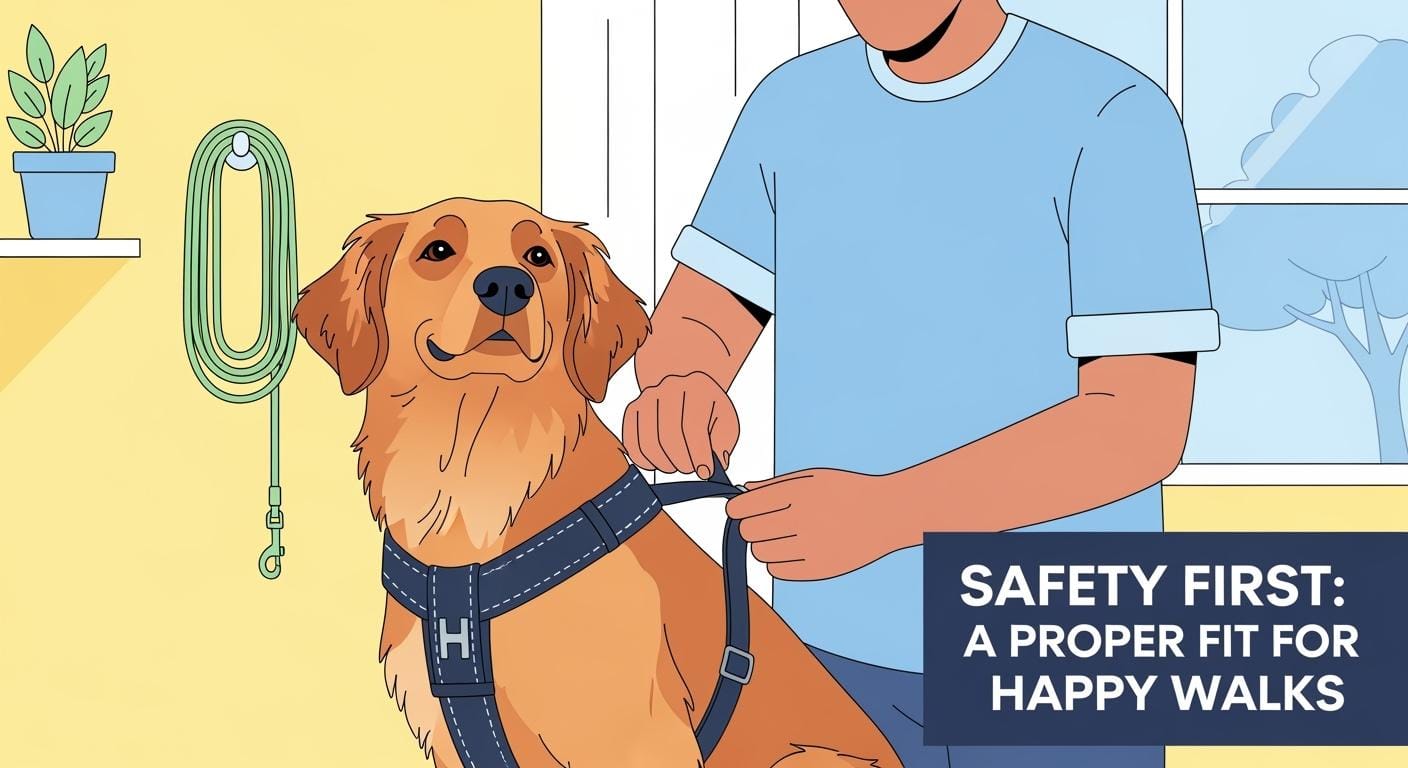
You want your dog to be safe and comfy on walks. Picking and putting on an easy walk dog harness can stop problems like slipping out, hurting the back, or making it hard for your dog to move its shoulders. A good fit also keeps straps from rubbing under the arms and helps stop your dog from getting loose. Always follow local rules and ask your vet if you worry about your dog’s health.
Key Takeaways
Ensure a proper fit by using the two-finger rule. This keeps the harness snug but comfortable, preventing slipping and pinching.
Check the harness before every walk. Look for signs of discomfort, like chafing or changes in your dog’s movement.
Adjust straps to avoid rubbing under the armpits. Proper placement keeps your dog safe and happy during walks.
Easy walk dog harness basics and benefits
Front-clip design and pulling control
You want your dog to stay close when you walk. The easy walk dog harness has a front-clip. This clip changes how your dog moves if they pull. It helps you stop pulling before it gets worse. Dog experts like this design because it works well. The harness does not move around or slide up. You can count on it to work every time.
Feature | Description |
|---|---|
Front-clip design | Changes shoulder movement to stop pulling |
Effectiveness | Helps you control pulling every walk |
Durability | Stays put, does not twist or slide up |
When the harness is not ideal
Some dogs may not do well with this harness. Dogs with odd body shapes or sensitive skin may need something else. Dogs who walk in a special way may need a different harness. If your dog seems uncomfortable or moves oddly, try another harness. Watch for rubbing or changes in how your dog walks.
Safety Tip: Take off the harness if your dog is alone. This keeps your dog safe from getting stuck or tangled.
Harness Style | Best For | Tradeoffs |
|---|---|---|
Easy walk (front-clip) | Stops pulling, comfy chest | May not fit all body shapes |
Back-clip | Calm dogs, wide chests | Not good for strong pullers |
Step-in | Small dogs, easy to put on | May twist, less pulling control |
Fit cues and adjustment points
Check the fit to keep your dog safe and comfy. The chest strap should sit on the breastbone. It should not hang low or press into soft spots. Buckles need to line up the same on both sides. Use these steps to adjust:
Measure the chest behind the front legs at the widest spot.
Measure the neck at the base. Leave space for two fingers.
Adjust each strap so two fingers fit between strap and body.
Watch your dog walk to make sure they can move freely.
The easy walk dog harness spreads pressure over the chest and shoulders. This keeps the neck and spine safe from strain.
It helps your dog learn to walk nicely. It also helps dogs who have trouble moving.
Non-medical disclaimer: Follow local rules and ask your vet if you worry about your dog’s health.
Putting on and adjusting the harness
Preparation steps before donning
Before you put on the harness, get ready with these steps:
Find all harness parts: chest strap, belly strap, buckles, and leash ring.
Untwist the webbing so straps lie flat.
Open all buckles.
Loosen each strap fully.
Pick a calm spot where your dog feels safe.
Tip: A relaxed dog makes fitting easier and safer.
Donning sequence and symmetry check
Follow this step-by-step guide for a proper fit:
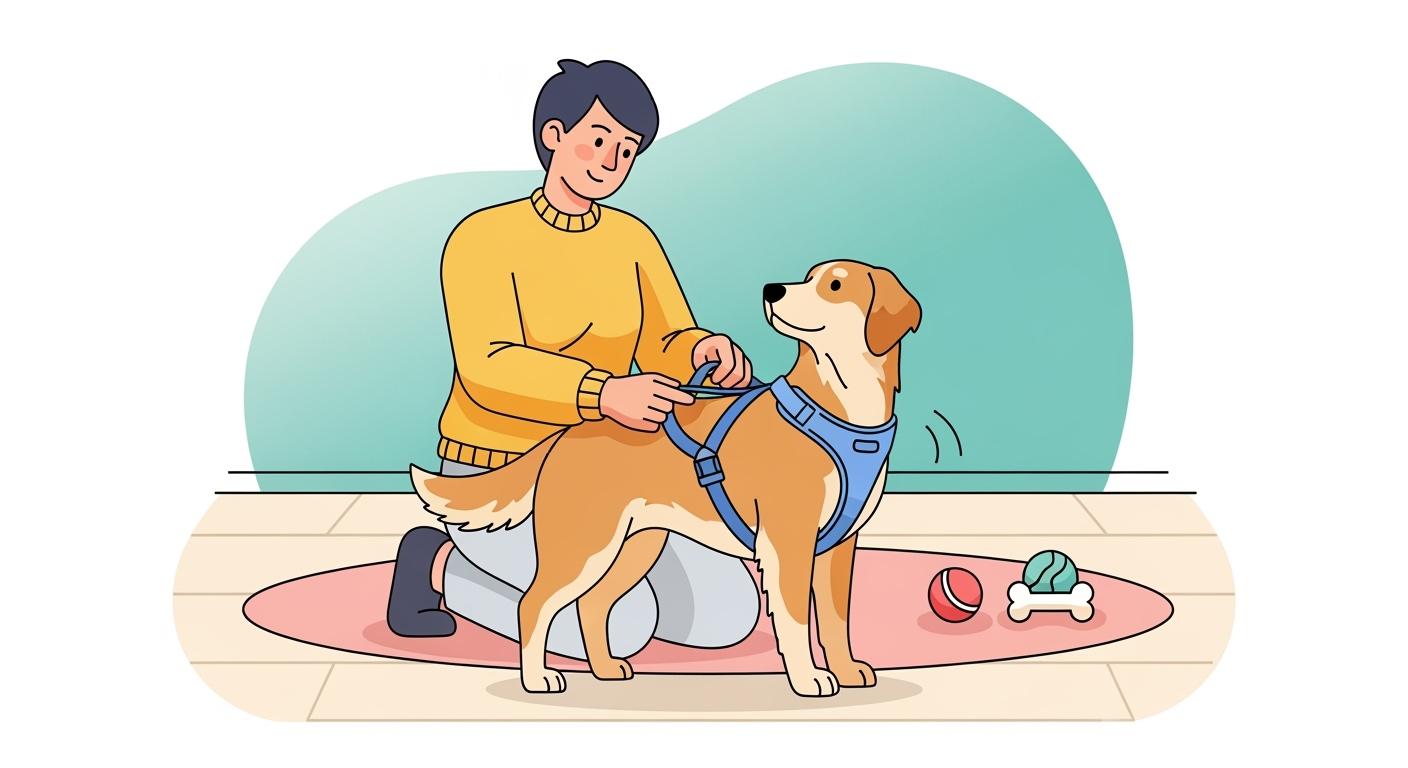
Place the easy walk dog harness over your dog’s head or have your dog step in, based on the harness style.
Fasten the buckles securely.
Adjust the straps so the chest strap sits on the breastbone, not too low or high.
Make sure the logo or label panels lie flat and do not twist.
Check that the leash ring sits at the center of the chest.
Look at both sides. The straps and buckles should match and look even.
Micro-adjustment and leash clip check
Now, fine-tune the fit:
Tighten each strap until you can slide two fingers under any strap. The harness should feel snug but not tight.
Let your dog walk, sit, and lie down. Watch for slipping, pinching, or restricted movement.
Attach the leash to the front ring. Make sure it clips easily and stays centered.
Fit Signal | Pass/Fail | Fix if Needed |
|---|---|---|
Two fingers fit under strap | Pass | Loosen or tighten straps |
Chest strap on breastbone | Pass | Adjust chest strap position |
Harness stays centered | Pass | Re-adjust side straps |
No rubbing or pinching | Pass | Loosen or reposition straps |
Non-medical disclaimer: Always follow local rules and ask your vet if you have health concerns about your dog.
Fit and safety checks for every walk
Two-finger rule for strap clearance
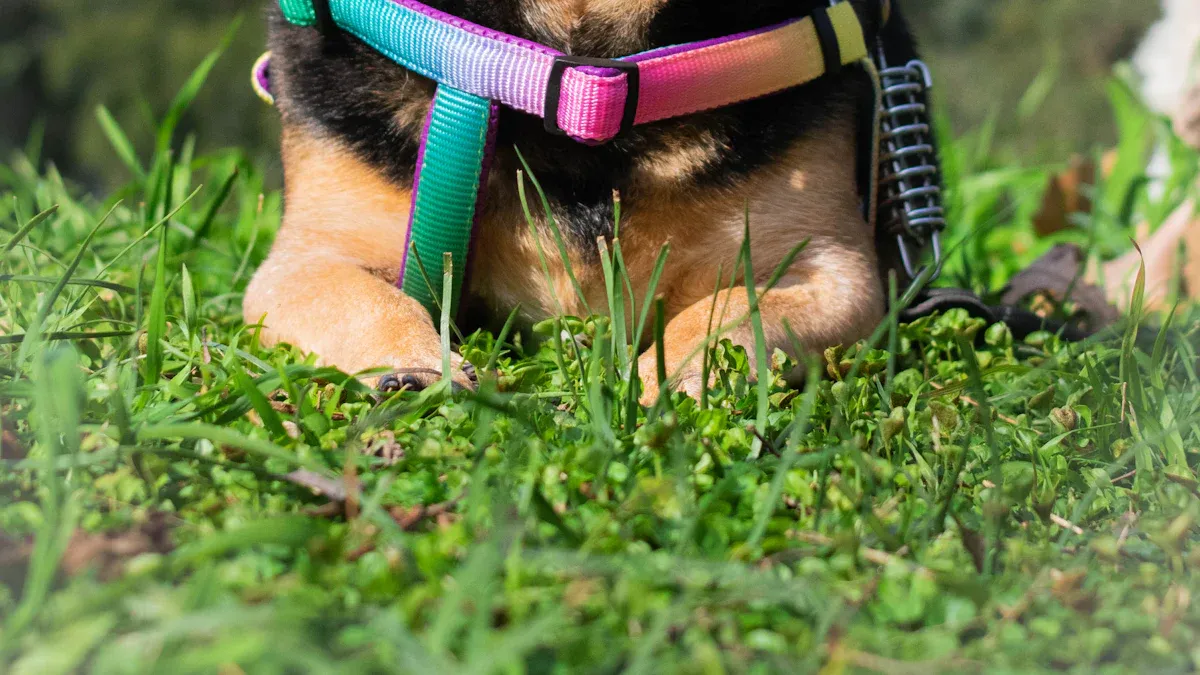
You want your dog to feel secure and comfortable every time you walk. The two-finger rule gives you a simple way to check the fit. Slide two fingers under any strap on your easy walk dog harness. The straps should feel snug but not tight. If you cannot fit two fingers, loosen the strap. If you can fit more than two fingers, tighten it. This rule helps you avoid both slipping and pinching.
Strap placement do’s and don’ts
Proper strap placement keeps your dog safe and happy. Use these steps to check the main measurement points:
Measure your dog’s chest at the widest part of the rib cage. Wrap the tape snugly but not tight.
Measure the neck at the base, where a collar sits. Make sure you can fit two fingers between the tape and your dog’s neck.
Place the chest strap on the breastbone, not hanging low or riding up.
Keep the side straps clear of the armpits to prevent rubbing.
Make sure the harness stays centered and does not twist.
Tip: Always check for even straps on both sides. Uneven straps can cause discomfort or limit movement.
Strap Placement Checklist
Chest strap sits on the breastbone
Side straps do not press into armpits
Harness stays centered on the chest
Two fingers fit under every strap
No twisting or bunching of webbing
Walking re-checks and red flags
You should check the harness fit before every walk. Watch your dog as you move together. Look for these red flags:
Chafing or redness under the arms or chest
Harness rotating off-center
Straps blocking shoulder movement
Your dog backing out of the harness
Changes in walking style or limping
If you see any of these signs, stop and adjust the harness. If problems continue, try a different size or style. Your dog’s comfort and safety come first.
⚠️ Stop if: You notice chafing, restricted movement, repeated attempts to escape, or changes in gait. These signs mean the harness does not fit right.
Common mistakes to avoid
Many people make the same mistakes when fitting an easy walk dog harness. You can avoid these problems by following simple steps.
Mistake | How to Avoid |
|---|---|
Choosing oversized harnesses | Measure your dog and select adjustable styles |
Restrictive shoulder straps | Ensure straps do not block shoulder movement |
Chafing and rubbing | Adjust chest straps and check for redness |
Using “no-pull” squeeze types | Avoid designs that pinch under the armpits |
Fit Pass/Fail Table
Fit Signal | Pass/Fail | Fix if Needed |
|---|---|---|
Two fingers fit under strap | Pass | Loosen or tighten straps |
Chest strap on breastbone | Pass | Adjust chest strap position |
Harness stays centered | Pass | Re-adjust side straps |
No rubbing or pinching | Pass | Loosen or reposition straps |
Troubleshooting Table
Issue | What to Do |
|---|---|
Slipping | Tighten straps, check two-finger rule, re-measure chest/neck |
Rotation | Center harness, adjust side straps, check for even fit |
Rubbing | Move straps off armpits, loosen chest strap, check for redness |
Freezing | Pause, offer treats, reduce distractions, use gentle encouragement |
Pulling | Take breaks, redirect attention, reward calm walking |
Leash tangles | Keep leash short, walk on one side, check harness position |
Note: If your puppy freezes or pulls, reduce distractions, take breaks, and use treats to reward calm behavior. Never force your dog through a scary situation. Practice patience and help your dog feel safe.
Non-medical disclaimer: Always follow local rules and consult your veterinarian if you have concerns about your dog’s health or comfort.
Troubleshooting and FAQs
Fixing rotation, slipping, and backing out
You may notice your dog’s harness rotates, slips, or your dog tries to back out. These issues often come from fit problems or strap placement. Follow these steps to fix them:
Measure your dog’s chest and neck at the correct spots before each adjustment.
Put the harness on slowly, making sure straps do not twist.
Adjust all straps so you can fit two fingers under each one.
Check that the chest strap sits on the breastbone and the harness stays centered.
Watch your dog walk for a minute. Look for slipping or rubbing.
Reassess the fit often, especially if your dog is growing.
Symptom | Likely Cause | Fast Check | Fix |
|---|---|---|---|
Backing out | Loose belly/chest strap | Two-finger rule fails | Tighten straps |
Rotation | Uneven side straps | Harness off-center | Adjust side straps evenly |
Chafing | Strap in armpit | Redness or licking | Move strap, loosen fit |
Pulling | Chest strap too low | Strap below breastbone | Raise and center strap |
Resistance | Harness too tight/loose | Dog freezes or balks | Refit using two-finger rule |
Addressing rubbing and gait changes
If you see redness, limping, or your dog moves oddly, check the harness right away. Make sure straps do not press into armpits or block shoulders. Adjust the fit and watch your dog walk again. Try short walks to test comfort. Puppies and growing dogs need frequent checks.
Tip: Always use the two-finger rule and check for even straps to prevent rubbing and gait changes.
Quick FAQs on harness use
Can I use a martingale collar with a harness?
Yes, you can. Use the martingale for ID tags, but make sure neither collar nor harness causes rubbing.Is a harness better for puppies who pull?
Yes. A front-clip harness protects your puppy’s neck and helps with early training.Are harnesses crash-tested for car travel?
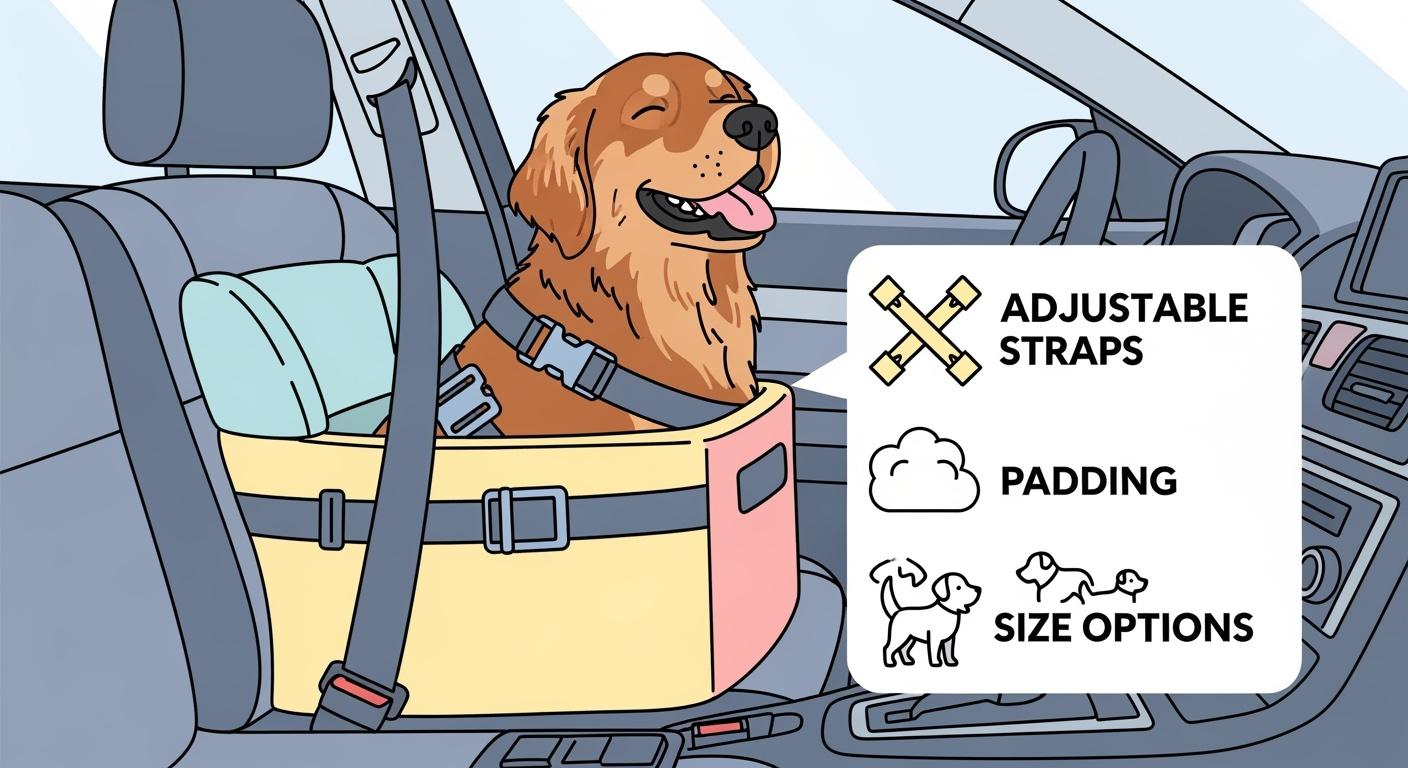
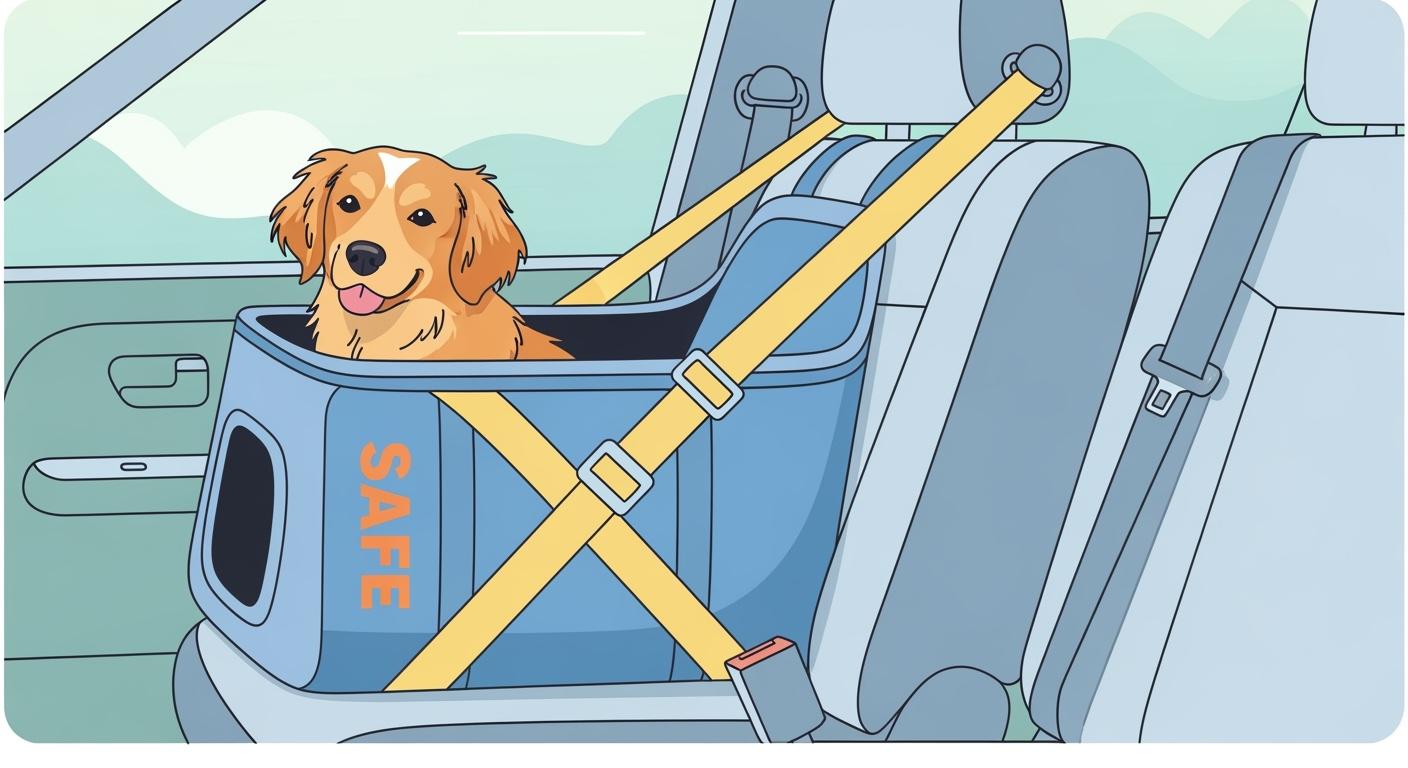
No. Most walking harnesses are not crash-tested. For car safety, use a certified harness or crate system designed for vehicles.
Note: Always follow local rules and consult your veterinarian if you have health or comfort concerns about your dog.
You keep your dog safe by checking the harness fit before every walk.
Look for signs of discomfort, like scratching or whining.
Use the two-finger rule for strap comfort.
Test the leash clip and inspect for damage.
Adjust straps as needed.
Enjoy safer, happier walks together.Note: Always follow local rules and ask your vet about health concerns.
FAQ
How tight should the harness fit?
You should fit the harness so two fingers slide easily under each strap. The harness must feel snug but never tight.
What if my dog gets rubbing under the armpits?
Check strap placement. Move straps away from the armpits. Adjust for a centered fit. Watch for redness or discomfort.
Can my dog wear the harness all day?
You should remove the harness when your dog is unsupervised. This prevents snagging and reduces rubbing risk.
Note: Always follow local rules and consult your veterinarian for health or comfort concerns.