Many people search for a durable outdoor dog bed when they want a bed that fits their dog, dries quickly, and stays strong outside. You should measure your dog and watch how your dog likes to sleep. Place the bed where your dog gets fresh air and stays dry. Always give your dog water and shade. If your dog pants a lot, limps, coughs, or acts strange, talk to your vet.
Key Takeaways
Measure your dog from nose to tail and add 6 to 12 inches for a comfortable fit. This helps prevent pressure points and ensures your dog can stretch out.
Choose a bed made from durable materials like ripstop nylon or heavy-duty polyester. These fabrics resist tearing and last longer outdoors.
Look for features like removable covers for easy cleaning and raised designs for better airflow. This keeps your dog cool and the bed dry.
What Makes a Durable Outdoor Dog Bed
Real-World Durability vs. Search Terms
When you search for an outdoor dog bed, you will see words like “chew-proof,” “all-weather,” or “waterproof.” These words sound tough, but real durability means the bed can handle being outside and getting cleaned often. The bed should last through sun, rain, and dirt. No bed is unbreakable, but some are stronger than others. Look for features that keep the bed safe and useful for your dog.
Check the main things that make a bed strong before you buy one. These include:
Washability: You want a bed that is easy to clean. Removable covers you can wash in a machine help a lot.
Seam strength: Double-stitched seams stop the bed from ripping at the edges.
Abrasion resistance: Tough fabrics like ripstop nylon or heavy-duty polyester do not tear easily.
Colorfastness: Good beds keep their color after being in the sun or washed.
Drainage: A water-resistant bottom or mesh lets water run out, so the bed dries fast.
Airflow: Beds with mesh or raised parts let air move around the bed.
Here is a table that shows what materials are used in strong outdoor dog beds and how they work:
Material | Characteristics |
|---|---|
Ripstop Nylon | Strong, often water-resistant, great for active dogs or diggers |
Heavy-Duty Polyester | Very tough and does not get damaged easily |
Cotton Canvas | Soft and strong, made from natural fabric |
Pick a bed that matches your dog’s needs. Senior dogs need orthopedic beds with thick foam for support. Big dogs need beds with high-density fill that do not lose their shape. Dogs that chew a lot need beds made from ripstop or heavy-duty material. For outside, water-resistant beds are best because they are simple to clean and work well on patios or grass.
Dog Type / Use Case | Best Bed Type | Why It Works |
|---|---|---|
Senior dogs | Orthopedic beds | Thick foam helps sore joints feel better |
Large breeds | High-density fill beds | Stays firm longer and gives good support |
Heavy chewers | Ripstop/heavy-duty beds | Harder to tear and stands up to rough use |
Outdoor use | Water-resistant beds | Easy to clean and good for patios, travel, garages |
A strong outdoor dog bed should fit your dog’s size and how your dog likes to sleep. It should stay comfy and safe even after many washes and days outside.
Support, Airflow, and Surface Stability
Support is important for all dogs. The bed should keep its shape and give your dog a steady place to rest. High-density foam (2.5 lb density or more) helps the bed stay firm and not go flat. Raised beds or cots give extra support and keep your dog off hot or wet ground.
Airflow helps control heat and moisture. Beds with mesh let air move under your dog. This keeps your dog cooler when it is hot and helps the bed dry faster after rain or cleaning. Mesh and raised beds work together to stop heat and wetness from building up.
Raised mesh beds keep your dog off hot ground like concrete or sand.
Air moving under the bed helps your dog stay cool and dry.
Raised beds are simple to rinse off, which helps stop smells and germs.
Canopy beds give shade and let air move, so your dog is more comfortable in the sun.
Surface stability means the bed does not tip or slide when your dog gets on. Look for beds with strong frames and feet that do not slip. This helps your dog feel safe and calm.
Tip: Put the outdoor dog bed in a place with good airflow and shade. Check the bed often for wet spots or damage. Clean the bed every week to keep it fresh and safe.
If your dog gets too hot, coughs, limps, has skin problems, or seems upset, bring your dog inside and call your vet. This article does not give medical advice.
Key Features of the Best Outdoor Dog Bed
Raised Frames and Fast-Dry Materials
When you look for the best outdoor dog bed, start by checking if the bed has a raised frame. Raised frames keep your dog off the ground, which helps avoid wet or hot surfaces. This design supports your dog’s joints and makes it easier for older dogs to get up and down. Many top-rated outdoor dog beds use this style because it helps with comfort and health.
Elevated beds help maintain joint health, especially for older dogs.
They spread your dog’s weight evenly, which lowers pressure on sore spots.
The slight lift makes it easier for your dog to stand up or lie down.
Fast-dry materials are important for outdoor use. Mesh or water-resistant fabrics let air move and help the bed dry quickly after rain or cleaning. Good materials like ripstop nylon or heavy-duty polyester resist damage and stay strong after many uses. Always check if the bed sits high enough to avoid ground moisture and if the surface dries fast after getting wet.
Cover Construction and Easy Cleaning
A quality outdoor dog bed should have a cover that you can remove and wash. Look for reinforced seams and abrasion-resistant covers. These features help the bed last longer and lower your long-term costs. You want a bed that stands up to mud, dust, and regular outdoor messes.
The Centers for Disease Control and Prevention (CDC) recommends regularly cleaning all pet bedding as often as you would your own items (once a week) to reduce the risk of disease-causing organisms for both pets and people.
Use this table to see how different features help with durability and maintenance:
Feature | Benefit |
|---|---|
Ripstop nylon exterior | Enhances durability, reducing wear and tear on the bed. |
Reinforced stitching | Minimizes the risk of seam failure, prolonging the bed’s lifespan. |
Memory foam core | Maintains integrity under heavy use, reducing the need for replacements. |
Replacement covers available | Extends the life of the bed, further lowering long-term costs for owners. |
When you choose a durable outdoor dog bed, check the size to make sure your dog can stretch out. Make sure the bed is easy to clean and dries fast. Avoid beds that sit too close to wet or hot ground. If your dog shows signs of overheating, coughing, limping, or skin irritation, bring your dog inside and call your vet. This article does not give medical advice.
Sizing and Placement for Outdoor Dog Beds
Measuring for Fit and Sleep Style
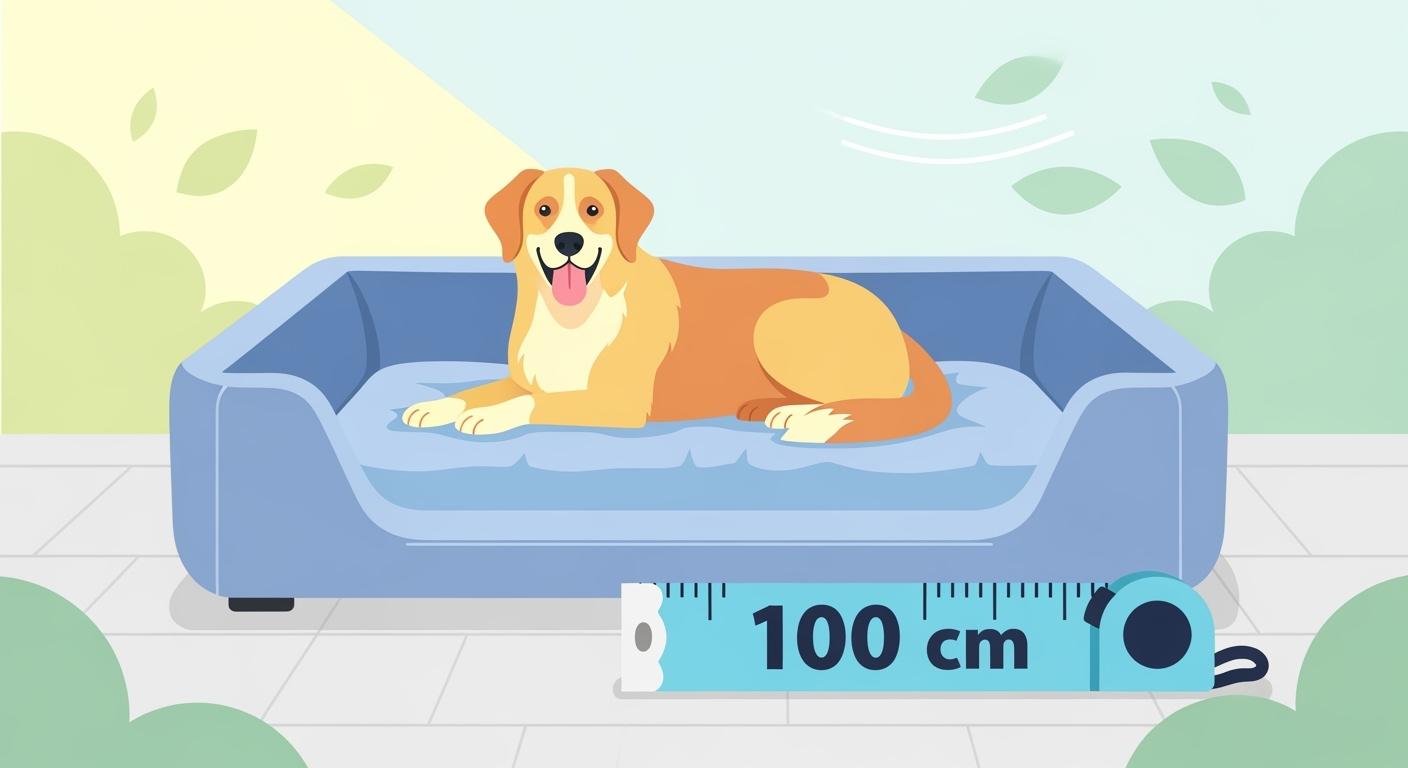
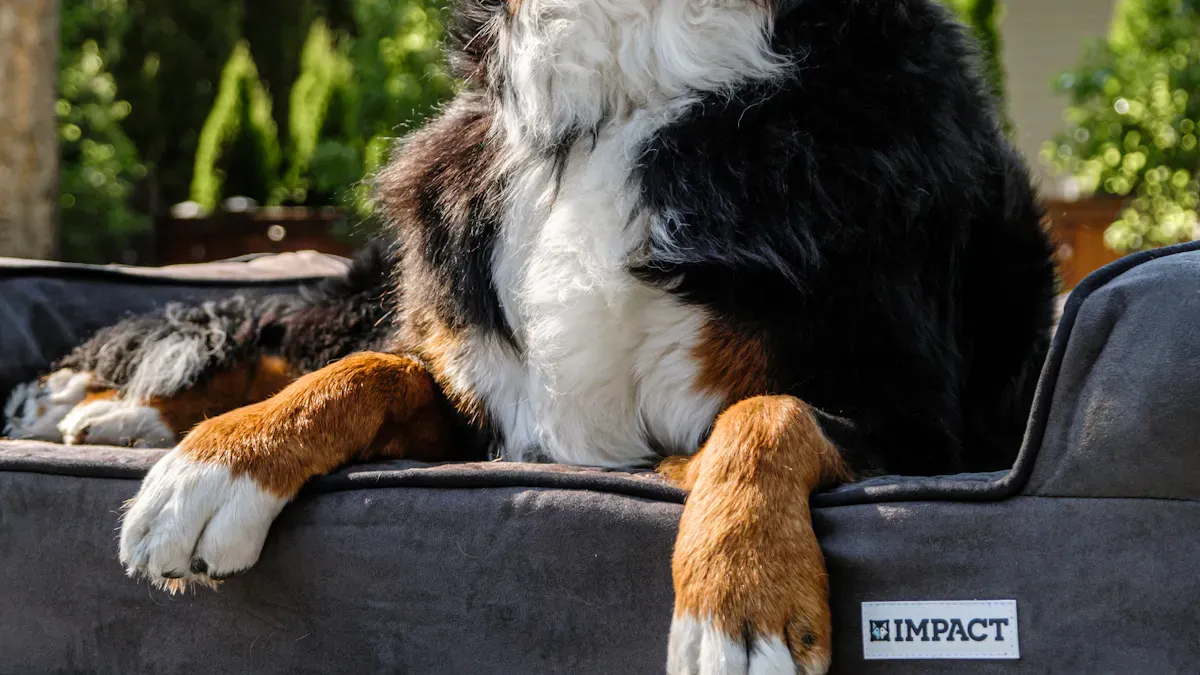
You want your outdoor dog bed to fit your dog perfectly. Start by measuring your dog from nose to tail while they are stretched out. Add 6 to 12 inches to this length. This extra space lets your dog move, stretch, and change positions without hanging off the edge. A properly sized bed helps prevent pressure points and keeps your dog comfortable, especially if your dog is older or has joint pain.
Veterinarians suggest these steps for choosing the right size:
Watch your dog when they sleep. Notice if they curl up or stretch out.
Measure your dog in their longest sleeping position.
Lay out a blanket or towel on the floor to match the bed’s usable area.
Make sure your dog can turn, settle, and rest without any part of their body hanging off.
Check the bed’s entry height so your dog can step on and off easily.
A durable outdoor dog bed should support your dog’s sleep style. Dogs that like to sprawl need more space. Dogs that curl up may prefer a smaller, cozier bed.
Placement: Patio, Grass, and Shade
Choose a spot for your outdoor dog bed that stays dry and gets good airflow. Place the bed on a patio, deck, or patch of grass that does not flood or stay wet. Avoid areas with standing water or mud. Look for shade to protect your dog from direct sun. Even a water-resistant or waterproof bed cannot replace the need for shade, fresh water, and supervision.
Tip: Check the bed often for wet spots, dirt, or damage. Clean the bed every week to keep it safe and comfortable.
Outdoor beds help your dog enjoy fresh air, but they do not solve heat or air-quality problems. If your dog pants a lot, coughs, limps, or seems distressed, bring them inside and call your vet. This article does not give medical advice.
Pass/Fail Checklist and Troubleshooting
Quick Pass/Fail Checklist
You need to check if the outdoor dog bed is right for your dog. Use this checklist to help you decide if the bed is good:
Check Item | Pass Signal | Fail Signal | Fix |
|---|---|---|---|
Size fits your dog | Dog can stretch out fully | Dog hangs off or curls tight | Choose a larger bed |
Easy to clean | Removable, washable cover | Hard to remove or wash cover | Pick a bed with a simple cover |
Raised or fast-dry design | Bed dries quickly outdoors | Bed stays wet or soggy | Look for mesh or elevated design |
Stable on outdoor ground | Bed does not tip or slide | Bed wobbles or slips | Add non-slip feet or move location |
Durable seams and fabric | No loose threads or tears | Seams split or fabric frays | Choose reinforced, abrasion-resistant |
Tip: Check the outdoor dog bed for wet spots or damage before you use it.
Durability Feature Comparison Table
You can look at different outdoor dog beds to find the best one for your dog. This table shows how each bed works outside:
Bed Style or Feature | Best Use Case | Main Comfort Benefit | Main Watchout |
|---|---|---|---|
Raised mesh cot | Hot, damp, or grassy | Airflow and fast drying | May not suit small puppies |
Waterproof cover | Rainy or muddy areas | Stays dry and easy clean | Can feel less soft |
Thick foam core | Older or large dogs | Joint support | Needs regular deep cleaning |
Heavy-duty fabric | Active or chewing dog | Lasts longer outdoors | Can get hot in direct sun |
Troubleshooting Common Issues
If you see problems with your outdoor dog bed, use this table to find quick fixes:
Symptom | Likely Cause | Fast Check | Fix |
|---|---|---|---|
Bed stays wet | Poor drainage | Press on surface for water | Move to dry spot or use raised bed |
Bad odor | Needs cleaning | Smell the bed | Wash cover and dry in sunlight |
Fabric tears | Rough use or chewing | Look for holes or frays | Switch to more durable material |
Dog avoids bed | Wrong size or spot | Watch dog’s behavior | Check fit and move to shaded area |
Note: If your dog pants a lot, coughs, limps, has skin problems, or seems upset, bring your dog inside and call your vet. This article does not give medical advice.
Common Mistakes to Avoid with Outdoor Dog Beds
Overlooking Fit and Growth
You might buy an outdoor dog bed based only on the label or a quick glance at the size chart. Many owners forget to measure their dog or consider how their dog sleeps. If your dog stretches out, a small bed will not work. Puppies and young dogs grow fast, so you need to plan for extra room. Always check the bed’s length and width. Lay out a towel to match the bed’s area and see if your dog fits comfortably. If your dog hangs off the edge or curls up tightly, the bed is too small.
Tip: Measure your dog from nose to tail and add extra space for comfort. Check the bed’s entry height for easy access.
Ignoring Cleaning and Weather Needs
Some people place an outdoor dog bed in a spot that stays wet or gets dirty often. Beds on damp ground or muddy areas can trap moisture and cause odor. Water-resistant does not mean the bed dries quickly. You need to clean the bed every week and check for damage after rain or heavy use. If you ignore cleaning, the bed will wear out faster and may not stay durable. Choose a bed that you can wash easily and move to a dry spot.
Mistake | Result | Solution |
|---|---|---|
Low bed on wet ground | Stays soggy, smells bad | Use raised bed, dry area |
No cleaning routine | Dirt, germs build up | Wash weekly, inspect bed |
Prioritizing Style Over Function
You may pick an outdoor dog bed because it looks nice or matches your patio. Style matters, but function comes first. Beds with thick fabric or dark colors can trap heat. Beds without airflow can get hot and uncomfortable. Always check if the bed supports your dog, stays stable, and dries fast. Do not rely on outdoor placement alone for safety. Your dog still needs shade, water, and supervision.
Note: If your dog shows signs of overheating, coughing, limping, skin irritation, or distress, bring your dog inside and call your vet. This article does not give medical advice.
You help your dog stay comfortable and safe by choosing the right outdoor dog bed. Use the checklist and comparison tables to find a bed that fits your dog and supports easy cleaning. Outdoor beds improve joint health, protect from pests, and add comfort. Always provide shade and water. If your dog shows abnormal signs, contact your vet.
Aspect | Benefit |
|---|---|
Joint Health | Outdoor beds prevent joint issues for your dog, especially seniors. |
Pest Protection | Raised outdoor beds keep your dog away from pests like ticks. |
Comfort | Outdoor beds give your dog firm support and comfort outside. |
Note: This article does not give medical advice. If your dog overheats, coughs, limps, has skin irritation, or acts distressed, call your veterinarian.
FAQ
How do you know if an outdoor dog bed is truly waterproof?
You should check the product details for a waterproof label. Test by pouring water on the surface. If water beads up and does not soak in, it works.
Can you use an outdoor dog bed indoors during cold weather?
Yes, you can use an outdoor dog bed inside. It gives your dog a clean, supportive spot. Make sure the bed stays dry and comfortable for your dog.
Does weatherproofing mean the bed can stay outside all year?
Weatherproofing helps the bed resist rain and sun. You should still bring the bed inside during extreme outdoor conditions to protect your dog and the bed.
Note: If your dog overheats, coughs, limps, has skin irritation, or acts distressed, call your veterinarian. This article does not give medical advice.