You want the best dog vest for your dog’s breed and activity. A dog vest is more than just dog clothes. It is special gear made for certain needs. Many owners like dog vests more than other dog clothing. Vests spread out pressure, so dogs do not get hurt or feel bad. Dogs usually like vests more than other dog clothes. This makes walks easier for all dogs. Dog vests help with night walks, city trips, hiking, water fun, and anxiety. Modern dog clothing has reflective strips for safety. Some have handles for control. They use adjustable and breathable materials. When picking a dog vest, think about your dog’s needs and lifestyle. This helps you choose the right harness or dog clothing that fits well.
Key Takeaways
Dog vests keep your dog safe and comfortable during activities. They spread out pressure, so your dog’s neck does not get hurt.
Pick the right vest for your dog’s breed and size. Think about what your dog will do while wearing the vest. Look at things like weather, how easy it is to see, and if your dog feels nervous.
Always check if the vest fits before you use it. A good harness keeps your dog safe and comfy. It helps stop injuries.
Find vests with straps you can adjust and materials that let air in. Reflective strips help your dog stay safe on walks.
Check and clean your dog’s vest often to keep it nice. Get a new vest if you see any damage or if it is worn out.
Definition and Purpose
A dog vest is special gear that helps you care for your dog in many ways. You use it to keep your dog safe, comfortable, and easy to control. Unlike simple collars, a vest dog harnesses your dog’s body for better support. You can use a dog vest for daily walks, outdoor adventures, or even to help your dog feel calm. Some vests help with visibility at night. Others keep your dog warm or cool.
You may notice that vest dog harnesses are lighter than heavy coats. They let your dog move freely. This makes them great for active dogs or when the weather is mild. You can pick a vest that matches your dog’s needs, whether you want safety, warmth, or protection.
Vest dog harnesses spread pressure across your dog’s chest and back. This helps prevent neck strain.
You can use a vest for many jobs, such as keeping your dog visible, warm, or safe.
Dog coats cover more of your dog’s body and work best in cold weather.
Vest Dog Harnesses vs. Other Gear
You have many choices when it comes to harnesses and dog gear. Vest dog harnesses stand out because they offer more coverage and comfort. They work well for dogs that need extra support or feel anxious. Standard harnesses use straps and may not give as much comfort. Dog coats and jackets focus on warmth but do not help with control.
Here is a table to help you compare:
Feature | Vest Dog Harnesses | Standard Harnesses |
|---|---|---|
Body Coverage | More coverage for support and comfort | Straps around chest and back |
Comfort for Anxious Dogs | Calming effect, good for anxious dogs | Comfortable, no throat pressure |
Climate Suitability | Good for cold weather, warmer materials | Everyday use, not for cold weather |
Ideal for | Small breeds, older dogs, injured dogs | Small to medium dogs, dogs that do not pull |
When choosing the right vest dog harness, think about your dog’s size, age, and activity level. Vest dog harnesses help you control your dog gently. They also make walks safer and more enjoyable. If you want to make the best choice, focus on choosing the right vest dog harness for your dog’s needs.
Tip: Always check the fit of your harness. A good fit keeps your dog safe and happy.
Dog Vest Styles and Their Uses
Picking the right dog vest styles helps you find the best gear. There are many choices in dog clothing for different breeds and activities. You want your dog to feel safe and comfortable. The right vest helps your dog get ready for any adventure. Let’s look at the main vest dog harnesses and dog clothes you can pick.
Everyday and Adventure Vests
You use everyday and adventure vest dog harnesses for walks, parks, and hiking. These dog vest styles give comfort and control. Most have adjustable straps and breathable materials. Handles on the back help you guide active dogs or older pets. These harnesses fit most breeds, especially those who love being outside.
Pros:
Simple to put on and take off
Great for active dogs
Gives gentle control
Cons:
May not protect from weather
Some do not have reflective strips
Best Uses:
Walks in the neighborhood
Hiking trails
City outings
A multifunctional nylon dog harness vest gives extra support. This style fits many breeds, from small terriers to big retrievers.
High-Visibility and Safety Vests
High-visibility vest dog harnesses keep your dog safe at night or in fog. These dog vest styles use bright colors and reflective strips. You want your dog to be easy to see in low light. Safety vests help you control your dog and protect them from traffic or danger.
Advantages:
Makes dogs easy to see at night
Helps you control your dog
Protects against hazards
Disadvantages:
May feel hot in warm weather
Some dogs do not like bright colors
Best Uses:
Night walks
Busy city streets
Camping trips
These harnesses work for all breeds, especially active dogs that go out after dark.
Cooling Vests
Cooling vest dog harnesses help your dog stay cool when it’s hot. These dog vest styles use special fabrics that hold water and keep dogs cool. You use cooling vests for breeds that get hot easily. Bulldogs, pugs, chihuahuas, and French bulldogs need cooling dog clothes the most.
Tip: Cooling vests are best for heat-sensitive breeds and active dogs in summer.
Dog Breed | Vest Type | Benefit |
|---|---|---|
Bulldogs | Cooling Vest | Prone to overheating |
Pugs | Cooling Vest | Prone to overheating |
Chihuahuas | Cooling Vest | Good for heat-sensitive small breeds |
French Bulldogs | Cooling Vest | Good for heat-sensitive small breeds |
Pros:
Keeps dogs cool in hot weather
Light and easy to wear
Cons:
Needs to be soaked often
Not good for cold weather
Best Uses:
Summer walks
Outdoor play
Travel in warm places
A multifunctional nylon dog harness vest with cooling features gives extra comfort to active dogs.
Insulated and Winter Vests
Insulated winter vests and insulated dog vests keep your dog warm in cold weather. These dog vest styles use thick, warm materials. You use them for breeds with short hair or those that get cold easily. Insulated dog clothes help your dog enjoy winter walks and snow.
Pros:
Keeps dogs warm
Blocks wind and snow
Cons:
May feel bulky
Not for hot weather
Best Uses:
Winter walks
Snowy hikes
Cold climates
Insulated winter vests help small breeds, older dogs, and those with thin coats.
Anxiety and Calming Vests
Anxiety vest dog harnesses help your dog feel calm when stressed. These dog vest styles use gentle pressure to relax sensitive dogs. You use calming dog clothes for noise-sensitive breeds or dogs scared of storms and fireworks.
Dog Breed | Vest Type | Benefit |
|---|---|---|
Noise-sensitive Dogs | Anxiety Vest | Big help from calming jackets |
Sensitive Dogs | Anxiety Vest | Respond well to calming effects |
Pros:
Lowers anxiety
Easy to wear
Cons:
Not for every dog
May need someone to watch the dog
Best Uses:
Thunderstorms
Fireworks
Vet visits
A multifunctional nylon dog harness vest with calming features helps anxious dogs.
Working, Service, and Hunting Vests
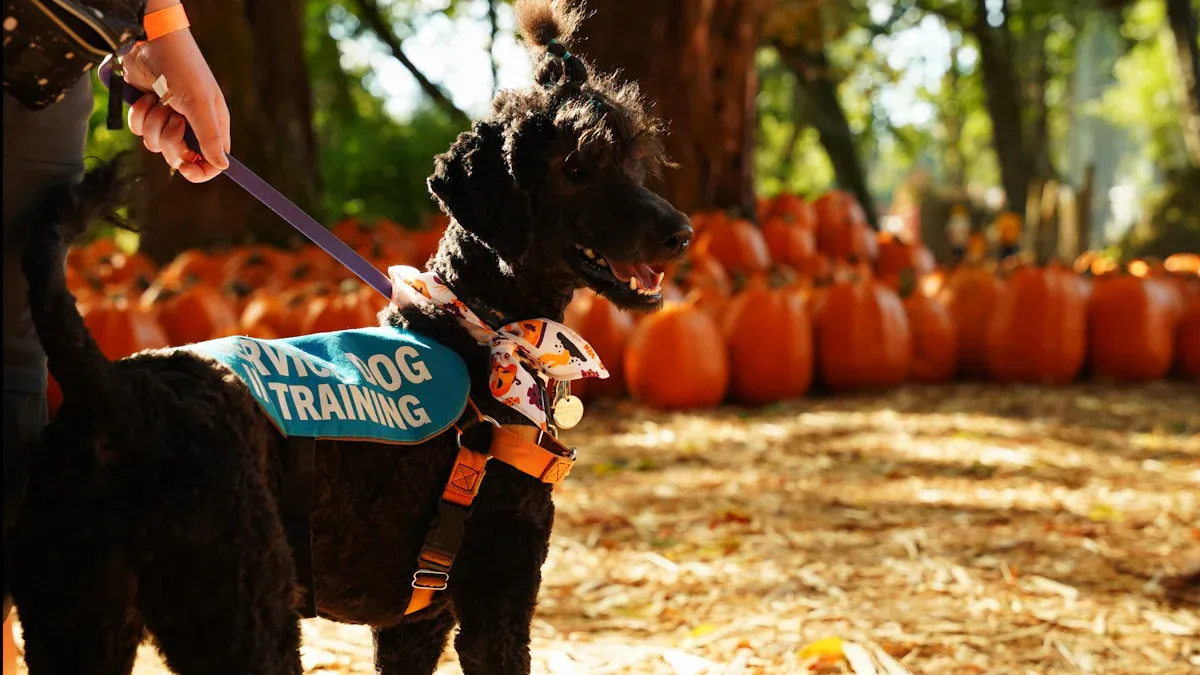
Working, service, and tactical vests help you train and guide dogs with special jobs. These dog vest styles use strong materials and extra pockets. You use tactical vests for service dogs, hunting dogs, and dogs in training. The perfect training working dog harness gives you control and support.
Pros:
Strong and tough
Extra features for training
Cons:
May feel heavy
Not for simple walks
Best Uses:
Service work
Search and rescue
Hunting trips
Tactical vests and multifunctional nylon dog harness vest designs are great for large breeds and working dogs.
Life Vests for Water Activities
Life vest dog harnesses keep your dog safe when swimming, boating, or playing in water. These dog vest styles use floating materials and strong straps. You use life vests for breeds that love water or need help swimming.
Pros:
Stops dogs from drowning
Easy to see in water
Cons:
May limit movement
Needs to fit well
Best Uses:
Boating
Swimming
Beach trips
A multifunctional nylon dog harness vest with floating features helps active dogs join you in water sports.
Note: Always check the fit of your dog vest before any activity. A good harness keeps your dog safe and comfortable.
Dog Vest Styles and Breed Suitability Table
You want to match dog vest styles with your dog’s breed and activity. Use this table to help you pick the best dog clothing and harness for your pet.
Dog Vest Style | Best For Breeds/Activities |
|---|---|
Everyday/Adventure Vests | All breeds, active dogs, daily walks |
High-Visibility/Safety Vests | All breeds, night walks, city outings |
Cooling Vests | Bulldogs, pugs, chihuahuas, French bulldogs |
Insulated Winter Vests | Small breeds, older dogs, cold climates |
Anxiety/Calming Vests | Noise-sensitive, sensitive dogs |
Working/Service/Hunting Vests | Large breeds, working dogs, training |
Life Vests | Water-loving breeds, swimming, boating |
Vest dog harnesses and tactical vests give many benefits for different breeds and activities. Pick the perfect training working dog harness or multifunctional nylon dog harness vest for your dog’s lifestyle. Dog vest styles make dog clothing more helpful and comfortable for every pet.
Essential Features to Consider
When picking a dog vest, you should look for features that keep your dog safe and comfortable. The right vest dog harnesses help your dog enjoy every activity. Let’s see what is most important.
Material and Durability
The material of a dog vest matters a lot. Good materials make the harness last longer. You want waterproof and windproof fabrics to protect your dog from rain or snow. Breathable material stops your dog from getting too hot. Padding inside adds comfort and stops the harness from rubbing. Here’s a simple guide:
Feature | Description |
|---|---|
Adjustable Straps | Keeps the harness snug and secure |
Reflective Strips | Boosts safety in low light |
Padded Interior | Adds comfort and prevents chafing |
Waterproof/Windproof | Shields from harsh weather |
Breathable Material | Keeps your dog cool and dry |
Flexibility | Lets your dog move freely |
Adjustability and Fit
A harness must fit your dog well to keep them safe. Vest dog harnesses with many adjustment points help you get a good fit. This stops the harness from slipping or rubbing. Padding and mesh keep your dog comfy on long walks. Use a harness fitting guide to check the fit. A harness that fits right keeps your dog safe and stops injuries.
Pick a harness that fits your dog’s size and shape.
Make sure your dog can move easily in the harness.
Always check the fit before every walk.
Safety Elements
Safety features keep your dog safe outside. Vest dog harnesses with bright colors and reflective panels make your dog easy to see. Strong dog vest materials like 300D Oxford weave do not tear easily and last longer. Weatherproof vests keep your dog dry and easy to spot. You can add LED lights for more safety at night.
Safety Element | Description |
|---|---|
High-Visibility Materials | Bright colors and reflective panels for visibility |
Rugged Durability | Tough fabrics for outdoor use |
Weatherproof Protection | Keeps your dog comfortable in rain or snow |
Weather Suitability
The right dog vest materials help your dog in any weather. Cooling vests stop your dog from getting too hot in summer. Insulated harnesses keep your dog warm in winter. Pick a harness that matches the weather and your dog’s needs. This keeps your dog happy and healthy all year.
Tip: Always use a harness fitting guide to make sure the harness fits well before you go out.
Dog Vest Benefits
Safety and Visibility
You want your dog to be safe on every walk. Reflective vests help people see your dog at night or in fog. Dog clothes with bright colors like blaze orange and neon yellow stand out in the sun. These colors take in sunlight and shine it back, so your dog is easy to spot. Retroreflective materials bounce light back to drivers. This helps cars and bikes see your dog in the dark. Dog safety vests stop accidents by making your dog easy to see. Without reflective vests, your dog can be hard to spot. This makes walks more risky.
Bright colors help people see your dog in the day.
Retroreflective strips make your dog safer at night.
Comfort and Weather Protection
Dog clothes help your dog feel good in any season. Cooling vests use special tech to pull heat away from your dog. Reflective dog clothes keep your dog cool by bouncing sunlight off. Some dog clothes use special materials to keep your dog’s body at the right temperature. You can pick warm dog clothes for winter or cooling ones for summer.
Cooling vests help dogs stay cool in hot weather.
Reflective tech keeps dogs safe from the sun.
Special materials help control your dog’s temperature.
Support and Control
Vest dog harnesses help you guide your dog better. A good harness gives you more control and support. Many dog clothes have handles and straps you can adjust. This gives extra help when you need it. The table below shows how vest dog harnesses help you and your dog:
Benefit | Description |
|---|---|
Clear Identification | Dog clothes help people know which dogs are working. |
Focus and Emotional Health | Vest shows it is work time, so dogs focus better and feel good. |
Safety Features | Reflective vests make dogs easier to see and keep them safe. |
Information Pockets | Dog clothes often have pockets for ID cards. |
Anxiety Relief
Anxiety vests help your dog feel calm and safe. Weighted dog clothes give gentle pressure, like a hug. This helps your dog relax and feel better. Studies show anxiety vests lower heart rates and stress. Dogs wearing these vests stay closer to their owners and act less scared during loud sounds.
Tip: Anxiety vests are best for dogs who fear loud noises or storms.
Convenience for Active Owners
Dog clothes and vest dog harnesses make things easier for you. You can put on a harness fast before going outside. Many harnesses have pockets for treats or ID cards. Reflective vests keep your dog safe on night walks. You can pick dog clothes that fit your dog’s needs and activities.
Measuring for a Perfect Vest Fit
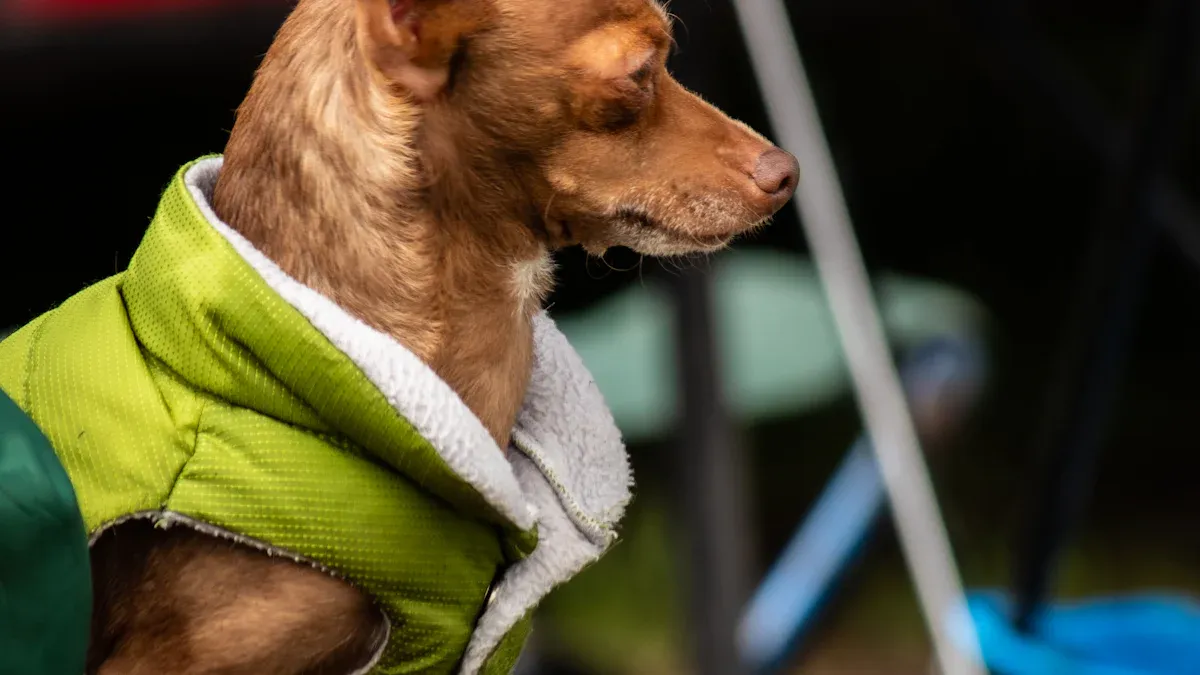
You want your dog to feel comfortable and safe in every activity. Getting the perfect vest fit starts with measuring your dog the right way. Vest dog harnesses work best when you follow simple steps for measuring your dog. You can avoid problems with dog clothing by checking the fit before you buy.
How to Measure Your Dog
You need three main measurements for a proper fitting of vest dog harnesses. Use a soft tape measure and keep your dog standing for the most accurate results. Follow these steps:
Measure the Chest (Girth):
Wrap the tape around the widest part of your dog’s chest, just behind the front legs. This is the most important step for how to measure for a dog harness. Make sure the tape is snug but not tight.Measure the Neck:
Place the tape around the base of your dog’s neck where the collar sits. You want enough space for two fingers between the tape and your dog’s skin.Measure the Length:
Start at the base of the neck and measure down to the base of the tail. This tells you how much of your dog’s back the vest will cover.
Tip: Always measure your dog while standing. This gives you the most accurate numbers for dog clothing and harness sizing.
Using Size Charts
Dog clothing brands use different size charts, so you need to check the chart for each harness. Accurate measuring your dog helps you match the numbers to the chart. Some brands focus on girth, while others use weight or length. Always follow the instructions from the manufacturer.
Here is a sample size chart for vest dog harnesses:
Size | Girth Measurement | Weight Range |
|---|---|---|
Small (SM) | 26-30″ | 40-60 lbs |
Medium (MD) | 28-32″ | 60-80 lbs |
Large (LG) | 32-36″ | 80-115 lbs |
Extra Large (XL) | 36-40″ | 115-145 lbs |
Double Extra Large (2XL) | 40-44″ | 145-175 lbs |
You may see another chart that matches vest size to common breeds:
Vest Size | Approx. Girth | Common Breeds |
|---|---|---|
XX-Small | 10 – 14 Inches | Very small and/or puppy dogs |
X-Small | 14 – 18 Inches | Chihuahua, Toy Poodle, Yorkshire Terrier, Maltese |
Small | 18 – 22 Inches | Bichon, Shih-Tzu, Dachshund, Pomeranian, French Bulldog |
Medium | 22 – 27 Inches | Cocker Spaniel, Bulldog, Beagle, Shiba Inu, Pug |
Large | 27 – 32 Inches | Boxer, Pitbull, Golden Retriever, Border Collie, Huskie |
X-Large | 32 – 42+ Inches | German Shepherd, Rottweiler, Labrador, Doberman, Mastiff, Great Dane |
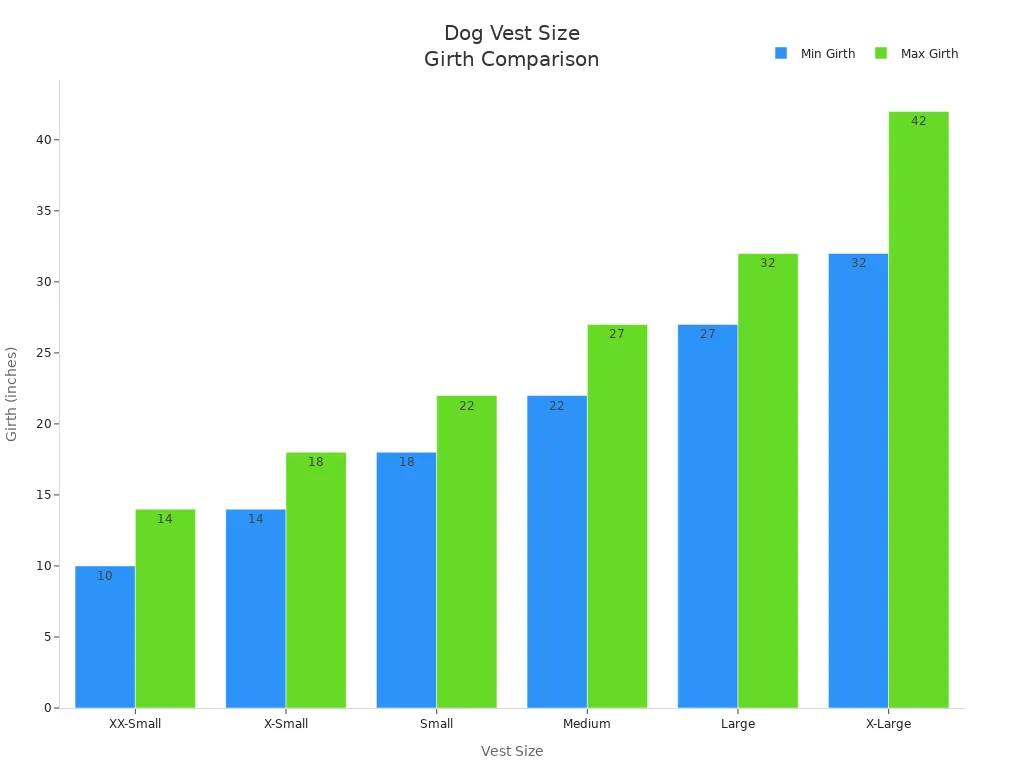
If your dog falls between sizes, choose a larger size for wider chested dogs. Pick a smaller size for slender dogs.
Some brands recommend girth over weight for the proper dog harness fit.
Always use your measurements, not just your dog’s breed or weight.
Note: Dog clothing size charts may look different. Always check the chart before you buy a harness.
Fit Check: Good vs. Bad Fit
Even the best dog vest only works if it fits properly. After you put the vest on, take a moment to check how it sits on your dog before every walk.
Signs of a Good Fit
A well-fitting vest should look and feel like part of your dog’s body, not a stiff shell on top of it. Look for:
The vest lies flat against your dog’s chest and back, without twisting or sliding to one side.
You can slide two fingers comfortably between any strap and your dog’s skin. It should feel snug, not tight.
Full range of motion: your dog can walk, trot, sit, lie down, and turn without the vest cutting into the armpits or shoulders.
No rubbing or dents in the fur when you remove the vest—hair should not be broken or flattened in sharp lines.
If all of these look good and your dog seems relaxed and happy, the fit is likely correct.
Signs of a Bad Fit
If the vest is too tight, too loose, or the wrong shape, your dog will tell you with their body language. Watch for:
Chafing, red marks, or bald spots around the chest, armpits, neck, or belly
Stiff or short strides, reluctance to jump or climb stairs, or sitting in an awkward way
Restlessness or worry: pacing, whining, hiding, or freezing when the vest goes on
Trying to escape the vest—biting, scratching, or twisting to get it off
Difficulty breathing: heavy panting, coughing, or wheezing once the vest is on
The vest rides up toward the throat, spins around the body, or slips over the shoulders
Any of these signs mean you should stop, readjust the straps, or try a different size or style.
Tip: After the first few uses of a new vest, do a quick check both before and after each outing. Small issues are easiest to fix early, and a comfortable fit is the best way to keep your dog safe and happy in their vest.
Getting Your Dog Used to a Vest
Positive Introduction Tips
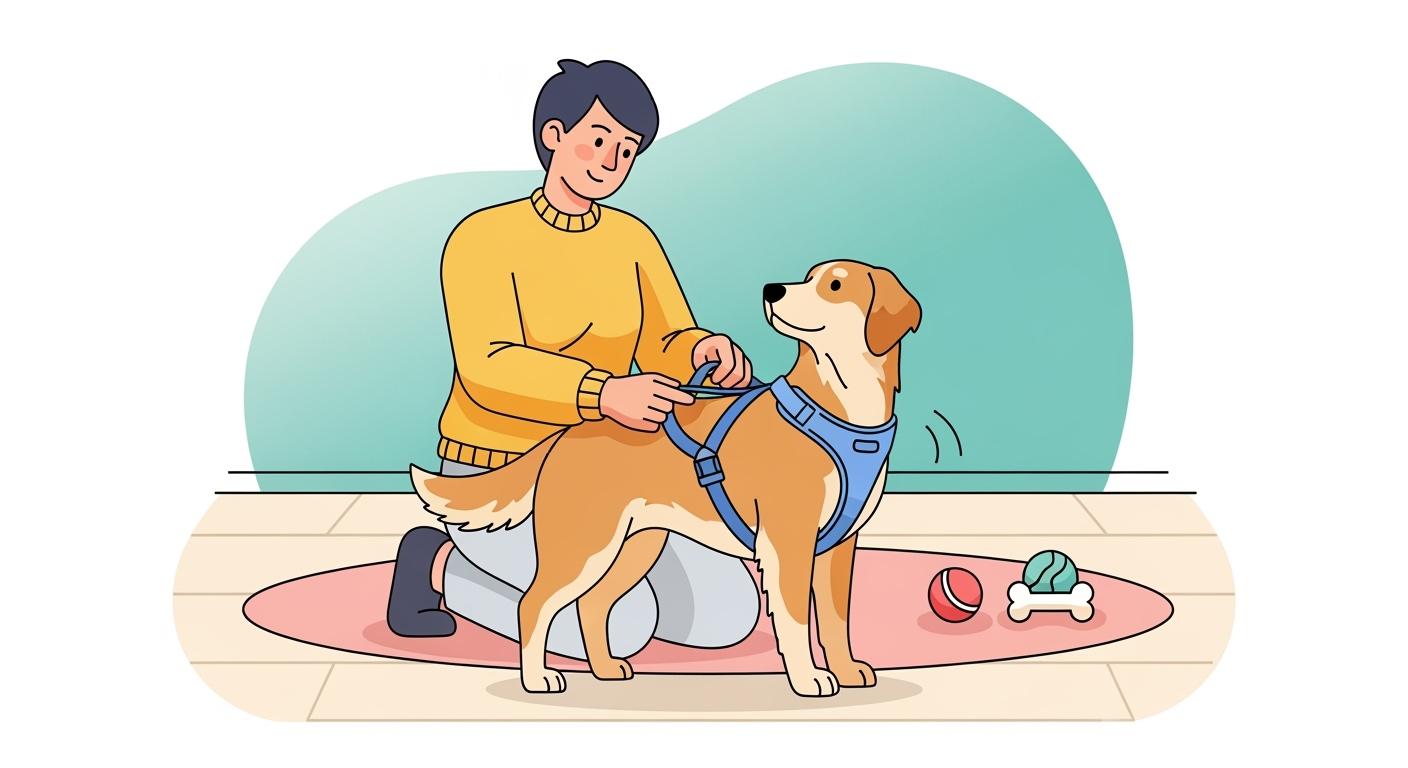
You want your dog to feel happy and safe when wearing a new harness or vest. Start by letting your dog sniff and explore the vest before you put it on. Give treats and praise to create a positive feeling. Place the harness gently on your dog’s back for a few seconds, then remove it and reward your dog again. Repeat this step a few times each day.
Next, fasten the harness for a short period while your dog enjoys a favorite activity, like playing or eating. This helps your dog connect the harness with good experiences. If your dog seems unsure, go slowly and use extra treats or toys for distraction. Dogs learn best when you stay calm and patient.
Tip: Measure your dog after playtime or a walk. Your dog will be calmer and less likely to resist the harness.
Monitoring Comfort
As your dog starts wearing the vest for longer periods and outside activities, keep an eye on how they feel in it.
• Watch body language
A comfortable dog moves freely, explores, and walks normally. Signs of discomfort include constant scratching at the vest, trying to wriggle out, stiff or short steps, or refusing to walk.
• Check the fit regularly
After a few minutes of walking or playing, run your hands under the straps and around the edges. Make sure there are no pinched areas, twisted straps, or hot spots. You should still be able to slide two fingers between the vest and your dog’s skin.
• Adjust as your dog changes
Puppies grow, adult dogs gain or lose weight, and coats thicken or shed. Re-check measurements from time to time and adjust the straps so the vest remains snug but not tight.
• Know when to take a break
If your dog seems stressed, overheated, or tired, remove the vest, give them water, and allow a rest. It’s better to do several short, positive sessions than one long, uncomfortable one.
Note: A vest should never cause rubbing, bald patches, or sore skin. If you notice any of these, stop using the vest and reassess the size, fit, or style before trying again.
Care and Maintenance
Cleaning and Storage
Regular, gentle cleaning is better than letting dirt build up.
1. Check the care label first
Every manufacturer has slightly different fabric blends and coatings. Follow those instructions as your starting point.
2. Remove loose dirt and hair
Shake out the vest, then brush off dried mud and loose fur. Spot-clean heavy stains with a damp cloth and a little mild soap.
3. Use mild detergent only
Hand-wash in cool or lukewarm water, or use a gentle machine cycle. Close all buckles and Velcro and, if you machine-wash, put the vest in a mesh laundry bag to protect straps and hardware.
4. Avoid harsh products
Skip bleach, fabric softener, and strong stain removers. They can damage reflective strips, break down waterproof coatings, and irritate your dog’s skin.
5. Rinse thoroughly and air-dry
Make sure no soap remains in the fabric, then lay the vest flat or hang it to dry in the shade. Do not tumble-dry or leave it baking in direct sun, which can warp plastic parts and fade high-visibility colours.
Tip: Store the vest completely dry in a cool, well-ventilated place. Hanging it or laying it flat works better than stuffing it in a tight box or leaving it in a damp car.

Inspecting for Wear
Before activities, give the vest a quick visual check. Small issues can turn into safety problems if they’re ignored.
• Fabric: Look for cuts, deep abrasions, or thin, worn patches.
• Straps and buckles: Check for fraying, stretching, cracks, or buckles that no longer snap firmly.
• Stitching: Examine seams and load-bearing areas (handles, D-rings) for loose or broken threads.
• Reflective areas: Make sure reflective strips are still firmly attached and not peeling or badly scratched.
Note: A 10-second inspection before each walk is usually enough to catch early signs of damage.

When to Replace a Dog Vest
Even the best vest won’t last forever. For safety, plan to replace the vest if you notice:
• Structural damage such as torn fabric near buckles, ripped handles, or badly frayed straps
• Buckles or adjustment sliders that no longer hold securely
• Reflective areas that are so worn they no longer improve visibility
• A change in your dog’s body shape or weight that makes a safe fit impossible, even after adjusting the straps
When in doubt, err on the side of safety. A strong, clean, well-fitting vest is a small investment compared with the protection and peace of mind it provides for every walk and adventure.
FAQ
How do you choose the right vest size for your dog?
Start by measuring your dog’s chest girth, neck, and back length with a soft tape measure. Make sure your dog is standing and relaxed so the numbers reflect their real body shape. Then compare these measurements with the brand’s size chart and give priority to chest girth, which most professionals see as the key measurement for a secure fit. Pick the size that best matches your dog’s numbers. If your dog falls between two sizes, choose the larger vest and use the adjustment points to fine-tune the fit. Always make sure you can slide two fingers between the vest and your dog’s skin.
Can your dog wear a vest all day?
Dog vests are designed for activities, not 24/7 wear. It’s fine to keep the vest on during walks, training, travel, or short outings, but remove it when your dog is resting or sleeping. This gives the skin and coat time to breathe and helps prevent rubbing, hot spots, or overheating. If you notice any irritation or your dog keeps trying to scratch at the vest, take it off and check the fit.
What is the best vest for a puppy?
Puppies do best with a lightweight, soft, and highly adjustable dog vest. Look for wide adjustment ranges, smooth padding, and simple buckles so you can put it on and take it off quickly. Avoid very heavy or stiff tactical vests at this stage—your puppy needs freedom to move and grow. As your dog matures and their body shape settles, you can upgrade to a more specialized adventure or working vest if needed.
How do you clean a dog vest?
Always check the care label first, because different fabrics need different care. In general, brush or wipe off loose dirt, then hand-wash or machine-wash the vest on a gentle cycle with mild detergent. Rinse thoroughly so no soap is left in the fabric, and let the vest air-dry away from direct heat or strong sun. Avoid bleach and fabric softeners, which can damage reflective strips, waterproof coatings, and mesh panels.
Do all dogs need a vest for outdoor activities?
Not every dog must wear a vest, but many dogs benefit from one. High-visibility vests are useful for night walks or busy roads, cooling vests help heat-sensitive breeds in hot weather, and insulated vests protect short-haired or senior dogs in the cold. Anxious dogs may feel calmer in a snug, vest-style harness. Think about your dog’s age, coat type, health, and typical activities—if a vest can make them safer or more comfortable, it’s worth considering.