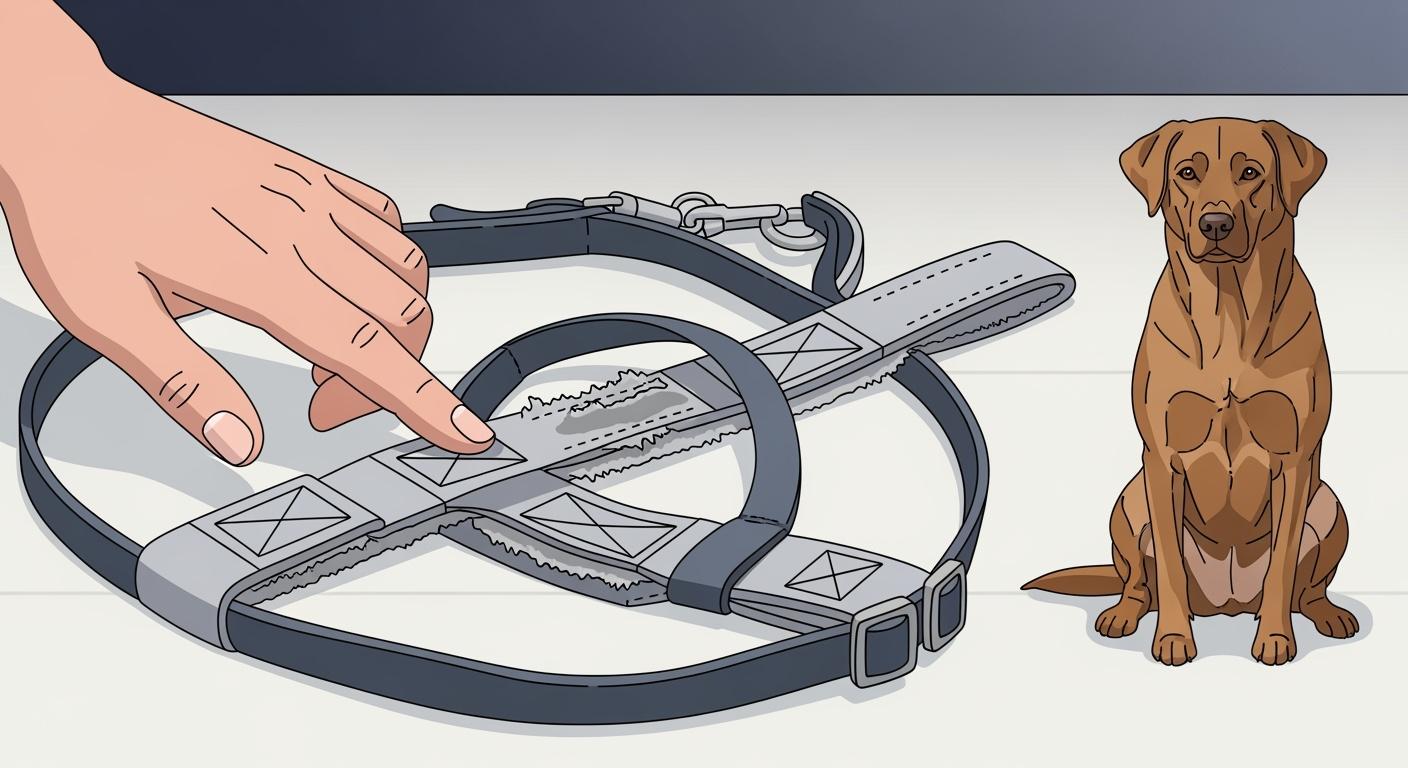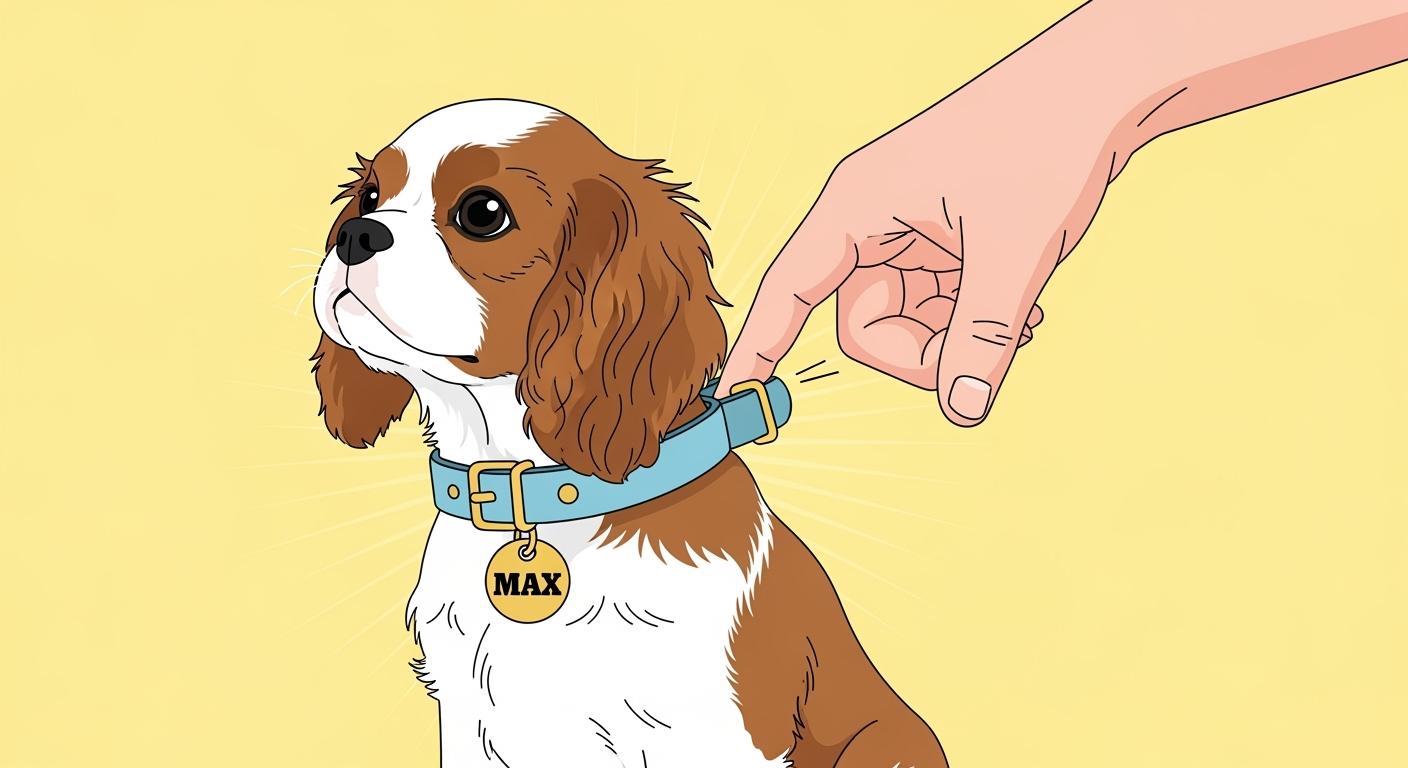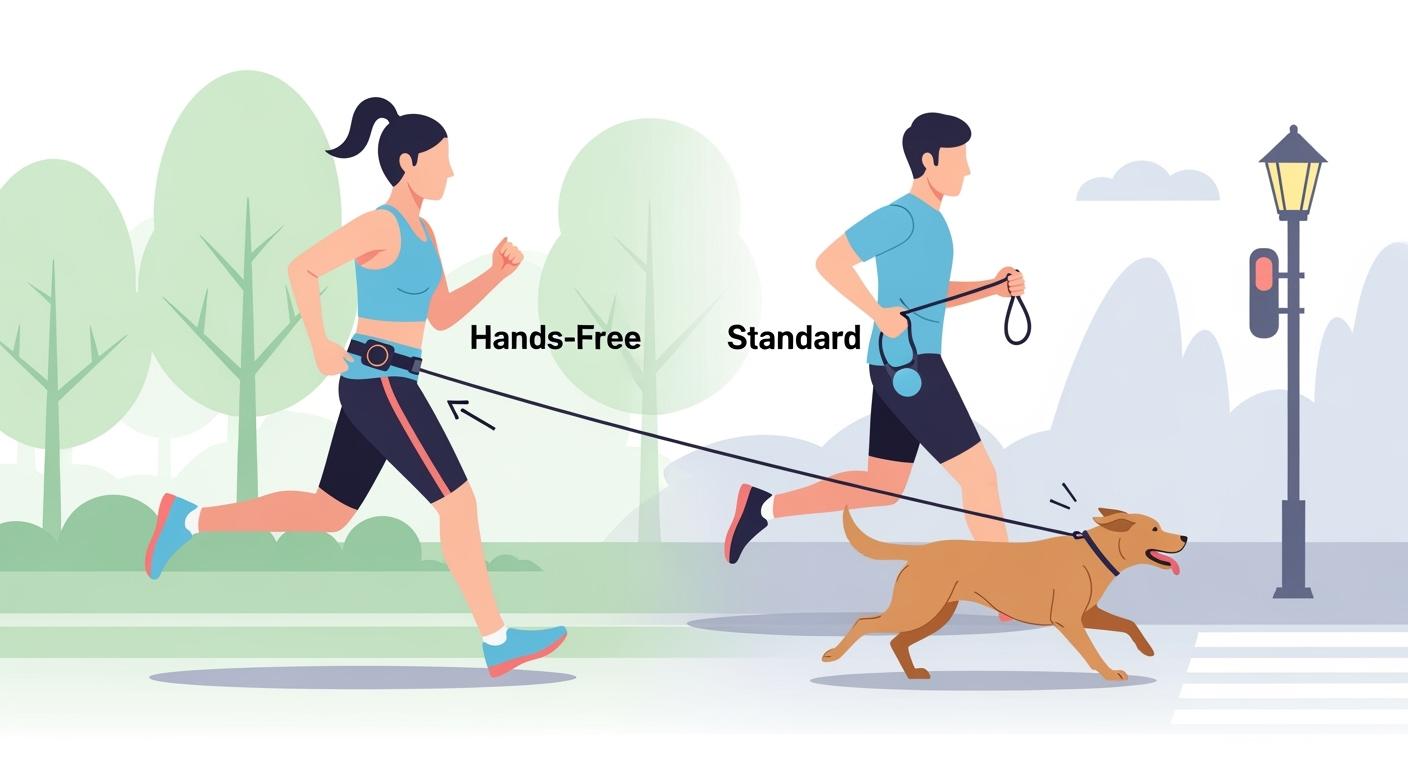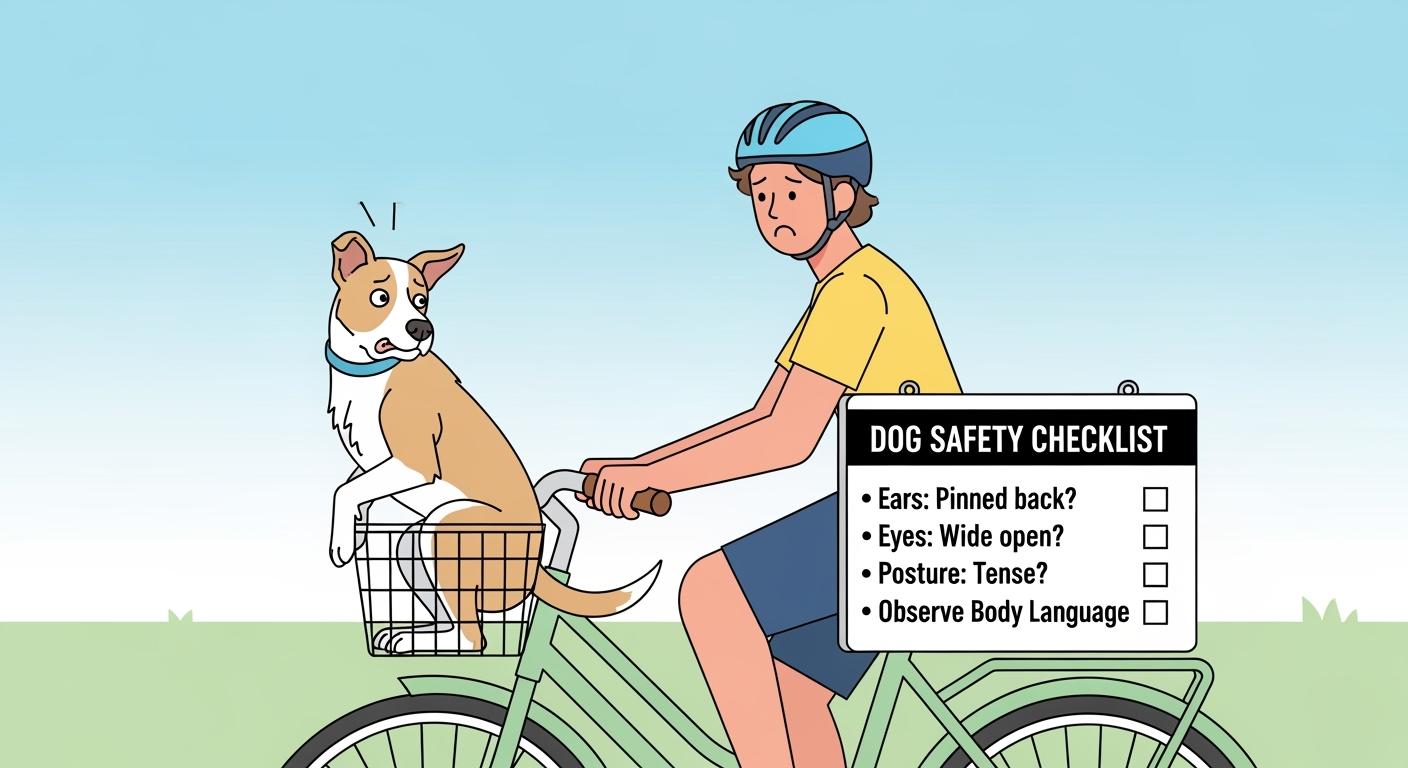
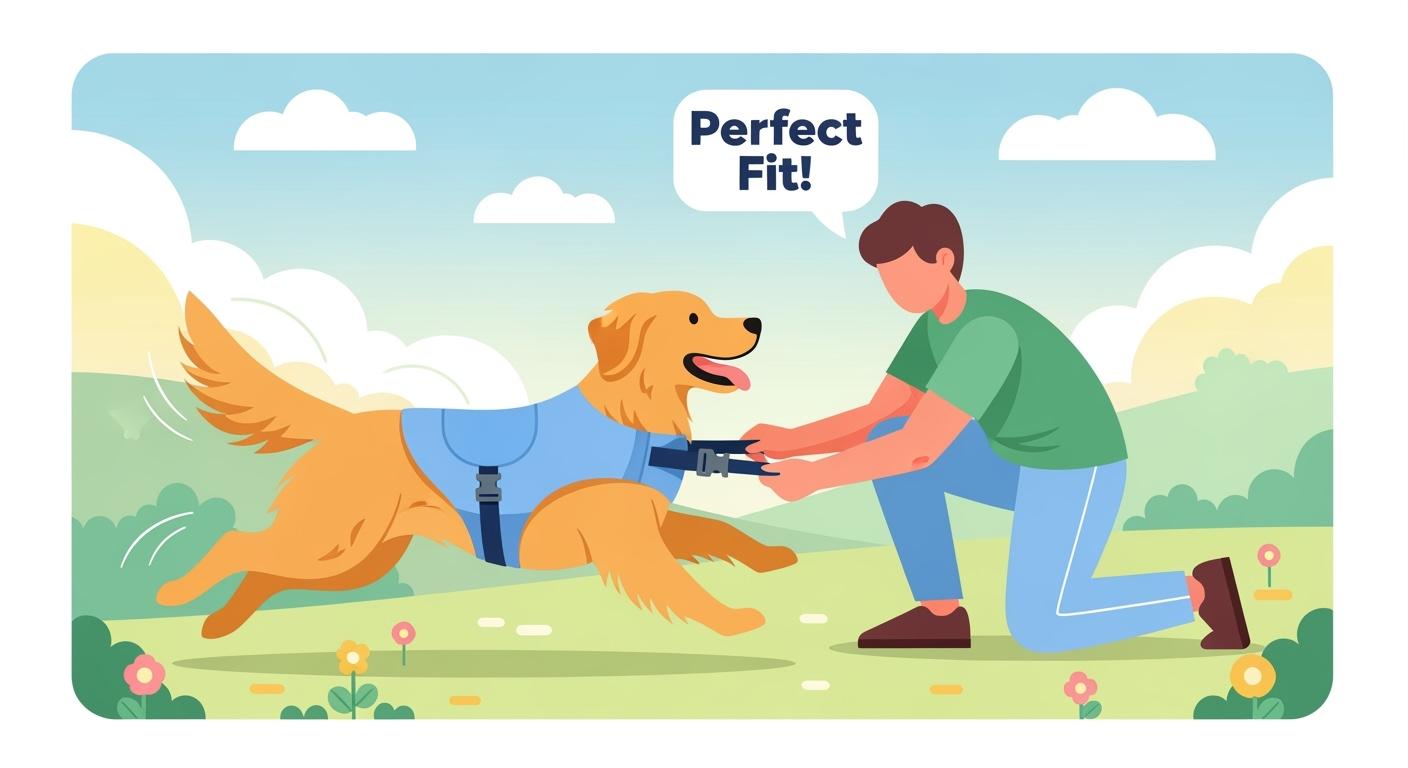
A vest can look fine when a dog stands still, but running, turning, and rough play quickly reveal slip, twist, and rub points. A good fit feels snug without restricting shoulder swing or breathing, and it stays centered when your dog accelerates or changes direction. Use the two-finger strap check, a short walk-and-turn test, and a brief play check to confirm stability before you clip on a leash.
Problem | Cause | Quick Fix |
|---|---|---|
Chafing/Red marks | Straps too tight or rough | Loosen straps, add padding, or change harness |
Dog escapes backward | Chest strap is too loose | Tighten chest strap so two fingers fit |
Dog slips out forward | Neck opening is too big | Adjust neck strap or use a smaller size |
Restricted movement | Shoulder straps too tight | Loosen shoulder straps and check movement |
Dog vests can work for many activities, but fit depends on body shape and how your dog moves. Stop use if you see rubbing, overheating, or escape attempts. For breathing or movement concerns, talk to a veterinarian; for panic or reactivity, work with a qualified trainer.
Key Takeaways
Aim for snug, not tight: two fingers should fit under each strap without pinching skin.
Test in motion: walk, jog, and turn to confirm the vest stays centered without twisting or riding up.
Re-measure on a schedule and after changes (growth, weight, or coat trim) to keep fit consistent.
Choose breathable materials for warm conditions; avoid heat-trapping materials unless the activity and weather call for them.
After each session, check armpits and chest for redness, broken hair, or repeated licking, then adjust or switch styles.
Dog Vest Fit and Stability During Play
Stability vs Range of Motion
You want your dog vest to stay secure while your dog runs, turns, and jumps. Stability means the vest does not twist or ride up, even during fast movement. Range of motion means your dog can stretch, leap, and play without feeling restricted. To check both, watch your dog walk, turn, and play for a few minutes. If you see the vest shift to one side or creep toward the throat, you need to adjust straps. Make sure the front edge does not block the shoulder when your dog swings a leg forward. You should adjust straps so the vest stays centered and does not rub the armpit area.
Scenario A:
Imagine you fit a dog vest while your dog stands still. It looks perfect. When your dog starts running, the vest twists and rides up toward the neck. This happens because you measured the chest girth over thick fur and did not adjust straps in the right order. You also skipped the under-leg stability check. To fix this, part the fur and measure at skin level, then adjust straps starting with the chest, followed by the neck, and finally check under-leg stability. Repeat the process until the vest stays centered during movement.
When to Choose Different Gear
You may need to switch gear for certain activities. Consider these situations:
Choose breathable fabric vests for hiking or running to keep your dog cool.
Avoid neoprene in hot weather because it can trap heat and moisture.
Neoprene can make sense for cold-water or short-duration support needs, depending on the design and your dog’s comfort.
If you notice overheating, rubbing, or stress signals, stop and reassess fit and material choice.
Measurement Mistakes and Slipping
Measurement errors often lead to slipping and poorly fitted vests. Review this table to avoid common mistakes:
Mistake | Why It’s Problematic | How to Avoid It |
|---|---|---|
Measuring over thick fur | Adds bulk, vest too large | Part fur, measure at skin level |
Using neck size instead of chest | Wrong size, vest slips | Prioritize chest girth for sizing |
Measuring a sitting or lying dog | Body shape changes, wrong fit | Measure with dog standing on all fours |
Ignoring seasonal weight changes | Fit changes, vest slips | Re-measure every 3-6 months, adjust straps as needed |
You should adjust straps after every measurement and check fit during movement. Dog vests may not suit all dogs or activities. If you see discomfort, escape attempts, or skin irritation, stop use. For movement or breathing issues, consult a vet. For panic, consult a professional trainer.
Proper Vest Fit: Measurement and Adjustment
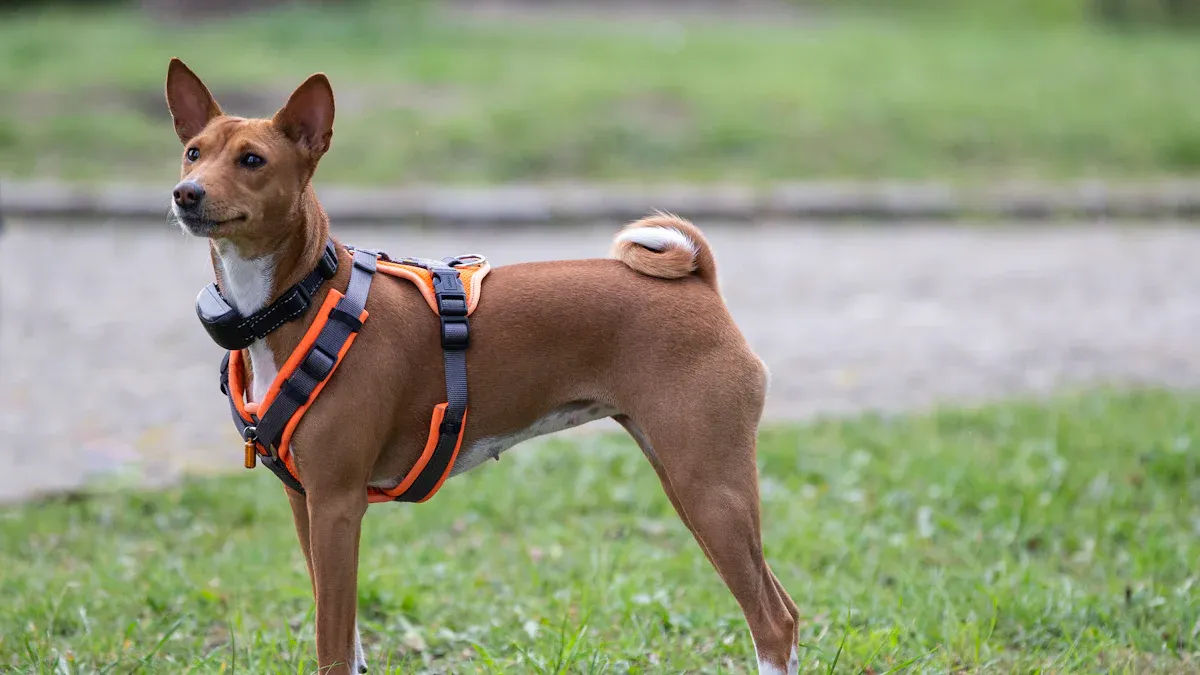
Achieving a proper fit for your dog’s vest starts with accurate measurements and careful adjustment. You want your dog to move freely and stay comfortable during every activity. Use this section as a step-by-step guide to measuring and adjusting for a proper vest fit.
Chest Girth: Where and How to Measure
You need to measure your dog’s chest girth to ensure stability and comfort. Follow these steps:
Stand your dog on all fours.
Place a soft measuring tape around the widest part of the chest, just behind the front legs.
Make sure the tape goes under the armpits and around the ribcage.
Allow enough room for two fingers between the tape and your dog’s body.
Tip: Even a small error, such as 0.5 in (1.3 cm), can affect fit. Too tight can chafe; too loose can slip or twist during play.
Neck Girth and Back Length: Preventing Ride-Up
You must measure the neck girth and back length to prevent the vest from riding up or twisting. Use these steps:
Measure the neck at the base, where a collar would sit.
Slide two fingers under the tape for comfort.
Measure the back length from the base of the neck (just behind the skull) to the base of the tail.
Note: Measuring with your dog standing ensures the proper fit. If you measure while your dog sits or lies down, the body shape changes and the vest may not fit correctly.
Coat Thickness and Movement Style
Your dog’s coat and movement style can change the fit. Thick fur adds bulk, and a recent trim can reduce measurements. Dogs with active movement need extra room for stretching and turning.
Re-measure after a coat trim or noticeable body change.
Adjust straps to match your dog’s current size and activity level.
Check the vest during walking, turning, and short play.
Parameter and Value Table for Proper Fit
Use this table to guide your measurement and adjustment process. Each step helps you achieve a proper vest fit for stability and comfort.
Parameter | Target range or option | Why it matters |
|---|---|---|
Chest girth method | measure behind front legs | Predicts stability under motion |
Neck girth method | base of neck | Helps prevent ride-up |
Back length cue | base of neck to base of tail | Reduces twisting from wrong length |
Snugness rule | snug but not restrictive | Helps keep vest in place |
Shoulder freedom cue | do not block front leg swing | Supports running and play |
Armpit clearance cue | keep edges off armpit crease | Reduces rubbing risk |
Twist check | stays centered during movement | Catches shifting early |
Ride-up check | does not creep toward throat | Helps comfort and control |
Care method example | machine wash cold, air dry | Sets cleaning expectations |
Size chart fields | neck, chest, back, clothes length | Improves listing clarity |
Scenario B: Re-measuring After Coat Trim or Body Change
Imagine your dog recently had a haircut or gained weight. You notice the vest feels loose and shifts during play. You re-measure the chest girth, neck girth, and back length with your dog standing. You adjust the straps to match the new measurements. The vest now stays centered and does not ride up or twist. Your dog moves comfortably and enjoys playtime.
Checklist:
Measure chest, neck, and back with your dog standing.
Adjust straps for a snug, not tight, fit.
Re-check after coat trim or body change.
Watch your dog move and play to confirm stability.
You can use these steps and checks every time you fit a dog vest. This process helps you achieve a proper fit for every activity.
Dog Vest Measurements and Design for Maximum Comfort
Strap Placement and Shoulder Freedom
You want your dog vest to let your dog move easily. Straps should not block the shoulders. If straps go straight across the shoulders, your dog may not walk well. This can make your dog feel sore. Check that straps sit behind the shoulder blades. They should not push into the muscles. Lift each front leg gently. Watch if your dog moves without trouble. If your dog hops or bends, change the straps or try another vest style. The StridePaw multifunctional dog suit has a special cut. It uses straps that help your dog move in a natural way.
Panel Width and Under-Leg Stability
Wide panels help keep the vest steady. They should not rub under the legs. Make sure the panel lays flat on the chest. It should not bunch up. Look for elastic cords under the legs. The StridePaw suit has these cords. They help stop the vest from moving too much when your dog plays. Put two fingers under the panel and cords. This checks if it feels comfortable. If you see red skin or broken hair, change the fit. You can ask the supplier about softer lining choices.
Closures and Adjustability
Closures should be simple and safe. Quick-release buckles make things faster. They help you and your dog feel less stressed. Adjust each strap so two fingers fit under it. Check the size chart for neck girth, chest girth, back length, and clothes length before you buy. If you have questions about care or panel materials, ask the supplier. Most vests need machine wash cold and air dry.
Feature Checklist Table
What to Check | How to Check | Why It Matters |
|---|---|---|
Strap placement | Straps behind shoulders, not across blades | Supports natural stride and maximum comfort |
Shoulder freedom | Lift front legs, watch for restriction | Prevents limited movement and discomfort |
Panel width | Panel sits flat, no bunching | Reduces twisting and rubbing |
Under-leg stability | Elastic cords, two-finger test | Keeps vest centered during play |
Closures | Quick-release buckles, easy adjustment | Simplifies use and improves safety |
Size chart fields | Neck, chest, back, clothes length | Helps you select the right fit |
Care instructions | Machine wash cold, air dry | Maintains vest quality and hygiene |
Lining softness | Ask supplier if unsure | Prevents skin irritation |
If you do not see all the details, ask the supplier before you buy.
Dog Vest Fit Test Protocol for Active Dogs
Testing the fit of your dog vest during active movement helps you spot problems before they affect your dog’s comfort or safety. You want to check the fit in real-life situations, not just when your dog stands still. Use a simple sequence to make sure the vest stays secure and comfortable.
Posture and Movement Checks
Start with your dog standing on all fours. Look at the vest and straps. Make sure the vest sits centered on the chest and does not twist to one side. Check that the straps are even and clips are secure. Next, walk your dog for a few minutes. Watch for signs of slipping, twisting, or bunching. Turn your dog in both directions and see if the vest stays in place. Let your dog play or run for a short time. Check mobility by watching how your dog moves. If you see hopping, limping, or hesitation, stop and adjust the vest.
Run-and-Turn Test: Signs of Failure
Active movement can reveal fit problems that do not show up when your dog stands still. Use the run-and-turn test to spot issues early. Let your dog run in a straight line, then turn quickly. Watch for these signs:
Vest rotates or shifts to one side
Neckline creeps up toward the throat
Straps rub the armpit or chest
Dog tries to escape or scratches at the vest
If you see any of these problems, stop and check the vest. Look for red marks, broken hair, or repeated licking at contact points. These signs mean the vest does not fit well.
Common Cause Table
Common Cause | Result | Next Steps |
|---|---|---|
Straps too tight | Rubbing, red marks, escape attempts | Loosen straps, check contact points |
Straps too loose | Vest slips, dog escapes | Tighten straps, re-check the fit |
Poor strap placement | Armpit rubbing, restricted movement | Move straps behind shoulders, check mobility |
Uneven adjustment | Vest twists, discomfort | Adjust straps evenly, repeat movement tests |
Wrong size | Vest rides up, slips off | Re-measure dog, select correct size |
Quick Fixes for Fit Issues
If you find a problem during your fit test, use these quick fixes:
Adjust straps one at a time to see which change helps most
Move straps away from the armpit crease to reduce rubbing
Re-check the fit after each adjustment by walking and turning your dog
If the vest still causes problems, try a different size or style
Scenario C:
Your dog starts to rub its armpit and tries to escape the vest during play. You check the strap placement and see that the straps sit too close to the armpit crease. You loosen the straps slightly and move them behind the shoulders. After adjusting, you let your dog walk and run again. The vest stays centered, and your dog moves comfortably without rubbing or escape attempts.
Fit Test Sequence Checklist
Stand: Check vest position and strap snugness
Walk: Watch for slipping, twisting, or bunching
Turn: Observe vest stability during direction changes
Short play: Check mobility and comfort during active movement
Note: Make one adjustment at a time and repeat the test sequence. Stop the test if you see irritation, limping, or panic.
Standard Protocol Table for Active Fit Testing
Step | Description |
|---|---|
Pre check | Ensure straps are even, harness is centered, and clips are secure |
Walk test | Conduct a 10-minute walk with straight paths, turns, stops, and inclines |
Post check | Inspect for skin irritation, strap marks, and hardware heat |
Red flag priority | Address serious issues first, such as rubbing or escape risk |
Adjustment method | Make one change at a time to clarify outcomes |
Re test | Repeat the same route to ensure consistent results |
Stop criteria | Cease the walk if signs of irritation, limping, or panic are observed |
You can use these steps to check the fit of your dog vest leash and keep your dog safe and comfortable during every activity.
Dog Vest Comfort and Rubbing Prevention
Armpit and Chest Hot Spots
You want your dog to stay comfortable during every walk and play session. Hot spots often develop in the armpit and chest areas. These problems can make your dog restless or even cause skin damage. Watch for these frequent causes:
Poor fit creates pressure points and skin irritation.
Straps that dig into the skin leave red marks and discomfort.
Armpits and chest are common places for rubbing and soreness.
Twisting or slipping vests reduce coverage and lead to sore spots.
Heavy coverage with low airflow increases heat stress risk.
Check these areas after each use. If you see redness, broken hair, or your dog licks or scratches the vest, adjust the fit or try a different style. Comfort is non-negotiable when choosing gear for your dog.
Edge Binding and Lining
Materials matter for comfort and durability. Smooth liners and protected seams help prevent rubbing. Use this table to guide your inspection:
Parameter | Target Option or Rule | Why It Matters |
|---|---|---|
Liner direction | Smooth wicking liner in rub zones | Reduces chafing risk |
Seam and edge plan | Bound edges, protected seams | Prevents early failure |
Feel the inside of the dog vest. Look for soft, smooth fabric in areas that touch the skin. Bound edges and covered seams protect against irritation. If you notice rough spots, ask the supplier about lining options.
When to Reassess Fit or Switch Styles
Regular checks keep your dog safe and happy. Use this checklist to decide when to reassess or switch your dog vest leash:
Inspect the vest for fit and comfort every few weeks.
Adjust the vest if your dog grows or changes body condition.
Watch for changes in gait or posture that signal discomfort.
If you see rubbing, limping, or escape attempts, stop and reassess sizing, strap placement, and materials before the next session.
Dog Vest Harness Selection Guide
Picking the right vest depends on your dog’s habits. Think about what your dog does each day. You want a dog vest harness that matches how active your dog is. The harness should keep your dog safe and comfortable. Use this guide to help you choose the best one.
Daily Walks and Light Play
For normal walks and gentle play, comfort and control matter most. Look for soft and breathable materials. These let your dog move easily. Reflective strips help you see your dog at night. Fabrics that clean easily save you time after muddy walks.
Feature | Description |
|---|---|
Comfort | Moves pressure off the throat and helps your dog walk normally. |
Breathability | Mesh and perforated neoprene keep your dog cool and dry. |
Control | A secure fit helps you guide your dog in busy places. |
Safety | Reflective strips make your dog easier to see at night. |
Easy Cleanup | Materials resist dirt and wipe down quickly. |
Tip: After each walk, check the vest for rubbing or discomfort.
High-Energy Running and Trails
Active dogs need a dog vest harness that stays put while running. Pick vests with special cuts and mesh that lets air flow. These vests help your dog move and stay cool. Reflective panels add safety for early or late walks. The vest should not twist or ride up when your dog runs fast or turns.
Note: Try a short run and turn to test the fit.
Escape-Prone or Reactive Dogs
If your dog tries to escape or gets distracted easily, pick a dog vest harness with extra control. Look for front-clip designs and straps you can adjust. Soft padding and breathable materials help your dog stay calm. Two leash points give you more ways to train and walk.
Feature | Benefit |
|---|---|
Front-clip design | Gives you better control and helps with strong pulling. |
Fit and adjustability | Lets you make the vest snug and lowers escape risk. |
Materials | Soft, padded, and breathable for comfort. |
Dual leash attachment points | Offers more choices for walking and training. |
Dog and Context Table
Dog Type/Context | Best Vest Features | What to Avoid |
|---|---|---|
Calm, small dog | Soft mesh, easy cleanup | Heavy, stiff materials |
Active, large dog | Ergonomic fit, reflective panels | Loose straps, poor airflow |
Escape-prone/reactive | Front-clip, snug adjustability | Thin straps, poor control |
Option Comparison Table
Option | Pros | Cons | Best For |
|---|---|---|---|
Mesh harness | Breathable, lightweight | Not enough support for strong pullers | Daily walks, light play |
Ergonomic running vest | Secure fit, reflective, cool | May cost more | Running, trails |
Front-clip harness | Extra control, reduces pulling | May need adjustment | Escape-prone, reactive dogs |
Check the dog vest harness fit often and adjust if needed. You want your dog to enjoy every walk and playtime with the right vest. If you use a dog vest leash, make sure the harness stays secure and comfortable.
Retailer and Brand Notes for Dog Vests
Listing Fields to Reduce Returns
You want buyers to pick the right dog vest. Clear listing fields help lower returns. Use a table to show features and what they do:
Feature | Description |
|---|---|
Multiple size options | Fits many breeds well, so fewer size returns. |
Multi-point adjustment | Change neck, chest, and waist for more comfort. |
Durable hook-and-loop closure | Stays secure, stops vest from slipping off. |
5 mm (0.20 in) heat-retention neoprene | Keeps dogs warm when it is cold outside. |
Covered, chafe-free edging | Stops chafing, helps dogs wear the vest longer. |
Low-profile tuck-away handle | Easy to grab, does not add bulk to the vest. |
Water-resistant pocket (if included) | Keeps things dry and safe, adds more use. |
Reinforced abrasion-resistant panels | Protects from rough spots, makes vest last longer. |
Seller Note: If you sell this vest, make sure the size chart is clear. Add diagrams to show how to measure. Warn about rubbing and ride-up problems. Add a checklist to help lower returns.
Fit Guidance Copy for Expectations
Give buyers clear fit tips. Use this checklist to help them get the right vest:
Check your dog’s health. Look for neck or breathing problems.
Watch how your dog walks. See if it pulls or lunges.
Think about breed traits. Some breeds like vests more than collars.
Look at your dog’s daily routine. Decide if a vest fits those activities.
Test and adjust the vest. Watch comfort and fit over time.
Supplier Specs: Pattern, Reinforcement, Buckles
When you pick a dog vest leash for your store, check supplier details. Good brands want these features:
Material quality: Ripstop nylon, mesh, or neoprene padding.
Adjustability: Change neck, chest, and girth for better fit.
Buckle type: Strong side-release buckles, plastic or metal.
Leash attachment points: Metal D-rings sewn in tight.
Reflective elements: Makes your dog easier to see at night.
Size range: Charts based on chest girth for better fit.
Weight capacity: Shows how much weight big dogs can wear.
OEM means a factory produces items to your specs under your brand. ODM means you start from an existing design and customize it under your brand.
A well-fitted vest helps your dog move freely while you maintain control during walks, runs, and play. Use a repeatable routine: measure accurately, adjust for two-finger snugness, and confirm stability in motion.
Use a soft tape to measure your dog’s chest and neck.
Measure after a walk when your dog’s muscles are loose.
Make sure you can fit two fingers under each strap.
Pick vests made with breathable fabric for cool walks.
Choose vests with reflective parts so you can see your dog at night.
FAQ
How do you know if a dog vest fits correctly?
Check the vest with these steps:
Fit two fingers under each strap.
Make sure the vest stays centered during movement.
Watch for signs of rubbing or escape attempts.
What should you do if your dog’s vest rubs or causes red marks?
Loosen the straps.
Move straps away from the armpit crease.
Try a different vest style if problems continue.
Stop using the vest if you see skin irritation, then adjust fit or switch styles.
How often should you re-measure your dog for vest fit?
Measure your dog every 3 to 6 months. Re-check after a coat trim or body change. Adjust the vest for comfort and stability.
When to Measure | Why It Matters |
|---|---|
After coat trim | Prevents loose fit |
Weight change | Ensures stability |
Can you use a dog vest for all activities?
Dog vests may not suit every activity. You should match the vest to your dog’s movement style and comfort needs. If you notice discomfort or escape attempts, stop use and consult a vet or trainer.
What signs show you need to adjust or change your dog’s vest?
Watch for these signs:
Vest twists or rides up
Dog limps or hesitates
Redness or licking at contact points
Adjust the fit or try a new style if you see these problems.