You often feel frustrated during dog training when slow treat delivery and messy pockets get in your way. Quick timing matters more than you think, and the right bag can change your experience. A dog treat pouch gives you faster treat access and keeps crumbs away from your clothes. Regular bags make treat delivery slower and can leave oils and crumbs in your pocket. Many dog owners struggle to keep treats fresh and ready in a bag. You want a clean, easy treat solution for every dog session.
Tip: Tools like a dog treat pouch help with timing and cleanup. They do not guarantee behavior results. Store treats safely and ask a trainer if you need handling advice.
Key Takeaways
Using a dog treat pouch allows for quick, one-handed access to treats, improving your timing during training sessions.
A pouch helps control mess by containing crumbs and oils, keeping your hands and clothes clean.
Carrying only 0.25-0.5 cup of treats in your pouch keeps them fresh and reduces the risk of spills.
Choose a pouch with a closure style that matches your training needs for better speed and mess control.
Regular bags can slow you down and create messes; switching to a pouch enhances your training experience.
What Matters Most for Dog Training Treat Delivery
Timing and One-Handed Access
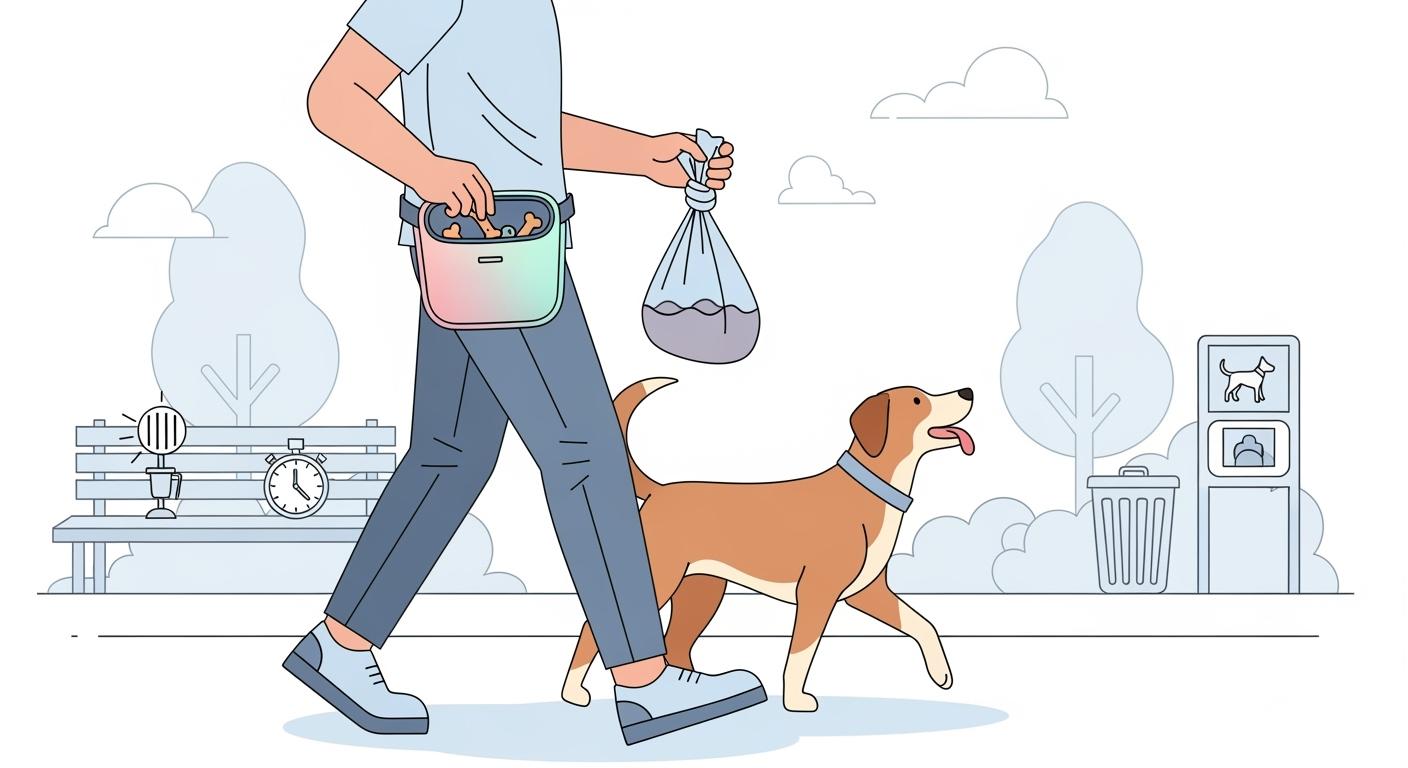
You want your dog to learn quickly during training. Fast timing helps your dog connect the treat with the right behavior. If you can grab a treat with one hand and without looking down, you will reward your dog at the perfect moment. This is called access speed. Using a pouch or a bag that lets you hold treats between your fingers and use your thumb to control access can make a big difference. You will notice your dog pays more attention and learns faster when you deliver treats quickly. One-handed access also keeps your other hand free for the leash or signals.
Tip: Always keep treats out of reach from unsupervised dogs. Tools help with timing, but do not guarantee behavior results. Ask a trainer if you need help with handling.
Hygiene and Mess Control
Treats can leave crumbs, oils, and smells behind. You want to keep your hands and pockets clean during training. Mess control means your bag or pouch contains crumbs and oils so they do not get on your clothes or gear. Some bags trap more mess than others. A wipeable liner helps you clean up fast. If you notice odors or sticky spots, it is time to clean your bag. Good mess control keeps your training sessions fresh and safe for your dog.
Storage vs. Carrying More Treats
You may think carrying a big bag of treats helps, but it can slow you down. Carry only what you need for each session. This keeps your treats fresh and easy to reach. If you carry too many treats, you risk spills, especially when bending or moving fast. This is called spill risk. Choose a bag or pouch that fits about 0.25-0.5 cup (60-120 ml) of treats for most training sessions. This amount supports quick access and less mess.
Note: Always match your bag or pouch to your training needs. Clean your gear after each session to keep your dog safe.
Dog Treat Pouch vs Dog Training Treat Bags
Regular Bags and Pockets: Pros and Cons
You may wonder if a regular bag or your pocket can handle dog training treats. Many people start with a plastic bag or reusable bag in their pocket. This method seems simple, but it can slow you down during training. You might fumble for a treat while your dog waits. Treats can leave crumbs and oils in your pocket, making cleanup harder. If you bend or move quickly, treats may spill out. Regular bags do not always keep treats fresh or easy to reach.
Here are some pros and cons to help you decide:
Advantages | Disadvantages |
|---|---|
You can grab treats quickly if the bag is open. | Treats may spill when you bend or crouch. |
You keep your hands free for leash control. | Crumbs and oils can get on your clothes. |
You can use any bag you have at home. | Access can be slow if the bag is deep or closed. |
Treats stay organized in one place. | Some bags trap odors and need frequent cleaning. |
Tip: Always keep treats out of reach from unsupervised dogs. Tools help with timing, but do not guarantee behavior results. Ask a trainer if you need help with handling.
Treat Pouch Designs: Open, Magnetic, Drawstring, Zipper
A dog treat pouch gives you more options for carrying treats. You can choose from open top, magnetic, drawstring, or zipper designs. Each style changes how fast you can grab a treat and how well the pouch controls mess.
Open top: You reach in fast, but treats may spill if you bend over.
Magnetic closure: You open and close the pouch with one hand. This style keeps treats inside better than open top, but magnet strength matters.
Drawstring: You pull the string to close the pouch. This style controls spills but may slow you down if you need two hands.
Zipper: You zip the pouch shut. This style is best for travel and mess control, but it is slowest for quick rewards.
You should match the closure style to your training needs. If you want speed, open top or magnetic works best. If you want spill control, drawstring or zipper helps more.
Carry Styles: Clip On, Belt, Waist, Crossbody
How you wear your dog treat pouch changes your training experience. You can clip it on, wear it on a belt, strap it around your waist, or use a crossbody style.
Clip on: You attach the pouch to your belt or pocket. This style is light and easy to use, but it may swing or bounce if not secure.
Belt or waist: You wear the pouch around your waist. This style keeps the pouch stable and close to your hand. It works well for jogging or walking.
Crossbody: You wear the pouch across your chest. This style spreads the weight and helps if you have back pain. It may swing during fast movement.
You should pick a carry style that fits your body and training routine. A secure fit helps you reach treats fast and keeps spills to a minimum.
Comparison Table: Option, Access Speed, Mess Control, Best Use, Watch Outs
Here is a table to help you compare dog treat pouch and dog training treat bags:
Option | Access Speed Cue | Mess Control Cue | Best For | Watch Outs |
|---|---|---|---|---|
Regular Bag | Slow, two hands | Low, crumbs and oils | Short walks, backup | Spills, odors, slow timing |
Pocket Carry | Moderate, one hand | Low, crumbs in pocket | Quick sessions, home | Messy clothes, slow for rewards |
Open Top Pouch | Fast, one hand | Moderate, some spills | Fast rewards, classes | Spills when bending |
Magnetic Pouch | Fast, one hand | Good, less spill | Walks, group training | Magnet strength varies |
Drawstring Pouch | Moderate, two hands | High, few spills | Travel, long sessions | Slower access, bulkier |
Zipper Pouch | Slow, two hands | High, best for mess | Travel, storage | Slow for quick rewards |
Scenario A: Beginner Handler Struggles with Timing and Drops Treats While Holding a Leash
Imagine you are new to training and you hold your dog’s leash in one hand. You try to grab treats from a regular bag in your pocket. You drop treats and miss the right moment to reward your dog. Your dog gets confused and may lose interest.
If you switch to a dog treat pouch with a magnetic closure and wear it on your waist, you can grab treats with one hand. You keep your other hand on the leash. You reward your dog at the right time. The pouch keeps crumbs and oils away from your clothes. You do not drop treats when you bend or move. Your training becomes smoother and your dog learns faster.
Note: Tools like a dog treat pouch support timing and cleanup. They do not guarantee behavior results. Keep treats out of reach from unsupervised dogs. Consult a qualified trainer for handling safety if needed.
Quick Access to Treats and Mess Control

One-Hand Open and Close
You want quick access to treats during every dog training session. Fast reward timing helps your dog learn new skills and respond to commands. If you use a bag or pouch that opens with one hand, you can deliver treats at the right moment. Magnetic closures and open tops let you reach treats quickly. Drawstring and zipper closures slow you down, especially if you need two hands. You should choose a pouch or bag that supports one-hand open and close for effective training.
Tip: Always keep treats out of reach from unsupervised dogs. Tools support timing but do not guarantee behavior outcomes. Ask a qualified trainer for handling safety if needed.
Liner Materials and Crumb Trapping
Treats leave crumbs, oils, and odors in your bag or pocket. You want an easy-to-clean liner that traps crumbs and keeps your gear fresh. Some liner materials work better than others. If you pick the right liner, you spend less time cleaning and more time training your dog.
Ripstop nylon resists dirt and moisture.
Polyester is durable and easy-to-clean.
Canvas with water-resistant coating prevents moisture and tearing.
Food-safe TPU or PEVA inner liners wipe clean and resist grease buildup.
You should look for a pouch or bag with a liner that wipes clean and does not absorb odors. This helps you maintain hygiene and supports effective training.
Odor Control Tips
Odors build up in seams, corners, and closure edges. You want to keep your treat pouch or bag smelling fresh. Dump crumbs after each session. Wipe the liner with a damp cloth. Air dry the pouch fully before storing. If odor persists after wiping, you should deep clean the pouch. These steps help you control smells and keep your training gear ready for quick access to treats.
Note: Clean your pouch or bag after every training session. This keeps your dog safe and supports effective training.
Feature Table: What Matters, What to Look For, What to Avoid
You want a treat pouch or bag that supports quick access to treats and easy-to-clean features. The table below shows what matters, what to look for, and what to avoid.
Feature | Why It Matters | What to Look For | What to Avoid |
|---|---|---|---|
Quick-access closure | Supports fast reward timing | Magnetic or open top | Slow zippers, tight drawstrings |
Easy-to-clean liner | Reduces crumb and odor buildup | Ripstop nylon, TPU, PEVA, polyester | Absorbent fabric, deep seams |
Leak-proof design | Prevents spills during movement | Secure closure, water-resistant lining | Loose flaps, weak magnets |
Adjustable belt | Improves comfort and stability | Sturdy, fits waist or crossbody | Thin straps, poor stitching |
Ergonomic shape | Reduces bouncing and swinging | Contoured design, stable clip | Bulky, unbalanced shapes |
Portioning | Keeps treats fresh and easy to reach | 0.25-0.5 cup (60-120 ml) per session | Overfilling, crushing treats |
Scenario B: Treats Leave Crumbs and Odor in Pockets and the Handler Avoids Training
You put treats in your pocket for a quick training session with your dog. Crumbs and oils build up in the fabric. Your pocket starts to smell, and you avoid training because cleanup takes too long. If you switch to a treat pouch with a food-safe TPU liner, you can wipe away crumbs and oils after each session. You carry only 0.25-0.5 cup (60-120 ml) of treats, so you do not overfill the pouch. You clean the liner and air dry the pouch before storing. Your gear stays fresh, and you feel ready for effective training every day.
Tip: Choose a pouch or bag with an easy-to-clean liner and portion treats for each session. This reduces mess and supports quick access to treats for better reward timing.
Choosing the Right Carry Option for Training
Puppy Basics and Short Sessions
You want your puppy to focus during early training sessions. A puppy treat pouch helps you keep treats ready and your hands free. You can use a puppy treat pouch with a magnetic closure for fast access. This style supports quick timing and keeps your puppy interested. You should carry only what you need for each session. A puppy treat pouch with a portion control slider lets you give the right amount of treat every time. This helps you manage calories and keeps your puppy healthy. You avoid mess in your pocket and make cleanup easy. For short training sessions, a puppy treat pouch works better than a bag or pocket.
Loose Leash Walking and Distractions
When you walk your dog, distractions can make training hard. You need a puppy treat pouch that stays secure and lets you reward your dog fast. Choose a waist or belt style puppy treat pouch with a magnetic or open top closure. You can grab a treat with one hand and keep your other hand on the leash. This helps you reward your dog at the right moment. You avoid spills and mess because the puppy treat pouch keeps treats contained. For outdoor training sessions, a puppy treat pouch gives you better control than a bag.
Classes and Group Training
In group training sessions, you want to focus on your dog and not on searching for treats. A puppy treat pouch with a wipeable liner and stable belt fit helps you stay organized. You can use a drawstring or magnetic closure for balance between speed and spill control. You keep treats fresh and avoid crumbs in your bag. A puppy treat pouch supports fast timing and easy cleanup during busy training sessions.
Decision Table: Context, Best Option, Closure Style, What to Avoid
Training Context | Best Carry Option | Best Closure Style | What to Avoid |
|---|---|---|---|
Puppy basics, short sessions | Puppy treat pouch | Magnetic, open top | Overfilling, pockets |
Loose leash walking | Puppy treat pouch | Magnetic, open top | Swinging bags |
Classes, group training | Puppy treat pouch | Magnetic, drawstring | Deep bags, slow zippers |
Travel, long sessions | Puppy treat pouch | Drawstring, zipper | Open bags, spills |
Parameter and Value Table
Parameter | Target range or option | Why it matters |
|---|---|---|
Primary use case | walk, class, home session, travel | Predicts access needs |
Carry option | pouch, pocket, regular bag | Changes timing and mess |
Closure style | open top, magnetic, drawstring, zipper | Changes speed and spill risk |
Carry position | belt, waist, crossbody, clip on | Changes stability and reach |
Access speed cue | one hand, no look | Improves timing |
Mess control cue | contains crumbs and oils | Protects clothing and gear |
Spill risk cue | bending and crouching | Prevents wasted treats |
Portioning cue | carry only what you need | Stays fast and cleaner |
Session portion cue | 0.25-0.5 cup (60-120 ml) | Simple starting point |
Cleaning trigger | wipe after use, deep clean if odor persists | Keeps routine realistic |
Tip: Tools like a puppy treat pouch support timing but do not guarantee behavior outcomes. Keep treats out of reach from unsupervised dogs. Ask a qualified trainer for handling safety if needed.
Setup and Use Routine for Better Timing
Portioning and Separating Treats
You want your dog to stay focused during training. Start by portioning out the right amount of treat for each session. Use about 0.25-0.5 cup (60-120 ml) of treat to keep your bag light and easy to handle. Choose treats that are the size of a pencil eraser. Small treats help your dog eat quickly and stay engaged. If you use larger treats, break them into smaller pieces. This keeps your training moving and prevents your dog from getting full too fast. Always pick low-calorie treats so you do not go over 10 percent of your dog’s daily calories.
Clip Placement and Body Position
The way you wear your bag changes how fast you can reward your dog. Place your treat pouch at your waist for the best timing. This lets you grab a treat quickly with one hand. You do not need to look down or fumble with your bag. A stable pouch helps you keep your other hand free for leash control or signals. Good placement means you can reward your dog at the right moment during training.
Quick Clean Routine
After each training session, empty crumbs from your bag. Wipe the liner with a damp cloth. Let your bag air dry before you store it. If you notice a smell or sticky spots, do a deeper clean. This routine keeps your treat bag fresh and ready for your next dog training session. Clean gear supports better timing and keeps your dog safe.
Setup Checklist Table
Step | Pass Sign | Adjustment |
|---|---|---|
Define training situation | Goal set | Pick session type (walk, class) |
Choose pouch vs bag | Option ready | Match to timing and mess needs |
Choose closure style | Opens easily | Try magnetic or open top |
Choose carry position | Feels stable | Adjust waist or belt placement |
Follow cleanup routine | Bag is fresh | Wipe liner, air dry, deep clean |
Tip: Tools like a treat pouch or bag support timing but do not guarantee behavior outcomes. Keep treats out of reach from unsupervised dogs. Ask a qualified trainer for handling safety if needed.
Common Buyer Mistakes and Fixes
Spill Risk When Bending
You may notice treats falling out of your bag when you bend or move quickly during training. This spill risk often happens with open-top designs or bags that do not seal well. Maya, a dog owner, found that her integrated pouch caused leash slack and spills when she bent down to reward her dog. After switching to a separate holster, she improved leash control and reduced spills. You can avoid this mistake by choosing a treat pouch with a secure closure, such as magnetic or drawstring styles. Always check that your bag stays closed when you move.
Tip: Tools support timing but do not guarantee behavior outcomes. Keep treats out of reach from unsupervised dogs. Ask a qualified trainer for handling safety if needed.
Hard to Clean Fabrics
Cleaning your treat bag after training is important. Cloth bags absorb moisture and can spoil treats if they get wet. Velcro fasteners trap food residue and make cleaning harder. Silicone treat pouches are waterproof and easy to wipe clean. Magnets and clasps are easier to manage than Velcro. You should look for a bag with a wipeable liner or machine-washable material. This makes cleanup faster and keeps your gear fresh for every dog training session.
Carrying Too Much
Carrying too many treats in your bag can cause discomfort for your dog. Extra weight and bulk may shift or sag the bag, restricting movement and causing chafing, especially in smaller breeds. You should not carry more than 5–10 percent of your dog’s body weight in treats or gear. Portion control helps you stay fast and keeps your dog comfortable during training.
Common Cause Table
Common Cause | What It Leads To | What To Do Next |
|---|---|---|
Open or loose closure | Spills when bending | Use magnetic or drawstring closure |
Cloth or Velcro materials | Hard to clean, odor buildup | Choose silicone or machine-washable bag |
Overfilling with treats | Bag sags, dog discomfort | Portion treats, keep weight under 10 percent |
Deep or tight bag design | Slow access to treats | Pick bag with open top or easy-access closure |
Note: Select a treat bag that is easy to clean and supports quick access. Portion treats for each training session. Safety first—tools help with timing, but do not guarantee results.
Retail Notes for Dog Treat Pouch Assortments
Listing Copy for Functionality
When you write a listing for a dog treat pouch, focus on what helps buyers make a smart choice. Show how the bag supports fast treat delivery and easy cleanup. Mention if the pouch is washable, has a wipeable liner, or keeps crumbs away from your clothes. Buyers want to know if the bag fits enough treats for a short session with their dog. Use clear language to explain if the pouch opens with one hand or has a secure closure. Add a note about safety: tools support timing but do not guarantee behavior outcomes. Remind buyers to keep treats out of reach from unsupervised dogs.
Spec Checklist: Closure, Liner, Clip, Stitching
You need a clear checklist when you compare dog treat pouches for retail. This helps you spot the best features for training and cleanup. Use the table below to organize your review:
Specification Type | Details |
|---|---|
Product name | Name of the bag or pouch |
Item type | Pouch, treat, clicker, leash |
Closure type | Open top, magnetic, drawstring, zipper |
Pocket count | Number of pockets in the bag |
Cleaning method | Wipeable, machine-washable, hand-washable |
Belt attachment method | Clip, belt loop, waist strap |
Tether ring presence | Yes or no |
Capacity cue | Fits 0.25-0.5 cup (60-120 ml) treats |
Image link | Photo showing bag layout and wear position |
Check that each bag is washable and easy to clean. Make sure the closure type matches the needs of dog owners who want quick access to treats.
Return Reduction Tips
You can reduce returns by giving buyers clear details. List the cleaning method and show if the bag is washable. Add photos of the bag in use with treats inside. Remind buyers to portion treats for each session and not to overfill the bag. Suggest that buyers check the closure and fit before using the bag with their dog. Always include a safety note: consult a qualified trainer for handling safety if needed.
OEM and ODM Explainer
You may see OEM and ODM when you order dog treat pouches for your store. OEM means Original Equipment Manufacturing. You give the design, and the factory makes the bag to your specs. You control the look and features. ODM means Original Design Manufacturing. The factory owns the design, and you pick from their options. You can make small changes, but not full custom designs. OEM gives you more control, but takes longer. ODM is faster, but you get less choice.
Note: Choose a washable bag with the right closure and liner for your training needs. Tools help with timing, but do not guarantee behavior results. Keep treats out of reach from unsupervised dogs.
You want the best timing and cleanup for every dog training session. A dog treat pouch gives you faster access and less mess than regular bags. Try using a pouch for one week with your dog. Notice how your dog responds to quicker rewards and cleaner gear. Every dog learns better when you stay organized and ready. Choose the carry style that fits your dog training needs.
Tools support timing but do not guarantee behavior outcomes. Keep treats out of reach from unsupervised dogs. Consult a qualified trainer for handling safety if needed.
FAQ
What makes dog treat pouches better for hands-free training?
Dog treat pouches let you train with free hands. You grab treats fast because the opening is easy. This helps you focus on giving rewards and holding the leash. Treats should be close for quick timing and better training.
How do multi-pocket pouches help with organization?
Multi-pocket pouches hold treats, clickers, and waste bags. You keep things separate and neat. This helps you reward your dog quickly and find what you need during training.
Are silicone treat pouch options good for durability and mess control?
A silicone treat pouch does not stain or smell. You wipe it clean after each use. Silicone is strong, so the pouch lasts longer. This makes it great for easy cleanup and training.
What features should I look for in the best dog training treat bags?
Pick strong materials and an easy-to-open pouch. Multi-pocket pouches help you stay organized. These features make the pouch last and keep treats close for fast rewards.
Why is positive reinforcement important in dog training?
Positive reinforcement teaches your dog new things. You give treats for good actions. This builds trust and makes training fun. Always use treats for rewards and think about safety. Tools help with timing but do not promise results.
Note: Keep treats away from dogs when you are not watching. Ask a trainer for help with handling if you need it.