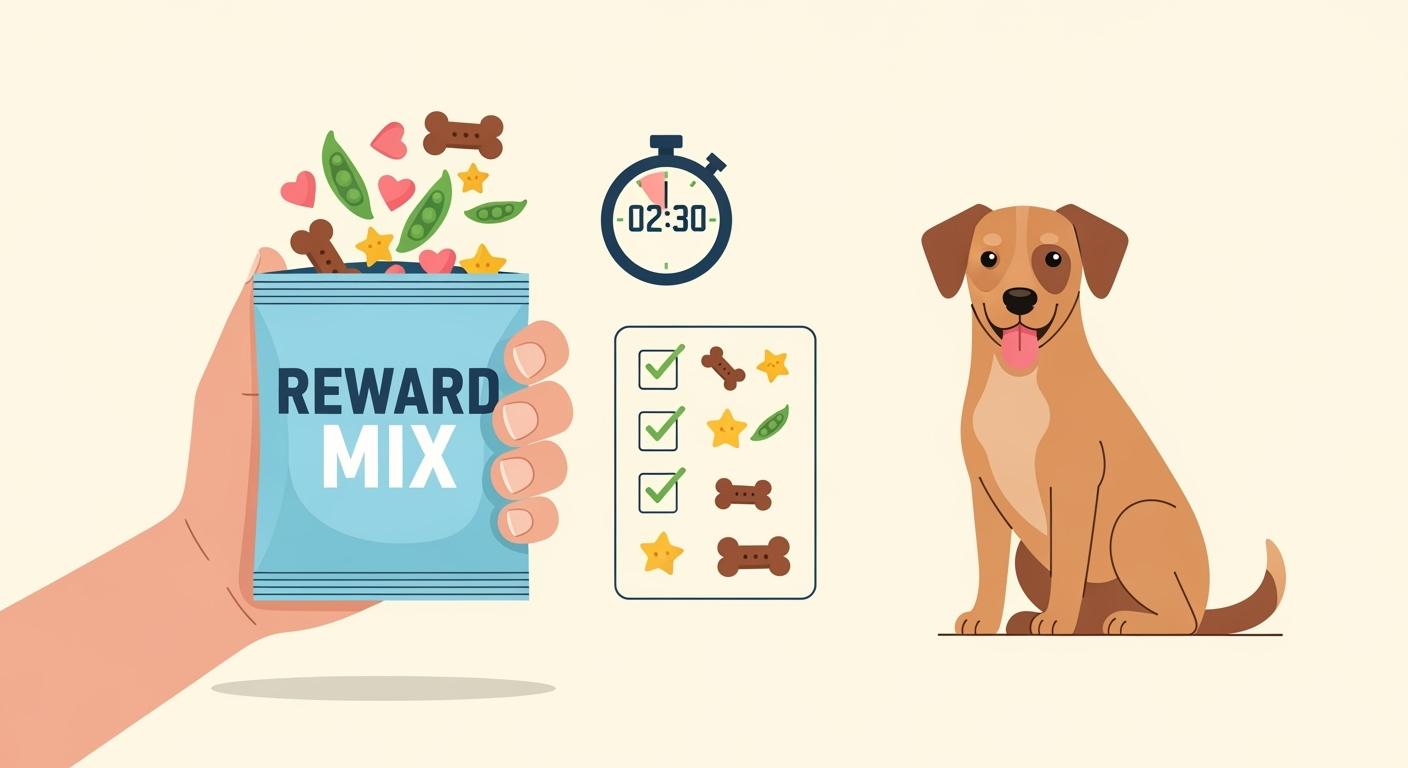
Picture yourself training your dog with treats. You reach into your dog treat pouch, but you run out of treats. Your dog just did a new trick, and you want to keep giving rewards to help your dog learn. If you use different treats, you might see crumbs or grease. You need to give rewards to build good habits, ensuring your training works every time. Think about how long you train and what treats you use, as well as what your dog needs. Giving rewards quickly helps your dog learn best. The dog treat pouch you pick can make training easier and smoother.
Key Takeaways
Choose a pouch size based on your training session length. Use a small pouch for short sessions, a standard pouch for medium sessions, and a large pouch for long sessions.
Consider the type of treats you use. Dry treats need less cleaning, while soft or moist treats require pouches with wipe-clean liners to manage mess.
Ensure your pouch allows for one-handed access. This helps you deliver treats quickly and keeps your focus on your dog during training.
Regularly clean your pouch after each session. This prevents odors and keeps your treats fresh for the next training.
Plan for refills during long training sessions. Use a large pouch or refill during breaks to avoid running out of treats.
Dog treat pouch capacity in training sessions
Fast rewards and timing
You want to deliver treats quickly during training sessions. The right pouch capacity helps you keep up with your dog’s pace. If you run a short session, about 5-10 minutes, you may only need a small capacity pouch that holds 0.5 cup (120 mL). This pouch lets you grab treats fast and keeps your hands free. For medium sessions, which last 10-20 minutes, a standard capacity pouch with 1 cup (240 mL) works well. You can reward your dog often without stopping to refill. Long sessions, such as classes or extended outings, can last 45-60 minutes. You need a large capacity pouch that holds 2 cups (480 mL) to avoid running out of treats.
Reward frequency also matters. If you give 3-5 treats per minute, you use a low frequency plan. If you reward 6-10 times per minute, you use a medium frequency. High frequency means 10-15 treats per minute. The more often you reward, the more treats you need. A pouch with enough capacity lets you focus on training sessions instead of worrying about refills.
Tip: Choose a pouch size that matches your session length and reward frequency. This keeps your training sessions smooth and helps your dog learn faster.
Handling issues with large pouches
Large capacity pouches can hold more treats, but they may feel bulky. If you use a pouch with 2 cups (480 mL) for short sessions, you might find it heavy or awkward. You may struggle to reach treats quickly. The pouch can bounce or shift as you move. This slows down your reward timing and distracts you during training sessions.
If you train multiple dogs or run long sessions, a large pouch helps you avoid refills. You can carry enough treats for every dog. For single-dog training or short sessions, a smaller pouch feels lighter and easier to handle. You stay focused on your dog and deliver treats with better timing.
Table A: Capacity Decision Table |
|---|
Session Tier |
Short (5-10 min) |
Medium (10-20 min) |
Long (45-60 min) |
Treat mess and pouch wear
Treat type affects how clean your pouch stays during training sessions. Dry small treats or kibble leave crumbs, but they do not create much mess. Soft treats can leave residue inside the pouch. Freeze-dried treats may crumble and create dust. Moist or greasy treats cause the most mess and need a pouch with a wipe-clean liner.
If you use a pouch with the right capacity and liner, you reduce mess and wear. A small pouch for dry treats stays cleaner. A standard or large pouch with a good liner handles soft or moist treats better. You spend less time cleaning and more time enjoying training sessions with your dog.
Note: Always check your pouch after each session. Clean out crumbs and residue to keep your gear fresh and ready for the next training session.
Define your training session context
Session type and location
You need to think about where and how you run your training sessions. If you train indoors, you may want a pouch that stays clean and does not spill treats. Outdoor training sessions can last longer, so you may need a pouch with a larger capacity, such as 2 cups (480 mL). Parks, sidewalks, and fields often require you to move quickly and keep your gear secure. If you train in busy places, a pouch with a secure closure helps prevent spills and keeps treats fresh. You should match your pouch to the session length and the environment to make your training sessions smooth and efficient.
Single vs multi-dog use
If you train more than one dog, you need to plan for extra treats. Multi-dog training sessions often last longer and require more rewards. A large pouch with 2 cups (480 mL) gives you enough space for different treat types and higher reward frequency. For single-dog training sessions, a small or standard pouch, holding 0.5 cup (120 mL) or 1 cup (240 mL), usually works well. You can focus on your dog and keep treats organized. If you switch between dogs, you may want a pouch with dividers or separate compartments to avoid mixing treats.
One-hand access and pouch stability
Easy one-hand access helps you deliver treats quickly during training sessions. If you can reach treats with one hand, you keep your focus on your dog and maintain good timing. Pouch stability matters because a pouch that stays in place lets you move freely. A study in the Journal of Sport and Health Science found that people who used dedicated, visible containers for training gear trained more often. One-hand access and stable pouches encourage you to run training sessions more consistently. You avoid fumbling for treats and keep your rewards flowing. Organized storage and visible gear remind you to start training sessions and help you build better habits.
Tip: Choose a pouch that lets you grab treats with one hand and stays secure during movement. This supports efficient training sessions and keeps your dog engaged.
Treat types and pouch needs
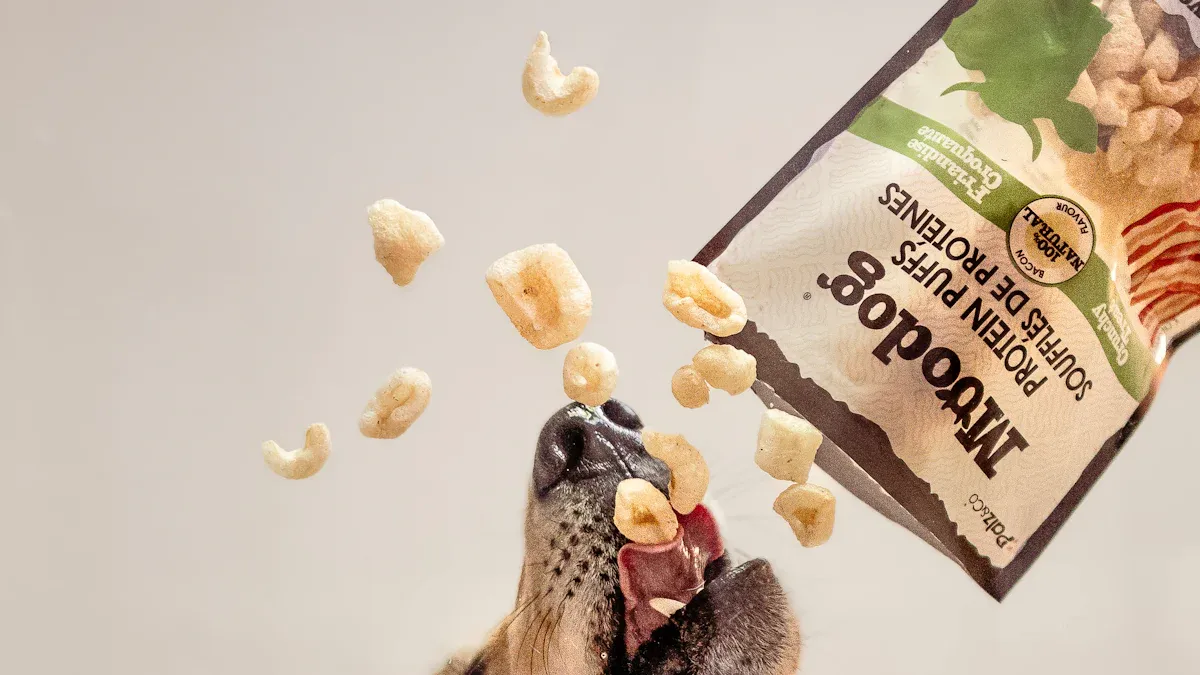
You have many treat options for training. Dry small treats or kibble create fewer messes and work well for simple commands. Soft training treats help you reward your dog quickly. These treats keep your dog focused because they chew and swallow them fast. Freeze-dried treats break apart easily and have a strong smell, which can motivate your dog during tough training. Many trainers use soft and smelly treats for obedience work. Cheese works well for recall because dogs can smell it from far away. You should choose treats that are pea-sized or smaller. This size helps your dog stay focused on you, not on chewing.
Tip: Rotate different treat types each week. This keeps your dog interested and prevents boredom with the same flavor.
Mess, crumbs, and odor risks
Each treat type affects your pouch in different ways. Dry treats leave crumbs, but you can shake them out easily. Soft treats leave residue and can make your pouch sticky. Freeze-dried treats create dust and crumbs. Moist or greasy treats cause the most mess and can leave strong odors. You need a pouch with a wipe-clean liner if you use soft, moist, or greasy treats. Always check your pouch after each session. Clean out crumbs and wipe away residue to keep odors away. If you use cheese or other strong-smelling treats, wash your pouch often.
Use a 1/4 cup (60 mL) scoop to measure how many treats fit in your pouch. This helps you plan for your session and avoid overfilling.
Mixing treats in one pouch
You may want to mix different treats in one pouch. This gives your dog variety and keeps training fun. Mixing dry and soft treats can create more crumbs and residue. If you mix freeze-dried treats with moist treats, the crumbs can stick to the liner. Choose a pouch with dividers or a wipe-clean liner for easy mixing. Always check for choking risks. Use small treats and watch your dog as you reward. Treats should not make up more than 10 percent of your dog’s daily calories. Ask your veterinarian if you have questions about your dog’s diet.
Worked Example:
You plan a short session with one dog. You use soft treats. The session lasts 10 minutes. You reward your dog 5 times per minute. You need about 50 treats. Use a 1/4 cup (60 mL) scoop to measure. A small capacity pouch (0.5 cup or 120 mL) holds enough treats for this session.
Note: Brands now offer smaller training treats because trainers want quick rewards and less chewing. Choose treats that fit your pouch and your training style.
Estimating pouch size for training sessions
Session tier and reward frequency
You need to match your pouch to your training sessions. Start by thinking about how long you plan to train. Short sessions last about 5-10 minutes. Medium sessions last about 10-20 minutes. Long sessions can last 45-60 minutes, especially if you join a class or go on an extended outing.
Next, think about how often you give a treat. If you reward your dog 3-5 times per minute, you use a low frequency. If you give 6-10 treats per minute, you use a medium frequency. High frequency means you give 10-15 treats per minute. The more often you reward, the more treats you need to carry.
You should also consider the type of treat you use. Dry treats take up less space and create fewer messes. Soft or moist treats may need a pouch with a liner. Freeze-dried treats can crumble and create dust.
To pick the right pouch, follow these steps:
Decide your session length.
Count the number of dogs you train.
Choose your treat type.
Estimate your reward frequency.
Pick the smallest pouch that holds enough treats for your plan.
Tip: If you use soft or greasy treats, focus on pouches with wipe-clean liners, not just pouch size.
Measuring treats by scoop
You can use a simple scoop to measure how many treats fit in your pouch. A 1/4 cup (60 mL) scoop works well for most training treats. Fill your scoop with treats and count how many fit. Multiply by the number of scoops your pouch holds.
For example, a small pouch holds 0.5 cup (120 mL), which equals two scoops. A standard pouch holds 1 cup (240 mL), or four scoops. A large pouch holds 2 cups (480 mL), or eight scoops.
Here is a quick way to estimate:
Short session, low frequency: Small pouch (0.5 cup or 120 mL)
Medium session, medium frequency: Standard pouch (1 cup or 240 mL)
Long session, high frequency or multi-dog: Large pouch (2 cups or 480 mL)
Note: Always check the treat size. Small, pea-sized treats work best for fast rewards and reduce choking risk.
Refill plans for long outings
Long training sessions or classes need more treats. If you train more than one dog or use a high reward frequency, you may run out of treats before your session ends. You can solve this by using a large pouch or planning to refill during breaks.
Worked Example:
You join a group class with two dogs. The session lasts 60 minutes. You reward each dog 8 times per minute. You need a large pouch that holds 2 cups (480 mL) of treats. If you use soft treats, choose a pouch with a wipe-clean liner. If you run out, refill your pouch during a break. This keeps your training sessions smooth and helps you reward your dogs without delay.
Table B: Feature Tradeoff Table
Feature | Small Pouch (0.5 cup / 120 mL) | Standard Pouch (1 cup / 240 mL) | Large Pouch (2 cups / 480 mL) |
|---|---|---|---|
Best for session tier | Short | Medium | Long / Multi-dog |
Treat type fit | Dry, small | Dry, soft | Any, with liner |
Mess control needed | Low | Medium | High (liner needed) |
Refill needed? | Rare | Sometimes | Seldom |
Bulk and weight | Light | Moderate | Heavier |
One-hand access | Easy | Easy | May be harder if overfilled |
Tip: Choose a pouch that matches your training sessions, treat type, and reward frequency. This helps you stay organized and keeps your dog focused.
You can now estimate the right pouch for your needs. Use session length, treat type, and reward frequency to pick the best size. Plan for refills if you train for a long time or with more than one dog. This step-by-step approach helps you avoid running out of treats and keeps your training sessions on track.
Dog treat pouch design and usability
Opening style and access
You want quick access to treats during every training session. The opening style of your pouch makes a big difference. Some pouches use magnetic closures that snap open and shut. Others have drawstrings or zip tops. Magnetic closures let you reach in fast and keep treats secure. You do not need to fumble with zippers or buttons. Hands-free designs also help you focus on your dog. You can keep your hand ready for quick access to treats, which is important when you need to reward your dog at the right moment. If you choose a pouch with a wide opening, you can grab treats without looking down. This keeps your eyes on your dog and your timing sharp.
Tip: Pick a pouch with an opening that matches your training style. You will find it easier to give quick access to treats and keep your sessions smooth.
Liner and cleaning features
The liner inside your pouch helps control mess. If you use soft, moist, or greasy treats, you need a wipe-clean liner. Some pouches have removable liners you can wash after each session. Others use water-resistant materials that you can wipe with a damp cloth. A good liner keeps crumbs and residue from building up. This means you always have quick access to treats without sticky fingers. You should check your pouch after every session and clean out any leftover bits. This keeps odors away and makes your pouch last longer.
Look for pouches with liners that match your treat type.
Removable liners make cleaning easier.
Water-resistant liners help with moist or greasy treats.
Attachment and bounce control
How you attach your pouch matters for comfort and quick access to treats. Some pouches clip to your belt or waistband. Others use adjustable straps you can wear around your waist or over your shoulder. A stable pouch stays in place as you move. You do not want your pouch to bounce or shift during training. If your pouch moves too much, you may miss the chance for quick access to treats. Choose a pouch with a secure attachment that fits your body. This helps you stay focused and deliver rewards at the right time.
Attachment Type | Stability Level | Best Use Case |
|---|---|---|
Belt clip | High | Everyday walks, short runs |
Waist strap | Medium | Longer outings, classes |
Shoulder strap | Medium | Multi-dog, hands-free needs |
Note: Test your pouch at home before a training session. Make sure you have quick access to treats and the pouch stays in place.
Cleaning and odor control
After wet treats or rain
You need to clean your dog treat pouch after using moist or greasy treats. Wet treats leave residue inside the pouch. Rain can soak the pouch and make treats soggy. Start by emptying all treats from the pouch. Wipe the inside with a damp cloth. If you use soft or greasy treats, choose a pouch with a removable liner for easy cleaning. Place mats at entrances to trap dirt and moisture before you start cleaning. Clear away any obstacles around your cleaning area. This helps you avoid slips and keeps your space safe. If the floor is wet, use a wet floor sign to prevent accidents.
Remove all treats and crumbs.
Wipe the liner with a damp cloth.
Let the pouch air dry before refilling.
Tip: Clean your pouch after every session with wet treats or rainy weather. This keeps odors away and helps your pouch last longer.
Drying and storage habits
Proper drying and storage keep your pouch fresh. After cleaning, leave the pouch open to air dry. Moisture inside the pouch can cause odors and mold. If you use freeze-dried or soft treats, make sure the liner dries completely. Store your pouch in a cool, dry place. Avoid leaving it in direct sunlight, which can damage the material. Use a small towel to dry the pouch faster if needed. Always check for leftover crumbs or residue before storing.
Storage Tip | Benefit |
|---|---|
Air dry pouch | Prevents mold & odor |
Store in dry place | Keeps pouch fresh |
Avoid sunlight | Protects material |
When to replace your pouch
You should replace your pouch if you notice strong odors, stains, or damage. If the liner tears or the closure stops working, get a new pouch. Pouches that hold moist or greasy treats wear out faster. Check for signs of wear after each session. If cleaning does not remove odors or stains, it is time for a replacement. A fresh pouch keeps treats safe and makes training easier.
Note: Regular cleaning and proper storage help your pouch last longer. Replace your pouch when it no longer keeps treats fresh or clean.
Common mistakes with dog treat pouch sizing
Overfilling and mixing treats
You may think that filling your pouch to the top helps you prepare for any training session. Overfilling often leads to problems. When you pack too many treats, you slow down your reward delivery. Treats can get stuck or crushed, making it hard to grab them quickly. Mixing different treat types in one pouch can create extra mess. Dry treats leave crumbs, while soft treats stick together. Freeze-dried treats break apart and mix with moist treats, causing dust and residue. You should use a pouch that matches your session length and reward frequency. If you want to offer variety, choose a pouch with dividers or separate compartments. This keeps each treat fresh and easy to reach.
Tip: Use a scoop to measure treats before each session. This helps you avoid overfilling and keeps your pouch organized.
Ignoring treat type in capacity choice
Many people pick a pouch based only on size. You need to think about the treat type as well. Dry treats work well in small pouches, but soft or greasy treats need a liner for easy cleaning. If you use moist treats in a pouch without a liner, you may find sticky residue and strong odors. Freeze-dried treats crumble and need a pouch with good closure. Always match your treat type to the pouch features. This keeps your gear clean and makes training easier.
Treat Type | Best Pouch Feature |
|---|---|
Dry small treats | Small pouch, easy access |
Soft treats | Liner, wipe-clean surface |
Freeze-dried | Secure closure, crumb control |
Moist/greasy | Removable liner, easy wash |
Poor fit and body placement
A pouch that does not fit well can distract you during training. If your pouch bounces or shifts, you may miss the chance to reward your dog at the right moment. Choose a pouch that matches your body and training style. Belt clips work for short sessions, while waist straps help with longer outings. Shoulder straps suit multi-dog training. Test your pouch at home to find the best fit. Place the pouch where you can reach treats quickly. This helps you stay focused and deliver rewards on time.
Note: The right pouch size and placement improve your training results. You keep treats ready and your hands free.
Buyer checklist and puppy treat pouch tips
Shopper checklist for dog treat pouch
When you shop for a dog treat pouch, you want to match your gear to your training needs. Look for food-grade, non-toxic materials to keep every treat safe. Airtight seals help keep treats fresh and block odors. Choose a pouch with the right capacity: small (0.5 cup or 120 mL), standard (1 cup or 240 mL), or large (2 cups or 480 mL). One-handed operation lets you reward your dog quickly. Cleaning-friendly liners make it easy to remove crumbs and sticky residue. Clip or carabiner attachments add portability. You can use the table below to compare pouch types.
Type of Pouch | Pros | Cons |
|---|---|---|
Clip-On Treat Pouches | Portable, affordable, machine-washable | Limited capacity, less protection |
Hard-Shell Plastic Boxes | Durable, stackable, excellent moisture | Bulkier, may not fit in small bags |
Multi-Compartment Dispensers | Prevents mix-ups, supports portion control | More expensive, harder to clean |
Collapsible Silicone Containers | Lightweight, packable, easy to sanitize | May retain odors, less rigid structure |
Automatic Treat Dispensers | Enables remote interaction, good for long absences | Requires power/batteries, higher failure risk |
Tip: Stock three capacity buckets and two to three attachment styles. Cleaning-friendly materials help you keep your dog treat pouch fresh.
Retailer SKU planning
If you plan to stock dog treat pouch options, you should offer a range that fits most training styles. Carry small, standard, and large capacity buckets. Include pouches with belt clips, waist straps, and shoulder straps. Choose cleaning-friendly liners and smooth interiors. Offer multi-compartment designs for trainers who use more than one treat type. Make sure each pouch supports one-handed access. You help buyers find the right dog treat pouch for every session.
Stock three sizes: 0.5 cup (120 mL), 1 cup (240 mL), 2 cups (480 mL)
Offer two to three attachment styles
Select cleaning-friendly materials and liners
Puppy treat pouch considerations
When you train a puppy, you need a puppy treat pouch that fits small treats and supports frequent rewards. Puppies learn best with short sessions and high reward frequency. Choose a puppy treat pouch with a small capacity, such as 0.5 cup (120 mL). Look for soft liners that wipe clean easily. Puppies often drop treats or make a mess, so cleaning-friendly materials matter. One-handed access helps you reward your puppy quickly. A puppy treat pouch with a secure clip or strap keeps your gear in place while you move. If you use different treat types, pick a puppy treat pouch with dividers or compartments. You can keep dry and soft treats separate. Puppies respond well to variety, so rotate treat flavors in your puppy treat pouch. Always check the pouch after each session and clean out crumbs. A fresh puppy treat pouch helps you build good habits and keeps training fun.
Note: Use a puppy treat pouch that matches your puppy’s session length and treat type. This helps you deliver fast rewards and keeps your puppy focused.
You can choose the best dog treat pouch by following a simple plan. First, look at your training sessions and decide how long each one lasts. Next, think about the treat type you use during training sessions. Check how many treats you need for your training sessions and pick a pouch with the right capacity. Match pouch features to your training style and treat variety. Use the checklists to avoid mistakes and make your training sessions more successful.
FAQ
How do I know which pouch size fits my training sessions?
You should match your session length and reward frequency to the pouch size. For short sessions, use a small pouch (0.5 cup or 120 mL). For longer outings, pick a large pouch (2 cups or 480 mL).
Can I use one pouch for different treat types?
Yes, you can mix treats. Choose a pouch with dividers or a wipe-clean liner. This keeps dry, soft, and freeze-dried treats separate and reduces mess.
How often should I clean my dog treat pouch?
Clean your pouch after every session, especially if you use moist or greasy treats. Wipe the liner and let it air dry. This prevents odors and keeps treats fresh.
What is the best way to carry a pouch during training?
Use a belt clip for short walks. Try a waist or shoulder strap for longer sessions or multi-dog training. Test at home to find what feels most secure.
How do I avoid overfilling my pouch?
Tip: Use a 1/4 cup (60 mL) scoop to measure treats before each session. This helps you carry just enough for your planned rewards and keeps your pouch easy to use.