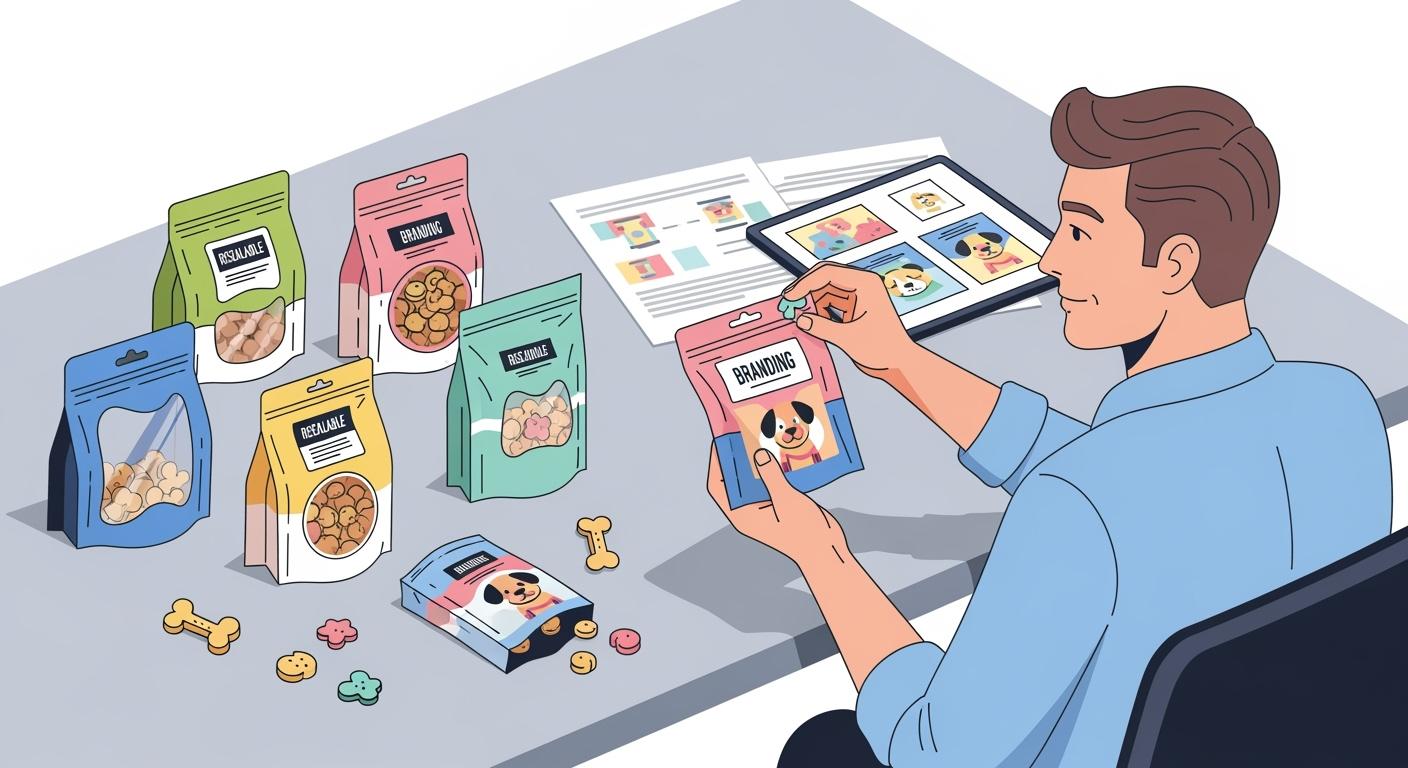
Choosing the best dog treat bag helps trainers do better work and keeps their good name. You need a bag that lets you get treats quickly. The bag should close tightly and feel comfortable to carry. The way the treat pouch is made can keep things clean. It also helps you train faster and makes users happy. Important things to think about are how strong the bag is, its size, how it looks, features that build trust, and price. Make sure the bag is made with food-safe materials to keep dogs and trainers safe. Always think about what your trainers need and how dependable your supplier is.
Key Takeaways
Pick a dog treat bag that lets you get treats fast. This helps trainers give rewards at the right time. It makes training work better.
Find bags with strong closures and tough materials. This keeps treats safe and stops returns from bad quality.
Choose a bag with many pockets for better organization. This keeps treats and tools apart. Trainers can pay more attention to their dogs.
Make sure the bag uses food-safe materials. This keeps dogs and trainers safe. It also meets safety rules and builds trust with customers.
Try out the bag’s design and how it works before buying many. Testing in real life finds problems early. It makes sure the bag fits what trainers need.
Why Professional Dog Trainers Need Quality Bags
Fast Rewards in Dog Training
You need to deliver treats quickly during training sessions. Fast access to a treat pouch helps you reward dogs at the right moment. Research shows that 76% of customers care about ease of use in pet accessories, which includes treat pouches. When you use a well-designed dog treat bag, you can keep your focus on the dog and the training task. This leads to better results and more efficient sessions. The right bag should have an opening that allows you to grab treats with one hand. It should also have enough capacity for longer sessions without constant refilling.
Statistic | Value | Description |
|---|---|---|
Pet Ownership | 68% | U.S. households own a pet, showing high demand for dog training gear. |
Customer Preference | 76% | Customers want easy-to-use pet accessories, including treat pouches. |
Pain Points with Poor Treat Bags
Many dog trainers report problems with low-quality treat pouches. Some bags distract dogs, making them focus on the pouch instead of the task. Others make treats seem like bribes, which can hurt motivation. Awkward or clumsy treat pouches slow you down and make training less effective.
Complaint Type | Description |
|---|---|
Distraction | Dogs may focus on the pouch, not the training. |
Perception | Treats can feel like bribes, not rewards. |
Clumsiness | Awkward pouches make trainers less effective and slow down sessions. |
Business Value for B2B Buyers
You want to avoid high return rates and customer complaints. Refund rates for treat bag businesses can range from 2% to 10%. Poor stitching, wrong orders, and unclear product details often cause returns. Clear product specifications and quality control help you keep customers happy. Brands that offer customization may see fewer refunds, but mistakes can lead to more complaints.
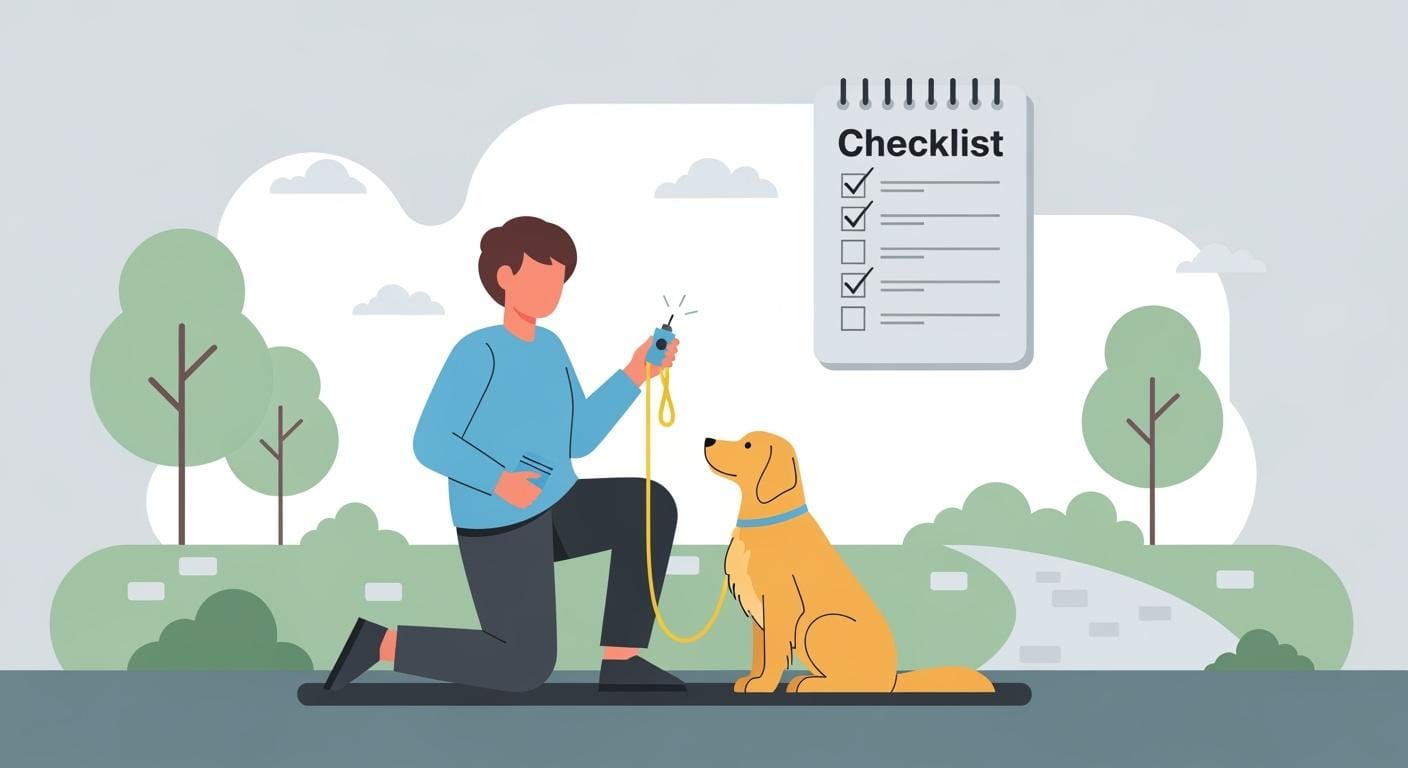
Checklist for B2B Buyers:
Choose a treat pouch with strong stitching and secure closures.
Check the size and storage capacity for professional use.
Make sure the design supports fast access and easy cleaning.
Ask for clear product details and samples before bulk orders.
A quality dog treat bag helps dog trainers work better and keeps your business reputation strong.
Dog Treat Bag Access and Ergonomics
Treat Pouch Opening Styles
Picking the right treat pouch opening can help your training. You want a pouch that is easy to open but keeps treats safe. The best pouches use openings that are fast, safe, and simple.
Magnetic closures let you use one hand to open or close. This helps you give treats fast and stops them from falling out.
Spring-assisted closures snap shut by themselves. You can grab treats quickly and not worry about dropping the bag.
Drawstring openings let you change how wide the pouch opens. You can make it bigger or smaller for different treats or training.
Silicone-lined pouches have a soft opening that stays in shape. This makes it easy to get treats, even if you move around a lot.
Tip: Studies show that automatic and magnetic closures help trainers give rewards faster and keep treats fresh during long sessions.
Design and Testing Checklist: Opening Styles
Try to open the pouch with one hand.
See if the closure stops spills when you move.
Make sure your hand and treats fit in the opening.
Test the pouch in all kinds of weather to see if it works well.
Bag Layout and Extra Storage
A good treat bag layout helps you stay neat and quick. You need space for treats and other things you use. More pockets let you keep treats, clickers, and waste bags apart. This helps you pay attention to the dog, not your supplies.
Quick-access pockets let you get treats fast, which helps training go smoothly.
Magnetic or zipper pockets let you use one hand, which is important for trainers.
Extra space for things like keys or a phone makes life easier.
Adjustable straps help you carry the bag in a way that feels good and safe.
Feature | Description |
|---|---|
Multiple pockets | Keep treats, tools, and waste bags in order for better training. |
Ergonomically shaped compartment | Makes it comfy and easy to wear against your body. |
Waterproof liner | Keeps treats fresh and stops spills from making a mess. |
One-handed access | Lets you give treats fast without dropping anything. |
Note: Trainers who use bags with more storage say they stop less and train better.
Case Example
A trainer started using a small pouch with more pockets. They found it easier to keep treats, clickers, and waste bags in order. This helped them work faster and pay more attention to the dog.
Design and Testing Checklist: Layout and Storage
Count the pockets and see where they are.
Try to reach every pocket with one hand.
Make sure the bag holds enough for long training times.
Look for liners that are waterproof or easy to clean.
Carry and Adjustability Options
How you carry your treat pouch changes how you feel and work. Straps you can change and hands-free styles let you move easily and focus on training. You can wear the pouch at your waist, on your shoulder, or across your body. This lets everyone find a way that fits them best.
Adjustable waist straps and belt clips let you change the fit.
Hands-free means you can give treats without putting things down.
Shapes that fit your body stop the bag from bouncing or hurting you.
Strong, water-resistant fabric makes the bag good for outside.
Trainers say hands-free and adjustable bags help them feel better during long training and stop treats from falling out.
Case Example
A training school tried many treat bags with different ways to carry them. Trainers liked bags with belts and clips they could adjust. They felt less tired and could focus more on the dog, even when moving a lot.
Design and Testing Checklist: Carry and Adjustability
Try wearing the bag in different ways to see what you like.
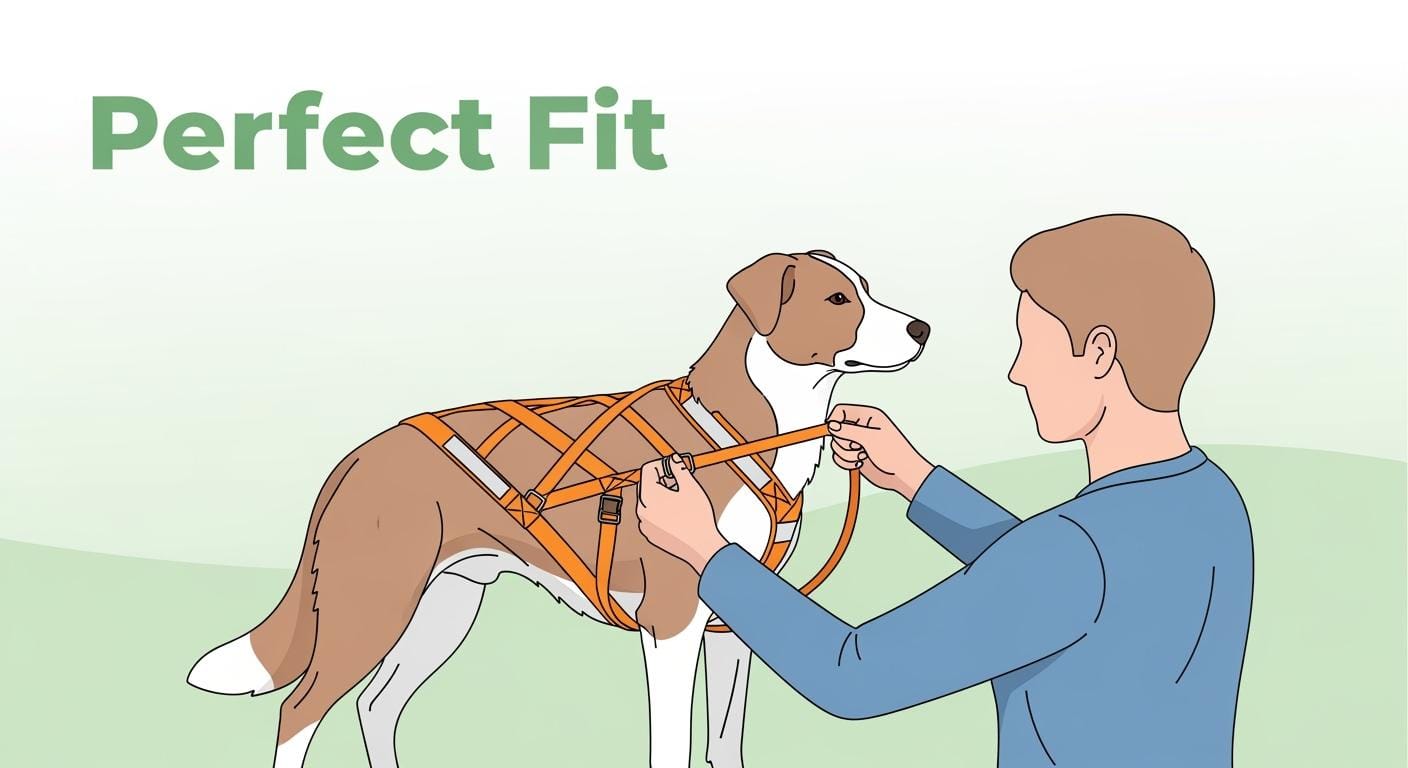
Change the straps so the bag fits close and feels good.
Move around to see if the bag stays in place.
Check if the bag keeps treats safe, even when you bend or run.
A dog treat bag with the right opening, layout, and carry style helps you train better. Pick bags that are easy to use and comfy to support trainers and keep your business strong.
Secure Closures and Attachment
Closure Types for Treat Pouches
You need a closure that keeps treats safe but is easy to open. The closure type changes how fast you can give a dog a treat. It also helps protect treats during training. Most trainers like magnetic closures because they are quick and simple. Some trainers pick zippers or drawstrings for more safety.
Closure Type | Preference Percentage |
|---|---|
Magnetic Closure | 60% |
Zipper/Drawstring | 40% |
Magnetic closures let you open the pouch with one hand. This helps you give treats fast. Zippers and drawstrings keep treats safer. This is good if you work with busy or curious dogs. Pick the closure that fits your training and where you work.
Tip: If you train outside or with many dogs, use a closure that keeps treats safe from weather and movement.
Checklist for Closure Mechanisms:
Try to open and close the pouch with one hand.
See if the closure keeps treats inside when you move fast.
Test the closure in both wet and dry weather.
Make sure the closure works for the size you need.
Attachment Hardware and Durability
The hardware on a dog treat bag must be strong for daily use. You want clips, rings, and straps that do not break. If hardware fails, you could lose treats or even the whole bag. Look for hardware that is tough and safe for trainers.
Durability Standard | Description |
|---|---|
Stress Resistance | Hardware should handle lots of use without breaking. |
Environmental Resistance | Hardware must not wear out from heat, cold, or water. |
Multi-Dog Capability | Hardware should handle dogs pulling in different ways. |
Security Features | Hardware should stop others from opening it but still be quick for you. |
Check for strong stitching and extra-strong spots where straps attach. Metal clips and D-rings last longer than plastic ones. Test the hardware with the bag full to make sure it does not bend or break.
Checklist for Attachment and Durability:
Check all clips, rings, and straps for strength.
Test the hardware with the bag full of treats.
Look for signs of damage after using it many times.
Make sure the hardware does not rust or get weak from water.
Check that the bag stays on during active training.
Field Testing with Active Dogs
Field tests show how closures and hardware work with real dogs. When you use a treat pouch with active dogs, you see what works best. Magnetic closures are easy to use but can open if they get wet. Zipper closures stay closed and keep treats safe, even in rain or mud. Zippers also stop curious dogs from opening the pouch.
A trainer tested different bags during long training. The zipper bag kept treats dry and safe. The magnetic bag worked well inside but opened too easily outside. The best treat pouch for you uses a closure that fits your needs and can handle tough use.
Note: Always test new bags with real dogs before buying many. This helps you find problems early and pick the best design for your business.
Checklist for Field Testing:
Use the bag in different weather and places.
Watch for treats falling out or the bag opening by accident.
Check if the bag feels good and stays on while you move.
Ask trainers what they think about the closure and hardware.
A strong closure and tough hardware keep your treats safe and help you train better. Always pick a dog treat bag that is strong and works well for professional use.
Hygiene and Food-Safe Construction
Liner Materials and Food Safety
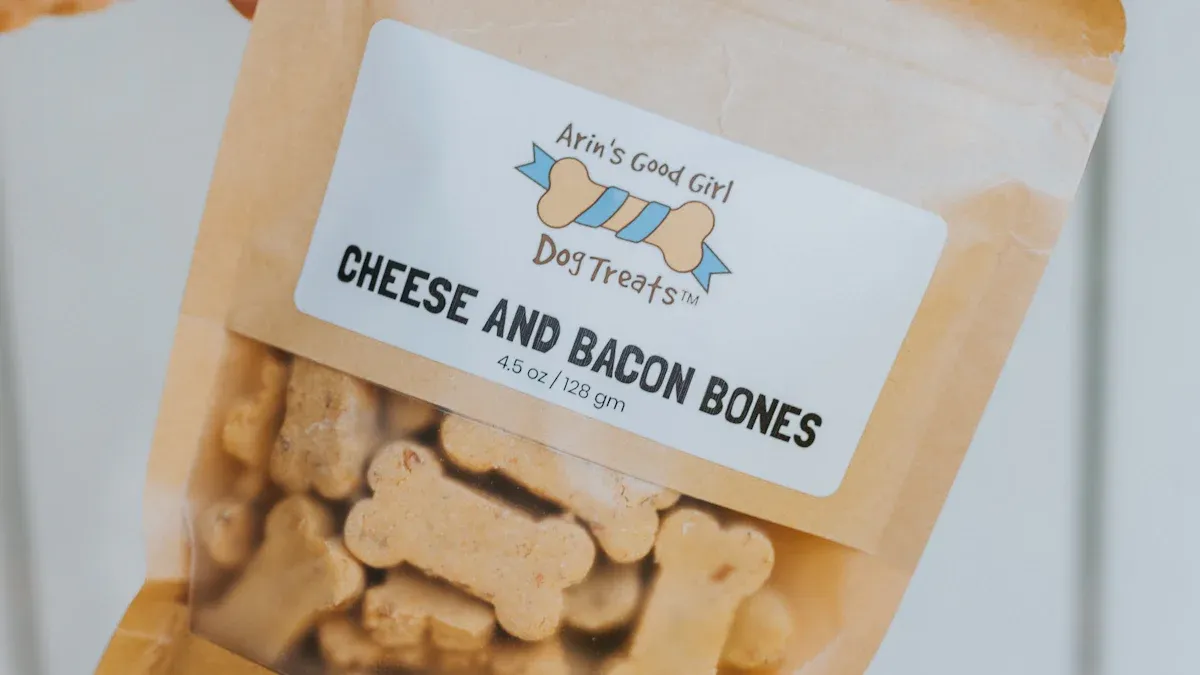
You need to pick a dog treat bag with safe liners. Food-grade liners keep dogs safe during training and help you follow safety rules. Many treat pouch liners are made from silicone or TPU. These materials do not let out bad chemicals and keep treats fresh. You should check for certifications that show the bag is safe for food.
Certification | Description |
|---|---|
FDA Approval | Materials are safe for food contact and do not release harmful substances. |
BPA-Free Certification | Plastic packaging is free from bisphenol A, a chemical linked to health risks. |
ISO 22000 | Packaging materials comply with international food safety management standards. |
SGS & TUV Testing | Packaging undergoes third-party safety and quality inspections. |
Recyclability & Compostability | Certifications from FSC or BPI validate eco-friendly packaging claims. |
You should also look for certifications like ASTM D6400 and EN 13432 if you want compostable or recyclable packaging. These rules help you show customers that your treat bag meets world safety standards.
Checklist for Food-Grade Materials and Compliance:
Pick liners made from silicone, TPU, or other food-safe materials.
Make sure the bag has FDA approval and is BPA-free.
Ask for ISO 22000 or FSSC 22000 certification.
Request reports from third-party testing.
Check for compostable or recyclable certifications.
Cleaning and Maintenance
Keeping your treat pouch clean stops germs and keeps treats safe. You need to clean the bag after every training session, especially if you use wet or raw treats. Separate pockets help you keep different treats apart. You should wash the bag with warm, soapy water and let it dry in the air.
Recommended Cleaning Steps:
Take everything out of the treat bag before cleaning.
Wash with warm, soapy water and use a brush for corners.
Rinse well and let the bag air dry.
Clean any containers or pouches inside the bag.
Only put clean, dry items back in the bag.
Close the bag tight to keep out dust and bugs.
Throw away any single-use items that touched treats or your dog.
Tip: Always wash your hands before and after handling treats. Clean all surfaces and tools that touch food. Store raw or wet treats in sealed containers. Throw away treats left out too long.
Case Example:
A trainer saw mold inside a treat pouch after using wet treats. They started cleaning the bag after every session and used sandwich bags for wet food. This stopped mold and kept treats fresh longer.
Checklist for Cleaning and Hygiene:
Clean the treat bag after each use.
Use different pockets for different treats.
Store wet treats in sealed bags.
Dry the bag fully before putting it away.
Replace single-use items often.
Picking a dog treat bag with safe materials and easy cleaning steps keeps dogs and trainers safe. You make things cleaner, follow safety rules, and help customers trust you.
You can help your business grow by picking dog treat bags that follow important design rules. Look for bags that are easy to open, close tightly, feel good to carry, and are made with safe materials. Use this checklist when you test and check bags to stop returns and complaints:
Common Praises | Frequent Complaints |
|---|---|
Treats stayed fresh and safe | Bad packaging made treats break |
Customers like easy access | Labels did not match what was inside |
To make sure your products are always the same, compare suppliers by looking at their safety papers, testing samples, and checking how well they deliver. Choose good quality so trainers and customers stay happy.
FAQ
What makes a dog treat bag suitable for professional trainers?
You need a dog treat bag with fast access, secure closures, and food-safe materials. Strong stitching and adjustable straps help trainers work longer. Research shows these features improve training efficiency and reduce complaints.
How do you clean a dog treat pouch after each session?
Remove all treats and liners. Wash the pouch with warm, soapy water. Let it air dry completely. Use sealed bags for wet treats. Clean after every use to prevent mold and odors.
Which materials are best for food safety in training gear?
Choose silicone or TPU liners. These materials meet food safety standards and do not release harmful chemicals. Always check for certifications like FDA approval and BPA-free labeling.
How can you test the durability of a dog treat bag?
Fill the bag with treats and attach it to your belt or waist. Move, bend, and run during training. Check for loose stitching, broken hardware, or spills. Repeat this test before bulk orders.
Can you use one dog treat pouch for different types of treats?
Yes, you can. Pick a pouch with multiple pockets or compartments. Store dry and wet treats separately. This keeps treats fresh and prevents cross-contamination.