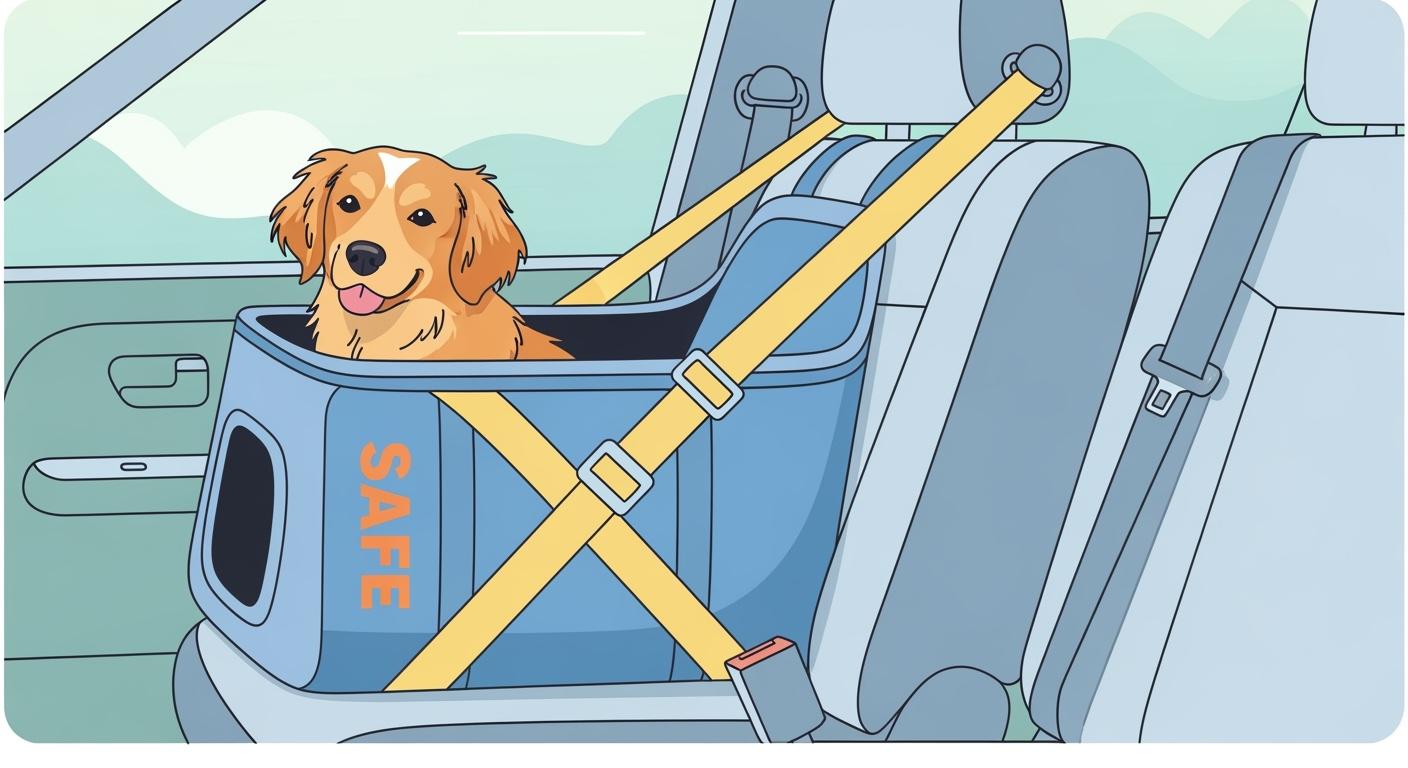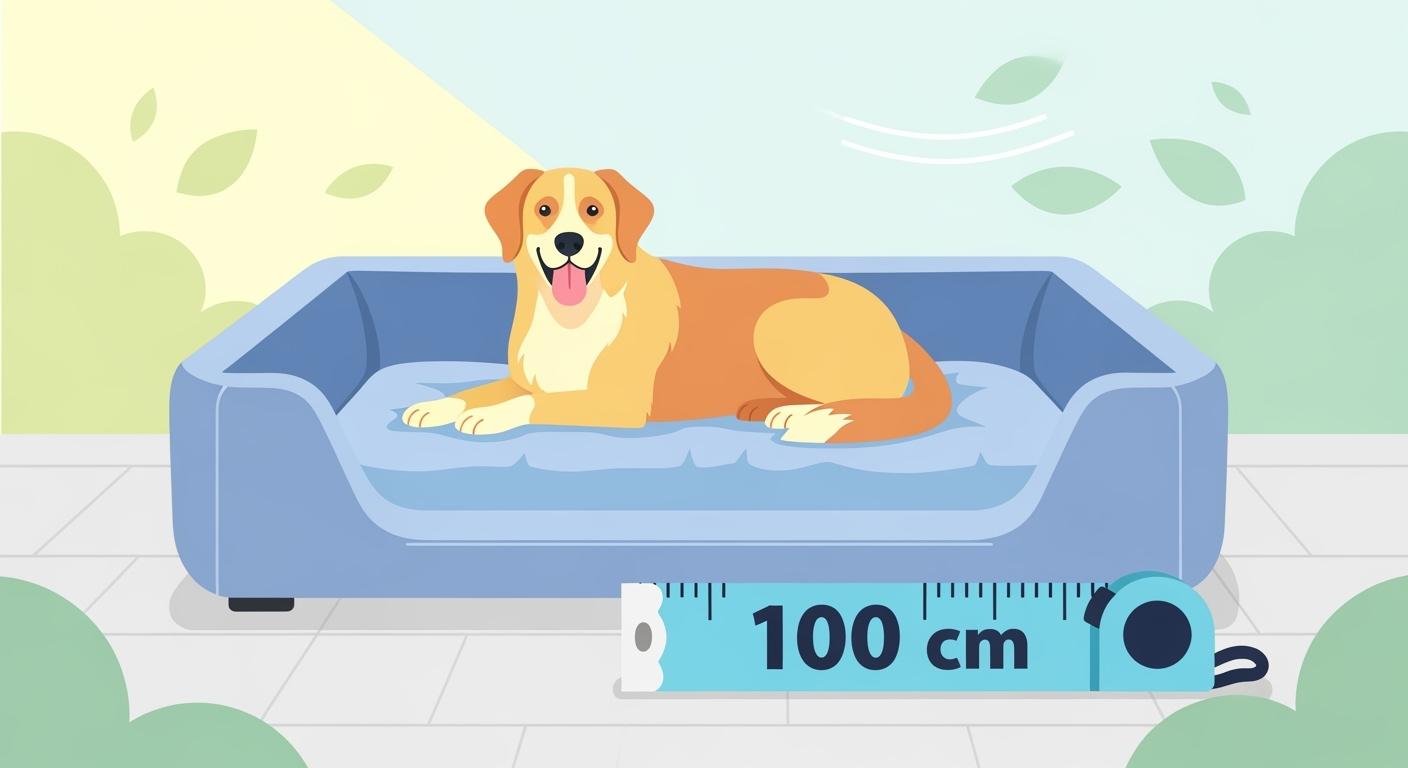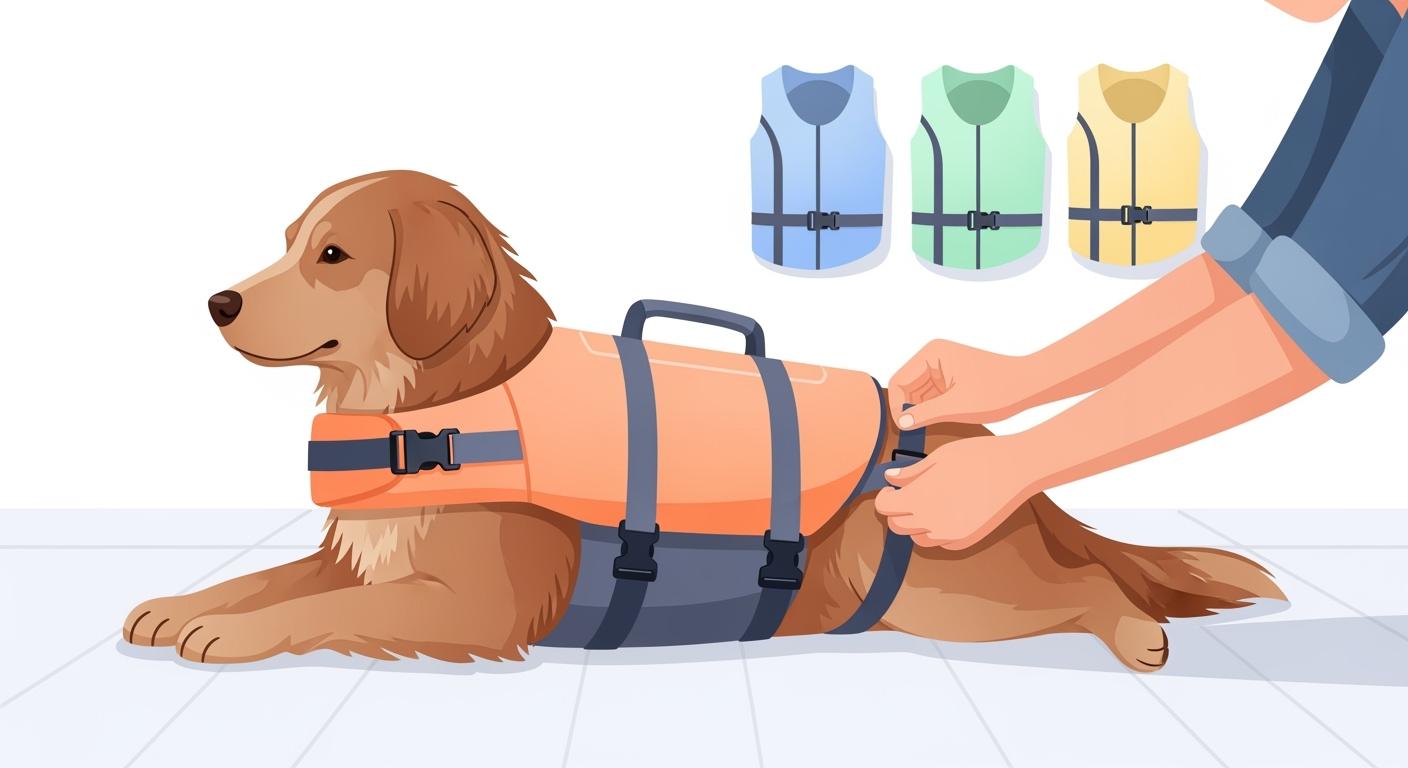
Imagine your dog playing in the lake. Its tail wags with joy. You need a dog swimming life jacket that fits right. This helps your dog move easily and stay safe. Always watch your dog near water.
Safety note: use a leash when approaching docks or boat ramps, and introduce the vest on land before water. If your dog has a medical condition or anxiety, ask a veterinarian for guidance.
A dog swimming life jacket helps your dog float. It also helps you get your dog out of the water. But it cannot keep your dog safe in every water situation.
Key Takeaways
- Choose a size that stays snug without restricting shoulders; use the two-finger rule on every strap.
- Prioritize retrieval and control: a centered rescue handle, secure closures, and balanced flotation that keeps the head up.
- Start in shallow water and build confidence gradually; a life jacket does not replace supervision near water.
What a Dog Swimming Life Jacket Does
Buoyancy Support vs Safety Guarantee
A dog swimming life jacket helps your dog float. It keeps your dog’s head above the water. The jacket gives extra support to the chest and neck. Swimming becomes easier and your dog gets tired less quickly. Some dogs panic or struggle in water. The jacket helps you feel less worried. But a life jacket does not promise total safety. You must always watch your dog near water. Do not depend only on the jacket.
- Dog life vests support the chest and neck. They keep the head above water.
- They help dogs swim longer and get less tired.
- Dogs swim differently based on their breed and personality.
- Many dogs may panic or struggle without help.
Why Even Strong Swimmers Benefit
Even strong swimmers can get tired fast. They may lose confidence in deep water. A dog swimming life jacket helps your dog stay afloat if it gets tired or scared. You can use the handle to lift your dog out of the water. Dogs with short legs or heavy bodies need extra help. You should use a life jacket for all dogs, not just weak swimmers.
Understanding Labels and Standards
You may see labels on dog life jackets that reference buoyancy, visibility, or “PFD-style” features. There is no universal certification system for pet flotation devices. Some brands reference human PFD standards for context, but you should treat those references as informational and still verify fit and stability on your dog.
| Category | Features | Certifications |
|---|---|---|
| Water Sports | Flexible fit, ventilation, moderate buoyancy | Human PFD reference (context only) |
| Recreational Boating | High visibility, adjustable fit, whistle included | Human PFD reference (context only) |
| Commercial Shipping | Reflective tape, harness-ready, high buoyancy | Human PFD reference (context only) |
Sizing and Fit Guide for Dog Swimming Life Jackets
Always check the product details. Avoid claims that are not proven. Pick a jacket that fits your dog and lets it move safely.
Choosing the right size for a dog swimming life jacket keeps your dog safe and comfortable. You need to measure your dog carefully and check the fit both on land and in water. Follow these steps to make sure the jacket fits well and supports your dog’s movement.
How to Measure Your Dog
Start with accurate measurements. Use a soft, non-stretchable tape measure and a flat surface. Treats can help keep your dog calm.
Step A: Measuring Your Dog
- Chest Girth: Wrap the tape around the widest part of your dog’s chest, just behind the front legs. Keep the tape snug but not tight. You should be able to slip one finger under the tape.
- Neck Base: Place the tape where the collar sits, about two inches below the head. Make sure the tape is flat and allows for comfort.
- Back Length: Measure from the base of the tail to the front of the chest (not the neck). Keep your dog standing straight for the most accurate result.
Tip: Write down each measurement. Double-check if your dog is wiggly or fluffy.
Fit Checks on Land and in Water
After you pick a size, test the fit before swimming. Use the two-finger rule for all straps. You should slip two fingers under each strap. If you can fit fewer than two fingers, loosen the strap. If you can fit more, tighten it. This rule helps prevent slipping and pinching.
Step B: Land Fit Check
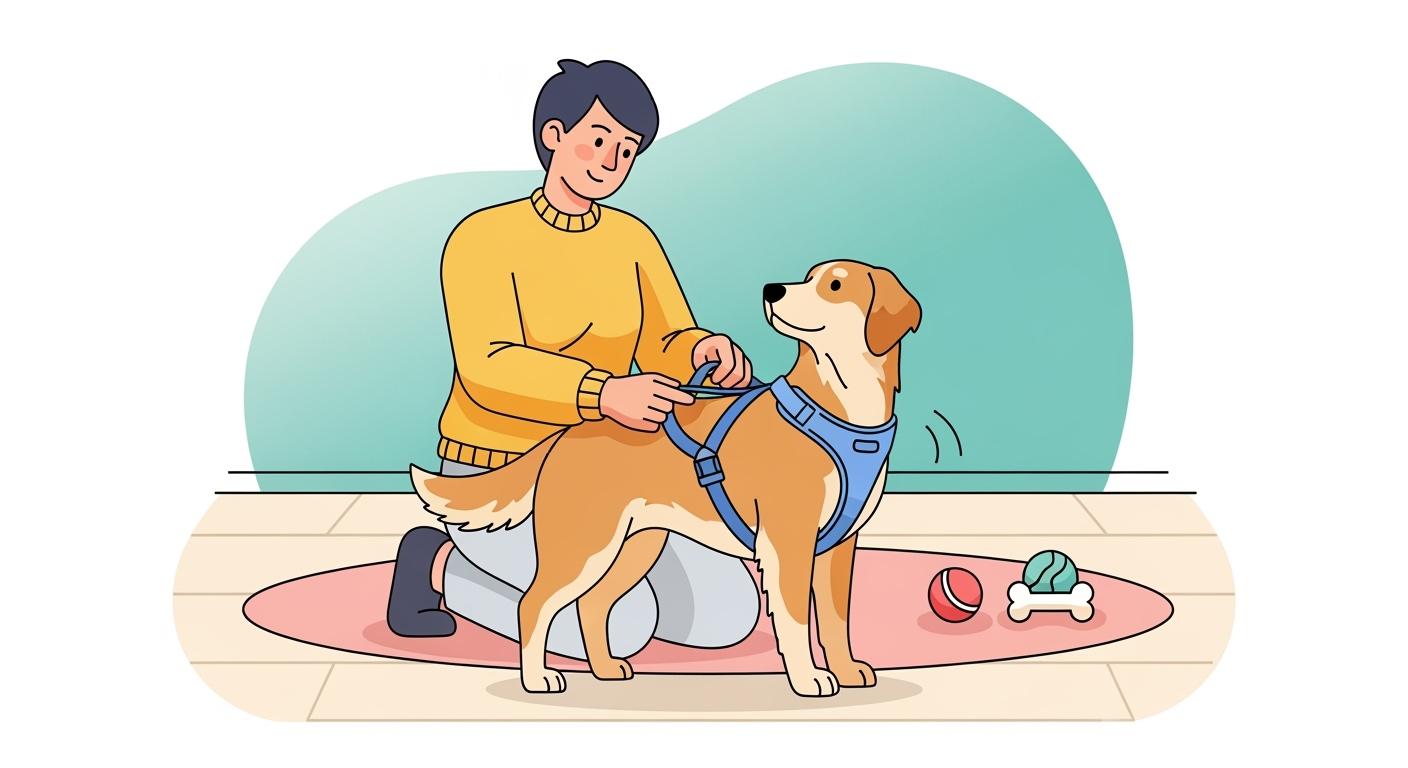
- Put the dog swimming life jacket on your dog.
- Adjust all straps so they are snug but not tight.
- Check that the jacket does not shift or rotate when your dog walks or sits.
- Make sure your dog can move its shoulders and legs freely.
Step C: Shallow-Water Verification
- Let your dog wear the jacket in shallow water first.
- Watch for any slipping, twisting, or signs of discomfort.
- Use the handle to gently lift your dog. The jacket should lift your dog evenly without tipping or pinching.
- Make sure your dog floats in a natural, horizontal position.
Adjusting for Coat and Growth
Dogs with thick coats or puppies that are still growing need extra attention. If your dog has a lot of fur, check the fit with the coat both wet and dry. For puppies, leave a little extra room for growth, but never let the jacket fit too loosely.
Note: Always recheck the fit if your dog gains or loses weight, or after grooming.
Pass/Fail Fit Checklist Table
Use this table to check if the dog swimming life jacket fits well. If you find a “Fail,” use the suggested fix before heading to the water.
| Check Item | Pass (✔️) | Fail (❌) | Fix |
|---|---|---|---|
| Jacket slips or rotates | Tighten straps, check chest girth | ||
| Straps rub or pinch | Adjust position, check for chafing | ||
| Movement is restricted | Loosen straps, check shoulder clearance | ||
| Uneven lift with handle | Reposition jacket, check back length | ||
| Dog shows stress signs | Remove jacket, try again slowly |
A well-fitted dog swimming life jacket lets your dog swim, play, and rest safely. Always check the fit before every water adventure.
Key Features to Look For
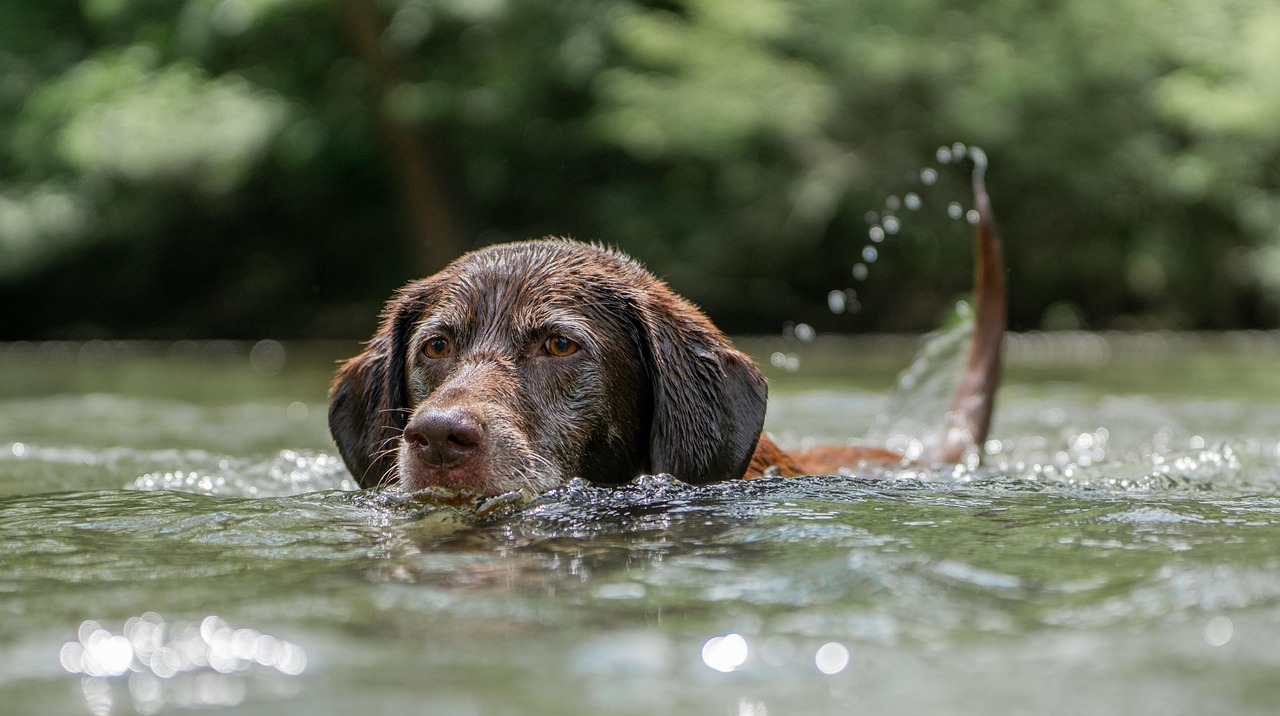
When you choose a dog swimming life jacket, you want to focus on features that keep your dog safe and comfortable. The right features help your dog move naturally in the water and make it easier for you to help your dog if needed. Here are the most important features to check.
Buoyancy and Head Support
You want a life jacket that gives balanced flotation. The jacket should support your dog’s chest and sides. This helps your dog float in a natural, horizontal position. Some jackets include extra padding under the neck. This padding helps keep your dog’s head above water, which is important for dogs with short snouts or heavy heads. Make sure the flotation does not force your dog into an awkward angle. Your dog should be able to swim and rest without tipping forward or backward.
Tip: Try the jacket in shallow water first. Watch how your dog floats and moves. Adjust the fit if you see your dog struggle to keep its head up.
Secure Handle and Closures
A strong handle on top of the jacket lets you lift or guide your dog safely. Look for a reinforced rescue handle. This handle helps you pull your dog onto a dock or boat without twisting or tipping. You want closures that stay latched and do not pop open when wet. Adjustable straps should hold their position and not slide into your dog’s armpits. Check that the handle feels sturdy and sits in the middle of your dog’s back.
- Reinforced rescue handle on top for safe lifting
- Secure closures that do not open by accident
- Multiple adjustment points for a snug fit
Visibility and Comfort
Bright colors and reflective strips make your dog easy to spot in the water. High-visibility panels help you see your dog in low light or busy areas. Smooth edges and soft belly panels prevent chafing. The jacket should not have sharp hardware that touches your dog’s skin. Good coverage under the belly spreads pressure and stops straps from digging in. Your dog should be able to walk, run, and swim without rubbing or pinching.
Note: Always check for signs of rubbing or discomfort after your dog wears the jacket for a while.
Unified Feature Checklist
- Secure fit system with multiple adjustment points
- Retrieval-ready handle for safe lifting
- Balanced flotation for natural swimming
- Bright colors and reflective accents for visibility
- Comfort features to prevent chafing
Comparison Table: Full-Coverage Vest vs Minimal Aid vs None
| Type | Best for | Biggest Limitation | Safer Habit | When to Switch Plans |
|---|---|---|---|---|
| Full-coverage flotation vest | Most dogs, new swimmers, boating, rough water | Can feel bulky for some dogs | Use for all water activities, especially if unsure of dog’s skill | If your dog panics or the vest restricts movement, try a different fit |
| Minimal flotation aid | Confident swimmers, calm water, short sessions | Less support, not for emergencies | Supervise closely, use only in safe, shallow water | Switch to full vest if your dog tires or water conditions change |
| None | Only for expert swimmers, dry land play | No support, high risk | Always supervise, avoid deep or moving water | Add a vest if your dog shows fatigue or you enter deeper water |
A dog swimming life jacket with these key features helps you keep your dog safe and visible. You can enjoy water adventures with more peace of mind.
Common Mistakes and Troubleshooting
Fit and Safety Mistakes
You want your dog to stay safe and happy in the water. Sometimes, mistakes with the life jacket can put your dog at risk. Here are the most common problems you might see:
- Loose fit: The jacket slips or rotates when your dog moves.
- Strap migration: Straps slide into the armpit area and cause rubbing.
- Restricted movement: Your dog cannot walk or swim naturally.
- Panic or refusal: Your dog freezes, tries to escape, or refuses to enter the water.
- Jacket rides up at the neck: The jacket pushes against your dog’s throat.
- Handle issues: The handle feels unstable or tips your dog sideways.
- Closures come loose: Buckles or Velcro do not stay fastened.
- Jacket feels heavy when wet: The jacket soaks up water and weighs your dog down.
Tip: Always check the fit before every swim. Watch your dog for signs of discomfort or stress.
Troubleshooting Table
| Symptom | Likely Cause | Fast Check | Fix |
|---|---|---|---|
| Jacket slips off | Straps too loose | Pull gently on jacket | Tighten straps, check chest girth |
| Rides up at neck | Poor neck fit | Look for bunching at throat | Adjust neck strap, reposition vest |
| Armpit chafe | Strap migration | Check for red skin under legs | Reposition straps, add padding |
| Tilts in water | Unbalanced flotation | Watch swim angle | Adjust fit, try different jacket |
| Refuses to wear | Discomfort or fear | Look for stress signs | Remove, reintroduce slowly |
| Unstable handle lift | Handle off-center | Lift gently, watch for tipping | Center handle, check back length |
| Closures come loose | Worn or weak fasteners | Test all buckles and Velcro | Replace or secure closures |
| Heavy when wet | Waterlogged material | Feel jacket after swim | Dry fully, choose lighter material |
Quick FAQ Reference
Q: My dog keeps slipping out of the jacket. What should I do?
A: Check the chest girth and tighten all straps using the two-finger rule.
Q: The jacket rubs under my dog’s legs. Is this normal?
A: No. Adjust the straps and check for smooth edges. Add padding if needed.
Q: My dog refuses to move with the jacket on. What now?
A: Remove the jacket and try again later. Let your dog get used to it slowly.
Q: The handle feels wobbly when I lift my dog. Is this safe?
A: Make sure the handle sits in the middle of your dog’s back and the jacket fits snugly.
Remember: Always supervise your dog near water and check the jacket before every use.
FAQ
How snug should a dog life jacket be?
You should adjust the jacket so you can slide two fingers under each strap. This keeps the jacket secure but does not pinch or squeeze your dog.
Is the handle safe to lift my dog with?
You can use the handle for gentle lifting in emergencies. Always check that the handle sits in the middle of your dog’s back and feels sturdy before use.
Tip: Lift your dog slowly and support its body when possible.
What if my dog is nervous or panics in water?
Let your dog wear the jacket on land first. Use treats and praise. Start with shallow water. Stay calm and patient to help your dog feel safe.