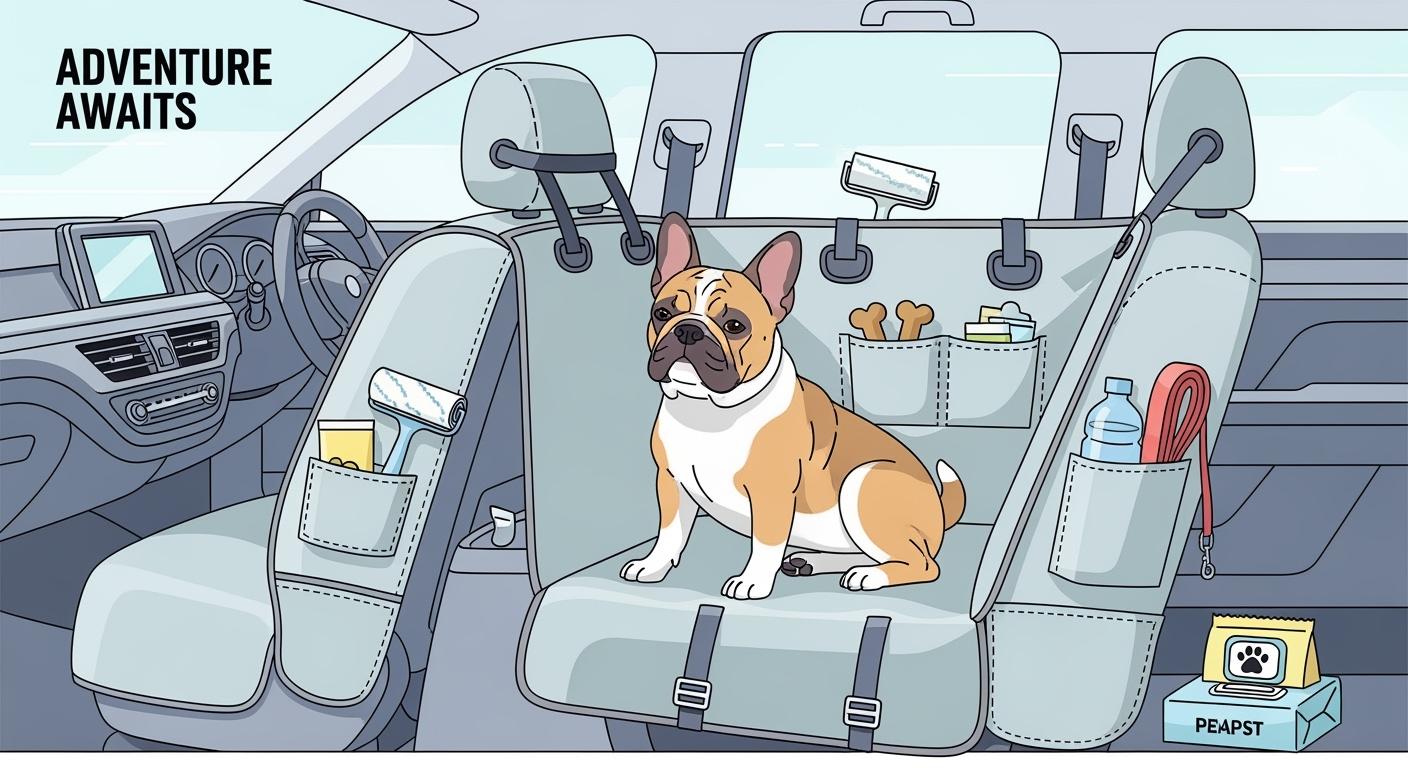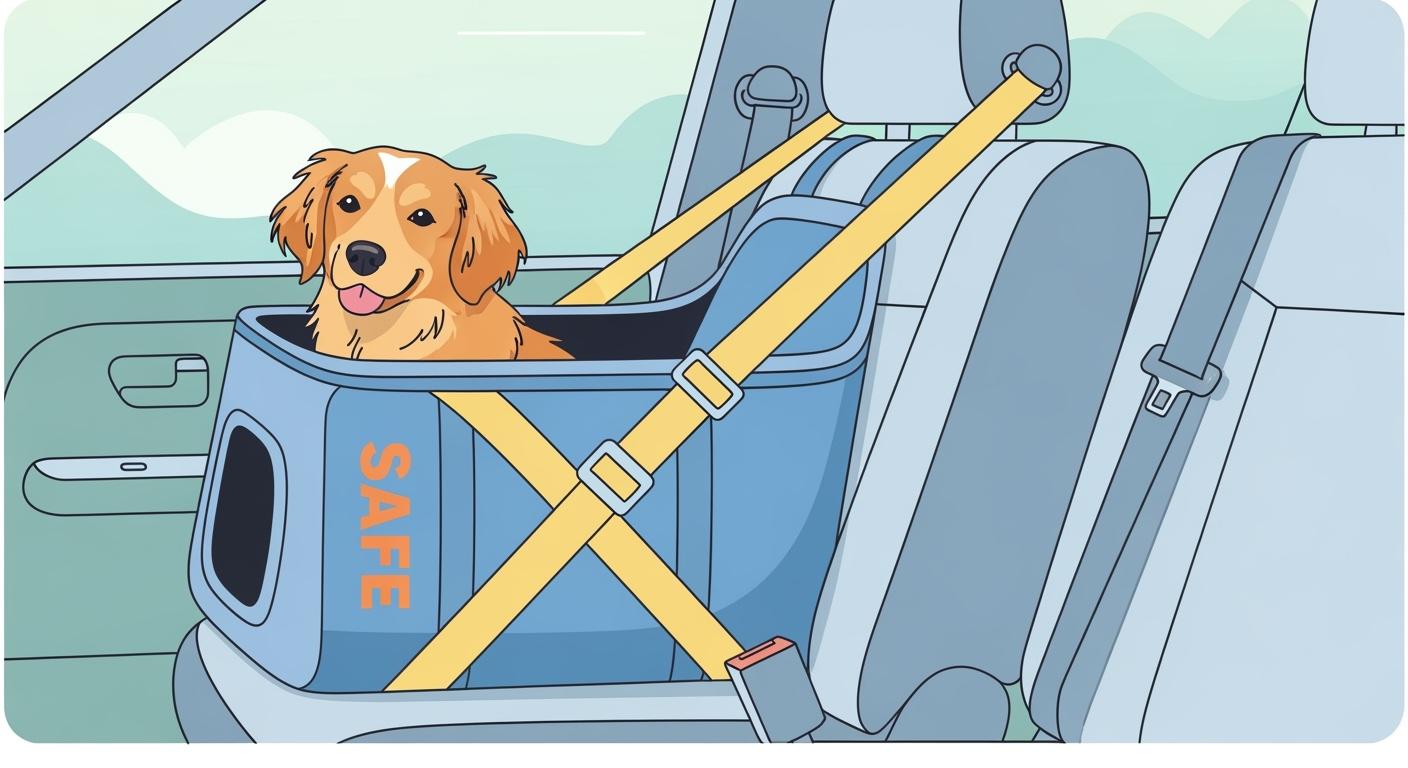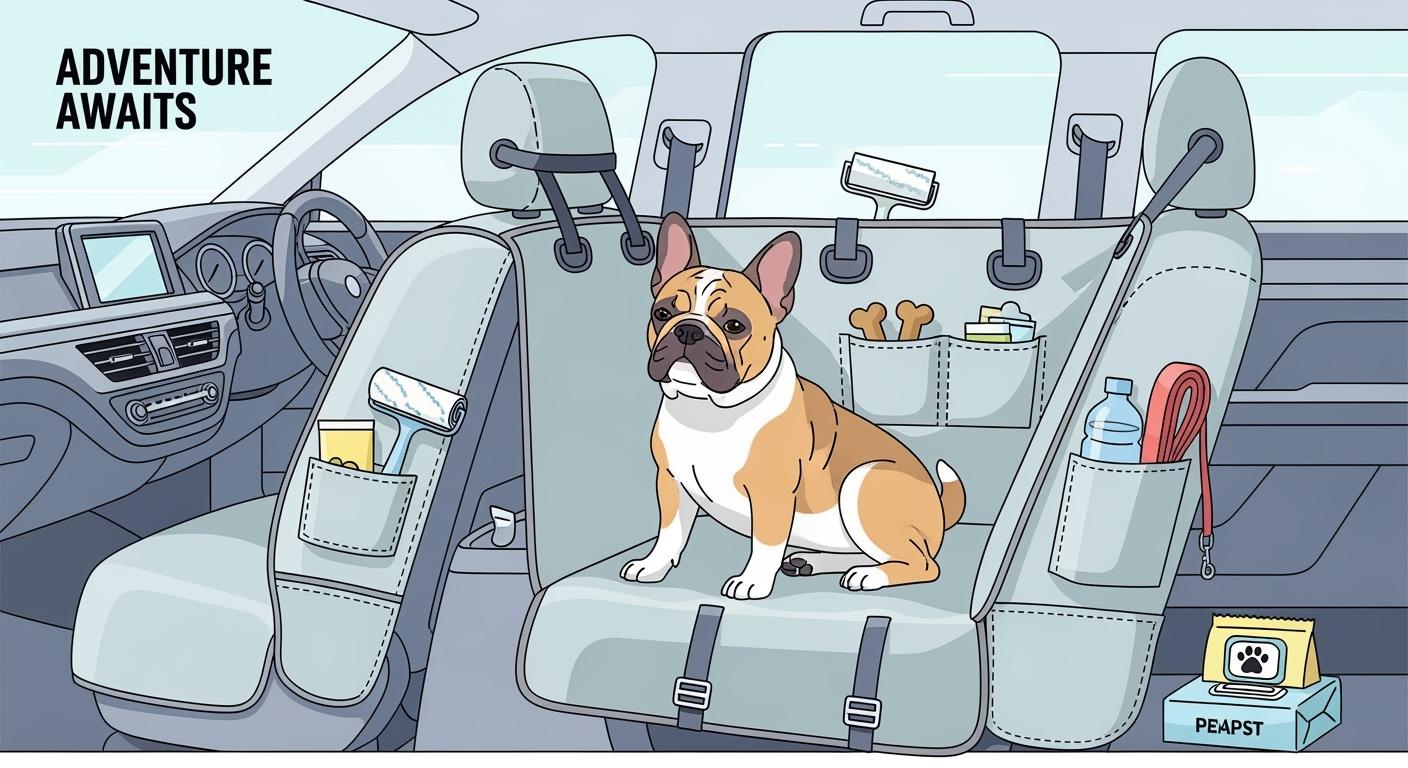
A dog seat car cover should do two simple jobs well. It should protect your rear seat from hair, dirt, and wet paws, and it should give your dog a steadier place to rest during normal rides. It does not replace a carrier or restraint setup. The better cover is the one that fits your vehicle, keeps buckle access clear, stays flat under your dog, and cleans up without extra hassle.
Key takeaways
- Pick a dog seat car cover that fits your car. A loose cover bunches up, shifts under paws, and makes cleanup harder.
- Keep buckle openings visible and usable. A cover should not hide buckles or block the path for a separate harness or restraint setup.
- Prioritize a grippy bottom, easy-clean surface, and enough coverage for the messes your dog actually makes on daily rides.
What a dog seat car cover should do
Protect the seat without creating new problems
A useful cover keeps dirt, hair, moisture, and claw marks off the rear seat. It should also stay flat enough that your dog can step on, turn, and settle without the surface folding under them. If the cover slides or lifts at the corners, it stops helping and starts becoming part of the problem.
The basic goal is simple: keep the upholstery cleaner while giving your dog a more predictable surface. Covers are especially useful after wet walks, park trips, beach runs, or any ride where fur and debris build up fast.
Tip: A seat cover is for surface protection and easier cleanup. It should not cover up buckles or replace a separate restraint plan.
| Checkpoint | What to look for |
|---|---|
| Coverage | Rear seat surface is covered without leaving large gaps where dirt can fall through. |
| Buckle access | Buckles stay visible and reachable after the cover is installed. |
| Grip | The cover stays flat when your dog steps on or turns around. |
| Cleanup | Hair, dust, and mud can be shaken out, wiped off, or machine-washed without fuss. |
| Comfort | The top surface feels steady rather than slick, lumpy, or noisy under paws. |
Support everyday comfort, not crash claims
For daily use, comfort usually comes from three things: a flat resting surface, enough traction for stepping in and turning, and a fabric that does not feel overly hot or sticky after a longer ride. If your dog keeps bracing, pacing, or sliding toward the footwell, the problem is often fit or grip, not padding alone.
Look for a cover that helps your dog settle without blocking ventilation from rear-seat vents or changing how you use a separate harness connection. If your dog pants heavily, drools, whines, or refuses to settle during car travel, stop and reassess the setup. If the problem continues, ask your veterinarian whether motion discomfort or travel stress may be part of the issue.
Fit and layout checks before you buy
Measure the rear seat first
You need to measure your back-seat width, seat depth, and headrest spacing before buying a dog seat car cover. That one step prevents most fit mistakes. It tells you whether the cover will lie flat, whether the headrest straps sit at the right angle, and whether split-seat access will still work in your vehicle.
A bench-style cover is usually the simplest choice for routine daily rides. A hammock-style cover can help contain messes and discourage stepping into the footwell, but only if it still leaves the rear-seat area practical for your dog and your car. A split-seat layout matters more if you often fold part of the rear seat or travel with both a dog and a human passenger.
| Layout | Best for | Watch for |
|---|---|---|
| Bench cover | Simple daily rides and easier access to the seat surface. | Coverage may be too limited for dogs that pace or climb. |
| Hammock cover | Containing loose dirt and keeping some dogs out of the footwell. | Needs secure strap placement and should not interfere with buckles. |
| Split-seat cover | Mixed use with cargo or an extra passenger. | Partial openings should still sit flat and not bunch up. |
Match the layout to how you really travel
For short commutes, the easiest-clean surface may matter more than extra side coverage. For muddy trips, wider coverage and a contained layout matter more. For longer rides, watch for three things during a short test drive: whether the cover shifts, whether your dog keeps readjusting, and whether buckle openings remain clear after a few minutes of movement.
A good cover should feel predictable in real use. If the headrest straps twist, the corners curl up, or the cover starts sliding after one turn, the setup is not ready for regular travel.
Materials and cleanup checks that matter
Surface feel, grip, and edge finish
The top layer should feel steady under paws. Quilted tops can work well when they lie flat, but a very slick or overstuffed surface can make small dogs brace instead of relax. The underside should help the cover stay in place, and the edges should lie smoothly instead of curling into hard ridges.
Strong seams matter because rear-seat covers get pulled by paws, straps, and regular washing. What matters most here is not a fancy material name. It is whether the surface stays usable after ordinary cleanup and whether the cover still sits flat after repeated install-and-remove cycles.
Water resistance versus easy washing
A dog seat car cover usually works best when it deals well with daily messes: hair, grit, damp paws, light spills, and drool. Wipe-clean panels can help with quick cleanup. Machine-washable construction helps more when the cover sees repeated muddy use. If you need both, look for a layout that handles quick wipe-downs between deeper washes.
The simplest routine is usually enough: shake out loose dirt, vacuum hair, spot-clean wet marks, and wash the cover when normal cleaning no longer brings it back to a usable condition. Covers that trap smell, dry too slowly, or lose shape after washing often create more work than they save.
| Real-world mess | What helps most |
|---|---|
| Loose hair and dust | A surface that vacuums clean without trapping debris in deep folds. |
| Wet paws | A top layer that wipes down easily and does not stay damp for long. |
| Mud and grit | Wide coverage, easy removal, and a wash routine that does not distort the cover. |
| Daily use wear | Strong seams, steady anchors, and a surface that still lies flat after cleaning. |
Handles messes and spills only if the cover still fits well after cleaning. A cover that washes easily but shrinks, curls, or loses grip becomes a poor everyday choice.
Pass or fail checks before regular use
Before you rely on a new cover, install it and do a short driveway or neighborhood test. This is usually enough to catch the problems that later turn into frustration during longer rides.
| Check | Pass | Fail |
|---|---|---|
| Install fit | The cover reaches the main seating area without sagging or pulling at the straps. | The corners lift, the seat surface is half exposed, or the straps sit at odd angles. |
| Buckle access | You can find and use the buckles without digging under fabric. | The openings drift away from the buckles or bunch around them. |
| Paw grip | Your dog steps in, turns, and settles without sliding. | Your dog braces, slips, or keeps readjusting to stay upright. |
| Movement in turns | The cover stays centered during a short drive. | The whole cover creeps to one side or lifts off the seat. |
| After-cleaning check | The cover returns flat, straps stay usable, and the shape still matches the seat. | The fabric shrinks, curls, or feels noticeably less stable after washing. |
Common problems and fast fixes
- Cover bunches up: Re-check seat depth and headrest strap length. Loose straps often cause folding at the front edge.
- Buckles disappear under the cover: Reposition the cover so the built-in openings line up before your dog gets in.
- Dog keeps sliding: The surface may be too slick, too loose, or badly tensioned. Fix the layout before adding more padding.
- Cleanup takes too long: The fabric may hold hair and grit too easily. A simpler, flatter surface usually works better for daily use.
The best dog seat car cover is usually not the one with the longest feature list. It is the one that fits your rear seat well, keeps buckle access clear, stays steady under your dog, and cleans up without becoming another problem. Start with fit, then check grip, cleanup, and real-use comfort.
FAQ
When should you avoid a hammock-style cover?
Avoid a hammock layout if it makes rear-seat access harder for your actual travel setup, or if it interferes with how you use buckles and a separate restraint connection.
Does a seat cover replace a carrier or restraint?
No. A seat cover protects the seat surface and can improve footing. It does not replace a carrier or another dedicated restraint setup for car travel.
How do you know the cover size is wrong?
If the cover leaves large gaps, blocks buckle access, lifts at the corners, or shifts under your dog during a short test ride, the size or layout is wrong for your vehicle.
Note: This article is general product-selection guidance, not medical advice. If your dog shows distress, pain, overheating, or ongoing travel anxiety, contact your veterinarian.