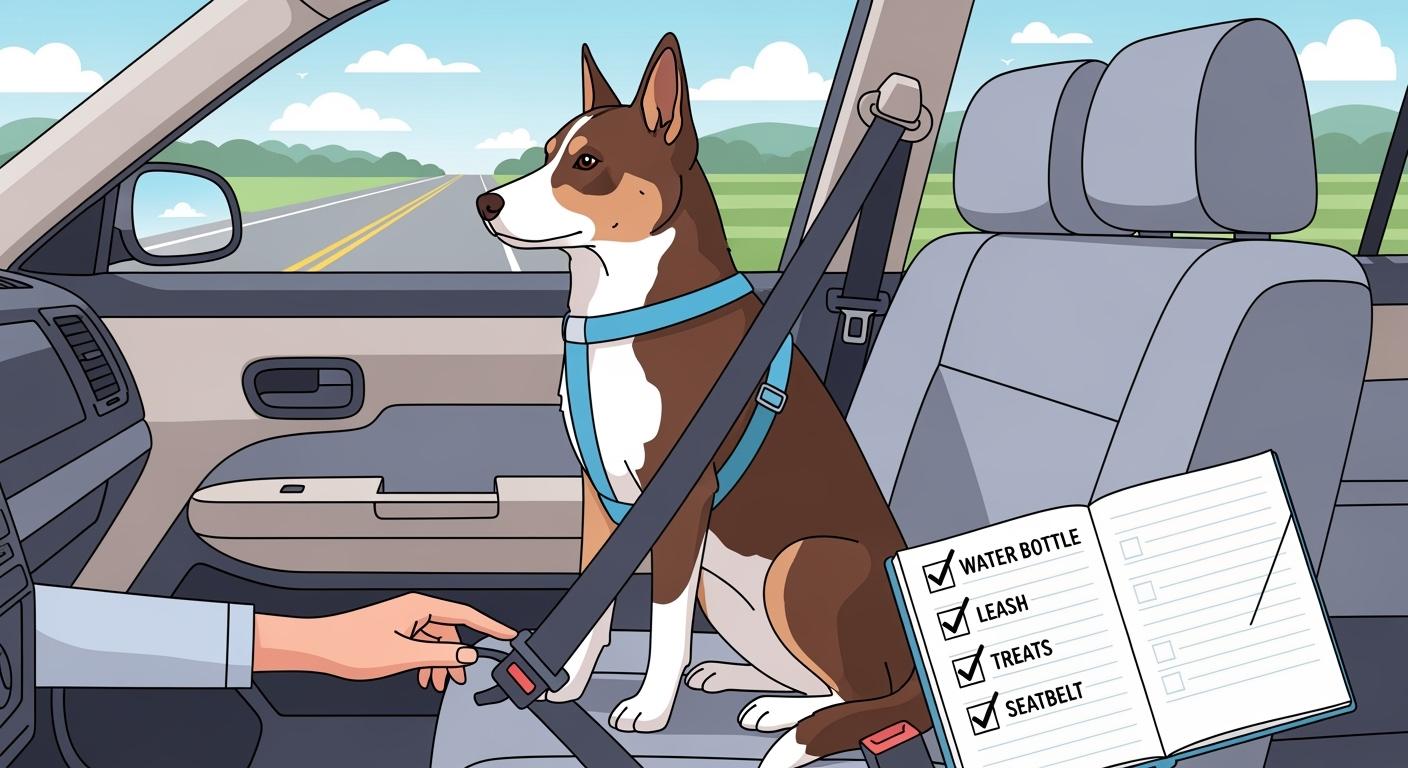
You want your dog to be safe and comfy on every trip. Use a strong restraint like a dog seat belt. Connect it the right way to the seat belt. Put your dog in the back seat to lower risk. Check the restraint at every stop to keep it stable. This helps your dog stay comfortable. Restraints stop your dog from moving too much. They also help prevent distractions. Crash-tested crates or harnesses give the best safety. Tethers should clip to a harness, not a collar. Keeping your dog stable and comfy is important. If your dog feels sick, hurts, or gets nervous while traveling, talk to your vet or a trainer. This article gives general advice only. Always look at your car manual for travel safety tips.
Key Takeaways
Use a crash-tested harness or crate for the best safety.
Always place your dog in the back seat for protection.
Check the harness and tether at every stop for stability.
Attach tethers to a harness, not a collar, to protect the neck.
Stop and reassess if your dog shows signs of stress or discomfort.
What Makes a Dog Seat Belt Safe
Reduce Distraction and Crash Risk
When you use a dog seat belt, you create a barrier that keeps your dog from moving around the car. This physical separation helps prevent distractions and lowers the risk of accidents. A proper restraint keeps your dog in place, so you can focus on driving. The best pet-safe seat belt uses a harness connection, not a collar. This safety attachment protects your dog’s neck and body during sudden stops. Limiting forward motion is key for protection in a crash.
Here is a quick guide to compare your options:
Option | Safety Level | Why It Matters | When to Use |
|---|---|---|---|
Crash-tested harness (back seat) | ✅ Safest | Limits movement in a crash; reduces distraction | Most dogs, short or long trips |
Secured travel crate | ✅ Safest | Full containment; best for anxious dogs | Long distance or puppies |
Loose in back seat | ❌ Risky | Injury risk; interior damage | Avoid |
Tip: Always check your dog’s stability before you start your trip and at every stop. This simple habit supports ongoing safety.
Crate vs Crash-Tested Harness
You want the highest level of safety for your dog. Experts agree that crash-tested crates and harnesses are the gold standard for travel. Lindsey A. Wolko from the Center for Pet Safety says,
“Ensure your pets are restrained or contained during travel in a Center for Pet Safety (CPS) Certified product. These are the safest products on the market.”
Crash-tested products offer stability and controlled movement. They act as a barrier and provide separation from the front seat. Both crates and harnesses have passed strict tests for travel safety tips. Choose the option that fits your dog’s needs and your car setup.
Back Seat vs Front Seat
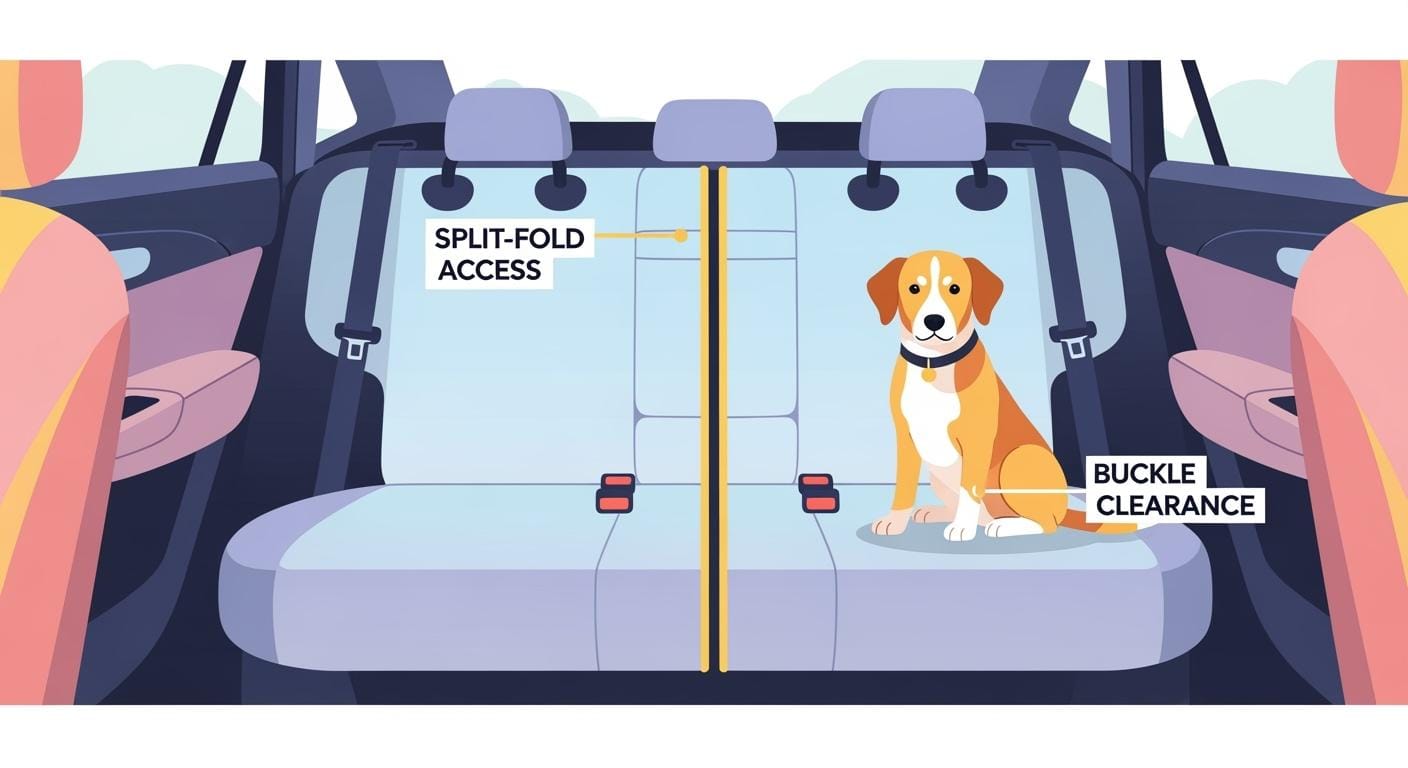
Always place your dog in the back seat. The back seat acts as a dog car barrier and keeps your dog away from airbags. This separation adds another layer of protection. Never use a collar for restraint. Always use a harness and a safe travel strap. The back seat supports stability and comfort.
Note: If you see signs of pain or distress, stop and check your dog’s stability and comfort. Offer water and a calm break before you continue.
For more car safety tips, review your vehicle manual and consult your vet for travel safety tips. Make stability checks a habit for every trip. Your attention to stability, restraint, and comfort helps keep every journey safe for your dog.
Dog Seat Belt Stability Cues
When you travel with your dog, stability is very important. A stable car restraint keeps your dog safe and comfortable. You should check some signs before you drive and at every stop. This helps you avoid accidents and stress. Restraints work as a barrier. They stop your dog from moving forward. They keep your dog away from the driver area. Crash-tested harnesses and crates give the best protection. Always connect the tether to a harness, not a collar. This keeps your dog’s neck safe. Put your dog in the back seat or cargo area for extra safety.
Pre-Drive Stability Checklist
Put your dog in the back seat or rear area.
Clip the tether to the harness, not the collar.
Make sure the tether is centered and not twisted.
Keep the tether short so your dog stays safe.
Check that all buckles and hardware are locked.
Make sure your dog can sit, lie down, and turn easily.
Take a minute to check these things before you drive. This helps your dog stay safe and comfortable on long trips.
Harness Attachment Points
Focus on how the harness connects to the seat belt. The safest spots use steel buckles and hardware. A wide, padded chest plate adds comfort and safety. Crash-tested harnesses work for dogs up to 75lbs. They fit any car seat belt system. A 10-inch seatbelt tether with a steel carabiner gives control and stability. Always follow the instructions to use it right.
Feature | Description |
|---|---|
Crash tested for dogs up to 75lbs | Keeps medium-sized dogs safe while traveling. |
All steel nested style buckles and hardware | Makes the attachment strong and durable. |
Broad, padded chest plate | Gives extra comfort and protection for your dog. |
10″ seatbelt tether with all steel carabiner | Connects the harness to the seat belt for more security. |
Compatible with any vehicle seat belt system | Works in different cars. |
Instructions for proper use | Shows how to use the harness safely. |
Check the harness and seat belt connection before every trip. Strong attachment points are important for travel safety tips.
Tether Routing and Slack
How you route the tether affects stability. Keep the tether centered and straight. Too much slack lets your dog reach the front seat. This can distract you and cause injury. Too little slack makes your dog uncomfortable. Find a balance so your dog can move but stay safe.
Tether Length | Impact on Safety |
|---|---|
Too Long | Lets your dog reach the front seat and distracts you. |
Too Short | Stops movement and makes your dog stressed. |
Check the tether and slack at every stop. Good routing keeps your dog comfy and safe.
Hardware and Buckle Check
Hardware and buckles help keep your dog safe. You need strong hardware and stitching for durability. The webbing should not stretch or fray. Do not use light buckles that bend easily. Choose metal D-rings and heavy-duty buckles made from tough materials. Reinforced stitching makes the harness stronger at stress points.
Strong hardware and stitching make the harness last longer.
Webbing should not stretch or fray fast.
Do not use light buckles that bend.
Pick metal D-rings and heavy-duty buckles.
Reinforced stitching adds strength where needed.
Check hardware and buckles before you drive and at every break. Strong hardware keeps your dog safe.
Comfort and Pressure Points
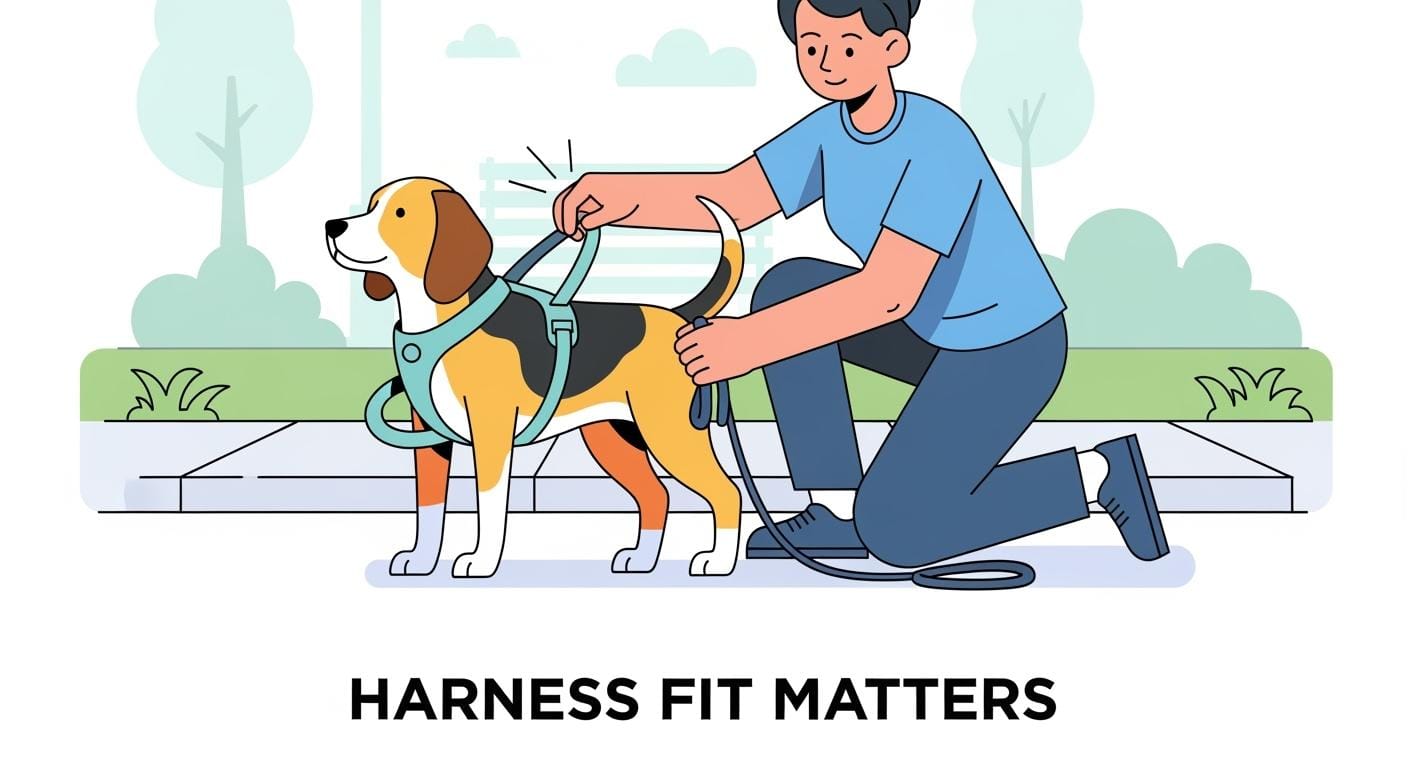
Comfort is part of keeping your dog stable. Look for pressure points and discomfort. Watch for spinning or chafing. Check for overheating or stress. The harness should fit with two fingers between the strap and body. It should stay centered and not press into the throat. Look for redness, hair loss, wet spots, or dirt under straps. Your dog should sit, lie down, and turn without getting tangled.
Watch for spinning or chafing.
Look for overheating or stress.
Use the two-finger rule for harness fit.
Check for redness or hair loss under straps.
If your dog looks uncomfortable, stop and check the setup. Stable restraint and comfort help your dog enjoy traveling with pets.
A stable car restraint acts as a barrier and keeps your dog safe. Stability and comfort are just as important as restraint. Do quick checks and confirm stability before every trip and at every stop. This habit helps with travel safety tips and keeps your dog protected.
Help your dog travel safely. Make stability your main goal. Use quick checks for a safe and comfy trip.
Safe Car Setup: Quick Stop Checklist

When you travel with your dog, a safe car setup starts with quick checks at every stop. Using a dog seat belt helps you keep your dog secure and comfortable. Stability is your goal. You want to check restraint, fit, and barrier placement each time you pause. This routine supports protection, separation, and controlled movement. Predictability and stability lower risk for both you and your dog.
60-Second Connection and Tangle Check
Follow this step-by-step checklist for the safest car setup:
Check all buckles and clips on the harness and tether. Make sure they are closed and facing the right way.
Look for tangles. The tether should not wrap around your dog’s legs or chest. The barrier should keep your dog centered.
Confirm the harness stays centered on your dog’s body. The fit should not shift or twist.
Tug the tether lightly. It should stay locked and not allow your dog to reach the front seat.
Scan for pressure points. The harness and straps should not dig into the skin.
Tip: If you find new redness, rubbing, or discomfort, shorten the next drive and adjust the fit before you continue.
Fit and Skin Scan
A fit and skin scan helps prevent injuries and discomfort during travel. Use this checklist:
Watch for car sickness or vomiting. Feed your dog a few hours before travel.
Check for anxiety or stress. Familiar items and calm music can help.
Look for dehydration or overheating. Offer fresh water at every stop.
Stretch your dog’s legs. Long sitting can cause joint pain or stiffness.
Check for urinary discomfort. Stop every 1-2 hours for bathroom breaks.
Watch for fatigue. Give your dog time to rest and recover.
Make these quick checks a habit. They help you spot problems early and keep your dog safe.
Stress and Heat Cues
Dogs show stress and heat in many ways. Watch for these signs:
Whining, barking, or unusual vocalizing
Pacing or not settling
Trying to escape, clawing, or chewing
Clinginess or withdrawal
Tucked tail or pinned ears
Wide eyes or tense face
Stiff or crouched posture
Heat builds up fast in parked cars. Always take your dog with you, even for short stops. Use sunshades, fans, or cooling pads to keep the car comfortable. Stability and barrier placement help reduce stress.
If you see stress or heat cues, increase breaks, adjust the setup, and reassess stability.
Water, Potty, Calm Re-Entry
Give your dog water and a bathroom break every 1 to 2 hours. Let your dog stretch and relax before getting back in the car. Use a leash for safe walking at rest stops. After the break, check the harness fit and barrier position again. Calmly re-seat your dog and re-center the restraint for stability.
Consistent quick checks and calm breaks support stability, comfort, and safety for every trip.
A safe car setup with a dog seat belt, proper restraint, and stability checks gives your dog the best protection. Crash-tested crates or harnesses are the safest car setup. Always use a harness, not a collar, for tethers. The back seat is safer. Stability and comfort matter as much as restraint. Stop and check if you see pain or distress. These travel safety tips help you enjoy traveling with pets while keeping your dog secure.
Mistakes, Do-Nots, and FAQs
Common Stability Mistakes
You want your dog to stay safe and comfortable during travel. Stability matters as much as restraint. Many owners make mistakes that reduce protection and barrier effectiveness. Here are the most common errors:
Attaching the tether to a collar instead of a harness
Allowing too much slack in the tether
Placing your dog in the front seat
Skipping stop-time checks for fit, skin, and hardware
Using hardware that sits on pressure points
Using dirty, wet, or damaged gear
Relying on elastic tethers or hammocks alone for restraint
Letting your dog ride on loose blankets
Blocking access to seatbelt anchors or LATCH points
Ignoring cover movement or drift
Not using reinforced access points correctly
Assuming one setup fits all dogs and vehicles
Review your setup before every trip. Make sure your dog’s restraint, stability, and barrier placement support safety and comfort.
Safety Do-Not List
To keep your dog protected, follow these safety do-nots:
Do not attach a tether or seat belt to your dog’s collar
Do not place your dog in the front seat near airbags
Do not allow unrestrained travel in the car
Do not use damaged, frayed, or wet gear
Do not ignore signs of friction, injury, or distress
Do not let the tether wrap around your dog’s legs or chest
Do not skip stop checks for fit and comfort
Do not leave your dog alone in a hot or cold vehicle
Do not use a leash as a car restraint (reflective elastic leash is for walking at rest stops only)
Do not assume crash-test claims without checking certification
Do not use elastic tethers for restraint
Do not block seatbelt receivers or LATCH anchors
If you see pain, panic, or stress, stop and reassess your dog’s restraint and stability. Safety comes first.
When to Ask a Vet or Trainer
You should talk to your veterinarian or a professional trainer if:
Your dog shows anxiety, motion sickness, or distress during travel
You need advice on the best restraint or barrier for your dog’s size and behavior
Your dog has health issues or needs updated vaccinations before a trip
You notice vomiting, excessive panting, or unusual behavior after travel
Prepare details about your dog’s size, behavior, vehicle type, current restraint, and main issues. This helps you get the best travel safety tips and solutions.
You help your dog stay safe by checking things before each drive and at every stop. Making sure your dog is stable is the most important for safety and comfort. Look over your setup, check the harness, and use a dog seat belt to keep your dog apart from you. Try short trips first, bring what your dog needs, and stop every 1 to 2 hours. These tips help you avoid distractions and keep your dog safe. When you check often, your dog gets more safety and comfort on every trip.
FAQ
Can I use a regular harness instead of a dog seat belt for car travel?
You should use a crash-tested car harness or crate. Regular harnesses do not protect your dog in a sudden stop. Attach tethers to a harness, not a collar, for safety.
How often should I check my dog’s restraint during a trip?
Check your dog’s dog seat belt before you start driving and at every stop. Look for fit, comfort, and hardware stability. Quick checks help prevent accidents and stress.
Where is the safest place for my dog in the car?
Place your dog in the back seat. This keeps your dog away from airbags and distractions. Use a crash-tested crate or harness for the best protection.
What signs show my dog is uncomfortable or stressed?
Watch for heavy panting, whining, trembling, or trying to escape. If you see these signs, stop, offer water, and reassess your setup. Comfort and stability matter.
What should I do if my dog gets sick or anxious while traveling?
Stop the car. Give your dog water and a calm break. If problems continue, ask your veterinarian or a trainer for advice.