Dog Harnesses Tightness Guide for Outdoor Walks How to Avoid Chafing and Hot Spots

Dog Harnesses Tightness Guide for Outdoor Walks How to Avoid Chafing and Hot Spots

Chafing in dogs can happen for many reasons, especially when using dog harnesses. Harness tightness, strap placement, material, moisture, and movement all matter. Make sure dog harnesses are snug so they do not slip. Use the two fingers rule at every spot the harness touches. Pressure points can form in sensitive places, including the throat, armpit, and spine. Straps can press or block natural movement. Always measure your dog’s chest and neck. Adjust the harness and check for discomfort. Small changes in fit can make your dog more comfortable. This can help stop hot spots. If you see skin damage or pain, stop using the harness. Ask a veterinarian for advice.

Key Takeaways

  • Always use the two-finger rule to check harness tightness. This ensures a snug fit without causing discomfort.

  • Monitor your dog for signs of chafing, like red skin or hair loss. If you notice these, adjust the harness or consult a veterinarian.

  • Regularly clean and dry the harness to prevent dirt and moisture buildup. This helps reduce the risk of skin irritation.

  • Choose the right harness style based on your dog’s needs. Step-in harnesses are great for shy dogs, while overhead styles suit others.

  • Recheck the harness fit after grooming or changes in your dog’s coat. Adjustments may be necessary to maintain comfort.

Dog harnesses fit for safe walking

Secure vs restrictive fit signs

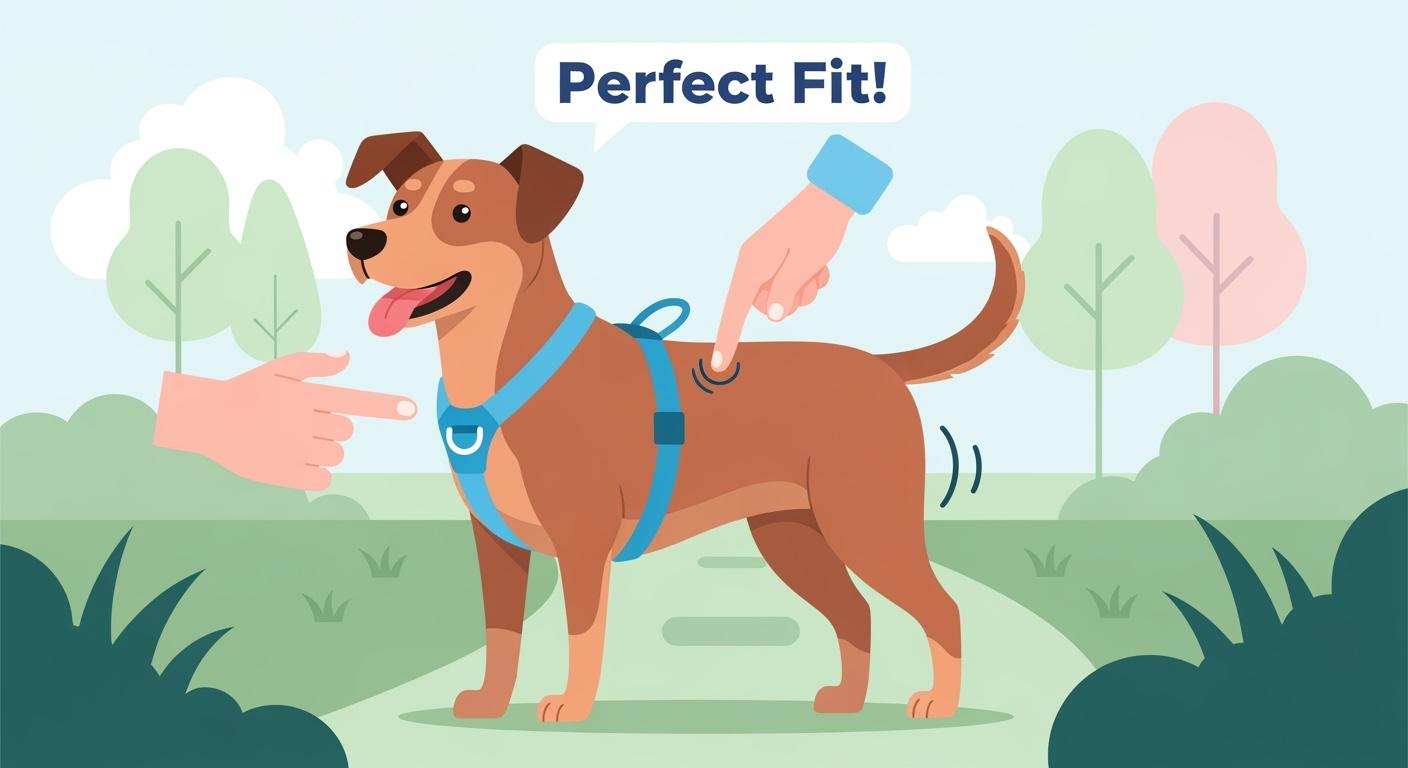
You want your dog harness to stay secure during walking, but not restrict movement or cause discomfort. Start with the two-finger check. Place two fingers under every strap where the harness touches your dog’s body. This helps you avoid too much pressure. Before and after every walk, check the harness fit. Watch your dog walk, turn, sniff, sit, and lie down. The harness should not block shoulder movement or slide into the armpit area.

Here is a table to help you spot the difference between a secure fit and a restrictive fit:

Area

Good Fit

Warning Signs

Quick Fix

Chest

Even contact, no sliding

Slides off center

Adjust side straps

Armpit

Straps behind front leg

Red skin, chafing

Loosen or reposition

Shoulder

Free movement

Restricted stride

Move straps off shoulder

Tip: Always use the two-finger fit check at every contact point. This simple step helps prevent pressure and rubbing.

Why chafing happens with harnesses

Chafing can happen when the harness rubs against your dog’s skin. The most common causes include tight straps, poor placement, and certain materials. Nylon and polyester webbing may cause chafing if they do not have padding. Biothane and leather can also lead to rubbing. Ripstop fabric with fleece or padded lining may trap heat and moisture, which increases discomfort.

Movement tests help you spot early signs of chafing. If you see red skin, licking, or your dog tries to scratch under the harness, check the fit right away. Moisture, sand, or mud can make rubbing worse, even if the harness fits well. Always clean and dry the harness after each walk.

When a harness is not right for walking

Sometimes, a dog harness does not suit your dog’s body shape or walking style. If the harness slides into the armpit area or rotates so the leash pulls from an odd angle, it may not be the right choice. If you notice coughing, gagging, or your dog tucks its head while walking, the chest strap may sit too high or be too tight.

Use this table to check for common fit problems:

Fit Point

What Good Looks Like

Warning Signs

What to Adjust

Armpit Clearance

Straps behind front legs, no rubbing

Red skin, licking, chafing

Loosen or reposition straps

Chest Strap Height

Strap sits on chest, not throat

Coughing, gagging, pulling

Lower strap, check placement

Shoulder Freedom

Free leg movement, natural stride

Stiff gait, head tucking

Loosen straps, switch style

Centering

Harness stays centered

Slides to one side

Adjust symmetry, tighten

Rotation Cue

Leash point stays in place

Drifts off center quickly

Recheck fit, adjust layout

Note: If you see skin damage, pain, or your dog refuses to walk, stop using the harness and ask a veterinarian for advice. Dogs that pull hard or react to triggers need training and control solutions, not just equipment.

Proper fit and adjustment can improve comfort and stability. Results may vary for each dog. Always check for signs of discomfort and make small changes as needed.

Measuring your dog for harness fit

Chest and neck measurement points

Measuring your dog is the first step to finding a safe and comfortable dog harness. You need to measure both the chest and neck. Use a flexible measuring tape. If you do not have one, use a piece of string and a ruler.

  1. Wrap the tape around your dog’s chest, about a hand’s width behind the front legs. Make sure the tape is flat and even.

  2. Measure the neck at the highest point of the sternum, where the neck strap will sit.

  3. Write down both numbers in inches (in) and centimeters (cm).

Tip: Always measure when your dog is standing. This helps you get the most accurate fit.

Adjustment range vs printed size

Dog harnesses come in many sizes. Printed size charts show the range for chest and neck. You should check if your dog’s measurements fall inside the adjustment range. The best fit is usually in the middle of the range, not at the smallest or largest setting. This gives you room to adjust for comfort, growth, or changes in coat thickness. Look for harnesses with an adjustability buffer of 2-4 in (5-10 cm) in the chest area.

Between sizes: what to do

If your dog’s measurements are between two sizes, choose the larger size. You can adjust the harness down for a secure fit. This helps prevent tightness and rubbing. Make sure the harness does not sit at the end of its adjustment range. If your dog is growing or has a thick coat, the extra room helps keep the fit safe.

  • Pick the larger size if your dog is between sizes.

  • Adjust the harness for a snug but comfortable fit.

  • Check for an adjustment buffer in the chest area.

Measurement table for harness fit

Use this table to guide your measuring process. Accurate measurements help you avoid chafing and hot spots.

Measurement Point

How to Measure

Why It Matters

Neck Circumference

Wrap tape around neck at highest sternum point (in/cm)

Ensures neck strap does not rub

Chest Girth

Measure widest part of chest behind front legs (in/cm)

Prevents slipping and armpit chafing

Back Length

Measure from base of neck to tail (in/cm)

Helps with harness length and coverage

Shoulder Height (optional)

Measure ground to top of shoulder (in/cm)

Useful for harness style selection

Proper fit and adjustment can improve comfort and stability. Results may vary for each dog. If you see skin damage, pain, or your dog refuses to walk, stop using the harness and ask a veterinarian for advice. Strong-pulling or reactive dogs need training and control solutions, not just equipment.

Dog harness design and chafing risk

Step-in vs overhead harnesses

You can choose between step-in and overhead harnesses for your dog. Step-in harnesses work well for small dogs or those who dislike having gear put over their heads. You place the harness on the ground and guide your dog’s legs into the openings. Overhead harnesses slip over the head and buckle around the chest. Both styles have pros and cons. Step-in harnesses make dressing easy, but they may loosen during walks and shift into the armpit area. Overhead harnesses often stay centered better, but some dogs resist having gear pulled over their heads. Always check that you can fit two fingers under every strap. If the harness sits too tight, chafing can happen.

Front-clip vs back-clip strap positions

Harnesses come with front-clip or back-clip leash attachments. Front-clip harnesses help guide your dog and reduce pulling. Back-clip harnesses work well for calm walkers. Strap position affects fit and movement. If the leash pulls from the front, the harness may rotate and rub the chest or armpits. Back-clip harnesses keep the pull centered, but may slide if the fit is loose. You should watch for harness rotation and slipping during walks. If you see red skin or your dog licks under the straps, adjust the fit or try a different style.

Padding and edge finishing effects

Padding and edge finishing play a big role in comfort. Soft edges reduce friction and help prevent chafing. Thick padding can add bulk, which may cause the harness to shift or trap heat. Some harnesses use fleece or mesh linings. These can feel soft but may hold moisture, increasing irritation. You should clean and dry the harness after every walk, especially if your dog gets wet or dirty. Reinforced stitching and stable rings add durability, but do not replace a good fit.

Harness type comparison table

Here is a table to help you compare harness types, best use cases, common chafe zones, and fit focus:

Harness Type

Best Use Case

Common Chafe Zones

Fit Focus

Step-In

Small dogs, head-shy dogs

Armpits

Check strap position, snug fit

Overhead

Medium to large dogs

Neckline, chest

Center harness, adjust neckline

No Pull

Training, strong pullers

Shoulders, chest

Watch for rotation, adjust front

Norwegian Style

Quick walks, simple fit

Shoulders, neck

Avoid shoulder restriction

Tip: Always adjust the harness snugly but allow two fingers to fit beneath any strap. Too loose increases escape risk; too tight causes chafing.

Some harnesses retain heat in warm weather. Improper sizing or fit can cause chafing or irritation. You should check for signs of discomfort after each walk. If you see skin damage, pain, or your dog refuses to walk, stop using the harness and ask a veterinarian for advice. Training and control solutions may help strong-pulling or reactive dogs. Proper harness fit and adjustment can improve comfort and stability, but results may vary for each dog.

Fitting your dog harness for walking

Baseline tightness and harness position

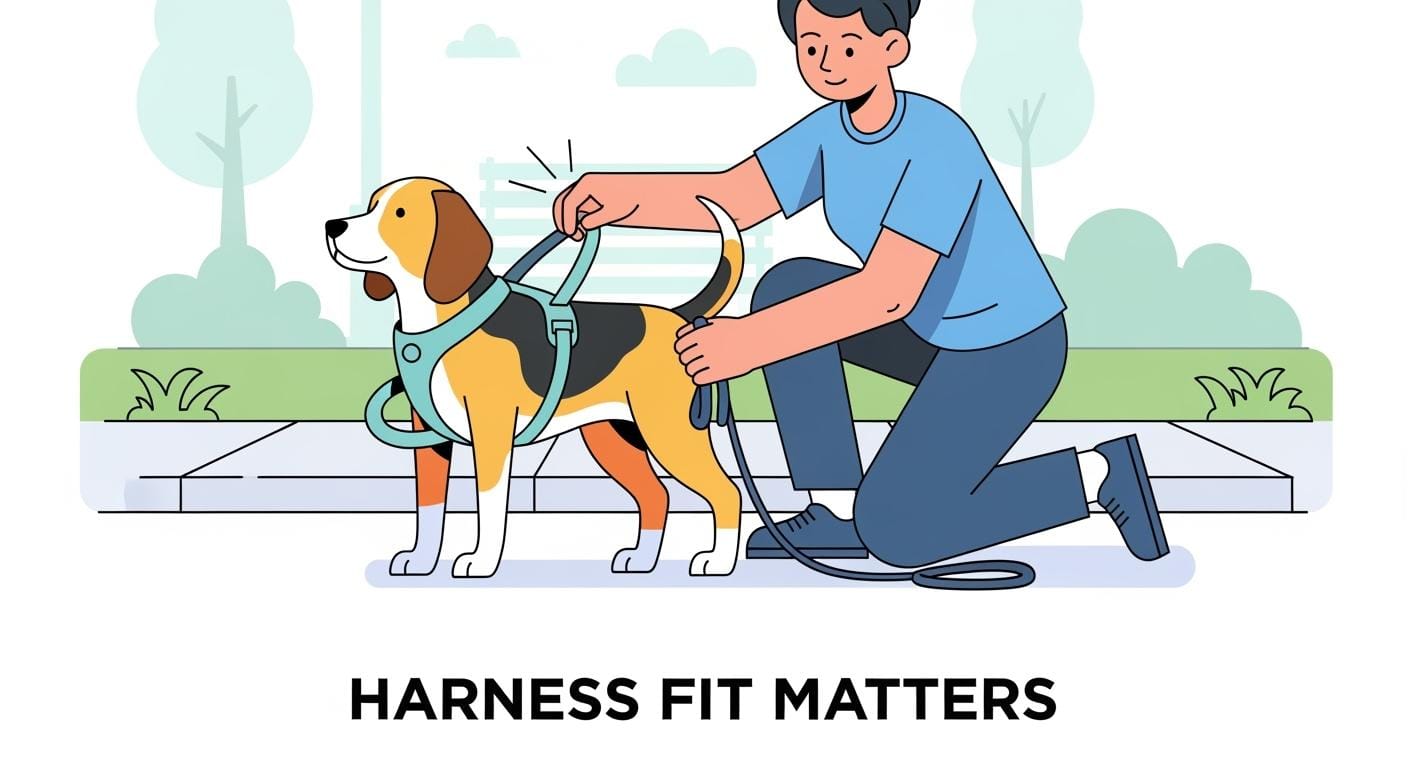
Start by placing the dog harness on your dog and adjusting the straps. Begin with the neck strap. Slide two fingers under the strap. If you cannot fit two fingers, loosen the strap. If you can fit more than two, tighten it. Move to the chest strap and repeat the two-finger check. If your harness has a belly strap, adjust it last. The harness should feel snug but not squeeze or press into the skin. A tight harness can cause skin irritation and discomfort. Make sure the harness sits flat and does not twist.

Tip: Always check every strap at all contact points. This helps prevent pressure points and keeps your dog comfortable during walking.

Movement tests for harness fit

After setting the baseline fit, let your dog move around. Watch your dog walk, turn, sit, and lie down. The harness should not shift, rotate, or slide into the armpit area. The leash attachment should stay in place. If you see the harness move or your dog shows signs of discomfort, adjust the straps again. A good fit allows your dog to move freely without rubbing or restriction.

Short walk re-check and adjustments

Take your dog for a short walk. Watch for any signs of rubbing, limping, or head tucking. Check the harness after a few minutes. Look for red skin or hair loss under the straps. If you notice any problems, stop and adjust the harness. If discomfort or pressure points continue, go back to the previous step and fix the issue before moving forward. Proper fit can improve comfort and reduce the risk of skin irritation, but results may vary for each dog.

Fitting steps table

Use this table as a guide for each fitting step. If you do not pass a step, make changes before moving on.

Step

Pass Sign

What to Change

Measure

Accurate neck and chest in (cm)

Re-measure if unsure

Choose Size

Dog fits mid-range of size chart

Pick next size up if between sizes

Set Baseline

Two fingers fit under each strap

Adjust straps for snug fit

Movement Tests

Dog moves freely, harness stays in place

Re-adjust straps, check harness type

Short Walk Re-check

No rubbing, red skin, or shifting

Loosen, tighten, or reposition straps

Note: If you see skin damage, pain, or your dog refuses to walk, stop using the harness and consult a veterinarian. Strong-pulling or reactive dogs need training and control solutions, not just equipment. Proper dog harness fit and adjustment can improve comfort and stability, but cannot guarantee outcomes for every dog.

Preventing chafing with harness care

Preventing chafing with harness care

Keep high-friction zones clean and dry

You can help your dog avoid chafing by keeping high-friction spots clean and dry. Dirt, sand, and water can collect under the harness straps. This happens most near the armpits and chest. After every walk, wipe the harness with a wet cloth. Let it dry in the air. If your dog gets wet or muddy, take off the harness. Clean both the harness and your dog’s fur. Make sure the harness is dry before you use it again. Doing this helps stop rubbing and lowers the chance of skin problems.

Tip: Always look for dirt or water stuck under the harness after walks. Clean and dry harnesses last longer and feel better for your dog.

Coat and skin factors for harness fit

Your dog’s fur and skin type can change how the harness fits. Dogs with thick fur may need the harness a bit looser. Short-haired dogs often need harnesses with soft edges. If your dog sheds or gets a haircut, check the harness fit again. Watch for red skin, bald spots, or rough skin. These signs mean you should adjust or clean the harness. Dogs with sensitive skin do best with smooth-edged and airy harnesses.

When to change harness style or add training

You should think about a new harness style or more training if your dog keeps having problems. Look for these signs:

  • Red skin or bald spots near the armpits or chest

  • Harness rubs or pinches during walks

  • Your dog does not want to wear the harness or seems scared

  • Skin problems that do not get better after cleaning or fixing the harness

  • Behavior like pulling or jumping at things

Check the harness fit often, especially after grooming. If you see pain or skin trouble, ask a veterinarian for help. For behavior problems, talk to a good dog trainer.

Maintenance table for harness care

Trigger

Likely Cause

What to Do Next

Red skin or hair loss

Friction, moisture, debris

Clean harness, dry fully, adjust fit

Persistent skin irritation

Tight straps, poor material

Loosen straps, switch harness style

Frayed edges or loose stitching

Wear and tear

Replace harness, check hardware

Harness smells or feels damp

Trapped moisture

Wash and air dry before next use

Dog refuses harness

Discomfort, fear

Refit, try softer style, add training

A good harness fit and small changes can help your dog feel better. Every dog is different, so results may not be the same. If you see skin damage, pain, or your dog will not walk, stop using the harness and ask a veterinarian. Dogs that pull hard or react to things need training and control, not just new gear.

Troubleshooting dog harness fit issues

Armpit rub and shoulder restriction fixes

You may notice redness or hair loss near your dog’s armpits after a walk. This often means the harness straps sit too close to the rub zone or the fit is too tight. Start by scanning the area for red skin or bald spots. Loosen the chest and belly straps so you can fit two fingers under each one. Make sure the straps sit behind the front legs, not in the armpit. If the harness still rubs, try a style with softer edges or more padding. For shoulder restriction, check that the straps do not cross the shoulder joint. Move the harness so your dog can walk and turn freely.

Tip: Always check for signs of rubbing after walks. Early adjustments help prevent skin problems.

Chest strap sliding and rotation

If the harness slides or rotates during walks, your dog may feel uncomfortable or escape. This problem often happens when the straps are uneven or the harness size is wrong. Check that the chest panel sits flat and centered. Adjust the straps so the harness does not twist or shift. Use movement tests: let your dog walk, turn, and sit. The leash attachment should stay in place. If the harness keeps rotating, re-measure your dog’s chest and neck in both in (cm). Pick a harness that fits in the middle of the size range for better stability.

Dog resists harness: re-introduction tips

Some dogs resist wearing a harness. You can help your dog feel comfortable by using a step-by-step approach:

  1. Place the harness near your dog’s food bowl and reward calm behavior.

  2. Gently touch your dog with the harness strap and offer treats.

  3. Drape the harness loosely over your dog’s shoulders and reward.

  4. Clip the harness loosely and let your dog wear it for a short time while you watch.

  5. Cue a simple behavior with the harness on and reward.

  6. Practice harnessing in new locations to build comfort.

  7. Mimic a routine with the harness, like walking through a doorway.

Always use a step-in style harness if your dog dislikes overhead gear. Adjust the straps for a snug fit and test with gentle backward pressure. Re-check the fit after grooming or coat changes.

Troubleshooting table for harness fit

Problem

Likely Cause

Quick Fix

Next Step

Armpit redness/hair loss

Straps too tight or misplaced

Loosen straps, reposition

Try softer edges, change style

Harness twists/rotates

Uneven straps, poor alignment

Adjust straps, center chest panel

Re-measure, pick better size

Dog slips out

Loose straps, wrong size

Tighten straps, check fit

Re-measure, choose larger size

Limited mobility

Tight chest panel, wrong design

Loosen chest panel, use flexible style

Try new harness type

Chafing or rubbing

Straps near armpits, tight fit

Add padding, adjust straps

Switch to smooth-edged harness

Note: If you see skin damage, pain, or your dog refuses to walk, stop using the harness and ask a veterinarian for advice. Strong-pulling or reactive dogs need training and control solutions, not just equipment. Proper harness fit and adjustment can improve comfort and stability, but results may vary for each dog.

Retail tips for dog harnesses and outdoor comfort

Listing copy for measuring and fit

When you buy dog harnesses, look for easy measuring steps. Good listings show how to measure your dog’s chest and neck. They use inches and centimeters. Make sure your dog’s size is in the middle of the chart. Listings that talk about the two-finger rule and movement tests help you pick safe harnesses. These harnesses lower the chance of chafing. Always read the fit guide before you buy.

Spec checklist for harness design

You can use a checklist to compare harness types for outdoor trips. Look for these things:

  • Adjustable straps with sizes in inches and centimeters

  • Soft edges to stop rubbing

  • Strong leash attachment spots

  • Padding that does not make the harness bulky or wet

  • Reinforced stitching for longer use

  • Clear cleaning and drying instructions

A harness with these features helps your dog stay comfy and safe outside.

Customer support for harness fit and walking

Customer support teams can help with harness fit problems. You can ask for help with measuring and adjusting. They may show you movement tests or help you spot chafing. If your dog has skin damage or pain, stop using the harness. Ask a veterinarian for advice. Dogs that pull hard or react need training and control, not just new gear.

OEM and ODM explained for harnesses

You might see OEM and ODM when shopping for harnesses. OEM means Original Equipment Manufacturer. Brands work with OEMs to make harnesses with their own designs. This lets them change fit and comfort. ODM means Original Design Manufacturer. ODMs sell harnesses they already designed. You can pick features like quick-dry panels and adjustable straps. Both options let brands add custom fit guides and care tips. This helps you find the safest harness for your dog.

Tip: Always check harness features and fit guides before buying. Good fit and adjustment help your dog feel better, but results can be different. If you see skin problems or your dog is uncomfortable, stop using the harness and ask a veterinarian.

You help your dog stay safe and healthy by checking harness fit before every walking session. Use the two-finger rule at all contact points. Scan for signs of discomfort or rubbing. Adjust straps as needed. Small changes in harness style or fit can prevent chafing and hot spots. Keep a simple checklist for daily walks. If you see skin damage, pain, or fear, stop using the harness and ask a veterinarian for advice. Training and control solutions work best for strong-pulling or reactive dogs.

FAQ

How tight should a dog harness be for outdoor walks?

You should adjust the harness so you can fit two fingers under every strap. This keeps the harness snug but not tight. Always check fit at all contact points.

What are signs that my dog’s harness is causing chafing?

Look for red skin, hair loss, or your dog licking under the straps. If you see these signs, stop using the harness. Ask a veterinarian for advice.

Can I use the same harness after my dog’s haircut?

You should always re-check the fit after grooming. A thinner coat may need a tighter adjustment. Use the two-finger rule to keep your dog comfortable.

What should I do if my dog resists wearing the harness?

Try a slow introduction. Let your dog sniff the harness and reward calm behavior. Use treats and short sessions. If fear or refusal continues, consult a trainer.

When should I replace my dog’s harness?

Replace the harness if you see frayed edges, loose stitching, or bent hardware. A damaged harness can cause discomfort or fail during walks.

Get A Free Quote Now !

Table of Contents

Blog

Canine Pulling Harness How to Spot Wear Before a Hard Pull Turns Risky

Spot wear on your canine pulling harness by checking stitching and hardware before each hard pull to ensure durability and keep your dog safe.

Puppy Collars Custom: How to Check Tightness and Prevent Slipping Safely

Puppy collars custom should fit snugly with two fingers under the collar. Use the slip test to prevent loss and keep your puppy safe and comfortable.

Dog Running Leash: How to Select Hands-free or Standard Based on Real Pulling Patterns

Choose the right dog running leash by matching hands-free or standard setups to your dog's pulling and walking style for safety and control.

Dog Carry Bike Risk Checklist: Body Language Warnings and When to Stop Immediately

Spot stress or danger in your dog during dog carry bike rides. Learn body language warnings and when to stop for your dog's safety on hikes or rainy walks.

Which Waterproof Dog Bed Stays Dry on Wet Ground?

A waterproof dog bed with sealed seams, strong base, and high hydrostatic head value keeps your dog dry on wet ground during outdoor use.

Dog Leashes: How to Spot Wear Before a Leash Fails on a Walk

Check dog leashes for fraying, weak stitching, and hardware issues before walks. Spot stress points early to prevent leash failure and keep your dog safe.
Scroll to Top

If You Have Any Questions, Please Do Not Hesitate To Contatct With Us.

Get A Free Quote Now !

Welsh corgi wearing a dog harness on a walk outdoors