
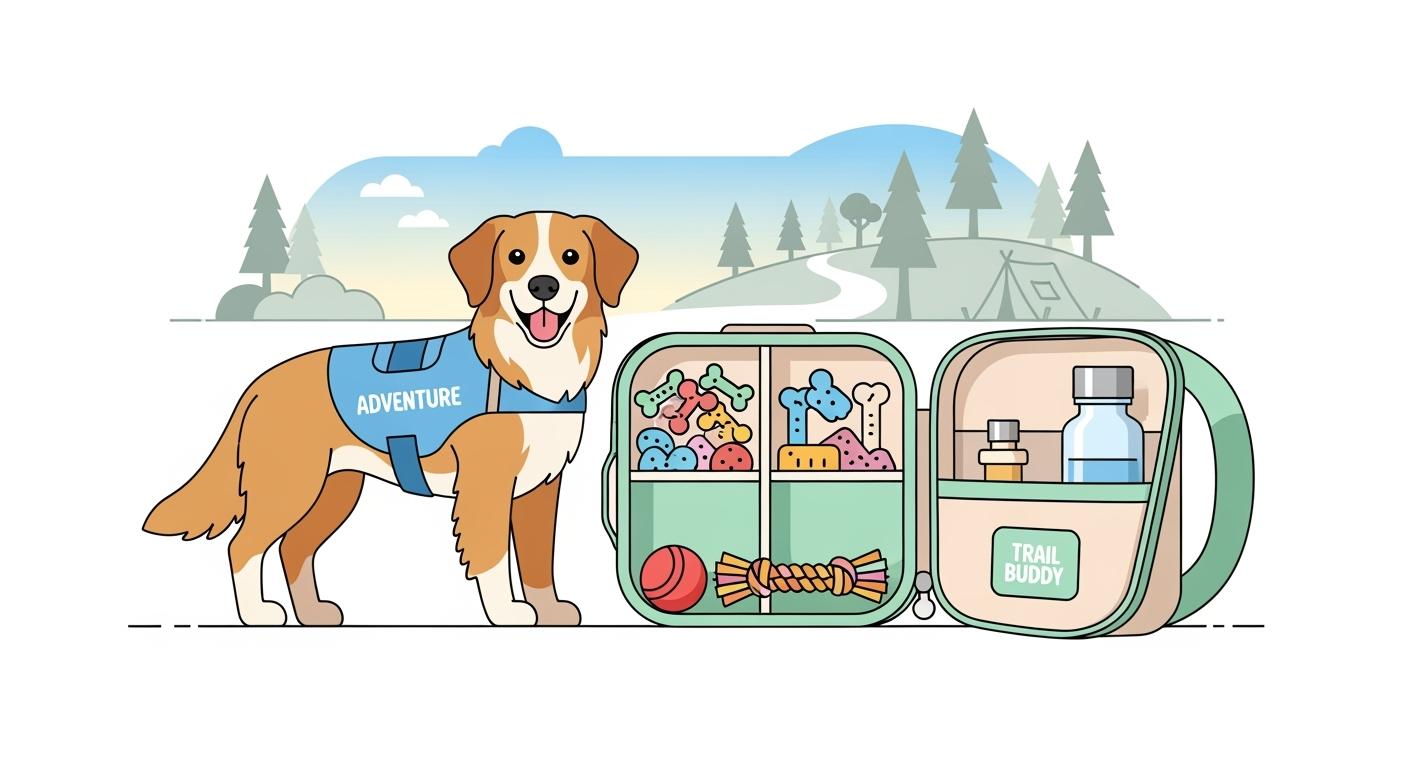
A canine bag can solve very different problems on the same outing. Sometimes you need it to carry your dog for a short stretch. Sometimes you need it to organize water, treats, waste bags, and small essentials. Other times you need quick reward access so training on the move stays simple instead of messy. The main mistake is expecting one bag to do every job equally well without checking which job matters most first.
The better starting point is to choose from travel bags and carriers based on your real outdoor routine, not on a general idea that any bag can handle carrying, storage, and training at the same time.
Start by deciding what the bag needs to do first
The phrase canine bag sounds broad because it can refer to different use cases. A bag that works for carrying your dog is not always the best bag for organizing outdoor gear. A bag that works well for treats and quick access during training is not always stable enough for body support. The easiest way to avoid a bad fit is to decide the primary job before you compare features.
Three common use cases
- Carrying your dog: you need body support, stability, airflow, and secure closures.
- Storing gear: you need clean organization, easy access, and simple cleanup.
- Supporting training: you need quick treat access, low spill risk, and a carry style that does not bounce too much.
Why one bag rarely does every job well
A carry-focused bag often sacrifices quick access to small items because structure and support come first. A storage-focused bag may hold gear neatly but feel unstable if you try to use it to carry a dog. A training-friendly bag may keep treats easy to reach but not give enough body support or airflow for actual transport. That is why the first decision should be use case, then features.
Quick rule: pick the main job first. If the bag only does the main job “well enough” after big compromises, it is probably the wrong format for that outing.
How to choose a canine bag for carrying your dog comfortably
If the bag is meant to carry your dog, comfort and stability matter far more than pocket count. Your dog should be supported, able to settle naturally, and kept in a position that does not slump or crowd the throat. The bag should also feel stable on your body instead of swinging or tilting every time you move.
What good carrying fit should look like
- Your dog can sit or lie down without folding into the bottom corners.
- The base stays firm enough to support the torso.
- The opening does not press into the neck or shoulders.
- The bag stays close enough to your body that it does not sway heavily.
Common carrying problems
| Problem | What usually causes it | What to check first |
|---|---|---|
| Dog slumps or leans | Weak base support or poor size match | Interior fit and body support |
| Bag swings too much | Carry height too low or unstable strap layout | Strap adjustment and carry position |
| Dog resists entering | Bag feels cramped, hot, or awkward | Opening shape, airflow, and interior space |
| Shoulder or back strain | Weight distribution is poor | How the bag sits on your body when loaded |
If you are mainly carrying your dog on walks, hikes, or longer outings, it helps to compare the bag against a more specific outdoor trip setup instead of judging it only by how it feels indoors for a minute or two.
How to use a canine bag for storage without creating clutter or mess
When the main purpose is carrying gear, the bag should make essentials easier to reach, not harder to find. A useful outdoor storage bag helps separate dirty and clean items, keeps the heaviest pieces balanced, and lets you reach the things you use most often without digging through everything else.
What usually belongs in the storage category
- Water and collapsible bowls
- Treats and training rewards
- Waste bags and wipes
- Leash, small towel, and basic outing extras
Storage mistakes that make trips harder
- Mixing wet and dry items in the same area.
- Overpacking until quick-access items are buried.
- Using a bag with too many small pockets but poor real organization.
- Ignoring how easy the lining is to wipe after muddy or damp use.
A good storage bag should make it easy to keep outing essentials tidy and easy to reach. If it always turns into one deep compartment full of loose items, then the design is not really helping even if it looks roomy on paper.
How a canine bag can support training without slowing down reward timing
For training, the bag’s main job is speed and simplicity. You want one-handed access, minimal spill risk, and enough stability that the bag does not swing around while you move. If treat access is awkward, reward timing gets slower, and the training session usually feels less clear.
What matters most for training use
- The opening should be wide enough for fast treat access.
- The closure should reduce spills without making access clumsy.
- The carry style should stay stable while walking.
- The inside should be easy to clean after soft or oily treats.
Why treat handling matters more than extra features
A bag with perfect organization but poor reward access is not helping much during real training. That is why many people do better when they compare the training function of a canine bag against a more specific guide to treat access and spill control instead of assuming every zippered pouch works equally well.
When the training setup is not working
- You fumble for treats and miss the reward moment.
- The bag bounces or rotates every few steps.
- Crumbs, oil, or moisture build up too quickly inside.
- You stop using the bag because cleanup feels too annoying.
FAQ
What does “canine bag” usually mean?
It is a broad term that can refer to a bag used for carrying your dog, storing outdoor gear, or supporting training with quick access to treats and small essentials.
Can one canine bag do carrying, storage, and training equally well?
Sometimes it can cover more than one use, but most bags perform best when one job is clearly prioritized. A bag that tries to do everything often ends up compromising the most important function.
How do I know if a canine bag is good for carrying my dog?
Check whether your dog stays supported, the base stays stable, the opening does not crowd the throat, and the loaded bag remains comfortable and balanced on your body.
What is the biggest mistake when choosing a canine bag?
One of the biggest mistakes is choosing by appearance or broad descriptions before deciding whether the bag is mainly for carrying your dog, organizing gear, or helping with training.
When should I switch to a different bag style?
Reassess when the current bag keeps creating the same problem, such as poor body support, messy storage, or slow reward access. That usually means the format does not match the main job well enough.






