
A dog harness vest can look strong on the rack and still fail early in real use. Most problems do not start in the middle of the fabric. They usually begin where pulling force collects: at the D-ring, handle base, buckle anchors, adjusters, and stitched strap junctions. If you want a harness vest that lasts, the goal is not just thick material. The goal is a vest that fits well, spreads force cleanly, and keeps its shape after repeated walks, pulling, and adjustment.
If you are comparing basic options first, start with a dog harness category view. It helps you see whether you really need a vest-style design or whether a simpler harness shape would suit your dog better.
What makes a dog harness vest durable in everyday use
Durability starts with construction, not marketing words. A good harness vest should have strong webbing, clean stitching, stable hardware, and a body shape that stays centered when the dog moves. When the fit is wrong, even a well-made vest wears faster because the force does not travel evenly through the harness. One area starts taking too much strain, and that is where you see loosening, twisting, and early damage.
Look closely at the connection points rather than the surface fabric alone. The strongest-looking vest can still become unreliable if the D-ring is stitched into a weak panel, if the handle base is lightly attached, or if the adjusters slip after a few pulls. A durable vest should hold its fit after repeated use, not just on the first try-on.
Comfort matters here too. A harness that rubs the chest or sits too close to the armpits may still stay intact for a while, but the dog will move differently in it. That changes the load path, increases friction, and often speeds up wear at the exact spots already under tension.
If you want a broader comparison of vest styles, strap layouts, and daily-walk priorities, this best dog harness guide helps you see where a vest design makes sense and where a lighter structure may be the better choice.
Where harness vests usually fail first
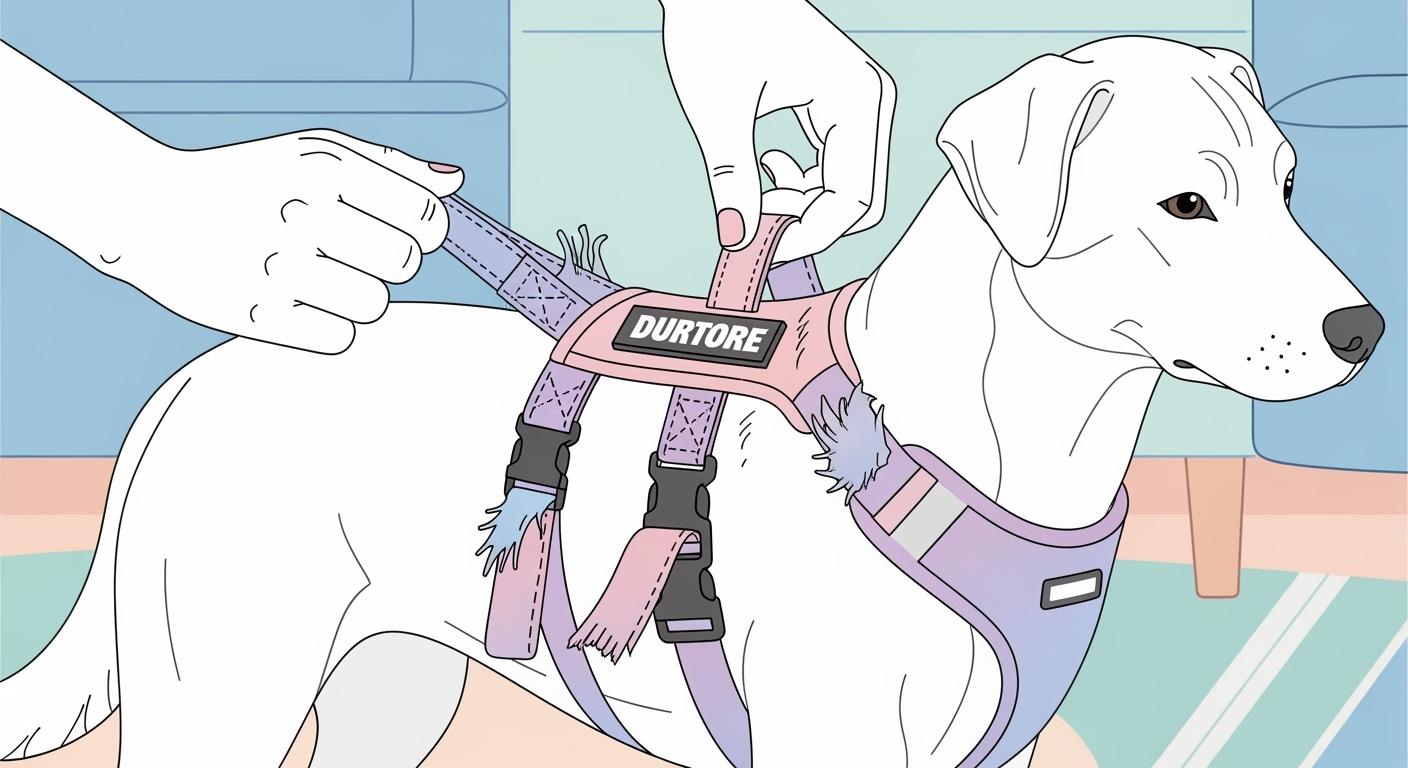
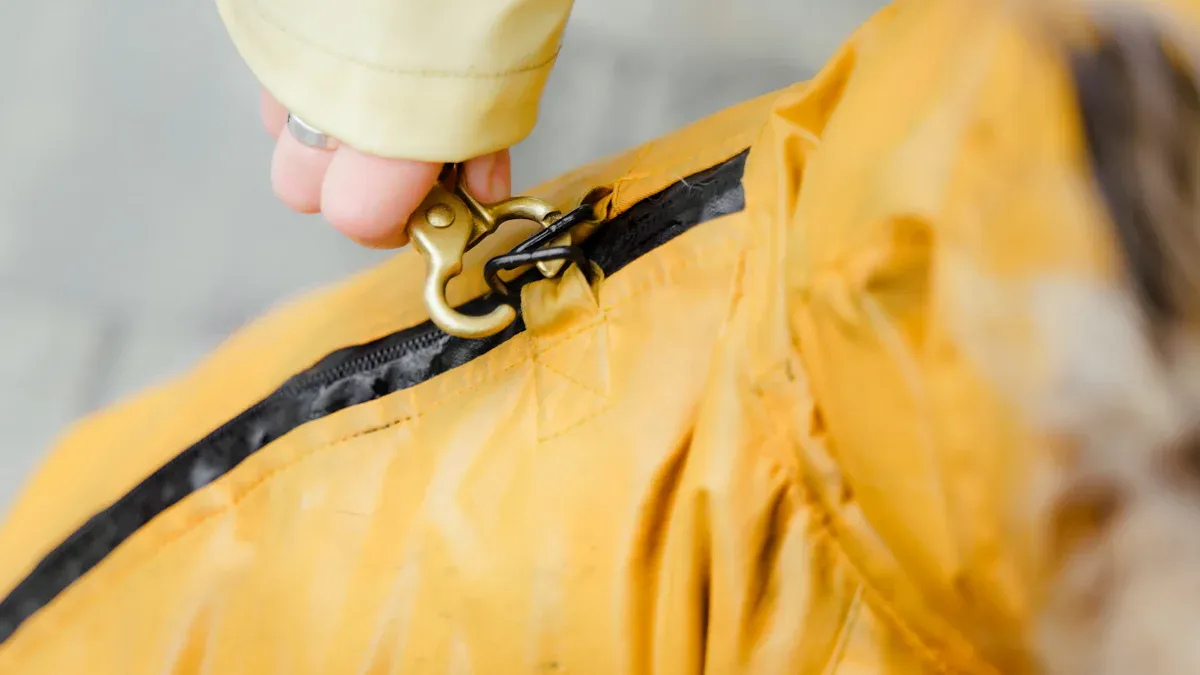
The first weak spot is often the D-ring area. This is where leash force lands, especially if your dog surges, turns sharply, or reaches the end of the leash often. If the webbing around that area starts to wrinkle, stretch, or separate from the stitched base, the vest is already giving you a warning.
The second common failure point is the strap junction. When chest, back, and girth pieces come together, several layers of force meet in one place. Loose threads, seam gaps, or uneven stitching here are not cosmetic problems. They are early signs that the harness is aging under load.
Handle bases are another area worth checking, especially on larger dogs or dogs that need lifting support over curbs, stairs, or car entry points. A top handle is useful only when the base is reinforced well enough to handle quick upward force. If the handle flexes oddly, the stitches gap, or the base puckers when you lift lightly, do not treat it as a reliable support point.
Hardware also fails before many people expect. Buckles can crack, sliders can slip, and metal rings can bend slightly before the problem becomes obvious. The warning signs are usually subtle at first: a buckle feels rough instead of smooth, a ring sits off-angle, or a strap that used to stay put starts loosening after one walk.
Fit problems that make a harness vest wear out faster
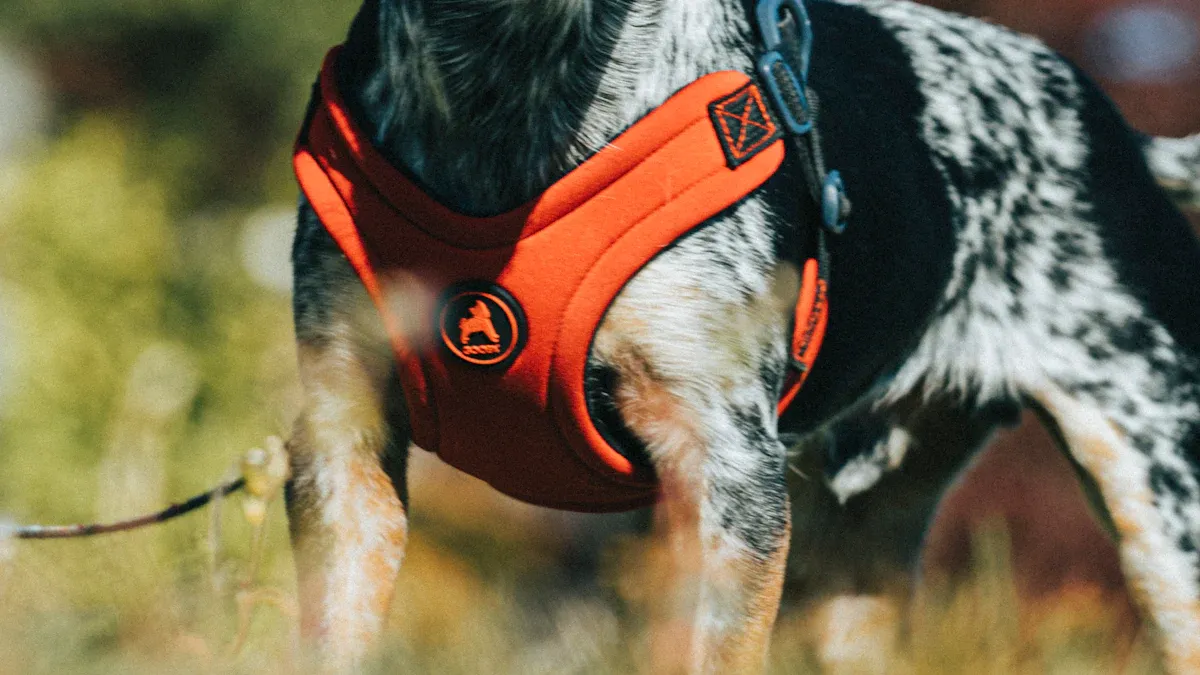
A poor fit does not just make the vest less comfortable. It also makes it fail faster. When a harness vest shifts to one side, rides up toward the throat, or pulls into the armpits, the pressure stops spreading across the body the way it should. One strap or seam ends up doing too much work, and wear builds faster in that area.
Check the vest while your dog stands, sits, turns, and walks a short loop. The chest panel should stay centered. The neckline should not creep upward. The belly strap should not swing back so far that it lands in the soft area behind the ribs, and it should not sit so close to the front legs that rubbing starts after a few minutes.
Watch what happens after a real walk, not just an indoor fitting. Flattened fur, redness, strap twisting, and a vest that sits differently at the end of the walk are all useful clues. These are the signs that tell you the harness is moving in ways that increase friction and strain.
If you are still dialing in the walking setup, this dog harness and leash set guide is useful for checking whether leash length, clip point, and overall setup are adding extra tension to the vest.
What to check before every walk and after rough use
A quick safety check takes less than a minute and catches most problems early. Run your fingers along the stitched areas and look for fuzzy edges, loose threads, or places where the stitching no longer lies flat. Tug lightly on the D-ring and handle base. You are not trying to stress the harness hard. You are checking whether anything feels less solid than before.
Open and close every buckle. Adjustment points should stay where you set them. If a strap starts slipping backward, the fit you tested at the start of the walk may not be the fit your dog still has ten minutes later.
After rain, sand, mud, or salt exposure, clean and dry the vest before you put it away. Dirt trapped around seams and hardware increases friction and can shorten the life of both fabric and buckles. A damp vest that stays folded can also stiffen, smell, and become less comfortable the next time you use it.
Replace the vest when you see stitch separation, visible webbing cuts, cracked hardware, repeated strap slip, or any movement problem that careful re-adjustment no longer fixes. Small cosmetic wear is one thing. Anything that changes security or consistency is a replacement sign.
FAQ
How long should a dog harness vest last?
That depends on fit, frequency of use, dog strength, and exposure to water, dirt, and pulling force. A well-fitted vest used normally can last a long time, but one that twists, slips, or gets used hard every day may show wear much sooner.
What is the first sign that a harness vest is failing?
Often it is not a full break. It is a change in behavior from the vest itself: strap slippage, loose threads, hardware that feels rough, or a harness that suddenly starts shifting more during walks.
Can I keep using a vest if only one seam looks worn?
Use caution. One worn seam can still matter a lot if it sits at a stress point like the D-ring, handle base, or main strap junction. If the worn area affects load-bearing parts, it is safer to replace the vest than keep testing it in busy or risky places.
Does padding make a harness vest more durable?
Not by itself. Padding can improve comfort, but durability depends more on webbing strength, stitching quality, reinforcement at stress points, and whether the vest stays stable on the dog.
Why does my harness vest twist even after I tighten it?
That usually means the shape or size does not match your dog well, or the adjustment is uneven across the vest. Tightening more may reduce movement for a moment, but it often creates rubbing without solving the real fit problem.






