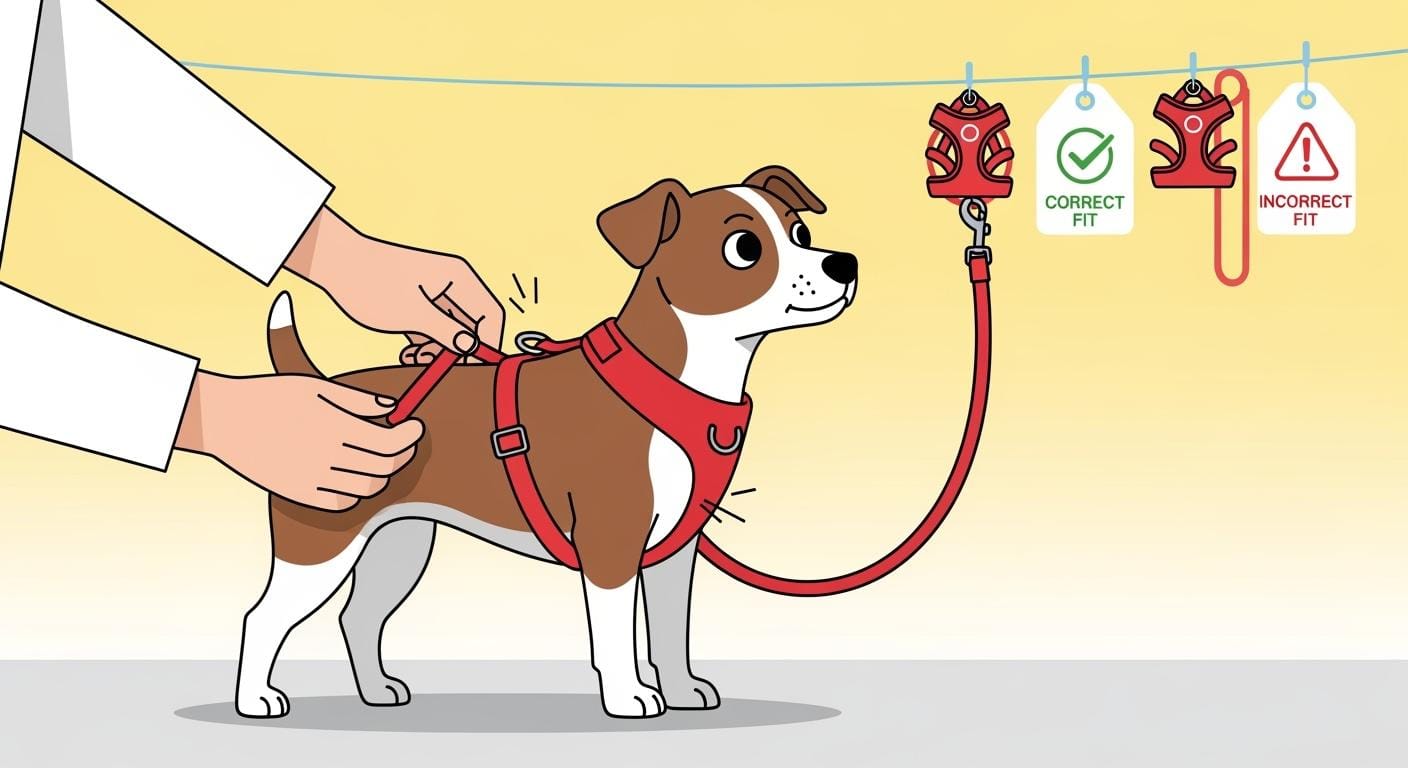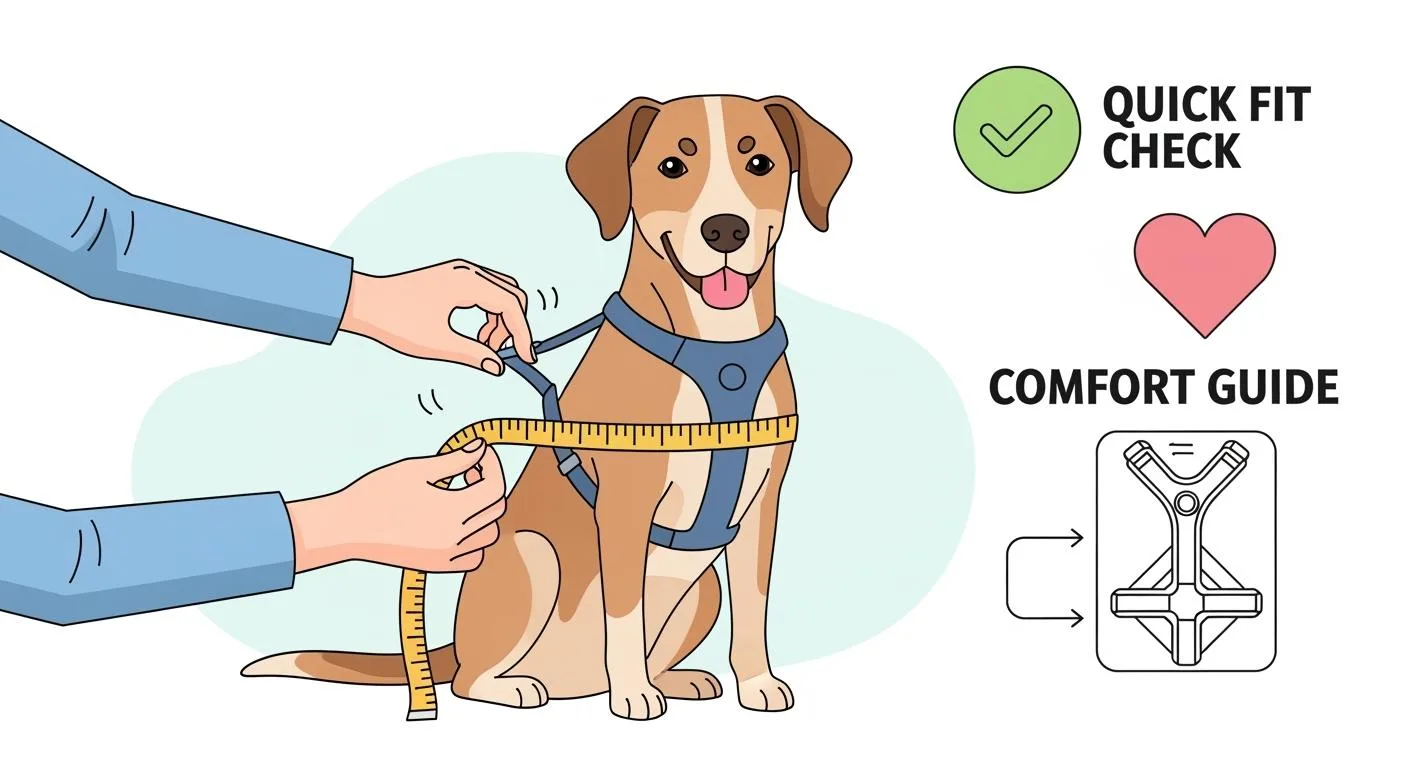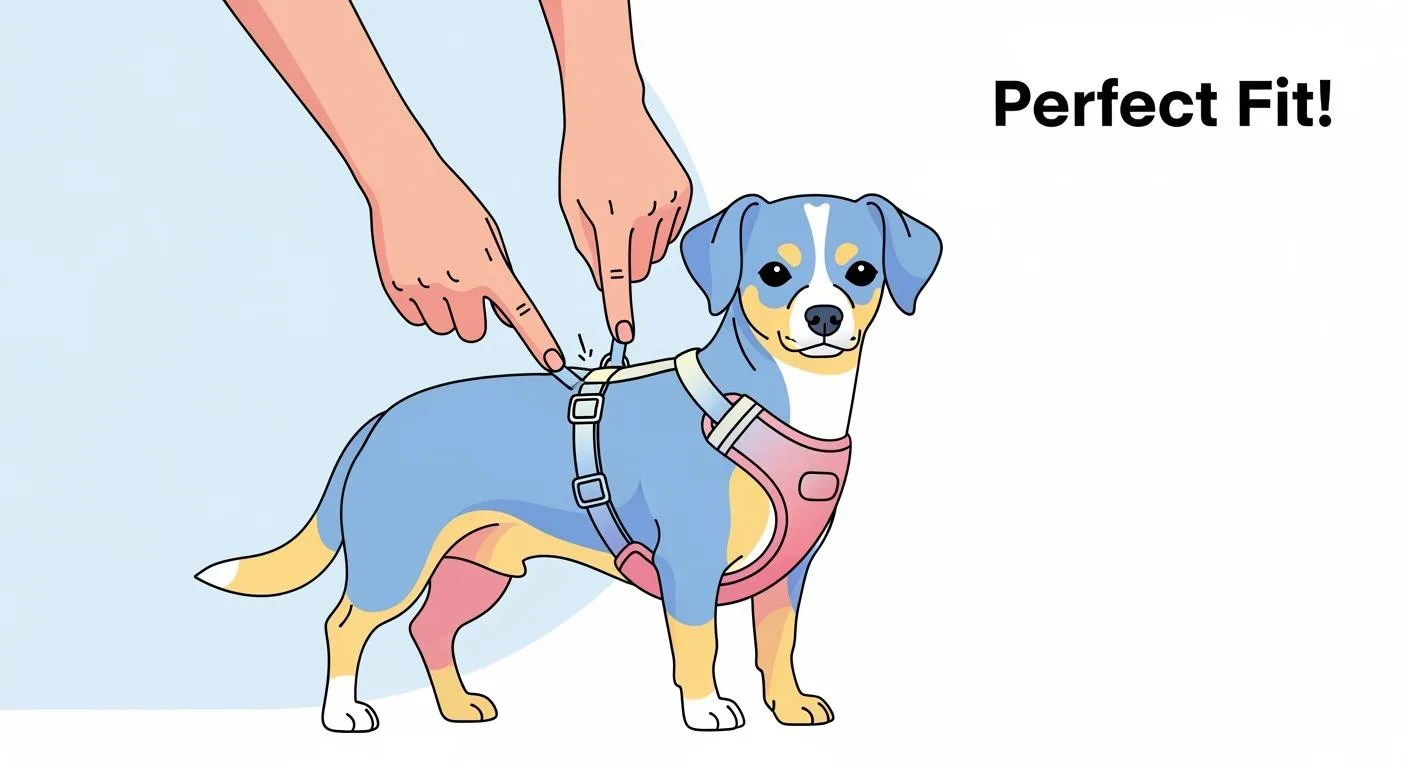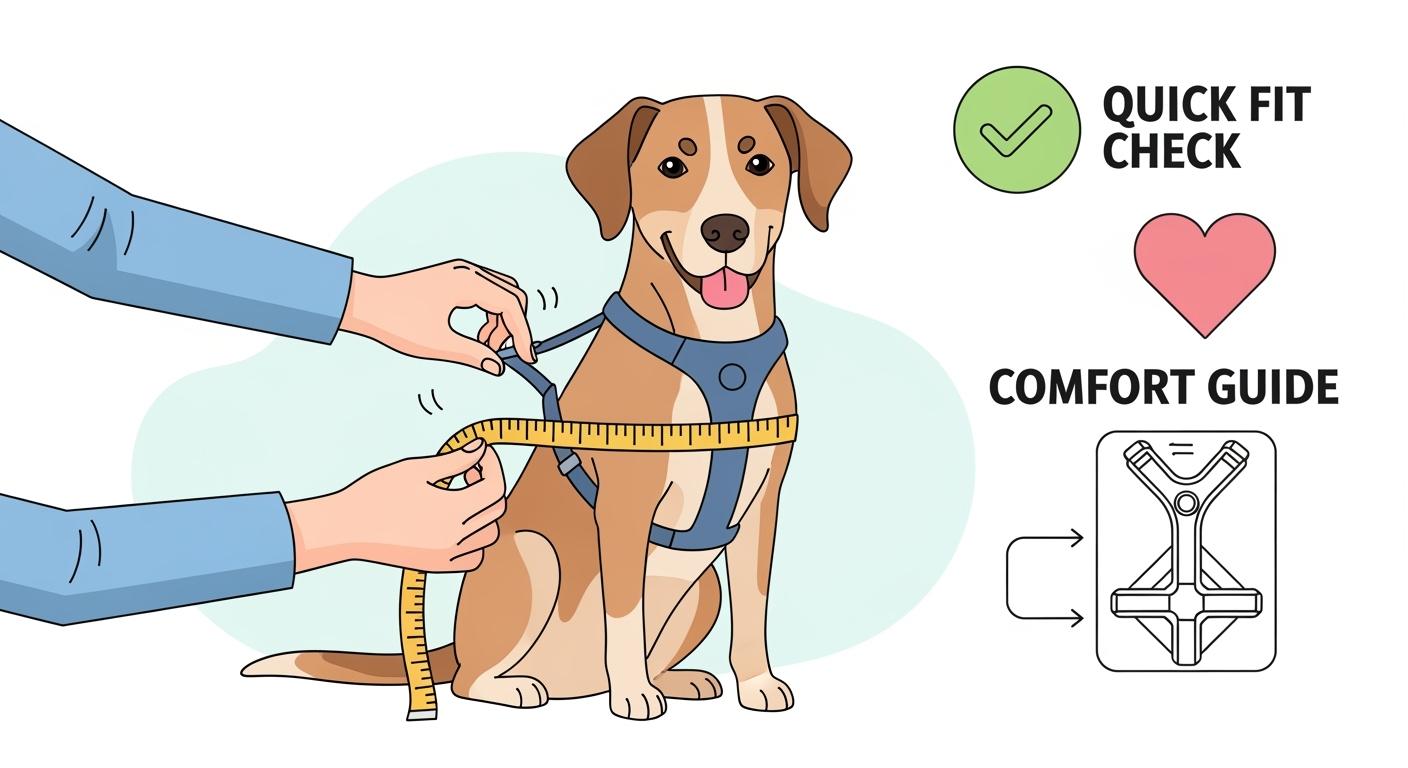
Many dog owners start with the size label, but a better result comes from measuring the dog in front of you. Use a soft tape at the neck base and the widest part of the chest, then confirm the fit with a one- or two-finger check once the harness is on. A size guide is most useful when it helps you spot crowding, slipping, and movement restriction before they become everyday problems.
Tip: Measure twice, order once. Do not guess by breed or weight.
Key Takeaways
- Measure your dog’s neck and chest the right way for the best harness fit. Use a soft tape measure and leave space for one or two fingers.
- Check the harness fit often, especially if your dog is a puppy. Change the straps so your dog feels good and cannot slip out.
- Pick the right harness type for your dog’s size and how active they are. A harness that fits well helps your dog move easily and keeps them safe.
Dog Harness Size Guide: How to Measure Your Dog
Neck Base Measurement Guide
Start with the neck base. Place a soft tape measure where your dog’s neck meets the shoulders. This spot is lower than the collar line and gives a more accurate fit for most harnesses. Keep the tape snug but not tight. You want the tape to touch the skin without pressing into it. Write down this number. Many dog harness size charts use this measurement, so double-check your reading.
Tip: Always measure your dog when standing. Sitting or lying down can change the shape of the neck and chest.
Chest Measurement for Dog Harness Size Chart
Next, measure your dog’s chest girth. Find the widest part of the chest, usually just behind the front legs. Wrap the tape around the chest, making sure it stays level and flat. Pull the tape so it sits against the fur but does not squeeze the body. This number is the most important for the dog harness size chart. Most brands list chest girth as the main sizing guide. If you see a dog harness size chart by neck, use both numbers to pick the best size.
Note: If your dog is between sizes on the dog harness size chart, choose the larger size for comfort and adjust the straps for a snug fit.
Coat Thickness and Body Shape Impact
Coat type and body shape can change how a harness fits. Thick or fluffy coats can make a loose harness look correct when it is not. Press the tape gently through the outer coat so it rests against the body rather than hovering over fur. Recheck the fit after grooming, seasonal coat changes, growth, or weight changes. Dogs with deep chests, broad shoulders, or unusual proportions often do better in harnesses with more adjustment points instead of relying on a size label alone.
- Measuring over thick fur can make the harness too loose.
- Press the tape gently through the coat for a true body measurement.
- Size up if your dog is between sizes or has a thick coat.
- Check the harness fit often, especially for growing puppies.
Pass/Fail Checklist Table
Use this quick checklist to confirm your measurements and harness fit before you buy or walk your dog. Each item helps you spot common mistakes and fix them fast.
| Check Item | Pass Signal | Fail Signal | Solution |
|---|---|---|---|
| Two-finger rule | 1-2 fingers fit under each strap | Too tight or too loose | Adjust straps for proper snugness |
| Centered harness | Harness stays centered during walk and turn | Slides, rotates, or shifts | Refit and tighten straps evenly |
| Shoulder freedom | Dog moves freely, no crowding | Restricts movement or rubs | Loosen straps or try a different harness |
| Skin check | No redness or swelling after walk | Redness, swelling, or sores | Loosen fit or switch harness style |
| Escape risk | No visible gaps, secure clips | Gaps, loose straps, easy escape | Tighten straps and check all fasteners |
Safety Reminder: Always supervise your dog while wearing a harness. Check for signs of discomfort or escape risk before every walk.
Fit Checks: Ensuring Comfort and Safety
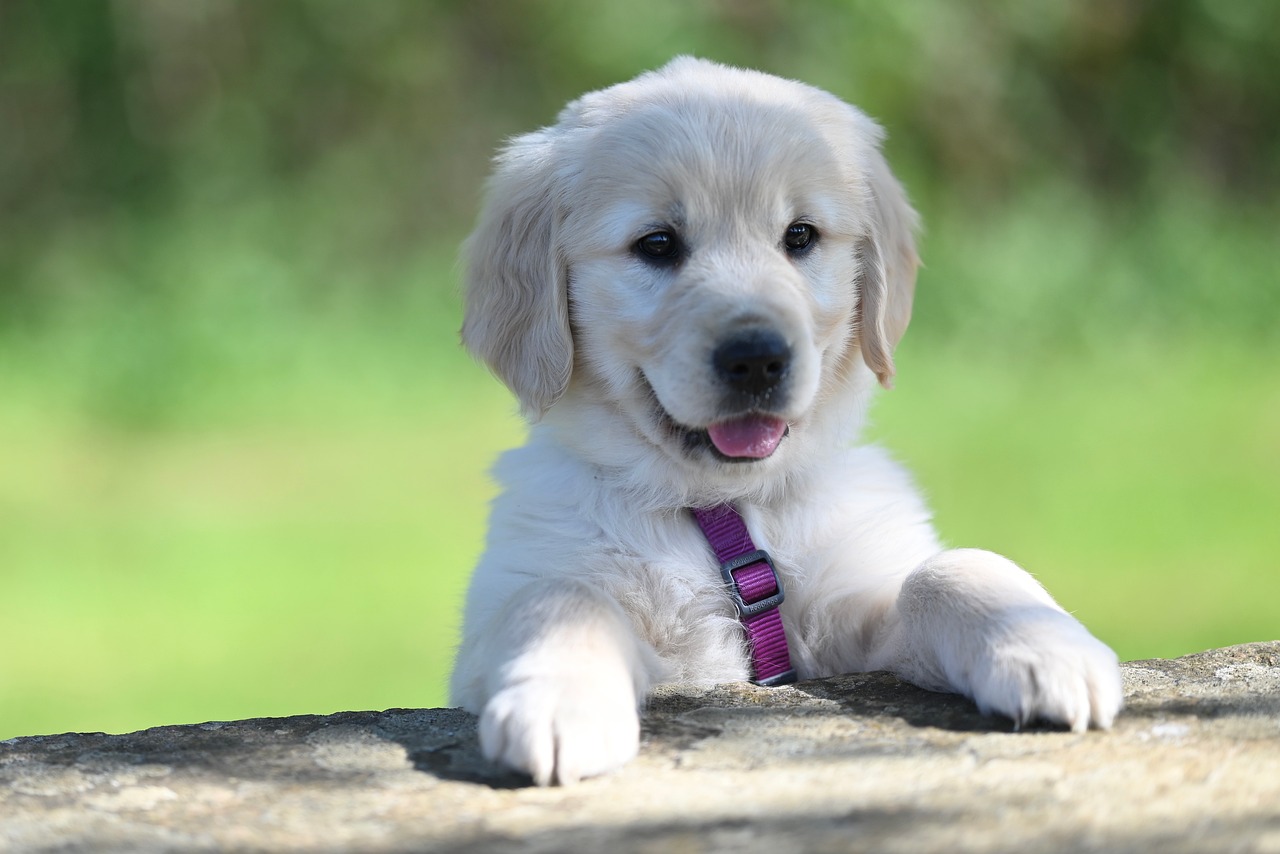
A well-fitted harness keeps your dog comfortable and secure during every walk. After measuring and adjusting, you need to check the fit in action. This section guides you through three essential fit checks: shoulder and elbow freedom, signs of loose or tight fit, and dynamic movement testing to prevent escape or discomfort.
Shoulder and Elbow Freedom
Your dog should move naturally when wearing the harness. Watch your dog walk, turn, and sit. The harness should not crowd the shoulders or elbows. If the harness sits too close to these areas, you may notice shorter steps, awkward movement, hesitation, or rubbing behind the legs. Those are practical fit problems, and they usually mean the shape or strap position needs adjustment.
- A harness that crosses too close to the shoulder area can change stride during normal walking.
- Dogs may shift weight or pull differently when the fit feels uncomfortable.
- Repeated rubbing or restricted movement is a fit issue worth fixing early.
Choose a harness that leaves the front legs free to move. Straps should stay clear of the shoulder joint and behind the elbows so your dog can walk, turn, and stop without crowding.
Signs of Loose or Tight Fit
You can spot a poor fit by checking for these common signs. Use the table below to compare what a good fit looks like versus a bad one. Adjust the harness as needed to keep your dog safe and comfortable.
| Check Item | Pass Signal | Fail Signal | Fix |
|---|---|---|---|
| Neck opening | Sits on chest, clears throat | Rides high or presses when dog moves | Adjust lower or try a different shape |
| Belly strap | Behind front legs, clear elbow room | Touches or rubs near elbow | Refit or change size |
| Centered fit | Stays balanced during turns and short walks | Rotates, twists, or slides to one side | Re-even straps or change style |
| Back-out risk | No gap when dog backs up | Shoulders or head slip free | Tighten or choose secure shape |
| Two-finger rule | One/two fingers fit under each strap | Too tight or too loose | Adjust for proper fit |
| Shoulder freedom | Dog moves freely, no crowding | Restricts movement or rubs | Adjust or switch harness |
| Skin check | No redness or swelling after walk | Redness, swelling, or sores | Stop use, adjust, or switch shape |
| Escape risk | No visible gaps, secure clips | Gaps, loose straps, easy escape | Tighten or choose secure shape |
Tip: For small dogs like a chihuahua, use the one-finger rule under each strap. For larger breeds, use two fingers. Always check after your dog walks and turns.
Back-Out Risk and Movement Test
Dynamic fit testing is key for safety. After you put on the harness, let your dog walk, turn, and back up. Watch for shifting, twisting, or gaps. Try these steps:
- Guide your dog to walk forward, turn, and sit. The harness should stay centered and not ride up or twist.
- Ask your dog to back up gently. The harness should not slip over the head or shoulders.
- Slide your fingers under each strap. You should feel snug contact, not pinching or gapping.
- Check for rubbing or redness after a short walk. If you see any, adjust the fit or try a different harness style.
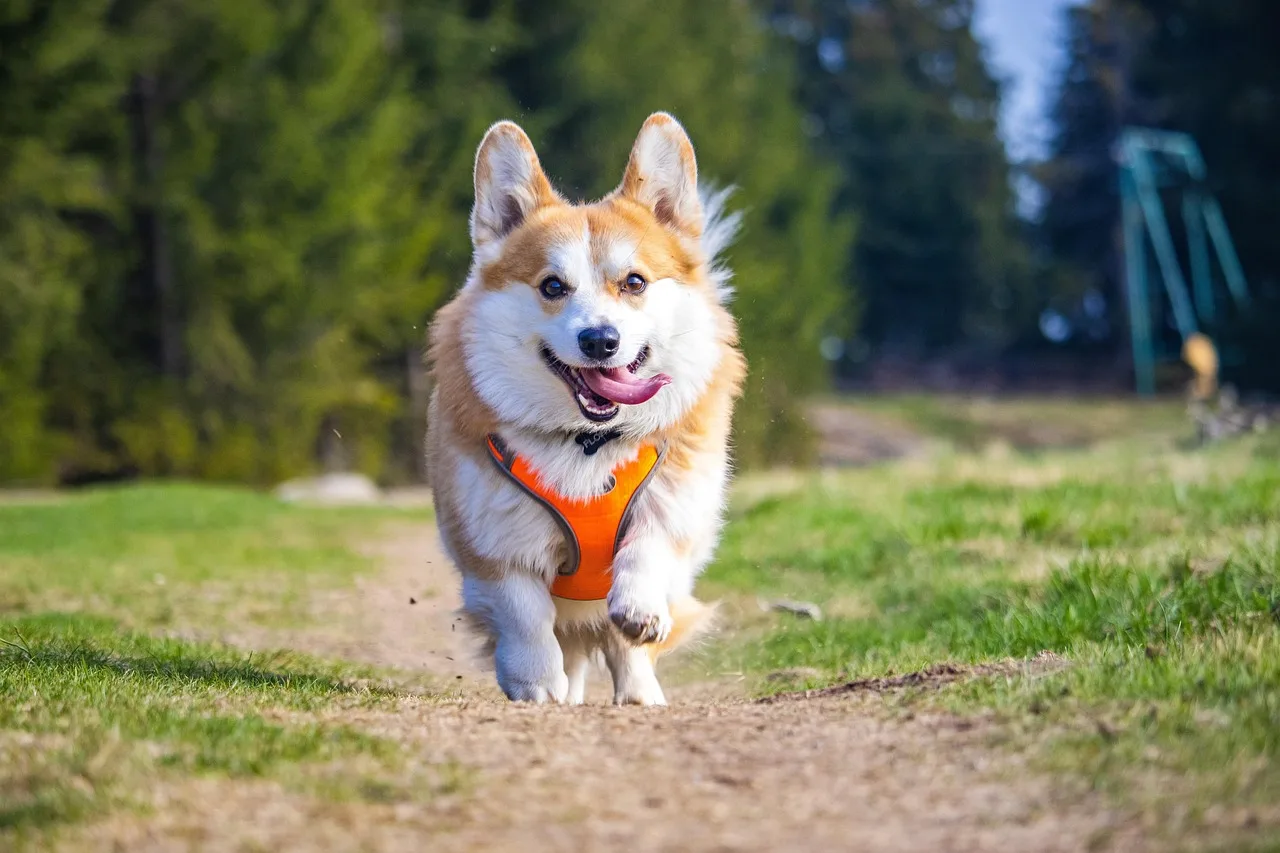
A harness that fits well should stay clear of the throat, lie flat against the body, and remain centered when your dog turns or backs up. Keep finger room under the straps so the harness feels snug without pinching, and watch for any rubbing after a short movement test.
Note: A poorly fitting harness can cause rubbing, skin irritation, restricted movement, or easy back-out risk. If you notice repeated discomfort, refit the harness or try a different shape instead of assuming the dog will get used to it.
Troubleshooting Table
Use this table to solve common harness fit problems quickly. Each symptom links to a possible cause, a quick check, and a solution.
| Symptom | Possible Cause | Quick Check | Solution |
|---|---|---|---|
| Harness rides up to throat | Straps too short or high | Check neck opening position | Lower straps or try a different shape |
| Harness twists or shifts | Uneven strap adjustment | Walk and turn test | Re-even straps, adjust fit |
| Elbow or shoulder rubbing | Straps too close to joints | Watch stride and check for crowding | Loosen straps or switch to choke-free design |
| Dog escapes when backing up | Harness too loose or wrong style | Back-out test | Tighten straps or choose secure harness |
| Redness or sores after walk | Harness too tight or rough edge | Skin check after walk | Loosen fit or try padded harness |
| Harness gaps over chest | Size too large or wrong shape | Centered fit test | Downsize or try a different harness style |
| Dog resists putting on harness | Entry method causes stress | Observe dog’s reaction | Try step-in or overhead harness |
Safety Reminder: Always supervise your dog while wearing a harness. Check the fit before every walk, especially for growing puppies or dogs with thick coats.
Harness Types and Sizing Mistakes Guide
Clip Styles and Harness Shape Match
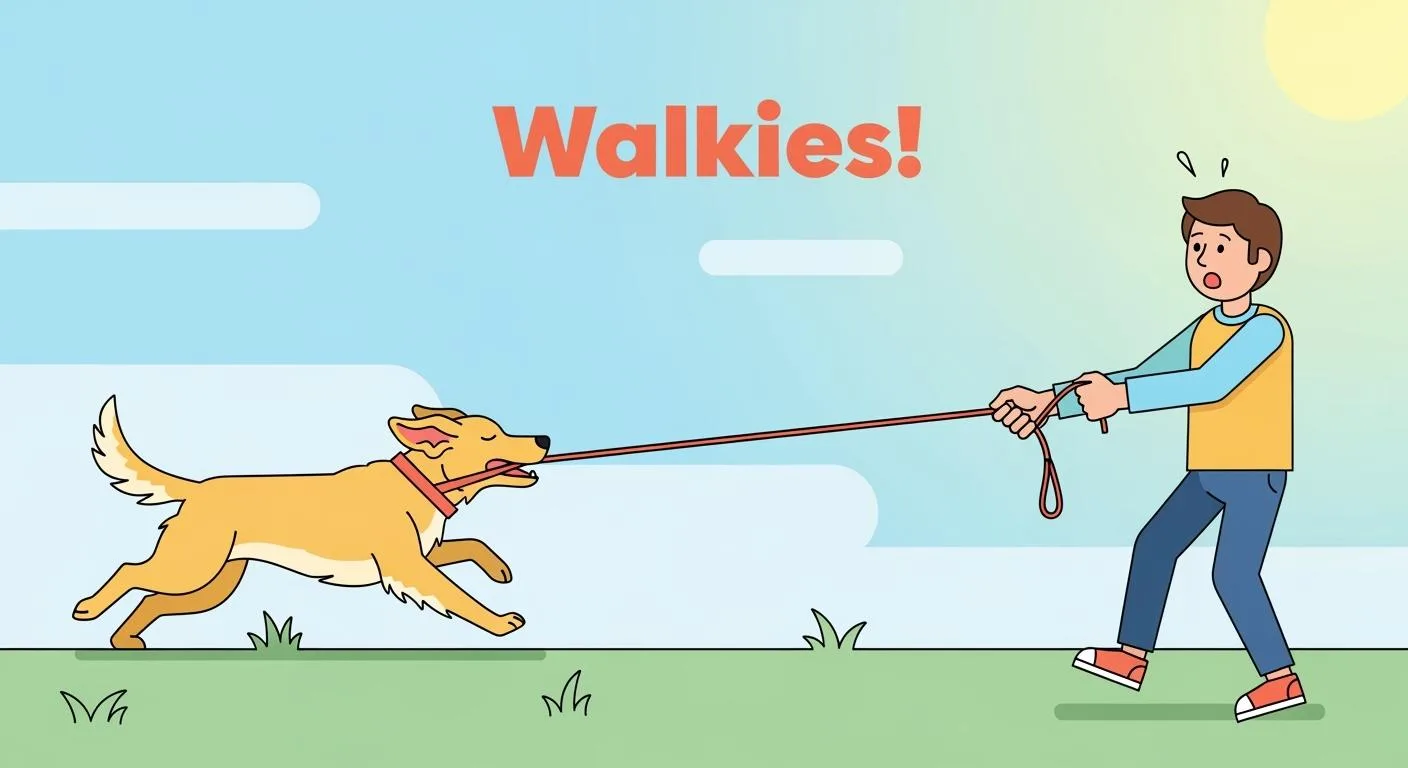
You need to match the harness clip style and shape to your dog’s body for the best fit. Front-clip harnesses help guide small breeds and reduce pulling. Back-clip harnesses work well for calm dogs. Dual-clip harnesses offer flexibility for training. The harness should sit high on the chest and clear the shoulders. If the harness sits too low or wide, it can twist and rub. Always check that your dog’s shoulders move freely. This helps prevent changes in walking style and keeps your dog comfortable.
Strap Layouts vs. Body Coverage
Harnesses come in different shapes. Step-in harnesses are easy for dogs that dislike overhead harnesses. Vest harnesses give full coverage and extra comfort. These work well for small breeds and dogs with sensitive skin. No-pull harnesses use a front-clip design to protect small breeds from neck injuries. Choose a harness that matches your dog’s needs and body shape. Always measure your dog and check movement after fitting.
Common Sizing Mistakes After Measuring
Many owners make the same mistakes when choosing a harness. Avoid these errors:
- Measuring over thick fur instead of close to the body can lead to a loose harness.
- Using weight instead of actual measurements can cause a poor fit, especially for unique body shapes.
- Not re-measuring after weight changes can result in a harness that no longer fits.
Always use a guide and recheck your dog’s size often. Test the harness with movement before every walk.
Comparison Table of Harness Types
| Harness Type | Best For | Clip Style | Body Coverage | Sizing Tips |
|---|---|---|---|---|
| Step-In | Chihuahuas, small dogs | Back or dual | Light | Easy to put on, measure chest |
| Vest | Toy breeds, sensitive | Back | Full | Measure chest, check for rubbing |
| No-Pull | Small breeds, training | Front | Medium | Fit snugly, clear shoulders |
| Overhead | Medium/large dogs | Back or dual | Light/medium | Measure neck and chest, test fit |
Small-Breed and Deep-Chest Fit Notes
Toy breeds, deep-chested dogs, and broad-shouldered dogs often expose weaknesses in generic size charts. Small dogs may need finer adjustment at the neck and chest so the harness does not ride up toward the throat. Deep-chested dogs may need more chest room without leaving gaps at the front. Instead of guessing by breed label, use the measurements you took, then confirm the fit with walking, turning, and backing-up checks before regular use.
Tip: Always supervise your dog when wearing a harness. Recheck fit after grooming or weight changes.
You can make harness sizing much easier by following the same routine each time: measure carefully, check the fit on the dog, then watch how the harness behaves once your dog starts moving. Recheck after growth, grooming, or weight changes. Small adjustments made early usually prevent bigger comfort and control problems later.
- Measure at the neck base and the widest part of the chest.
- Check finger room, shoulder clearance, and back-out resistance.
- Re-test the fit after real walking, turning, and backing up.
Use the checklist and tables in this guide whenever you need a quick reset before daily walks.
FAQ
How often should you recheck your dog’s harness fit?
You should check the harness fit every month. Puppies or dogs with weight changes need more frequent checks. Always adjust after grooming or seasonal coat changes.
Can you wash a dog harness in the washing machine?
Most harnesses allow gentle machine washing. Always read the care label first. Air dry the harness fully before use to prevent skin irritation.
Note: If your dog has skin issues, ask your veterinarian before changing harness types or cleaning methods.
What if your dog hates wearing a harness?
Try a different harness style or entry method. Use treats and praise to build positive associations. Never force the harness on your dog.