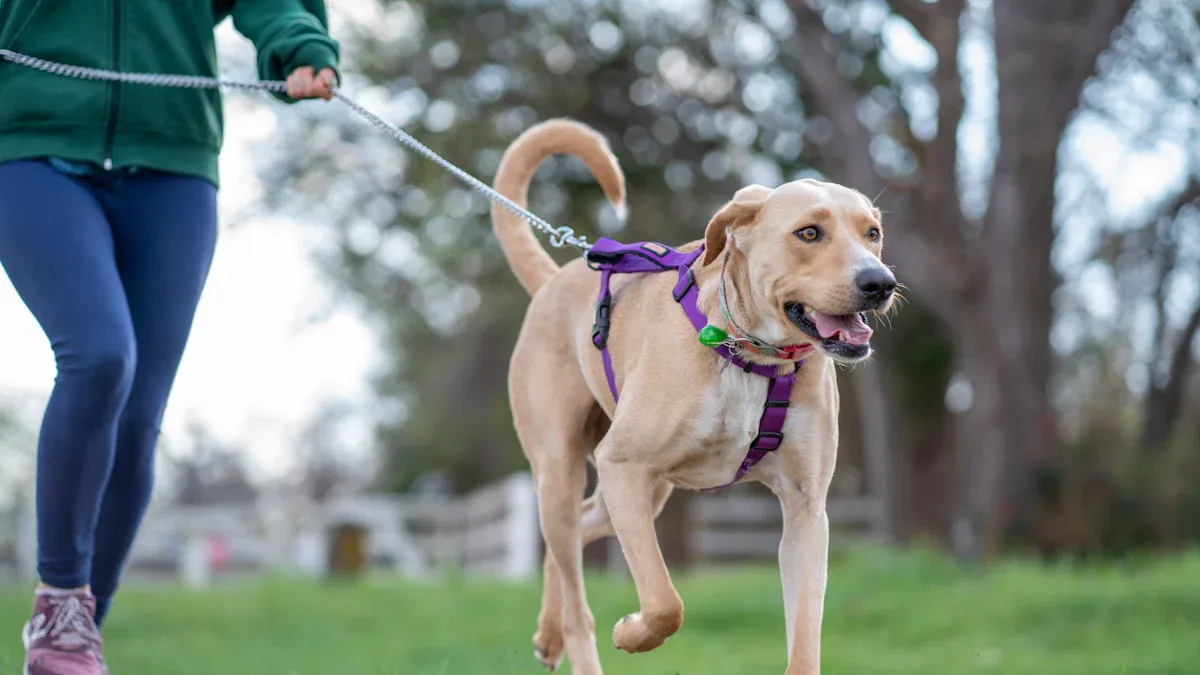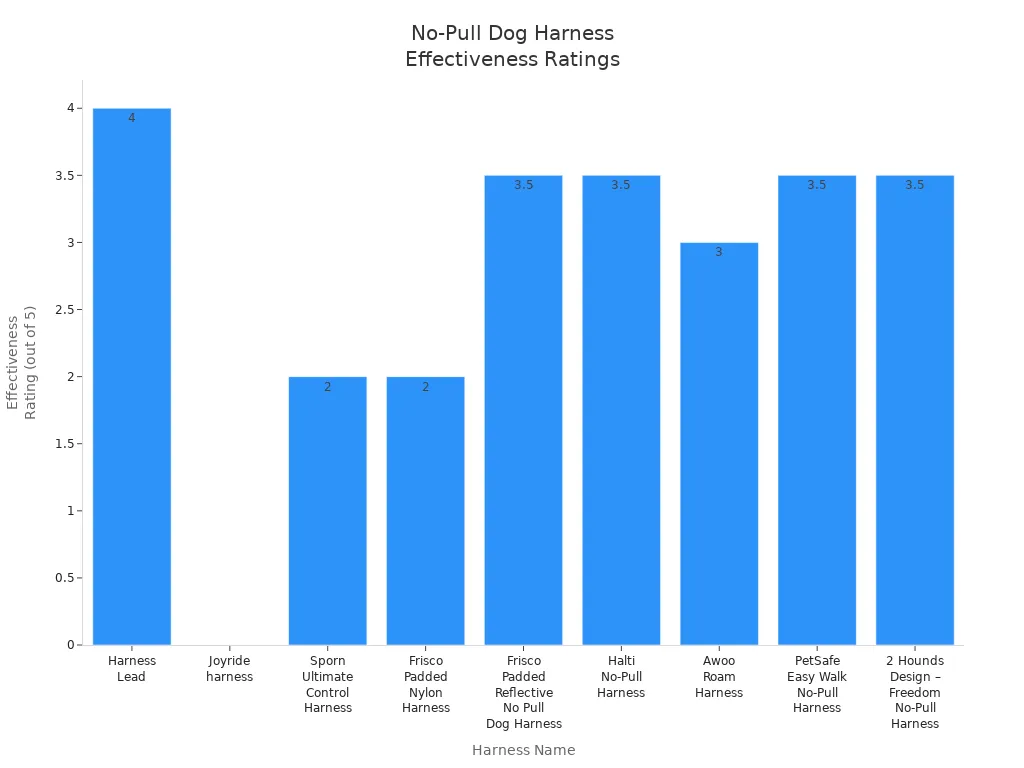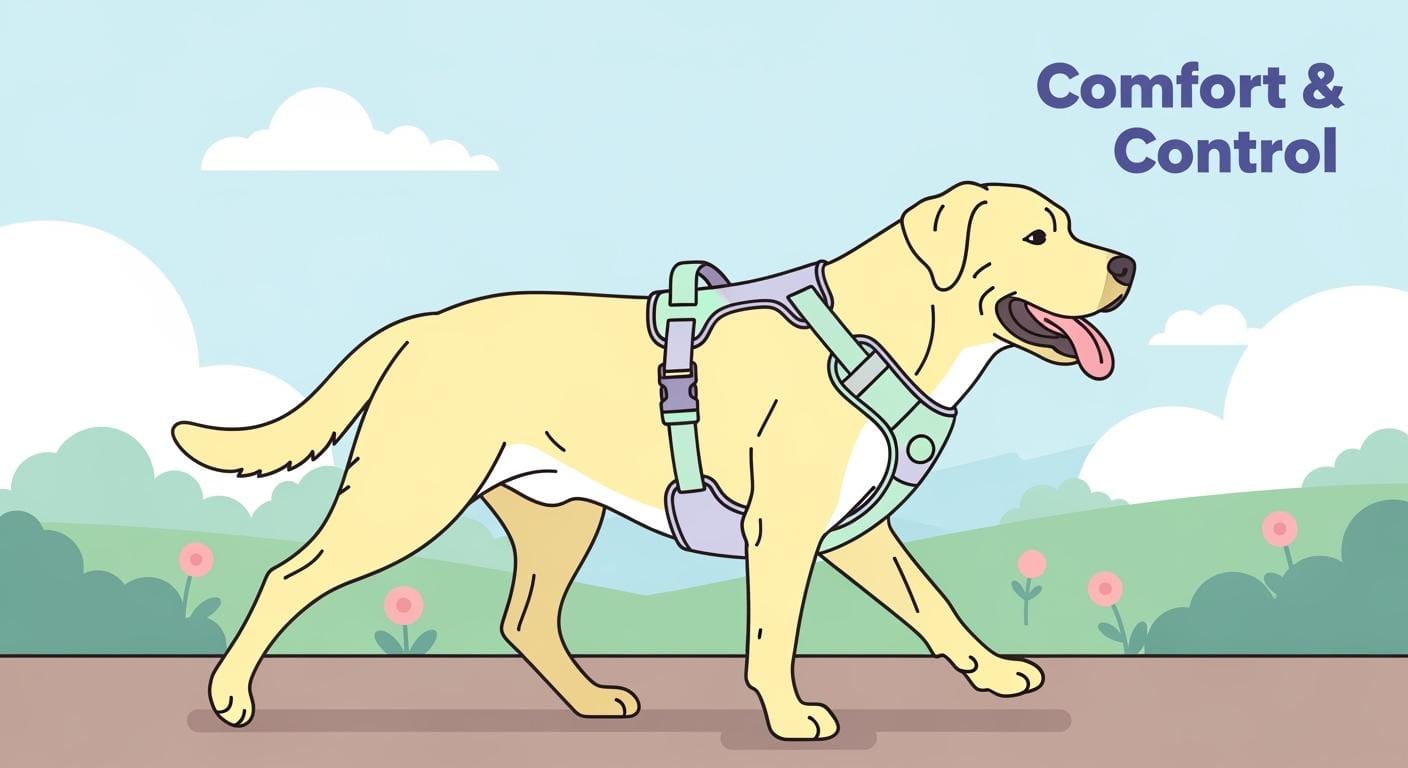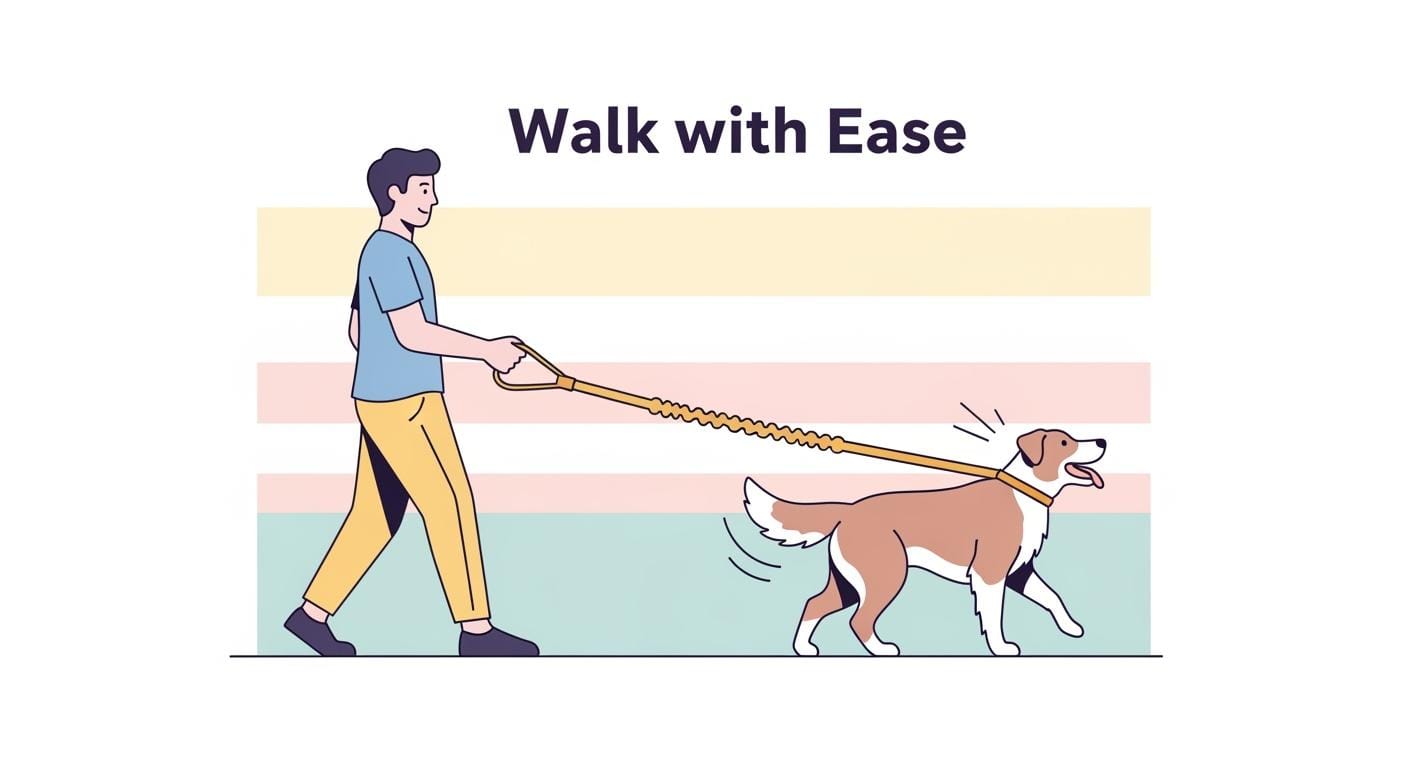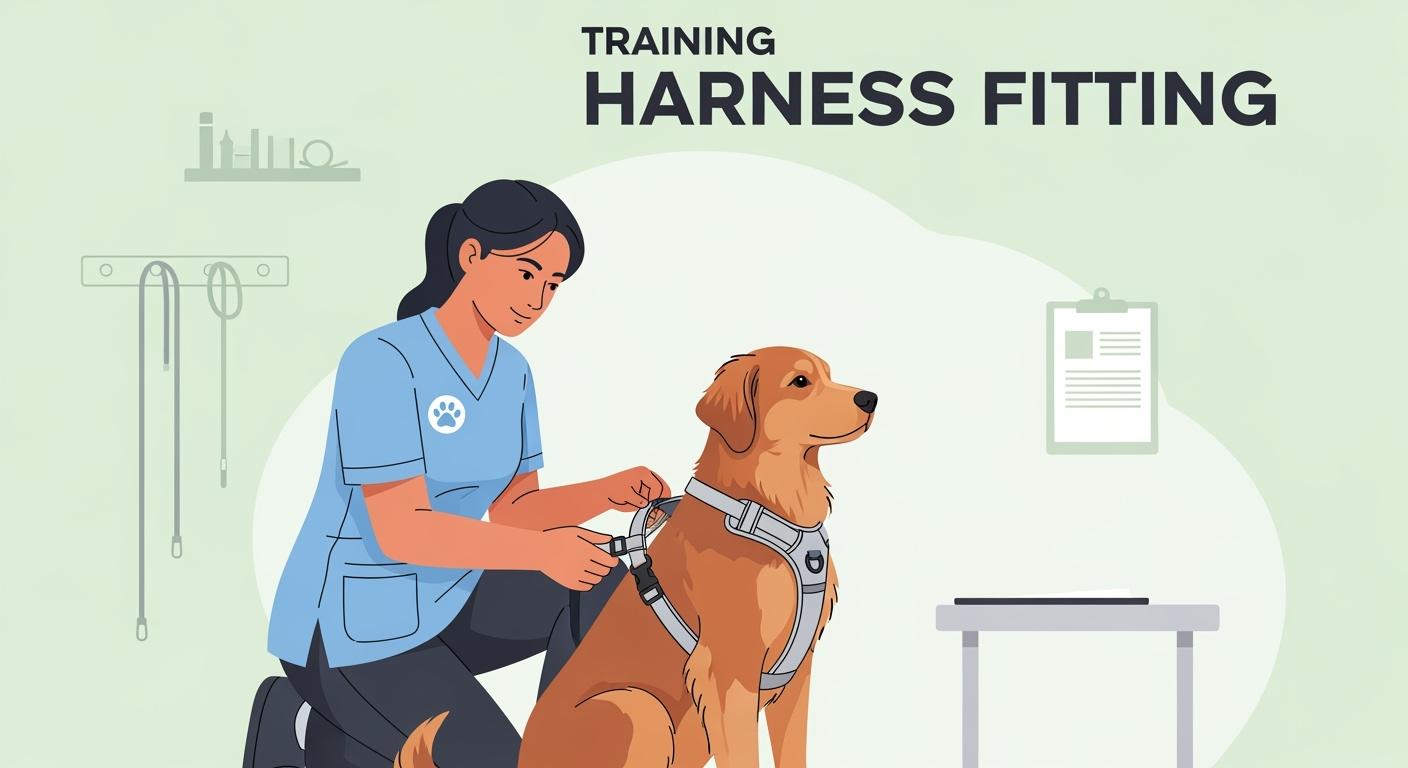
A no-pull dog harness is a useful tool. It helps stop dogs from pulling and keeps walks safer. You use a dog harness no pull to guide your dog’s movement. This makes it easier to walk strong or excited dogs. In your job, no-pull dog harnesses help you teach leash manners. They also stop bad behaviors. Trainers, retailers, and other pet professionals see many good things. These include comfort, safety, and changing behavior.
Benefit | Description |
|---|---|
Comfort | Has padded contact areas and a design that spreads pressure over the chest and shoulders, so most dogs find walks more comfortable when the harness is fitted correctly. |
Safety | Gives the handler more control and helps reduce the risk of neck and throat injury compared with a flat collar, especially for dogs that pull or lunge. |
Behavior Modification | Stops pulling and helps dogs learn better leash habits. |
No-pull dog harnesses are not a replacement for training. You should always use a dog harness no pull with rewards to get good results that last.
Key Takeaways
No-pull dog harnesses help dogs stop pulling. They make walks safer for everyone. Choose harnesses with front clips for training. Use back clips for normal walks. Always use treats and praise with the harness. This helps training work better. Make sure the harness fits right. Adjust straps so two fingers fit under it. Check harnesses often for damage or wear. This keeps dogs safe and comfy. Pick harnesses with padding for more comfort. Padding stops rubbing on the dog’s skin. Teach clients about no-pull harnesses and how to use them. This builds trust and helps training work well. Use combo harnesses for more options. They work for training and regular walks.
How No-Pull Dog Harnesses Work
Mechanics of No-Pull Harnesses
No-pull dog harnesses have special features to help with pulling. They are not the same as regular harnesses or collars. The leash clips to the front, close to the dog’s chest. This changes how the dog moves when it pulls. The harness gently turns the dog back to you. This helps you keep control and makes walks safer.
Front-Clip and Combo Designs
Many pet professionals like front-clip and combo harnesses because they give more control at the shoulders instead of the neck. Research comparing collars and harnesses suggests that harnesses can reduce direct pressure on the neck for dogs that pull or lunge, while some harness designs may limit shoulder movement if they sit too close to the shoulder joint. Fit and placement matter more than the label on the product, so always check the harness for free shoulder motion, smooth movement, and any signs of rubbing or discomfort.
Feature | Standard Harnesses | No-Pull Dog Harnesses |
|---|---|---|
Attachment Point | One D-ring on the back | Front clip near the chest |
Pulling Mechanism | Uses the dog’s normal movement | Turns pulling into gentle steering |
Design Purpose | Simple and light for easy use | More padding and adjustments for comfort |
Effect on Pulling | May make pulling worse | Stops pulling by turning the dog |
Pressure Distribution
No-pull harnesses spread pressure over the chest and body. Collars put force on the neck and can hurt dogs. The harness takes in the force and keeps the dog steady. You get more control and the dog feels less pain. Many harnesses have padding and straps you can adjust. These help stop slipping and rubbing.
Pressure Area: Spreads pressure over the chest and body.
Pulling Control: Turns pulling to the side without hurting.
Force Absorption: Spreads force out, so you feel less strain.
Center of Gravity: Clips at the chest for better balance.
Visibility Features: Has reflective thread and LED loops for safety.
Benefits for Pet Professionals
Control and Safety
No-pull harnesses let you feel when a dog pulls. You can fix the behavior right away. This keeps you and your clients safe in busy places. The harness stops pulling and lowers accident risks. You and the dog understand each other better.
Evidence Point | Description |
|---|---|
Immediate Feedback | No-pull harnesses let you fix pulling fast, so you have more control. |
Enhanced Safety | They can make walks safer and help reduce the chance of accidents by giving handlers better control and clearer leash communication. |
Strengthened Bond | These harnesses help you and the dog work together and understand each other. |
Comfort for Dogs
No-pull harnesses can make walks more comfortable for many dogs because they spread leash forces across the chest and shoulders instead of focusing them on the neck. Some studies have not found large differences in short-term stress measures between flat collars and harnesses, but harnesses avoid direct pressure on the throat. That is one reason many veterinarians and trainers prefer well-fitted harnesses for strong pullers, flat-faced breeds, or dogs with a history of neck or airway issues.
Tip: Always look for padding and make sure the harness fits well. This keeps your client’s dog happy and comfy on walks.
Limitations and Best Practices
Not a Training Substitute
No-pull harnesses help with pulling, but they are not enough. You need to use treats and praise to teach leash skills. The harness helps guide the dog, but real change comes from training.
Professional Guidance
Use no-pull harnesses only when training. After the dog learns, use the back clip for normal walks. For very active dogs, start with the front clip, then switch to the back. This helps your clients see progress and keeps dogs safe.
Use the harness for training leash skills.
Switch to the back clip for daily walks after training.
Use treats and praise with the harness for best results.
No-pull harnesses are designed to work with positive training methods. When they are correctly fitted and used with rewards, they give handlers more control without relying on pain or fear. You help your clients trust this equipment when you explain how it works, show a proper fit, and remind them that harnesses support good training rather than replace it. Always care about animal safety and well-being in your work.
No-Pull Harness Features
Essential Design Elements
Adjustable Fit
You need a harness that fits many dogs. Straps that adjust help you change the size. This stops rubbing and slipping. A good fit keeps dogs safe and comfy. Trainers and vets like adjustable harnesses. They work for all shapes and ages.
Durable Materials
No-pull dog harnesses should last a long time. Pick harnesses made with strong webbing and tough buckles. These materials do not break easily. You can use them for many dogs. Your business saves money and clients stay happy.
Secure Fastenings
Secure fastenings hold the harness in place. Look for strong buckles and tight stitching. These keep the harness from coming loose. You protect the dog and the handler. Good fastenings make your job easier.
Feature | Description |
|---|---|
Adjustability | Modular systems fit all shapes, ages, and sizes of dogs. |
Comfort | Minimizes neck strain and enhances comfort for the dog. |
Control | Provides enhanced control in social situations, crucial for trainers and vets. |
Professional-Grade Features
Front Clip No Pull Harness Options
Front-clip designs help you guide the dog. The leash clips at the chest. This helps stop pulling and gets the dog’s attention. Combo harnesses have front and back clips. You can switch clips for different training.
Multiple Attachment Points
More attachment points give you choices. Use the front clip for training. Use the back clip for normal walks. Dual-clip harnesses work for many styles. This makes no-pull harnesses useful in many ways.
Easy Application
You want a harness that is easy to use. Quick-release buckles save time. Simple designs help you work with many dogs. Easy harnesses also help dogs feel less stress.
Feature | Description |
|---|---|
Front Attachment Point | Leash attachment at the front redirects the dog’s attention towards the owner, discouraging pulling. |
Tightening or Pressure Mechanism | Applies gentle, limited pressure when the dog pulls and releases when the leash slackens. It should be used for short training sessions only, with careful monitoring for any rubbing or discomfort. |
Training Accessories | May include dual-clip systems for flexible attachment options based on training needs. |
Animal Welfare Considerations
Non-Tightening Designs
Pick harnesses that do not squeeze the dog’s body. Non-tightening harnesses keep dogs safe. You help dogs stay comfy on every walk.
Padding and Comfort
Padding makes harnesses soft and stops rubbing. Look for harnesses with smooth edges and soft lining. Dogs feel better and show less stress with a good fit.
Avoiding Overuse
Use no-pull harnesses with a training plan. Do not use the harness alone. Start slow and watch for discomfort. Always check the fit and make sure the dog feels safe.
Safety, fit, and function are most important when picking a harness.
Put the harness on in a calm, safe place.
Make sure the dog feels good to stop injury or pain.
Tip: Check your no-pull harnesses often for damage. Replace any harness that is worn out to keep dogs safe.
Fitting and Using a No-Pull Dog Harness
Selecting the Right Harness
Assessing Dog and Use Case
You should look at each dog before picking a harness. Check the dog’s size, breed, and how it acts. Big dogs often need stronger harnesses. Small dogs do better with light harnesses. Think about how active the dog is and where it walks. For busy places, pick harnesses with bright colors and ID tags. If the dog is outside in hot or cold weather, get a harness that keeps it cool or warm. Always choose a harness that fits the dog’s needs and your job.
Every harness must fit well. A good fit stops pain and lets the dog move easily.
Many straps let you change the harness for each dog.
Measure the dog carefully. Do not use only breed charts, since dogs are all different.
Think about how much the dog pulls. Use a front-clip harness for dogs that pull a lot. Dual-point harnesses work for dogs that pull sometimes.
Matching Harness Type
Pick the harness type that matches your client’s goals. For training, front-clip harnesses give you more control. Combo harnesses have two clips and work for many walking styles. Harnesses that go around the body spread weight and help with comfort. Always make sure the harness spreads weight so walks do not hurt. Choose harnesses with Pick the harness type that matches your client’s goals. For training and daily use, choose hardware that is appropriately rated for the dog’s weight and activity level, not just the minimum. Buckles and rings should feel solid, close securely, and show no cracks or sharp edges. Reflective elements should be clearly visible from the front, sides, and back in low light so handlers and dogs are easier to see during early-morning or evening walks.
Proper Fitting Steps
Measuring and Adjusting
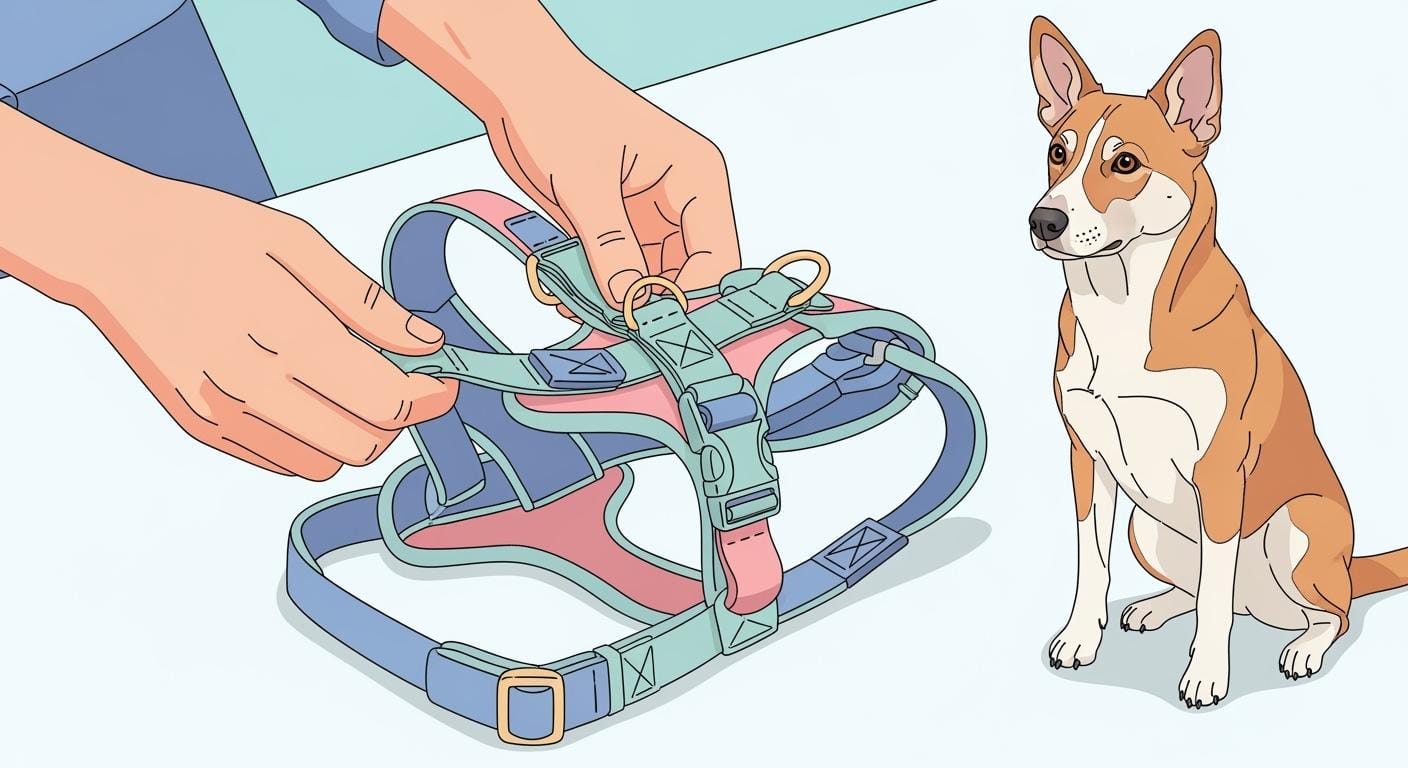
Follow these steps to fit a no-pull harness right:
Put the chest strap across the dog’s chest and the back strap behind the shoulders.
Fasten the main buckles or straps. Do not make them tight yet.
Adjust each strap so you can fit two fingers between the harness and the dog. This keeps the harness comfy and does not press on the throat or legs.
Let the dog walk, sit, and lie down. Watch for any trouble moving or signs of pain.
Check the harness by gently pulling it over the dog’s head. Change the chest strap if needed.
Checking for Comfort
Check the harness for comfort after you fit it. Look for rubbing, heavy panting, or if the dog tries to get away. If the harness is too tight, loosen it right away. If it is too loose, the dog might slip out. Always watch how the dog acts. If the dog seems unhappy, try another harness or ask a trainer.
Tip: Take your time when fitting the harness. If you rush, you might make mistakes and the dog may not like the harness.
Common Mistake | How to Avoid |
|---|---|
Harness Too Loose | Make sure only two fingers fit between harness and body. |
Harness Too Tight | Loosen the harness if the dog looks uncomfortable or has trouble breathing. |
Incorrect Placement | Put the chest strap on the breastbone, not the throat. |
Rushing the Process | Go slow and stay calm when adjusting. |
Ignoring Discomfort | Watch the dog and change the harness if needed. |
Not Checking for Wear | Look at the harness often for damage. |
Safe and Effective Use
Leash Attachment
Clip the leash to the front for training. This helps stop pulling and keeps the dog paying attention. For normal walks after training, use the back clip. Always check the leash is tight before you start walking.
Demonstrating to Clients
Show your clients how to put on and use the harness. Show them where to place and adjust the straps. Tell them why a good fit and the right leash spot matter. Ask clients to practice putting the harness on their own dogs.
Monitoring Fit
Check the harness fit often. Look for damage, loose straps, or signs the dog is not comfy. Tell your clients to check the harness before every walk. Replace any harness that is broken to keep dogs safe and happy.
Maintenance and Inspection
Regular maintenance and inspection keep no-pull dog harnesses safe and comfortable for every dog in your care. You protect your clients and your business when you follow a routine for cleaning and safety checks.
Cleaning Guidelines
Clean harnesses help reduce the risk of skin irritation and support good hygiene for dogs that wear them every day. Encourage clients to wash harnesses regularly, especially when they are used with many dogs or in hot, humid weather, so sweat, dirt, and loose hair do not stay trapped against the skin.
Cleaning Task | How to Perform | Frequency |
|---|---|---|
Remove loose dirt | Brush off with a soft brush | After each use |
Wash fabric/webbing | Use mild soap and warm water | Weekly or as needed |
Rinse thoroughly | Make sure no soap remains | Every wash |
Dry completely | Air dry away from direct sunlight | After washing |
Check for odors | Smell harness for any strong scents | Weekly |
Tip: Always check the care label before washing. Some harnesses need hand washing. Others allow gentle machine cycles. Never use harsh chemicals or bleach. These can damage the material and irritate a dog’s skin.
You should store harnesses in a clean, dry place. Avoid damp areas to prevent mold and mildew. If a harness gets wet, dry it fully before the next use.
Safety Checks
Safety checks help you spot problems before they affect a dog’s comfort or safety. You should inspect harnesses before and after each use.
Adjust straps at multiple points for the best fit. Make sure the harness sits snug but not tight.
Check webbing for fraying. Replace harnesses with worn or torn straps.
Inspect stitching for loosening. Strong stitching keeps the harness secure.
Look for indents in padding. Padding should stay smooth and soft.
Examine buckles for cracks. Broken buckles can cause harness failure.
Check D-rings for corrosion. Rust can weaken metal parts.
Use the two-finger rule. You should fit two fingers between the harness and the dog’s body.
Check for rubbing or chafing in sensitive areas. Look at the chest, armpits, and belly.
Observe your dog during a short indoor walk. Watch for signs of discomfort or trouble moving.
Note: If you find any damage or signs of wear, replace the harness right away. Never use a harness that does not pass all safety checks.
Regular cleaning and inspection help you maintain high standards for animal welfare. You show your clients that you care about their dogs’ safety and comfort. Your business benefits from fewer accidents and happier customers.
Types of No-Pull Dog Harnesses

Front-Clip Harnesses
Pros and Cons
Front-clip harnesses use a front-clip attachment at the chest. This design lets you guide the dog’s direction and helps reduce pulling. You gain more control, especially with energetic or strong dogs. Many trainers use this type for teaching leash manners.
Feature | Back Clip | Front Clip |
|---|---|---|
Control | Medium | Peak |
Best For | Chilled Walks | Training |
Curbing Pulling | Minimal | Maximum |
Flexibility | High | High |
Pressure Spread | Uniform | Targeted |
You may notice that front-clip harnesses work best for training. They help you redirect a dog’s attention quickly. However, these harnesses may not suit small or less active breeds. Some dogs find them less comfortable than back-clip styles.
Not ideal for very small or calm dogs.
Some dogs may need time to adjust to the chest clip.
Best Use Cases
You should use front-clip harnesses when you need to stop pulling fast. They work well for training sessions, busy sidewalks, or when you walk strong dogs. If your client’s dog pulls often, this harness type gives you the most control. Many pet professionals choose front-clip harnesses as part of the best no-pull harnesses for teaching leash skills.
Combo and Dual-Clip Harnesses
Versatility
Combo or dual-clip harnesses offer both front and back leash attachments. You can switch between training and casual walks without changing harnesses. This flexibility helps you meet different needs for each dog and situation.
Two leash options for different scenarios
Ideal for both casual walks and training
Even pressure distribution to prevent injury
These harnesses let you start with the front clip for training. Later, you can move to the back clip for regular walks. This makes them a smart choice for growing dogs or those in long-term training programs.
Professional Applications
Your business benefits from combo harnesses because they fit many roles. Trainers use them for step-by-step leash training. Retailers can recommend them to clients who want one harness for all situations. Clinics and groomers find them easy to put on and adjust for different dogs.
| Harness Type | How It Works | Best For |
|---|---|---|
| Front-clip no-pull harness | Leash attaches at the chest so pulling turns the dog back toward the handler instead of letting them go straight forward. | Training dogs that pull, group classes, and busy sidewalks. |
| Back-clip harness | Leash attaches between the shoulders to spread force over the body with less direct pressure on the neck. | Everyday walking for dogs that already have good leash manners. |
| Dual-clip or combo harness | Has both front and back clips so handlers can switch between control and comfort or use a double-ended leash. | Professional trainers and handlers who work in different environments or with dogs at different training stages. |
| Y-shaped body harness | Straps form a Y on the chest to avoid crossing the shoulder joints and allow a more natural stride when properly fitted. | Active dogs that need freedom of movement for hiking, running, or sport work. |
| Step-in harness | Dog steps into the harness and it closes on the back, which can be easier for some owners to put on. | Small dogs, senior owners, and quick on–off situations where handling needs to stay simple. |
| Tightening or limited-slip harness | Applies mild pressure when the dog pulls and releases when they slow down. Should be used with positive reinforcement, for limited training periods only. | Short training sessions with experienced handlers who can monitor for any discomfort. |

Around-the-Torso Harnesses
Comfort and Control
Around-the-torso harnesses wrap around the dog’s chest and belly. You get gentle control without putting pressure on the neck. These harnesses often have extra padding for comfort. Dogs with sensitive skin or older dogs benefit from this design.
For puppies, look for adjustable straps to fit growth.
Small breeds need lightweight, soft harnesses.
Senior dogs require padded straps to avoid pressure points.
Dogs with limited mobility need easy on-and-off designs.
Suitability for Different Dogs
You should match the harness to the dog’s size and needs. Around-the-torso harnesses work well for dogs that dislike pressure on the chest. They suit dogs with special health needs or those who need extra support. Your team can use these harnesses for gentle walks, recovery, or for dogs that need comfort above all.
Tip: Always check the fit and comfort level, especially for puppies and seniors. Adjust the harness as the dog grows or ages to maintain safety and comfort.
Control and Tightening Harnesses
Objective Use
Control and tightening harnesses help you manage tough dogs. You use these harnesses for dogs that pull a lot or need special training. The harness gets tighter when the dog pulls. This helps you guide the dog and stop bad pulling. These harnesses are good when safety and comfort are very important.
You might pick control and tightening harnesses for many reasons:
Dogs with health problems that need gentle control.
Young or nervous dogs that need more help on walks.
Outdoor trips like hiking, when you want dogs close.
Training times to teach leash skills and stop pulling.
These harnesses keep dogs safe without hurting them. You can change the fit for each dog’s body. This helps dogs feel less stress and stay happy. Your team likes these harnesses for busy or wild places.
Tip: Always check the harness fits right before you use it. A good fit keeps every dog safe and comfy.
Cautions and Guidance
You must use control and tightening harnesses with care. If you fit the harness wrong, the dog can get hurt or feel bad. Do not use tightening harnesses alone to stop pulling. Always use them with treats and praise to teach good habits.
Think about these warnings:
Tightening harnesses may not work well if used wrong.
Some dogs may pull harder, making walks tougher.
Using the tightening part too much can cause stress or sore skin.
Follow these steps to keep dogs safe and happy:
Make the harness snug but not tight. You should fit two fingers between the harness and the dog.
Watch the dog on walks for rubbing or heavy breathing.
Use the harness only for short training or special times. Use a regular harness for normal walks.
Show your clients how to use and adjust the harness. Teach them to check for damage.
Safety Checklist | Action Item |
|---|---|
Fit and Adjustment | Check fit before each use |
Usage Duration | Limit use to training or special needs |
Comfort Monitoring | Watch for signs of discomfort |
Training Integration | Pair with positive reinforcement |
Note: You keep dogs safe and your business trusted when you use control and tightening harnesses the right way. Always put safety and comfort first for every dog.
Educating Clients on No-Pull Harnesses
Explaining Benefits and Limits
Setting Expectations
You help clients by explaining what no-pull dog harnesses do. These harnesses give you more control over pulling. The way the harness fits is very important. Front-clip harnesses guide dogs back to you when they pull. Back-clip harnesses let dogs move more freely but give less control. Tightening harnesses use gentle pressure to stop pulling. You must fit these harnesses right so dogs stay comfortable. Multifunctional harnesses work for different training needs.
Misconception | Clarification |
|---|---|
No-pull harnesses are cruel | They are made to be kind and help with training. They do not hurt dogs. |
No-pull harnesses hurt dogs | They guide dogs without causing pain or discomfort. |
Harnesses reinforce pulling behavior | If used right, harnesses stop pulling by turning the dog. |
Remind clients that harnesses help with pulling but do not replace training. If a dog pulls and moves forward, it learns pulling works. Show clients how to use the harness the right way to stop this.
Positive Training Emphasis
You help animal welfare by using harnesses with positive training. Tell clients to give treats and praise when dogs walk calmly. This rewards good behavior and builds trust. Harnesses fit around the chest and shoulders. They use the dog’s strength but do not hurt. When you use harnesses and rewards together, dogs learn leash manners faster and with less stress.
Demonstrating Fit and Use
In-Store or Clinic Demos
You can show clients how to fit and use harnesses in stores or clinics. Help them pick a harness that fits the dog’s size and body. Show how to adjust straps so two fingers fit between the harness and the dog. Check for comfort and correct placement. Use a quiet area for the first fitting. Tell clients to give treats and praise during the fitting.
Technique | Description |
|---|---|
Selecting the Right Harness | Pick a harness that fits each dog well. |
Proper Fitting | Adjust straps so the harness is snug and safe. |
Creating a Positive Environment | Train in quiet places and use rewards. |
Reward-Based Training | Give treats and praise for calm walking. |
Take-Home Instructions
Give clients easy instructions to use at home. Tell them to check the fit before every walk. Suggest starting training in quiet places and adding distractions slowly. Encourage short sessions with rewards for calm walking. Advise clients to watch for discomfort and adjust the harness if needed. This helps clients use harnesses safely and well.
Maintenance Tips
Cleaning and Replacement
You help clients keep harnesses safe by sharing cleaning tips. Tell them to wash harnesses with mild soap and cold water. Make sure harnesses dry fully before storing. Suggest checking for dirt after outdoor walks to stop mold.
Regular cleaning helps remove dirt, sweat, and bacteria so harnesses smell fresher and stay more comfortable for dogs to wear.
Cleaning helps harnesses last longer and keeps dogs’ skin safe.
A clean harness works better and keeps clients happy.
Safety Reminders
Remind clients to check harnesses for damage. Tell them to look at straps, buckles, and stitching before each use. Suggest storing harnesses in a cool, dry place away from sunlight. This keeps harnesses strong and ready to use. Checking and storing harnesses right keeps walks safe for dogs and handlers.
Tip: Tell clients to replace harnesses that are damaged or do not fit well. Safety and comfort are always most important with no-pull dog harnesses.
Addressing Client Questions
Troubleshooting Fit
You will often hear questions from clients about how a no-pull harness should fit. Many clients worry about their dogs slipping out or feeling uncomfortable. You can help by showing them how to check the harness fit every time they use it. Remind your clients that a proper fit means the harness sits snugly but does not squeeze. You should be able to slide two fingers between the harness and the dog’s body. If the harness leaves marks or the dog seems restless, adjust the straps right away.
Clients may also ask if a harness can prevent escapes. You can explain that no harness is completely escape-proof. Some designs offer more points of adjustment, which helps fit different body shapes. For extra security, you can suggest using a safety clip that connects the harness to the dog’s collar. This way, if the dog slips out, the leash stays attached to the collar. You can also recommend a martingale collar for dogs that back out of harnesses. These steps add safety without causing discomfort.
Tip: Encourage your clients to check the harness fit before every walk. Remind them to watch for signs of rubbing, slipping, or chewing.
Here is a quick checklist you can share with your clients:
Fit Issue | What to Check | Solution |
|---|---|---|
Harness too loose | Slides around or gaps at chest | Tighten straps evenly |
Harness too tight | Leaves marks or restricts movement | Loosen straps, check comfort |
Dog escapes | Slips out during walks | Add safety clip to collar |
Rubbing or chafing | Redness at armpits or chest | Adjust fit, try padded harness |
Referrals to Trainers or Vets
Sometimes, you will meet clients who need more help. If a dog keeps escaping or shows signs of pain, you should suggest they talk to a professional trainer or a veterinarian. Trainers can teach leash skills and help with behavior problems. Veterinarians can check for health issues that affect harness use, such as skin problems or joint pain.
You add value to your business when you know when to refer clients. You show that you care about animal welfare and safety. You also build trust with your clients by connecting them to experts who can help. Always keep a list of local trainers and clinics to share with your clients.
Note: Your guidance helps clients use no-pull harnesses safely and effectively. When you support your clients, you help dogs stay comfortable and secure on every walk.
Picking harnesses that fit well, have mesh for air, and strong buckles helps your business. Always use positive reinforcement training with harnesses. This helps dogs walk calmly and builds trust with clients. Check your harness choices often. Teach your team how to fit and care for harnesses.
Keep learning about new harness styles and training tips. This lets you give safe and comfy help to every dog.
Training Stage | Key Actions | Goal |
|---|---|---|
Harness Introduction | Give treats, keep sessions short | Make dogs like the harness |
Leash Training Outdoors | Reward a loose leash | Help dogs walk calmly |
A good fit stops pain.
Using rewards gets the best results.
Learning more helps keep animals safe.
Professional disclaimer
This article is intended to support product selection, staff training, and operating procedures for pet businesses. It does not replace veterinary diagnosis, behaviour consultations, or legal and regulatory advice. Dogs with existing medical, orthopaedic, or behavioural issues may need individual assessment before changing equipment. For complex cases, encourage clients to consult qualified veterinarians and credentialed behaviour professionals.
FAQ
How do you choose the right size no-pull harness for a dog?
Measure the dog’s chest and neck with a soft tape. Check the harness sizing chart. You should fit two fingers between the harness and the dog’s body. A proper fit prevents slipping and rubbing.
Can you use a no-pull harness on puppies?
Yes, you can use a no-pull harness on puppies. Choose a lightweight, adjustable harness. Monitor the puppy’s comfort and growth. Adjust the fit often to ensure safety and prevent chafing.
How often should you inspect or replace a no-pull harness?
Inspect harnesses before each use. Look for frayed straps, loose stitching, or broken buckles. Replace the harness if you see damage or if it no longer fits well. Regular checks help keep dogs safe.
Do no-pull harnesses stop all pulling immediately?
No, a no-pull harness helps reduce pulling, but it does not stop it instantly. Combine the harness with positive reinforcement training. Consistent practice leads to better leash manners over time.
Are no-pull harnesses safe for all dog breeds?
Most breeds can wear no-pull harnesses safely. Always check for proper fit and comfort. For dogs with special health needs, consult a professional before use. Monitor for signs of discomfort or skin irritation.
What is the best way to clean a no-pull harness?
Wash the harness with mild soap and warm water. Rinse thoroughly and air dry. Avoid harsh chemicals or bleach. Clean harnesses regularly to prevent skin issues and extend product life.
How do you explain the benefits of a no-pull harness to clients?
Tell clients that no-pull harnesses provide better control, improve safety, and support positive training. Explain that harnesses help guide dogs gently without causing pain. Emphasize the importance of proper fit and regular checks for comfort.