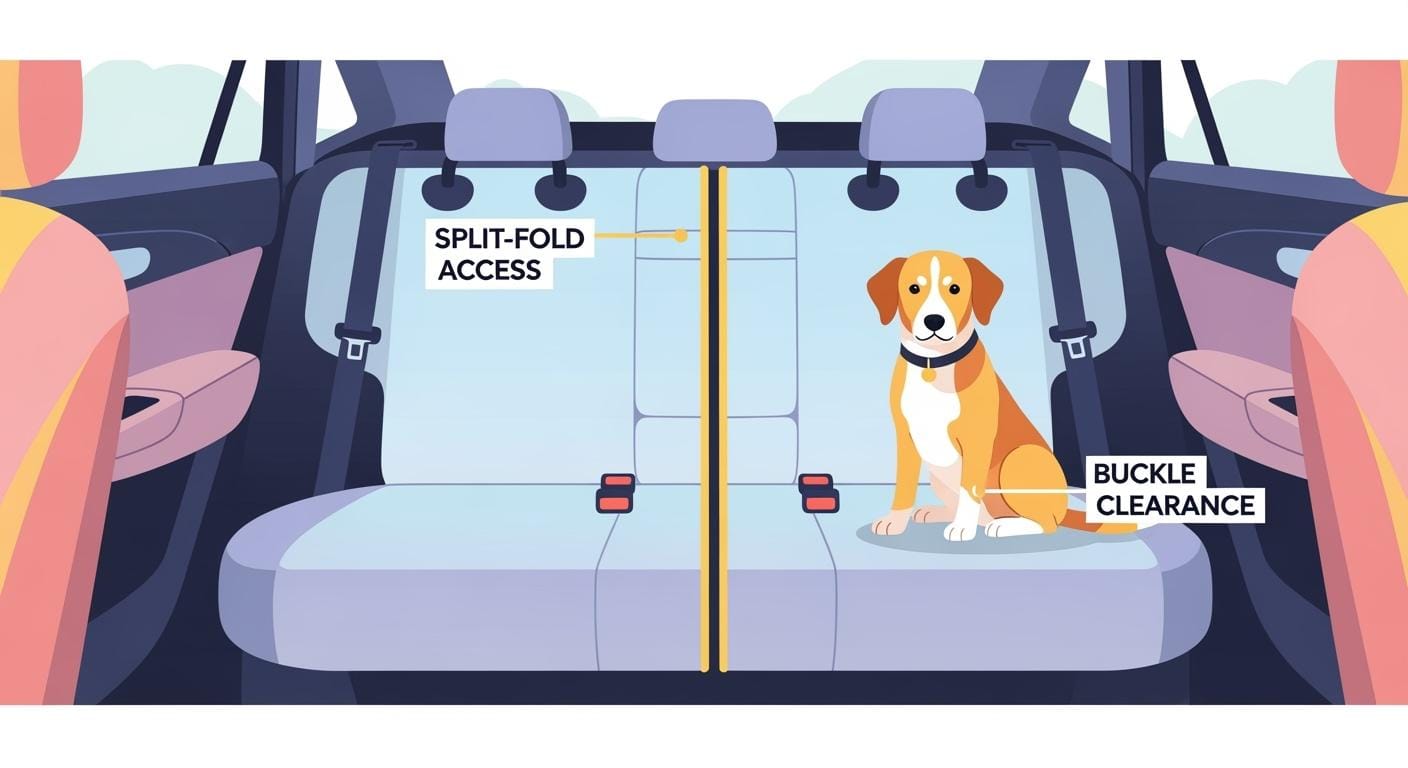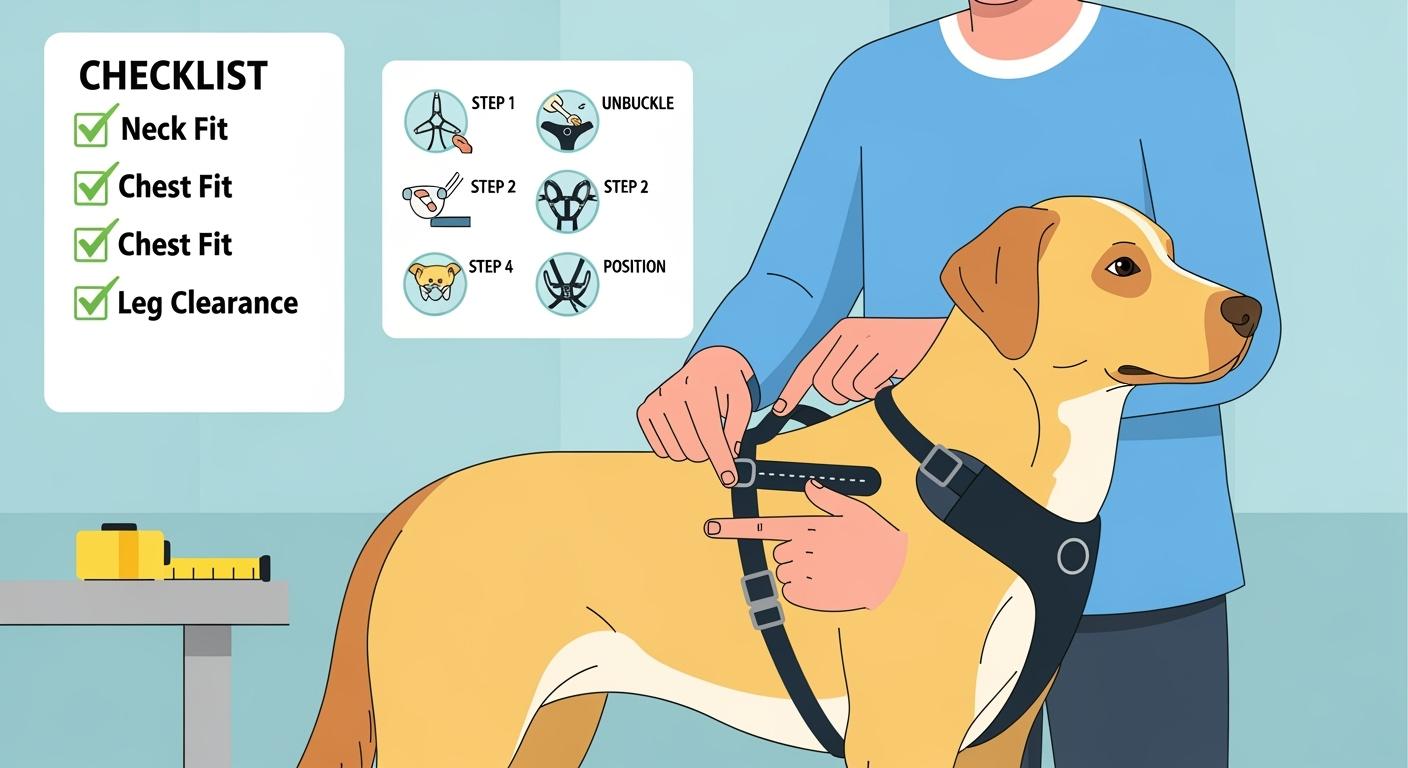
Most problems with a dog harness for dogs come from poor fit or the wrong style, not your dog. You want to know how choosing a harness, measuring, adjusting, and checking fit can help your dog feel safe and comfortable. Use this step-by-step guide to get the right dog harness, whether for a puppy harness or an adult dog.
Key Takeaways: A good fit supports safety and comfort. Check each step to make sure your harness works for your dog.
Follow these steps to give your dog the best experience.
Key Takeaways
A well-fitted harness keeps your dog safe and comfortable. Always check the fit before walks.
Measure your dog’s neck and chest accurately. Use a soft tape measure for the best results.
Choose the right harness style based on your dog’s behavior. Step-in harnesses suit nervous dogs, while overhead styles work for calm ones.
Use the two-finger check to ensure the harness is snug but not too tight. This prevents chafing and discomfort.
Regularly inspect the harness for signs of wear or discomfort. Adjust as needed to keep your dog happy.
Dog harness for dogs benefits and limits
Comfort, control, and training outcomes
When you choose a dog harness for dogs, you want more than just a way to hold the leash. You want comfort, control, and better training results. Animal behaviorists say harnesses help by spreading pressure across your dog’s body. This reduces the risk of tracheal damage and makes walks safer. You also get better control, which helps with dog training harness routines and busy walks. Many owners find a no pull dog harness helps redirect pulling, but only when the fit is correct.
Harnesses distribute pressure evenly.
They lower the risk of throat injury.
You gain more control during walks.
Training becomes easier with the right harness.
A puppy harness can help young dogs learn leash manners early. You should always check that the harness supports your dog’s comfort and movement.
Why fit matters more than padding
You might see harnesses with extra padding or fancy features. However, proper harness fit matters more for safety and comfort. Veterinary studies show that a well-fitted dog harness protects your dog from rubbing, pinching, and escape risks. Padding cannot fix a poor fit. Use the table below to see why fit is key:
Evidence Description | Key Point |
|---|---|
A well-fitted harness is safer and more effective for daily walks. | Proper fit enhances safety. |
Harnesses focus on stress points to prevent discomfort or injury. | Fit prevents injury. |
A harness that fits well lowers the chance of injury. | Fit is crucial for safety. |
Fit and handling matter more than extra options. | Prioritize fit over padding. |
When to pause for pain or fear
You must watch your dog for signs of pain, limping, skin injury, distress, or repeated escape attempts. If you see any of these, stop using the harness right away. Consult a veterinarian for pain or skin issues. Ask a qualified trainer for help with fear, reactivity, or handling safety. No harness is right for every dog. Fit and handling matter as much as design. Always put your dog’s comfort and safety first.
Fit Point | What Good Looks Like | Warning Signs | What to Adjust |
|---|---|---|---|
Armpit Clearance | Straps behind front legs, no rubbing | Redness, hair loss, chafing | Loosen or reposition straps |
Shoulder Freedom | No straps crossing shoulder point, free motion | Limping, stiff walk, resistance | Adjust strap path, check fit |
Overall Fit | Two fingers fit at contact points, no pinching | Pinching, slipping, escape | Adjust for snug, secure fit |
Tip: Always check fit before and after walks. Your dog’s comfort and safety depend on it.
Dog harness types and best fit for each dog
Picking the right dog harness means knowing the main types. Each harness works better for certain dogs. You need a harness that fits your dog’s size and how they act. Some harnesses are better for comfort, control, or fit.
Step-in vs overhead styles
Step-in harnesses let your dog step into them. This is good for dogs who do not like things over their head. You clip the harness around the chest and shoulders. Step-in harnesses are great for puppies and shy dogs. Overhead harnesses go over your dog’s head and buckle around the body. These harnesses can be adjusted more. They work well for dogs who stay calm when getting dressed.
Step-in: Fast to put on, good for nervous dogs.
Overhead: Adjustable, best for dogs who are calm.
Y-front vs straight chest strap
Y-front harnesses have straps that make a Y shape on the chest. This keeps the harness in the right spot and lets shoulders move freely. Straight chest strap harnesses have a strap across the chest. If these harnesses do not fit well, they can change how your dog walks. Vest harnesses often use a Y-front design. They spread pressure evenly and help shoulders move better.
Harness Type | Effect on Gait and Shoulder Movement |
|---|---|
Chest Harness | Bad fit can change how your dog walks after long walks. |
Vest Harness | Spreads pressure evenly, helps shoulders move better. |
A study in 2022 showed that good fit is important for both harness types. This helps stop muscle and bone problems.
Front, back, and dual clip options
Front clip harnesses connect the leash at the chest. This helps stop pulling and gives you more control. Back clip harnesses connect at the shoulders. They are good for dogs who walk calmly. Dual clip harnesses have both options. They help with training and comfort. Pick the clip style that matches how your dog walks and how much control you need.
Harness Type | Advantages | Disadvantages |
|---|---|---|
Dual-Clip Harness | Stops pulling, fits many dogs, good for training | May not fit tiny dogs, bad fit can rub, long use can change walking |
Roman Style Harness | Lets dogs move freely, light and cool | Can rub if not fitted right, not for strong pullers |
Step-In Harness | Easy to put on, good for shy dogs | Not for pull control, can rub |
Harness comparison table: pros, cons, best for
Use this table to compare harnesses and find the best one for your dog.
Harness Option | Pros | Cons | Best For |
|---|---|---|---|
Step-in dog harness | Easy to put on, good for nervous dogs | Not much control for strong pullers | Puppies, shy dogs |
Overhead harness | Can adjust, stays on well | Needs calm dog for head-through | Most adult dogs |
Y-front harness | Helps shoulders move, stays centered | Needs careful sizing | Active dogs, pullers |
Roman style dog harness | Light, lets dogs move freely | Can rub if not fitted right | Calm dogs, daily walks |
Dual-clip harness | Good for training, fits many dogs | May not fit tiny dogs | Strong pullers, training |
Reports say dual-clip harnesses are best for strong pullers. Y-harnesses are good for dogs who pull sometimes. Adjustable harnesses work for dogs with special body shapes. Small or sensitive dogs do best with step-in or Voyager harnesses. Always check fit and control before you pick.
Tip: Try different harnesses to see which one is most comfy and easy to control for your dog.
How to measure for the perfect fit
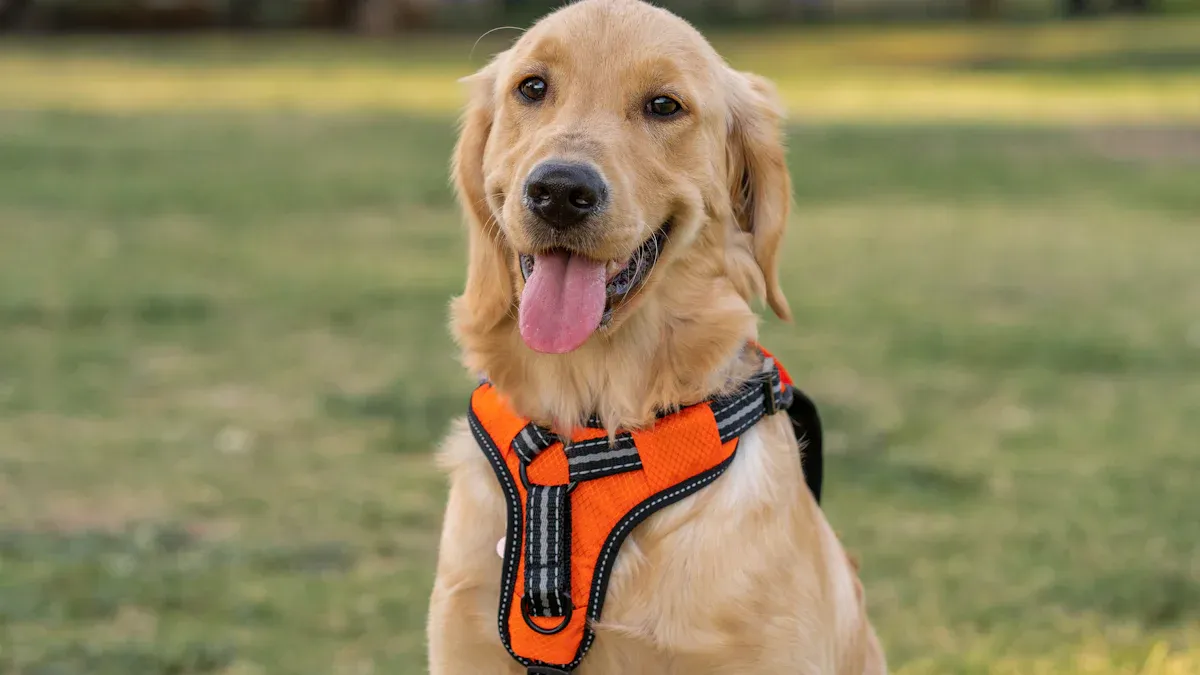
Choosing the right dog harness starts with accurate measurements. You want your dog harness to provide comfort, safety, and an adjustable fit. Follow these steps to measure your dog and select the best harness for your dog’s build and activity level.
Chest and neck measurement points
You need two main measurements for a dog harness: chest girth and neck circumference. Use a soft measuring tape for both. Make sure the tape sits snug to the fur but does not compress it. This helps you avoid false readings and ensures the harness fits well.
Measure the neck where a collar normally sits. Place two fingers between the tape and your dog’s skin for comfort.
Measure the chest at the widest part, just behind the front legs. This is the most important point for sizing.
Measurement Point | Description |
|---|---|
Neck Circumference | Measure around the base of the neck where the collar normally sits. Ensure two fingers can fit between the tape and skin. |
Chest Girth (Most Important) | Wrap the tape around the widest part of the chest, just behind the front legs. This is typically the largest point and determines the main harness size. |
Tip: Write down both measurements before you shop for a dog harness for dogs.
Between sizes and adjustability buffer
If your dog’s measurements fall between two sizes, choose the larger size. You can adjust the harness down for a secure fit. Look for harnesses with an adjustability buffer of 2-4 in (5-10 cm) in the chest area. This buffer lets you fine-tune the fit as your dog grows or changes coat thickness.
Adjustability Buffer | Measurement |
|---|---|
Chest | 2-4 in (5-10 cm) |
Always check for adjustable straps. These help you get a perfect fit and improve comfort.
After adjusting, use the two finger check at all contact points. You should fit two fingers between the harness and your dog’s body without pinching.
Strap width cues by dog size
Strap width affects comfort, durability, and breathability. Wide straps spread pressure and reduce rubbing. Narrow straps suit small dogs but may not offer enough support for larger breeds. Choose strap width based on your dog’s size and activity.
Dog Size | Strap Width (inches) | Strap Width (cm) |
|---|---|---|
Small | 0.6 – 0.8 | 1.5 – 2.0 |
Medium | 0.8 – 1.0 | 2.0 – 2.5 |
Large | 1.0 – 1.5 | 2.5 – 3.8 |
Note: Wider straps often use breathable materials for better comfort and breathability.
Measurement table: what, how, why
Use this table to guide your measurement process and avoid common mistakes.
What to Measure | How to Measure | Why It Matters |
|---|---|---|
Neck Circumference | Tape around base of neck, two finger gap | Ensures comfort and stability |
Chest Girth | Tape around widest chest, behind front legs, snug to fur | Main sizing baseline for harness |
Strap Width | Match to dog size using width table above | Improves comfort, durability, fit |
Adjustability Buffer | Check for 2-4 in (5-10 cm) chest adjustment | Allows fine tuning and coat changes |
Step-by-step blocks for measuring and fitting
Gather a soft tape measure and record your dog’s neck and chest measurements.
Compare your numbers to the harness sizing chart. If between sizes, pick the larger and adjust down.
Select a harness style that matches your dog’s build and activity. Y-front designs suit active dogs. Step-in styles help nervous dogs.
Check strap width for comfort and durability. Wide straps help large dogs. Narrow straps suit small breeds.
Adjust the harness for a snug, secure fit. Use the two finger check at all contact points.
Confirm the harness sits centered and does not twist or rotate during a short walk.
Untwist any straps and check for smooth edges and breathable materials.
Common mistakes and how to avoid them
Mistakes during measurement or fitting can cause discomfort or escape risk. Review this table to avoid problems.
Common Mistake | Consequence | Solution |
|---|---|---|
Straps too tight | Chafing, restricted movement | Loosen, check fit points |
Straps too loose | Harness shifts, escape risk | Tighten, retest fit |
Poor armpit clearance | Redness, fur loss | Adjust angle, add padding |
Harness not centered | Rotation, leash pulls to side | Re-center, adjust straps |
Wrong harness style | Ongoing fit issues | Try different harness design |
Tip: Always check the harness after walks. Look for signs of rubbing or shifting. Adjust as needed for comfort and safety.
A dog harness with breathable materials and strong build supports comfort, durability, and breathability. You want an adjustable fit that keeps your dog safe and happy. Accurate measurement and careful fitting help you achieve the perfect fit for every walk.
Fit checks for comfort and safety
A dog harness for dogs must pass several fit checks before you trust it for daily walks. You want to protect your dog’s safety and comfort, avoid escape risks, and make sure the harness supports control without causing discomfort. Use these steps and checks to confirm a snug but flexible fit every time.
Two finger check and hotspot scan
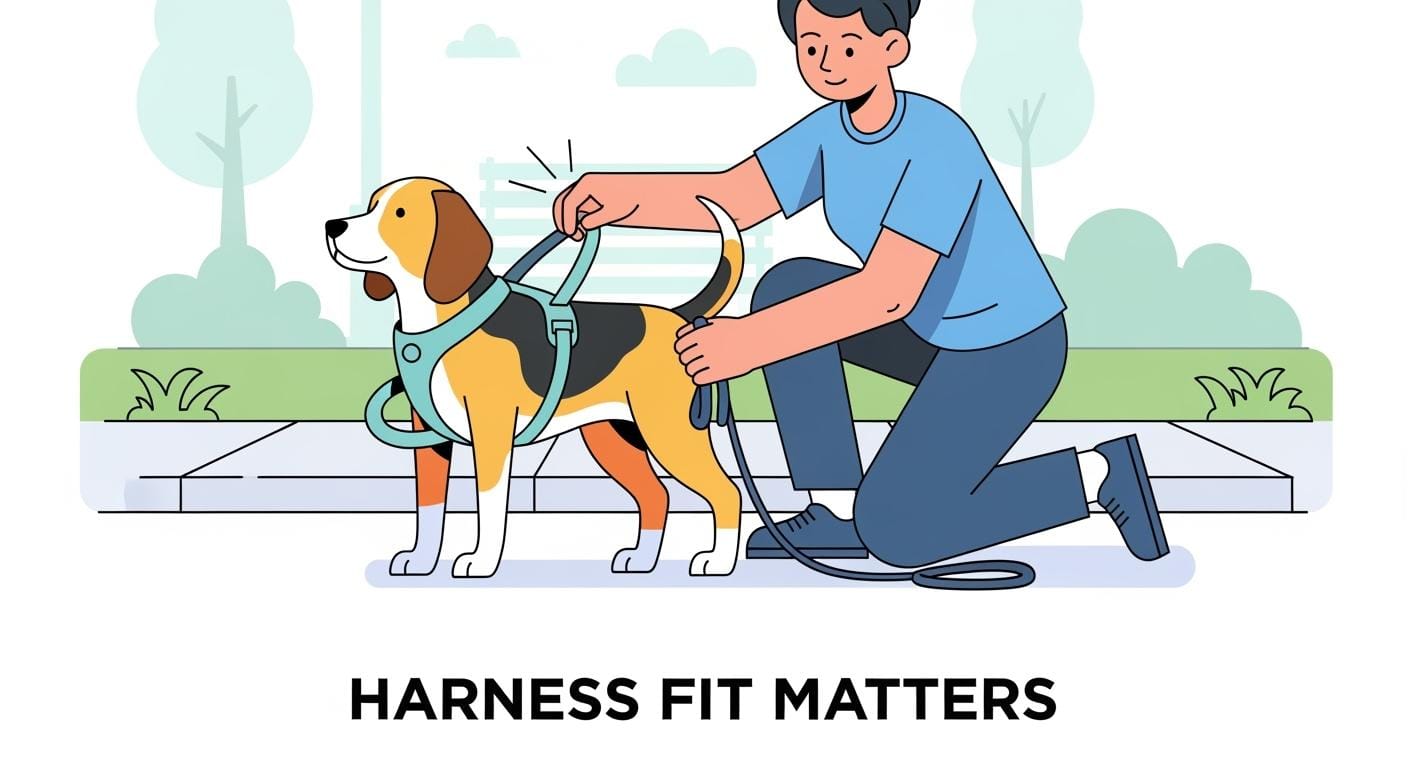
Start with the two finger check. Place two fingers between the harness and your dog’s body at all main contact points. You should feel a snug but flexible fit. The harness should not pinch or dig into the skin. If you cannot fit two fingers, loosen the straps. If you can fit more than two fingers, tighten the harness slightly.
After a short walk, scan for hotspots. Look at the throat, armpits, shoulders, and buckle areas. Check for redness, hair loss, or signs of rubbing. Materials should feel smooth and not cause irritation. If you see any discomfort, adjust the harness or try a different style.
Tip: Always check for hotspots after walks, especially with new harnesses or materials.
Centering and rotation cues
Harness centering is key for overall safety and control. You want the chest area to stay centered while your dog walks, turns, or stops. The leash attachment point should remain in the middle of your dog’s back. If the harness slides toward one shoulder, adjust the side or belly straps. Use these cues to check for proper centering and rotation:
Watch your dog walk in a straight line, then turn and stop.
Check if the harness stays centered on the chest.
Look for the leash clip staying in the middle of the back.
If the harness shifts or rotates, adjust the straps for symmetry.
Materials should allow for movement but not cause twisting.
A harness that rotates or shifts can reduce control and cause discomfort. Fitting the harness correctly helps maintain pressure distribution and keeps your dog safe.
Slip test for escape risk
You need to run a slip test to check for escape risk. Stand behind your dog and apply gentle backward pressure on the harness. The harness should stay secure, and your dog should not slip their shoulders through. If the harness slides off or feels loose, tighten the straps or choose a style with better coverage.
Scenario B: If your dog backs up when startled and the harness shifts, check the centering and slip test again. Choose a harness style with a Y-front or dual clip for better control. Adjust the straps to keep the harness centered without overtightening. Materials with good grip and structure help reduce slip risk.
Note: Never overtighten to prevent slipping. Use style choice, centering, and fit tests to improve safety.
Fit test table: test, pass sign, what to adjust
Use this fit test table to confirm each step and know what to adjust for safety and comfort.
Test | Pass Sign | What to Adjust |
|---|---|---|
Two finger check | Two fingers fit at all contact points | Loosen or tighten straps |
Hotspot scan | No redness, hair loss, or rubbing | Change strap path or style |
Centering check | Harness stays centered during movement | Adjust side or belly straps |
Rotation cue | Leash clip stays in middle of back | Re-center harness, check fit |
Slip test | Harness does not slide off when dog backs up | Tighten straps, change style |
Parameter and Value table
Review this table to understand each fit parameter and why it matters for overall safety and comfort.
Parameter | Target range or option | Why it matters |
|---|---|---|
Chest measurement | widest chest, behind front legs | Primary sizing baseline |
Neck measurement | where collar sits | Comfort and stability cue |
Tape snug rule | snug, no fur compression | Prevents false small readings |
Between sizes rule | choose larger, adjust down | Avoids overtightening |
Adjustability buffer | 2-4 in (5-10 cm) chest range | Fine tuning and coat changes |
Fit check | two finger rule | Reduces pinch and rub risk |
Centering rule | chest stays centered | Flags poor adjustment |
Rotation cue | leash point drifts off center | Flags layout or fit issue |
Hotspot scan | throat, armpit, shoulder, buckles | Catches rubbing early |
Slip test cue | gentle backward pressure check | Signals fit or style change needed |
Strap width cue | 0.6-1.5 in (1.5-3.8 cm) | Comfort feel and durability cue |
Step-by-step blocks for fitting and testing
Put the harness on your dog using the step-in or overhead method.
Buckle all straps and check for symmetry.
Adjust straps for a snug but flexible fit using the two finger check.
Choose the clip option that matches your control needs.
Run the fit tests: two finger check, hotspot scan, centering, rotation, and slip test.
Take your dog for a short practice walk and re-check all fit points.
Adjust materials and straps as needed for comfort and safety.
A dog harness supports safety and comfort when you follow these fit checks. Materials, strap width, and style all play a role in pressure distribution and control. Fitting the harness correctly and running fit tests help you protect your dog’s overall safety and comfort every day.
Decision guide for choosing the right dog harness
Picking a harness means you match it to your dog’s habits. You want your dog to be safe, comfortable, and easy to control. This guide helps you find the best harness for your dog.
Strong pullers and busy walks
If your dog pulls hard or you walk in crowds, you need more control. A no pull dog harness with a front-clip helps stop pulling. Wide, padded straps spread out pressure and protect your dog’s chest. Thin straps and only back clips can make pulling worse. Always check the fit and adjust so it feels snug.
Pick a front-clip harness for better control.
Choose wide, padded straps for comfort.
Stay away from loose fits and thin straps.
Nervous dogs and escape risk
Nervous dogs or escape artists need a harness that stays on. A snug fit keeps your dog safe and comfy. Front-clip harnesses help you guide your dog and make walks calmer. Pressure should go across the chest, not the throat. Avoid harnesses with tight necks or straps that squeeze. Step-in harnesses work well for dogs who dislike things over their head.
Tip: Always do a slip test before walks to check for escape risk.
Sensitive skin and rubbing risk
Dogs with sensitive skin need soft, gentle materials. Neoprene and polyester mesh are cushioned and let air through. Avoid harnesses with rough edges, heavy parts, or straps that rub. Fleece or flannel feels soft but can get hot, so use these in cool weather. Nylon and polyester last long but may rub if not padded.
Material | Benefits | Drawbacks |
|---|---|---|
Neoprene | Soft, gentle, dries fast | Good for sensitive skin |
Polyester Mesh | Light, lets air through | Not for strong pullers |
Nylon/Polyester | Tough, easy to clean | Can rub without padding |
Fleece/Flannel | Warm, soft | Gets hot |
Decision table: dog profile, best features, what to avoid
Use this table to match your dog’s type to the best harness features and see what to skip.
Dog Profile / Context | Best Harness Features | What to Avoid |
|---|---|---|
New Puller, Busy Area | Front-clip, snug fit, wide padded straps | Loose fit, back-clip only |
Reactive or Sudden Changes | Front-clip, easy adjust, pressure spread | Tight neck, squeezing straps |
Outdoor/Long Walks, Strong Puller | Wide, padded front-clip, adjustable straps | Thin straps, poor adjusting |
Small Breed | Light, padded, step-in style | Heavy, bulky parts |
Flat-Faced Breed | Soft harness, wide chest padding | Narrow straps, chest pressure |
Sensitive Skin | Neoprene, mesh, soft edges | Rough edges, heavy parts |
When you pick a harness, think about your dog’s size, skin, and how active they are. Always measure your dog’s chest and neck, pick the right size, and use the two-finger fit check. Try different harness styles, like roman or step-in, to see what works best for your dog training harness routine. The right harness helps keep your dog safe, comfy, and easy to control every day.
Common harness mistakes and quick fixes
Mistakes with a dog harness can cause discomfort or even safety risks. You can spot and fix most problems with a few simple checks. Here are the most common issues and how you can solve them fast.
Overtightening to stop slipping
You might think tightening the harness will stop it from slipping. This often leads to new problems. When you overtighten, the harness presses too hard on your dog’s body. This can cause chafing, sore spots, and even make it hard for your dog to move or breathe. Always use the two finger check. If you cannot fit two fingers under the straps, loosen them. A snug fit is best, not a tight one.
Wrong strap angle and chafing
Strap angles matter for comfort. If straps press into the throat or armpits, your dog may cough, limp, or show redness. Make sure the chest strap sits below the throat and the side straps clear the armpits. Adjust the harness so it follows your dog’s body shape. For step-in or roman harnesses, check that straps do not cross the shoulder or rub under the legs.
Scenario A: The harness looks fine indoors but rubs after a walk. Check the strap angles and armpit clearance. Adjust the order you tighten straps. Start with the chest, then the sides, and finish with the belly. This helps prevent hotspots.
Clip choice and handling style
The clip you use changes how the harness works. A front clip helps with control during dog training harness sessions. A back clip works well for calm walks. If you use the wrong clip or pull at an angle, the harness may twist or shift. Always match your handling style to the harness design.
Common cause table: cause, result, fix
Common Cause | What It Leads To | What To Do Next |
|---|---|---|
Overtightened straps | Chafing, restricted movement | Loosen straps, use two finger check |
Wrong strap angle | Rubbing, hotspots, limping | Adjust angle, check armpit clearance |
Harness not centered | Shifting, uneven pressure | Re-center, adjust side straps |
Wrong clip use | Twisting, loss of control | Use correct clip for your walk |
Straps twisted or uneven | Pressure points, discomfort | Straighten straps before each walk |
You can keep your dog comfortable and safe by checking these points before every walk. Small adjustments make a big difference in harness fit and comfort.
Retail and wholesale notes for dog harness assortments
Product page language and fit checks
When you make a product page for dog harnesses, use clear words. This helps buyers pick the right harness. Talk about safety and comfort, but do not promise too much. Show how adjustable straps and comfort designs help the harness fit well. Do not say the harness gives crash protection. Tell buyers to measure their dog’s chest and neck before buying.
Use easy words to talk about the harness build and materials.
Show step-in and roman harnesses with clear pictures.
Tell buyers to check fit by letting the dog walk, sit, and turn in the harness.
Give simple steps for putting on step-in harnesses and adjusting straps.
Remind buyers to look for smooth edges and soft materials for dogs with sensitive skin.
Tip: Add a fit check section to your page. This helps buyers avoid returns and keeps dogs comfy.
Spec checklist: adjustability, edges, hardware
You should sell harnesses that are strong and last a long time. Use this checklist when you look at your harnesses:
Straps that adjust 2-4 in (5-10 cm) for chest fit
Straps and padding with smooth, finished edges
Strong stitching at stress points for better strength
Hardware that does not rust
Mesh that lets air through or soft padding for comfort
Step-in and roman styles with easy buckles
Materials that are tough and let air through
Good build that lasts through daily use and washing
A strong harness with good materials helps stop rubbing and makes the harness last longer.
Return reduction: sizing script and fit checklist
You can get fewer returns if you give buyers a simple sizing and fit guide. Tell buyers to measure their dog’s chest and neck before they order. If the size is between two, pick the bigger one. Give a step-in harness guide with pictures.
Remind buyers to use the two finger check at all spots.
Suggest a short walk to see if the harness stays in place and does not twist.
List common fit problems and how to fix straps or try a new style.
Tell buyers to check for smooth materials and good airflow after each use.
A clear checklist helps buyers get the right fit and lowers returns.
OEM and ODM explainer
You might see OEM and ODM when you buy harnesses. OEM means the harness is made for your brand with your choices. ODM means you pick from ready-made step-in or roman harnesses and add your brand. Both ways let you sell harnesses that are strong, comfy, and let air through.
You want your dog to enjoy every walk. A perfect fit gives your dog safety and comfort. Use the step-by-step checks and tables in this guide to help you choose and adjust a harness. A well-fitted harness supports your dog’s safety and makes walks more fun. Check the harness often as your dog grows or changes. Start today and see the difference for your dog.
FAQ
How do I know if my dog’s harness fits correctly?
You should fit two fingers between the harness and your dog’s body at all contact points. The harness should not pinch or slip. Watch your dog walk and check for rubbing or shifting.
What should I do if my dog tries to escape the harness?
Check the fit using the slip test. Tighten the straps slightly if needed. Choose a harness style with a Y-front or extra coverage for escape-prone dogs. Always supervise your dog during walks.
Can my dog wear a harness all day?
You should use the harness for walks and training only. Remove it at home or during rest. This prevents rubbing, hotspots, and lets your dog’s skin breathe.
How often should I check the harness fit?
Check the fit before every walk. Dogs grow, gain, or lose weight. Adjust the harness as needed. Look for signs of discomfort or shifting after each use.
What is the best harness for a puppy?
Pick a lightweight, adjustable harness with soft materials. Step-in styles work well for puppies who dislike things over their head. Always measure your puppy and check the fit as they grow.