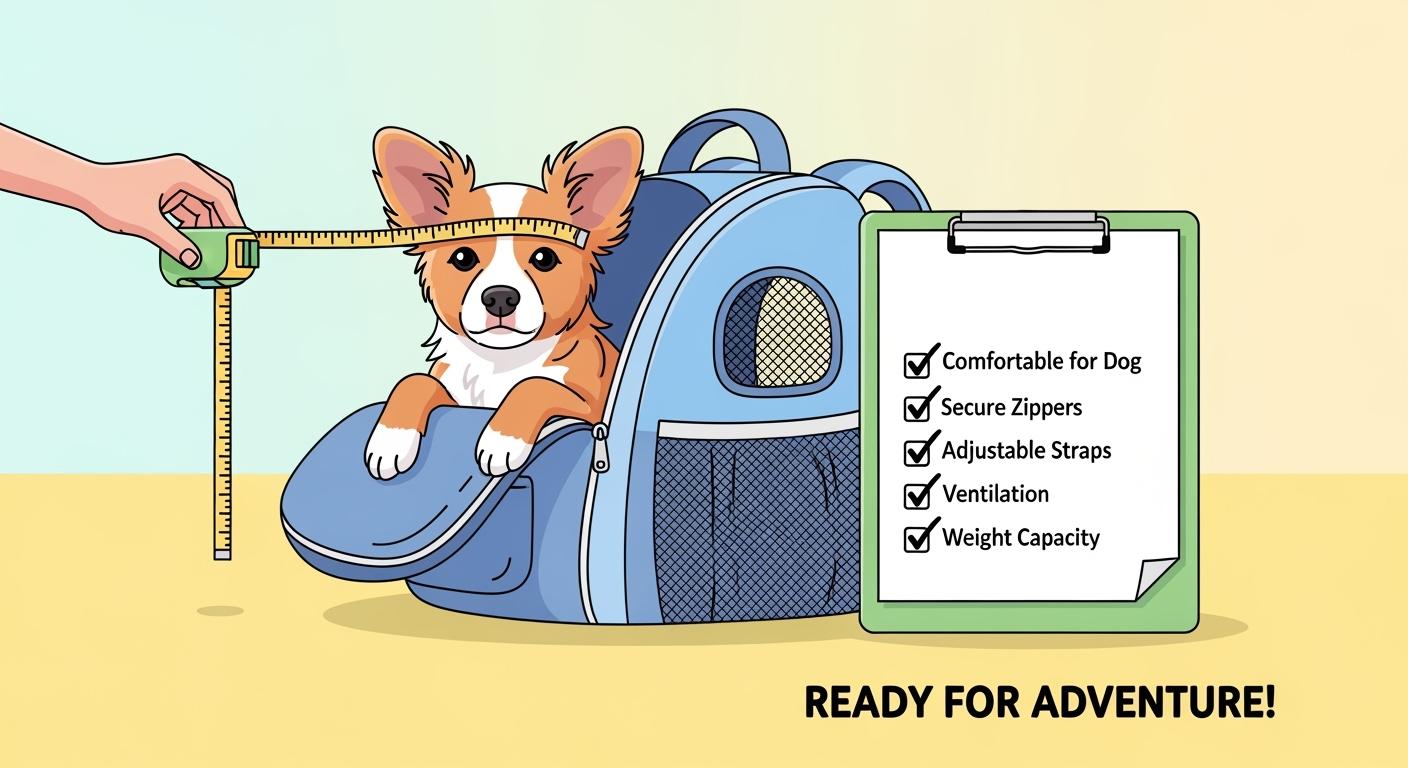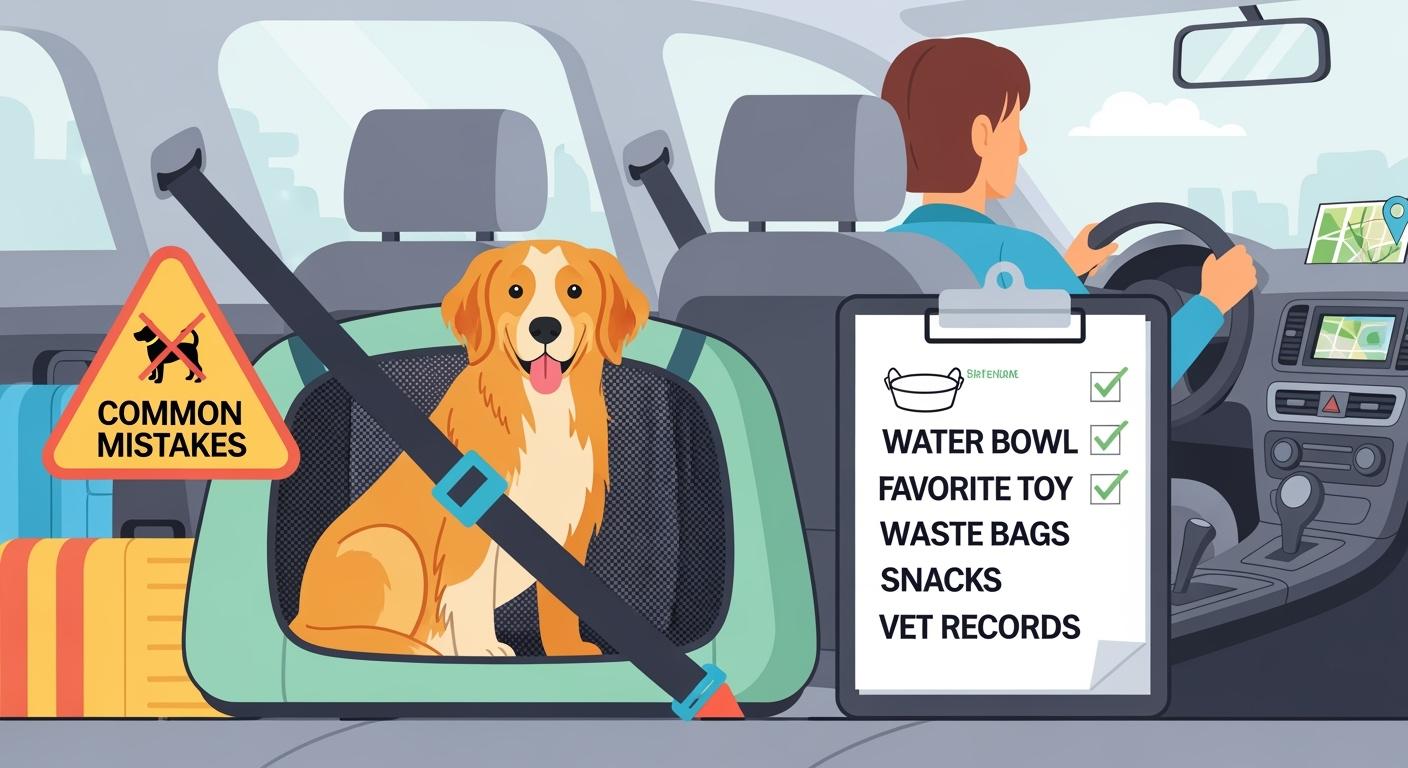
A dog carrier tote bag gives your dog comfort and safety when you set it up correctly. You should check the posture of your dog, make sure all closures are secure, and look for signs of stress or discomfort. Small changes help your dog feel better each day.
Tip: Watch your dog’s behavior. If your dog seems uneasy, adjust the carrier right away.
Key Takeaways
- Look at how your dog sits in the carrier. Make sure their chest has support and their back is straight. This helps your dog not feel pain.
- Always check if the closures are strong before you travel. Use zippers to keep things safe. Clip the harness inside to protect your dog.
- Watch your dog’s actions during trips. If your dog seems stressed, stop and fix the carrier. This will help your dog feel better.
Dog carrier tote bag setup for comfort and safety
Supported posture and stable positioning
Check your dog’s posture each time you use the dog carrier tote bag. Supported posture means your dog sits up straight. The chest and spine should line up. Stable positioning stops your dog from twisting or hanging. A good fit does not mean extra space. It means your dog’s body stays steady and supported.
Definition of Good Fit:
A good fit keeps your dog’s chest and body in place. Your dog should not slump, twist, or hang down. If your dog looks uncomfortable, adjust the carrier or pick a better size.
Pass/Fail Mini-Checklist:
- Your dog sits up with chest supported.
- Your dog’s spine stays straight.
- Your dog does not slump or twist.
- If any fail, stop and fix it.
Buyer Verification Checklist
| Check area | What to verify | Why it matters | Customer-facing wording |
|---|---|---|---|
| Posture | Dog sits upright, chest supported | Prevents back strain and discomfort | “Check your dog’s posture for upright support.” |
| Stability | Carrier base is rigid and flat | Keeps dog from tipping or slumping | “Make sure the base stays flat and firm.” |
| Weight distribution | Dog’s weight spreads evenly | Avoids pressure points and injury | “Feel for even weight across the carrier.” |
| Ventilation | Mesh panels are open and unobstructed | Prevents overheating during travel | “Check airflow for your dog’s comfort.” |
| Attachment points | Internal harness clip secures dog | Stops sudden escapes during travel | “Clip harness securely inside the carrier.” |
Ergonomic features worth checking
| Ergonomic Feature | Description |
|---|---|
| Neutral Spinal Alignment | Helps support a neutral spine, especially for dogs prone to back discomfort. |
| Structural Base Rigidity | Helps your dog stay steady and supported during carry. |
| Proper Weight Distribution | Helps reduce pressure points from uneven loading. |
| Ventilation | Supports airflow to help reduce overheating risk. |
| Emotional Comfort | Supports calmness by keeping the ride steady and familiar. |
Stable positioning in a dog carrier lowers the chance of injury. Even weight spread means less pressure on your dog’s body. Full-body support keeps your dog’s posture steady and helps avoid injury when traveling. Good airflow helps control temperature, which is important for older dogs. Hands-free mobility lets you walk safely without holding your dog.
| Feature | Benefit |
|---|---|
| Even weight distribution | Lowers pressure on one spot of your dog’s body. |
| Full-body support | Keeps your dog’s posture steady and lowers injury risk during travel. |
| Better airflow | Helps keep your dog cool, especially for older dogs. |
| Hands-free mobility | Lets you move safely without holding your dog in your arms. |
Secure closures and attachment points
Check all closures before every trip. Zippers stop escapes best. Snaps and Velcro are okay but not as strong. Always test how strong the closures are. Make sure your dog cannot push through any opening.
| Type of Closure | Effectiveness in Preventing Escapes |
|---|---|
| Zipper | High |
| Snap | Moderate |
| Velcro | Moderate |
Attachment points make travel safer. Internal harness clips keep your dog inside and stop sudden jumps. Adjustable shoulder straps spread weight evenly, making it more comfortable and safe. Some carriers have reflective strips so you can see them at night.
- Internal harness clips keep your dog safe and stop escapes.
- Adjustable shoulder straps spread weight for comfort.
- Reflective strips help you see the carrier at night.
Tips:
Clip the inside tether to your dog’s harness, not the collar. This stops choking and keeps your dog safe when you travel.
Prevent slumping and tipping
Slumping and tipping can hurt your dog and make them uncomfortable. Check for these problems every time you use the dog carrier tote bag. Wide, padded straps spread out pressure for comfort. Reinforced handles stop stretching and lower strain. A strong base keeps the carrier’s shape and stops sagging.
| Design Feature | Recommendation | Purpose |
|---|---|---|
| Wide, padded straps | At least 1.5 inches wide | Spreads pressure for comfort |
| Reinforced handles | Prevents stretching | Lowers strain on your hands |
| Structured base | Keeps shape | Stops sagging and uneven weight |
Troubleshooting Table
| Issue | Likely cause | Fix now | Prevent next time |
|---|---|---|---|
| Dog slumps | Base too soft or too big | Add a firm insert or adjust size | Pick a carrier with a strong base |
| Dog tips sideways | Uneven weight or loose straps | Adjust straps and balance load | Use adjustable straps and check balance |
| Dog escapes | Weak closure or no harness | Secure closure and use harness | Test closures and harness before travel |
| Dog overheats | Poor ventilation or blocked mesh | Open mesh panels and remove inserts | Pick a carrier with good airflow |
| Dog refuses carrier | Uncomfortable fit or odor | Adjust fit and clean inside | Use a familiar blanket and check fit |
Copy-ready warnings for buyers
- Stop if your dog slumps or twists in the carrier.
- Never use a carrier with broken zippers or weak closures.
- Do not block mesh panels or air holes.
- Avoid carriers with sagging bases or uneven weight.
- Always use a harness clip to keep your dog safe.
- Check for stress or overheating before you travel.
- Adjust straps if your dog tips or leans.
- Replace carriers with worn handles or straps.
- Test closure strength before every trip.
- Pause if your dog looks uncomfortable or will not go in.
Quick pre-leave checklist
Follow this checklist before every trip. This keeps your dog safe and comfy in the dog carrier tote bag. Stop signs tell you when to fix something or stop.
Customer Checklist + Stop Signs
- Put your dog’s favorite blanket or toy in the carrier.
- Check posture: upright, chest up, spine straight.
- Test all closures: zippers, snaps, Velcro.
- Clip the harness clip to your dog’s harness.
- Check airflow: mesh panels open, nothing blocking them.
- Adjust straps for even weight and comfort.
- Smell inside for bad odors; clean if needed.
- Pack a water bowl, treats, and travel papers.
- Stop if your dog slumps, twists, or looks stressed.
- Stop if closures break or the carrier tips.
Dog carrier handling for calm and control
Safe lifting and transitions
You need to lift the carrier with care to protect your dog and yourself. Always use both hands when picking up the carrier. Hold the base steady and keep your dog close to your body. This method gives your dog support and keeps the carrier balanced. When you move through doors, curbs, or stairs, pause and check your grip. Make sure the carrier stays upright. If your carrier has wide, padded straps, adjust them so the weight spreads evenly. This design helps prevent strain on your shoulders and back. Use a harness clip inside the carrier for extra safety during transitions. If you use dog backpack carriers, check that the straps fit snugly and the base stays flat. These features of dog carriers help keep your dog secure during travel.
Managing leash and tote together
Handling a leash and a tote is easiest when the carrier stays stable and your leash hand stays free. Keep the tote close to your body so it doesn’t swing into your dog or bump door frames.
Try these quick adjustments before you step into busy sidewalks, stairs, or doorways:
- Shorten the tote strap so the bag rides higher and stays upright.
- Keep the leash on the opposite side of the tote strap to reduce tangles.
- Use a second leash handle (traffic handle) for close control near crowds.
- Pause and reset if the bag starts tipping or your dog shifts weight suddenly.
When you walk with your dog, keep the leash short and close to your body in tight areas. This helps prevent sudden pulls while you’re carrying the tote.
Handling crowds and sudden noises
Crowded places and loud sounds can stress your dog during travel. Watch for signs like yawning when not tired, lip or nose licking, panting without heat or exercise, ears pinned back, tail tucked, avoiding eye contact, trying to hide, or whining. If you see these signs, move to a quieter spot and keep the carrier steady.
Simple resets that usually help:
- Hold the tote close to your body so it doesn’t swing.
- Keep mesh panels open and unobstructed so your dog can cool down.
- Use a familiar blanket or toy inside to reduce stress.
- Practice short, calm carries at home so your dog builds confidence before busy trips.
Good ventilation and a steady carry reduce stress. Make sure mesh panels are open and nothing blocks airflow.
When to pause or reset
Sometimes you need to stop and reset. If your dog shows stress, slumps, or tries to escape, pause right away. Take your dog out of the carrier and let them rest. Check the carrier for fit, ventilation, and secure closures. Adjust the straps or base if needed. If you use dog backpack carriers or a travel crate, make sure the size fits your dog and the design supports their body. Hard-sided dog carriers give extra protection in busy places. Always check the quality of the carrier before buying or using it for travel. Good design and proper size help your dog feel safe and supported.
Note: Watch your dog’s behavior during every outing. Quick action keeps your dog safe and comfortable. Use these tips to make every travel experience better for both you and your dog.
Common mistakes with dog carrier tote bags
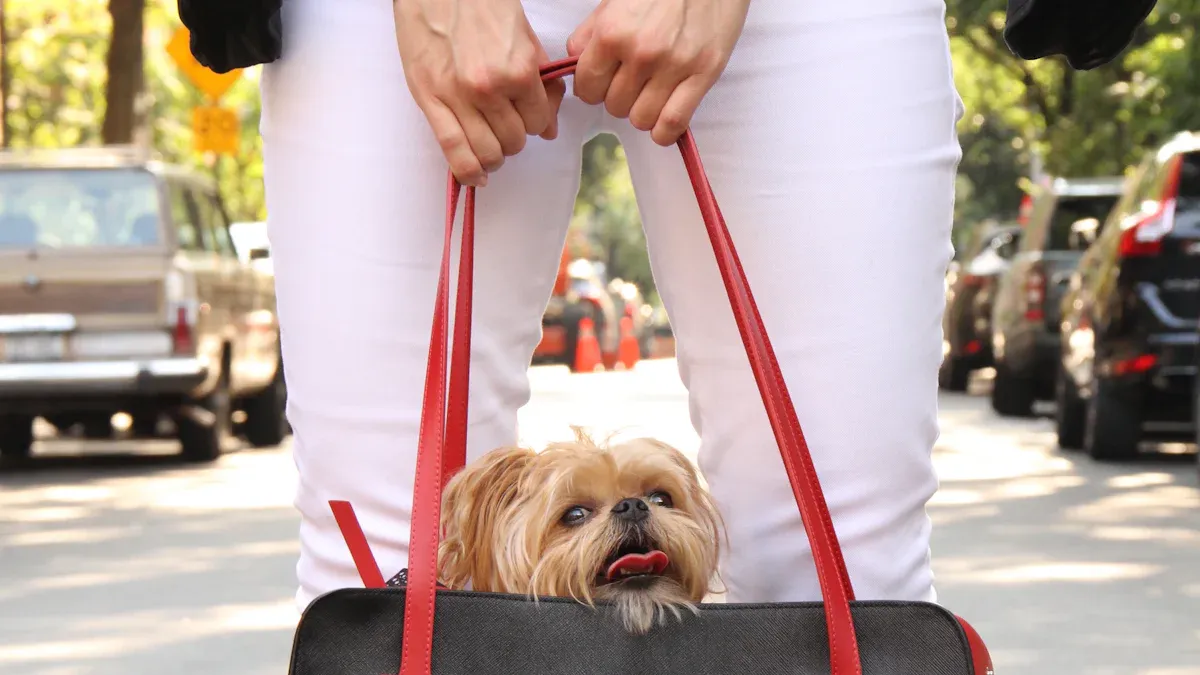
Poor posture and pressure points
Sometimes your dog slumps or twists in the carrier. This can happen if the carrier is not the right size. A weak base also causes problems. Dogs need a carrier that keeps their chest up and spine straight. If you use a regular bag, it might not fit your dog well. Pressure points show up when the base sags or straps press into your dog. Always look for signs that your dog feels uncomfortable before you travel.
- Common posture mistakes:
- Picking a carrier that is too big or too small.
- Forgetting to use a strong base.
- Using dog backpack carriers without enough support.
Escape risks at openings
Dogs can get out if closures break or are too loose. You should check zippers, snaps, and Velcro every time you travel. If you skip checking, your dog might escape. Clip the harness inside the carrier for extra safety. Dogs can push through weak closures, especially when you move the carrier.
Tip: Try all closures and clips before you leave. Use the harness clip inside to keep your dog safe.
Heat and airflow issues
Dog carriers need good ventilation. Bad airflow can make your dog too hot or stressed. Dogs cool off by panting, so they need air in the carrier. Not enough airflow makes the inside hot and damp. This can be dangerous and uncomfortable. The American Veterinary Medical Association says poor ventilation is risky, especially in hot weather. Always check mesh panels and do not block them with thick inserts.
- Ventilation mistakes:
- Picking a carrier for size, not airflow.
- Covering mesh panels with blankets.
- Using carriers that do not have enough airflow.
Quick fixes and troubleshooting table
You can fix most problems with easy changes. Check the table below for fast solutions.
| Mistake | Quick Fix | Prevention Tip |
|---|---|---|
| Poor posture | Change base or size | Pick a carrier with support |
| Pressure points | Add padding or fix straps | Use wide, padded straps |
| Escape risk | Close all zippers and use harness | Test closures before travel |
| Overheating | Open mesh panels, take out inserts | Pick a carrier with airflow |
| Humid microclimate | Let air in, dry the liner | Do not block ventilation |
Note: Watch your dog in the dog carrier tote bag. Small changes in design or size can help your dog feel safe and comfortable when you travel.
FAQs for dog carrier tote bag comfort and security
Dogs not suited for tote carry
Some dogs do not feel comfortable in a tote. Large breeds, dogs with breathing issues, or those with joint pain may not do well in a carrier. If your dog shows signs of stress, such as heavy panting or trying to escape, you should consider other options. Puppies that cannot sit still or senior dogs with special needs may need a different type of support during travel.
Sizing and fit issues
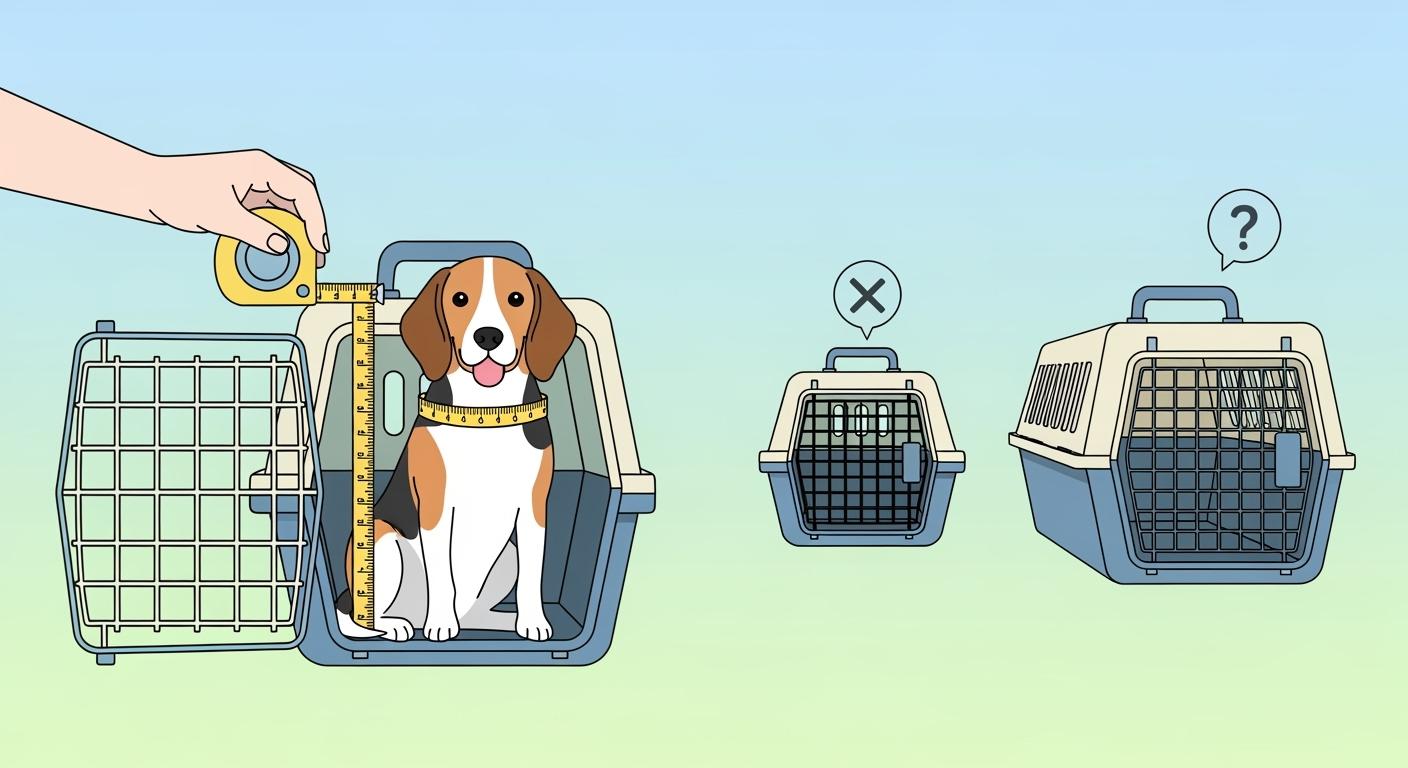
Choosing the right size keeps your dog safe and happy. You want a carrier that supports your dog’s chest and spine. The table below helps you match your dog’s weight and size to the best carrier dimensions for daily travel.
| Dog Weight (lbs) | Recommended Length (in) | Recommended Height (in) | Chest Girth (in) | Common Breeds |
|---|---|---|---|---|
| 4-7 | 14-16 | 10-11 | 12-14 | Chihuahua, Pomeranian |
| 8-12 | 17-19 | 12-13 | 15-17 | Toy Poodle, Yorkshire Terrier |
| 13-18 | 20-22 | 14-15 | 18-20 | Miniature Schnauzer, Cavalier King Charles Spaniel |
A good fit means your dog sits upright, with no slumping or twisting. Comfort depends on your dog’s size, back length, and how they like to rest during travel.
Reducing anxiety and escape attempts
You can help your dog feel calm in the carrier. Place a familiar blanket or toy inside. Reward your dog with a treat about one second after entering the carrier. Speak softly and keep the carrier steady during travel. Always use the internal harness clip to prevent escape. Watch for signs of stress and pause if your dog seems anxious.
Cleaning and scent tips
Clean the carrier often to keep it fresh for your dog. Use easy-clean liners and let them dry fully. Keep one familiar item inside so your dog feels secure, and replace it if it gets damp or smelly.
You help your dog stay safe and comfortable when you check posture, fit, and security before every outing. Use the checklist and troubleshooting table often. Watch your dog’s signals and adjust as needed.
- Consult a veterinarian for carrier advice.
- Start with short carries to help your dog adjust.
- Make sure the carrier fits your dog’s size and weight.
- Check for good ventilation and built-in tethers.
- Review your dog’s setup every few months.
Your dog depends on you for a safe travel experience. Evaluate your dog carrier tote bag today and make changes for your dog’s well-being.