When you pick a dog bed outdoor elevated, look at six things for your dog’s safety and comfort. Check real sleep posture. Make sure your dog can get on and off easily. Look for strong stability. Check for slip control. Make sure the fabric tension is safe. See if it can last outdoors. Always follow local rules. Talk to your veterinarian if you have any dog health worries.
Key Takeaways
- Choose a dog bed that fits your dog’s real sleep posture. Measure your dog from nose to tail and add extra space for comfort.
- Ensure the bed is stable and does not wobble. Test the frame by pushing down on each corner to confirm it stays firm.
- Look for non-slip features to keep the bed in place on various outdoor surfaces. This helps your dog feel secure when getting on and off.
What Is a Dog Bed Outdoor Elevated
Elevated vs Ground Beds: Airflow and Comfort
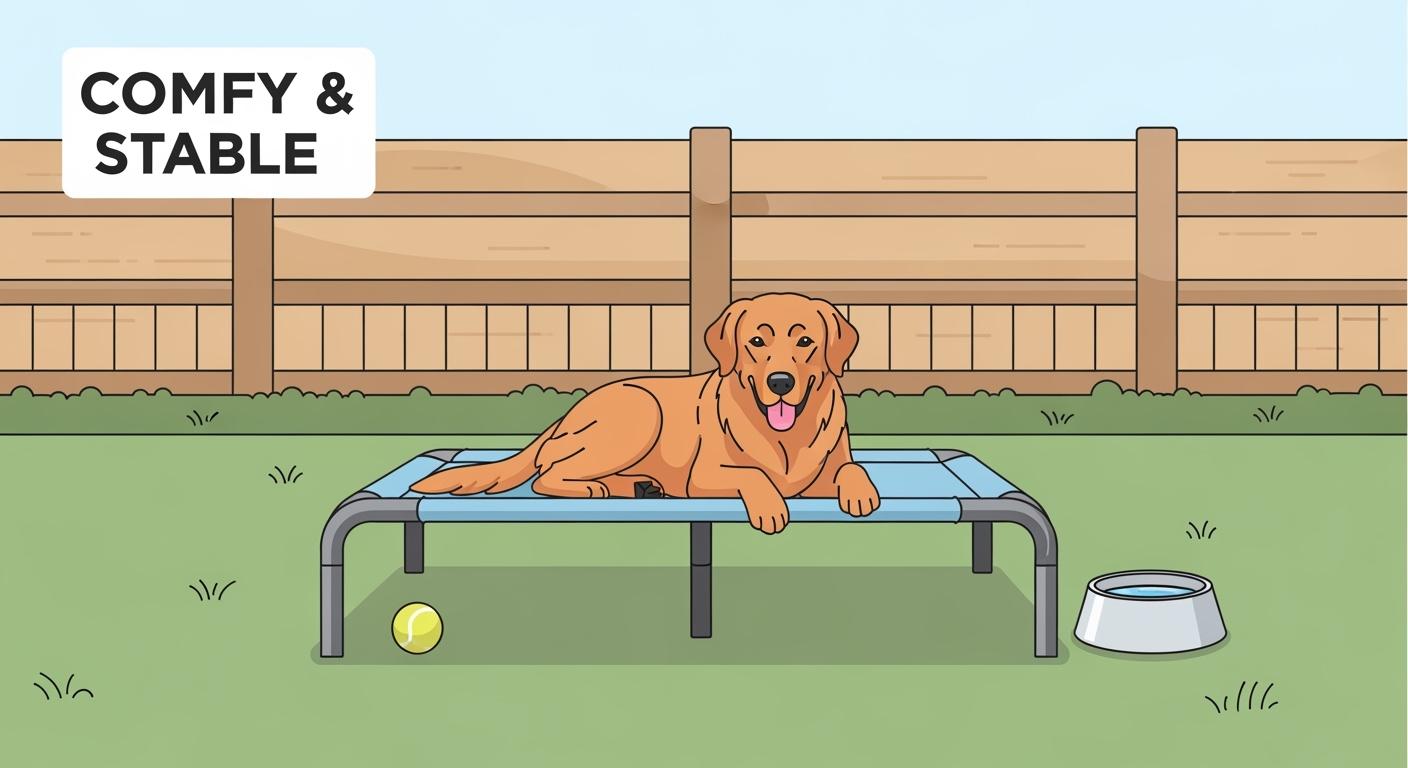
You want your dog to stay cool and comfortable during outdoor adventures. Elevated beds raise your dog above the ground. This design lets air flow under your dog, which helps prevent overheating. The raised platform keeps your dog away from hot surfaces. Mesh fabric on many elevated beds allows for evaporative cooling. Your dog can lounge outside without feeling the heat from the ground. Sturdy construction supports larger and energetic dogs. Platform-style beds work well for outdoor lounging in warm weather.
- Raised design enhances airflow for your dog.
- Mesh fabric helps cooling and prevents heat buildup.
- Sturdy frame supports your dog during active play.
When Elevated Beds Are Not Ideal: Mobility and Chewing
Some dogs may not benefit from elevated beds. Older dogs or dogs with injuries may struggle to climb onto a raised bed. Thin mesh does not give enough cushioning for dogs with joint pain. Heavy chewers may damage the fabric or frame. Beds can sag over time, which reduces support for your dog. Cold weather can expose your dog to drafts under the bed.
| Disadvantage | Explanation |
|---|---|
| Lack of cushioning | Thin mesh does not relieve pressure, which can stress your dog’s joints. |
| Sagging over time | Fabric stretching lowers support and affects your dog’s spinal alignment. |
| Accessibility challenges | Older or injured dogs may find it hard to climb onto the bed if it is high or unstable. |
| Cold exposure | Open underside exposes your dog to drafts, which can worsen joint pain in cold weather. |
Outdoor Use: Heat, Surfaces, and Camping Gear
You need to protect your dog from heat and rough surfaces during outdoor trips. Elevated beds help airflow, but you must provide shade and fresh water. Avoid letting your dog rest on hot surfaces for long periods. Choose a bed that dries quickly after wet use. Make sure the bed fits your dog’s real sleep posture. Always check for stable footing and safe fabric tension. Your dog’s comfort and safety come first. For a deeper breakdown of size, support, and weather-ready features, use the guide to sanity-check materials and outdoor setup.
Safety Tip: Always follow local rules and consult your veterinarian for any dog health concerns.
Pre-Buy Checklist for Fit and Stability
Choosing a dog bed outdoor elevated means you need a clear checklist. You want your dog to stay safe, comfortable, and supported on every trip. Use this checklist to guide your decision and make sure your dog camping gear checklist covers all the essentials for dog camping.
Measuring for Real Sleep Posture
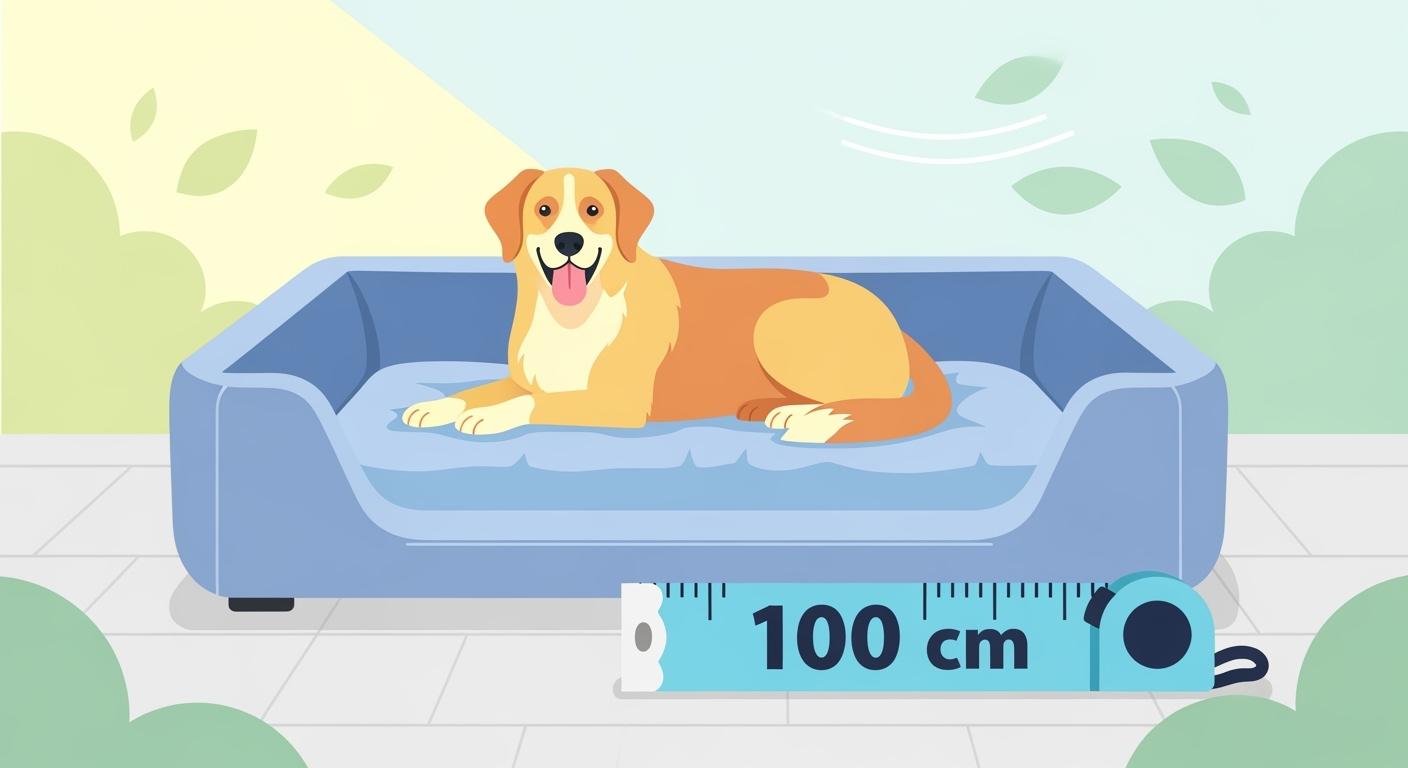
You should check if your dog can stretch out fully on the bed. Dogs sleep in many positions. Some curl up, but many sprawl or turn before settling. Measure your dog from nose to tail when lying flat. Add a few inches for turning space. This ensures your dog does not hang off the edge or feel cramped.
Outdoors, your dog needs space to move and adjust. A bed that fits real sleep posture prevents sore joints and keeps your dog comfortable. Lay a towel on the floor and watch your dog sleep. If your dog fits, the bed will fit too. If your dog hangs off, choose a larger size or switch to a travel mat for more room.
Access and Height: Easy Step-On for All Dogs
You want your dog to step on and off the bed without trouble. Height and access design matter for every age and size. Elevated beds help airflow and keep your dog off the ground, which is great for large breeds. Small or older dogs may struggle with high beds. Puppies and active dogs need safe access to prevent falls.
- Non-slip ladders or ramps help dogs with limited mobility.
- Guardrails and non-slip feet add safety for all dogs.
- Lower beds work best for seniors or small breeds.
Test by asking your dog to step on the bed. If your dog hesitates or slips, lower the bed or add a ramp. If your dog cannot access the bed safely, consider a foam or travel mat.
Stability: Wobble and Tip Resistance
You want a stable bed that does not wobble or tip. Push down on each corner. The frame should stay firm and not shift. A stable frame supports your dog during sleep and play. Outdoor surfaces can be uneven, so stability matters even more.
If the bed wobbles, check the frame joints. Tighten any loose parts. Move the bed to a flat spot. If you cannot fix the wobble, switch to a bed with a wider base or non-slip feet.
Slip and Surface Control: Non-Slip Features
You need a bed that stays in place. Outdoor surfaces like grass, sand, or wood decks can be slippery. Non-slip feet or rubber grips keep the bed from sliding. Your dog should feel secure when jumping on or off.
Test by pushing the bed sideways. If it slides, add non-slip pads or place it on a mat. If the bed still moves, choose a model with better grip or use a travel mat for more control.
Fabric Tension and Snag Safety
You want the fabric to stay tight and smooth. Loose fabric sags and reduces support. Snagged edges or sharp hardware can hurt your dog. Look for smooth seams and tight fabric. Strong side rails and non-slip feet prevent falls and keep the bed stable.
Check for loose threads or gaps. Run your hand along the edges. If you find snags or sharp spots, trim them or cover with tape. If the fabric sags, tighten it or replace the cover. If you cannot fix the problem, switch to a foam bed for better comfort and padding.
Outdoor Durability and Quick Drying
You need a bed that handles wet weather and dries fast. Outdoor use exposes beds to rain, dew, and mud. Choose materials that resist moisture and dry quickly. Inspect for frayed stitching or loose corners. These can invite chewing and reduce durability of materials.
Test by spraying water on the bed. If it dries fast and stays firm, it is ready for outdoor use. If it stays wet or smells, choose a bed with better weather resistance and insulation. Always check your dog camping gear checklist for signs of wear before each trip.
Pass/Fail Table: Checklist Item, Signal, Fix
| Checklist Item | Signal to Watch For | Fast Fix or Switch Bed Type |
|---|---|---|
| Wobble/Tip | Bed rocks or tips easily | Tighten joints, move to flat spot |
| Sliding | Bed moves on surface | Add non-slip pads, use mat |
| Sagging | Fabric dips under weight | Tighten fabric, replace cover |
| Sharp Edges/Snag Gaps | Dog catches paw or fur | Trim threads, cover hardware |
| Chewing Triggers | Frayed corners, loose parts | Repair or replace, inspect often |
| Access Difficulty | Dog hesitates or slips | Lower bed, add ramp, switch style |
Comparison Table: Elevated vs Foam vs Travel Mat
| Feature | Elevated Cot (dog bed outdoor elevated) | Foam/Floor Bed | Travel Mat |
|---|---|---|---|
| Fit for Real Posture | Good for most, check size | Good, flexible | Best for sprawling |
| Access/Height | May need ramp for small/old dogs | Easiest access | Easiest access |
| Stability | Stable on flat ground, check joints | Stable, may slip on wet grass | May slide, use on flat spots |
| Slip Control | Needs non-slip feet | Needs grippy base | Needs mat or anchor |
| Fabric Tension/Snag | Check for tightness, smooth seams | Few snags, check cover | Few snags, check edges |
| Outdoor Durability | Dries fast, resists moisture | May soak, slow to dry | Dries fast, easy to pack |
| Insulation | Good airflow, less ground insulation | Good insulation, less airflow | Minimal insulation |
| Portability | Folds, may be bulky | Bulky, less portable | Best packable dog bed for backpacking |
Note: This checklist helps you find the best camping dog beds for your dog camping essentials and gear. Always follow local rules and consult your veterinarian for health concerns. Check your gear before every hiking trip to ensure support, insulation, and resistance to weather.
Setup and Safety for Outdoor Use
Flat Setup and Wobble Test
Start by assembling your camping dog bed on a flat surface. Confirm all joints are fully seated and the fabric is tight. This step helps you get the best support and durability from your gear. Push down on each corner to check for wobble. The feet should touch the ground evenly. If you notice any sliding, adjust the placement or add non-slip pads from your dog camping gear kit.
Preventing Slip on Outdoor Surfaces
Outdoor surfaces can be uneven or slippery. Place your elevated camping dog bed on grass, dirt, or a deck. Test for sliding by pushing the bed sideways. If it moves, use rubber pads or a mat from your dog camping gear. These tools increase durability and insulation. Always check that your dog can step on and off without slipping.
Heat, Shade, and Hydration Boundaries
Keep your dog safe from heat and weather. Set up the camping dog bed in the shade. Bring fresh water as part of your dog camping gear. Elevated beds help with airflow, but they do not replace shade or hydration. Watch for signs of overheating. Insulation and comfort matter, so check the bed’s surface before your dog settles.
Common Mistakes: Setup and Safety
Many people forget to check for paw snagging or rubbing at the edges. Always observe your dog during early use. Make sure your dog can turn and settle without stepping off. Inspect the camping dog bed for loose parts or frayed fabric. Replace any worn gear to keep support and durability high.
Safety Tip: Always follow local rules and consult your veterinarian for any dog health concerns.
Troubleshooting and FAQs
Troubleshooting Table: Symptom, Cause, Fix
| Symptom | Likely Cause | What You Can Do |
|---|---|---|
| Sagging surface | Loose fabric or worn cover | Tighten or replace the cover |
| Wobble or tipping | Uneven ground or loose joints | Move to flat ground, tighten joints |
| Sliding bed | Slick surface, no grip feet | Add non-slip pads or mat |
| Refusal to settle | Wrong size, unstable, too high | Check fit, lower height, add ramp |
| Rubbing or paw snag | Rough edges, loose threads | Trim threads, smooth edges |
| Chewing corners | Boredom, stress, loose fabric | Offer chew toys, use deterrent spray |
| Slow drying | Thick fabric, poor airflow | Air dry in sun, choose quick-dry bed |
| Odor after wet trips | Trapped moisture, dirt | Wash and dry bed fully |
Sagging, Shifting, or Refusal to Settle
If your dog’s bed sags, check the fabric tension. Tighten or replace the cover if needed. When the bed shifts or wobbles, move it to a flat spot and check the joints. If your dog refuses to settle, the bed may be too small or too high. Make sure your dog can stretch out and step on easily. Try a lower bed or add a ramp for comfort.
Snagging, Rubbing, or Chewing Issues
Dogs sometimes chew or snag their beds. You can help by offering chew toys with different textures like rubber or rope. Use a pet-safe bitter spray on corners to discourage chewing. If your dog starts chewing the bed, gently redirect to a toy. Supervise playtime and reward your dog for chewing approved items. Always check for rough edges and trim loose threads to prevent paw snags.
Short FAQs: Cleaning, Wet Weather, Seniors, Travel
- Why does my dog’s bed wobble?
Check for loose joints or uneven ground. Tighten all parts and move to a flat area. - Why does my dog slide off?
The bed may lack grip. Add non-slip pads or place it on a mat. - Is an elevated bed OK for seniors?
Yes, if your dog can step on and off easily. Choose a low bed for older dogs. - How do I clean and dry after rain or beach trips?
Rinse with clean water and let the bed air dry in the sun. - What if my dog chews the corners?
Offer chew toys, use deterrent spray, and supervise your dog during rest.
Safety Tip: Always follow local rules and consult your veterinarian for any dog health concerns.
You want your dog to be safe when resting outside. The six-point checklist helps you pick a bed that fits how your dog sleeps. It also checks for stability and if the bed works outdoors. Tables show things like strong fabric and good grip on the bottom. This helps you not make mistakes. Always follow local rules. Ask your veterinarian if you have questions about your dog’s health.
More FAQs
How do you clean a dog bed outdoor elevated after camping?
You can brush off dirt, rinse with water, and let the bed air dry. Always check for loose parts before your dog uses it again.
Is an elevated bed safe for every dog?
Most dogs enjoy elevated beds. You should check if your dog can step on and off easily. Watch for any signs of discomfort or hesitation.
What should you do if your dog chews the bed?
Give your dog a chew toy. Remove the bed if chewing continues. Always supervise your dog during rest time for safety.
Note: Always follow local rules. Consult your veterinarian for any dog health concerns. This guide does not replace professional advice.