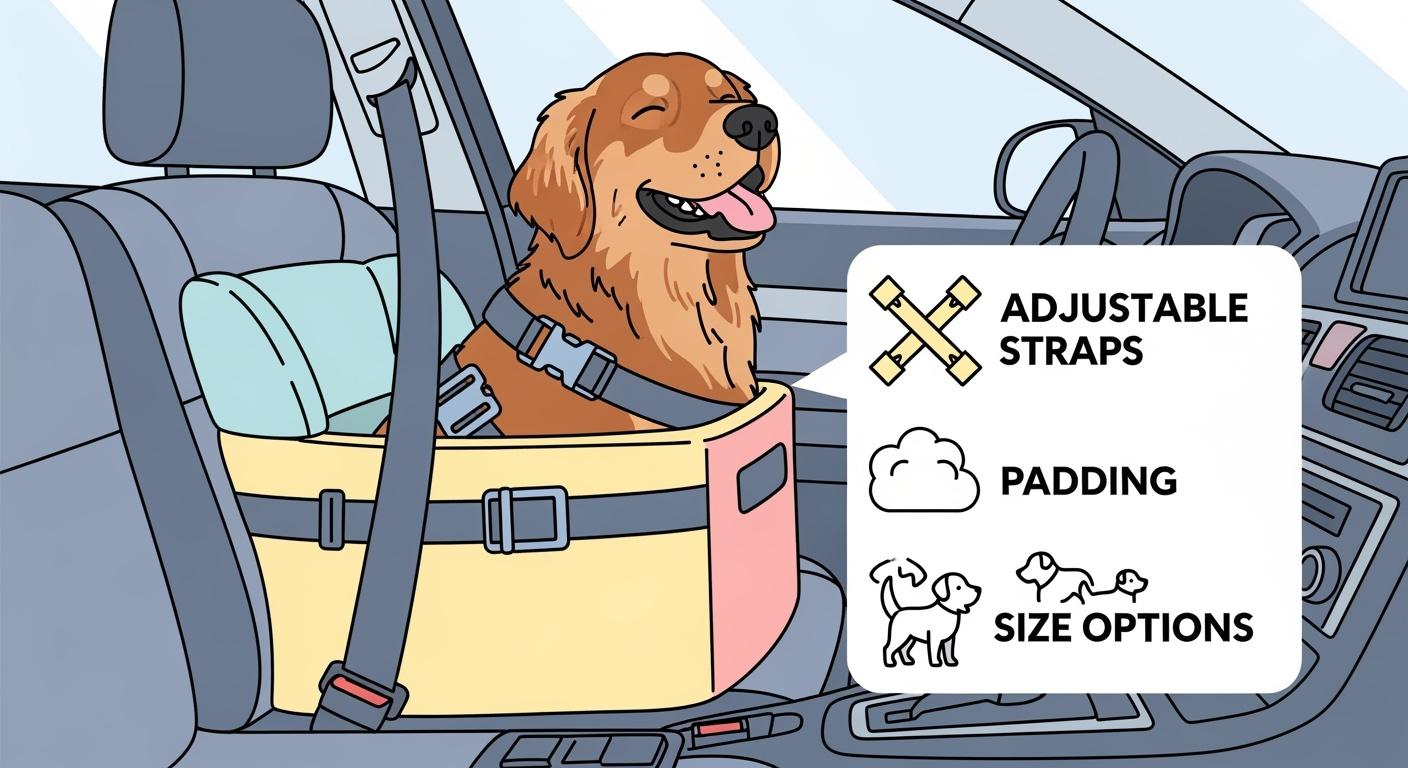
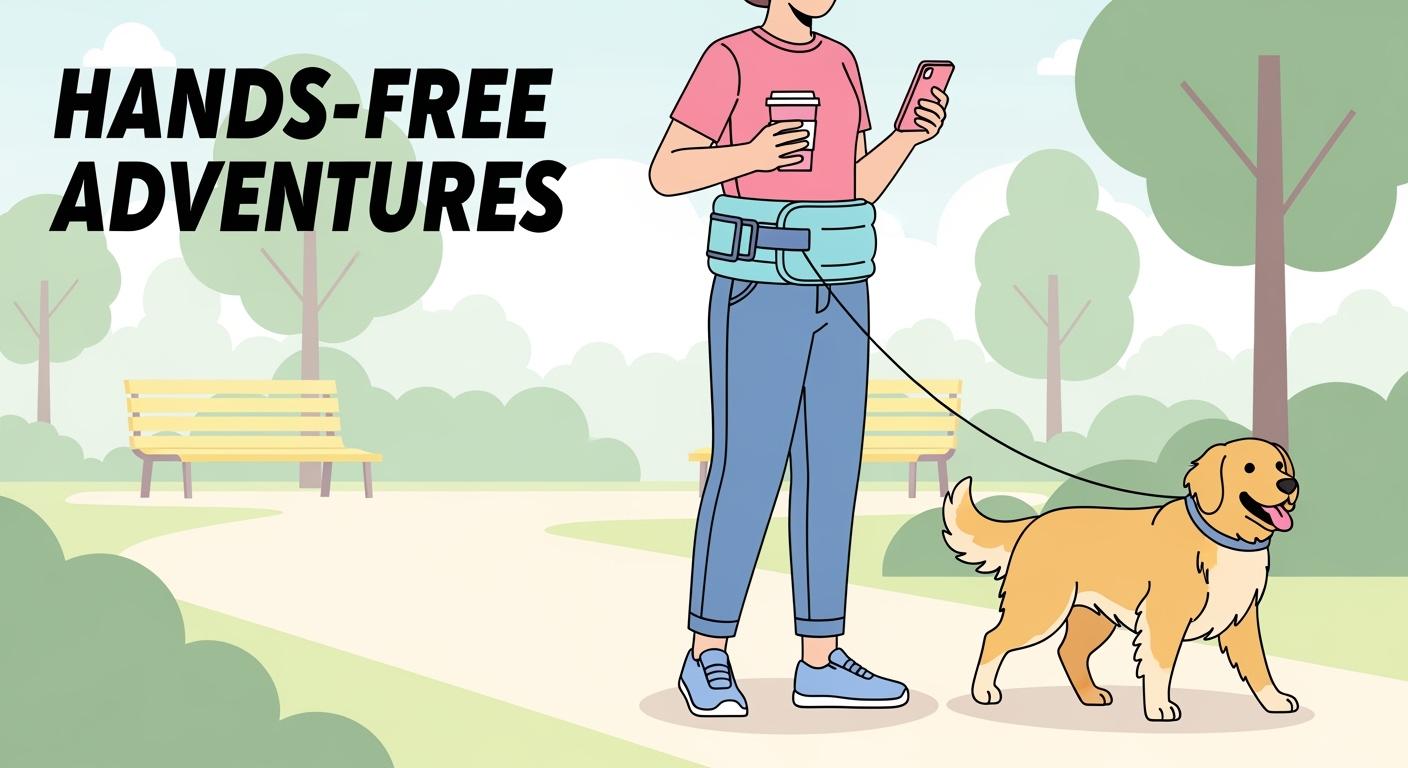
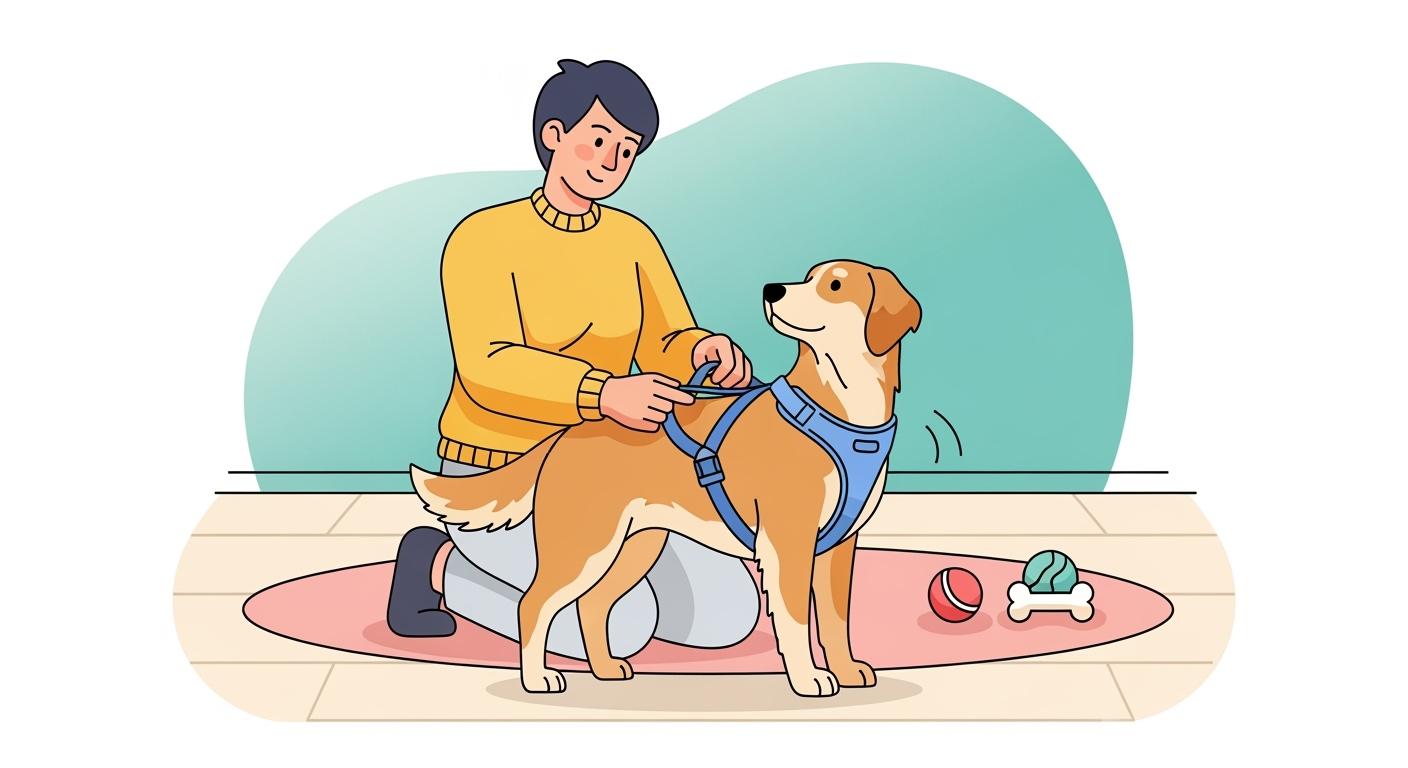
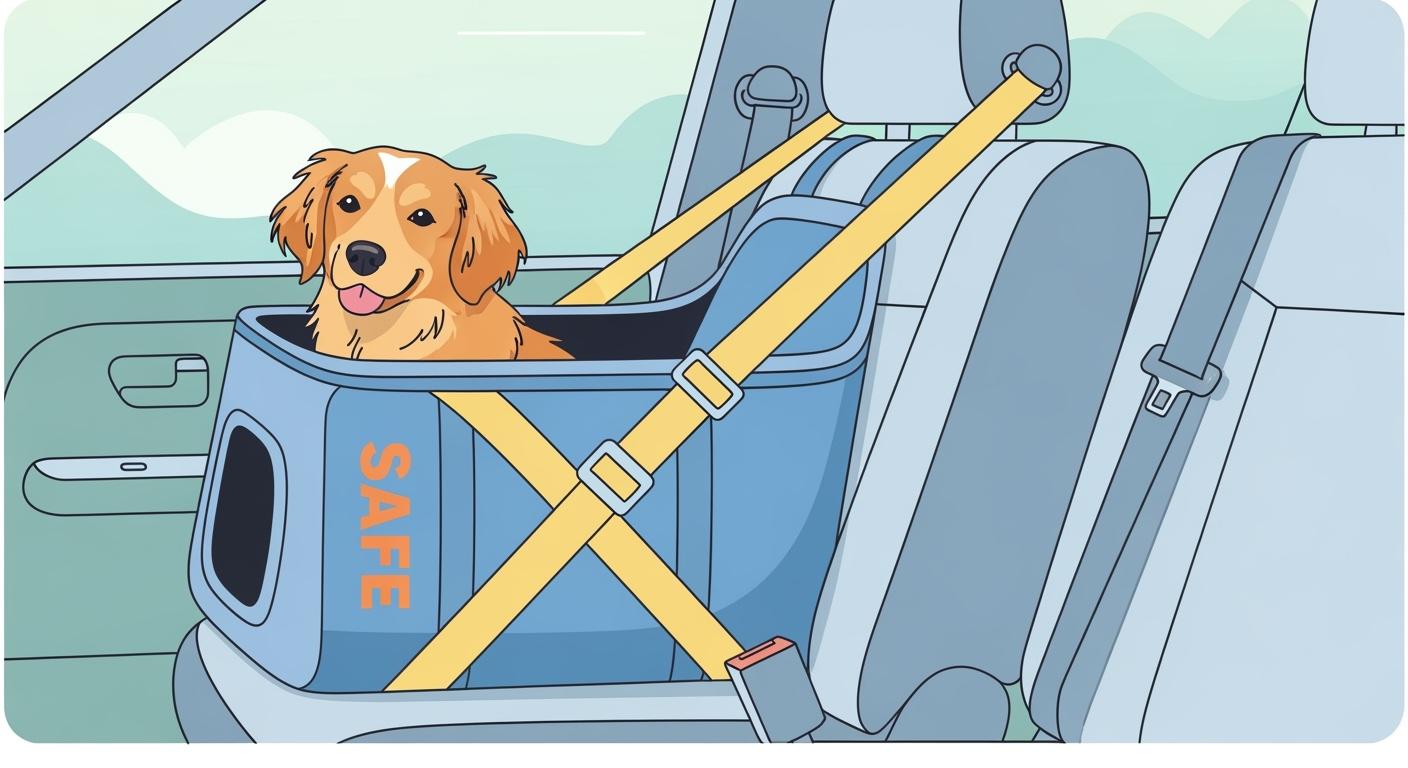
This guide focuses on fit, carry comfort, and everyday use checks. It does not replace veterinary advice or crash-tested car restraint guidance.
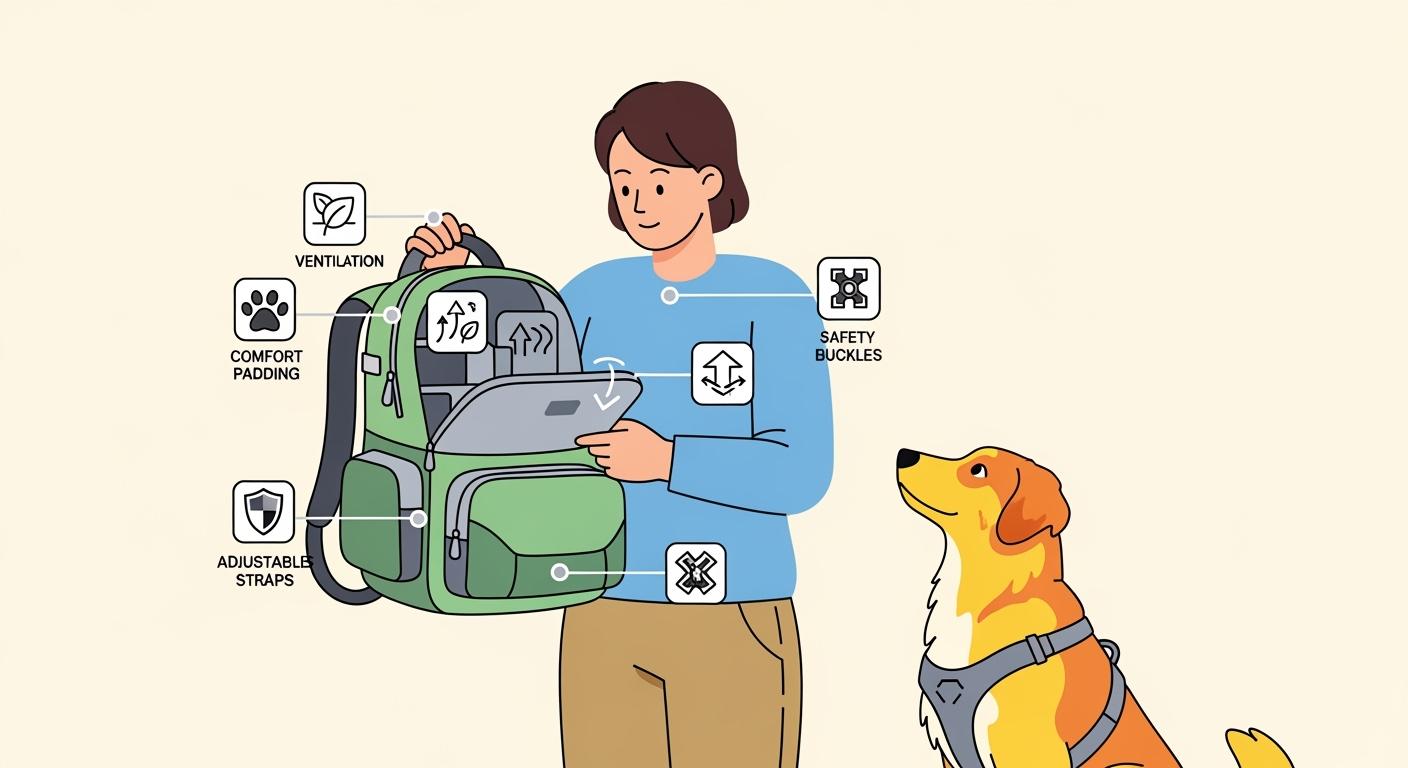
Choosing a dog backpack with harness is easier when you start with how your dog will sit, turn, settle, and stay supported inside the carrier instead of shopping by weight label alone. For most buyers, the biggest mistakes are simple: the opening is too narrow, the floor sags once the dog settles, the tether is clipped but awkward, or the pack feels fine online and cramped in real use.
This article treats the keyword as a backpack carrier that includes an internal harness attachment or tether. That makes the most useful buying checks very practical: interior fit, entry shape, base support, airflow, carry comfort, and cleanup after daily use.
How to use this guide: Measure your dog in a natural standing and seated position, compare those measurements with the pack interior, then do a short at-home carry test before regular use.
Start with fit, not weight alone
Measure the space your dog actually uses
Good fit starts with accurate measurements. Measure chest girth at the widest part of the ribcage, but do not stop there. Also look at seated height, body length when your dog curls slightly, and how much room your dog needs to turn without pressing hard into the front panel or zipper line.
A backpack can technically match the weight range and still feel wrong in daily use. That usually happens when the interior floor is too short, the top opening closes near the ears, or the pack narrows too much toward the shoulders. If your dog cannot settle into a relaxed position at home, the carrier will usually feel smaller on a longer outing.
Check entry shape and internal clip length
Entry matters almost as much as size. A useful opening lets your dog get in without twisting awkwardly and lets you close the pack without pressing fabric into the neck or face. If the backpack includes a safety clip, test it with your dog already inside. The clip should help prevent sudden jumping out, but it should still allow a natural sit and small position changes.
Quick check: Clip the tether, close the opening, and watch whether your dog can sit calmly, lower the body, and lift the head without the clip pulling tight.
Check support, airflow, and carry comfort
Base support should stay steady after your dog settles
The base should feel stable before and after your dog shifts weight. If the floor bows down sharply or the sides collapse inward, the carrier may look roomy at first but feel insecure once the dog relaxes. That often shows up as constant repositioning, leaning to one side, or refusing to stay inside.
Look for a base that keeps a flatter resting surface, especially for errands, station changes, or longer walks where the carrier stays on your back for more than a few minutes at a time.
Airflow should be easy to observe in real use
Mesh panels and vent openings help, but the better question is whether your dog stays settled during a short indoor and outdoor test. If your dog becomes restless quickly, pants harder than usual in mild conditions, or keeps pushing toward the opening, the carrier may feel too enclosed for routine use. Choose airflow you can observe, not just airflow promised by product copy.
Human carry comfort affects daily usability too
Strap padding, weight distribution, and pack shape all affect whether a carrier actually gets used. A backpack that rubs your shoulders, pulls backward, or feels top-heavy often leads to buyer regret even when the dog fit is acceptable. Do a three-minute carry test at home with your dog inside and the pack adjusted as you would wear it outside. Notice bounce, pull, and whether the pack stays close to your back instead of swinging away from it.
Feature checklist before purchase
The most useful checklist is the one that helps you decide whether the pack will work at home, on errands, and on light trail access without creating fit complaints or easy return reasons.
| Check item | Pass signal | Fail signal | What to do |
|---|---|---|---|
| Interior length and height | Dog can sit, settle, and turn slightly without pressing hard into the opening | Head crowds the zipper line or body must stay curled too tightly | Move up in usable interior space or choose a wider opening |
| Base support | Floor stays level enough after the dog relaxes | Base sags, tips, or folds under the body | Choose a firmer base or more structured body |
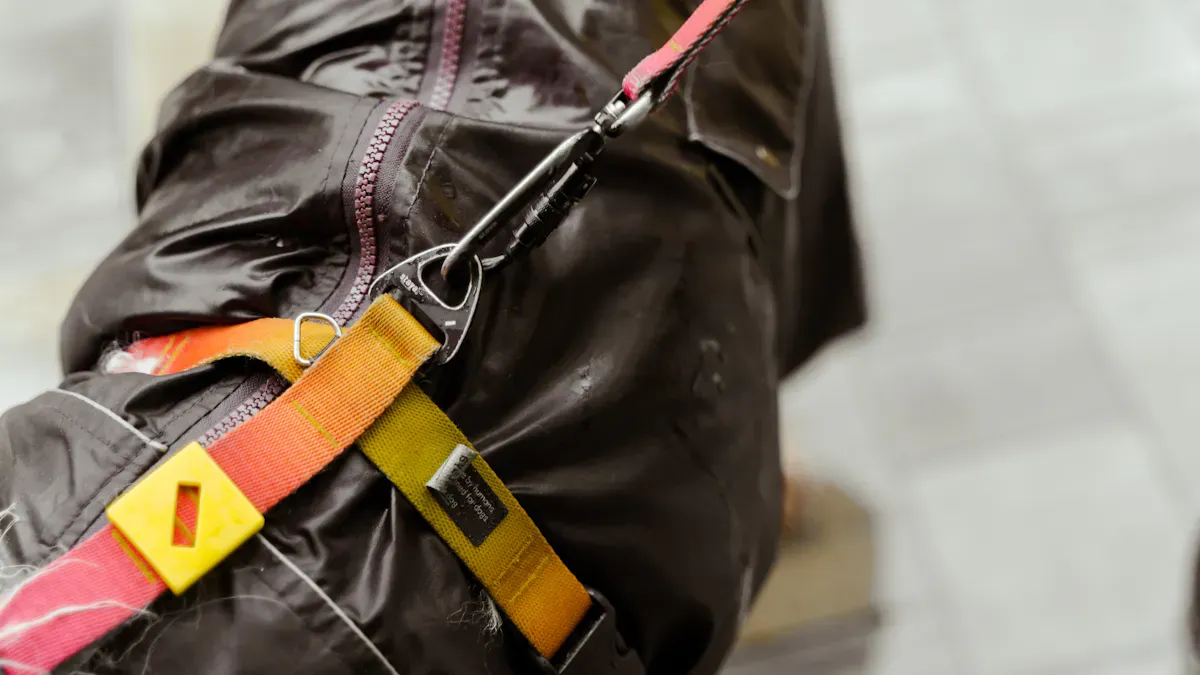
| Internal clip or tether | Helps limit sudden jumping without forcing the head down | Too short for sitting or so long that the dog can lunge toward the opening | Adjust or choose a better tether layout |
| Openings and airflow | Dog stays calmer during a short indoor and outdoor trial | Quick restlessness, pushing at panels, or obvious heat buildup | Choose better vent placement or a less enclosed shape |
| Shoulder strap comfort | Carrier stays close to your back with low bounce | Shoulder rub, backward pull, or unstable sway | Re-adjust straps or choose a more supportive harness system |
| Cleanup after daily use | Interior and base are easy to wipe, shake out, or wash | Hair catches heavily or damp areas dry slowly | Choose simpler lining and easier-access panels |
Common mistakes that cause returns
- Buying by weight range only and skipping interior measurements.
- Assuming a clipped tether automatically means the pack fits well.
- Choosing extra storage and thick padding over entry ease and steady support.
- Ignoring how the carrier feels on your own shoulders during a short test walk.
- Using the backpack as if it were a car restraint. It is not a substitute for crash-oriented travel gear.
If you plan to use the carrier for short hikes or dog camping, check trail practicality too: secure closures, manageable pack sway, easy water access, and whether your dog still settles calmly after a short outdoor carry test.
At-home test routine: doorway entry check, sit-and-settle check, three-minute carry check, then a post-test recheck for rubbing, heat buildup, and sagging.
Quick answers before you order
Should the carrier feel snug or roomy?
It should feel supportive, not loose and not cramped. Your dog should be able to settle naturally without sliding around or pressing hard into the opening.
Can I buy a larger size so my dog has more space?
Extra interior space can backfire if it makes the carrier unstable. A pack that is too roomy often sags more, shifts more, and feels less secure during walking.
What is the fastest way to test a new carrier at home?
Start indoors with the carrier empty, then with your dog inside for a short entry-and-settle test. After that, do a brief carry trial and recheck the opening, base support, and your dog’s body position before longer use.
A better dog backpack purchase usually comes down to fewer surprises in real use. If the interior supports your dog well, the entry is easy, the clip layout makes sense, and the pack stays comfortable on your shoulders, you are much closer to a carrier that works beyond the first try-on.