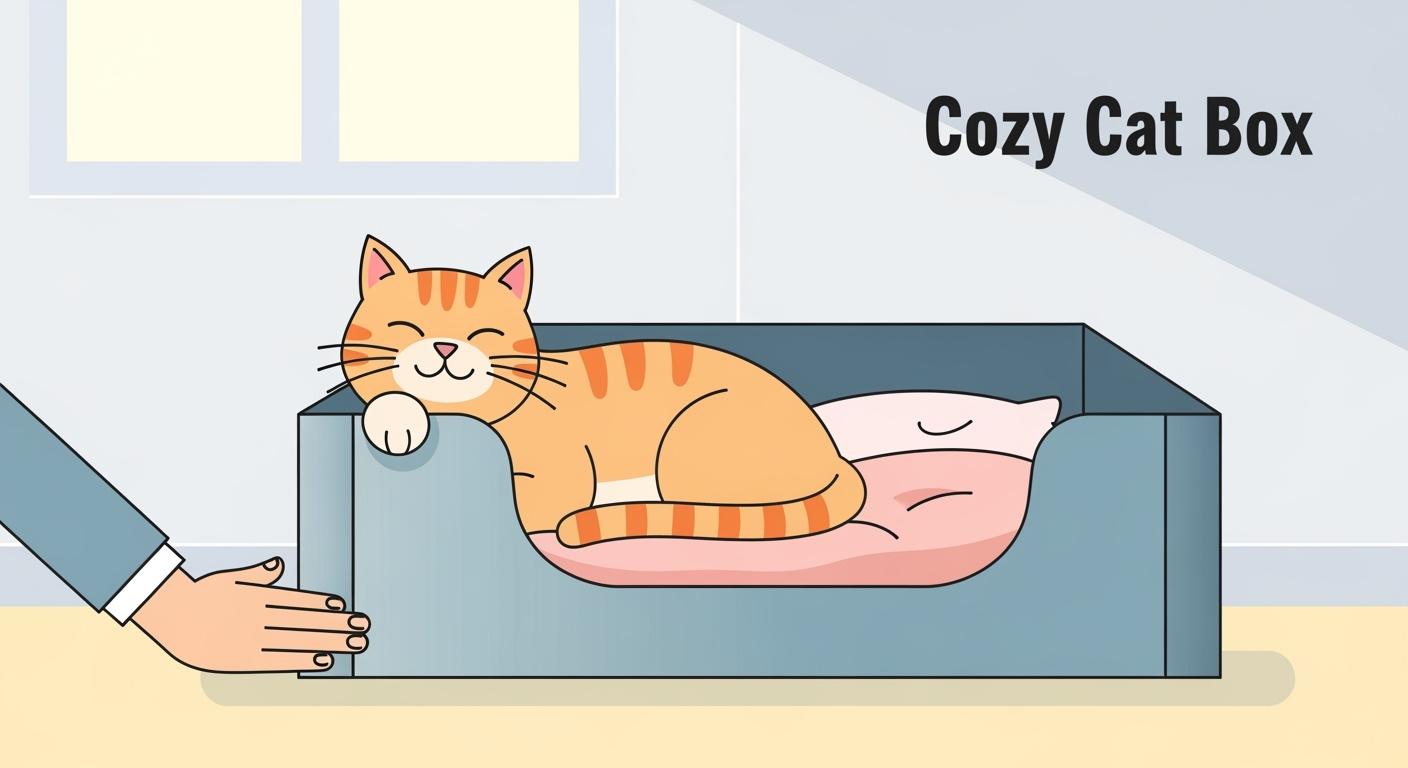
When you pick a cat bed box, your cat’s safety and comfort are most important. Use this checklist to help you choose:
Fits how your cat sits and sleeps
Easy for your cat to get in and out
Has two ways for your cat to escape
Lets air move through
Stays in place and does not slide
Feels soft and cozy
Easy to clean
Made from safe materials
A cat needs room to stretch, turn, and rest. Look out for boxes that block air, get too hot, or keep bad smells. Always follow your local rules and ask your veterinarian if you have health questions. A cat bed box can help your cat feel relaxed, but it may not make every cat safe or less stressed.
Safety tip: Check all the features before your cat uses the bed box.
Key Takeaways
Choose a cat bed box that fits your cat’s size and allows them to stretch comfortably. This helps reduce stress and promotes relaxation.
Ensure the bed box has good ventilation and is easy to clean. This keeps your cat healthy and prevents odors.
Look for a design with two exits to help your cat feel secure and escape easily if needed, especially in multi-cat households.
Cat Bed Box Purpose and Limits
Why Cats Prefer Enclosed Beds
Cats like to rest in closed spaces. These spots make them feel safe and calm. In busy homes, cats often pick a box bed. They can watch what happens but stay hidden. Rescue cats or stressed cats need safe places even more. The table below shows how cats act with enclosed beds:
Study Findings | Percentage |
|---|---|
Cats in high-traffic homes prefer enclosed beds | 68% |
Effect pronounced in cats with histories of rescue | Increased need for secure resting spaces |
Comfort vs Containment
A cat bed box helps your cat feel safe. This can lower stress and help your cat relax. In a 2017 study, cats with boxes were less stressed than cats with open beds. Most cats with boxes came to staff sooner and ate faster. You want your cat to feel safe, but a box bed is not a carrier. It does not always keep your cat safe. Air must move through the box. Cleaning is important too. Bad airflow can make the box hot and smelly. Cleaning keeps your cat healthy and happy.
“Boxes provide what we call ‘security hiding.’ They allow cats to withdraw when overwhelmed, which is essential for mental well-being. In fact, having access to hiding spots can reduce cortisol levels-the hormone associated with stress.”-Dr. Mikel Delgado, certified cat behavior consultant.
When a Cat Bed Box Is Not Ideal
Sometimes a cat bed box is not right for your cat. Watch for signs like hiding too much, not eating, or grooming changes. If your cat likes dark, hidden boxes or gets mad near the box, think again. In homes with many cats, one cat may block others from using the box. Bad airflow can make the box too hot or smelly. Use your checklist to find these problems early.
Hiding in boxes too much can mean sickness, pain, or worry.
Not eating, using the litter box, or being social in the box is a problem.
Liking dark, hidden boxes more than open ones can be a warning.
Acting angry when someone comes near the box.
Not wanting food or changing how they clean themselves.
Cat Bed Box Checklist Before You Buy
Choosing the right cat bed box means checking every detail for your cat’s safety and comfort. Use this cat supplies checklist to make sure you pick the best option for your home and your cat’s needs. Here’s what to look for before you buy:
Fit and Posture
A good cat bed box gives your cat enough space to turn, stretch, and settle. If your cat cannot move freely, the bed may cause stress or discomfort. Maine Coons and other large cats need extra room. For these breeds, measure your cat’s stretched length and add six inches. Most Maine Coons need a bed at least 36-46 inches long and 30 inches wide. Kittens also need space to grow and play. When bringing home a kitten, choose a bed that fits now but also allows for growth.
Quick test: Place your cat or kitten in the bed. See if they can turn around and stretch without curling tightly.
Fast fix: If the bed is too small, switch to a larger size or a flat mat.
Entry and Exit Design
Check the entry and exit points. Your cat should get in and out easily, without squeezing or climbing awkwardly. Older cats or kittens with limited mobility need beds at ground level. Elevated beds may look nice, but they can be hard for some cats to use. Make sure the opening does not pinch whiskers or shoulders.
Quick test: Watch your cat enter and exit. If they hesitate or struggle, the design may not work.
Fast fix: Choose a bed with a wider opening or place it on the floor for easy access.
Two-Path Escape Option
A cat bed box with two exits helps reduce stress, especially in homes with more than one cat. If one cat blocks the entrance, another exit lets your cat leave safely. This feature is important for kittens learning to share space.
Quick test: Look for two openings or a removable top.
Fast fix: If your bed has only one exit, place it where your cat will not feel trapped, or switch to an open bolster bed.
Ventilation and Odor Control
Good airflow keeps your cat cool and prevents odors. Enclosed beds trap heat, which can make thick-coated cats or kittens uncomfortable. Look for vents or mesh panels that let air move through, even when your cat is inside.
Quick test: Place your hand inside the bed for a few minutes. If it feels stuffy or warm, ventilation may be poor.
Fast fix: Choose a bed with more vents or use a flat mat during warmer months.
Stability and Grip
A stable cat bed box keeps your cat safe. Beds that slide or tip can cause injury, especially for kittens or older cats. Non-slip bottoms and sturdy frames help prevent accidents. Cats like beds that stay in place when they jump in or out.
Quick test: Push the bed gently. If it moves or tips, it may not be safe.
Fast fix: Add a non-slip mat under the bed or pick a model with a heavier base.
Surface Comfort
The inside of the cat bed box should feel soft, not rough. Seams, zippers, or hard edges can cause chafing. Soft blankets or cat beds help your cat relax and sleep better. Kittens need extra comfort as they grow.
Quick test: Run your hand along the inside. If you feel rough spots, the bed may not be comfortable.
Fast fix: Add soft blankets or switch to a bed with a smoother lining.
Cleanability
You need to clean your cat bed box often to keep it fresh. Removable covers or wipe-clean surfaces make this easier. Wash pet beds and blankets every week. Use a washing machine for soft items. Quick cleaning keeps odors and germs away, which is important for kittens and adult cats.
Item Type | Cleaning Frequency |
|---|---|
Pet beds, blankets, habitats | Every week |
Pet bowls | After every use (wet food); daily (dry food, water) |
Pet toys | Every month |
Quick test: Check if the cover comes off or if you can wipe the surface easily.
Fast fix: If cleaning is hard, use washable blankets or pick a bed with a removable cover.
Material Safety
Safe materials protect your cat from harm. Avoid beds with strong chemical smells, loose threads, or small parts that kittens might chew. Look for reinforced scratch points and check for sharp edges. Durable materials last longer and keep your cat safe.
Quick test: Smell the bed and inspect for loose parts or rough edges.
Fast fix: If you find problems, return the bed or choose one made from safer materials.
Pass/Fail Table
Check Item | Pass Signal | Fail Signal | Fix or Switch Suggestion |
|---|---|---|---|
Fit and Posture | Cat can turn, stretch, and settle easily | Cat curls tightly or cannot move freely | Choose a larger bed or flat mat |
Entry/Exit Design | Cat enters/exits without hesitation | Cat struggles or hesitates | Pick a bed with a wider, lower opening |
Two-Path Escape | Two exits or removable top | Only one exit, cat seems trapped | Place bed in open area or switch style |
Ventilation | Air flows, bed stays cool and fresh | Bed feels stuffy, smells build up | Add vents or use open bed in summer |
Stability and Grip | Bed stays in place, does not tip | Bed slides or tips easily | Add non-slip mat or heavier base |
Surface Comfort | Soft, smooth interior, no rough spots | Rough seams, hard edges, or chafing | Add blankets or switch to softer bed |
Cleanability | Cover removes or wipes clean easily | Hard to clean, cover does not come off | Use washable blankets or new bed |
Material Safety | No strong odor, no loose parts, reinforced | Chemical smell, loose threads, sharp edges | Return or replace with safer option |
Comparison Table
Bed Type | Pros | Cons |
|---|---|---|
Enclosed Cat Bed | Warm, secure feeling, reduces stress | Can be too confining, may overheat some cats |
Bolster Bed | Supports body, defines personal space | Less security than enclosed beds |
Flat Mat | Simple, easy to use, fits any space | May lack comfort or sense of security |
Tip: Use this cat checklist every time you shop for cat supplies. The right cat bed box helps your cat feel safe and cozy. When bringing home a kitten, check the fit, comfort, and safety before use. Clean blankets and beds often to keep your cat healthy.
Setup, Observation, and Troubleshooting
Placement at Home
You want your cat to feel safe and comfortable in their bed box. Place the bed near a window for sunlight and entertainment. Try the living room if your cat likes to stay close to family. Avoid drafts from doors or vents. Corners give your cat security with two walls. Some cats enjoy sleeping near your bed. Always check for quiet spots where your kitten can rest without disturbance.
First-Week Checks
Watch your cat during the first week. Look for signs of comfort, such as stretching or kneading. If your kitten avoids the bed, inspect for odor or stains. Try adding a familiar scent, like a worn T-shirt. Move the bed to a warmer or quieter spot if needed. Offer a second bed nearby to let your cat choose.
Tip: Let your cat explore the bed box at their own pace. Soft bedding helps your kitten settle in.
When to Adjust or Switch
If your cat refuses the bed or shows discomfort, change the location or bedding. Monitor for limping, meowing, or unusual sleeping positions. If your kitten avoids the bed for more than a week, consult your vet. Sometimes, switching to a bolster bed or flat mat works better.
Common Mistakes
Many owners pick beds that are too small or hard to clean. Entry points may pinch whiskers. Poor ventilation causes heat and odor buildup. Cats dislike beds that slide or tip. Kittens need extra comfort and easy access.
Troubleshooting Table
Symptom | Likely cause | Fast check | Fix |
|---|---|---|---|
Cat refuses bed | Odor, placement | Smell, move bed | Clean, relocate |
Quick exits | Entry discomfort | Watch entry/exit | Widen opening |
Excessive scratching | Rough interior | Feel lining | Add soft bedding |
Lingering odor | Poor cleanability | Inspect cover | Wash or replace cover |
Condensation | Bad ventilation | Touch inside | Add vents, move bed |
Tipping/sliding | Unstable base | Push bed | Add non-slip mat |
Guarding behavior | Single entry | Observe multi-cat use | Add second exit |
Stress signs | Environmental change | Timeline, behavior | Quiet spot, vet check |
You want your cat and kitten to feel safe and happy. Check the list before you buy or set up a cat bed box. Watch your cat and kitten to see if they look comfortable. Make changes if you need to. When you do this often, your cat and kitten get these good things:
Benefit | Description |
|---|---|
Improved emotional stability | Cats act calmer after you change their setup. |
Reduced conflicts | Cats fight less when each has a good place to rest. |
Cleaner living environment | Your home stays cleaner for your cat and kitten. |
Keep watching your cat and kitten. Even small changes can help them feel safer and more comfortable.
FAQ
Can I place a cat bed box near the litter box?
You can place the cat bed box near the litter box, but keep enough space so your kitten does not confuse the bed with the litter box.
How often should I clean the litter box and cat bed box?
You should clean the litter box daily. Clean the cat bed box weekly. This keeps your kitten healthy and prevents odor from the litter box.
Will my kitten use the litter box if I change its location?
Your kitten may need time to adjust if you move the litter box. Watch for signs of confusion. Place the litter box in a quiet spot.
Tip: Always keep the litter box away from food and water bowls. Your kitten prefers a clean, separate area.