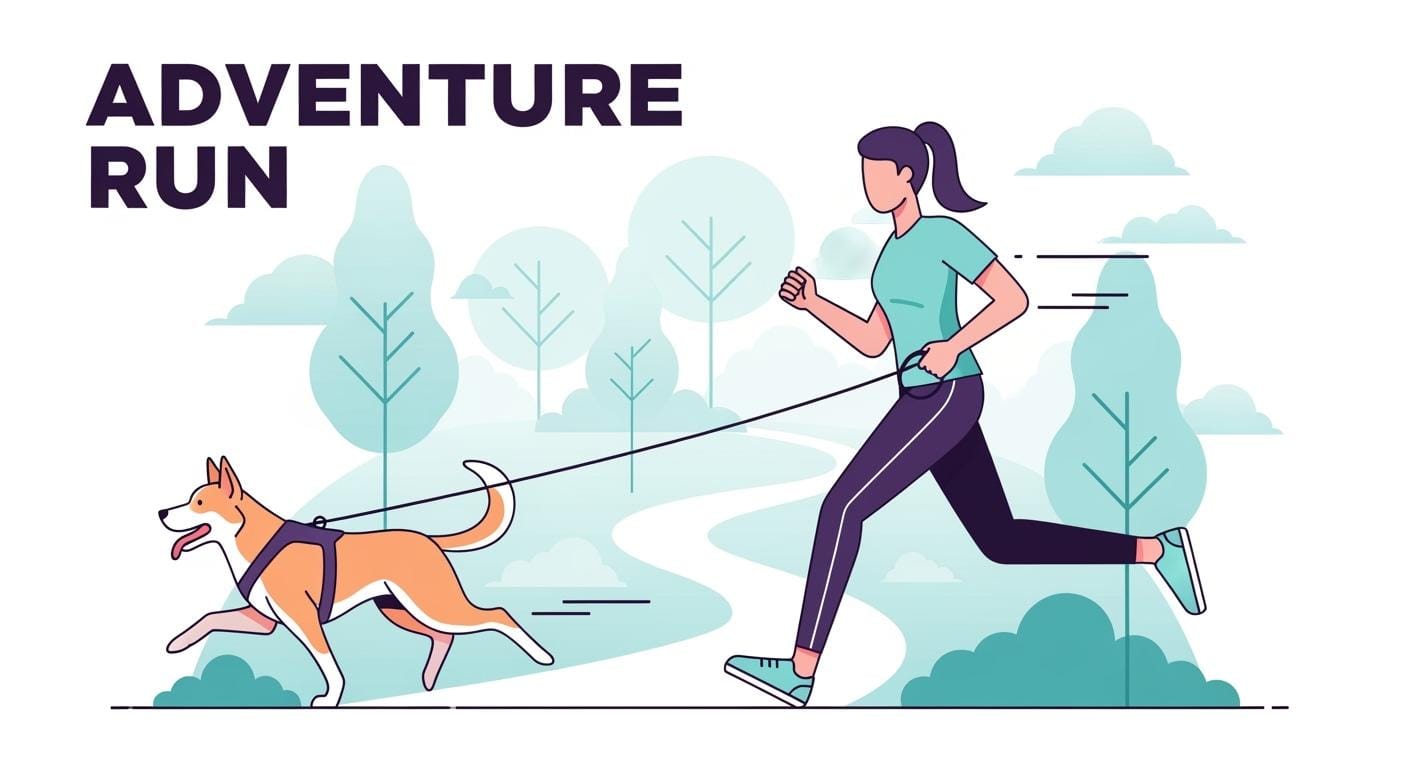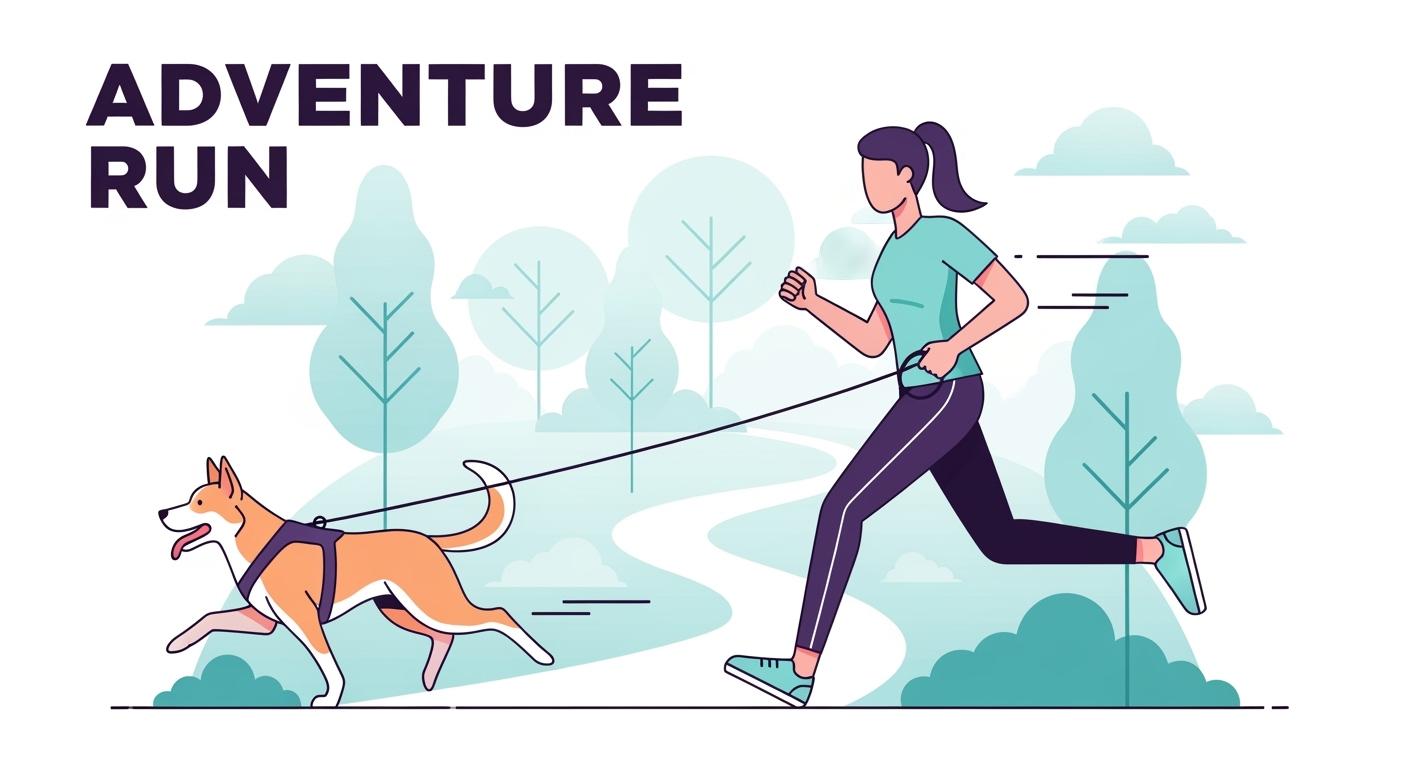
The leash that feels fine on a smooth, steady jog is not always the leash that works when the pace changes. That is where most running setups show their weakness. You speed up slightly, your dog responds a half-second late, the line tightens after the moment has already passed, and suddenly your rhythm feels off. Then the same thing happens again at a crossing, on a downhill, or when you need to shorten up quickly. The best leash for running with dog is the one that stays readable when speed changes, not just when everything is calm.
Key Takeaways
- Pick a bungee or hands-free leash for more control when your speed changes. The better setup is the one that keeps pace changes from turning into leash lag.
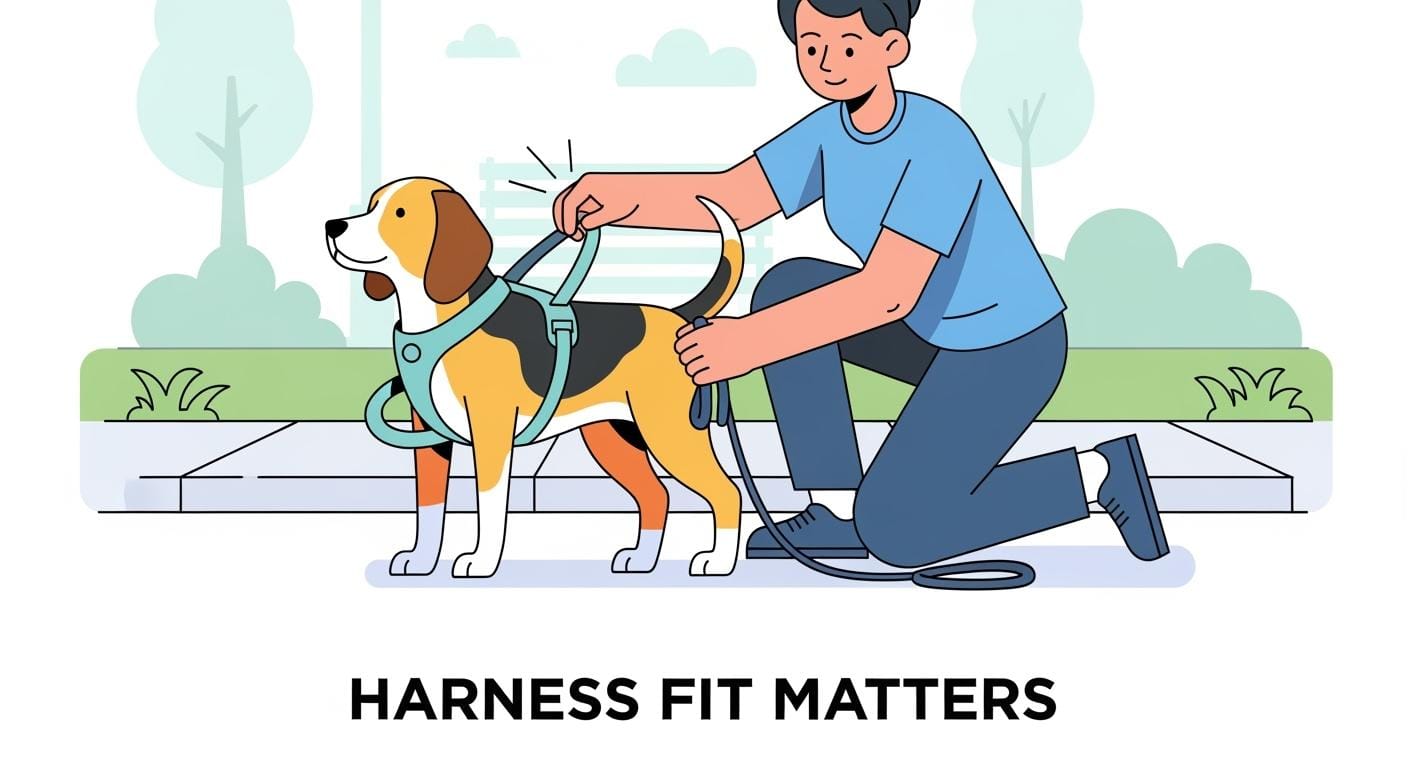
- Always use a well-fitted harness instead of a collar when you run. A running setup should stay stable once speed goes up.
- Test pace changes on quiet routes first. That is the fastest way to spot slow shortening, off-center pull, or downhill control problems.
Pace Changes and Leash Control Problems
Fast-slow transitions are where lag starts
Most running problems do not begin at top speed. They begin in the transitions between speeds. You surge a little to clear a crossing. Your dog is still on the old pace. Then your dog catches up just as you ease off again. The leash tightens late, releases late, or bounces instead of tracking the change cleanly. That delay is what makes a setup feel messy.
This is why a leash that feels comfortable at one pace can still feel wrong once the run becomes more dynamic. The issue is not just how much control you have. It is how quickly the leash gives usable feedback when both of you change speed at slightly different times.
Tip: Practice small pace changes on a quiet route and notice when the leash starts feeling late. That tells you more than a flat, even run ever will.
Downhill pull feels different from flat-ground pull
Downhill sections create a different kind of problem. Your own stride gets quicker, the dog often wants to move forward sooner, and gravity turns small leash timing errors into bigger ones. If the leash stretches too much, you lose crisp control. If it does not shorten fast enough, the dog gets more space than you wanted right when the terrain is least forgiving.
- The dog gets ahead faster than on flat ground.
- The runner feels the pull lower and sooner through the hips or waist.
- Late shortening is more noticeable because the ground is already speeding the whole system up.
This is where many “comfortable” running leashes start to feel vague. A little softness can help with repeated small surges, but too much softness downhill often makes the setup feel late instead of controlled.
Why steady-pace leashes stop feeling good
Many leashes are built around steady movement: one speed, one lane, one clean line of tension. Real runs do not stay like that. The dog slows to look, then catches up. You shorten for a pass, then release again. You angle around a corner. You step onto a hill. If the leash only feels good at one pace, it is not really solving the problem that most runners run into.
The better leash is the one that keeps you from having to “repair” the setup every time the run changes shape.
Best Leash for Running with Dog: Stretch, Length, and Quick Shortening
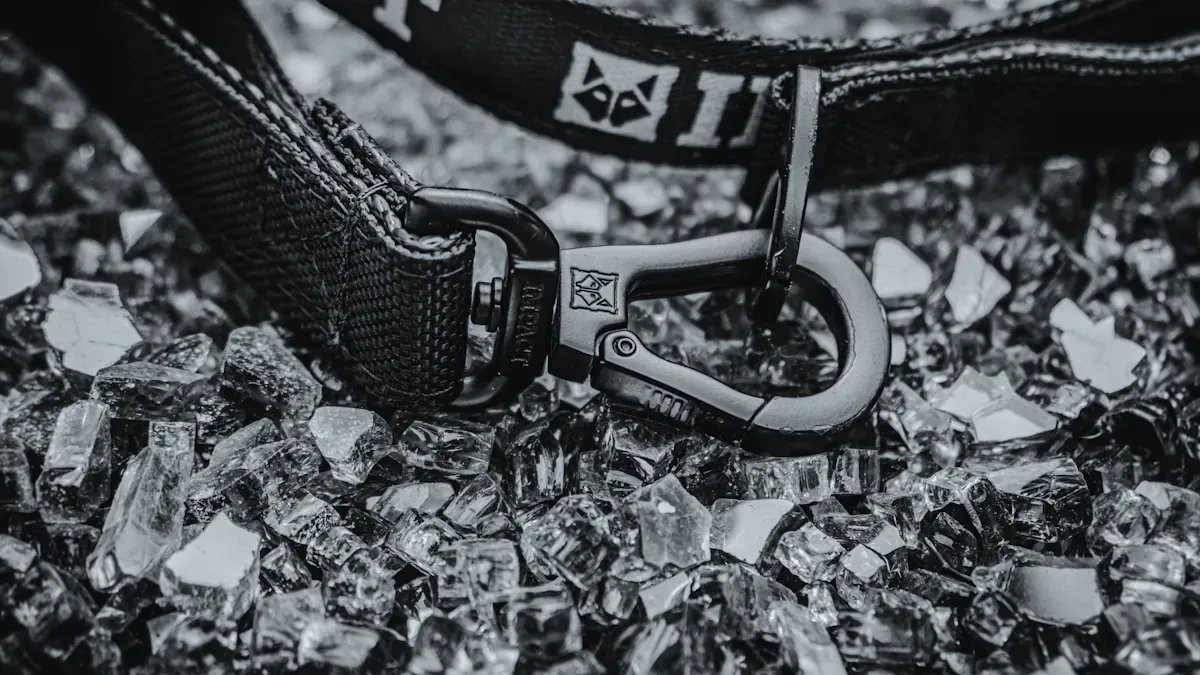
Choosing the best leash for running with dog means looking at what happens when the pace changes, not just what feels comfortable when both of you are moving evenly. You want a leash that matches your running style and your dog’s energy.
| Leash Type | Best For | Key Features | Pace Control | Quick Shortening |
|---|---|---|---|---|
| Standard | Steady runners who want direct feedback | Simple line, less delay, easy hand control | High | Easy |
| Bungee | Dogs that surge or create repeated small jolts | Shock absorption, softer transitions, less sharp tug | Moderate to high | Moderate |
| Hands-Free | Longer runs and runners who want freer arm movement | Waist-worn, comfort-focused, often adjustable | Moderate | Varies by model |
Fixed vs. bungee vs. hands-free
Standard leashes usually give the cleanest response. They shorten fast, stay readable, and make it easier to tell exactly what the dog is doing. That makes them useful when you want quick control in changing environments. The tradeoff is that they do not soften sudden surges. If your dog makes frequent sharp adjustments, the line may feel abrupt.
Bungee leashes absorb some of that shock. They can make small surges feel less harsh and keep repeated pace changes from feeling like constant jolts. The tradeoff is timing. Too much stretch can make the leash feel slow in tight spaces, downhill sections, or any place where you need the dog closer right away.
Hands-free leashes make running feel more natural for many people because they free your arms and move the pull to the waist. They often feel best on longer, open routes where the dog already runs with a cleaner lane. They feel less good when pace changes are frequent and the setup cannot shorten fast enough.
Tip: Comfort matters, but comfort alone is not enough. A leash that feels easy at one speed can still be too slow once transitions start.
Use case fit and not-fit
Each leash type fits certain running situations better than others.
- Standard leash
- Fit for: steady routes, dogs that hold position well, runners who want fast shortening.
- Not fit for: dogs that create repeated hard jolts where some shock absorption would help.
- Bungee leash
- Fit for: interval-style runs, dogs that surge, mixed terrain with repeated pace corrections.
- Not fit for: crowded routes, narrow paths, or any place where immediate shortening matters more than comfort.
- Hands-free leash
- Fit for: open routes, longer runs, smoother pacing, runners who want less arm fatigue.
- Not fit for: strong side pullers, frequent crossings, or technical downhill sections without a reliable quick-grab point.
What to change before downhills and crossings
Good transition control usually comes from changing the setup early, not reacting after the dog is already ahead. Before a downhill, shorten the working distance a little. Before a crossing, reduce slack while the dog is still calm. Before a crowded pass, make sure the leash path is clean and the dog is already on the correct side.
- Shorten before the difficult section, not in the middle of it.
- Use the leash length that fits the route, not just the one that feels comfortable on open stretches.
- Reassess if the setup keeps feeling late at the same kinds of transitions.
Note: Check your leash, clip, and harness regularly. If the setup feels less stable than it did before, wear or poor fit may be part of the problem.
Common Mistakes and Quick Checks for Running Leash Setups
Frequent setup errors
Many runners make small setup mistakes that only become obvious once the run gets dynamic. You can avoid most of them by checking the whole running system before the pace goes up. Here are the most common errors:
- Using a collar instead of a harness for running tension.
- Starting too fast before the dog has settled into a running lane.
- Assuming a good walking setup will automatically work at running pace.
- Ignoring early leash lag or side drift because the dog is “mostly okay.”
- Using too much stretch without a reliable quick-shortening option.
- Choosing retractable leashes, which make pace control slower and messier.
- Skipping quiet test runs before moving to crowded or technical routes.
Tip: If the setup already feels slightly late at a jog, it usually feels much worse on a downhill or at a sudden speed change.
Pass/Fail Checklist
Use this checklist before each run. If any item fails, fix it before you start.
| Checkpoint | Pass | Fail |
|---|---|---|
| Harness fits snugly, not too tight or loose | Yes | No |
| Leash attaches to harness, not collar | Yes | No |
| Leash length is easy to manage | Yes | No |
| No signs of leash lag or late shortening | Yes | No |
| Dog stays on one side, not crossing over | Yes | No |
| Practiced on a quiet route first | Yes | No |
| Dog shows no stress, coughing, or reluctance | Yes | No |
Note: Do one quick control re-check before crossings, downhills, or any section where you know the pace is about to change.
Troubleshooting pace change issues
If you notice problems during running, use this table to narrow down what is really going wrong.
| Symptom | Likely Cause | Fast Check | Fix |
|---|---|---|---|
| Dog pulls hard in transitions | Pace change is too abrupt or the working length is too loose | Slow down and check leash distance before the next transition | Reduce speed, shorten earlier, and reward calm position |
| Leash lags or drags | Too much slack or slow response from the setup | Watch what happens right after you change pace | Use a faster-reacting setup or manage leash length more actively |
| Dog drifts to the side | No clear running side or the leash is giving late feedback | Notice whether the dog crosses more during speed changes | Rebuild one-side running and shorten sooner |
| Dog lags or stops | Stress, discomfort, fatigue, or a pace mismatch | Watch body language and check harness fit | Stop, let the dog settle, and reassess the run |
| Belt bounces | Loose belt, late shortening, or uneven pull | Notice when the bounce starts and from which direction | Tighten the belt, shorten earlier, and reduce the surge pattern |
If your dog shows repeated coughing, shortened stride, or obvious stress, stop and reassess the setup before continuing. Leash choice helps with handling, but it does not replace good pacing, clear side position, and sensible route choices.
The best leash for running with your dog should stay readable when the run changes shape. It should shorten fast enough for crossings and downhills, avoid turning small timing errors into big pulls, and keep the leash path clean enough that it does not start working against your stride.
| Feature | Description | Importance |
|---|---|---|
| Leash path | Stays clear of your legs and reacts predictably | Helps prevent tangling and broken stride |
| Clip behavior | Closes securely and stays aligned during movement | Matters when pace changes quickly |
| Control distance | Can shorten quickly when needed | Important for crossings, downhills, and distractions |
| Runner comfort | Feels steady and manageable over time | Keeps your stride smoother and less tiring |
If your dog is strong or you run on hills, a bungee or hands-free leash with a real quick-grab option usually makes more sense than a setup built only for flat, steady running. Test the leash where mistakes are easy to fix, then move it into busier routes once the timing feels clean.
FAQ
What leash length works best for running with my dog?
For many runners, a leash in the 4 to 6 foot range gives a workable balance between movement and control. The better test is whether that length still feels easy to manage when the pace changes.
How do I stop my dog from pulling downhill?
Shorten the leash before the hill starts, reduce speed slightly, and keep your dog closer before gravity adds extra pull. Downhill control works better when you change the setup early.
Can I use a retractable leash for running?
Avoid retractable leashes for running. They delay control, make quick shortening harder, and usually feel less predictable once speed or direction changes suddenly.