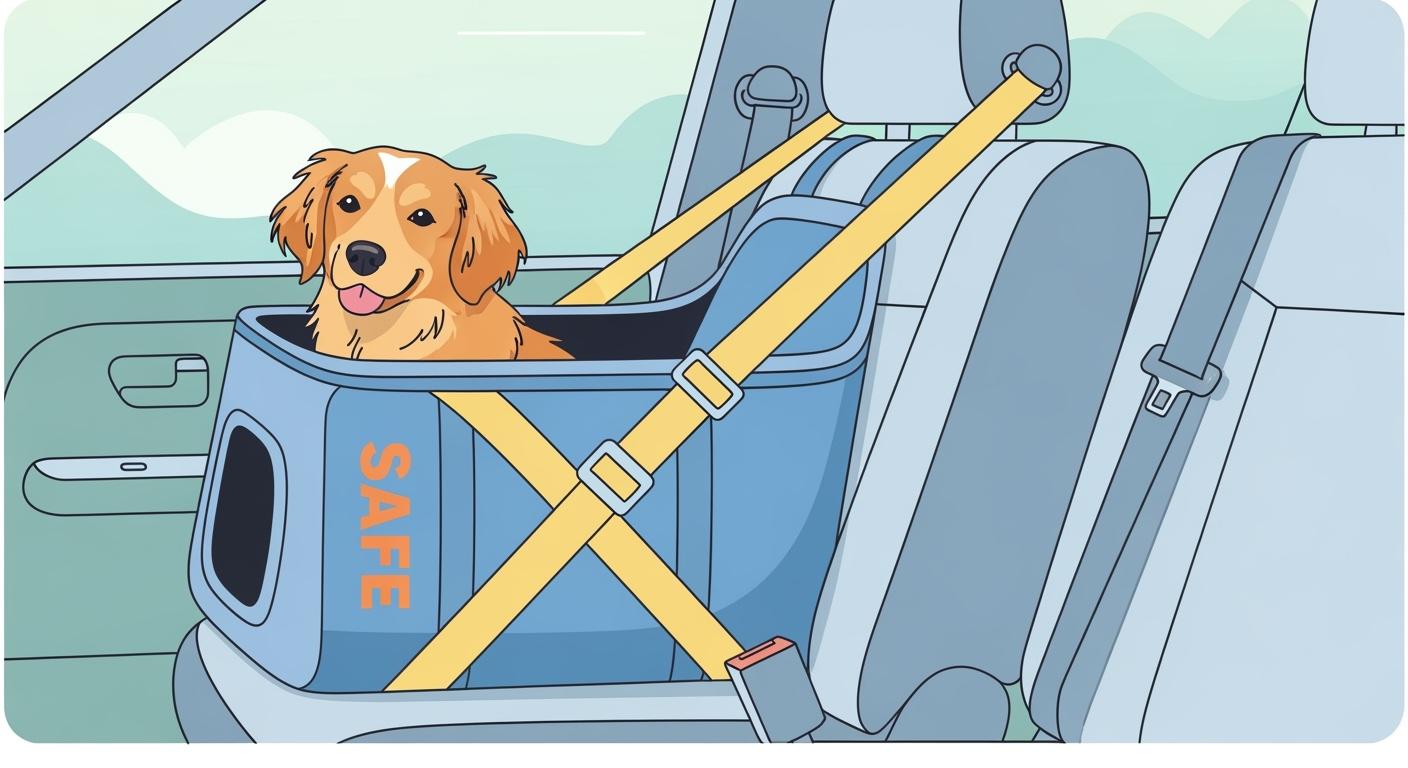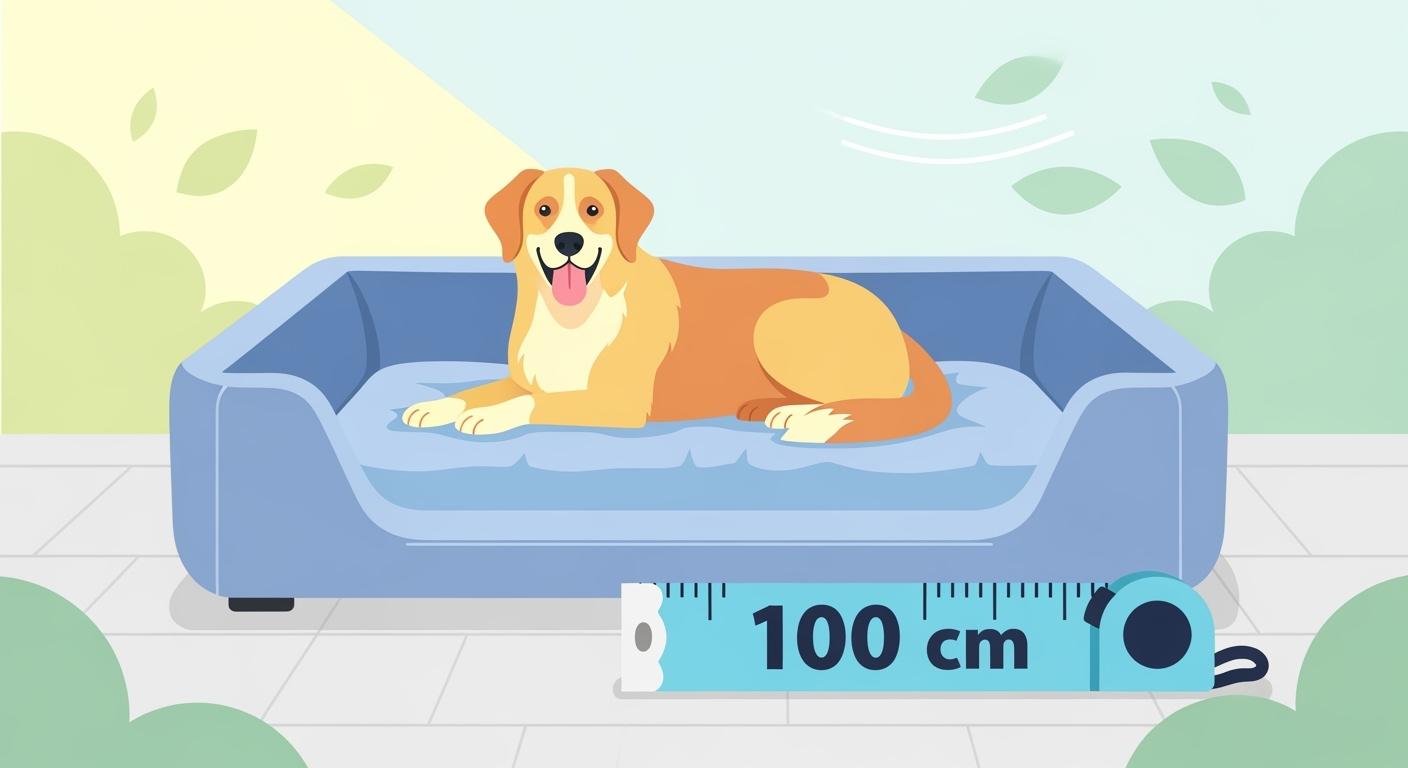
Many stores label carriers as large, but that does not mean every backpack dog carrier large fits your dog or works for hiking. A good pick needs enough interior room, a supportive base, stable carry on your back, and airflow that still works after you add your dog and trail essentials. This guide focuses on fit, setup, and common mistakes to catch before a longer outing.
This article covers everyday product fit and trail-use checks. It does not replace veterinary advice. Stop and reassess if your dog shows distress, repeated shifting, heavy panting, coughing, limping, or refuses to settle.
Fit and Support Come First
Check usable interior space, not the size label
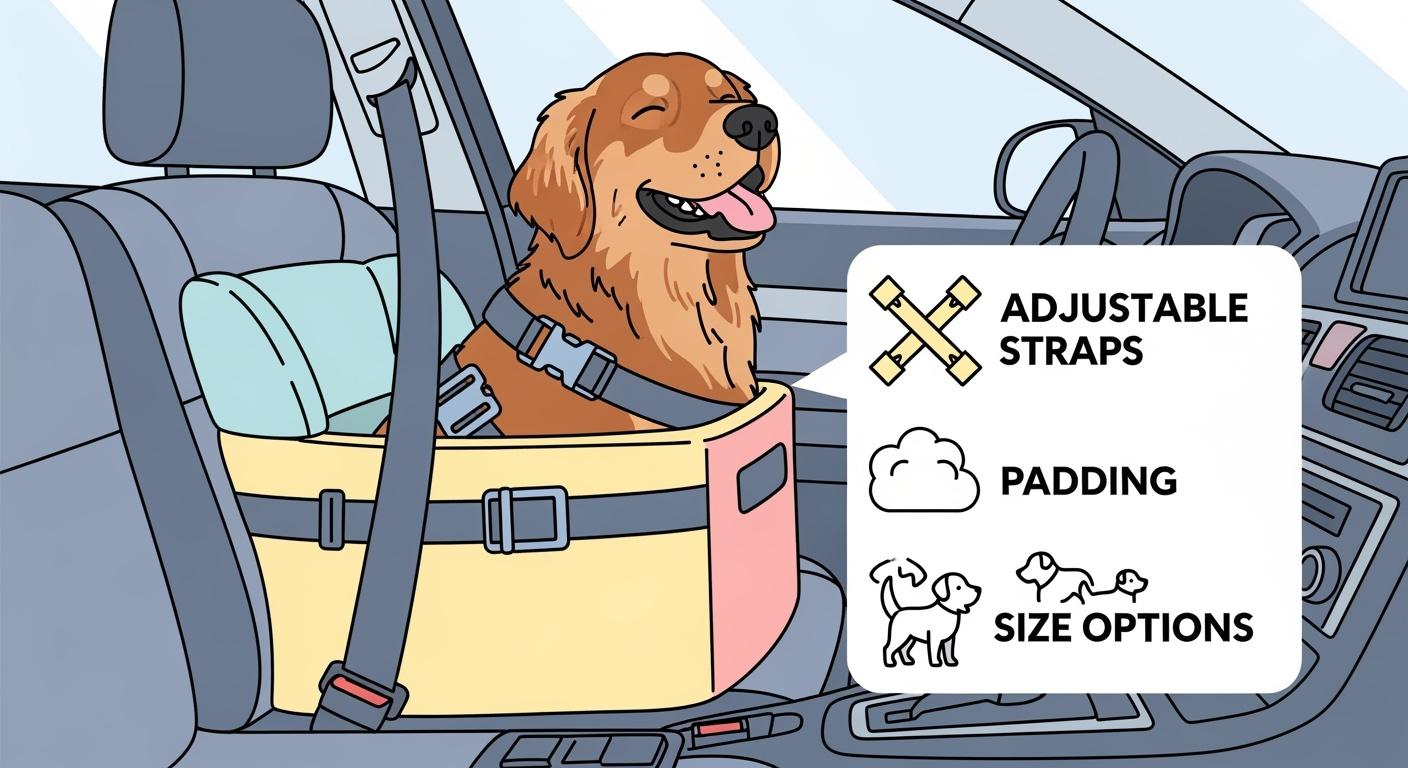
The first question is not whether the carrier is called large. The real question is whether your dog can settle naturally inside it. Your dog should be able to sit or lie without being forced into a curled, twisted, or hunched position. The base should feel supportive instead of hammock-like, and the opening should not press into the neck, chest, or shoulder area during entry.
- Look at usable floor area rather than the outer shell size.
- Check whether the base stays level after your dog is inside.
- Make sure the side walls support the body without trapping the shoulders.
- Watch whether your dog can settle within a short at-home carry test.
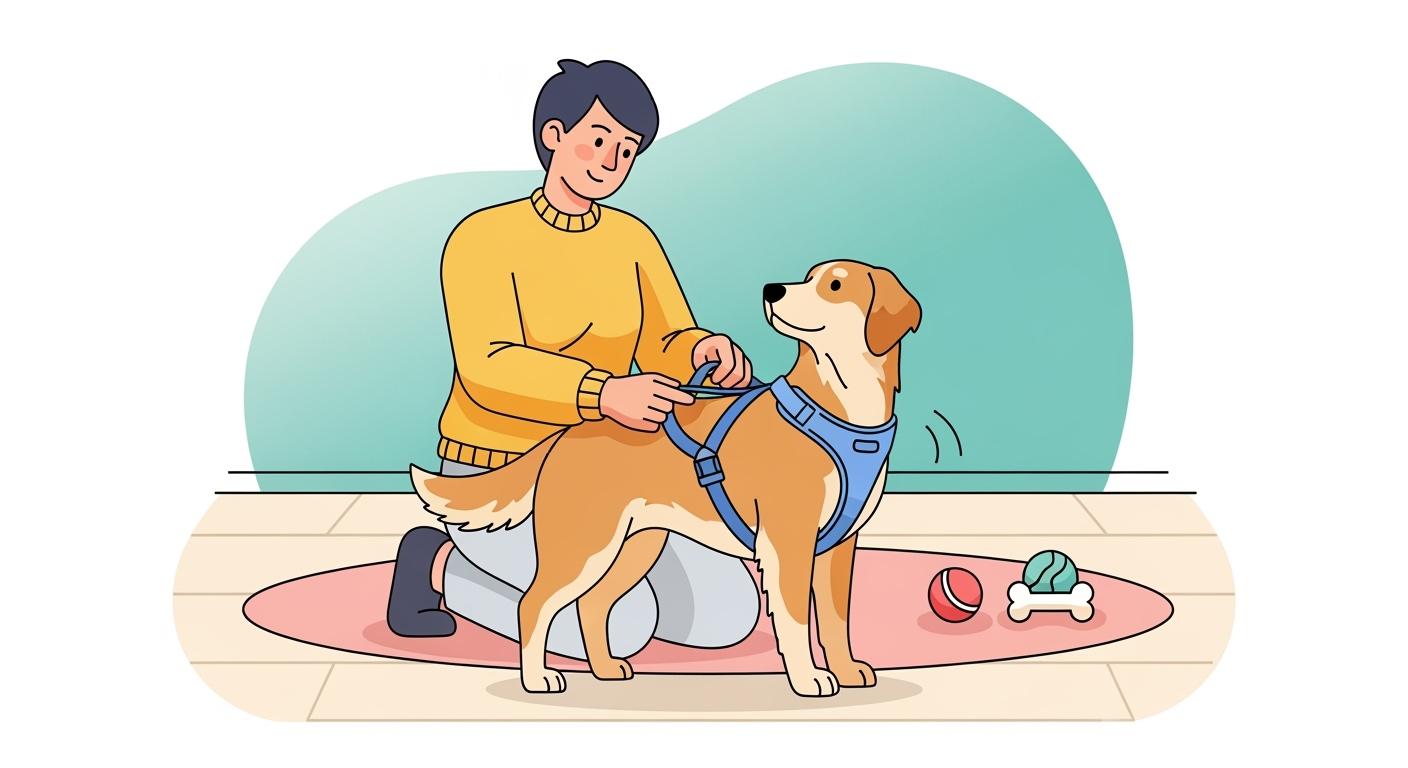
A practical home check is simple: let your dog enter, close the carrier, lift it for a short indoor walk, then set it down and watch what happens. A pass looks like quiet breathing, steady posture, and no urgent twisting to escape. A fail looks like constant shifting, pressure at the opening, or sagging through the bottom panel.
Natural posture matters for both dog and owner
A good dog carrier for hiking lets your dog maintain a natural posture. That also helps you carry the load more evenly. A backpack that pulls backward, leans to one side, or collapses at the base becomes tiring quickly, even before the trail gets steep. For longer walks, shoulder straps should sit flat, the back panel should feel stable, and a waist belt should help stop bounce rather than just add bulk.
- Check that the carrier stays centered instead of swinging side to side.
- Make sure your dog’s chest is supported instead of hanging from the opening.
- Use the internal tether as a backup against sudden jumping, not as a way to hold your dog up inside the bag.
- Recheck fit after a few minutes because settling can change how the carrier sits.
Tip: A large carrier that looks roomy in product photos can still fail if the base folds, the entry opening rubs, or the dog’s weight sits too far away from your back.
Airflow and Trail Readiness
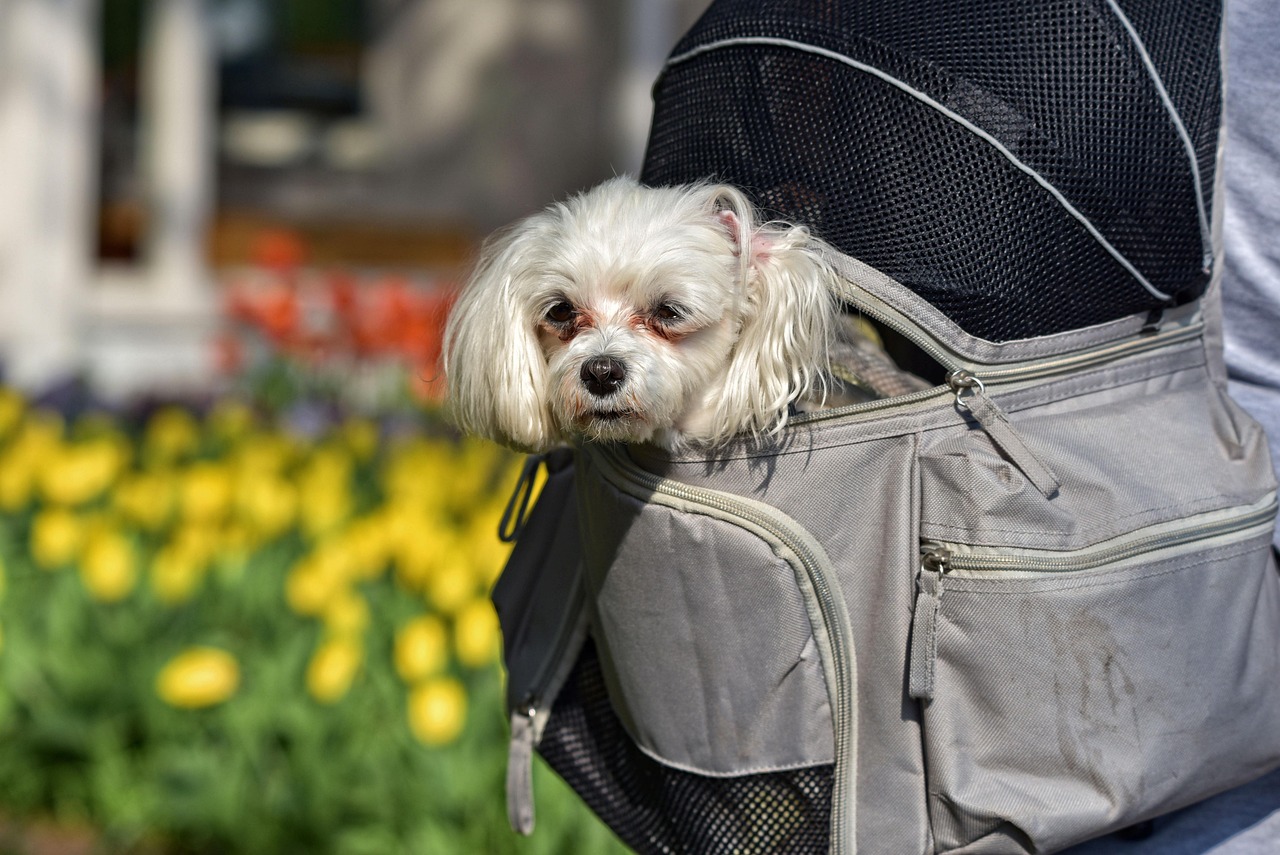
Mesh helps only if the fit still leaves space to breathe comfortably
When you choose a dog carrier for hiking, you must pay close attention to breathability. Mesh panels matter, but airflow is not just about having mesh on the outside. Once your dog is inside, the carrier still needs open air channels around the face and body. If the opening closes in too much after weight is added, the mesh alone will not solve the problem.
- Check airflow again after your dog is fully inside and the straps are adjusted.
- Avoid extra blankets or stuffed side pockets that block mesh panels.
- Choose trails and times of day that reduce heat buildup rather than relying on the bag alone.
- Pause when your dog shows repeated shifting, fast breathing, or reluctance to settle.
For hiking, trail readiness also means matching the carrier to the day. Shade, rest stops, and water access matter. A carrier can improve convenience, but it does not replace route planning, weather judgment, or active supervision.
Trail checks to do before a longer outing
| Check | Pass | Fail |
|---|---|---|
| Entry and exit | Your dog can get in and out without catching paws or pressing hard at the opening. | Awkward twisting, scrambling, or repeated snagging at the opening. |
| Base support | The bottom stays level and supportive when carried. | The body sinks, slants, or folds into the base. |
| Airflow | The face area remains open and breathing looks easy during a short carry. | The opening crowds the face or heat builds up quickly. |
| Carry stability | The pack stays centered with minimal bounce. | The pack swings, tilts, or pulls your shoulders backward. |
| Dog response | Your dog settles within a short trial carry. | Persistent shifting, vocalizing, or attempts to climb out. |
Setup, Packing, and Common Mistakes
Pack for stability, not just storage
It is easy to turn a hiking carrier into an overloaded travel bag. Keep the focus on stability. Small trail essentials are fine, but extra bulk can change airflow, make the carrier lean, and reduce comfort for both you and your dog. Put heavier accessories close to your back and avoid stuffing side pockets unevenly.
- Carry water in a way that does not distort the carrier shape.
- Use only the storage you need for that outing.
- Keep cleanup items simple: a small towel, waste bags, and a wipeable liner if the bag supports it.
- Recheck strap length after you add gear because the load can shift.
Common mistakes that create returns or bad trail experiences
| Mistake | Why it causes problems | What to do instead |
|---|---|---|
| Buying by label only | Large on the tag may still be too short, too shallow, or poorly supported. | Use an at-home entry and settle test before trail use. |
| Choosing the widest opening instead of the best support | Easy entry does not help if the base sags once weight is inside. | Check both entry ease and bottom stability together. |
| Overpacking side pockets | The carrier can lean and bounce, which stresses your shoulders and unsettles your dog. | Pack evenly and keep the load close to your back. |
| Skipping a short test carry | Pressure points and airflow problems often show up only after movement starts. | Do a short indoor or driveway test first. |
| Using the carrier as a substitute for supervision | Trail heat, fatigue, and stress can build up quietly. | Stop, observe, offer water, and reassess throughout the outing. |
Note: A carrier can make hiking easier, but it is still a comfort-and-transport product. It does not remove the need to monitor heat, footing, rest breaks, and your dog’s behavior.
FAQ
How do you know a large hiking carrier is still too small?
If your dog cannot settle naturally, the opening presses into the neck or shoulders, or the base collapses after weight is added, the carrier is too small or too poorly supported for practical trail use.
What matters more for hiking: more mesh or more padding?
Neither works alone. A hiking carrier needs enough airflow for the conditions and enough structure to keep the dog supported. Too much padding can trap heat, while too little structure can create sagging and instability.
When is a backpack carrier the wrong choice for a hike?
If your dog cannot breathe comfortably, settle during a short test carry, or remain stable without repeated shifting, a backpack carrier is not the right setup for that outing. Shorter routes, different timing, or another transport option may be a better fit.