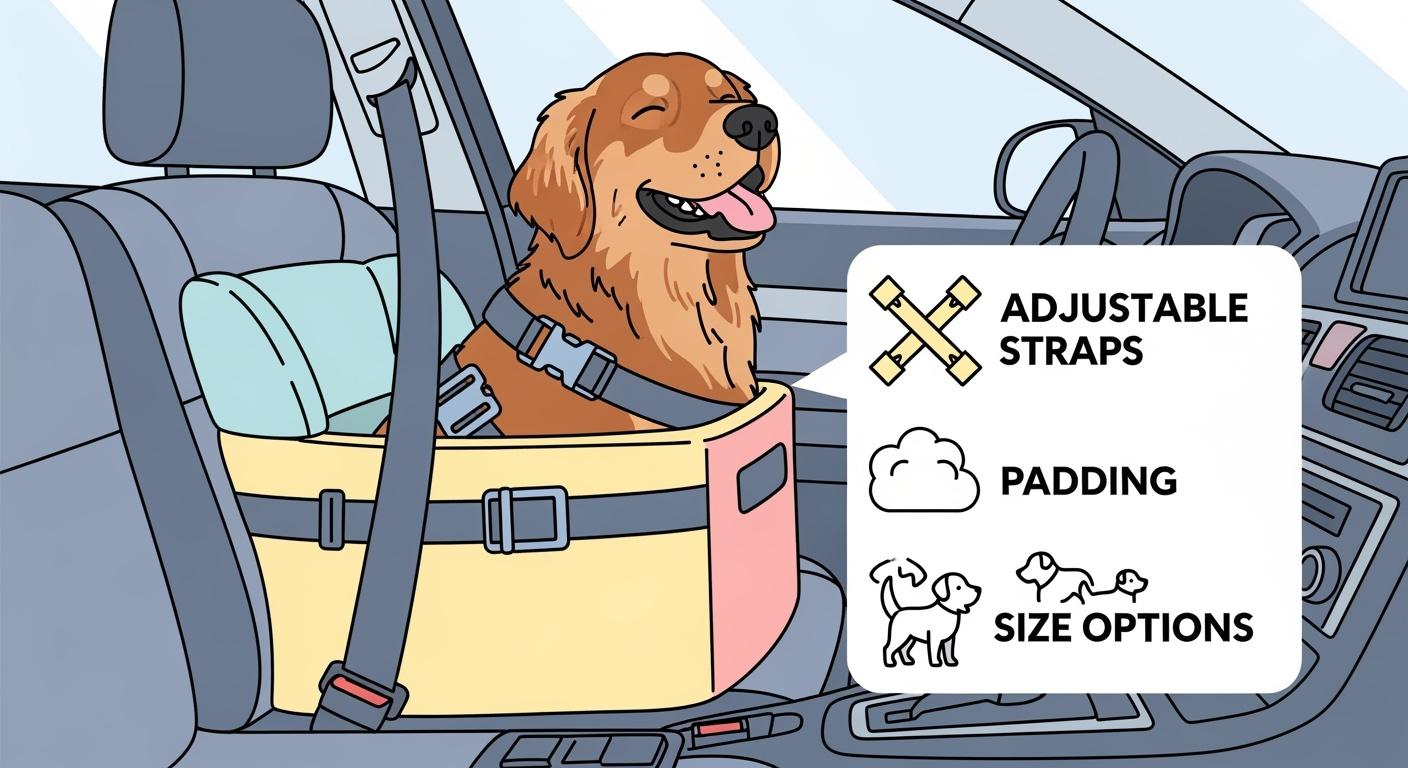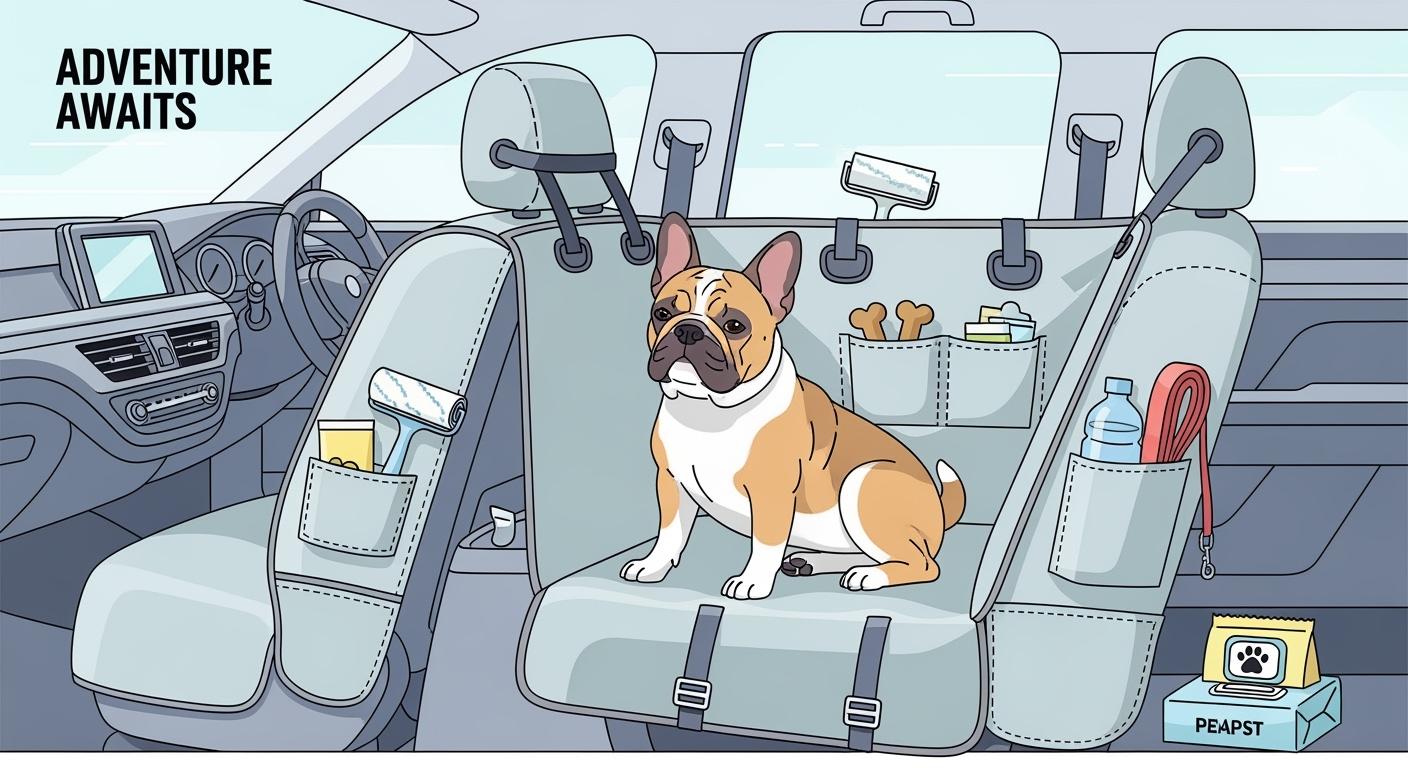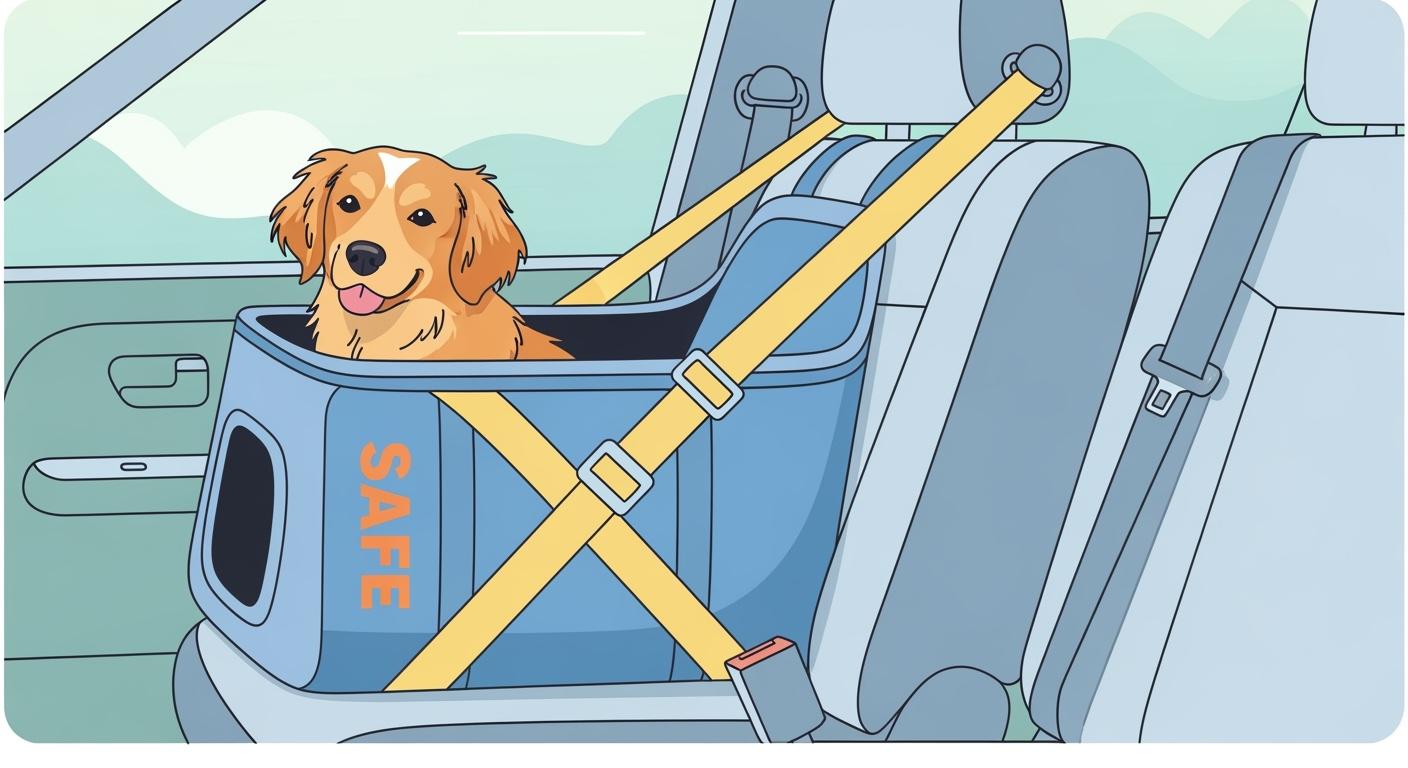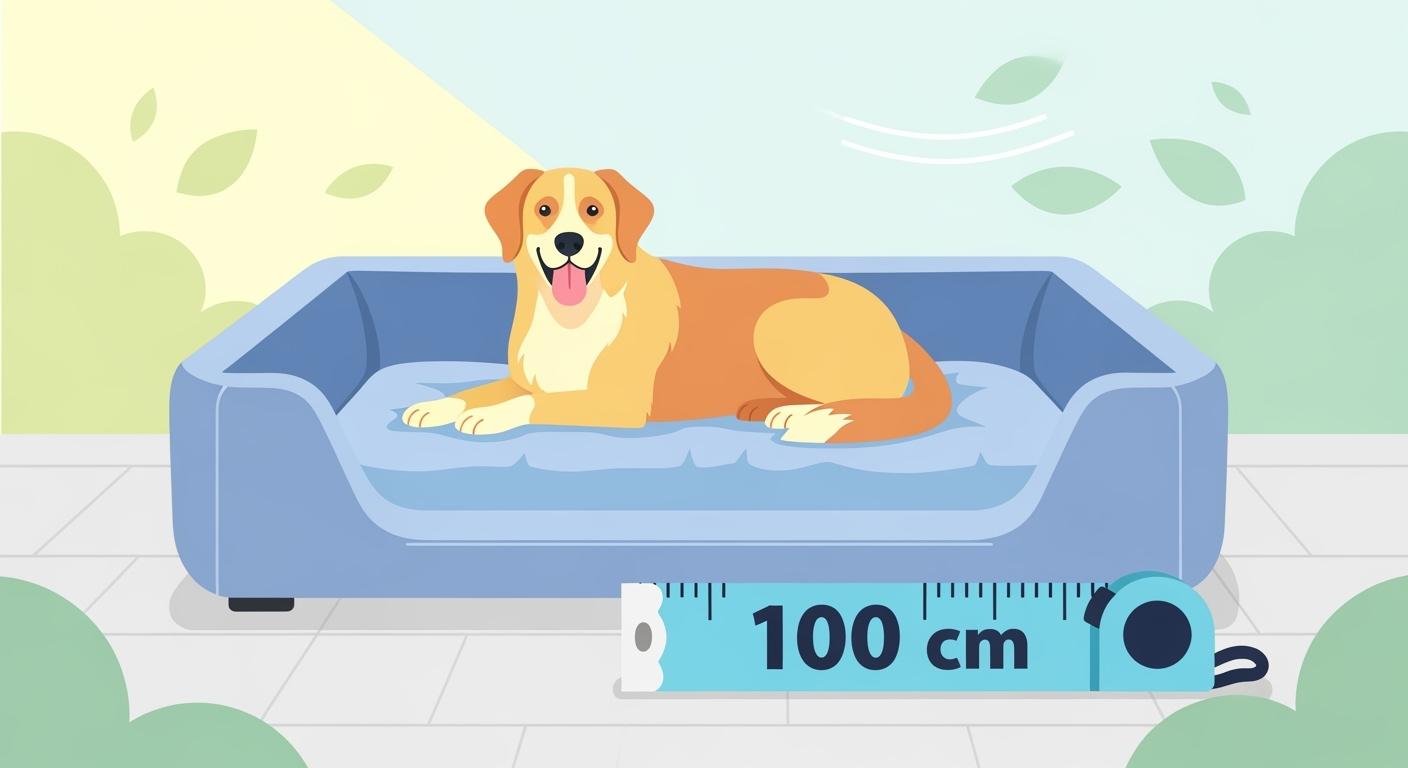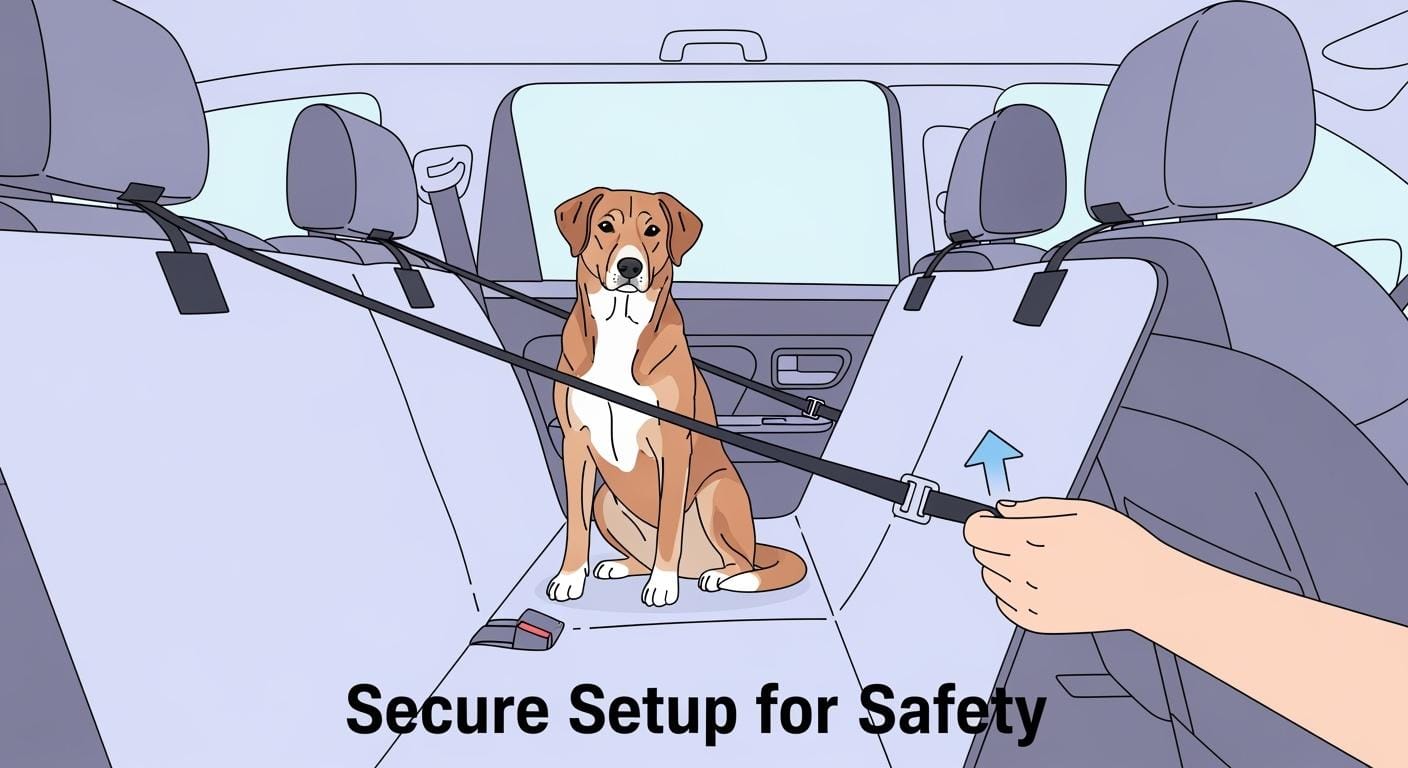
A back seat dog cover keeps your car clean. It also helps your dog stand better. It does not keep your dog safe in a crash. It does not hold your dog in place. Always look up travel rules in your area. Ask your veterinarian if you have health questions. You help your dog stay safe by checking the cover’s grip and stability each time you use it.
Key Takeaways
Always make sure your back seat dog cover is stable and grips well before every trip. This keeps your dog safe and comfy.
Use a restraint system, like a harness or crate, with the cover for more safety when you travel.
Clean and take care of the cover often to keep it fresh and working well to protect your car and your dog.
Back seat dog cover security and safety basics
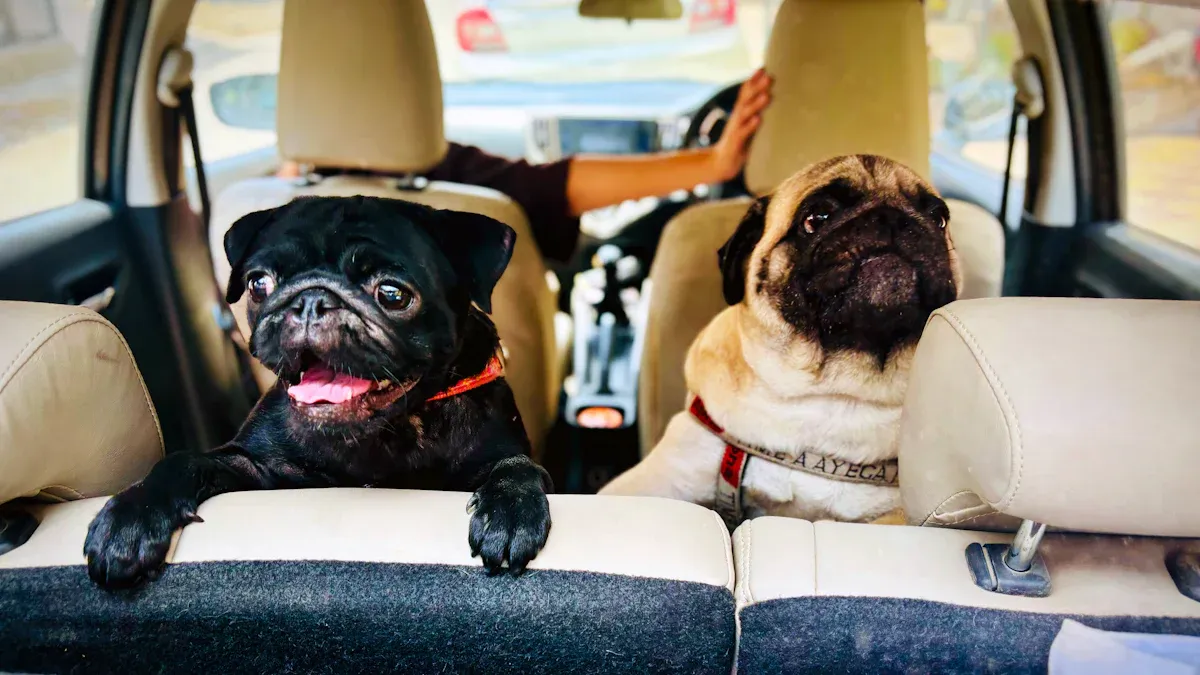
Interior protection vs restraint systems
A back seat dog cover helps keep your car clean. It also gives your dog a better place to stand. The cover stops dirt, fur, and spills from getting on your seats. It also helps prevent scratches. Your seats stay cleaner and last longer with a cover. Without one, you will need to clean your car more often. Your seats can get damaged faster. The cover does not hold your dog in place. It will not stop your dog from moving if you stop quickly. You need a harness, crate, or carrier to keep your dog still.
Always check the travel rules where you live. Ask your veterinarian if you have questions about your dog’s health or safety.
Common problems: sliding, bunching, blocked buckles
Sometimes the cover slides or bunches up when you drive. This can make your dog slip or trip. The cover might also block the seat belt buckles or latch points. You need to make sure the buckles are easy to reach. Some covers have anchor-in-crease designs and non-slip surfaces. These features help the cover stay in place and keep your dog safer.
When to consider other travel setups
Some trips need extra safety for your dog. If your dog gets nervous or moves around a lot, use a crate or harness. If you have more than one dog, you may need a stronger setup. You can look for certifications to make sure the cover is safe and good quality:
Certification | Description |
|---|---|
SGS | Makes sure the materials are safe and good quality. |
ROHS | Limits dangerous substances in the product. |
REACH | Checks how chemicals are made and used. |
ISO9001 | Shows the company manages quality well. |
Pick the right setup for each trip to help keep your dog safe.
How to install and check your back seat dog cover
Prep and anchor points
You need to prepare your vehicle before installing a back seat dog cover. Start by giving your dog structured exercise. This helps your dog stay calm during the ride. Install and test your restraint system if you use one. Add the back seat dog cover after you secure your dog. Pre-portion meals if your trip is long. Pack basic cleaning supplies for quick cleanups.
Clean the seat area before you install the cover. Vacuum the seats and floor. Wipe the surface with a damp microfiber cloth. This removes dirt and helps the cover grip better. Find the anchor points in your car. Most covers use seat creases, headrest posts, and seat frames. Secure the anchor straps tightly. Make sure the cover sits flat and does not bunch up.
Tip: Always check that seat belt buckles and latch points remain accessible. Do not block them with the cover.
Bench vs hammock setup
You can choose between a bench seat cover or a hammock seat cover. Each style fits different needs.
Seat Cover Type | Best Use | Pros/Cons | Key Checkpoints |
|---|---|---|---|
Bench Seat Cover | Rear seat protection | Easy to use, affordable; less side coverage | Check anchor system, fit |
Hammock Seat Cover | Full rear seat, active dogs | Stops dog moving forward, protects sides; harder to put on | Headrest layout, seat belt access |
Bench covers protect the seat base and backrest. They work well for calm dogs. Hammock covers attach to both front and rear headrests. They create a barrier and protect the sides. Hammocks help prevent your dog from moving forward. They offer more stability but take longer to install.
Setup Type | Stability | Usability |
|---|---|---|
Bench | May move around | Easy to use |
Hammock | More stable, prevents dog from moving forward | Harder to install |
Check the anchor system for both styles. Make sure the cover fits your seat shape. Adjust straps and sleeves for a snug fit.
Stability and grip checks before use
You must check stability and grip every time you use your back seat dog cover. Follow these steps:
Prep the seat. Vacuum and wipe with a damp cloth.
Anchor the base first. Secure strap loops around the seat frame.
Fit the backrest next. Guide side wings into the seat crease. Smooth out wrinkles.
Attach headrest sleeves last. Insert headrest posts and tighten buckles.
Perform a tension check. Sit in the seat and simulate braking. The cover should not shift more than a small amount.
Maintain the cover. Machine wash every few weeks. Air-dry flat.
Test the cover before your dog enters. Press down and pull gently on the cover. Sit on the seat and shift your weight. Simulate a quick stop or turn. The cover should stay flat and resist sliding.
Checkpoint | Pass Sign | Fail Sign | Solution |
|---|---|---|---|
Cover stays in place after entry/exit | No movement | Slides or bunches | Use anchors, non-slip backing |
Seat belt buckles accessible | Easy to reach | Blocked or hidden | Adjust cover, reposition straps |
Cover fits seat shape | No wrinkles | Bunched or loose | Smooth fabric, tighten straps |
Headrest sleeves secure | Tight fit | Loose or slipping | Tighten buckles, check sleeves |
Note: Always follow local travel rules. Consult your veterinarian for health or safety concerns. This guide does not replace professional advice.
Check your cover before every trip. You help your dog stay comfortable and your car stay clean. You also reduce risks from slipping or blocked buckles.
Comfort, hygiene, and maintenance tips
Preventing slipping and stress
You want your dog to feel secure and calm during every ride. Choose a back seat dog cover with non-slip backing and strong anchors. Make sure the cover fits your seat well and does not move when your dog gets in or out. Use the table below to check for common issues and solutions:
Checkpoint | Pass Sign | Fail Sign | Solution |
|---|---|---|---|
Cover stays in place after entry | No movement | Slides or bunches | Use anchors, non-slip base |
Dog stability and space | Dog sits comfortably | Dog slips or cramped | Pick proper size and grip |
Quick cleaning | Easy to wipe or wash | Needs full removal | Choose machine-washable |
Comfort cues and red flags
Look for signs that your dog feels comfortable. Your dog should sit or lie down without slipping. Watch for stress signals like panting, whining, or scratching at the cover. Add padding if your dog needs more support. Make sure the cover does not block airflow or create pressure points. The table below shows which materials and features help most:
Material/Design Feature | Contribution to Comfort and Hygiene |
|---|---|
Breathable Mesh | Good air flow, less anxiety |
Durable Canvas | Strong, keeps shape |
Faux Leather | Easy to clean, resists stains |
Heavy-Duty Plastic/Polycarbonate | Easy to clean, strong |
Reinforced Stitching | Lasts longer, stays stable |
Adjustable Straps | Better fit, less movement |
Easy-to-Clean Surfaces | Wipes clean, less odor |
Cleaning and drying best practices
Clean your cover often to keep it fresh and safe. Wipe up spills right away. Wash the cover in a machine if possible. Air-dry it flat to prevent mildew. Choose covers that dry quickly and do not hold odors.
Common mistakes to avoid:
Not measuring your seats before buying a cover.
Picking weak materials that slip or leak.
Blocking seat belt buckles or latch points.
Leaving straps loose or anchors shallow.
Letting dogs ride unrestrained.
Using covers that are hard to clean.
Assuming the cover alone keeps your dog safe.
Note: Always follow local travel rules. Ask your veterinarian if you have health or safety concerns. This guide does not replace professional advice.
Troubleshooting and comparison guide
Fixing sliding, bunching, or blocked buckles
Sometimes your cover moves or bunches up when you drive. Seat belt buckles can get stuck under the cover. These problems can make your dog feel bad and less safe. You can fix most of these problems with easy checks and quick fixes.
Symptom | Likely Cause | Fast Check | Fix |
|---|---|---|---|
Cover slides | Loose anchors, smooth seat | Tug cover, shift weight | Tighten straps, use non-slip backing |
Cover bunches | Poor fit, wrinkled fabric | Smooth cover, check seat shape | Adjust fit, flatten fabric |
Buckle trapped | Cover blocks access | Try to reach buckle | Reposition cover, open anchor slots |
Wet fur, odor | Moisture trapped, slow drying | Smell cover, touch for dampness | Remove cover, air-dry, wipe clean |
Dog pacing | Cover unstable, anxiety | Watch dog’s movement | Secure cover, add padding, use restraint |
Chewing | Boredom, stress | Inspect for bite marks | Provide chew toy, check fit, supervise |
Leash tangles | Cover blocks leash path | Attach leash, test movement | Use leash slot, adjust cover position |
Tip: Check your cover before every trip. Make sure the anchors are tight. Buckles should be easy to reach.
Handling chewing, anxiety, or multi-dog rides
Dogs sometimes chew on covers or act stressed. You might see your dog walk around, whine, or scratch. Riding with more than one dog can be harder. You can help your dogs feel safe by doing these things:
Exercise your dogs before you travel. Tired dogs are calmer.
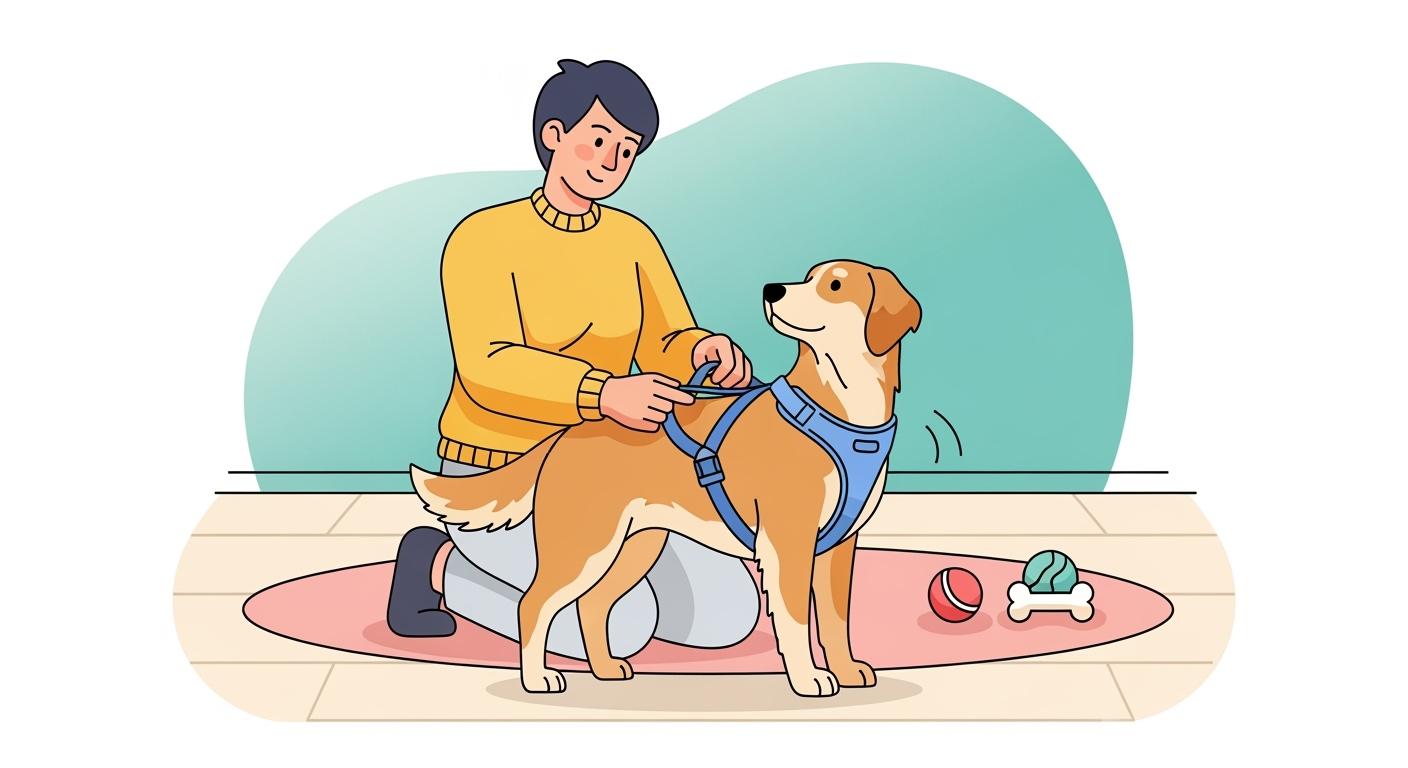
Use a restraint system for each dog. This keeps them from moving around.
Pick covers with strong stitching and tough materials. These covers last longer and are harder to chew.
Add padding or blankets for comfort. Soft spots help dogs relax.
Keep dogs apart if needed. Use barriers or crates for safety.
Give chew toys or treats. These keep dogs busy and less stressed.
Note: If your dog is very anxious or chews a lot, ask your veterinarian for help. Always follow local travel rules.
Bench cover vs hammock vs cargo liner
You have different ways to protect your car and help your dog ride well. Each setup has good points and some problems. Use this table to compare bench covers, hammock covers, and cargo liners.
Cover Type | Best Use | Comfort Level | Setup Stability | Failure Mode | How to Avoid |
|---|---|---|---|---|---|
Bench Cover | Calm dogs, simple trips | Moderate | May shift on entry/exit | Slides, blocks buckles | Tighten anchors, check fit |
Hammock Cover | Active dogs, long trips | High | Stable, prevents forward movement | Harder to install, may block airflow | Adjust straps, check headrest layout |
Cargo Liner | Large dogs, gear transport | Moderate | Stable in cargo area | May bunch, less seat access | Smooth liner, secure corners |
Pick the best cover for your dog and your trip. Always check for stability and grip before you go.
Safety Reminder: Keep dogs restrained when you drive. Do not let dogs walk around in the car. Dogs should ride in the back seat. Do not let dogs stick their heads out the window.
Quick FAQs
How do I clean my cover?
Wipe up spills right away. Wash in a machine if you can. Let it air-dry flat.What should I do after wet weather?
Take off the cover. Dry it all the way before using again.Can I use a child seat with a cover?
Yes, but make sure the cover does not block seat belt buckles or latch points.
Disclaimer: This guide does not replace professional advice. Always follow local travel rules and ask your veterinarian if you have health questions.
You protect your car and your dog when you check your back seat dog cover for stability and grip.
You keep your dog comfortable by maintaining the cover and fixing problems quickly.
You must use a restraint for safety, not just a cover.
Always follow local travel rules and ask your veterinarian about health concerns.
FAQ
Why does my back seat dog cover slide around?
You may see sliding if the cover does not fit well or lacks non-slip backing. Tighten all straps and smooth out the fabric for better grip.
How do I keep seat belt buckles easy to use?
Choose a cover with buckle openings. Adjust the cover so you can reach all buckles. Always check access before each trip.
Is a hammock cover safe for my dog?
A hammock cover adds protection and blocks forward movement. You still need a harness or crate to keep your dog secure during travel.
Note: Always follow local travel rules. Ask your veterinarian for health or safety advice. This guide does not replace professional guidance.