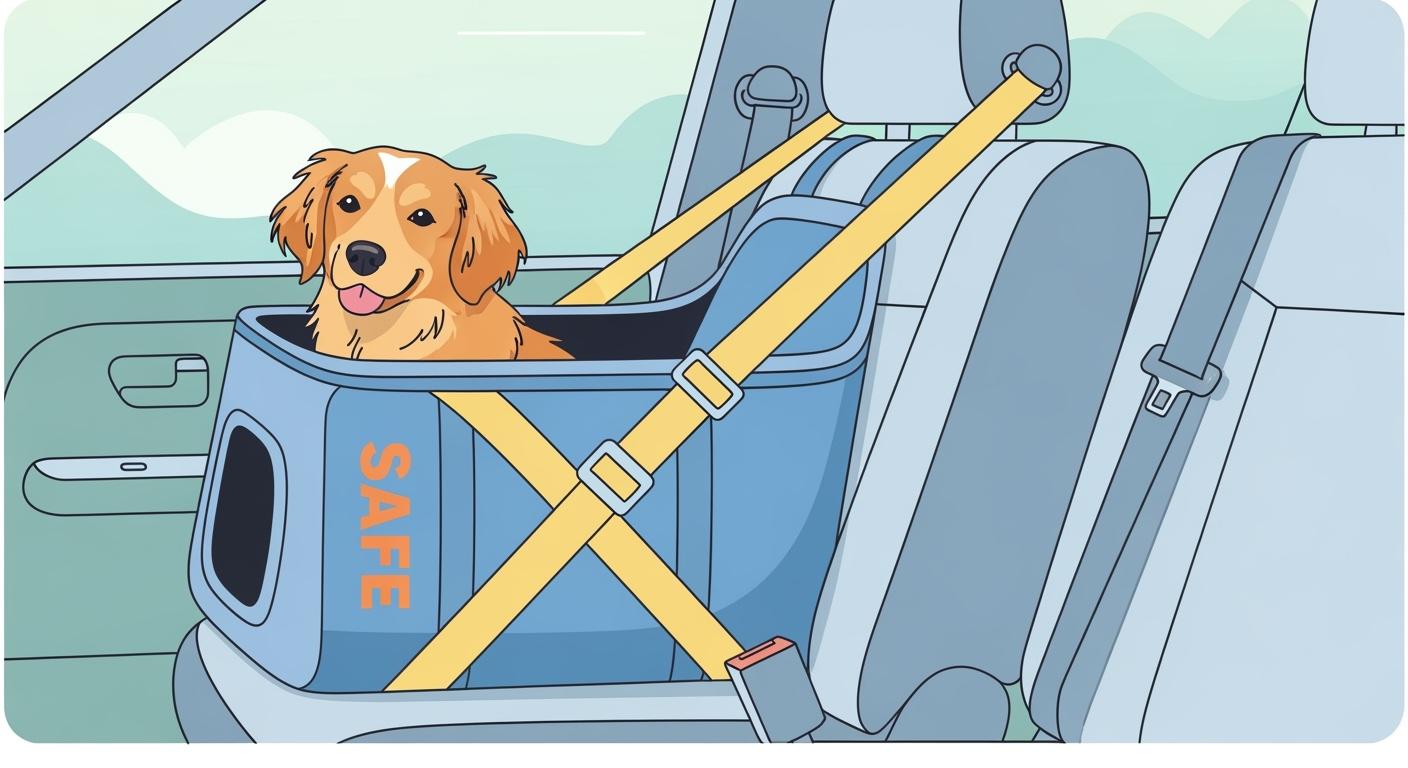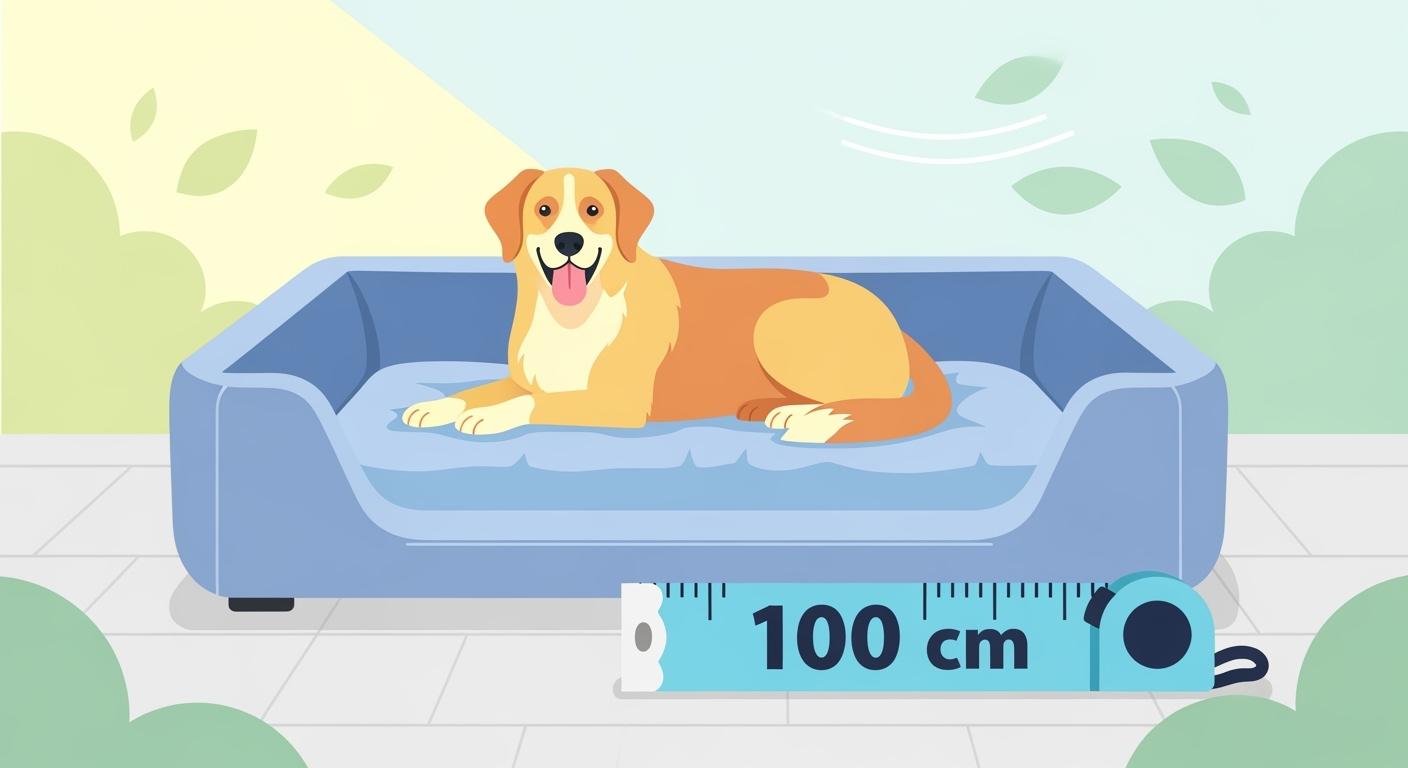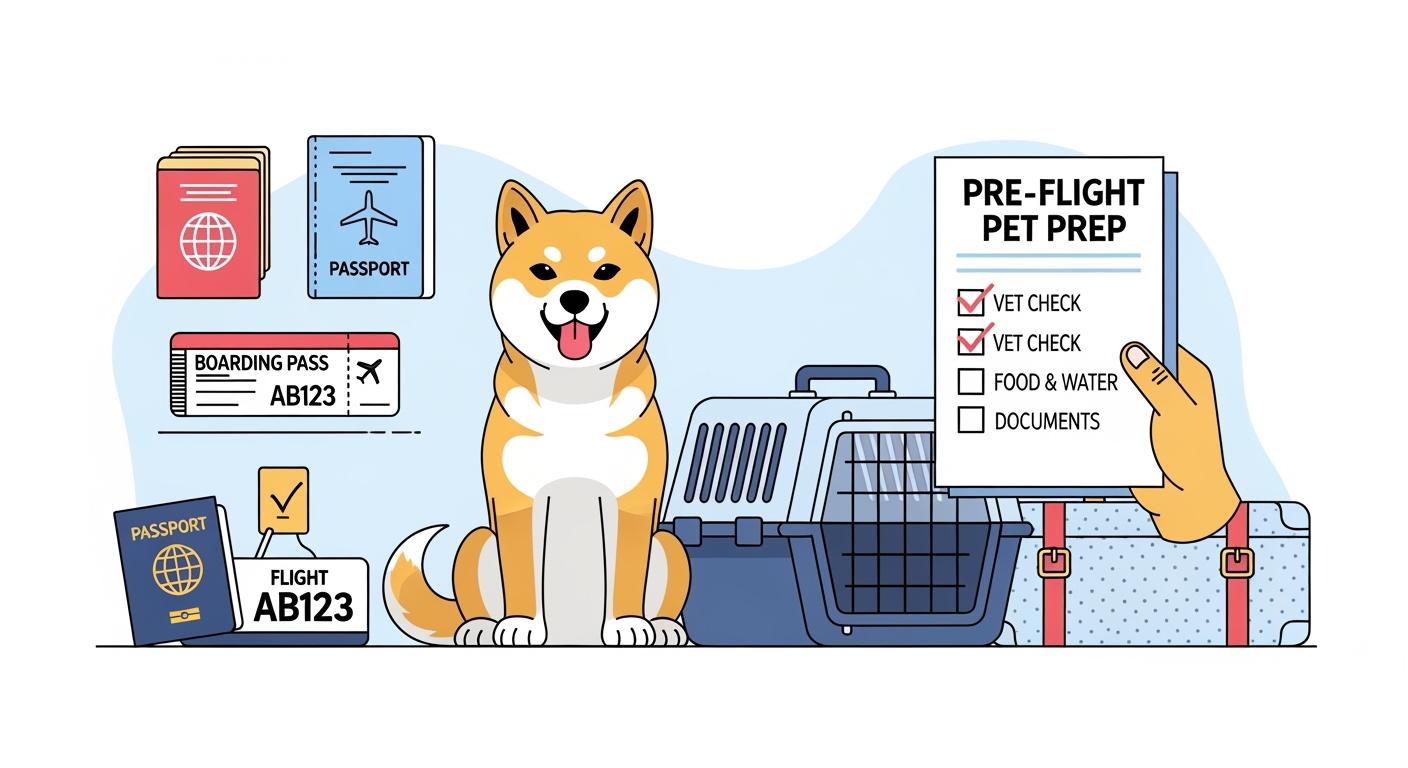
You want an airline approved pet carrier for 30lb dog, but not all airlines use the same rules. Each trip can have different requirements. Posture, fit, and security matter more than the size or weight.
Always confirm your airline’s pet policy for your exact flight, and review TSA checkpoint steps before travel. This prevents last-minute problems.
Key Takeaways
- Always look at your airline’s rules for pet carriers before you buy your ticket. Every airline has its own rules.
- Make sure your pet carrier lets your dog stand, turn, and lie down easily. This is very important for your dog’s safety and comfort.
- Get all the papers you need, like health certificates and vaccination records, early so you do not have problems at the airport.
Airline approved pet carrier for 30lb dog: what to know
Cabin vs cargo: setting expectations
“Airline approved” does not mean every airline will take your carrier. Each airline has its own rules for pets. Most airlines do not let a 30lb dog ride in the cabin. The carrier must fit under the seat, and the weight limit is usually less than 30 pounds. Many airlines want bigger dogs to travel in the cargo hold. You will need a different airline approved pet carrier for 30lb dog if your pet is too big for the cabin. For cabin travel, FAA cabin-safety guidance notes that a carrier must be properly stowed and must not block aisles or exits.
Here is what usually differs from trip to trip (and what you should confirm on the airline’s official pet page for your exact flight):
| What to confirm | Why it matters | Quick check |
|---|---|---|
| Cabin vs cargo eligibility | Most 30lb dogs are not allowed in-cabin because the carrier must go under the seat. | Look for “in-cabin pet” rules and size/weight limits (pet + carrier). |
| Under-seat dimensions | “Airline approved” still fails if your carrier cannot fit the space on your aircraft. | Check your aircraft/seat notes for the under-seat max length/width/height. |
| Container requirements for cargo | Cargo travel often requires a hard-sided kennel/crate, ventilation, and escape-proof construction. | Confirm the crate type, ventilation sides, and any hardware rules. |
| Paperwork and timing | Health certificates, vaccination records, and booking windows can block travel even if the carrier is fine. | Confirm document deadlines and check-in cutoffs for pets. |
Bottom line: always confirm the rules for your exact route, aircraft, and season before you buy an airline approved pet carrier for 30lb dog.
Fit and posture: what airlines check
Airlines do not only care about the size of the carrier. They want to see if your dog can stand up, turn around, and lie down. The carrier must help your dog stay in a good position and not move too much. Extra space is not needed. You need an airline approved pet carrier for 30lb dog that keeps your pet safe and comfy. If your dog cannot relax or tries to get out, the airline might say no.
Here is what airlines check for each travel mode:
| Travel Mode | Main Requirements |
|---|---|
| Cabin | Fits under seat, mesh panels, waterproof bottom, space to lie down |
| Cargo | Hard crate, enough space to stand and turn, ventilation, secure closure |
Common approval issues and paperwork
Many people get surprised at the last minute because of missing papers or timing. You must have all your documents, like health certificates and vaccine records. Some airlines want forms filled out days before you fly. If you forget something, your airline approved pet carrier for 30lb dog might not be allowed. Always check your paperwork and ask about timing when you book your flight. This helps you avoid delays and extra fees.
TSA security checkpoint checklist for 30lb dog
People often search “TSA approved pet carrier,” but TSA does not approve or certify pet carriers. TSA screens travelers. Plan for a carrier that can go through the X-ray machine while your dog is handled securely.
Trip and carrier fit checks
Check your carrier before every trip. Airline and TSA rules can change. First, make sure your airline lets dogs of this size. Check if your dog must go in the cabin or cargo. Most 30lb dogs travel in cargo, not the cabin. Measure your carrier and compare it to airline rules. The carrier should help your dog stand, turn, and lie down. Your dog should not slump or twist. Look for features that stop sagging and keep the carrier strong. Make sure there are vents for air but not blocking exits. Check that the carrier stays closed if your dog paws at it. The bottom should not leak and should be easy to clean. Use this checklist so you do not get surprised at the airport.
- Measure the carrier’s length/width/height (including wheels or handles if applicable) and compare to the airline’s current limits for your booking.
- Do a 30-second load/unload drill at home: your dog enters calmly, turns around, and exits without snagging paws or collar.
- Check closures: zippers lock down, clips stay shut under pawing, and seams do not gap when you lift the carrier.
- Check the base and lining: stable floor support, no sharp edges, and a wipe-clean surface for accidents.
Security checkpoint plan: you will usually remove your dog from the carrier, send the empty carrier through the X-ray machine, and keep your dog on a leash or harness while you walk through screening. Practice a calm handoff at home so your dog cannot slip away in a crowded line.
Pet comfort and stress signs
Your dog’s comfort is very important. Watch your dog for stress. If your dog tries to escape or will not settle, change the carrier. Look for slumping, twisting, or trying to get out. These are warning signs. Airline and TSA workers look for these behaviors. Make sure your carrier meets the rules for posture and safety. Padding helps your dog feel calm. Vents let air move but do not make the carrier cooler. If your dog seems stressed, check the fit and support. A tsa compliant pet carrier keeps your dog safe and relaxed.
Checklist table: pass/fail signs
| Check Item | Pass Sign | Fail Sign | Buyer Notes |
|---|---|---|---|
| Trip-specific rule verification | Route and airline confirmed | Rules unclear or not checked | Always verify before booking |
| Cabin vs cargo expectations | Carrier matches travel mode | Carrier too large for cabin | Cabin for small dogs, cargo for larger dogs |
| Under-seat/storage limitations | Carrier fits under seat or in hold | Carrier too tall or wide | Measure carrier and compare to airline specs |
| Carrier structure and anti-sag | Stable, supports posture | Sagging, slumping, twisting | Internal support more important than size |
| Ventilation layout/blockage risk | Mesh panels, airflow present | Blocked vents, poor airflow | Ventilation must not block exits |
| Closure security/escape risk | Secure zippers, latches hold | Easy to open, escape attempts | Test closures with pet inside |
| Posture support | Dog stands, turns, lies down | Dog cramped or cannot move | Airlines check posture, not extra space |
| Process readiness (check-in, etc.) | Carrier ready for all steps | Missing paperwork or carrier features | Prepare for check-in, security, boarding |
| Cleaning/deodorizing practicality | Leakproof, easy to clean | Residue in seams, slow drying | Test cleaning before travel |
| IATA compliance | Meets international standards | Not compliant or unclear | Ask airline about IATA requirements |
Tip: Use this checklist before you buy or book. Airlines care about fit and posture, not just weight.
Checklist recap you can screenshot
- Check airline and TSA rules before you book.
- Pick a cabin or cargo carrier based on your dog’s size and route.
- Inside support is more important than outside size for posture.
- Vents let air move but do not make the carrier cooler.
- Strong closures stop escapes during travel and when your dog paws.
- Leakproof bottoms make cleaning and odor control easy.
- Padding helps your dog relax and rest while traveling.
- Watch for warning signs: escape tries, not settling, or discomfort.
- The carrier must fit under the seat or in the cargo hold.
- The carrier should not sag and must support your dog’s posture.
- Be ready with paperwork, check-in, security, and boarding steps.
- Easy cleaning stops smells and helps the carrier dry fast.
Pet carrier features that prevent travel-day problems
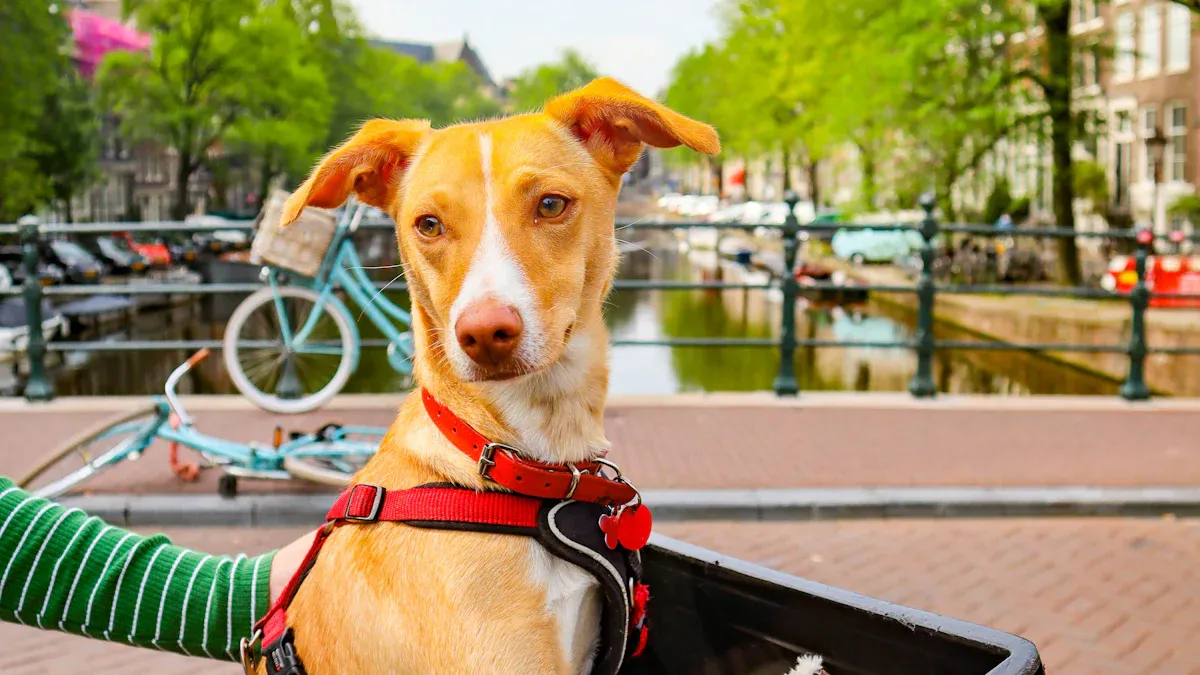
Structure and stability
Your carrier should keep its shape when lifted, set down, and carried through busy terminals. For most travel, a reinforced base and internal support matter more than “extra room” because support helps your dog stand, turn, and lie down without slumping.
| Build feature | Why it matters |
|---|---|
| Reinforced base panel | Reduces sagging so posture stays stable during carry and check-in. |
| Internal support panels/frame | Helps the carrier hold its shape when your dog shifts weight. |
| Secure handle/strap attachment points | Safer lifting and fewer drops during stairs, shuttles, and transfers. |
| Locking zippers or escape-resistant closures | Lower escape risk if your dog paws, chews, or pushes at openings. |
| Leak-resistant bottom + removable liner | Easier cleaning and faster drying after accidents. |
Ventilation and cleaning
Good airflow helps your dog stay calm. Mesh windows let your dog look out and feel less worried. Air can move through the carrier but does not make it colder than the plane. Pick a soft pad you can wash in a machine. This pad is comfy and makes cleaning easy. It also stops bad smells.
| Feature | Benefit |
|---|---|
| Ample ventilation | Excellent airflow, keeps dog relaxed |
| Multiple mesh windows | Panoramic view, reduces anxiety |
| Plush, machine-washable pad | Cozy resting place, easy cleaning |
Closures and escape risk
Strong zippers and latches are important if your dog scratches at the door. These keep your dog from getting out. Try the closures before you travel. If your dog tries to escape, check if the carrier fits well and the closures are strong.
Listing claims: set realistic expectations
When you read about a carrier, look for details about how it is built, how air moves, and how to clean it. Easy-clean carriers are best when dirt does not get stuck in the seams. Airflow helps your dog breathe but does not make the carrier cooler. The best tsa approved pet carrier helps your dog stand, keeps them inside, and is simple to clean.
Tip: Always check for support that stops sagging, strong closures, and pads that are easy to clean before you buy.
Airline approved pet carrier: mistakes, troubleshooting, FAQs
Common mistakes and quick fixes
You can stop most problems if you know what mistakes people make when flying with a dog. Here are some easy ways to fix them:
- Measure your dog when they are lying down, not just by weight.
- Help your dog get used to the carrier at home before you travel.
- Choose a carrier that matches airline rules for cabin and cargo.
- Do not use thick padding because it can block air.
- Make sure pockets and extra things do not change the carrier’s shape.
- Try all zippers and closures to see if they stay closed.
Error Table
| Error | Occurrence | Cause | Better Buyer Guidance |
|---|---|---|---|
| Misunderstanding airline approval | Very common | Rules differ by airline | Always confirm requirements for each trip |
| Cabin/cargo confusion | Frequent | Size/weight limits vary | Check if 30lb dogs can fly in cabin |
| Size based only on weight | Frequent | Ignoring posture needs | Measure dog’s length and height |
| Oversized carrier causes sag | Sometimes | Too much space, weak frame | Choose stable, posture-supporting carrier |
| Thick padding blocks airflow | Sometimes | Overstuffed bedding | Use thin, washable pads |
| Overstuffed pockets alter shape | Rare | Extra items bulge carrier | Keep pockets light and flat |
| Weak closures | Rare | Poor zipper/latch quality | Test closures before travel |
Troubleshooting table: issues and solutions
| Issue | Likely Cause | Immediate Fix | Prevention |
|---|---|---|---|
| Carrier rejected at check-in | Missed requirements | Ask staff, adjust if possible | Review all requirements before booking |
| Carrier sags or collapses | Weak structure, too large | Add support, swap carrier | Pick anti-sag, stable design |
| Pet opens zippers | Weak or loose closures | Secure with clips or ties | Test closures with pet inside |
| Pet will not settle | Not acclimated, poor fit | Calm pet, adjust bedding | Practice at home, check fit |
| Discomfort in warm areas | Poor ventilation | Move to cooler spot | Choose carrier with mesh panels |
| Odor builds up fast | Hard-to-clean surfaces | Clean and dry carrier | Use washable pads, test cleaning |
| Fit issues at airport | Wrong measurements | Adjust or replace carrier | Measure dog in travel posture |
Buyer FAQs
- What does airline approved mean for pet carriers?
- Can a 30lb dog ride in the cabin on most airlines?
- How do I check the rules for my trip?
- What position should my dog have in the carrier?
- How do I test zipper and closure safety?
- Will mesh panels keep my dog cool during flying with a dog?
- How do I clean the carrier after flying with a dog?
- When is a carrier not good for travel?
- What problems can cause refunds or denied boarding?
- What should I do if my dog cannot relax in the carrier?
Tip: Always check the rules for each airline and route before you travel.
- Use the checklist before you book or buy a carrier.
- Double-check airline, TSA, and route rules every time.
- Review common mistakes and troubleshooting tips.With good preparation, you can fly with your 30lb dog smoothly and stress-free. Check the FAQs and checklist before travel day.