
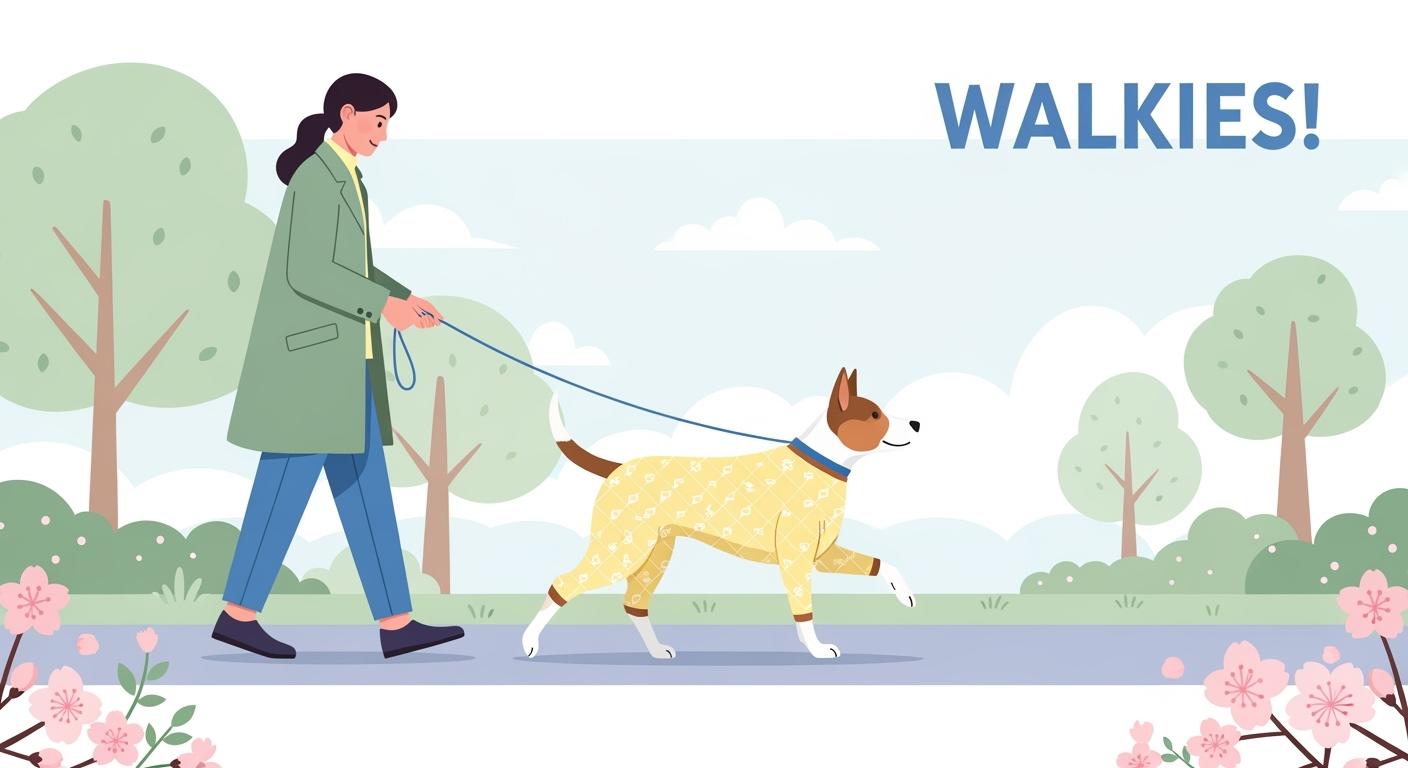
A dog onesie should fit well. It should let your dog move easily. It should not squeeze the chest or shoulders. You can use the quick reference card to check the fit. The fit should feel safe but also comfortable. Watch your dog walk to see if it moves normally. Always think about comfort and safety first. If your dog scratches a lot, tucks its tail, or does not want to move, check the fit again. Good dog clothing uses fabric that stretches and lets air in. This keeps your dog comfortable. For the best results, use the step-by-step guide and checklists. This helps you focus on comfort and stops movement from being restricted.
Key Takeaways
Try the two-finger rule to test the dog onesie fit. This helps make sure it is snug but not too tight.
Watch your dog on a short walk. Look for normal movement. If your dog seems uncomfortable, the fit is not good.
Pick fabrics like cotton or bamboo. These help your dog stay cool and comfy on walks.
Check the onesie fit often. Do this more as your dog gets older or if its weight changes.
If the onesie bothers your dog or stops movement, try other clothes for better comfort.
Dog Onesie Fit for Movement
Two-Finger Rule for Fit
You want your dog onesie to fit like a second skin. Start by putting the onesie on your dog. Make sure the fabric sits smoothly over the chest, shoulders, and belly. The two-finger rule helps you check the fit. Slip two fingers between the fabric and your dog’s body at the neck, chest, and belly. You should feel a secure fit, but not tightness. If you cannot fit two fingers, the onesie is too snug. If the fabric bunches or twists, the fit is too loose. Use sizing guides to match your dog’s chest girth and neck circumference before buying. This step helps you avoid common problems with small dog clothes.
Owner’s Note: Always check the leg openings. They should not press into the underarm area. This helps prevent rubbing during walks.
Signs of Restricted Movement
Watch your dog move after you put on the dog onesie. Look for a normal stride. Your dog should walk with free movement in the shoulders and legs. If you see a bunny hop, shortened steps, or limping, the onesie may restrict movement. Some dogs stop and try to bite or scratch the dog clothing. Others may vocalize or refuse to walk. Red marks or irritation in the underarm or behind the elbow show poor fit. Use the quick reference card to check these high-risk friction zones:
Underarm area and behind the elbow
Edges of leg openings
Chest centerline
Belly panel
If you notice any of these signs, remove the onesie and check the fit again.
Common Fit Issues
Many fit problems come from unclear sizing guides or incorrect measurements. Measure your dog’s chest girth and neck circumference before choosing small dog clothes. Common issues include:
Onesie compresses the chest or restricts breathing.
Fabric twists or bunches during movement.
Leg openings cut into the underarm swing zone.
Redness or irritation appears after a short walk.
Buyer’s Note: Most complaints come from unclear measurement instructions, underarm rubbing, and twisting during the first walk. Provide clear sizing guides and walk-test instructions in your product listings.
Step-by-Step Fit and Walk Test Instructions:
Put the dog onesie on your dog. Smooth the fabric over the chest, shoulders, and belly.
Apply the two-finger rule at the neck, chest, belly, and leg openings.
Let your dog walk for 2-3 minutes on a flat surface. Watch for normal gait and free shoulder movement.
Check for signs of restricted movement or irritation in high-risk zones.
Adjust or change the onesie if you see any problems.
Fit Checkpoint | What to Look For | Action if Problem Found |
|---|---|---|
Neck, Chest, Belly | Two-finger space, smooth fit | Adjust or size up/down |
Leg Openings | No pressing or redness | Choose softer or wider cut |
Movement (Walk Test) | Normal stride, no bunny hop | Remove and reassess fit |
Design Choices for Mobility
Stretch and Seam Placement
A dog onesie should move with your dog. Stretchy panels in the shoulder and chest help your dog walk and run. Where the seams are placed is important. Studies show side seams work best for small dogs. For big dogs, moving seams up or using seamless knitting helps stop irritation. Smooth seams away from the underarm lower rubbing risk. Always make sure the onesie stretches along the back and chest.
Leg Openings and Underarm Comfort
Wide, soft leg openings help your dog move easily. The underarm swing zone needs special care. If leg openings press here, your dog may feel sore or get red marks. Soft edges and a small gap at the underarm stop friction. Check the fit after a short walk, especially for dogs with long backs.
Breathable Fabric Selection
Pick natural fabrics for your dog onesie. Cotton, bamboo, and merino wool let air flow and keep your dog cool. Breathable fabric is important for walks, especially for dogs with long backs or thick fur. Natural fibers also help stop skin irritation, which is good for puppies and sensitive dogs.
Comparison Table: Design Approaches
Option | Best Use | Pros | Cons | Notes |
|---|---|---|---|---|
Full-body stretch | Active walks | Maximum movement, low rub | May trap heat, needs drying | Check back length fit |
Partial coverage | Short outings | Easy fit, less friction | Less protection | Good for sensitive underarms |
Seamless knit | All-day wear | No seam irritation | Limited sizing options | Suits varied back length |
Wide leg opening | Puppies, seniors | Easy on/off, comfort | May shift, needs adjustment | Watch for twisting |
Breathable mesh | Hot weather | High breathability | Less warmth in cold | Ideal for longer back length |
Sourcing and Listing Checklist
Give clear measurement instructions for chest, neck, and back.
Show which way the fabric stretches.
List where the seams are placed.
Make sure underarm gaps and leg openings are soft.
Tell where closures and elimination openings are.
Check if it works with a harness.
Give easy cleaning steps.
Add walk-test and fit tips.
Explain exchange and warranty rules.
Buyer’s Note: Most problems come from unclear sizing, underarm rubbing, and twisting. Always explain sizing, walk-test steps, and heat safety in your listings.
Owner’s Note: After each walk, check your dog’s underarms and back for rubbing or overheating.
Movement Test Routine
Fit-Check Steps
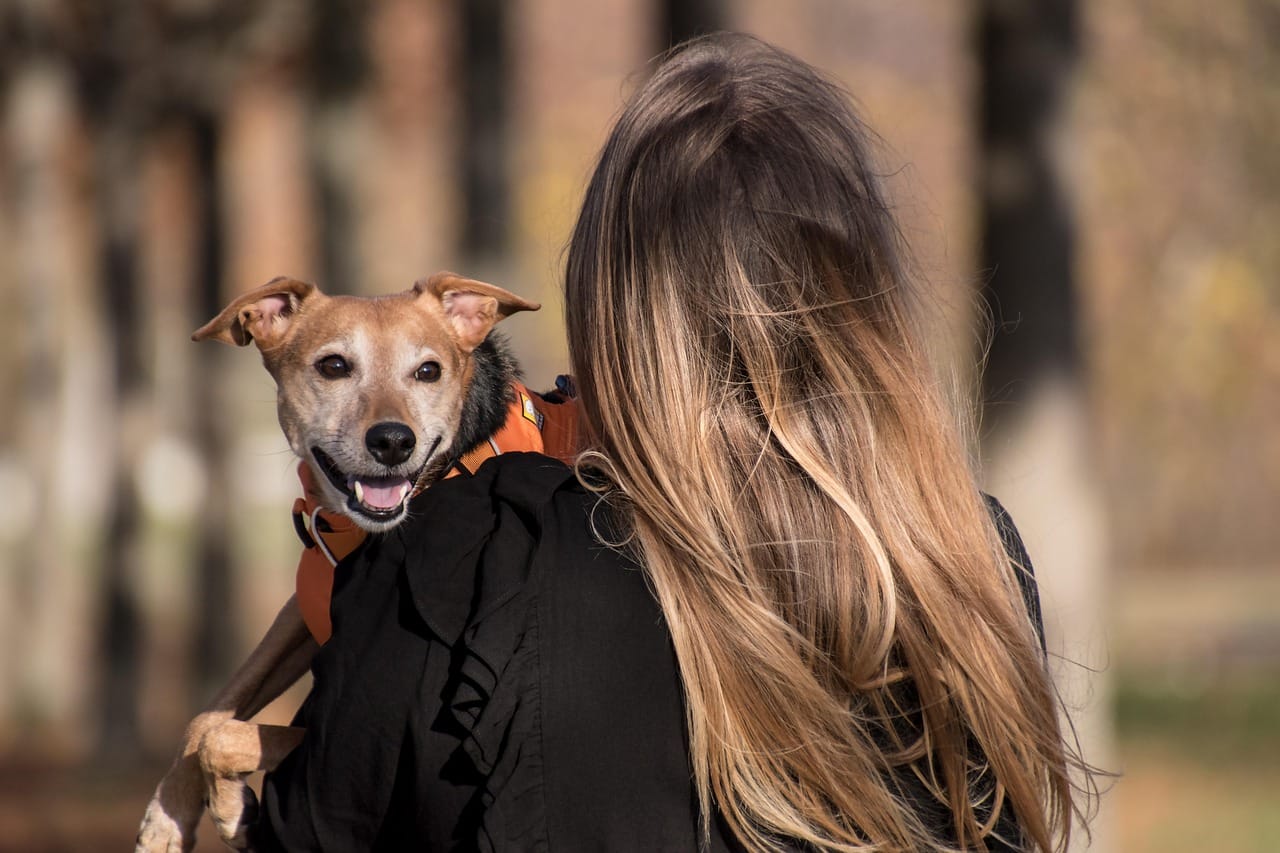
You need to make sure the dog onesie lets your dog move well before going outside. Put the onesie on your dog while it stands. Smooth out the fabric on the chest, shoulders, and belly. Try the two-finger rule at the neck, chest, and belly. You should feel a snug fit, but it should not squeeze or leave big gaps. Check the leg openings and underarm area to see if they are comfortable. These spots need enough room so they do not rub. If you see the fabric bunch up or twist, fix the fit. Always measure your dog when it is standing. Measuring while your dog sits can squish the spine and ribs. This can make the size wrong and stop your dog from moving well.
Short Walk-Test Method
A short walk-test helps you see if the dog onesie lets your dog move in a normal way. Let your dog walk for two or three minutes on a flat floor. Watch for a normal walk and free shoulder movement. Look for signs of good movement, like steady steps and a relaxed body. If your dog hops like a bunny, takes short steps, or tries to scratch the suit, the onesie may be too tight. Stop the test if your dog will not walk or tries to get out of the onesie. Check the underarm and leg openings for red spots after the walk. If you see any redness, the onesie does not give enough room to move. Do the walk-test again every time you change the onesie or your dog’s body changes. If you do not check the fit often, the clothes can get too tight and stop your dog from moving well.
Walk-Test Step | What to Observe | What to Do if Issue Found |
|---|---|---|
2-3 minute walk | Normal gait, no bunny hop | Remove and reassess fit |
Shoulder movement | Free swing, no hitching | Adjust or size up |
Scratching or biting | None during walk | Check for rubbing or tightness |
Underarm/leg redness | None after walk | Choose softer or wider cut |
Moisture and Heat Safety
Wetness and heat can make it hard for your dog to move and feel good. Wet fabric can rub and cause sore spots. If your dog pants a lot or the onesie gets wet, take it off right away. Dry your dog and the onesie before putting it back on. Breathable fabric helps your dog stay cool and move better. Always look for signs of overheating, like heavy panting or drooling. If you see these signs, stop the walk and take off the onesie. This keeps your dog safe and helps it move well.
Buyer’s Note: Most returns happen because people do not measure right or the underarms rub. Always give clear sizing charts and walk-test steps to help buyers check movement.
Owner’s Note: After each walk, check your dog’s underarms and back for red spots or sore skin. This helps you make sure your dog can move and feels good.
Mistakes List
You can avoid common mistakes by following these tips:
Measuring your dog while it sits can squish the spine and ribs. This makes it hard for your dog to move.
Only using back length or weight does not show chest width or body shape. These are important for movement.
Not checking the fit as your dog’s fur or body changes can make the onesie too tight.
Ignoring signs like bunny hops, short steps, or scratching during the walk-test can make your dog uncomfortable.
Not checking for wetness or heat can cause rubbing and make it hard for your dog to move.
Use these steps to make sure your dog’s onesie lets it move and feel good on every walk.
Fit vs Not a Fit & Next Steps
Fit Checklist
You want your dog clothing to support natural movement. Use this checklist to confirm a proper fit:
You can slip two fingers between the fabric and your dog’s neck, chest, and belly.
The onesie sits smooth, not baggy or twisted.
Your dog walks with a normal stride for 2-3 minutes. No bunny hop or shortened steps.
Cuffs clear the paws and do not twist under the toes.
No red marks or irritation appear after removing the clothing.
The fabric dries quickly and does not stay damp after outdoor use.
Not a Fit Checklist
If you notice any of these signs, the dog clothing may not fit well:
The suit compresses the chest or restricts breathing.
Your dog shows a change in movement, such as short, choppy steps or refusal to walk.
Repeated twisting, bunching, or sleeve cuffs tucking under the paws.
Redness, rubbing, or irritation in the underarm, chest, or leg opening areas.
Signs of overheating, like heavy panting or drooling.
The hem gets stuck over the tail or thighs after sitting.
Area | Good Fit Feels Like | Red Flags After Activity |
|---|---|---|
Neck | Two fingers slide in easily | Panting harder, coughing, throat rubbing |
Chest/Ribs | Fabric lies flat, slight lift possible | Short steps, freezing, armpit redness |
Back Length | Hem stops before tail, tail wags freely | Hem stuck over tail/thighs |
Shoulders/Legs | Dog lifts paws, shakes, climbs stairs | Sleeve twisting, paw tripping, chewing |
Alternatives to Onesies
If a onesie does not allow free movement, you have options:
Try a partial coverage shirt or jacket that avoids the underarm swing zone.
Choose a harness-friendly layer with softer leg openings.
Select a different cut or fabric for better comfort.
For some dogs, no clothing may work best, especially in mild weather.
Next Steps for Buyers
If you find a poor fit after testing, measure your dog again and review sizing charts. Request a sample or spec sheet if available. Ask about exchange policies before purchase. For B2B buyers, clear product listings with fit guides and walk-test instructions help reduce returns.
Buyer’s Note: Most returns happen due to unclear sizing, underarm rubbing, or twisting during the first walk. Provide clear measurement and movement check steps in your listings.
Owner’s Note: Always check your dog’s skin for redness or irritation after walks. If you see repeated gait change, refusal to walk, or overheating, reconsider the fit or try a different style.
You keep your dog safe when the onesie fits right. Try the two-finger rule to check the fit. Do a short walk-test to see if your dog moves well. Soft and airy fabric helps protect your dog’s skin. Flat seams stop rubbing and make it more comfy. Check the fit often, especially for older dogs. If you are not sure, ask a vet or expert for help.
Benefit for Dogs with Proper Fit | Source |
|---|---|
Keeps thin-coated dogs warm | Dr. Lena Reyes, Veterinary Dermatologist |
Makes a cozy layer like thermal clothes | Dr. Lena Reyes, Veterinary Dermatologist |
Choose materials that do not cause skin trouble.
Do not use people clothes on dogs.
Check the fit more as your dog gets older.
Always use the two-finger rule.
Buyer’s Note: Clear sizing and fit tips help stop returns and complaints.
Owner’s Note: Watch for changes in how your dog moves or its skin after walks. Call your vet if you notice any problems.
FAQ
How do you know if a dog onesie fits well?
You should use the two-finger rule at the neck, chest, and belly. The fabric must sit smooth without twisting. Watch your dog walk for 2-3 minutes. If you see normal movement, the fit is likely correct.
What should you do if your dog refuses to walk in a onesie?
Remove the onesie and check for tight spots or rubbing. Try a different size or style. If your dog still refuses, consider a partial coverage layer or no clothing.
Can a dog wear a onesie in hot weather?
You should use breathable fabric for warm days. If your dog pants heavily or the suit gets wet, remove it right away. Always check for signs of overheating.
How often should you check the fit of a dog onesie?
Check the fit before every walk, especially if your dog’s weight or fur changes. Regular checks help prevent rubbing and discomfort.
Buyer’s Note: Clear sizing charts and walk-test instructions reduce returns and complaints.
Owner’s Note: Always check your dog’s skin for redness after walks.






