
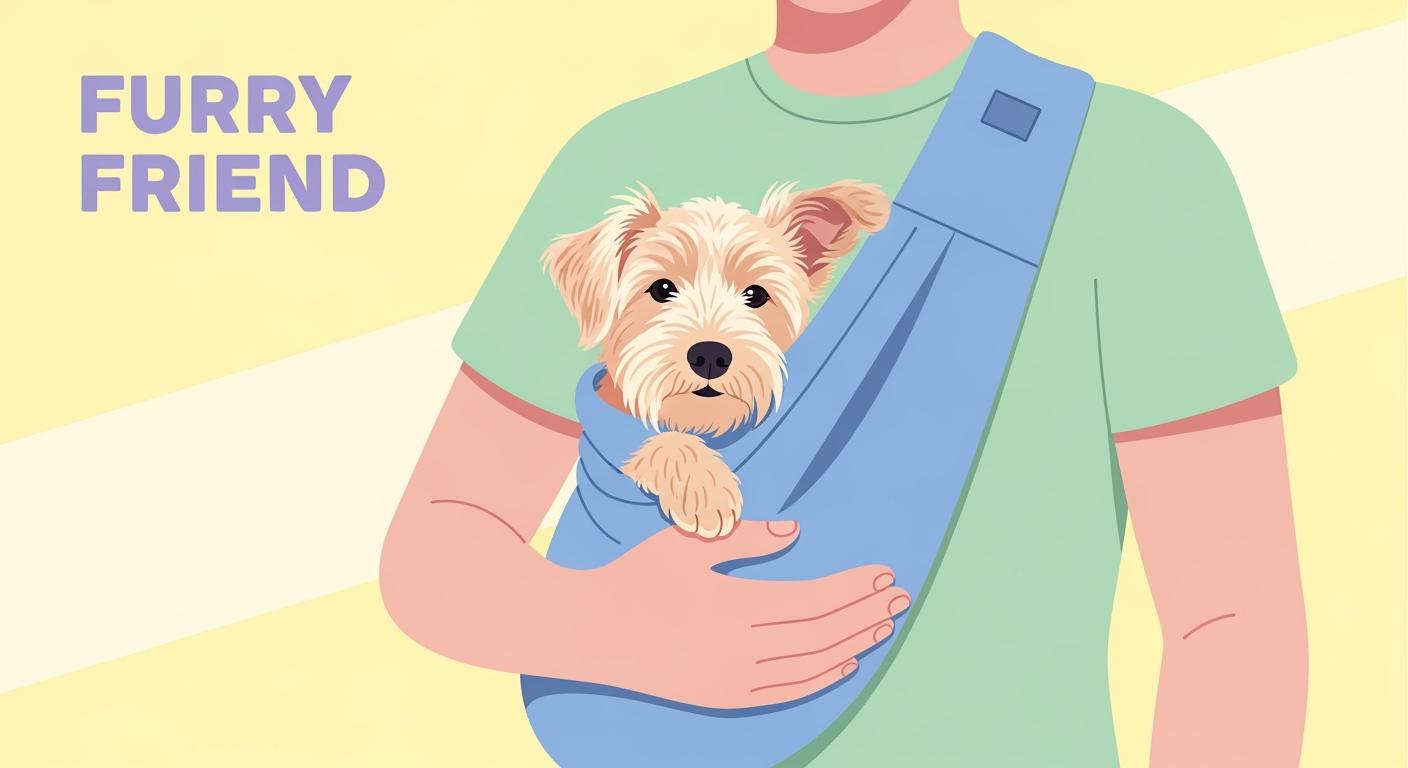
When you pick a dog sling carrier or dog sling carrier for your small dog, you should think about safety and comfort first. Stability stops the carrier from moving too much. Good ventilation helps your dog stay cool. Proper support lets your dog rest in a natural way. This also lowers pressure on the chest and hips. Secure closures and escape prevention keep your pet safe when you go out. Do not choose carriers that sag or have bad support. Also, avoid ones with poor ventilation. These problems can make your dog uncomfortable and unsafe. Unsafe closures can let your dog get out and get hurt.
Key Takeaways
Prioritize safety and comfort when choosing a dog sling carrier. Look for stability, good ventilation, and proper support to keep your dog secure.
Use a sling carrier for short trips and calm dogs. Avoid long outings or crowded places if your dog shows signs of stress or discomfort.
Check the fit of the carrier every time. Measure your dog’s chest and neck girth to ensure a snug and supportive fit.
Perform a quick comfort test before each outing. Look for signs of distress like panting or drooling to ensure your dog is comfortable.
Regularly clean the carrier and inspect for sharp seams. This helps prevent skin irritation and keeps your dog healthy.
When to Use a Sling Carrier
Best Use Cases for Daily Errands
A dog sling carrier or dog sling carrier is good for short trips. Use it when you need to keep your dog close for quick errands. This can be things like getting groceries or going to a pet-friendly store. It also helps in busy places where your dog might get scared or feel unsafe on the ground. Calm dogs who like being near you often do well in a sling carrier. Make sure the carrier sits high and close to your body. This keeps your dog steady and stops it from swinging. Look for carriers with good airflow so your dog stays cool. Only use the sling for short times and take breaks often.
Decision Guide: When to Use a Sling Carrier
Quick errands or short walks
Crowded areas with limited space
Calm, well-adjusted dogs
Supervised transitions between locations
Tip: Always check the fit and support before you use it. Make sure your dog can relax and breathe well.
When Not to Use a Sling Carrier
Do not use a dog sling carrier for long trips or in hot weather. Using it too long can make your dog too hot. It can also make it hard to get your dog out fast if there is an emergency. The table below shows some risks:
Risk Type | Description |
|---|---|
Overheating | Can happen if used in the sun or heat because of body warmth. |
Delayed Access | Can make it hard to remove your dog quickly in emergencies. |
Poor Stability | Can cause falls if the weight is not balanced. |
Do not use a sling carrier if your dog is stressed. Signs are heavy panting, drooling, or wild movement. Dogs with health problems or anxiety may not like being carried. Stay away from carriers with bad airflow or weak support.
Dogs Who Benefit Most
Small dogs who like being close and stay calm in new places do best with sling carriers. Puppies, older dogs, or dogs healing from small surgeries may like the extra help on short trips. Dogs who do not like crowds or have trouble walking also do well in a sling carrier for a little while.
Reminder: Sling carriers are only for short, safe use. They do not replace watching your dog or let you use both hands. Always look for signs your dog is not comfortable.
Need help choosing the right carrier? Check the fit, airflow, and your dog’s comfort every time you go out.
Dog Sling Carrier Fit Checks
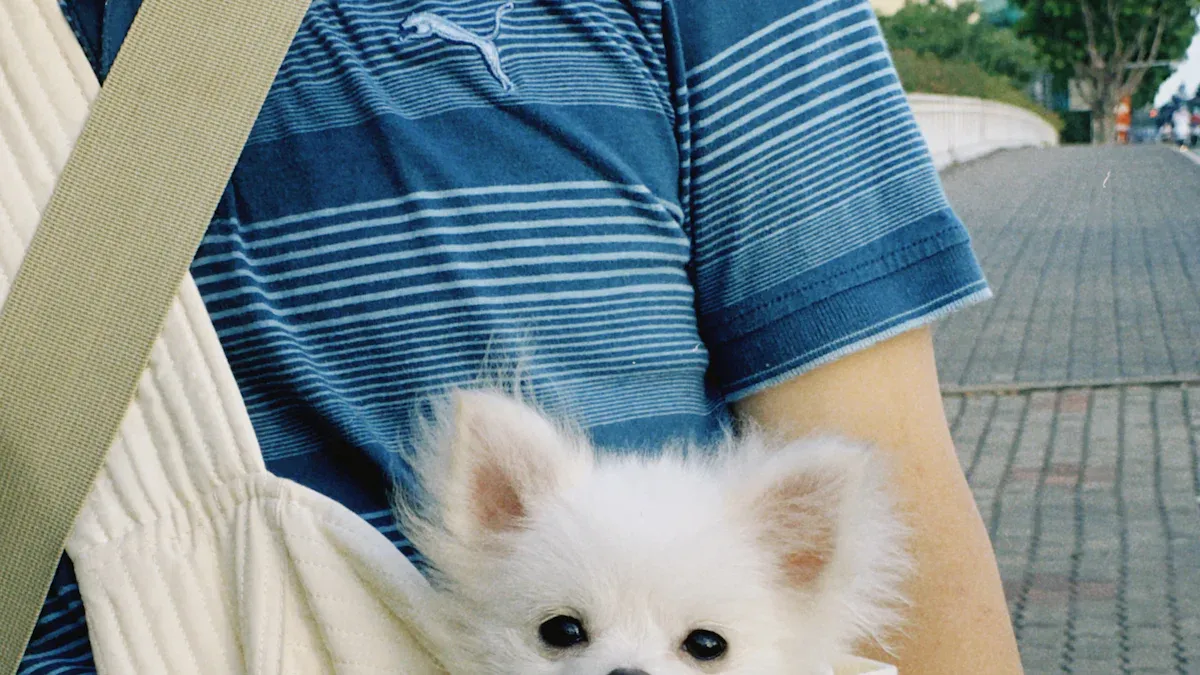
When you choose a dog sling carrier or dog sling carrier for your small dog, you need to check the fit every time. A good fit keeps your dog safe and comfortable. You must focus on four safety anchors: stability, support, ventilation, and escape prevention. Sling carriers work best for short, controlled outings. They do not replace supervision or allow you to use both hands freely. Stable support helps avoid pressure on your dog’s body. If you see any signs of distress, stop using the carrier and seek professional advice.
Posture and Support Test
Start by measuring your dog’s chest girth, neck girth, and back length if needed. These measurements help you pick the right size and keep your dog secure.
Chest Girth: Measure just behind the front legs at the widest part of the ribcage.
Neck Girth: Measure where the collar sits, near the base of the neck.
Back Length: Measure from the base of the neck to the base of the tail if the brand asks for it.
Once you place your dog in the sling, check its posture. Your dog should settle naturally, without twisting or folding. The chest and hips must feel supported, not dangling. If your dog shows poor posture, you may notice problems. The table below lists common signs and what they mean.
Sign of Poor Posture | Implication |
|---|---|
Improper spinal alignment | Chronic back issues, especially in breeds like Dachshunds or Corgis |
Limbs dangling | Lack of core muscle support, uneven pressure on organs |
Stiff posture or climbing out | Distress and discomfort |
Tip: Always check your dog’s posture and support before heading out. A relaxed dog means a safer trip.
Edge and Stability Check
Look at the edges of the sling. Make sure there are no sharp seams pressing against your dog’s armpits or throat. Walk a short loop around your home. Watch for sway, bounce, or shifting. Stability means the carrier stays close to your body and does not swing. If you notice sagging, the sling may droop and put pressure on your dog’s body. Stable support keeps your dog comfortable and safe.
Anti-Sag and Escape Prevention
Sagging happens when the sling droops over time. This reduces support and increases pressure. You must check for sagging before each use. Make sure the closures are secure. Use the internal tether if your sling has one. Escape prevention means your dog cannot slip out or open the carrier on its own. Good ventilation is also important. Look for airflow openings that help reduce heat buildup.
Note: Always double-check closures and tethers before leaving home. Secure escape prevention keeps your dog safe.
Quick 2-Minute Comfort Test
You can use a simple two-minute test to check comfort and safety. Follow these steps:
Lay out the collapsed carrier on a flat surface.
Place the bottom panel facing down.
Lift each side panel gently to expand the carrier.
Secure any internal supports.
Attach doors or zippers fully and test their operation.
Press lightly on the carrier to inspect stability and ventilation.
Add a non-slip mat or your dog’s favorite toy for comfort.
After two minutes, look for signs of panting, drooling, fussing, or repeated shifting. If you see these signs, stop and adjust the fit or end the carry.
Help: Always perform a quick comfort test before each outing. Your dog’s safety and comfort come first.
Key Terms Defined:
Sagging: The sling droops, reducing support and increasing pressure.
Stability: Minimal sway, bounce, or shifting while walking.
Support: Chest and hips feel supported so your dog can settle naturally.
Ventilation: Airflow openings that help reduce heat buildup.
Escape Prevention: Secure closures and internal tether used correctly.
Call to Action: Double-check fit, support, and comfort every time you use your dog sling carrier. Your attention keeps your dog safe.
Safety Tips and Trade-Offs
Ventilation and Heat Management
You must always check the airflow in your dog sling carrier before each outing. Good ventilation helps your dog stay cool and comfortable. If you use the carrier in warm weather or crowded places, heat can build up quickly. Watch for signs like heavy panting, drooling, or wide eyes. These cues mean your dog may feel too hot or stressed. Move to a cooler area if you notice these signals. Offer water and increase airflow by opening vents or adjusting the carrier. End the carry if your dog does not recover quickly.
Common heat and stress cues to watch for:
Heavy panting in a cool environment
Excessive drooling
Trembling or freezing
Wide eyes or frantic movement
Repeated escape attempts
Tip: Always plan short trips and take frequent breaks. Never use a sling carrier for long, continuous carries.
Stress and Discomfort Signals
Your dog may show discomfort in several ways. You need to recognize these signals early to keep your pet safe. Dogs often vocalize, whine, or bark when they feel uneasy. Some dogs pace or reposition themselves, showing they cannot settle. Attempts to escape, such as clawing or pushing against the carrier, signal distress. You may also see clinginess or withdrawal, where your dog tries to hide or shuts down. Body language like a tightly tucked tail or ears pinned back shows anxiety.
Watch for these behavioral signals:
Whining or barking that seems unusual
Pacing or repeated shifting
Clawing or pushing against the carrier
Clinginess or withdrawal
Tucked tail or ears pinned back
If you see any of these signs, stop using the carrier immediately. Let your dog rest in a safe space. Consult a vet or trainer if the signals persist.
Note: Stable support and proper fit help prevent discomfort. Always check your dog’s posture and mood before and during use.
Handling in Crowds and Stores
Crowded places can challenge both you and your dog. You need to prepare your equipment before you leave home. Adjust the straps on your dog sling carrier so it fits your torso and your dog’s size. Secure all buckles and closures. Stand your dog beside you on a non-slip surface. Use treats or a helper to keep your dog calm. Squat down with your back straight and chest up. Avoid bending at the waist. Lift your dog using your legs, not your back. Slide your dog gently into the carrier and fasten all straps snugly. Test your balance by taking a few steps. If you feel unstable, readjust the carrier or choose another way to transport your dog.
Step-by-step handling tips:
Adjust straps and secure buckles before leaving.
Position your dog calmly on a safe surface.
Squat to lift, keeping your back straight.
Use your legs to rise slowly.
Slide your dog into the carrier and fasten straps.
Walk a few steps to test stability.
Call to Action: Keep one hand on the carrier in busy areas. Plan short intervals and take breaks often.
Hygiene and Friction Prevention
Cleanliness and comfort matter every time you use a sling carrier. Dirt and moisture can build up inside the carrier, causing skin irritation or odors. You should clean the carrier after each use. Use a soft cloth to wipe down the inside and outside. Check for sharp seams or rough edges that may rub against your dog’s skin. Place a soft mat or towel inside for extra comfort. Make sure the carrier dries completely before your next trip.
Hygiene checklist:
Wipe down the carrier after each use
Inspect for sharp seams or rough edges
Add a soft mat or towel for comfort
Let the carrier dry fully before reuse
Help: Regular cleaning and inspection prevent friction and keep your dog healthy.
Summary of Trade-Offs and Stopping Rules
Dog sling carriers work best for short, supervised errands. You must balance convenience with safety. Stable support and ventilation are essential. If you notice sagging, overheating, or any distress signals, stop use immediately. Always prioritize your dog’s comfort and safety over convenience.
Call to Action: Double-check fit, ventilation, and your dog’s mood before every outing. If you feel unsure, ask a vet or trainer for advice.
Common Mistakes and Safety Do-Not List
Frequent Buyer Errors
A lot of people make the same mistakes with a dog sling carrier or dog sling carrier. You can avoid these problems if you check each thing before you go out.
Picking a size that does not fit your dog
Not making sure the carrier has strong support
Missing weak stitching or bad build quality
Not looking for mesh panels or fabric that lets air in
Using the carrier too long without watching your dog
Letting the carrier sag or droop over time
Forgetting to close all closures or use the inside tether
Putting your dog in a weird or twisted position
Not noticing if your dog is stressed or uncomfortable
Not cleaning the carrier after every use
Help: Always check the fit, support, and airflow before you leave.
Safety Do-Not List
Keep your dog safe by following these important safety rules. Never:
Use a sling carrier for a long time without breaks
Ignore signs your dog is too hot or upset
Let your dog hang or twist inside the carrier
Skip the harness tether that stops escapes
Use a carrier with sharp seams or rough spots
Forget to check if the carrier has good airflow
Let the carrier sag or swing when you walk
Leave your dog alone in the carrier
Put too much weight in the carrier
Use the carrier if your dog is hurt or limping
Force your dog into the carrier if it does not want to go
Skip cleaning and checking the carrier often
Call to Action: If your dog looks upset, stop using the carrier and let your dog rest.
When to Consult a Vet or Trainer
Stop using the sling carrier and get help from a professional if you see any of these warning signs:
Pain or limping
Skin problems or red spots
Your dog keeps trying to get out
Your dog acts scared or reacts badly
A vet can help with pain or skin problems. A trainer can help if your dog is scared or hard to handle.
Note: Always put your dog’s comfort and safety first. If you are not sure, ask a professional.
Dog Sling Carrier FAQs
Q1: How do I keep my dog safe inside the sling?
Use the harness tether inside and close all closures tight.
Q2: What should I look for to prevent overheating?
Pick a carrier with mesh panels or fabric that lets air in.
Q3: How can I make the carrier more comfortable for my dog?
Choose padded, adjustable straps. Make sure your dog sits naturally.
Q4: How long can I use a sling carrier at one time?
Only use it for short trips. Take breaks often.
Q5: What if my dog shows signs of stress or discomfort?
Stop using the carrier right away. Let your dog rest and ask a vet or trainer if needed.
Help: Read these FAQs before each trip to keep your dog safe and happy.
You need a dog sling carrier that holds your dog steady. Mesh panels let air move through and keep your dog cool. Closures should be strong so your dog stays safe. Wide, soft straps make it easy to carry your dog. The base should be firm to protect your dog’s back. Reflective parts help cars see you at night. Liners you can take out make cleaning simple.
Quick Buyer Checklist:
Stable support
Good ventilation
Secure zippers and locks
Ergonomic straps
Washable liner
Reflective accents
If you are not sure your dog is safe or comfy, talk to a vet or trainer for help.
FAQ
When should you use a dog sling carrier sling carrier?
You should use a dog sling carrier sling carrier for short errands or quick trips. Always supervise your dog. Never use it for long walks or leave your dog unattended. Stable support and ventilation matter most.
Help: Check your dog’s comfort and stop if you see stress.
What are signs your dog is overheating in a sling carrier?
Look for heavy panting, drooling, trembling, or frantic movement. Wide eyes or repeated escape attempts also show distress. Move to a cooler place and offer water if you see these signs.
How do you check for proper fit and support?
Place your dog in the sling.
Make sure the chest and hips feel supported.
Check for sagging or dangling limbs.
Walk a short loop to test stability.
Tip: Always adjust the sling before each use.
How do you use the internal safety leash attachment?
Attach the leash to your dog’s harness, not the collar. Secure all closures. This prevents escapes and keeps your dog safe inside the carrier.
What stress signals should you watch for in your dog?
Watch for whining, barking, pacing, or clawing at the sling. A tucked tail or pinned ears also show anxiety. Stop using the carrier if you notice these signals.
Call to Action: If your dog looks uncomfortable, stop and consult a vet or trainer.






