
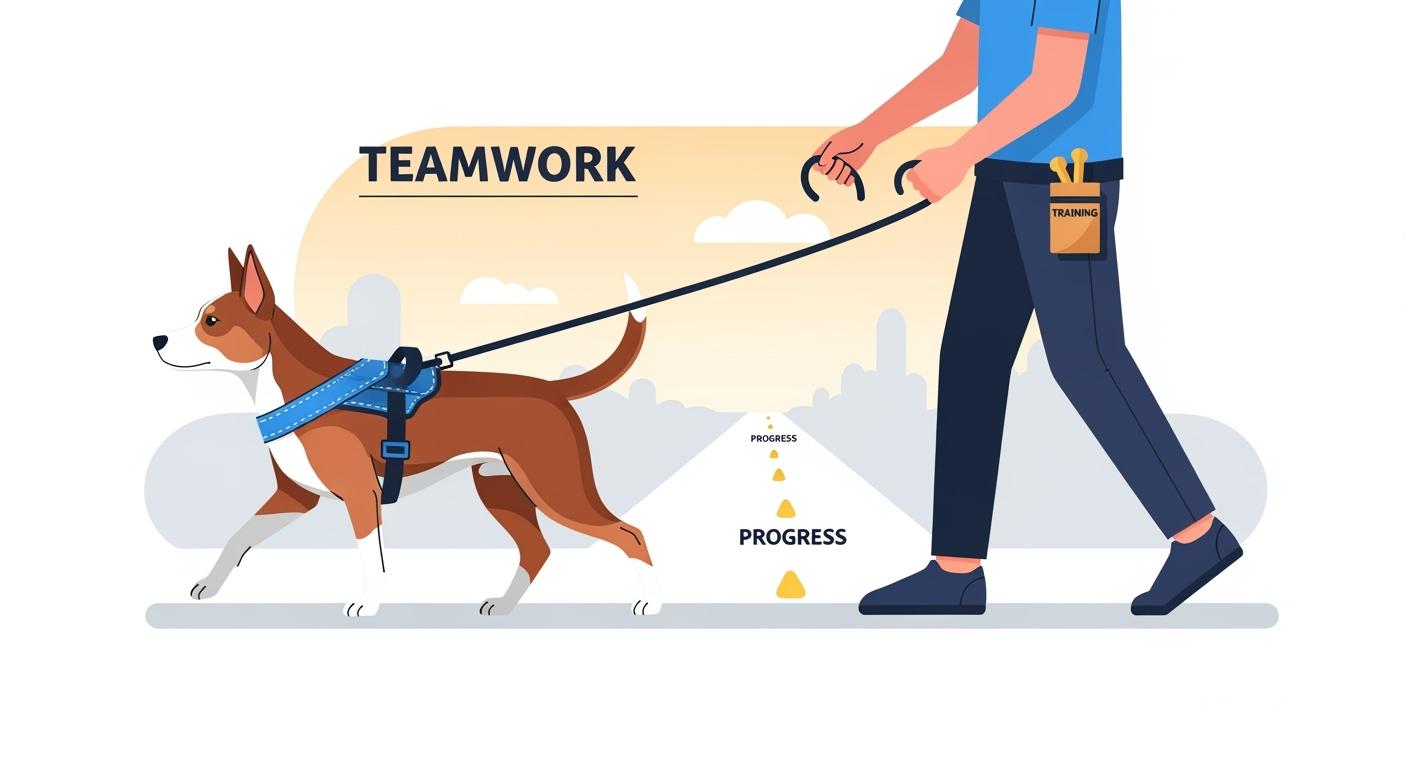
A pulling harness for dogs can make walks feel different very quickly, but it does not replace training. What often changes fast is leash pressure, handler control, and how easily you can redirect a dog that surges forward. What usually changes slowly is the dog’s habit of choosing a loose leash, checking in with you, and staying calm around distractions.
That is why the best results usually come from combining the right harness style with short, repeatable walking practice instead of expecting equipment to solve the whole problem on its own.
What a pulling harness can change right away
Some improvements can show up on the first walk, especially when the previous setup put pressure on the neck or gave the dog too much forward leverage. A front-clip or well-designed control harness can change the angle of the pull, reduce the feeling of being dragged, and make it easier to turn the dog back toward you before tension builds.
Changes many owners notice early
- Less strain on the dog’s neck compared with walking from a collar.
- Better steering when the dog starts to surge ahead.
- More controlled turns in busy places.
- Clearer feedback for the handler when the leash tightens.
What “fast improvement” really means
Fast improvement does not mean the dog has learned loose-leash walking. It usually means the dog is harder to power forward in the same way as before. That can make daily walks feel safer and calmer, but the harness is changing mechanics, not creating a new habit by itself.
| What may improve quickly | Why it changes | What to watch for |
|---|---|---|
| Forward pulling leverage | The leash attachment changes how momentum is redirected | Twisting or rubbing if the fit is poor |
| Handler control | The dog is easier to guide before they build speed | Overcorrecting or relying on gear alone |
| Neck pressure | Force is spread across the body instead of the throat area | Shoulder restriction if the design blocks movement |
Useful mindset: a pulling harness can help you interrupt the problem sooner, but it still needs calm repetition if you want the dog to make better walking choices on their own.
What still needs training even with a no-pull setup
A harness can make bad habits easier to manage, but it does not teach attention, impulse control, or calm decision-making. Dogs still need practice if they are lunging to greet, locking onto distractions, or pulling because they have learned that tension gets them where they want to go.
Skills the harness does not teach for you
- Walking with a loose leash by choice.
- Checking in with the handler when something exciting appears.
- Passing dogs, people, or traffic without rushing forward.
- Recovering calmly after a surprise or trigger.
Why some dogs still pull hard
If a dog has a long history of charging toward smells, greetings, or movement, equipment alone rarely changes that pattern. The dog may pull a little differently, but the motivation is still there. Progress usually comes faster when walks follow a more consistent walking routine with clear reward timing, short sessions, and low-distraction practice before harder environments.
A simple training focus that matches the harness
- Start in a place where your dog can still think.
- Reward before the leash gets tight, not after a long struggle.
- Stop or change direction when tension builds.
- Keep sessions short enough that your dog can still succeed.
- Increase difficulty slowly instead of testing everything at once.
How to choose and fit a pulling harness without creating new problems
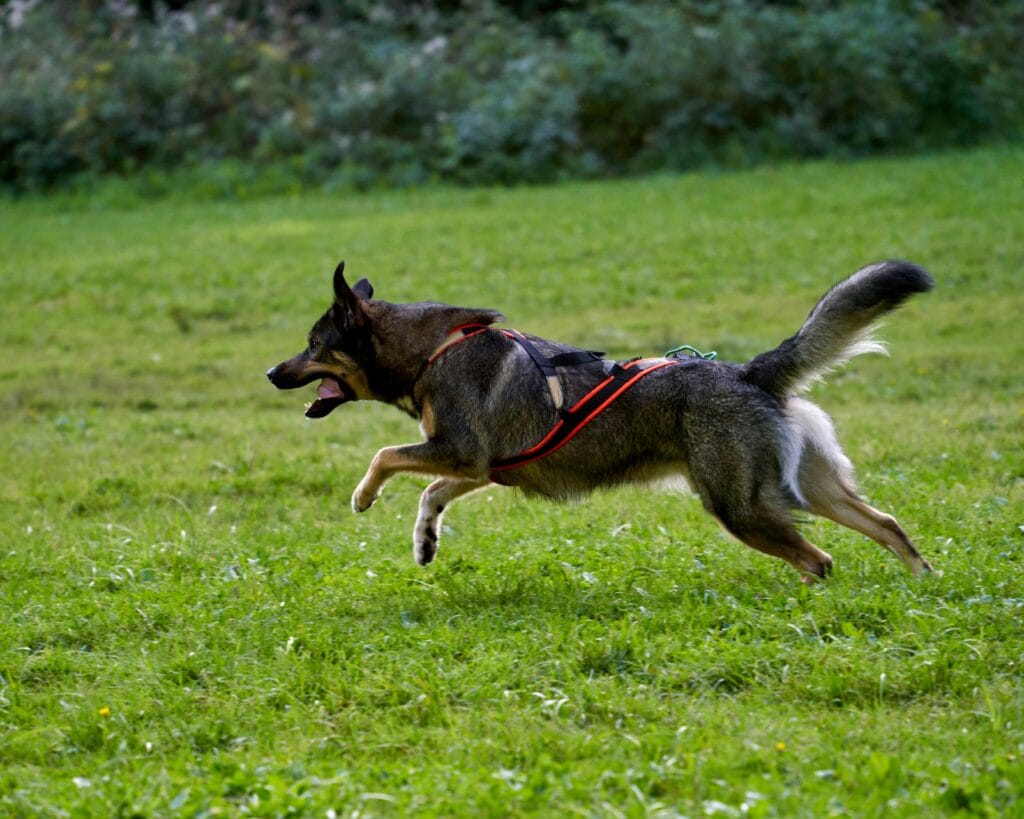
A harness only helps when the fit is stable and the dog can move naturally. Poor fit can create rubbing, shoulder restriction, twisting, and escape risk, which often makes owners think the style is wrong when the real issue is sizing or adjustment.
Fit checks that matter most
- The harness should stay centered instead of sliding to one side.
- The chest section should not press into the throat area.
- Straps should not dig into the armpits or cross the shoulder joint.
- Your dog should be able to walk, turn, and sit without a shortened stride.
- The dog should not be able to back out when startled.
Signs the setup needs adjustment or a different design
- Redness, hair loss, or repeated rubbing after short walks.
- The harness rides up, rotates, or sags under leash tension.
- Your dog changes gait or looks reluctant to move normally.
- The front attachment helps at first, but the whole harness keeps twisting.
When the fit is not obvious, it helps to compare the dog’s shape, strap paths, and control needs against a more detailed guide to training harness fit and sizing before deciding whether the problem is the harness style or the adjustment itself.
Common mistakes, realistic expectations, and when to pause
Most disappointment with a pulling harness comes from expecting instant behavior change or using the harness in ways that keep reinforcing the same pulling pattern. The tool works best when it reduces strain and improves timing, not when it becomes the entire strategy.
Common mistakes that slow progress
- Continuing to move forward every time the leash goes tight.
- Using a loose or poorly adjusted harness because it looks more comfortable.
- Taking the dog straight into crowded, high-distraction walks too soon.
- Switching gear repeatedly before giving one clear routine time to work.
- Ignoring rubbing, coughing, reluctance to move, or visible gait change.
When to pause and reassess
Pause harness use if you see skin irritation, coat wear, repeated twisting, coughing, or any change in how your dog moves. Also pause if your dog becomes more frantic, more reactive, or tries to escape the setup on every walk. In those cases, the next step is usually a fit change, a quieter training environment, or a different harness shape rather than simply tightening everything down.
What a realistic timeline looks like
Better physical control can happen on day one. Better walking habits usually take repeated practice over time. If you treat those as two separate goals, it becomes much easier to judge whether the harness is actually helping or whether the training plan needs adjustment.
FAQ
Can a pulling harness stop pulling immediately?
It can reduce pulling force or make it easier to redirect the dog right away, but it does not teach loose-leash walking on its own. Real behavior change still depends on repeated training.
Why does my dog still pull in a no-pull harness?
The harness may be improving control without changing the dog’s motivation. Dogs still pull if they have learned that rushing forward works, or if distractions are stronger than the dog’s current training level.
How do I know if the harness fit is wrong?
Watch for twisting, rubbing, sagging, slipping, restricted stride, or redness after walks. A good harness should stay stable and allow natural shoulder movement.
Should I keep using the harness if my dog coughs or seems uncomfortable?
No. Stop and reassess the fit and design first. If discomfort continues, it is better to pause use than to keep walking through obvious warning signs.
What is the fastest way to make a pulling harness work better?
Use it in easier environments first, reward before the leash gets tight, and keep sessions short enough that your dog can succeed. The harness works best when your timing and the dog’s setup are both consistent.






