
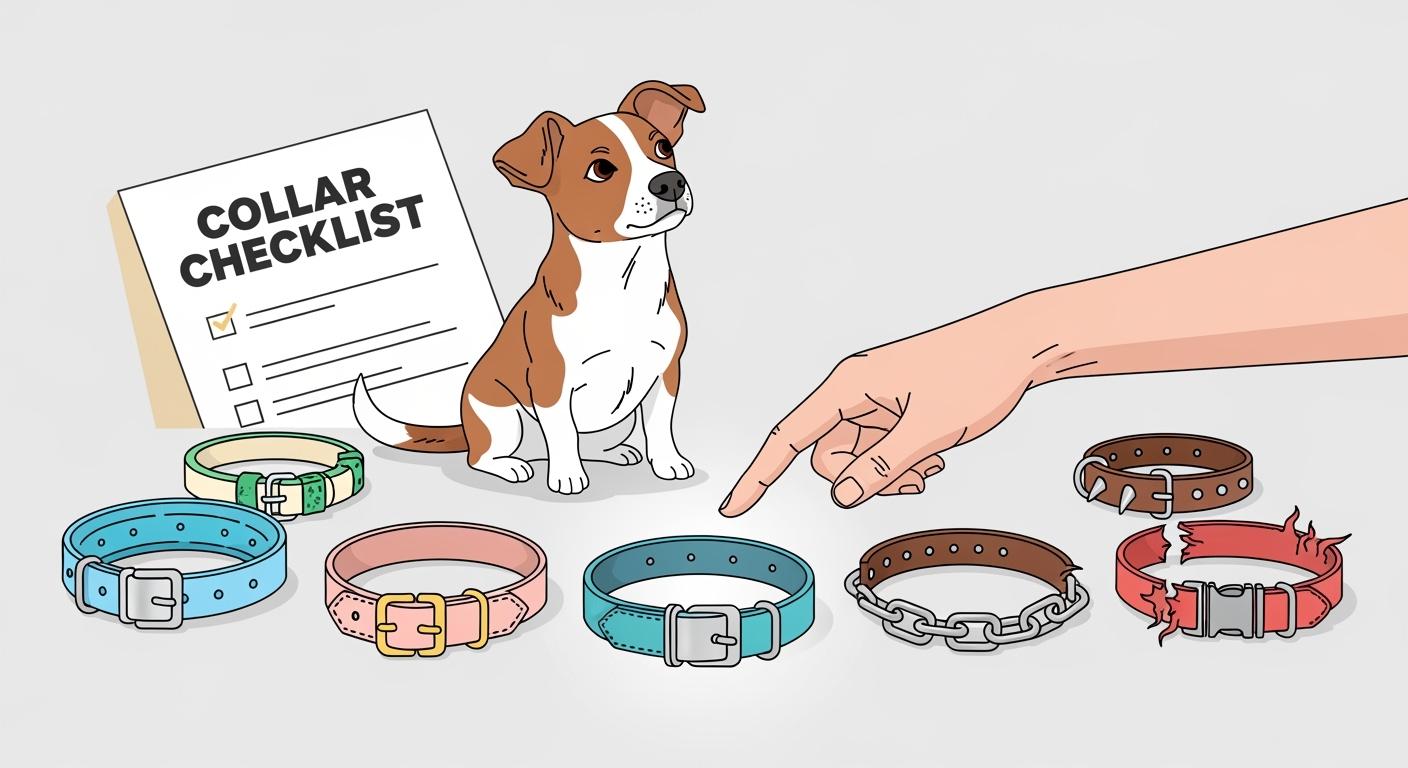
Small dogs often have delicate necks and thinner skin, so collar comfort and hardware weight matter more than people expect. Use this guide to choose a collar that sits correctly, stays light, and avoids the rubbing and slip-out issues that show up on daily walks.
Tip: Measure your dog’s neck with a soft tape, then compare styles in small dog collar options. The safest collar stays centered without pressing into the throat or rubbing behind the ears.
About this guide
This checklist focuses on common small-breed collar issues: collars sliding toward the ears, throat pressure during leash tension, and friction under the jaw or behind the ears. Use it to compare materials, hardware size, and adjustability. If your dog has a medical condition or persistent coughing, consult a veterinarian.
This article gives general tips, not medical advice.
Quick verdict: the safest collar setup for most small dogs
Pick a lightweight collar with smooth edges, a secure buckle, and hardware sized for a petite neck. Fit it high enough that it does not sit on the shoulders, and use the two-finger rule. For leash walks, many small dogs do better in a harness to reduce neck pressure.
| Pay for | Skip if possible |
|---|---|
| Light hardware, smooth webbing or soft padding, easy adjustment, secure D-ring | Oversized metal parts, rough stitching edges, collars that twist easily, stiff materials that pinch |
Key Takeaways
- Pick collars that are light so your small dog feels good and does not hurt its neck.
- Always make sure the collar fits right; you should be able to put two fingers between the collar and your dog’s neck.
- Use harnesses when you walk your dog, especially if your dog pulls or has a weak neck, to stop injuries.
- Choose collars made from soft stuff to stop skin problems; look often for signs your dog is not happy.
- Get new collars if the old ones are broken or do not fit right to keep your dog safe and well.
What Matters for Small Breeds
Choosing small dog collars means you want to protect your small dog’s neck and keep them happy. You need to focus on comfort, safety, and the right fit. Small dogs have delicate necks. You should always look for collars with lighter hardware, soft edges, and a stable design. These features help prevent rubbing and pressure points. You also want a collar that is easy to clean and dries quickly.
Lightweight Collars for Comfort
You should choose lightweight collars for small breeds. Heavy collars can cause discomfort and even pain. A collar with minimal hardware will not bounce or press on your dog’s neck. Soft materials, like padded nylon or gentle webbing, feel better on the skin. Smooth edges stop the collar from rubbing. If your dog has long hair, a lighter collar helps prevent matting and hair loss. Always check the size and adjust the collar so it fits snugly but not tightly. A good fit means you can slip two fingers between the collar and your dog’s neck.
Tip: Dry the collar after rain or baths. This keeps your dog’s neck healthy and the collar fresh.
Safety: When Harnesses Are Better
For leash walks, many owners choose a well-fitted harness for small dogs because it can reduce pressure on the throat compared with collar tension. If your dog coughs, gags, or resists walking, treat that as a fit or equipment signal and adjust your setup.
- Use a collar for ID tags and quick trips.
- Use a harness for leash walks, especially if your dog pulls or has a sensitive neck.
- Watch for signs of discomfort, like coughing or scratching.
Skin Sensitivity and Vet Advice
Small dogs often have sensitive skin. Some materials can cause redness or itching. You should check your dog’s neck often for signs of irritation. If you see hair loss, redness, or your dog scratches a lot, try a softer collar or switch to a harness. Chronic pressure from collars can harm small dogs, especially those with short noses or fragile necks. If you notice any problems, ask your veterinarian for advice. They can help you choose the best gear for your dog’s health and comfort.
Note: Always check the collar after grooming or as your puppy grows. Replace it if it becomes worn or does not close smoothly.
Small Dog Collars Materials Compared
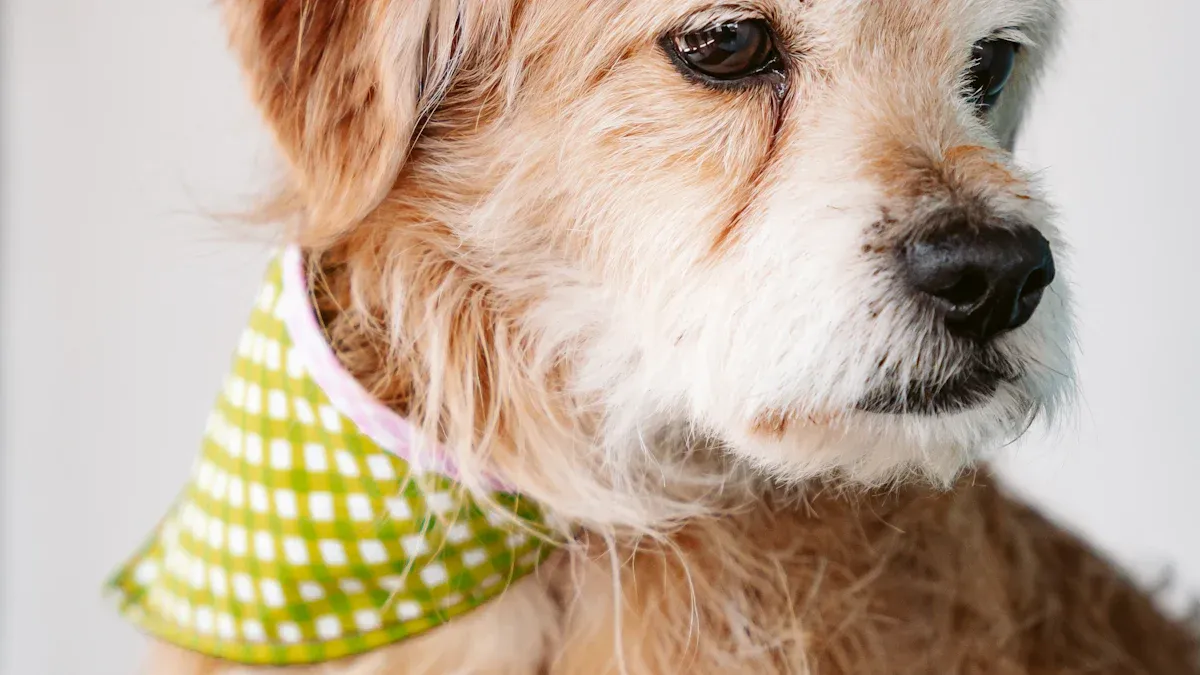
Picking the right material for reflective dog collar is important. It affects how comfy, strong, and safe the collar is. Each material has its own good and bad points. You should choose a collar that matches your dog’s habits.
Webbing Styles: Pros and Cons
Webbing collars are usually made from nylon. They are flexible and easy to wash. These collars dry fast and come in many colors. But if the collar does not fit well, it can hold water. Wet webbing can rub your dog’s neck and cause smells. Nylon webbing is light, so it does not press hard on small necks.
| Collar Type | Pros | Cons |
|---|---|---|
| Full-Grain Leather Collars | Strong, looks nice, gets softer over time, feels good after breaking in. | Needs care, heavier than fake collars, not fully waterproof. |
| Biothane & Synthetic Performance | Light, does not soak up water, simple to clean. | Not as cool in hot weather, may not feel fancy even if it works well. |
| Padded Neoprene or Memory Foam | Stops rubbing and pressure, great for long walks or training. | Can get hot, bigger size, harder to clean well. |
Coated Collars: Easy Clean, Stiffness
Coated collars like biothane do not soak up water. You can wipe them clean with little work. They are good for wet or muddy days. These collars dry fast and do not smell bad. But they are stiffer than nylon or leather. Some small dogs may not like this stiffness.
| Feature | Description |
|---|---|
| Ease of Cleaning | Coated collars are easy to wipe and dry fast because they do not soak up water. |
| Stiffness | They are harder than nylon or leather, which might not feel good for small dogs. |
Soft Collars: Comfort and Care
Soft collars add padding (often neoprene or foam) to reduce friction. They can help dogs with sensitive skin, but they may dry more slowly and can trap dirt if used outdoors. If you choose padding, prioritize an easy-clean surface and dry it fully after wet walks.
- Soft collars are best for dogs with sensitive skin.
- Heavy or stiff collars can hurt or cause health issues.
- Leather collars get softer and nicer as you use them.
Reflective Details for Safety
Note: Visibility and comfort matter on small dogs. Choose reflective details for low-light walks and re-check fit after grooming, rain, or a growth spurt.
Reflective collars help keep small dogs safe during walks in the dark. Studies show that shiny collars help drivers see dogs faster. This can stop accidents. A reflective collar is a smart pick for any small dog that goes outside.
When you pick a collar, think about your dog’s size and fur. Also think about what your dog does each day and if they have sensitive skin. Choose a collar that fits your dog’s needs and keeps them safe and happy.
Collars for Small Breeds: Design Choices
Width, Weight, and Hardware Size
When you choose collars for small breeds, focus on width and weight. A narrow, lightweight collar feels better for your dog. Oversized hardware can cause discomfort and even injury. You should look for flat collars made from nylon or biothane. These materials help prevent skin irritation. Adjustable sizing is important. Make sure you can fit two fingers between the collar and your dog’s neck. Secure buckles keep the collar in place. Heavy metals may last longer, but they do not suit small or young dogs. Always balance durability with comfort.
- Pick lightweight materials for comfort.
- Use adjustable collars for a proper fit.
- Avoid oversized hardware.
- Choose secure buckles.
- Make sure the collar fits snugly but not tightly.
D Ring Placement and Leash Pull
The D ring holds your leash and tags. A stable D ring placement keeps the collar from twisting. This helps your dog stay comfortable during walks. If your dog pulls, a harness may work better than a collar. For collars, look for strong D rings that do not add extra weight. This design reduces pressure on your dog’s neck and improves safety.
Quick Release and Breakaway Features
Quick release and breakaway features add safety to small dog collars. Breakaway collars open if they get caught on something. This helps prevent choking. These features are helpful for dogs that play with other pets or move around the house. Small dogs that get stuck on objects benefit from this design. You should always check that the quick release works smoothly.
Tag Setup to Reduce Irritation
Tags can irritate your dog’s neck if not set up well. Use quiet materials like silicone or rubber grommets to reduce noise and friction. Make sure tags have smooth edges. Secure fittings stop tags from dangling and causing discomfort. You can also use rubber tag silencers or QR code tags to cut down on noise. Place the tag on the D ring away from the buckle to lower friction.
| Best Practice | Description |
|---|---|
| Use quiet materials | Choose silicone tags or rubber grommets to reduce noise and irritation. |
| Smooth edges | Pick tags with smooth edges for more comfort. |
| Secure fittings | Attach tags firmly to prevent dangling and rubbing. |
When you pick the best dog collars, think about your dog’s size, fur length, activity level, and skin sensitivity. Look for safety features like reflective details, eco-friendly or recycled materials, and non-toxic quality. The right design keeps your dog safe and happy.
Quick check: If you see redness, hair loss, coughing, or frequent scratching, re-fit the collar or switch materials.
Safety limits
- If your dog coughs, gags, wheezes, or stops walking when the leash tightens, switch to a harness for walks and re-check collar fit.
- Remove collars during unsupervised crate time and rough play to reduce snag risk (unless your veterinarian advises otherwise).
- Re-fit after grooming, weight change, or a growth spurt. Small dogs can go from “fine” to “too loose” quickly.
Safety Mistakes and What to Avoid
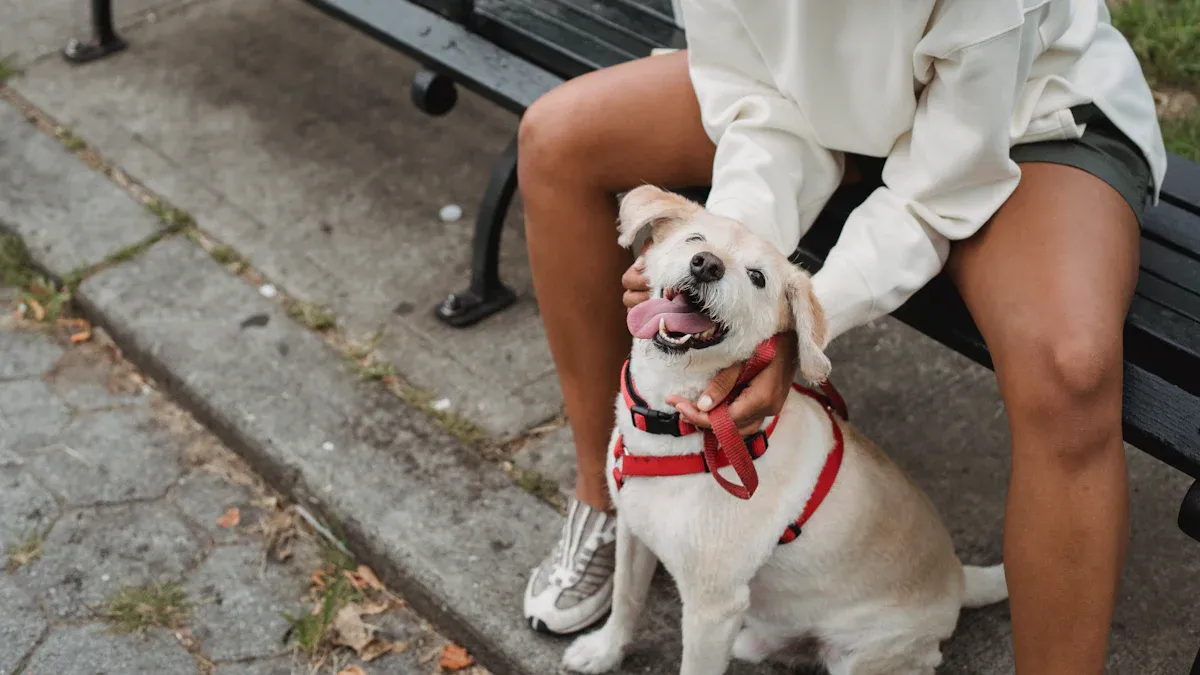
Picking the right collar for dogs means you need to avoid mistakes that could hurt your pet. Some owners care more about style, but safety and comfort are most important for small dog collars. Always check the fit, what the collar is made of, and how it is designed before using it. Here are common mistakes and how you can stop them.
Rubbing, Hair Loss, and Pressure Points
Small dogs have weak necks. If a collar does not fit well, it can rub, cause hair loss, or make sore spots. If you see red skin or bald patches, the collar might be too tight or made from rough stuff.
Note: Visibility and comfort matter on small dogs. Choose reflective details for low-light walks and re-check fit after grooming, rain, or a growth spurt.
Watch for these signs:
- Red skin or sore spots under the collar
- Scratching at the neck
- Hair missing around the collar
- Coughing or gagging on walks
These problems can happen if:
- The collar does not fit right and rubs or pulls hair out
- Small breeds can get hurt easily, like tracheal collapse, if collars are used wrong
- A good fit stops your dog from hating walks or being touched
Slip Out Risks and Poor Fit
A collar that is too loose can fall off. If it is too tight, it can hurt your dog. Use adjustable collars to get the best fit. Check the size every few weeks, especially for puppies or after grooming.
Mistakes to avoid:
- Picking a collar just because it looks nice
- Getting the wrong size
- Not caring about the material
- Leaving collars on all the time without checking the fit
- Using heavy or big hardware
- Not looking for signs your dog is uncomfortable
A good fit means you can put two fingers between the collar and your dog’s neck. If your dog slips out or the collar spins around, fix it right away.
Tethering and High Tension Dangers
Never use a collar to tie up your dog or control pulling. Pulling on the neck can hurt small dogs. Harnesses are safer for walks, especially for dogs that pull or have weak necks.
Risks include:
- Neck damage from hard pulls
- Choking or coughing
- Fear or worry about walks
Use collars for ID tags. Use a harness for walking. Look for safety features like quick-release buckles and breakaway designs.
When to Replace Collars
Collars get old and break down. Torn webbing, broken buckles, or rusty parts can fail when you need them most. Check your dog’s collar every month. Replace it if you see:
- Torn or frayed material
- Buckles that do not close right
- D rings that bend or break
- Mold or bad smells that will not go away
A new, strong collar keeps your dog safe and comfy.
Common Mistakes to Avoid
- Picking a collar just for looks
- Choosing the wrong size
- Not caring about the material
- Leaving collars on all the time without checking fit
- Using heavy or big hardware
- Not looking for signs your dog is uncomfortable
Safety Tips for Small Dog Collars
- Check the fit every week.
- Use adjustable collars for a good fit.
- Pick soft materials that do not rub.
- Choose light hardware for less pressure.
- Look for reflective parts for night walks.
- Take off the collar during play at home.
- Dry the collar after rain or baths.
- Get a new collar if you see any damage.
- Use breakaway or quick-release features for safety.
- Do not use collars with harmful dyes or coatings.
- Pick eco-friendly or recycled materials if you can.
- Watch for signs your dog is not comfortable or healthy.
Decision Table: Choosing the Best Dog Collars for Your Pet
| Dog Characteristic | Recommended Collar Materials | Design Priorities | Safety Check |
|---|---|---|---|
| Sensitive skin | Soft, comfortable materials | Smooth edges, lightweight | Check for redness or hair loss |
| Active or outdoorsy | Durable, water-resistant | Sturdy, reflective | Inspect for fraying or odor |
| Small neck or puppy | Adjustable, flexible | Minimal hardware, secure | Confirm adjustable fit, no slipping |
| Pulls on leash | Use harness, not collar | Breakaway feature | Watch for coughing or choking |
| Eco-conscious owner | Recycled, eco-friendly | Non-toxic, safe dyes | Review material quality and safety |
Prepare Before You Buy
Before you pick a collar for dogs, think about these things:
- Your dog’s neck size and shape
- If your dog has sensitive skin or allergies
- How active your dog is and what they do each day
- How long your dog’s hair is and how often you groom them
- If your dog pulls or has had neck injuries
When picking a collar for your small dog, look for these things: The collar should be light so your dog’s neck does not get tired. Smooth edges help keep your dog comfortable. Make sure you can adjust the collar for a safe fit. Good materials last longer and feel better.
Replace a collar when you see fraying, cracked buckles, bent rings, or stitching that is separating. For active dogs or frequent outdoor use, inspect monthly and replace sooner if the collar no longer closes smoothly or stays centered.
| Health Risk | Why It Matters |
|---|---|
| Tracheal collapse | Pressure can hurt small dogs |
| Cervical spine damage | Jerking can cause pain for years |
| Respiratory problems | Tight collars make breathing hard |
Care and maintenance
- Dry the collar after rain or baths to reduce rubbing and odor.
- Inspect monthly: stitching at the D-ring, buckle function, and any frayed edges.
- Clean based on the label. If padding stays damp, mildew odors can develop quickly.
Resources: https://www.stridepaw.com/blog/
FAQ
Which collar materials work best for sensitive skin?
Soft nylon, padded collars, and genuine leather feel gentle on your dog’s neck. Avoid rough or stiff materials. You should check for redness or itching after your dog wears a new collar.
Is a collar safe for a dog that pulls on the leash?
No, collars can hurt small dogs that pull. You should use a harness for walks. Harnesses spread pressure and lower the risk of neck injury.
How do you know if a collar fits right?
You should fit two fingers between the collar and your dog’s neck. The collar should not spin or slip off. Check the fit every week, especially for puppies.
What causes friction or hair loss under the collar?
Bad fit, rough materials, or wet collars can rub and pull out hair. You should look for red skin or bald spots. Change the collar if you see these signs.
When should you switch to a harness?
If your dog coughs, gags, or seems uncomfortable, you should use a harness for walks. Collars work best for ID tags, not for leash control.






